
Email remains a cornerstone of digital communication and marketing, yet its effectiveness hinges entirely on a critical, often opaque, factor: email deliverability. For marketers, the consistent arrival of messages in customer inboxes is not merely a technicality; it directly impacts brand reputation, fosters customer loyalty, and underpins the return on investment (ROI) of extensive marketing efforts. When emails fail to reach their intended recipients, the ripple effects can be detrimental to an organization’s bottom line and its relationship with its audience. Understanding the nuanced distinction between email delivery and deliverability is paramount, as the latter delves into the complex algorithms and reputation signals that determine final inbox placement.
A Shifting Paradigm: Recent Trends and Regulatory Impacts
Recent industry research highlights a dynamic shift in the deliverability landscape. According to Validity’s authoritative 2026 Email Deliverability Benchmark Report, the global inbox placement rate has shown a notable improvement, reaching 87.25%. This represents a 3.7% uplift from the previous year, a positive trend attributed largely to the enforcement of new bulk sender requirements, the introduction of stricter global privacy laws, and an increased focus on accessibility tactics within email design and content. While this upward trend is encouraging, it simultaneously underscores the ever-present need for senders to remain vigilant and adapt to evolving standards. The perception of deliverability as a "mystery" often stems from the intricate, behind-the-scenes processes employed by mailbox providers to interpret sender behavior, engagement metrics, and infrastructure signals.
Deconstructing the "Black Box": What is Email Deliverability?
At its core, email deliverability refers to the ability of an email to successfully reach the recipient’s primary inbox, rather than being shunted into secondary folders like "Promotions," or worse, the dreaded spam folder. This is distinct from email delivery, which merely confirms that the receiving server accepted the message. An email can be "delivered" yet never truly seen by the recipient if it lands outside the main inbox. Deliverability, therefore, is a far more comprehensive measure, reflecting how mailbox providers (MBPs) — such as Gmail, Microsoft, Yahoo, and Apple — assess a sender’s overall reputation and the quality of their sending practices. This assessment process, largely invisible to the sender, is what contributes to the "black box" feeling, making it challenging for marketers to pinpoint exact reasons for fluctuating inbox placement.

The Intensifying Challenge: Why Deliverability is Harder Than Ever
While the importance of email deliverability has long been recognized by industry veterans, several contemporary factors are escalating its complexity:
- Divergent Mailbox Provider Policies: Mailbox providers continuously refine their filtering algorithms, and critically, they do not all adhere to identical rules. This creates a fragmented landscape where a message that lands perfectly in a Gmail inbox might be filtered differently by Microsoft Outlook. For instance, the Validity report reveals stark differences in inbox placement rates: Gmail boasts an 89.8% rate, while Microsoft’s rate stands at 77.4%. Yahoo and Apple also show distinct filtering behaviors, with rates of 87.3% and 82% respectively. While recent bulk sender requirements have helped stabilize some rates, the fundamental challenge of understanding and conforming to these varied, dynamic policies persists.
- The Rise of AI in Inbox Management: Artificial intelligence (AI) is now deeply embedded in the mechanisms of inbox management. Mailbox providers are deploying advanced AI models, trained on vast datasets of spam and phishing attempts, to enhance their filtering capabilities. This heightened scrutiny means that even legitimate senders face increased pressure to demonstrate impeccable sending hygiene. Concurrently, the proliferation of AI-generated content, including potential AI-driven spam, further complicates the environment, increasing the risk of misclassification and lower engagement, even for well-intentioned campaigns.
- Faster Email Production and Volume Spikes: The drive for efficiency in marketing teams, often fueled by automation and advanced tools, can inadvertently create deliverability risks. The Litmus 2026 State of Email Report indicates that most email teams typically take between one to three days to create and deploy a single marketing email. While efficiency gains are positive, a newfound speed can tempt teams to dramatically increase sending volume or frequency without proper strategy. Such sudden spikes can act as a negative signal to mailbox providers, triggering filtering mechanisms regardless of content quality. Strategic "IP warm-up" protocols become indispensable during periods of anticipated volume change.
The Sender’s Imperative: Mastering Controllable Factors
Before an email even leaves the outbox, senders possess significant control over factors that collectively build their long-term reputation and influence deliverability. A proactive, disciplined approach is crucial for sustained success.
- Rigorous Email List Hygiene: This is a continuous, multi-step process, not a one-time task. Regular maintenance of email lists ensures that messages are sent only to genuine, engaged subscribers, avoiding outdated, invalid, or uninterested addresses that erode trust and inflate bounce rates. Simple best practices include removing inactive subscribers, re-engaging dormant segments, and promptly processing opt-outs and hard bounces.
- Organic List Growth: Senders must prioritize ethical and transparent list acquisition. Regularly checking in with subscribers to confirm their expectations for email content and frequency is vital. This fosters a relationship built on consent and relevance, reducing the likelihood of complaints.
- Strategic Sending Volume and Frequency: Mailbox providers meticulously monitor sending patterns. Abrupt increases in volume, an erratic sending cadence, or excessive mailing can flag a sender for filtering, even if the content itself remains consistent. Foresight and planning are essential to manage anticipated changes in sending volume, allowing for gradual adjustments and proper IP warm-up strategies.
- Aligning with Subscriber Expectations: The initial promise made at signup must be consistently delivered. If a subscriber opted in for a weekly newsletter, they expect a weekly newsletter, not daily promotional blasts. Subject lines, message structure, and the perceived value of the content should align with the original agreement. Implementing a preference center is an effective way to empower subscribers, giving them control over what they receive and when, thereby reducing unsubscribe rates and spam complaints.
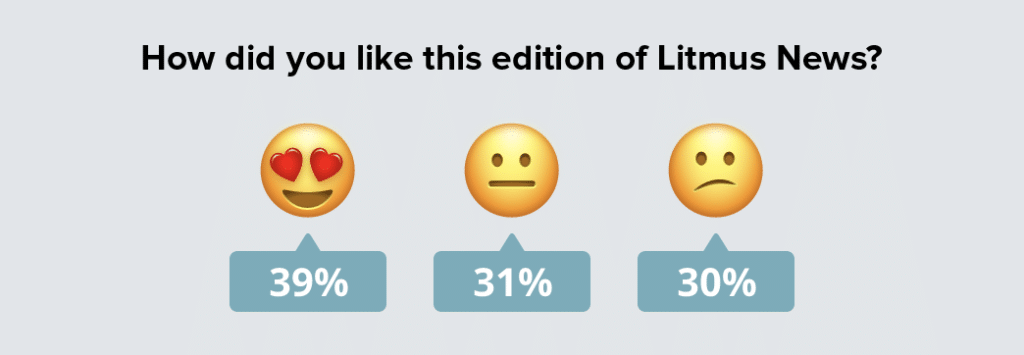
- Monitoring Engagement Signals: Quality over quantity should be the guiding principle. Engagement metrics — such as open rates, click-through rates, reply rates, and even conversions — serve as early indicators of audience sentiment. Conversely, low engagement, high complaint rates, unsubscribes, and spam trap hits are clear warning signs. Incorporating interactive elements like polls can directly solicit feedback, providing valuable insights into subscriber preferences.
- Prioritizing Design and Accessibility: If an email is visually broken, difficult to read, or inaccessible to users with disabilities, engagement will inevitably suffer. Poor rendering, broken links, missing images, or a confusing layout can frustrate subscribers, leading them to mark messages as spam. Adhering to email accessibility guidelines ensures a positive user experience for all, directly impacting engagement and, consequently, deliverability. Tools like Validity Engage can proactively alert senders to rendering issues across different clients and devices before campaigns are deployed.
The Indispensable Role of Email Service Providers (ESPs)
While a sender’s actions form the bedrock of deliverability, the Email Service Provider (ESP) acts as the crucial intermediary, providing the infrastructure and support necessary to send emails at scale. While ESPs do not dictate how MBPs ultimately place messages, their capabilities and practices significantly influence a sender’s potential for success.

- Robust Sending Infrastructure and IP Management: ESPs manage the complex technical infrastructure required for high-volume sending. For senders utilizing shared IP addresses, a reputable ESP will diligently monitor all senders on that IP pool, taking swift action against any "bad actors" whose practices might jeopardize the collective reputation. Both IP address and domain reputation are inextricably linked, underscoring the importance of sound infrastructure choices.
- Comprehensive Authentication Support: Most ESPs offer robust support for critical email authentication protocols: Sender Policy Framework (SPF), DomainKeys Identified Mail (DKIM), and Domain-based Message Authentication, Reporting & Conformance (DMARC). These protocols are foundational for establishing trust with MBPs, verifying the legitimacy of emails, and preventing spoofing or tampering.
- Basic Reputation and Blocklist Monitoring: ESPs typically maintain surveillance over IP reputation and major blocklists. This proactive monitoring helps minimize the risk of widespread blocking and provides timely alerts when issues arise, allowing senders to address problems before they escalate.
- Compliance and Abuse Safeguards: Given the dynamic nature of spam laws and regulations globally, ESPs play a vital role in ensuring baseline compliance and enforcing anti-spam policies within their sending environments, protecting both their own infrastructure and their clients’ reputations.
Navigating the Post-Send Landscape: The Mailbox Provider’s Domain
Once an email departs the ESP’s system, control shifts entirely to the mailbox providers. This is where inbox placement decisions are made, often feeling abstract and confusing to senders due to the opacity of MBP algorithms. Mailbox providers do not evaluate individual messages in isolation; instead, they analyze broader sending patterns and historical engagement data to predict future outcomes. They are not concerned with a sender’s intent or effort but purely with behavioral and engagement signals at scale. Consequently, a well-meaning sender with poor list hygiene may be treated identically to a malicious actor exhibiting similar undesirable signals.
How Mailbox Providers Evaluate Emails:
MBPs constantly ask critical questions about incoming mailstreams:
- "Does this sender typically receive high engagement?"
- "Are subscribers interacting positively with these emails?"
- "How often do recipients mark this sender’s emails as spam?"
- "Has this sender’s volume or content changed dramatically recently?"
- "Is this sender adhering to authentication best practices?"
This trend-based evaluation explains why changes in inbox placement are rarely linked to a single campaign but rather to patterns that evolve quietly over time.
Varied Outcomes Across Providers: A significant frustration for marketers is that the identical email can experience vastly different outcomes across various inboxes. As highlighted by Validity’s 2026 report, the disparity in inbox rates among major providers like Gmail (89.8%), Microsoft (77.4%), Yahoo (87.3%), and Apple (82%) illustrates this challenge. Furthermore, regional differences exist; for example, Yahoo’s inbox placement in France may differ from India, partly due to varying international privacy laws requiring explicit opt-in, which can lead to stricter filtering environments holding more weight.
Managing Risk During Transitions: While most deliverability issues develop incrementally, certain events trigger immediate and noticeable reactions from MBPs. These include migrating to a new ESP, onboarding a new IP address, undergoing a domain change, or experiencing a sudden, dramatic spike in sending volume. Understanding these high-risk moments allows senders to implement careful transition strategies, such as structured IP warm-up plans. Recovery from a significant deliverability downturn can be equally slow and opaque, as MBPs require sustained patterns of improved signals before adjusting their filtering decisions.
Gaining Visibility: The Power of Deliverability Tools
After an email has been sent, deliverability tools provide critical insights that ESP dashboards often lack. While ESPs typically offer delivery and basic engagement metrics, they rarely show precise inbox placement, how different MBPs responded, or the underlying reasons for performance shifts.
- Sender Score (Free Tool): Offered by Validity, Sender Score provides a quick, high-level snapshot of an IP address’s sender reputation. It’s a valuable starting point for identifying obvious reputation issues or confirming if sending behavior falls within a healthy range. Senders can use it to check their current score, track trends over time, and compare their reputation against industry benchmarks.
- Validity Engage (Paid AI-Powered Platform): This advanced platform allows senders to see exactly where their campaigns land by provider, IP, and domain, enabling them to diagnose and rectify deliverability problems before they impact revenue. Engage offers capabilities such as real-time inbox placement monitoring, competitive benchmarking, blocklist monitoring, and pre-send testing, all powered by AI trained on Validity’s extensive data network.
Boosting Deliverability: A Strategic Imperative
Achieving and maintaining high email deliverability is an ongoing process that requires a multi-faceted approach. There is no single "magic button," but rather a series of interconnected best practices:
- Clean Your Lists: Regularly purge inactive, invalid, or risky addresses. Implement a consistent schedule for list hygiene, perhaps quarterly, to ensure a healthy foundation.
- Validate Before Sending: Utilize data hygiene and quality tools, like those offered by Validity Engage, to validate email addresses at the point of entry or pre-send. This catches typos, disposable emails, and risky domains early, preventing bounces and protecting sender reputation.
- Segment Intentionally: Avoid a "send-all" approach. Segment subscribers based on engagement, preferences, or lifecycle stage to ensure messages are relevant and expected by each audience group. ESPs facilitate segmentation, but the strategic decision of who receives what rests with the sender.
- Set and Respect Unsubscribe Expectations: Provide a clear, easy-to-use unsubscribe process. If opting out is difficult, subscribers are more likely to resort to marking emails as spam. Ensure unsubscribe links are prominent, the process is swift, and preferences are honored immediately.
- Authenticate and Monitor: Implement and regularly monitor authentication protocols (SPF, DKIM, DMARC). While ESPs support these, their proper setup and ongoing maintenance are the sender’s responsibility. Neglecting authentication is a direct path to deliverability issues.
- Test Before Sending: Prioritize pre-send testing for all campaign elements, including links, images, accessibility, and rendering across various devices and email clients. Tools like Validity Engage’s pre-send testing capabilities can identify issues that could frustrate subscribers and negatively impact engagement.
- Monitor Results by Mailbox Provider: Move beyond aggregate delivery rates. Analyze performance by individual mailbox provider (Gmail, Microsoft, Yahoo, etc.) to identify specific areas of concern and avoid making generalized, potentially incorrect, adjustments based on incomplete data.
Conclusion: Demystifying Deliverability for Sustainable Success
Email deliverability, while sometimes appearing shrouded in mystery due to the intricate workings of mailbox provider algorithms, is ultimately a manageable and predictable aspect of email marketing. By meticulously understanding the factors within their control – from list hygiene and sending volume to subscriber expectations and email design – and by leveraging the capabilities of their ESPs and specialized deliverability tools, senders can significantly enhance their inbox placement rates. The strategic investment in these practices transforms deliverability from an unpredictable challenge into a measurable and controllable component of a robust digital marketing strategy, ensuring messages reach their intended audience and drive meaningful business outcomes.