Google has reportedly removed its dedicated help document titled "Make OpenTable reservations in Google Maps," signalling a potential cessation of its long-standing integration with the popular restaurant reservation platform. This development, observed recently by digital marketing analysts and users, strongly suggests that the functionality allowing users to book OpenTable reservations directly within Google Maps restaurant listings has been discontinued. The move marks a significant shift in Google’s approach to local commerce and its "Reserve with Google" initiative.
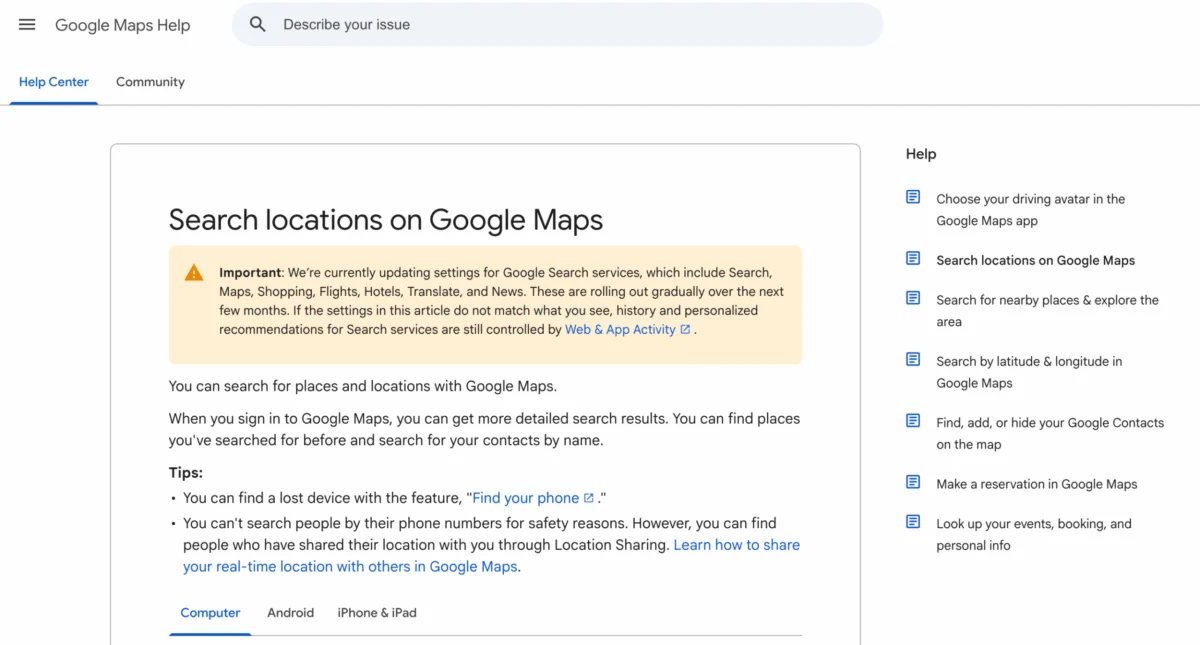
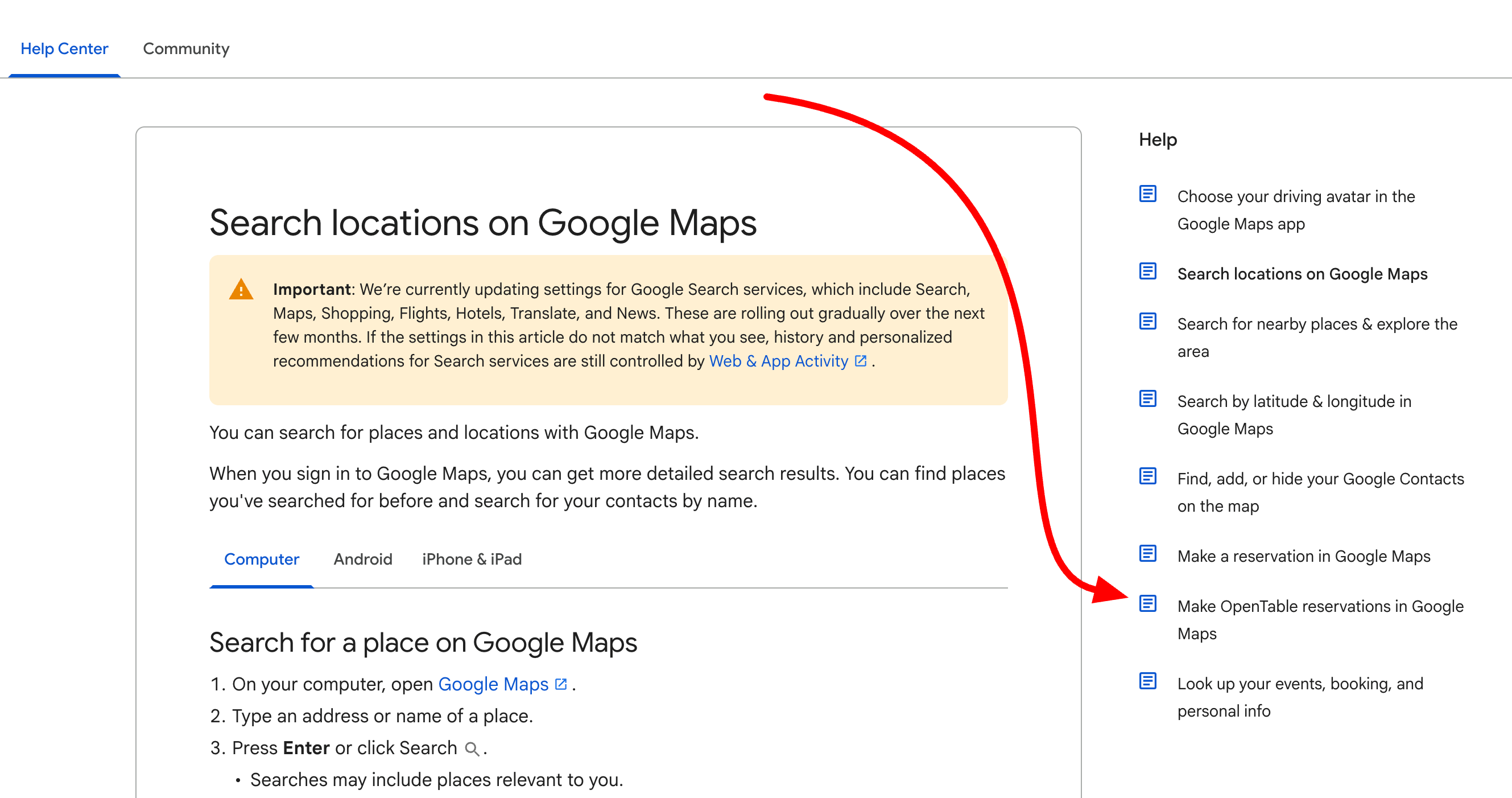
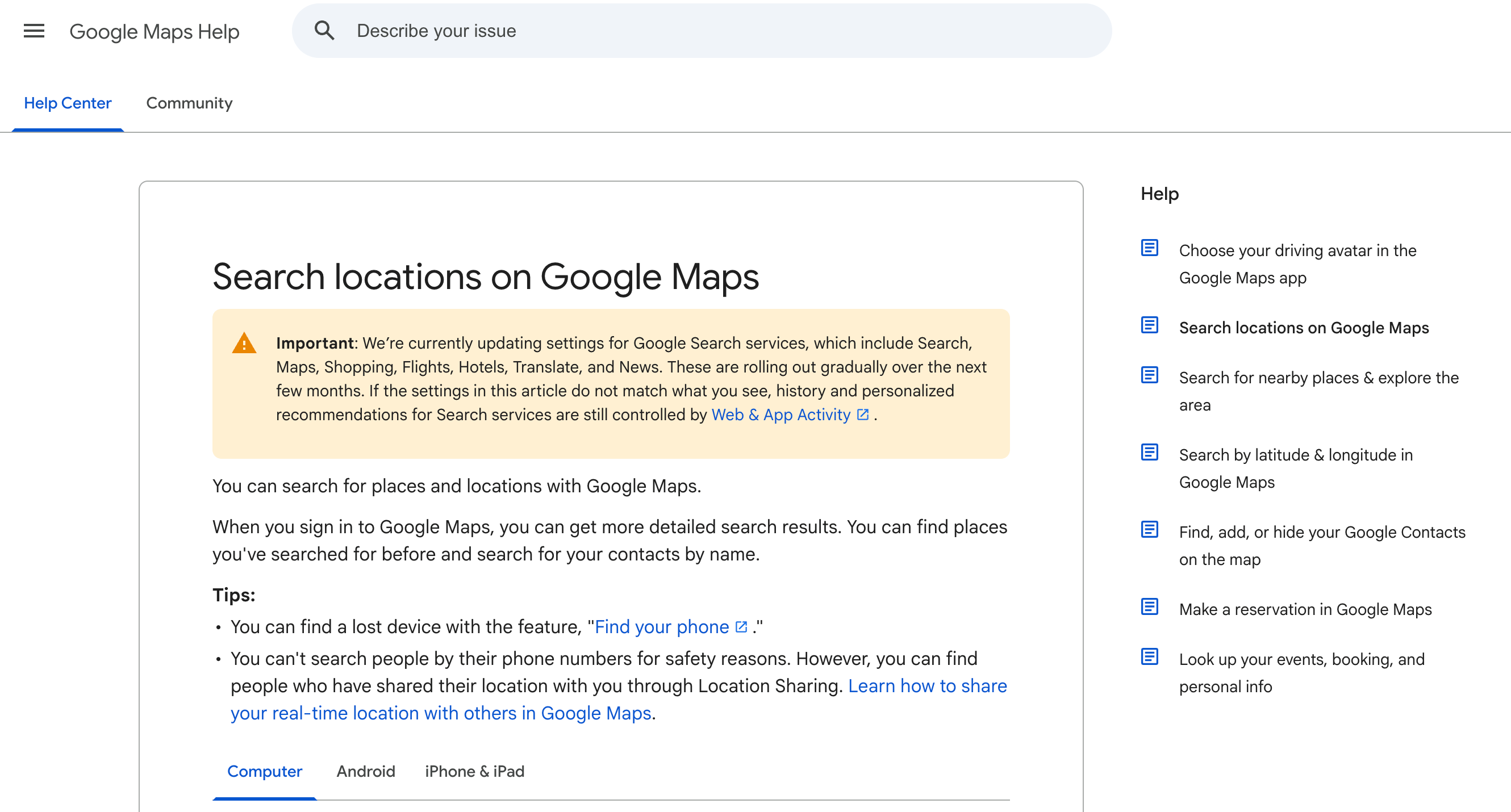
The primary evidence for this discontinuation stems from the disappearance of a key support document. The page, previously located at https://support.google.com/maps/answer/6039495?hl=en, which explicitly detailed the process for making OpenTable reservations through Google Maps, is no longer accessible. Instead of returning a "404 Not Found" error, the URL now redirects users to the main Google Maps support section, indicating a deliberate content removal rather than a technical error. Further corroborating this change, links to the now-defunct OpenTable reservation guide have been systematically removed from other relevant Google Maps help pages, such as the comprehensive guide to finding places on Google Maps (https://support.google.com/maps/answer/3092445?hl=en). Archived versions of these pages clearly show the presence of the OpenTable link, which is absent from their current iterations. Screenshots of Google search results also reveal that the deleted support page is still indexed, though it is expected to disappear from search results as Google’s algorithms re-crawl and update.
A Decade of Partnership: The Rise of Integrated Booking
The integration between Google Maps and OpenTable dates back nearly a decade, part of Google’s broader strategy to enrich its local search experience and provide seamless utility to its users. In the mid-2010s, Google began a concerted effort to transform Google Maps from merely a navigation tool into a comprehensive local discovery and transaction platform. This vision included allowing users to not only find businesses but also interact with them directly – making calls, viewing menus, and, crucially, booking appointments and reservations.
OpenTable, as a dominant player in the online restaurant reservation space, was a natural partner for Google. The partnership offered significant benefits to both parties: Google Maps gained enhanced functionality, keeping users within its ecosystem for longer, while OpenTable benefited from immense traffic driven by Google’s pervasive local search results. For restaurants, the integration meant increased visibility and easier booking access for potential diners, streamlining the path from discovery to reservation. The process was straightforward: users would search for a restaurant on Google Maps, and if the restaurant partnered with OpenTable, a prominent "Reserve a table" or "Book a table" button would appear, allowing them to complete the booking flow either within Google Maps or through a seamless redirect to OpenTable’s platform. This integration was later subsumed under the larger "Reserve with Google" program, which expanded to include various services beyond restaurants, such as salons, fitness classes, and other local businesses, partnering with numerous booking providers.
The "Reserve with Google" Ecosystem and Its Evolution
The "Reserve with Google" program, launched in 2016, aimed to consolidate Google’s efforts in facilitating direct online bookings for a wide array of local services. It allowed third-party scheduling providers (like OpenTable, Resy, Mindbody, etc.) to integrate their booking systems directly into Google Search, Maps, and Assistant. The objective was to simplify the user journey, reducing friction by eliminating the need to navigate away from Google’s platforms to complete a transaction. This strategy was pivotal for Google to compete with platforms like Yelp and TripAdvisor, which also offer integrated booking functionalities.
While OpenTable was one of the marquee partners, "Reserve with Google" has always maintained a diverse portfolio of booking providers. This diversity allowed Google to cater to various industries and regional preferences, ensuring broad coverage. The apparent removal of OpenTable’s integration raises questions about the future direction of this program. Is Google streamlining its partners? Is it shifting focus to those offering more favorable terms or deeper data integration? Or is it preparing to prioritize its own direct booking solutions or other preferred partners?
Potential Motivations Behind the Discontinuation
The decision to sever ties with a prominent partner like OpenTable is unlikely to be made lightly and could stem from several strategic considerations:
-
Strategic Consolidation and Control: Google may be looking to streamline its "Reserve with Google" platform, potentially focusing on a smaller, more manageable set of partners that align more closely with its long-term strategic goals. This could involve prioritizing partners that offer more comprehensive data sharing, better commission structures, or a more integrated technical stack. By reducing reliance on external platforms, Google gains greater control over the user experience and the data generated from bookings.
-
Cost-Benefit Analysis: Partnerships often involve financial arrangements, including referral fees or commissions for bookings generated through Google’s platforms. It is plausible that the cost of maintaining the OpenTable integration, coupled with the commissions paid, no longer aligned with Google’s return on investment. As Google continues to explore new revenue streams, optimizing these partnerships becomes crucial.
-
Competitive Landscape and Ownership: OpenTable is owned by Booking Holdings, a major global player in the travel and hospitality industry that directly competes with Google in several areas (e.g., Google Travel, Google Hotels). It is possible that Google is strategically reducing its reliance on services provided by a direct competitor, preferring to work with independent partners or develop its own in-house solutions. This would be a move to de-risk its ecosystem from potential future conflicts of interest or changes in competitor strategy.
-
User Experience Optimization: While the OpenTable integration was widely adopted, Google might have identified areas where the user experience could be improved or simplified. Perhaps usage data indicated that users were increasingly preferring direct links to restaurant websites or other booking providers, or that the OpenTable flow was not as seamless as desired compared to other integrated solutions.
-
Push for Direct Bookings: Google has been increasingly encouraging businesses to list their direct booking links and services prominently. By potentially reducing intermediary options, Google might be subtly pushing users and restaurants towards direct booking channels, which can offer better margins for businesses and potentially more control over the customer relationship. This aligns with a broader industry trend of businesses seeking to reduce reliance on third-party aggregators.
Implications for Stakeholders
The apparent discontinuation of the OpenTable integration carries significant implications for various stakeholders:
-
For Users: Diners who relied on Google Maps for convenient OpenTable reservations will now experience a slight degradation in the integrated booking experience. They will need to manually navigate to the OpenTable website or app, or directly to the restaurant’s website, to complete their reservations. While a minor inconvenience, it fragments the user journey that Google Maps previously aimed to consolidate. This could lead to a small but noticeable shift in user behavior for restaurant discovery and booking.
-
For Restaurants: Restaurants that primarily used OpenTable as their booking system and heavily relied on Google Maps for traffic via this integration might see an immediate, albeit potentially small, impact on reservation volume from that specific channel. However, many restaurants utilize multiple booking platforms, and Google Maps continues to offer various booking options through "Reserve with Google" with other partners, or direct links. Restaurants will need to ensure their other booking methods are prominently displayed and easily accessible, especially through their Google Business Profile.
-
For OpenTable: This move represents a notable blow to OpenTable’s visibility and user acquisition strategy. Google Maps is a colossal platform for local discovery, and losing direct integration means OpenTable will have to work harder to drive traffic to its own platform. This could necessitate increased marketing efforts, new partnership strategies, or a renewed focus on its direct user base. OpenTable’s market share, while still significant, could face pressure if other booking providers gain more prominence within the Google ecosystem. In 2023, OpenTable remained a dominant force in online restaurant reservations, but fierce competition from platforms like Resy (owned by American Express), Tock (owned by Squarespace), and various independent booking systems means that losing a key distribution channel like Google Maps is not insignificant.
-
For Google: The discontinuation simplifies Google’s backend operations and potentially reduces commission payouts. It also reinforces Google’s control over the local search and booking ecosystem, allowing it to dictate terms more firmly with remaining and future partners. However, it also carries the risk of alienating some users who valued the convenience of the OpenTable integration, potentially leading them to competitor platforms for restaurant discovery and booking. This decision is a clear signal of Google’s strategic evolution in local commerce, prioritizing its own ecosystem and potentially favoring partners that offer more strategic alignment.
Industry Reactions and Future Outlook
As of now, neither Google nor OpenTable has issued an official statement regarding the apparent dissolution of their integration. This silence is typical for such operational changes, especially when no definitive announcement has been planned. Industry analysts are closely watching this development, interpreting it as another strategic move by Google to assert its dominance in local commerce and refine its "Reserve with Google" platform.
The broader implications suggest a continuing trend where major tech platforms like Google are increasingly selective about their partnerships, often prioritizing those that offer maximum strategic value, data insights, or revenue potential. It underscores the dynamic and often fluid nature of digital partnerships in the rapidly evolving landscape of online services. The coming months will reveal whether Google plans to replace OpenTable with another primary partner, further consolidate its booking options, or push more aggressively for direct bookings through enhanced Google Business Profile functionalities. Regardless, this shift marks a significant moment in the intersection of local search, online reservations, and the strategies of tech giants. The digital landscape for restaurant discovery and booking continues to evolve, with platforms constantly vying for user attention and transactional control.