Paid search advertising generated a staggering $102.9 billion in U.S. revenue in 2024, solidifying its position as the primary engine of the digital marketing economy. This milestone represents more than just a financial figure; it reflects a fundamental reality of modern consumer behavior where the search engine serves as the definitive gateway to commerce. By placing brands directly in front of consumers at the precise moment of high-intent inquiry, paid search offers a level of relevance that other advertising formats, such as social media or traditional broadcast, struggle to replicate. However, as the market matures, advertisers are facing a new landscape defined by rising costs, increased automation, and a critical need for post-click efficiency.
The Mechanics of the Modern Search Auction
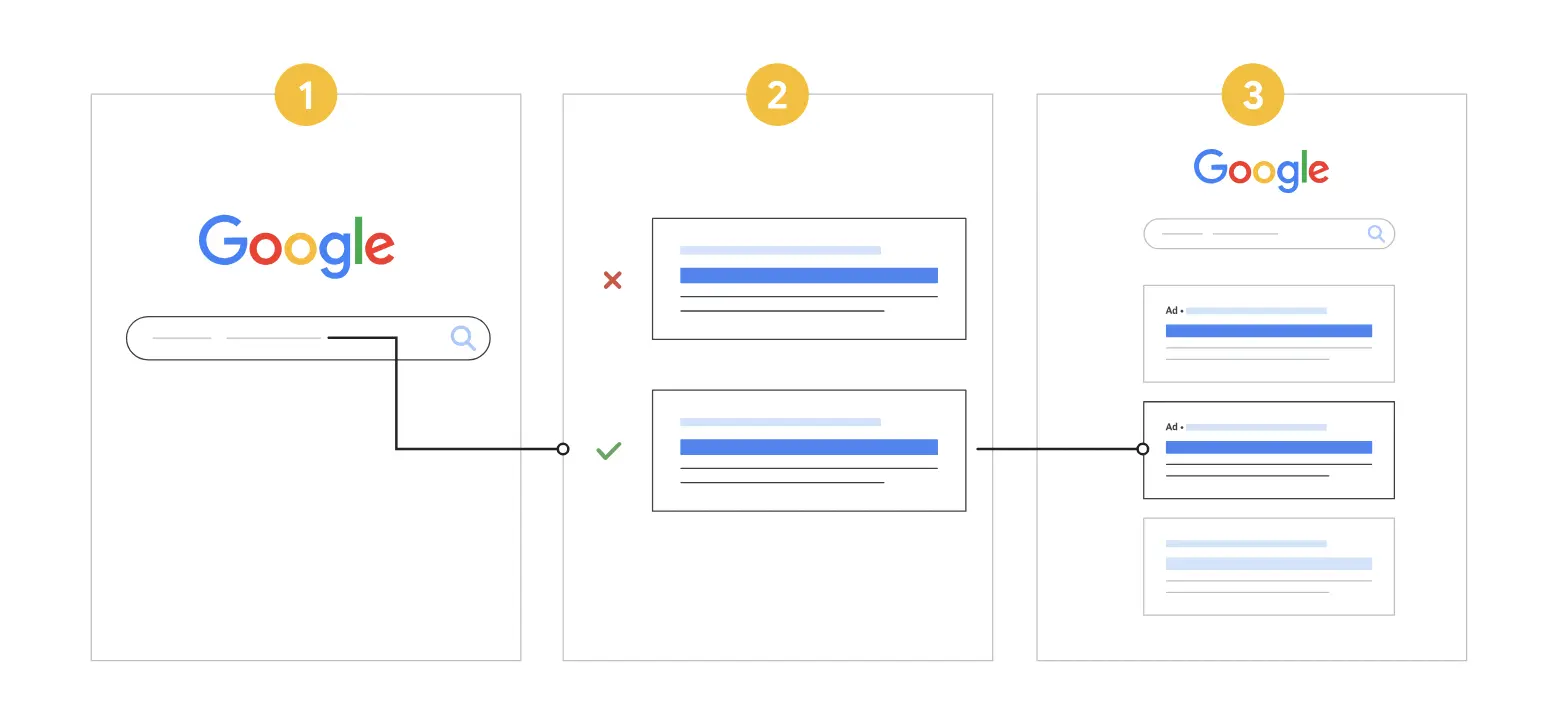
At the heart of the paid search ecosystem is a sophisticated, millisecond-fast auction system that determines the hierarchy of visibility on Search Engine Results Pages (SERPs). Unlike traditional advertising, where the highest bidder typically wins the prime slot, the search auction—pioneered and perfected by Google—utilizes a multi-factored algorithm known as Ad Rank.
The Ad Rank formula is a proprietary blend of several key components: the bid amount, the Quality Score, and the expected impact of ad assets (formerly known as extensions). The Quality Score itself is a diagnostic tool that evaluates three specific areas: expected click-through rate (CTR), ad relevance to the search query, and the quality of the landing page experience.
This structure ensures that the user experience remains the priority. A well-optimized ad with a high Quality Score and a highly relevant landing page can frequently outrank a competitor who is willing to pay more but provides a less relevant experience. When a user enters a query, the system triggers this auction, calculates the Ad Rank for all eligible advertisers, and determines the actual Cost-Per-Click (CPC). Notably, the winner does not pay their maximum bid; instead, they pay the minimum amount required to maintain their position above the next-highest competitor, typically just one cent more than the Ad Rank of the advertiser below them.
The Competitive Landscape: Google, Microsoft, and the Rise of Niche Platforms
While the term "search" is often used synonymously with Google, the 2024-2025 landscape reveals a more nuanced competitive environment. Google Ads remains the undisputed leader, holding approximately 90% of the global search market share. Its dominance is bolstered by an expansive ecosystem that includes YouTube, Gmail, and the Google Display Network, accounting for nearly 40% of all digital advertising revenue.

However, Microsoft Advertising (formerly Bing Ads) has carved out a significant and high-value niche. By syndicating ads across a network that includes Yahoo, AOL, DuckDuckGo, and Ecosia, Microsoft captures a demographic that is often older and has higher disposable income, particularly in the U.S., U.K., and Canadian markets. Furthermore, Microsoft’s recent expansion into ad-supported streaming tiers, such as Netflix, provides advertisers with cross-channel opportunities that were previously unavailable.
Simultaneously, Apple Search Ads has emerged as a powerhouse in the mobile app sector. By controlling the "top-of-page" real estate in the iOS App Store, Apple provides developers with a direct line to users at the exact moment of discovery. This has become an essential tool for app-based businesses in an era where organic app discovery is increasingly difficult.
The Shift Toward Automation and Artificial Intelligence
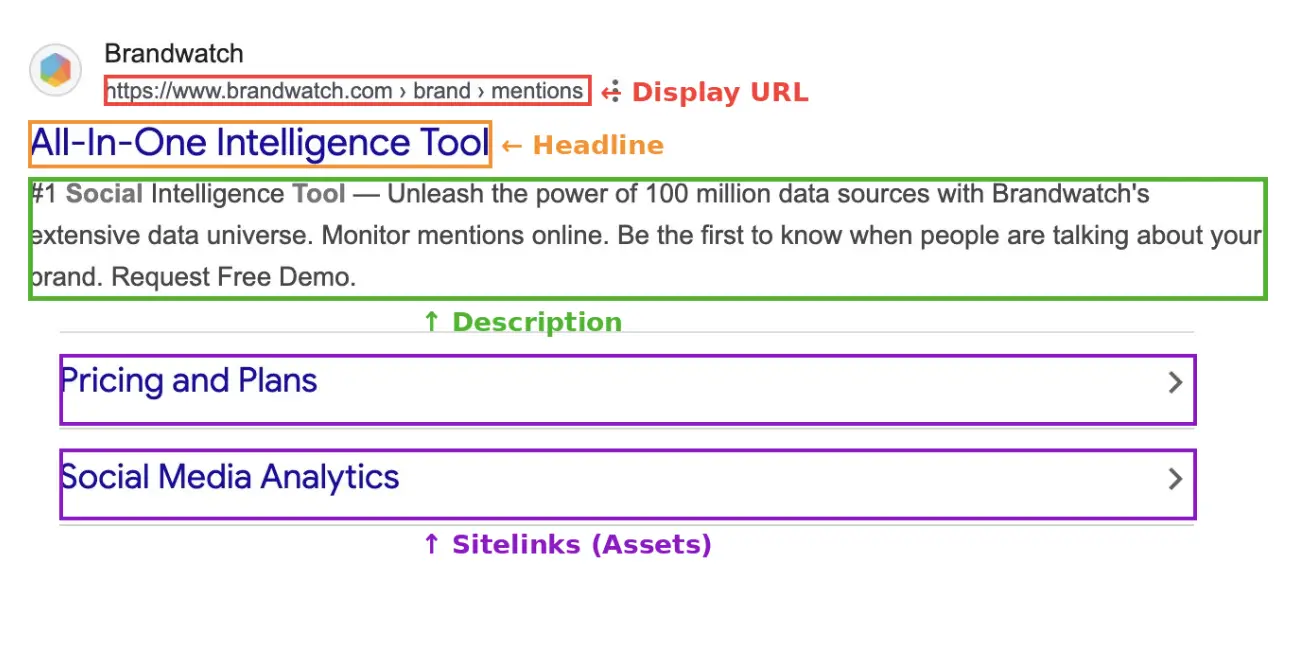
One of the most significant shifts in the chronology of paid search has been the transition from manual control to AI-driven automation. For years, digital marketers focused on granular keyword bidding and manual ad copy testing. Today, the industry has moved toward "Responsive Search Ads" (RSAs) and "Performance Max" (PMax) campaigns.
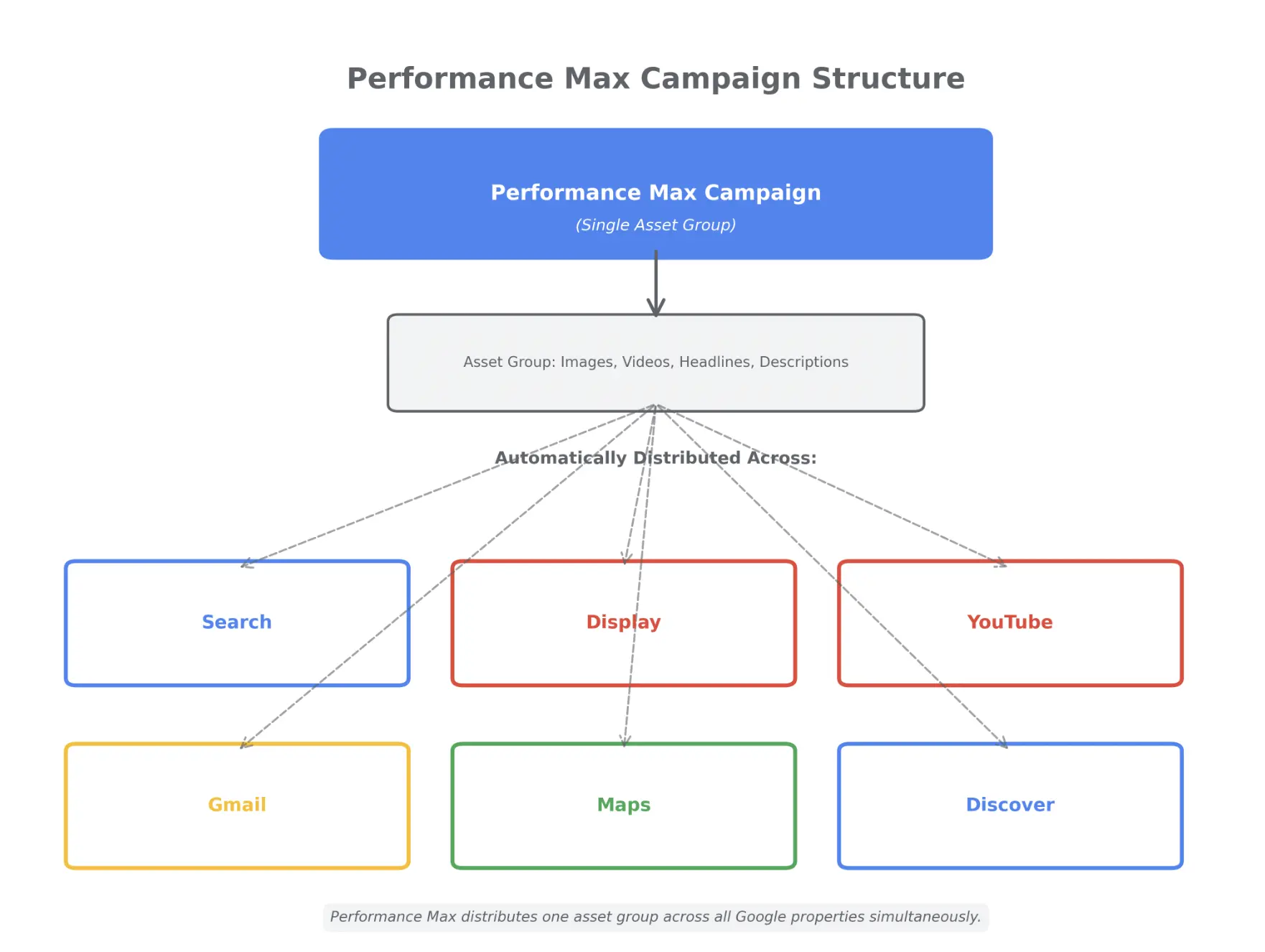
RSAs allow advertisers to input multiple headlines and descriptions, which Google’s machine learning then assembles into the most effective combination for each specific user. Performance Max takes this a step further, automating the delivery of ads across all of Google’s channels—Search, Display, YouTube, and Maps—from a single campaign. While this automation reduces the manual labor required for campaign management, it places a higher premium on "creative excellence" and "signal quality." Advertisers are now tasked with providing the best possible assets (images, videos, and copy) and audience signals to guide the AI toward the desired conversion.
A Strategic Framework for Campaign Implementation
Successful paid search management in 2025 requires a structured, data-driven approach. Industry experts outline a seven-step lifecycle for high-performing campaigns:
- Objective Alignment: Defining whether the goal is immediate lead generation, e-commerce sales, or brand awareness. This dictates the bidding strategy, whether it be Target Cost Per Acquisition (tCPA) or Target Return on Ad Spend (tROAS).
- Keyword and Intent Segmentation: Moving beyond simple keyword matching to understanding intent. This involves categorizing searches into informational (e.g., "how does CRM work"), navigational (e.g., "Salesforce login"), and transactional (e.g., "buy CRM software").
- Account Architecture: Organizing campaigns into tight ad groups to ensure "message match." When an ad group is focused on a specific sub-topic, the ad copy and the landing page can be perfectly aligned, driving up the Quality Score.
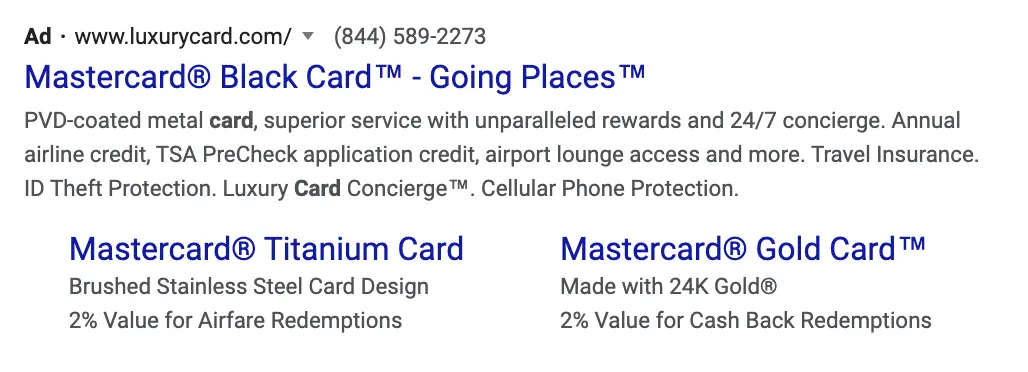
- Creative Asset Development: Utilizing RSAs and a full suite of ad assets (sitelinks, callouts, and structured snippets) to maximize the "real estate" the ad occupies on the screen.
- Bidding Strategy Evolution: Starting with manual or semi-automated bidding to gather data, then transitioning to fully automated "Smart Bidding" once a conversion baseline (typically 30-50 conversions per month) is established.
- Conversion Tracking Infrastructure: The implementation of robust tracking, including Google Tag Manager and GA4, to ensure every dollar spent is attributable to a specific business outcome.
- The Post-Click Experience: Perhaps the most critical and often overlooked step—ensuring that the page the user lands on is optimized for conversion.
The Conversion Gap: Why Traffic Is Not Enough
As the average cost-per-lead (CPL) across industries has risen from approximately $66 in 2024 to over $70 in 2025, the margin for error has narrowed. Market analysts point to the "Conversion Gap" as the primary reason for failed campaigns. This occurs when an advertiser spends heavily to drive traffic to a generic homepage rather than a dedicated landing page.
Data suggests that while generic website pages often convert at rates between 2% and 4%, dedicated, message-matched landing pages can achieve conversion rates exceeding 10% to 15%. The impact of this on the bottom line is profound. By doubling the conversion rate from 3% to 6%, an advertiser effectively halves their cost-per-acquisition without needing to decrease their bids or find cheaper traffic.
Furthermore, technical factors like mobile page speed have become non-negotiable. With a majority of search traffic now originating on mobile devices, even a one-second delay in page load time can result in a 20% drop in conversions. In a competitive auction where clicks can cost $5 to $50 each, slow load times represent a significant waste of capital.
Analysis of Broader Implications and Future Trends
The continued growth of the paid search market, forecasted to reach $355 billion globally by 2025, suggests that search advertising is resilient to the broader shifts in the digital landscape. However, two major trends are expected to define the next era of the industry:
Privacy and Data Deprecation: As third-party cookies are phased out and privacy regulations like GDPR and CCPA become more stringent, search engines are leaning more heavily on "first-party data." Advertisers who can feed their own customer data back into the ad platforms to help train the AI will have a significant competitive advantage.
The Convergence of Search and Social: Platforms like TikTok and Instagram are increasingly being used as search engines by younger demographics. In response, Google is integrating more visual and social elements into its search results, while social platforms are developing more robust "search-style" intent-based advertising products.
Conclusion: The Mandate for Integration
The $102.9 billion revenue milestone confirms that paid search remains the most effective way to capture existing demand. However, the complexity of the modern auction and the rising costs of competition mean that a "set it and forget it" approach is no longer viable.
The most successful organizations in 2025 will be those that treat paid search not as an isolated silo, but as part of an integrated funnel. This involves using SEO to build long-term authority, paid search to capture immediate intent, and sophisticated landing page optimization to ensure that every paid click has the highest possible chance of becoming a customer. In an era of automated bidding and AI-generated ads, the human element of strategy—specifically in message matching and user experience design—remains the ultimate differentiator.