In the rapidly evolving landscape of digital advertising, precision in creative execution is paramount, especially on platforms as dominant as Meta’s family of apps, including Facebook. For businesses and marketers striving to maximize campaign effectiveness and return on investment, understanding and adhering to the nuanced specifications for Facebook ad sizes is not merely a technicality but a strategic imperative. The correct dimensions, aspect ratios, and file types ensure optimal display, enhance user experience, and ultimately drive engagement and conversions across diverse placements, from the ubiquitous News Feed to the immersive Reels and Stories.
The Foundational Importance of Ad Specifications

Meta, formerly Facebook Inc., operates a vast ecosystem where billions of users engage daily across various touchpoints. This expansive reach, however, comes with a complex array of ad formats tailored to each placement’s unique user interaction model. From square images dominating desktop right columns to vertical videos captivating mobile users in Stories and Reels, each ad space demands specific creative parameters. Ignoring these guidelines can lead to distorted visuals, truncated messages, and a compromised brand image, significantly undermining campaign performance. Marketers must therefore meticulously align their creative assets with Meta’s recommended specifications to ensure their advertisements render flawlessly and achieve their intended impact.
A quick overview of popular Facebook (Meta) ad sizes and specifications reveals the diversity in requirements across the platform:

| Placement | Recommended Size (px) | Aspect Ratio | File Types | Max File Size |
|---|---|---|---|---|
| Feed (Image) | 1440 x 1440 or 1440 x 1800 | 1:1 or 4:5 | PNG, JPG | 30MB |
| Feed (Video) | 1440 x 1440 or 1440 x 1800 | 1:1 or 4:5 | MP4, MOV, GIF | 4GB |
| Carousel | 1080 x 1080 or larger | 1:1 (or 4:5 for Advantage+ catalog only) | PNG, JPG, MP4, MOV, GIF | 30MB (image), 4GB (video) |
| Stories | 1440 x 2560 | 9:16 | PNG, JPG, MP4, MOV, GIF | 30MB (image), 4GB (video) |
| Reels (Image Overlay) | 1080 x 1080 or larger | 1.91:1 to 1:1 | PNG, JPG | 30MB |
| Reels (Video) | 1440 x 2560 | 9:16 | MP4, MOV, GIF | 4GB |
| In-stream Video | 1080 x 1080 or larger | 16:9 or 1:1 | MP4, MOV, GIF | 4GB |
| Marketplace | 1080 x 1080 or larger | 1:1 | PNG, JPG | 30MB |
| Right Column | 1080 x 1080 or larger | 1:1 | PNG, JPG | 30MB |
| Search Results | 1080 x 1080 or larger | 1:1 | PNG, JPG, MP4, MOV, GIF | 30MB (image), 4GB (video) |
| Business Explore | 1080 x 1080 or larger | 1.91:1 to 1:1 | PNG, JPG, MP4, MOV, GIF | 30MB (image), 4GB (video) |
| Collection | 1080 x 1080 or larger | 1:1 or 9:16 | PNG, JPG, MP4, MOV, GIF | 30MB (image), 4GB (video) |
| Audience Network Banner | 320 x 50 | Banner | PNG, JPG | 30MB |
| Audience Network Interstitial | 320 x 480 or 480 x 320 | 9:16 or 16:9 | PNG, JPG, MP4, MOV | 30MB (image), 4GB (video) |
It’s important to note that "Facebook ad sizes" and "Meta ad sizes" are interchangeable terms, referring to the exact same specifications across Meta’s diverse product portfolio.
Universal Guidelines for Meta Ad Creatives
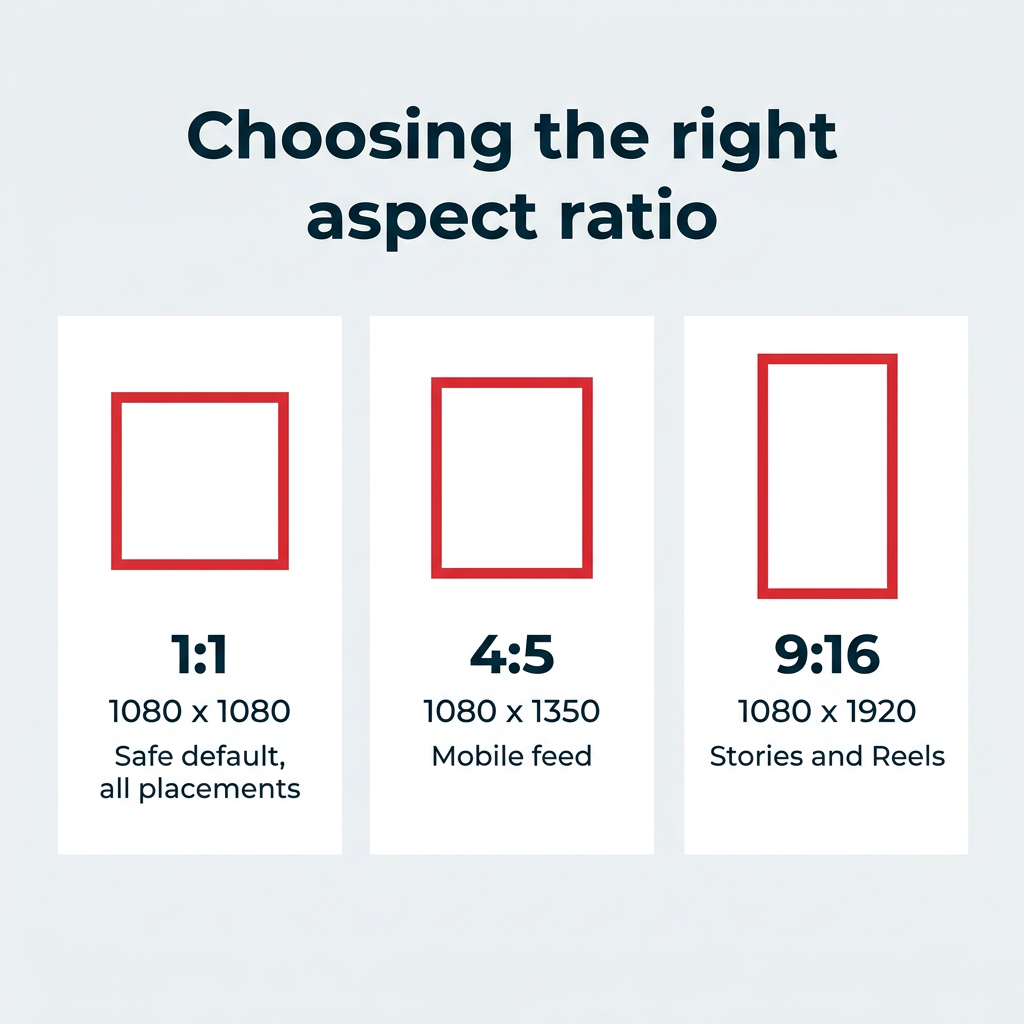
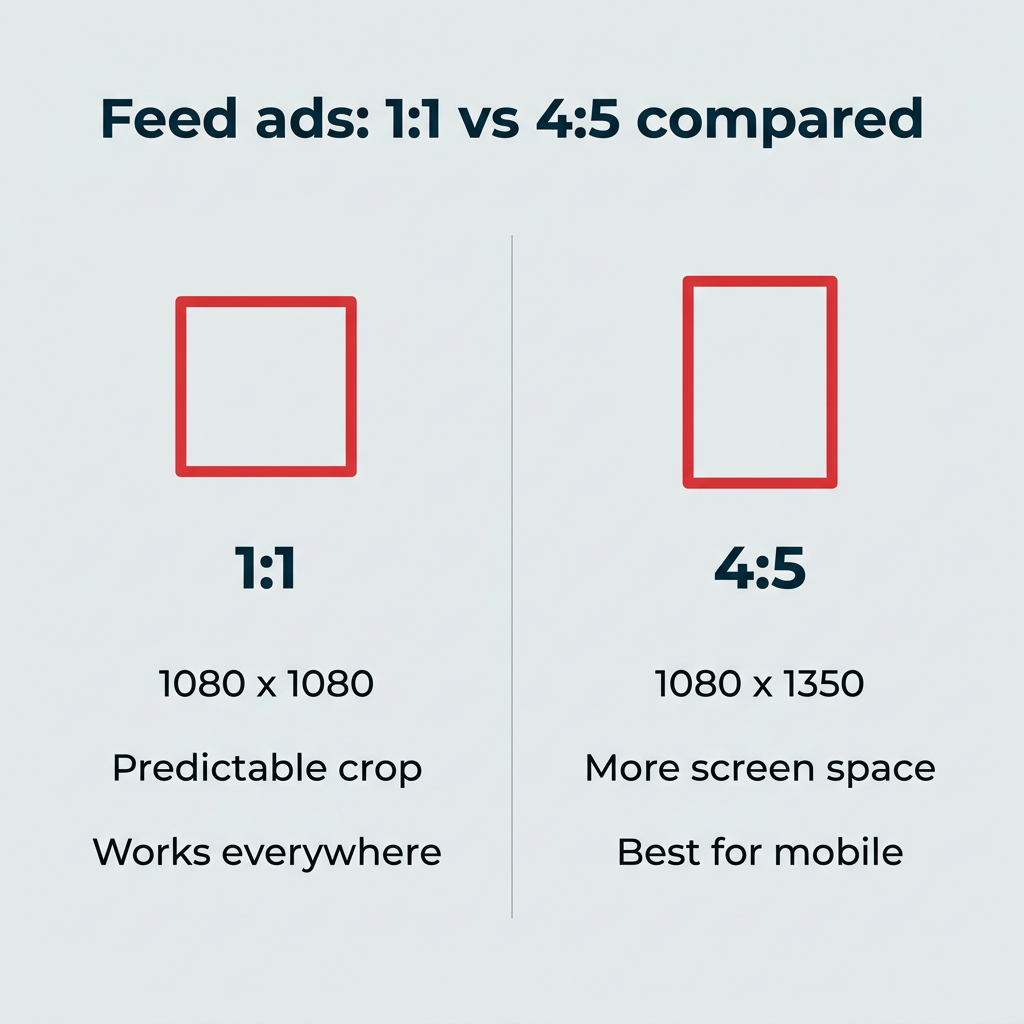
Beyond placement-specific dimensions, several overarching guidelines apply to nearly all Meta ad campaigns. These ensure broad compatibility and optimal performance across the platform’s vast network. A key consideration for creative assets is the aspect ratio. While 1:1 (square) remains a versatile and safe choice for many placements due to its predictable cropping, mobile-first formats like Stories and Reels necessitate a 9:16 (vertical) aspect ratio to fill the screen and deliver an immersive experience. For mobile News Feed, a 4:5 aspect ratio often performs better, occupying more screen real estate and capturing greater user attention.
File types are also crucial. PNG and JPG are standard for image ads, offering good compression and quality. For video ads, MP4, MOV, and GIF are widely supported. Advertisers must also be mindful of file size limits: 30MB for images and a generous 4GB for videos. Exceeding these limits can lead to upload failures or automatic compression, potentially degrading visual quality. While Meta no longer strictly enforces the 20% text-on-image rule, internal data and industry best practices still suggest that ads with minimal text overlay on the image tend to achieve better performance and broader delivery. This subtly encourages more visually driven and less cluttered ad creatives.
Deep Dive into Key Ad Placements
Facebook News Feed Ads:
The News Feed remains a cornerstone of the Facebook experience, an endlessly scrollable stream of content where ads are seamlessly integrated. Meta strategically places ads, typically as the second item in a user’s feed, with more appearing as scrolling continues. This placement is critical, especially given that a significant majority, approximately 81.8% of Facebook users, access the platform exclusively via mobile devices (Statista).

For image ads in the Feed, a 1:1 aspect ratio (1440 x 1440 pixels) is a reliable default, ensuring consistent display across both desktop and mobile. However, for mobile-first optimization, a 4:5 aspect ratio (1440 x 1800 pixels) is often preferred. This taller format occupies a larger portion of the mobile screen, reducing distractions and enhancing visibility. Similarly, video ads in the Feed adhere to these aspect ratios, with 1:1 or 4:5 being the most common. Video length can range from a brief 1 second to a substantial 240 minutes, providing flexibility for various content strategies. For videos, a resolution of at least 1080×1080 pixels is recommended to maintain clarity on high-resolution screens.
Facebook Carousel Ads:
Carousel ads are a highly versatile format, allowing advertisers to showcase between two and ten images, videos, or a combination, each linked to a unique URL. This format is particularly effective for e-commerce, product showcases, storytelling, or highlighting multiple features of a service. Carousel ads can appear in the News Feed, Stories, Reels, and in-stream placements. The standard aspect ratio for carousel cards is 1:1 (square), with a recommended minimum resolution of 1080 x 1080 pixels. An exception is for Advantage+ catalog carousels, which can also support a 4:5 aspect ratio, providing additional flexibility for product-focused advertising. Image file size is capped at 30MB per card, and video at 4GB.
Facebook Stories and Reels Ads:
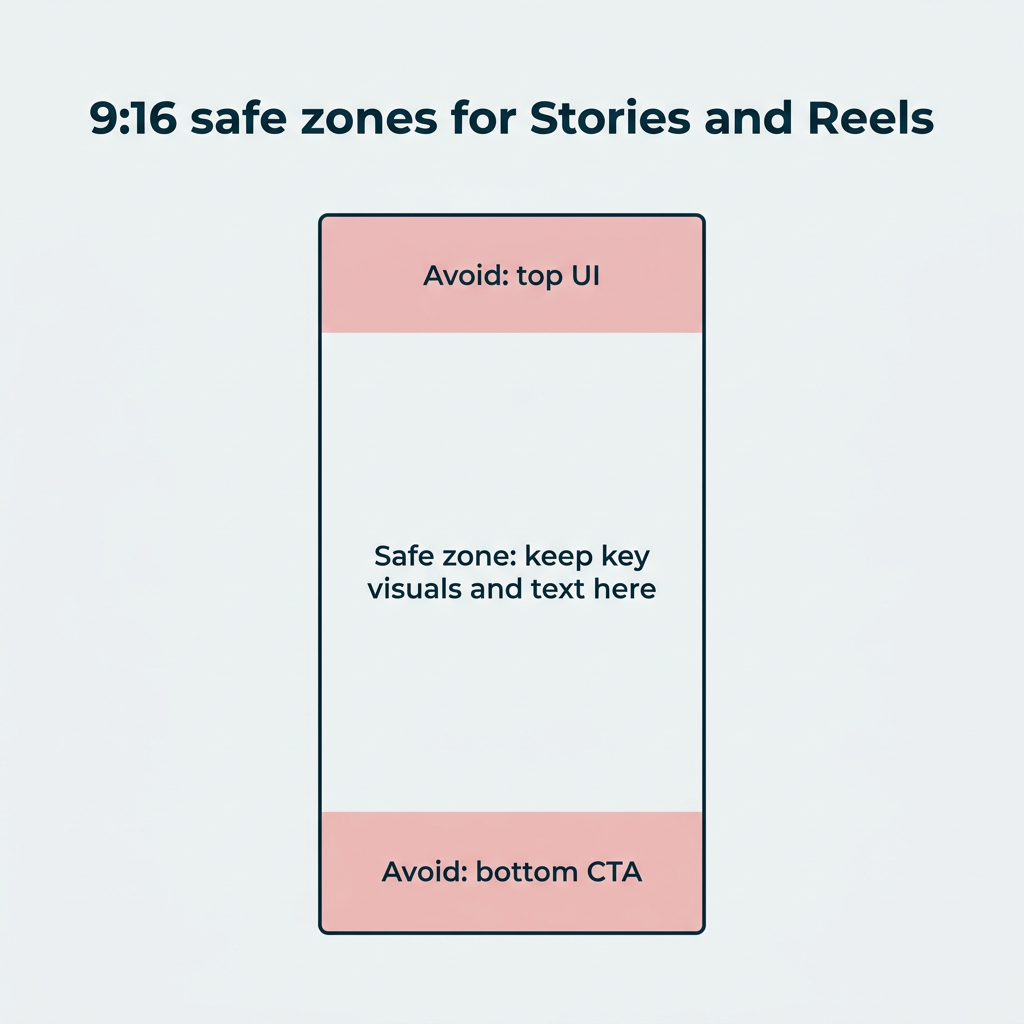
The rise of vertical content has fundamentally reshaped social media consumption, with Stories and Reels leading the charge. These full-screen, immersive formats are designed for mobile viewing, demanding a 9:16 aspect ratio (1440 x 2560 pixels). Stories ads appear between organic user Stories, playing for 5 seconds for images and 10 seconds per segment for videos, unless users swipe away. Reels ads, integrated within the Reels feed, similarly leverage the full vertical screen.
A critical design consideration for Stories and Reels is the "safe zone." UI elements like profile icons, captions, and call-to-action buttons typically occupy the top and bottom portions of the screen. Advertisers should keep key visuals, branding, and text within the central 1080 x 1420 pixel area to prevent them from being obscured. This ensures the primary message remains visible and actionable. These specs also apply to Messenger Stories, streamlining creative asset management.

Facebook In-Stream Video Ads:
In-stream video ads strategically interrupt organic video content, appearing before, during, or after a video, including live streams. These can be shorter, non-skippable ads or longer, skippable ones (allowing users to skip after five seconds). This format is ideal for capturing attention when users are already engaged with video content. Recommended aspect ratios are 16:9 (for horizontal videos) or 1:1 (square), with a minimum resolution of 1080 x 1080 pixels. The choice depends on the source video content and how the ad will blend into the user’s viewing experience.
Facebook Collection Ads:
Collection ads are a highly engaging, mobile-first format specifically designed for e-commerce. They typically feature a prominent hero image or video followed by a grid of smaller product images, automatically generated from an advertiser’s connected product catalog via Meta’s Commerce Manager. When a user taps on a collection ad on a mobile device, they are transported to an "Instant Experience" – a full-screen, fast-loading mini-storefront within the Facebook app, eliminating the need to navigate to an external website immediately.

While the primary hero image or video can vary, the individual product images within the collection are typically 1:1 (square), with a minimum resolution of 1080 x 1080 pixels. Collection ads can also integrate with Reels and other video formats, showcasing up to four products at the bottom of a 9:16 vertical video, leveraging Advantage+ product catalogs for automated, relevant product displays.
Facebook Marketplace Ads:
Marketplace ads are strategically placed within Facebook’s dedicated buying and selling section, but also extend across the News Feed and other placements through Meta’s Advantage+ placement algorithm. These image-only ads, always labeled "sponsored," target users with high purchase intent. The recommended aspect ratio is 1:1 (square), with a minimum resolution of 1080 x 1080 pixels. Given the transactional nature of Marketplace, crisp, clear product imagery is paramount for conversion.

Additional Facebook Ad Placements and Their Specifics
Beyond the primary placements, Meta offers several niche advertising opportunities that cater to specific objectives and user behaviors.

Facebook Right-Column Ads:
Exclusively a desktop ad format, right-column ads appear on the side of the user’s screen. These are image-only ads paired with a headline and link, primarily used for driving traffic or raising brand awareness. The recommended size is 1080 x 1080 pixels (1:1 aspect ratio). Due to their small visual footprint, Meta advises against using any text overlay on the image itself, relying instead on a compelling visual and concise ad copy.
Facebook Search Results Ads:
Appearing directly on the search results page, these ads offer high conversion potential by aligning with a user’s explicit intent. For example, a search for "running shoes" might display an ad from a sports apparel brand. Search results ads support both image and video formats, with a recommended 1:1 aspect ratio (1080 x 1080 pixels or larger). This placement is valuable for capturing users actively seeking specific products, services, or information.

Facebook Business Explore Ads:
Available only on mobile, Business Explore ads appear when a user taps an organic post from a business and then scrolls to "Explore more" within that business’s category. This section blends organic and paid content from similar businesses. The recommended aspect ratio is flexible, ranging from 1.91:1 to 1:1, with a minimum size of 1080 x 1080 pixels. This placement is ideal for discovery and exposing users to related businesses.
Audience Network Ads:
Meta’s Audience Network extends ad reach beyond Facebook and Instagram to a vast network of third-party apps and websites. This allows advertisers to tap into a broader audience. The Audience Network supports several distinct formats:

- Banner Ads: Small, often horizontal ads with a recommended size of 320 x 50 pixels.
- Interstitial Ads: Full-screen ads that typically appear between content transitions within an app. These can be 320 x 480 or 480 x 320 pixels, supporting 9:16 or 16:9 aspect ratios.
Both image and video formats are supported, with the standard file size limits of 30MB for images and 4GB for videos.
Strategic Implications for Marketers and the Future Outlook
The sheer variety of Meta ad sizes and formats presents both a challenge and an opportunity for digital marketers. The primary challenge lies in creating and managing a diverse set of creative assets optimized for each placement. This often requires robust content planning, design flexibility, and potentially automation tools. However, the opportunity lies in delivering highly tailored and native ad experiences to users, which can significantly boost engagement, click-through rates, and ultimately, campaign ROI.

Meta’s consistent evolution, marked by the rise of mobile-first content like Stories and Reels, indicates a clear direction towards immersive, vertical video experiences. This trend necessitates that advertisers prioritize high-quality vertical video production and design creatives that are adaptable across Meta’s interconnected platforms. The shift towards automated placements like Advantage+ also emphasizes the importance of providing high-quality, versatile creative assets that Meta’s algorithms can optimally deploy across its network.
In conclusion, mastering Meta ad sizes is not a static endeavor but an ongoing commitment to staying abreast of platform updates and evolving user behaviors. The optimal Facebook ad size largely depends on the specific placement, with 1080 x 1080 pixels (1:1) serving as a versatile default, 1080 x 1350 pixels (4:5) excelling in mobile News Feeds, and 1080 x 1920 pixels (9:16) being essential for full-screen vertical formats like Stories and Reels. By adhering to these specifications and understanding the strategic rationale behind each, marketers can ensure their campaigns are not only visible but also maximally impactful in the dynamic world of Meta advertising.