The landscape of modern marketing and public relations is undergoing a radical transformation as brands grapple with the dual challenges of maintaining authenticity and navigating the complexities of digital ethics. From the unlikely commercial success of a notoriously unpalatable Chicago spirit to the swift fallout of a tone-deaf corporate social media post, the strategies employed by today’s communications professionals reveal a shifting paradigm where vulnerability, accountability, and human-centric content are becoming the primary currencies of brand loyalty. As artificial intelligence begins to saturate platforms like TikTok and local newsrooms find innovative ways to anchor global events in community identity, the industry is witnessing a recalibration of how stories are told and how audiences are won.
The Malört Phenomenon: Turning a Brand Flaw into a Cultural Badge of Honor
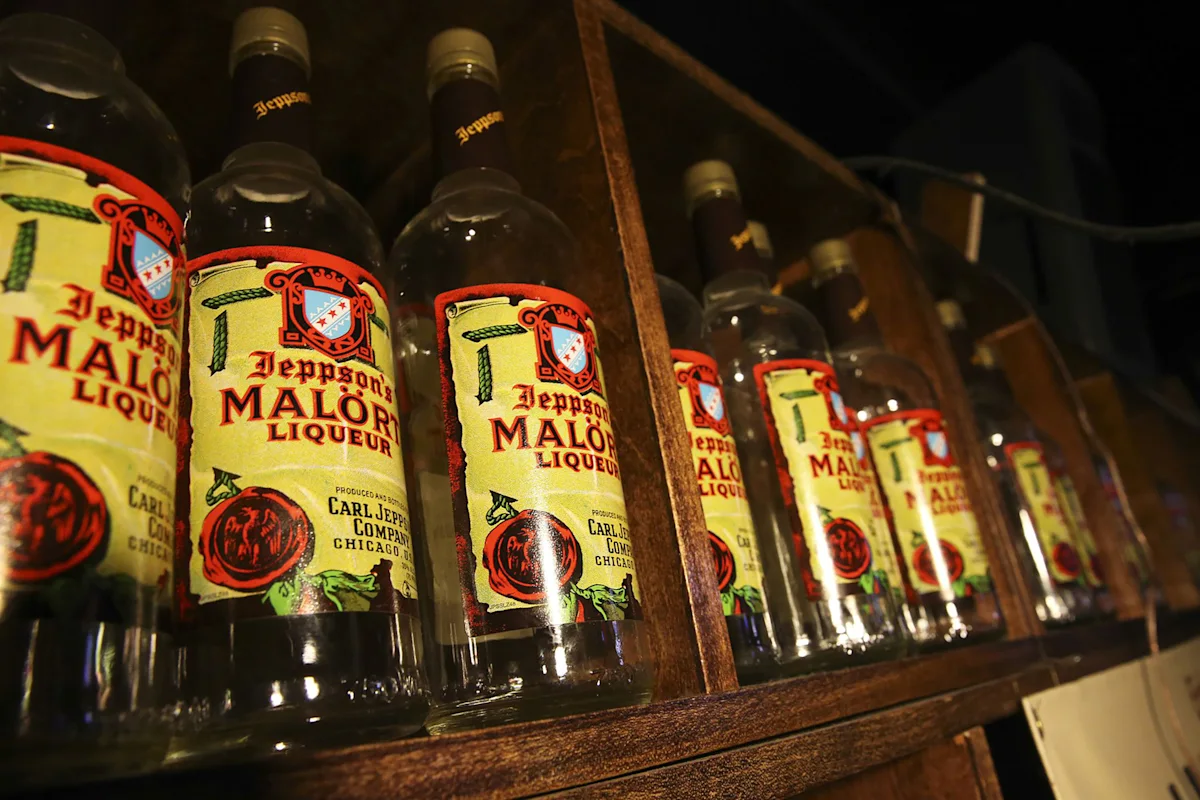
In the world of spirits, Jeppson’s Malört has long occupied a unique, almost paradoxical niche. For decades, the Swedish-style bäsk brännvin was a hyper-local curiosity in Chicago, known primarily for its jarringly bitter flavor derived from wormwood. However, what was once considered a commercial liability has been transformed into a masterclass in "anti-marketing." By leaning into the visceral, often negative reactions of its consumers, Malört has moved from a regional novelty to a national brand with a cult-like following.
The strategy, which has seen sales quadruple since 2018, is rooted in radical honesty. Rather than attempting to mask the spirit’s bitterness or market it as a refined luxury product, the brand’s parent company, CH Distillery, opted to embrace the most colorful and disparaging descriptions provided by its drinkers. Descriptions such as "fermented back sweat," "moist dumpster residue," and "pencil shavings" became central to the brand’s identity. Tremaine Atkinson, CEO and co-founder of CH Distillery, has been instrumental in this pivot, even participating in self-deprecating content where he likened the taste to "your grandmother’s closet."
The "My First Malört" campaign catalyzed this growth by turning the consumption of the drink into a rite of passage. By encouraging users to film and share their "Malört face"—the involuntary grimace that follows a shot—the brand tapped into the power of shared experience and "in-group" humor. This approach was further validated when global superstar Drake posted on Instagram questioning how Chicagoans could enjoy the drink. The response from locals was not defensive but celebratory, reinforcing the idea that the liquor is a "Chicago ritual" that outsiders simply may not understand.
The financial data underscores the effectiveness of this transparency. Since CH Distillery acquired the brand in 2018, it has expanded its distribution to 37 states. Its five-year compound annual growth rate (CAGR) reached a staggering 26%, a figure that dwarfs the 2.7% growth rate seen across the broader U.S. distillery industry during the same period. The success of Malört demonstrates a vital PR lesson: when a product’s "flaw" is its most memorable characteristic, owning that flaw can build a level of credibility and memorability that traditional aspirational marketing cannot achieve.
The High Cost of Tone-Deafness: Pepsi’s "Wild Cherry" Misstep
While Malört found success through self-deprecation, PepsiCo recently provided a cautionary tale on the risks of "edgy" social media copy. The beverage giant faced immediate and intense backlash following a post on the Meta-owned platform Threads intended to promote Pepsi Wild Cherry. The post read: "Pepsi Wild Cherry is what happens when regular cherry stops asking permission."
The backlash was swift as users and critics pointed out that the phrasing trivialized sexual consent and mirrored the language of sexual assault. In an era where corporate social responsibility is under constant scrutiny, the use of "permission" as a metaphor for flavor intensity was viewed as dangerously tone-deaf. Although the post was intended to position the product as a "rebellious" or "wild" alternative to standard flavors, the lack of contextual awareness led to a PR crisis.
Pepsi’s response was a study in rapid crisis management. The company deleted the post and issued a concise apology: "Our recent Wild Cherry post landed in a way we never intended. We hear you, we’re sorry, and the post has been deleted." However, the incident highlights a persistent issue in digital marketing: the "screenshot effect." Despite the deletion, the post had already been archived and shared across X (formerly Twitter) and other platforms, ensuring that the mistake would have a long tail.
This incident serves as a reminder for communications teams to implement rigorous "red-teaming" of social media copy. Copy that may seem clever in a vacuum can take on unintended, harmful meanings when viewed through the lens of current social issues. The speed of digital discourse means that an apology, while necessary, is often a secondary measure to the primary need for preventative editorial oversight.
The Authenticity Crisis: AI Avatars and the Future of TikTok Shop
As brands navigate the pitfalls of human-generated content, they are also facing a new frontier: the rise of artificial intelligence in influencer marketing. TikTok Shop has recently seen an influx of AI-generated sales videos, where creators use digital avatars or AI clones of themselves to promote products. These digital entities often showcase products they do not physically possess, creating a disconnect between the "influencer" and the reality of the consumer experience.
While TikTok allows these AI-generated posts provided they are labeled correctly, several major brands are beginning to draw a hard line. SharkNinja, the parent company of Shark vacuums and Ninja kitchen appliances, recently warned its affiliates that AI-generated promotions violate company policy and could result in the loss of commissions. Neil Shah, Chief Commercial Officer at SharkNinja, emphasized the importance of physical interaction with the product, stating, "We didn’t want an AI-generated Shark vacuum cleaning an AI-generated floor. We want real consumers seeing real products being used by real people."
This pushback highlights a growing concern regarding the "uncanny valley" of marketing. While AI can produce content at a volume and speed that human creators cannot match, it risks eroding the very trust that makes influencer marketing effective. For brands, the challenge is maintaining control over their image in "open" affiliate programs where thousands of creators can potentially promote their products. The future of e-commerce on social platforms will likely require more robust monitoring tools and clearer contractual boundaries regarding the use of synthetic media.
Local News and the World Cup: A Blueprint for Community Engagement
In contrast to the global reach of Pepsi or the digital automation of TikTok Shop, local news outlets have recently demonstrated the power of "hyper-local" engagement during major global events. Using the World Cup as a backdrop, several regional newsrooms successfully pioneered new ways to connect with their audiences by focusing on community-building rather than just score reporting.
In Boston, WBUR partnered with the Spanish-language newspaper El Planeta to distribute World Cup sticker albums in Hispanic neighborhoods. This initiative moved beyond digital screens to provide a tangible, nostalgic experience that resonated with the local culture. Similarly, KCUR in Kansas City leveraged the city’s rich soccer history by creating a dedicated podcast and a library exhibit, turning a sporting event into a historical and educational touchpoint for the community.
Other outlets focused on utility and education. The Atlanta Journal-Constitution launched a "Soccer 101" video series to help new fans understand the complexities of the sport, garnering over 136,000 views on Instagram. Meanwhile, the Los Angeles Times created interactive digital guides that allowed residents and visitors to save restaurant recommendations and transit routes tailored to match-day activities.
These efforts represent a strategic shift for local journalism. By positioning themselves as facilitators of community experience rather than just dispensers of news, these outlets were able to build brand loyalty that extends far beyond the final whistle of a tournament. For PR and marketing professionals, this provides a clear lesson: global events are most impactful when they are translated through a local lens that prioritizes utility, culture, and shared joy.
Conclusion: The New Mandate for Communications Professionals
The common thread connecting these disparate stories is the evolving definition of brand value. Whether it is a liquor brand finding success through its own "bad" flavor, a soda giant learning the limits of provocative copy, or a technology company demanding "real" human interaction in its ads, the message is clear: authenticity is not a buzzword, but a survival strategy.
As we move further into a decade defined by AI-generated content and hyper-sensitive social discourse, the brands that succeed will be those that prioritize transparency and human connection. Malört’s success shows that consumers are willing to embrace imperfection if it is presented honestly. Pepsi’s misstep shows that "rebellion" must be tempered with responsibility. And the pushback against AI on TikTok Shop suggests that in an increasingly synthetic world, the most valuable thing a brand can offer is something real.
For the modern communicator, the mandate is no longer just to broadcast a message, but to curate an experience that is credible, culturally aware, and fundamentally human. In the intersection of these diverse strategies lies the future of how brands will relate to the public in an increasingly complex global marketplace.