The global communications landscape is currently navigating a pivotal transition as generative artificial intelligence begins to redefine the mechanics of brand discovery and digital authority. For nearly two decades, Search Engine Optimization (SEO) served as the primary bridge between brands and their audiences, yet the rise of Large Language Models (LLMs) such as ChatGPT, Claude, and Perplexity has introduced a new paradigm: Generative Engine Optimization (GEO). Industry experts warn that communications professionals are at risk of repeating a historical mistake by ceding control of this technical frontier to marketing departments, potentially compromising their organizational influence and the long-term visibility of the brands they represent.
The Historical Precedent and the SEO Miss
To understand the current urgency, one must look back at the evolution of digital search during the late 2000s and early 2010s. During this era, content pioneers like Marcus Sheridan demonstrated that answering customer questions through owned media—a strategy popularized by his "They Ask, You Answer" framework—could revitalize businesses even during economic recessions. This approach was fundamentally rooted in clarity, credibility, and trust, which are the core competencies of professional communicators.
However, as SEO became increasingly associated with technical specifications, such as meta-tags, backlink profiles, and site architecture, many communications teams viewed the discipline as too technical. Consequently, the responsibility for search visibility was handed to marketing departments. This shift led to a period where media relations were often handled by technical specialists who lacked the nuanced storytelling and relationship-building skills of seasoned PR professionals, resulting in poor-quality outreach and a disconnect between brand voice and search strategy.
Today, a similar shift is occurring with AI visibility. As consumers increasingly turn to AI tools to determine which brands to trust and which products to buy, the industry faces a critical choice: embrace the technical requirements of "Visibility Engineering" or risk becoming invisible in the automated answers of the future.
The CMO Contradiction: Investing in Tools While Defunding Infrastructure
The Lippincott "CMO Outlook 2026" study provides a stark look at the current state of marketing and communications leadership. The data reveals a significant contradiction in how organizations are preparing for an AI-driven future. While Chief Marketing Officers (CMOs) are funneling substantial portions of their budgets into AI tools and generative capabilities, they are simultaneously reducing investment in the "owned infrastructure" that feeds these models.
According to the study, only 28% of CMOs feel they possess real organizational influence. Furthermore, a mere 12% rate their organization’s technological enablement as "excellent," and only 11% report excellence in adopting new technology. This suggests that while the capital is flowing toward AI, it is not being directed toward the websites, content repositories, and user experience (UX) frameworks that determine whether a brand is cited by an LLM.
The implications are severe: if a brand’s infrastructure is not optimized for machine readability, the most advanced AI tools in the world will fail to surface that brand in user queries. In the emerging digital economy, if a brand is not cited by AI, it effectively ceases to exist for a significant portion of the market.
The Mechanics of AI Citations: Insights from the Muck Rack Generative Pulse
To engineer visibility, communicators must first understand the data sources that inform AI responses. Research from Muck Rack’s "Generative Pulse" report, which analyzed over one million citations across major AI platforms, provides a roadmap for prioritization. The findings indicate that 95% of the links cited by AI models come from non-paid sources. Critically, 27% of these citations originate from journalism and editorial content.
This data underscores the fact that AI visibility cannot be purchased through traditional advertising; it must be earned through credible content and authoritative media presence. Additionally, the research highlights a strong "recency bias" within models like OpenAI’s GPT series, which prioritize content published within the last 12 months. This shifts the role of the communicator from a creator of static monuments to a provider of continuous, high-quality information.
The definition of "media" is also expanding. As noted by industry analyst Martin Waxman, the LLMs do not only read legacy publications like The New York Times; they also digest trade newsletters, niche podcasts, Substack articles, and influential LinkedIn profiles. Any source that demonstrates authority and maintains a credible following is now considered a vital component of the training data for AI.
The Five-Move Playbook for Visibility Engineering
To address these challenges, a structured approach known as "Visibility Engineering" has emerged. This discipline combines traditional communications skills with a systematic, engineering-based rigour. The following five moves constitute the playbook for securing brand presence in AI-generated answers.
Move 1: Establishing the Anchor Content
The foundation of visibility is owned media, specifically "anchor content" that directly addresses the questions and pain points of the target audience. Unlike the keyword-stuffing tactics of early SEO, anchor content must be written for humans. LLMs are trained to identify and surface content that is useful, clear, and credible. By organizing content into "pillars" derived from actual customer inquiries—such as those heard by sales teams or customer service representatives—organizations can create a repository of information that AI models are likely to cite.
Move 2: Optimizing for Machine Readability
While the content must be human-centric, the structure must be machine-legible. This requires a closer collaboration between communications teams and IT departments. Key technical requirements include:
- Structured Headings: Using H2 and H3 tags to create a logical hierarchy.
- Schema Markup: Implementing structured data to help AI understand the context of the page (e.g., distinguishing an "About Us" page from a product review).
- Clean Site Architecture: Ensuring that models can easily crawl and index the site without encountering broken links or convoluted navigation.
Move 3: Earning Authority through Modern Media Relations
Since nearly a third of AI citations come from journalism, earned media remains a critical pillar of visibility. However, the strategy must be bifurcated. One track should focus on traditional high-authority outlets, while the second track targets "new media" voices—newsletter authors and podcasters who hold significant sway in specific niches. Consistency is paramount; if third-party descriptions of a brand conflict with the brand’s own website, AI models may experience "hallucinations" or simply omit the brand to avoid providing contradictory information.
Move 4: Strategic Distribution and the PESO Model
The PESO Model® (Paid, Earned, Shared, Owned) remains the most effective framework for distributing anchor content. Shared media serves as a listening post to identify new audience questions, which then inform future content. Paid media should be used surgically—not to buy visibility, but to accelerate the reach of owned and earned content that is already performing well. This creates a "flywheel effect" where each component of the model reinforces the others.
Move 5: Engineering-Grade Measurement
The final move involves moving away from "vanity metrics" like impressions and toward engineering-based KPIs. Professionals must establish a baseline of where their brand currently appears in AI answers compared to competitors. Key metrics for the AI era include:
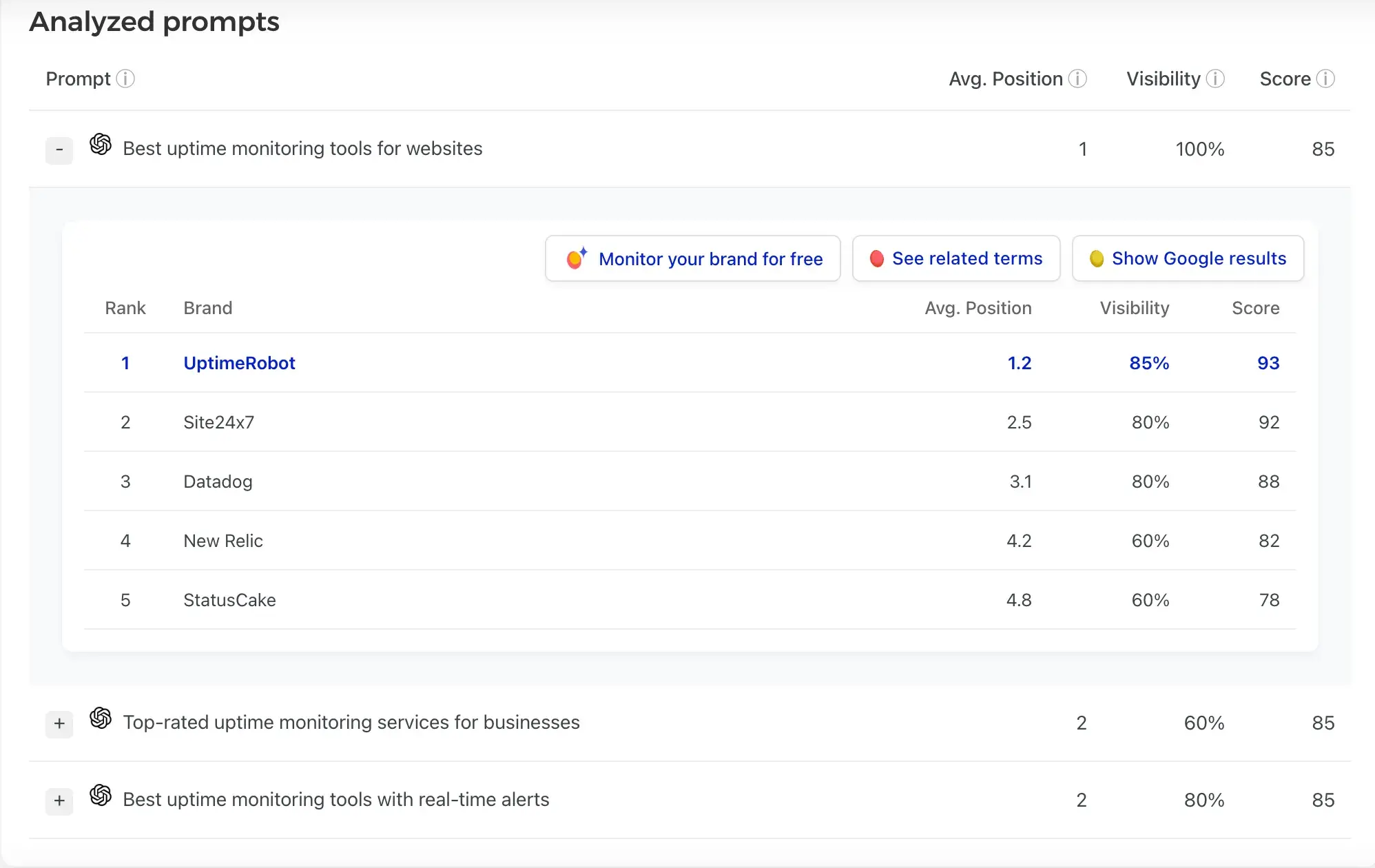
- LLM Visibility: The frequency with which a brand appears in generative answers.
- Citation Frequency: How often AI tools provide a direct link to the brand’s owned or earned assets.
- Narrative Share of Voice: The extent to which the AI’s summary aligns with the brand’s intended messaging.
- Credibility Loop Close Rate: The measure of how effectively third-party citations validate owned media claims.
Implications for the Future of Professional Communications
The transition to visibility engineering represents a fundamental shift in the communications profession. It moves the discipline away from reactive "message management" and toward proactive "system design." Organizations that fail to adopt this mindset risk a decline in influence as their traditional search traffic wanes and they are excluded from the AI-driven discovery process.
Furthermore, the data suggests that the "technical gap" is smaller than many realize. The skills required—clarity, consistency, and relationship management—are the same skills that have always defined the industry. The primary difference is the recipient of the communication: it is no longer just a human reader, but an algorithm that processes information on behalf of that reader.
As the Lippincott data indicates, the window for this transition is closing. With only a small fraction of CMOs feeling confident in their technological adoption, there is a significant opportunity for communications leaders to step into the gap and own the "operating system" of brand visibility.
Conclusion
The rise of generative AI is not merely a technological trend; it is a restructuring of how information is accessed and trusted. By treating visibility as an engineering discipline rather than a series of isolated tactics, communicators can ensure their brands remain relevant in an automated world. The lessons of the SEO era serve as a reminder that waiting for a technology to become "less technical" is a losing strategy. Instead, by embracing anchor content, machine-readable structures, and rigorous measurement, communications professionals can reclaim their role as the primary architects of brand authority. The playbook is available; the task now is for leaders to execute it before the digital landscape is permanently reshaped without them.