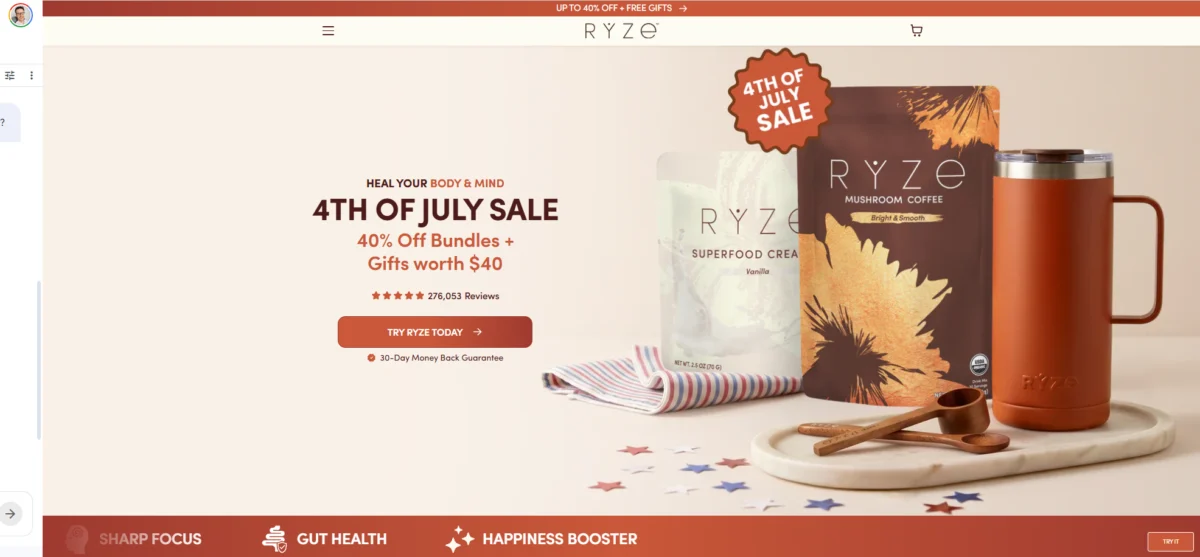
The digital retail landscape has undergone a fundamental shift from broad-spectrum storefronts to precision-targeted conversion funnels, placing the e-commerce landing page at the center of modern marketing strategy. Unlike standard homepages or product detail pages (PDPs), an e-commerce landing page is a standalone destination engineered for a singular objective and a specific audience segment. These visitors typically arrive via high-intent channels, including paid search advertisements, targeted social media campaigns, or curated email marketing streams. While a brand’s homepage serves as a digital flagship for exploration and brand storytelling, the landing page is a performance-driven tool designed to eliminate distractions and guide the user toward a specific transactional outcome.
The Strategic Distinction Between Digital Destinations
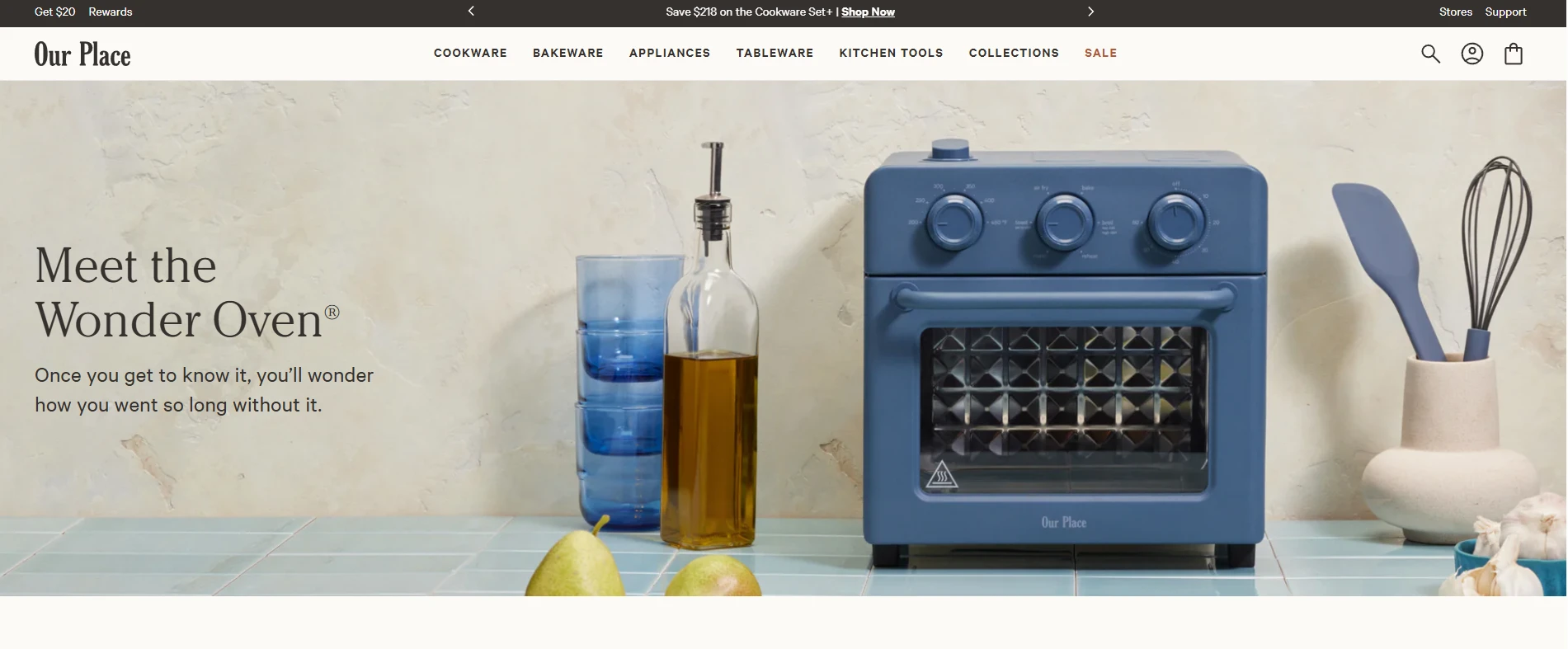
To understand the efficacy of landing pages, one must distinguish them from the broader architecture of an online store. A homepage is designed for discovery; it provides multiple paths, navigation menus, and diverse messaging to accommodate various user intents. In contrast, a product detail page focuses on specifications, inventory levels, and broad reviews. The landing page occupies a unique niche, optimized for direct conversion by aligning its content precisely with the promise of the preceding advertisement.

Industry data suggests that the average conversion rate for e-commerce websites hovers between 2% and 3%. However, high-performing landing pages often see conversion rates exceeding 10%. This discrepancy is attributed to the "message match" principle—the degree to which a landing page reinforces the specific offer or pain point that prompted the user’s click. By removing standard site navigation and secondary calls-to-action (CTAs), brands can significantly reduce "decision fatigue," a psychological phenomenon where an abundance of choices leads to consumer inaction.
The Evolution of the Conversion Funnel: A Chronological Perspective
The development of landing page strategies has mirrored the evolution of consumer behavior over the last two decades. In the early 2000s, digital marketing relied heavily on "squeeze pages," which were often text-heavy and lacked sophisticated design. By 2010, the rise of mobile commerce necessitated a shift toward responsive design and visual-first storytelling.
Today, the landing page is no longer a static asset but a dynamic component of the customer journey, categorized by its position in the sales funnel:

- Top-of-Funnel (ToFu): These pages focus on brand awareness and education for "cold" traffic. They introduce the problem and position the product as the definitive solution.
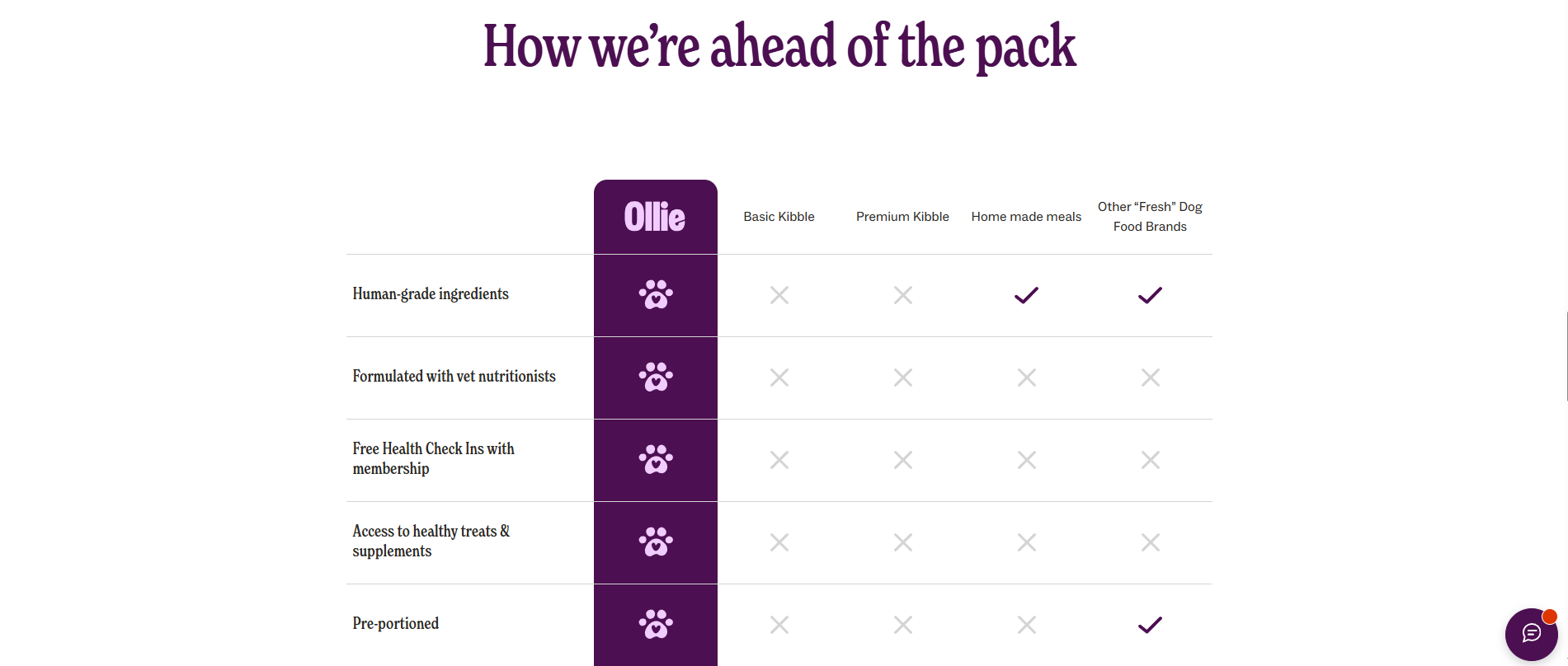
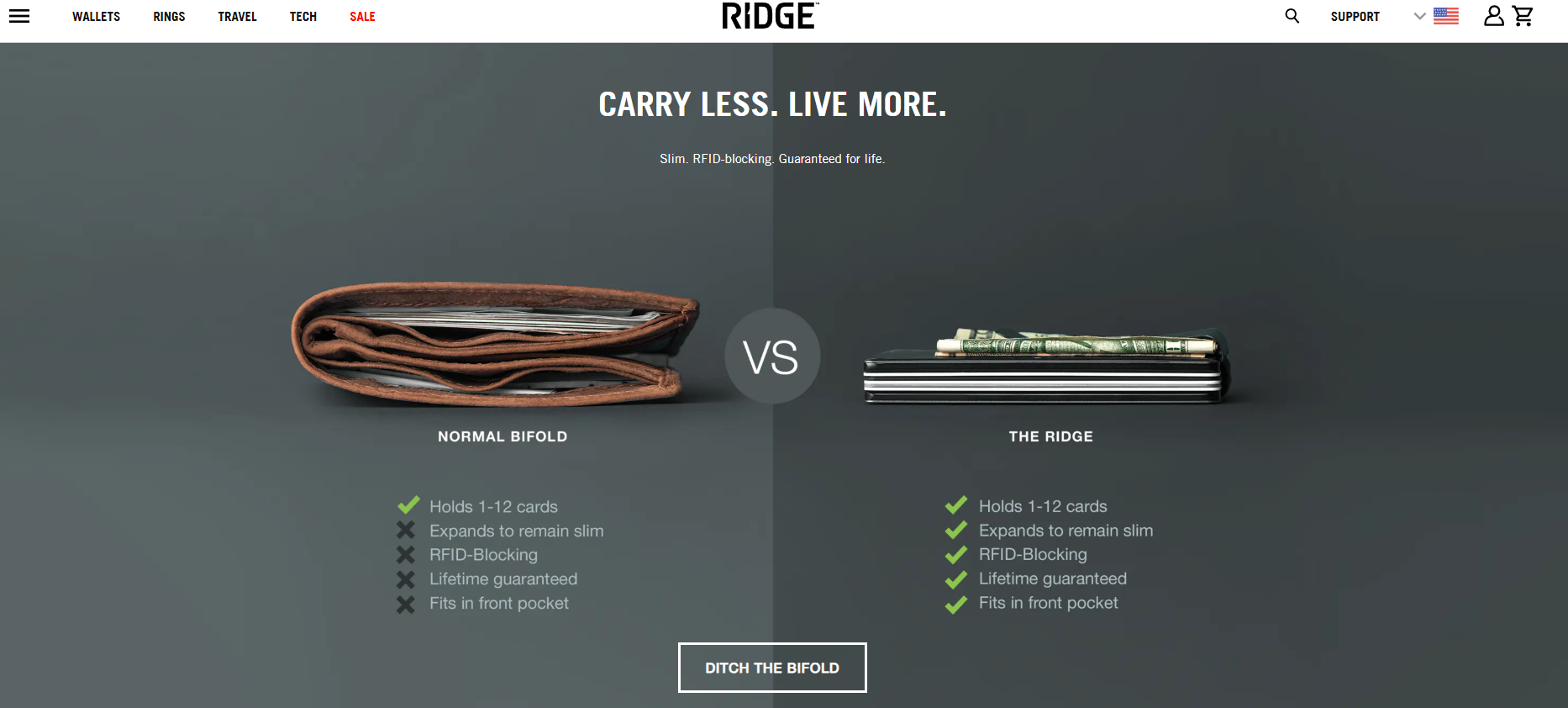
- Middle-of-Funnel (MoFu): These pages are designed for users actively comparing solutions. They rely heavily on data, comparison tables, and expert endorsements to build authority.
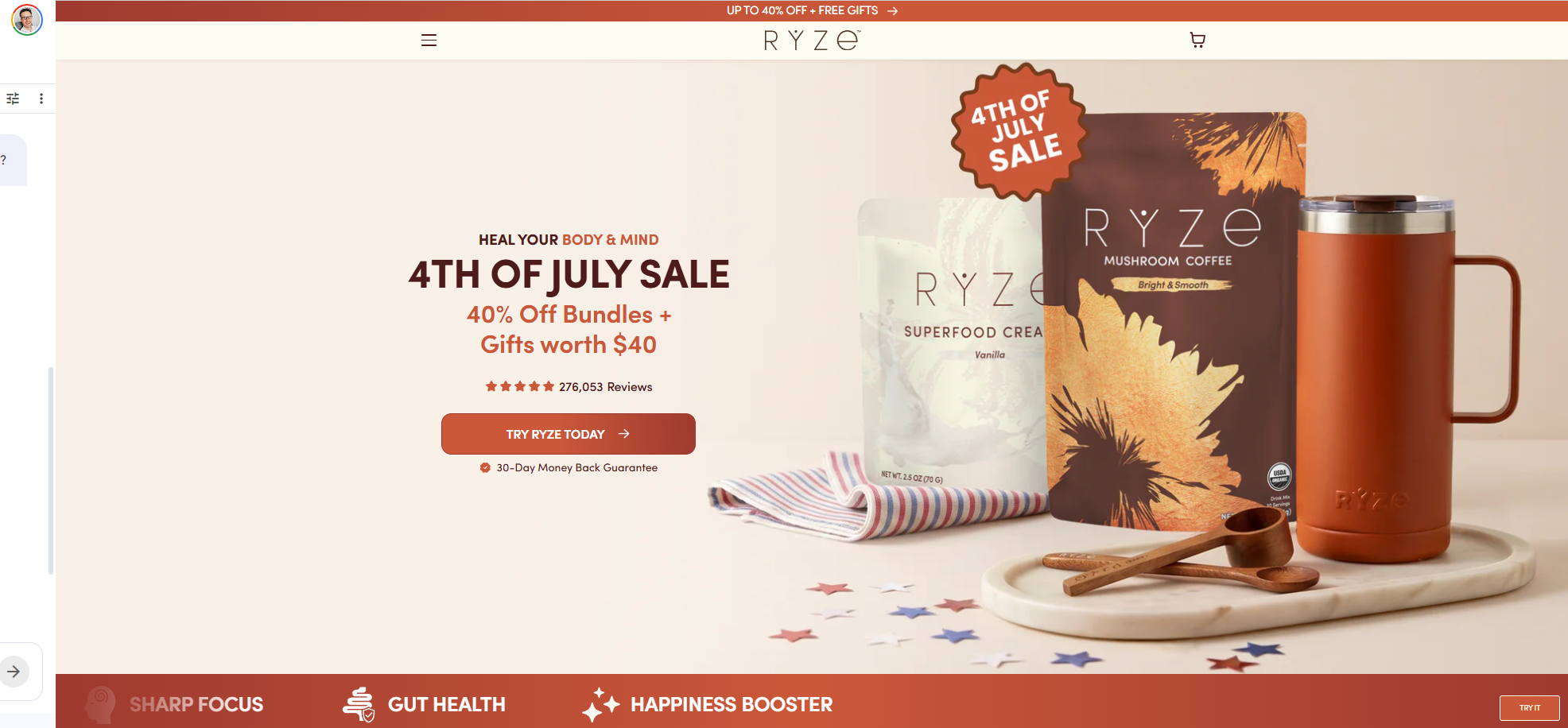
- Bottom-of-Funnel (BoFu): Optimized for high-intent traffic, these pages focus on closing the sale through limited-time offers, bundles, and "risk reversal" tactics such as money-back guarantees.
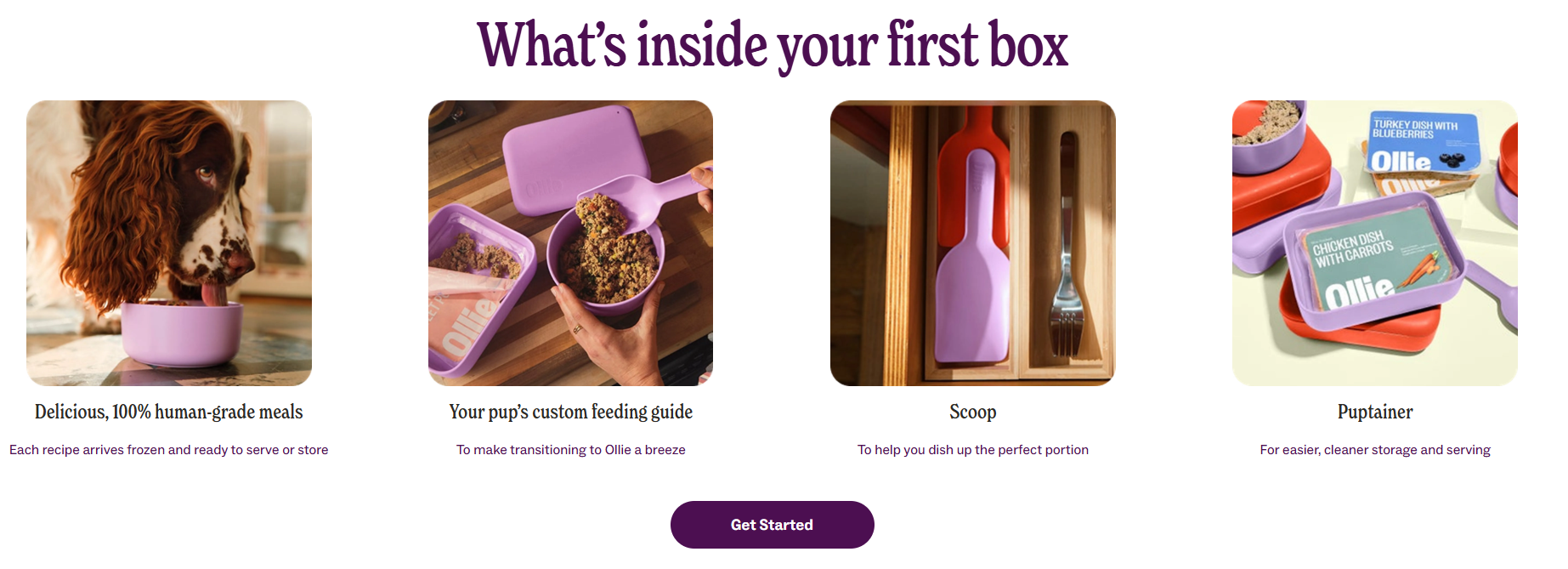
- Post-Purchase: Often overlooked, these pages nurture long-term loyalty, facilitating cross-sells and encouraging subscription models to increase Customer Lifetime Value (CLV).
Analyzing High-Performing Industry Examples
A comparative analysis of leading e-commerce brands reveals the specific design patterns that drive revenue. Each successful page utilizes a combination of psychological triggers and technical optimizations.
Risk Reversal and Social Proof: The Myoovi Model
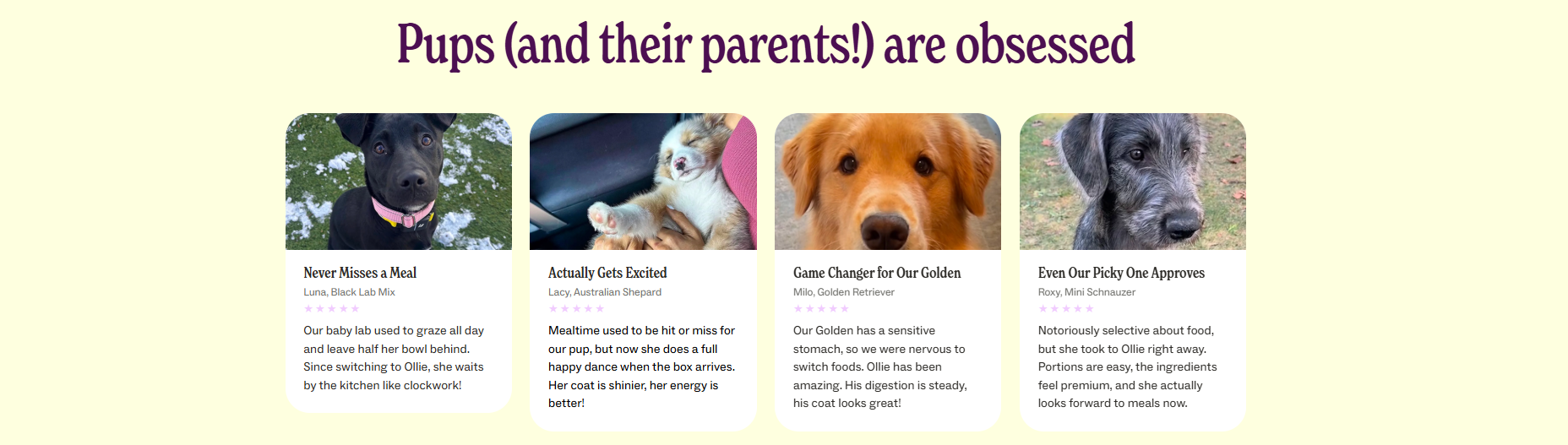
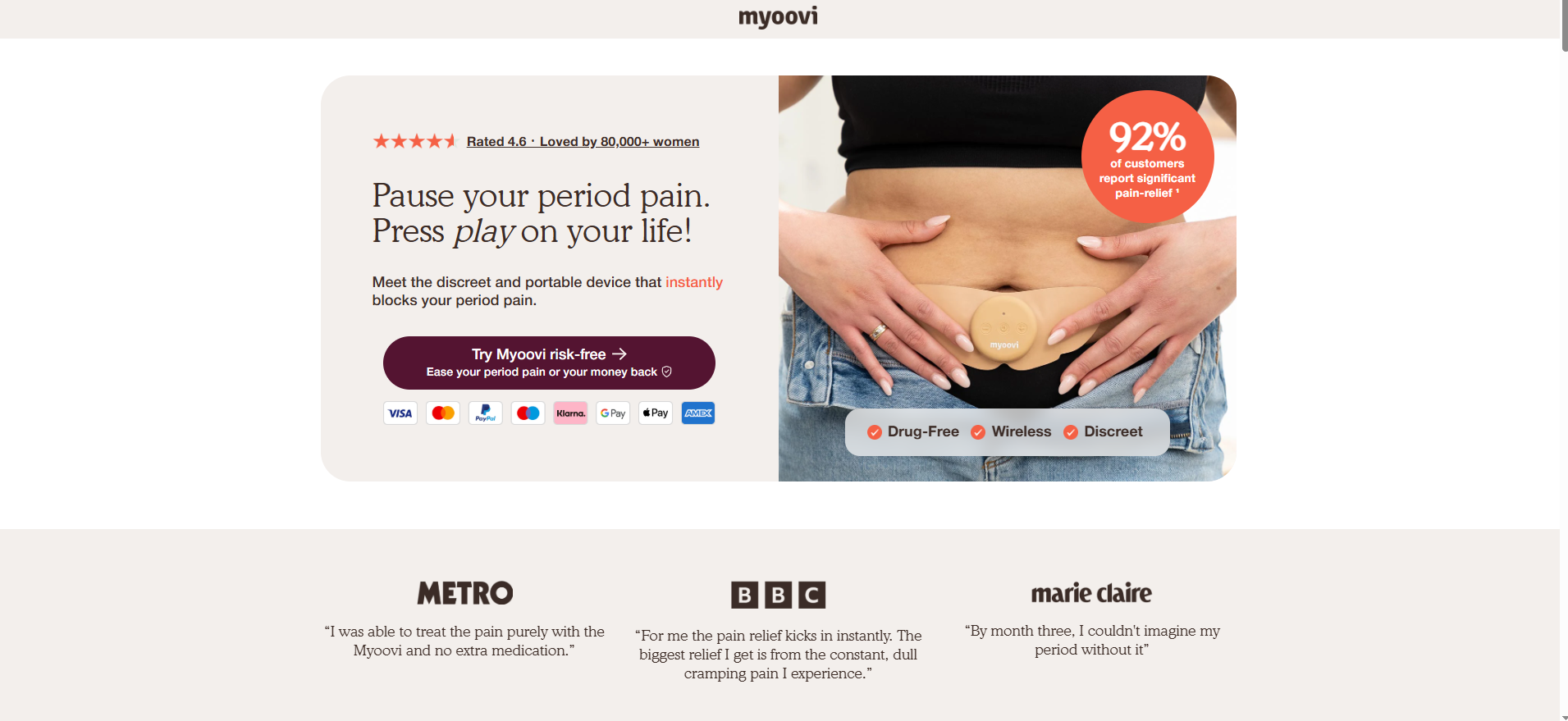
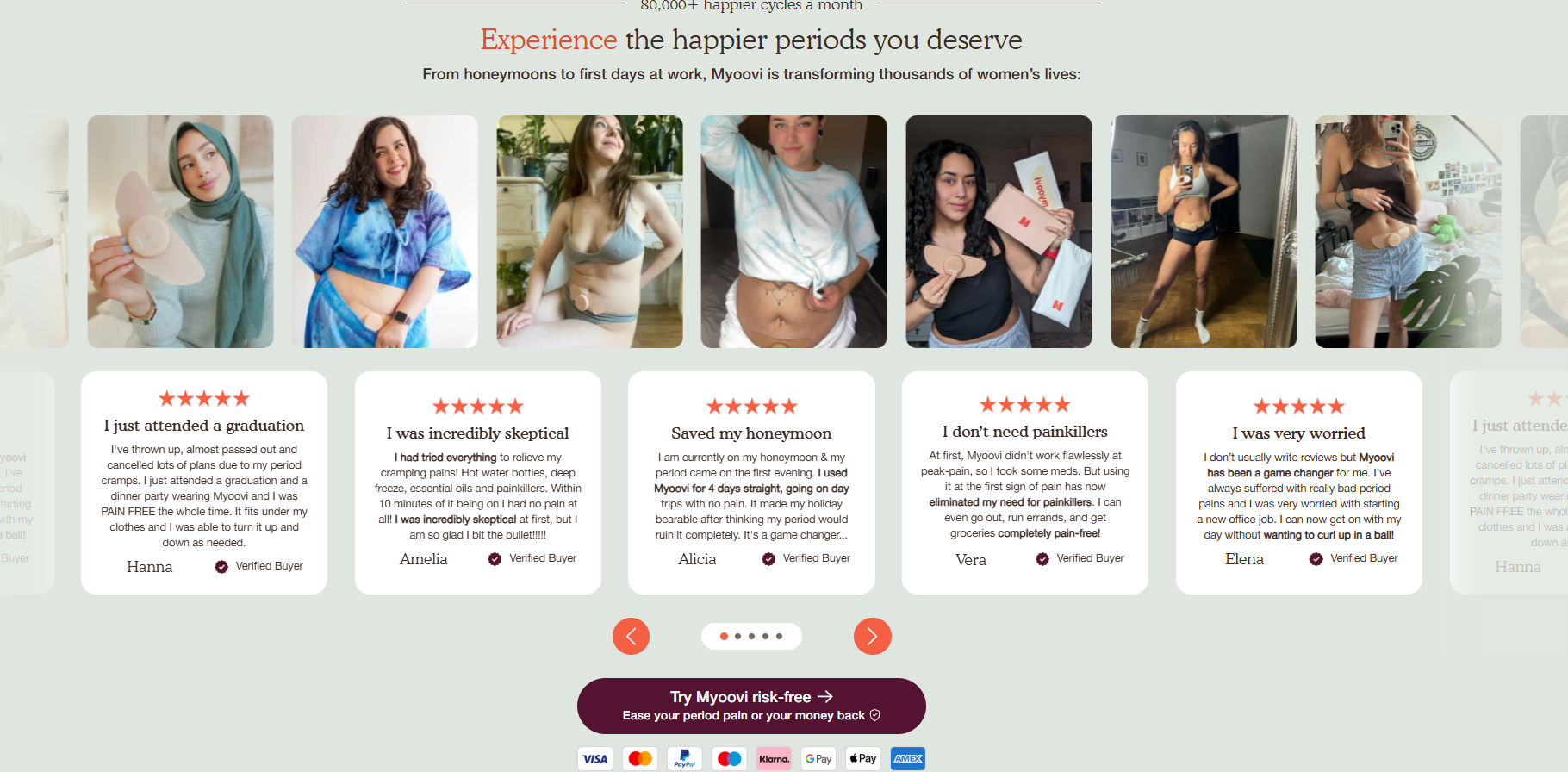
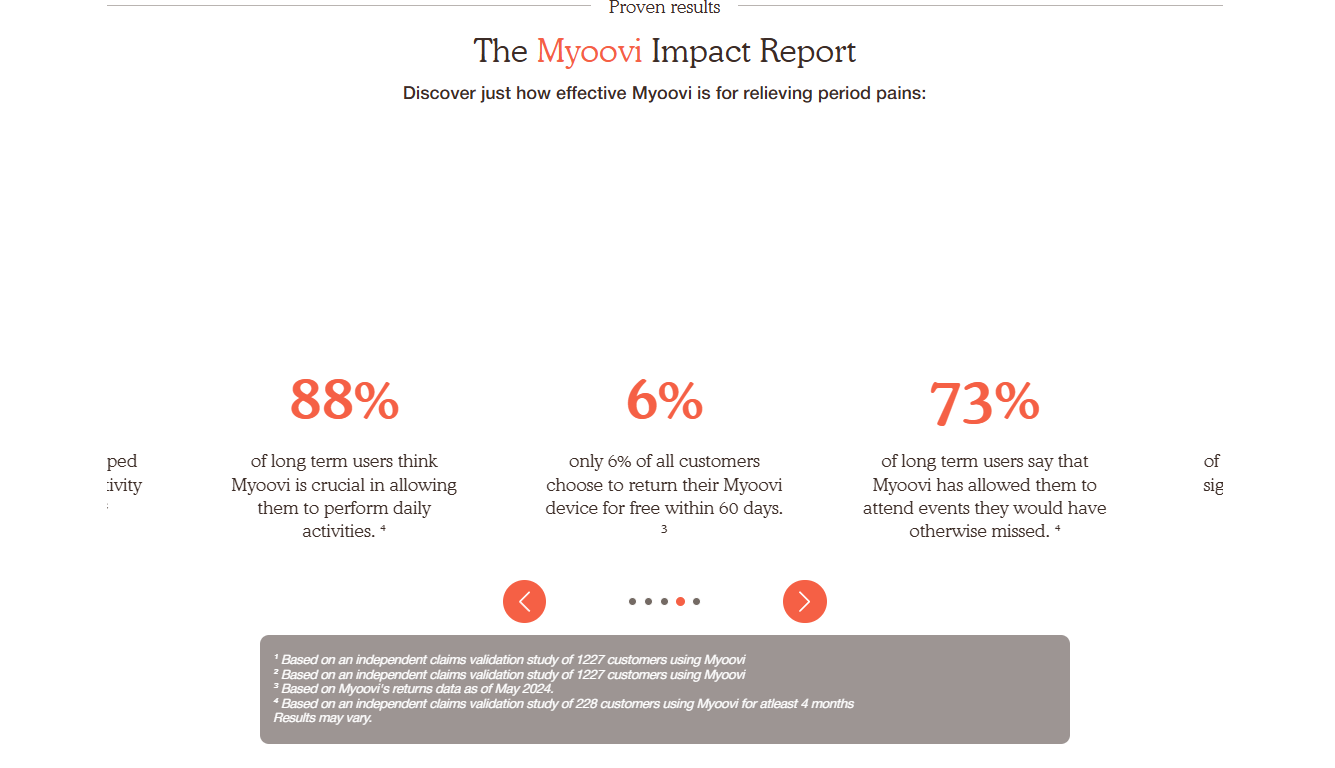
Myoovi, a brand specializing in TENS devices for period pain, utilizes a "risk-free" strategy to overcome consumer skepticism. By offering a 60-day money-back guarantee prominently in the hero section, the brand removes the financial barrier to entry. This is reinforced by an "Impact Report" and a grid of customer testimonials. In the health and wellness sector, clinical data and user-generated content (UGC) act as the primary drivers of trust.
Educational Authority: The Magic Spoon Strategy
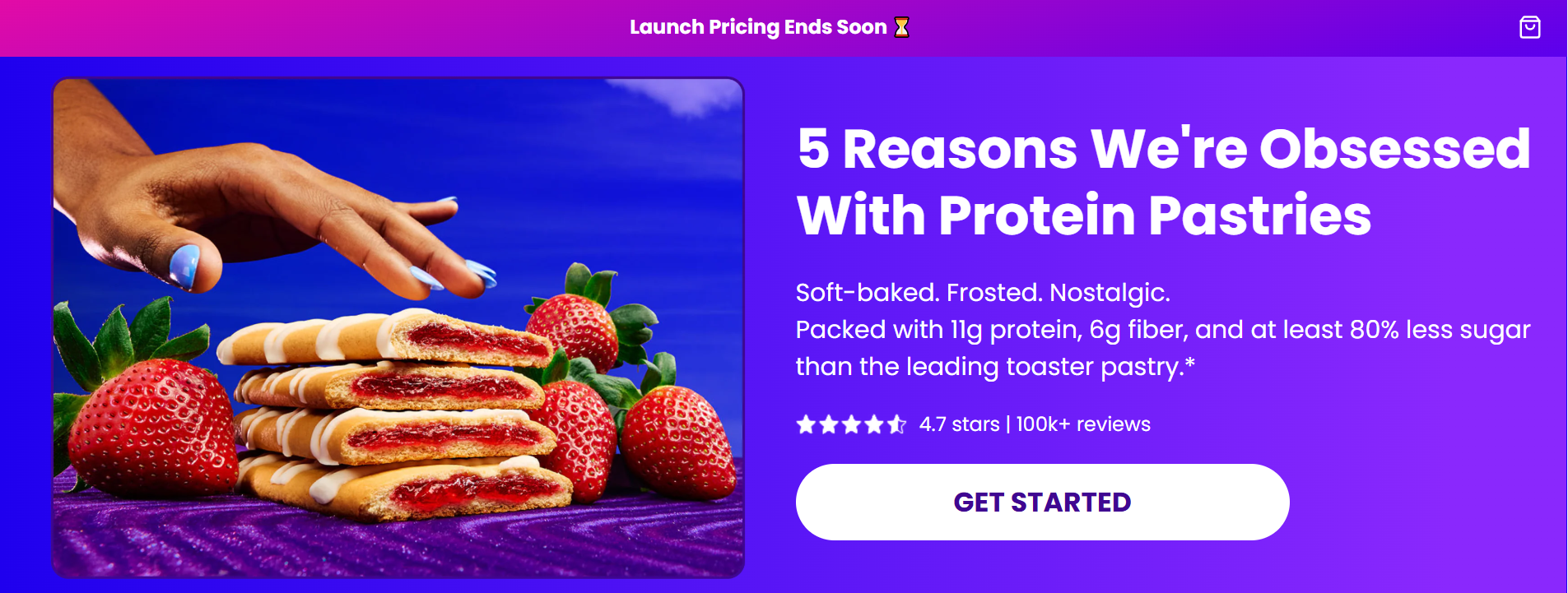
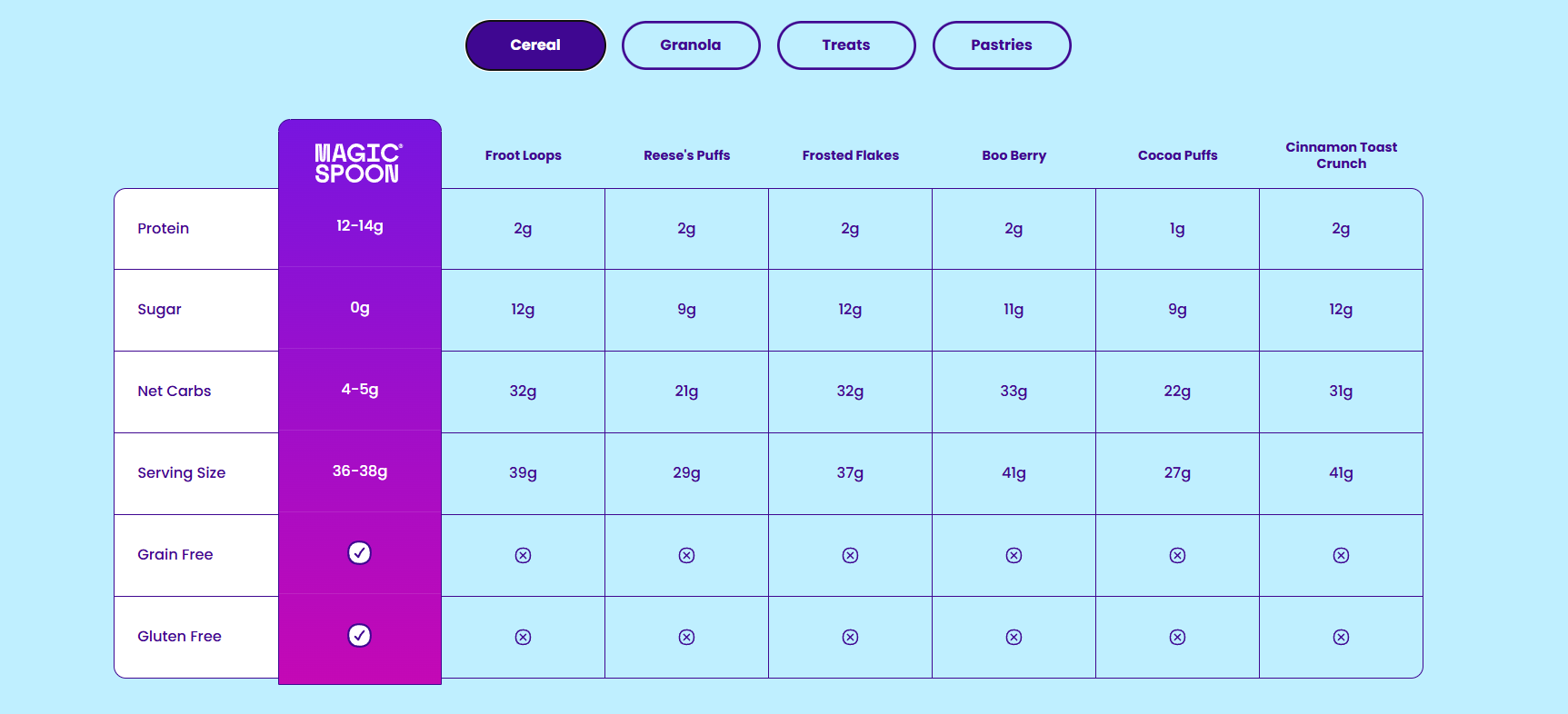
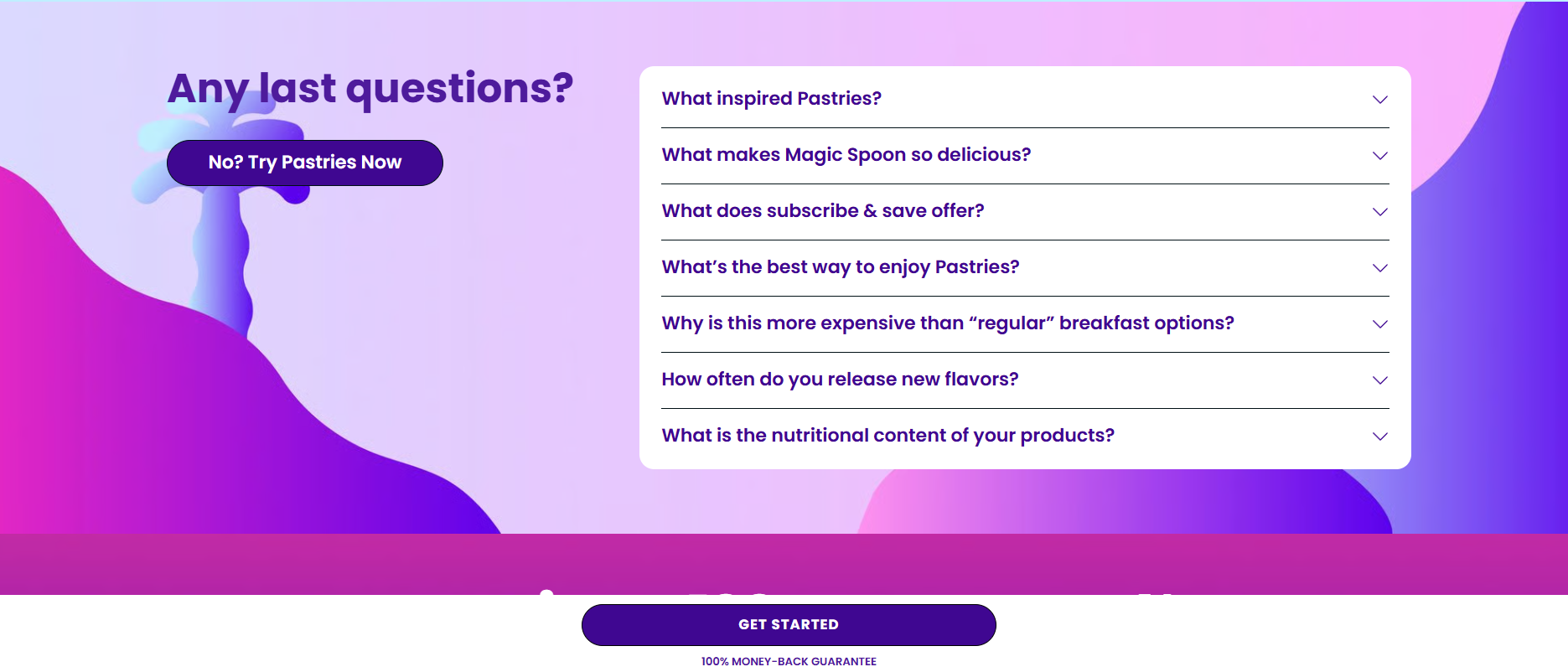
Magic Spoon has disrupted the breakfast cereal market by positioning its product as a high-protein alternative to traditional brands. Its landing page functions as a "listicle," educating the consumer on nutritional benefits while utilizing a direct comparison table. By naming specific competitors like Froot Loops and Cocoa Puffs, Magic Spoon leverages the familiarity of established brands to highlight its own superior nutritional profile.
Interactive Engagement: The Maëlys Quiz
In the skincare industry, where product selection can be overwhelming, Maëlys utilizes a gamified "Product Finder Quiz." This interactive approach serves two purposes: it simplifies the user experience and acts as a lead-capture tool. By requiring an email address to view results, the brand builds its first-party data repository, allowing for personalized follow-up marketing even if the initial visit does not result in a sale.
The Essential Elements of High-Converting Design
While design aesthetics vary by industry, the underlying structural elements of a successful landing page remain remarkably consistent.
- Unique Value Proposition (UVP): The headline must clearly articulate the benefit of the product within the first three seconds of the page load.
- Visual Hierarchy: High-quality imagery or video should demonstrate the product in a real-world context. For instance, Eight Sleep uses clickable hotspots to explain the technology behind its smart mattresses, making complex engineering accessible to the layperson.
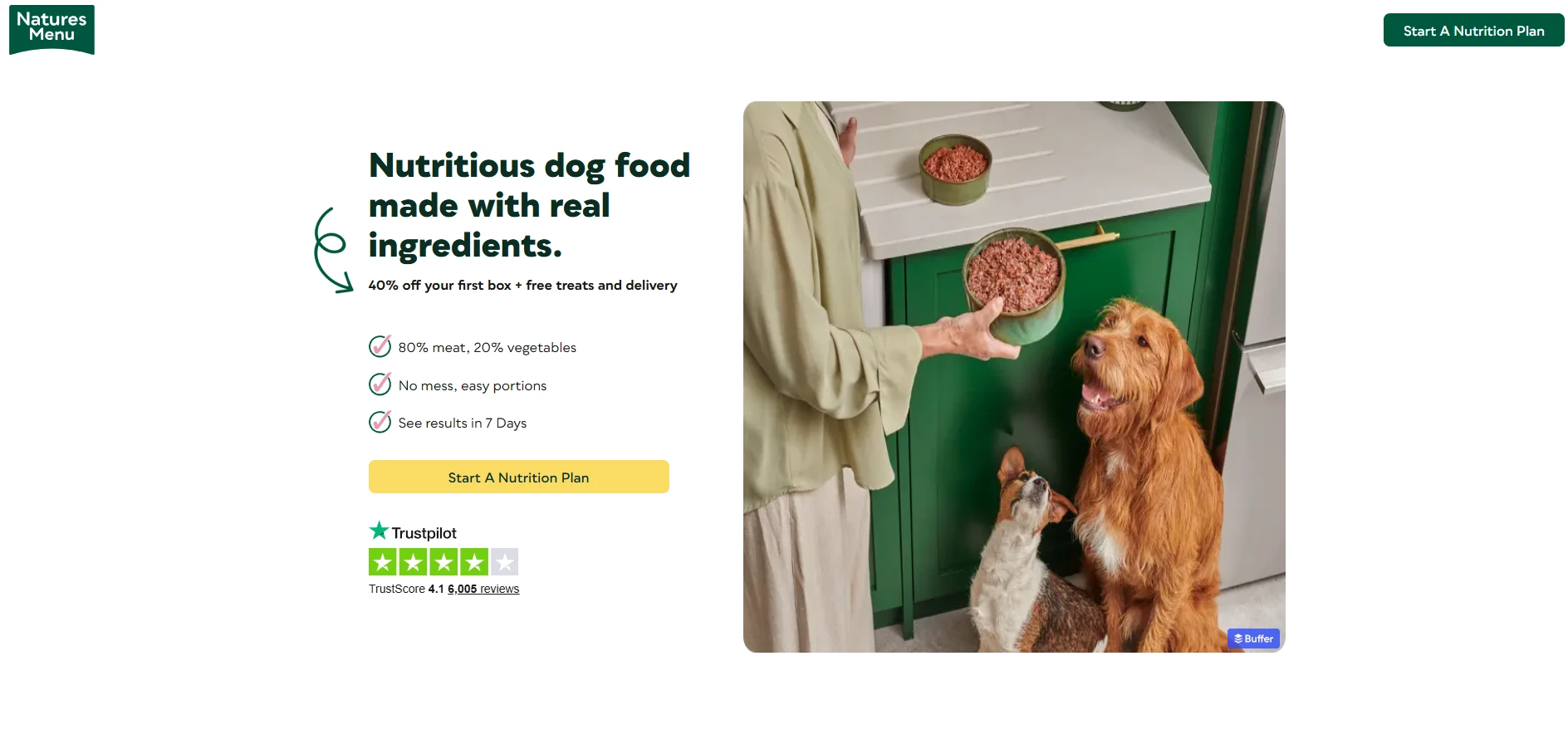
- Trust Indicators: Beyond customer reviews, professional endorsements—such as the veterinary nurse certification used by Nature’s Menu—lend a layer of institutional authority that is difficult for competitors to replicate.
- Single CTA Focus: Every element of the page should point toward a single action. If a page includes secondary links, they should be visually distinct and less prominent than the primary "Buy Now" or "Get Started" button.
Data-Driven Optimization and Analytics
The transition from a functional landing page to a high-converting asset requires rigorous testing. Marketing professionals increasingly rely on behavioral analytics tools to inform design iterations. Heatmaps and scroll maps, provided by platforms such as Crazy Egg, allow brands to see exactly where users are disengaging.
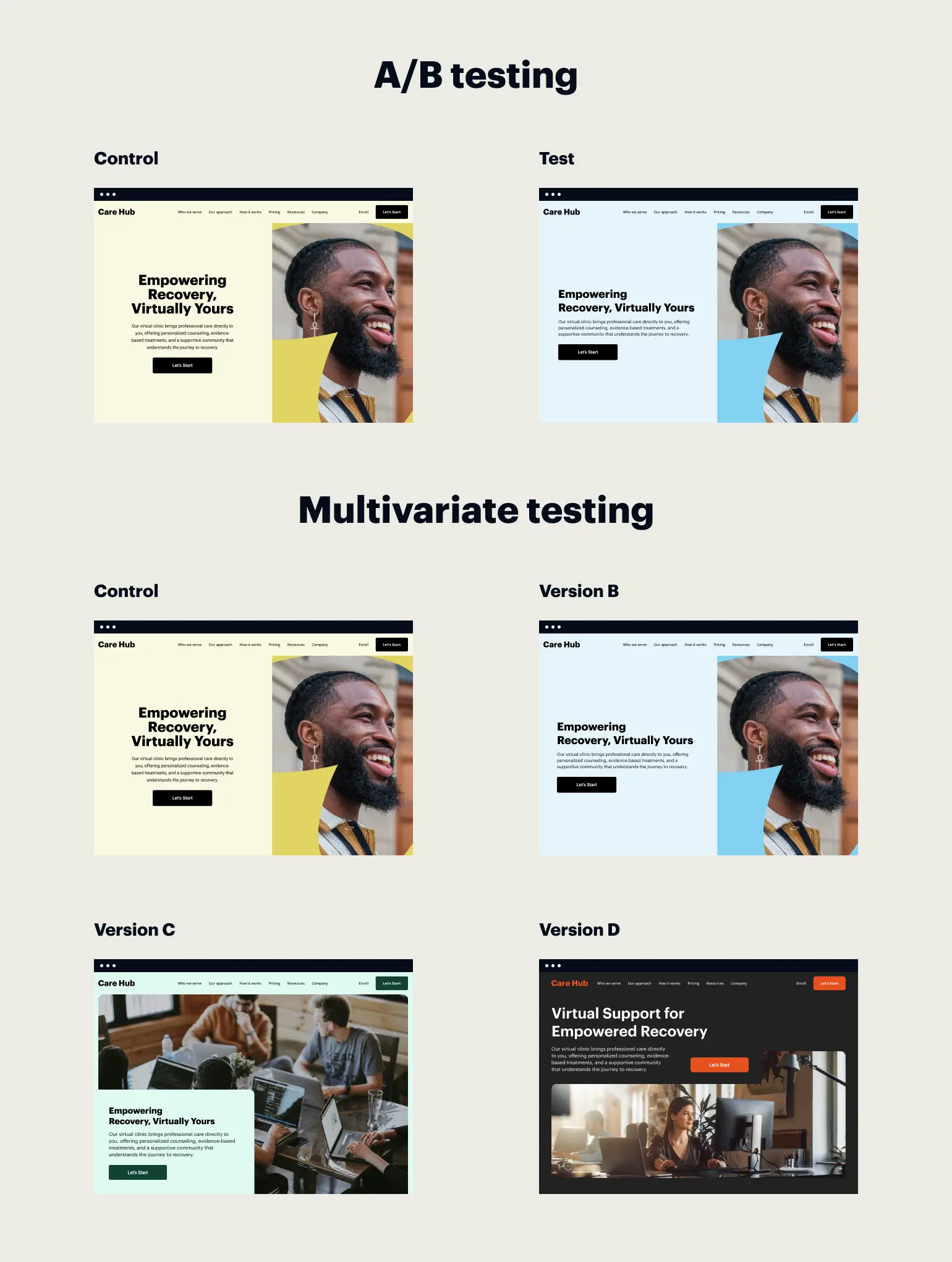
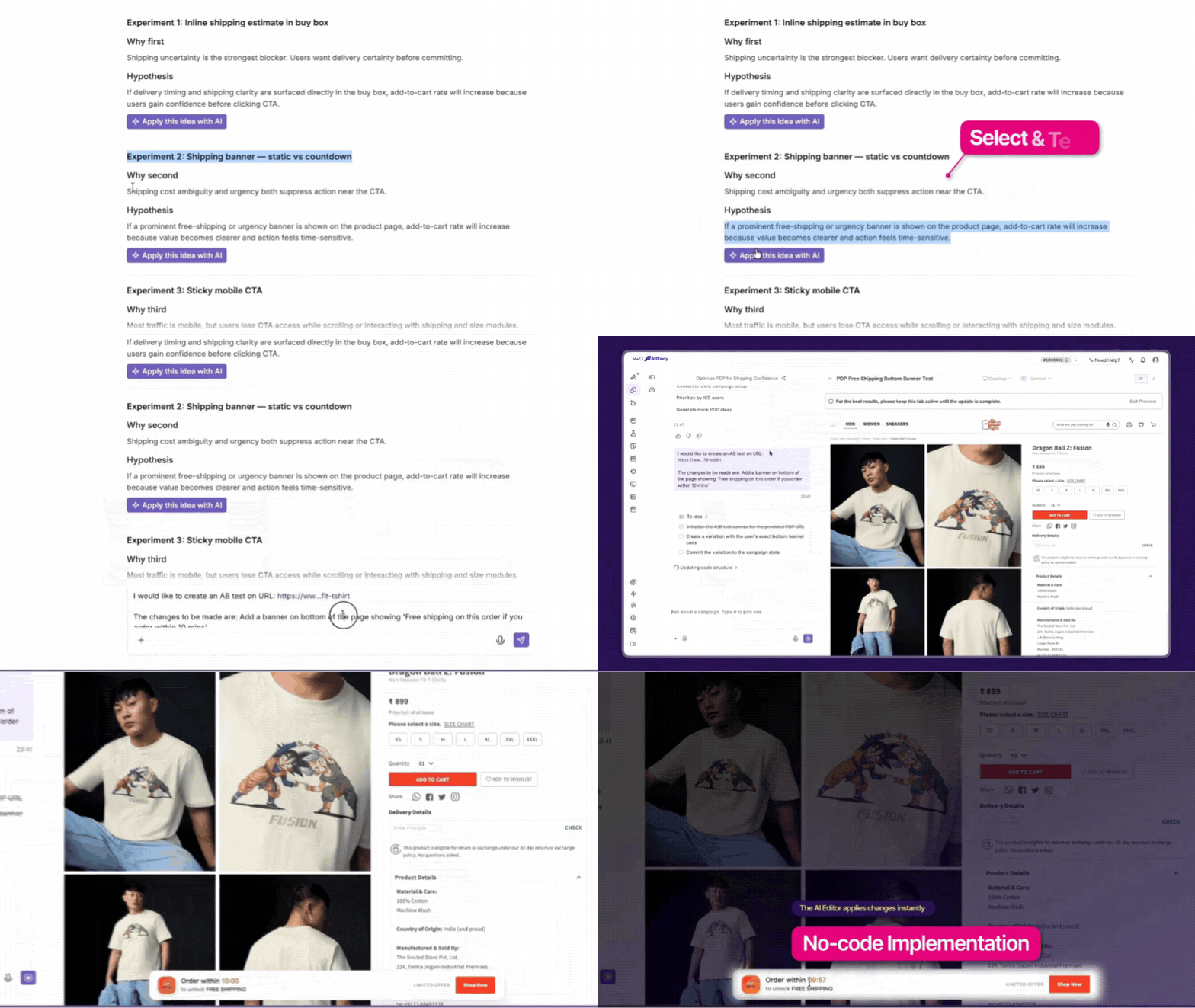
If a scroll map reveals that 70% of users drop off before reaching the social proof section, the brand might move testimonials higher up the page. Similarly, A/B testing different CTA copy—such as comparing "Claim My Discount" against "Shop Now"—can result in double-digit increases in click-through rates.
Broader Economic Impact and Industry Implications
The shift toward dedicated landing pages is a response to the rising cost of digital advertising. As Customer Acquisition Costs (CAC) continue to climb on platforms like Meta and Google, the pressure on conversion rates has intensified. Brands can no longer afford to send expensive paid traffic to a generic homepage where the bounce rate might be high.
Furthermore, the rise of privacy-centric browsing and the phasing out of third-party cookies have made "zero-party data"—information voluntarily provided by consumers—more valuable. Landing pages that incorporate quizzes or personalized surveys are becoming essential tools for brands to understand their audience without relying on invasive tracking methods.
Expert Perspectives on Future Trends
Industry analysts anticipate that the next phase of landing page evolution will be driven by Artificial Intelligence (AI) and hyper-personalization. Future landing pages may dynamically adjust their copy, imagery, and offers in real-time based on the visitor’s geographic location, past browsing history, and even local weather patterns.
"The one-size-fits-all landing page is becoming a relic of the past," notes a senior digital strategist at a leading e-commerce agency. "The future lies in ‘segment-of-one’ marketing, where the page is so finely tuned to the individual’s psychological profile that the conversion feels like a natural conclusion rather than a sales pitch."
Summary of Best Practices for Implementation
For brands looking to implement these strategies, the following checklist serves as a foundation for a high-converting landing page:
- Message Match: Ensure the landing page copy is an exact extension of the ad that brought the user there.
- Above the Fold Optimization: Keep the UVP, hero image, and CTA visible without requiring a scroll.
- Mobile-First Construction: With over 70% of e-commerce traffic originating on mobile devices, tap targets must be large and load times must be under two seconds.
- Eliminate Exit Points: Remove the top navigation menu to keep the user focused on the conversion path.
- Authentic Urgency: Use real deadlines for promotions. Fake countdown timers can permanently damage brand credibility.
As the e-commerce sector continues to mature, the ability to create and optimize high-performance landing pages will remain a critical differentiator for brands seeking to maximize their advertising return on investment and build sustainable, data-rich relationships with their customers.