Social media ROI, or Return on Investment, represents the tangible and intangible value a business gains from its social media marketing and advertising efforts, measured against the resources invested. In an increasingly digital-first economy, understanding this metric is paramount for businesses seeking to justify budgets, optimize strategies, and demonstrate the direct impact of their social presence on overarching business objectives. While the classic ROI formula—((value generated – costs) / costs) x 100—provides a foundational framework, modern social media ROI has evolved to encompass far more than just direct revenue attribution, demanding a nuanced approach that assigns estimated values to non-monetary outcomes such as brand awareness, customer sentiment, and audience engagement.
The challenge of quantifying social media’s worth is a persistent concern for marketers worldwide. A recent study highlighted that a significant 68% of marketers express apprehension about proving the ROI of their social media endeavors to key stakeholders. This anxiety underscores a critical gap between the perceived importance of social media and the ability to articulate its financial contributions effectively. Yet, the stakes are rising dramatically, with social commerce—purchases made directly through social media platforms—projected to generate an astounding $908.5 billion globally in 2026, marking a substantial 10.7% year-over-year increase. By 2028, experts anticipate this figure will surpass the $1 trillion mark, cementing social media as an indispensable channel for direct revenue generation.

The Evolving Landscape of Social Media Measurement
Historically, social media measurement often focused on "vanity metrics" like likes, follower counts, and impressions. While these indicators provided a sense of reach, they offered little insight into actual business impact. The shift towards a more rigorous ROI calculation reflects the maturing digital marketing landscape and the increasing demand for accountability across all marketing channels. With nearly 5.75 billion social media users projected globally by 2026, the sheer scale of engagement necessitates a robust framework to connect social efforts to tangible business outcomes such as revenue growth, lead generation, and customer retention. For enterprise-level organizations, this proof is not merely a performance indicator but a critical defense of social media investment, particularly when budgets face scrutiny.
Tracking social ROI provides multiple strategic advantages: it enables teams to make data-driven decisions, pinpoint effective strategies, allocate resources more efficiently, and ultimately, safeguard and potentially expand their social media budgets. Industry data consistently shows the positive correlation between social media use and business success, with 46% of marketers believing that social media directly improves sales, alongside indirect benefits like increased website traffic, brand exposure, and lead generation that bolster the bottom line.

Navigating the Roadblocks to Accurate ROI Measurement
Despite its critical importance, measuring social media ROI is fraught with complexities. Social media rarely operates in isolation; it’s often one touchpoint in a multi-stage customer journey. A consumer might first encounter a brand through an Instagram post, later click a link in an email, and eventually convert via a paid search advertisement. In such multi-touch scenarios, simplistic single-touch attribution models frequently fail to give social media its deserved credit, leading to an undervaluation of its role. Multi-touch attribution and assisted conversion models are essential to accurately reflect social media’s influence across the entire customer path.
Another significant challenge stems from delayed conversions and prolonged sales cycles, especially prevalent in B2B and enterprise environments. The impact of a LinkedIn post or a thought-leadership piece might not materialize into a closed deal for weeks or even months. Measuring only immediate or same-day results will inevitably undercount social media’s true, long-term contribution. Furthermore, quantifying non-monetary value remains a significant hurdle. Metrics like brand awareness, positive sentiment, and share of voice are undeniably valuable assets, but assigning them a precise dollar figure requires sophisticated estimation. Many organizations use proxies such as customer lifetime value (CLV) for new followers or an estimated value per engagement, lead, or click, based on historical conversion data, to bridge this quantification gap.

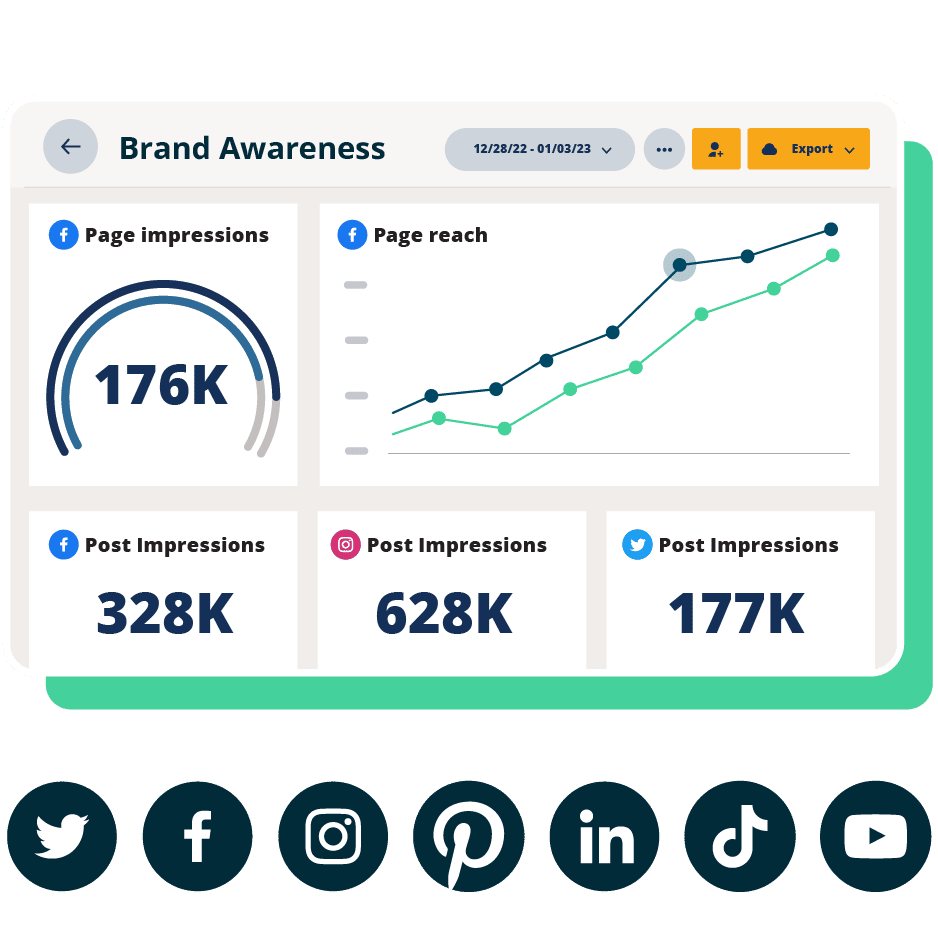
Finally, data silos across various social platforms exacerbate the problem. Each platform offers its own analytics dashboard, making it a manual and error-prone task to consolidate a holistic view of performance. This fragmented data environment means marketers often spend more time aggregating data than deriving actionable insights, a barrier identified by reports like Nielsen’s 2025 Marketing Report. This is where unified social media management and analytics platforms prove invaluable, centralizing data to provide a comprehensive picture.
A Systematic Approach to Calculating Social Media ROI
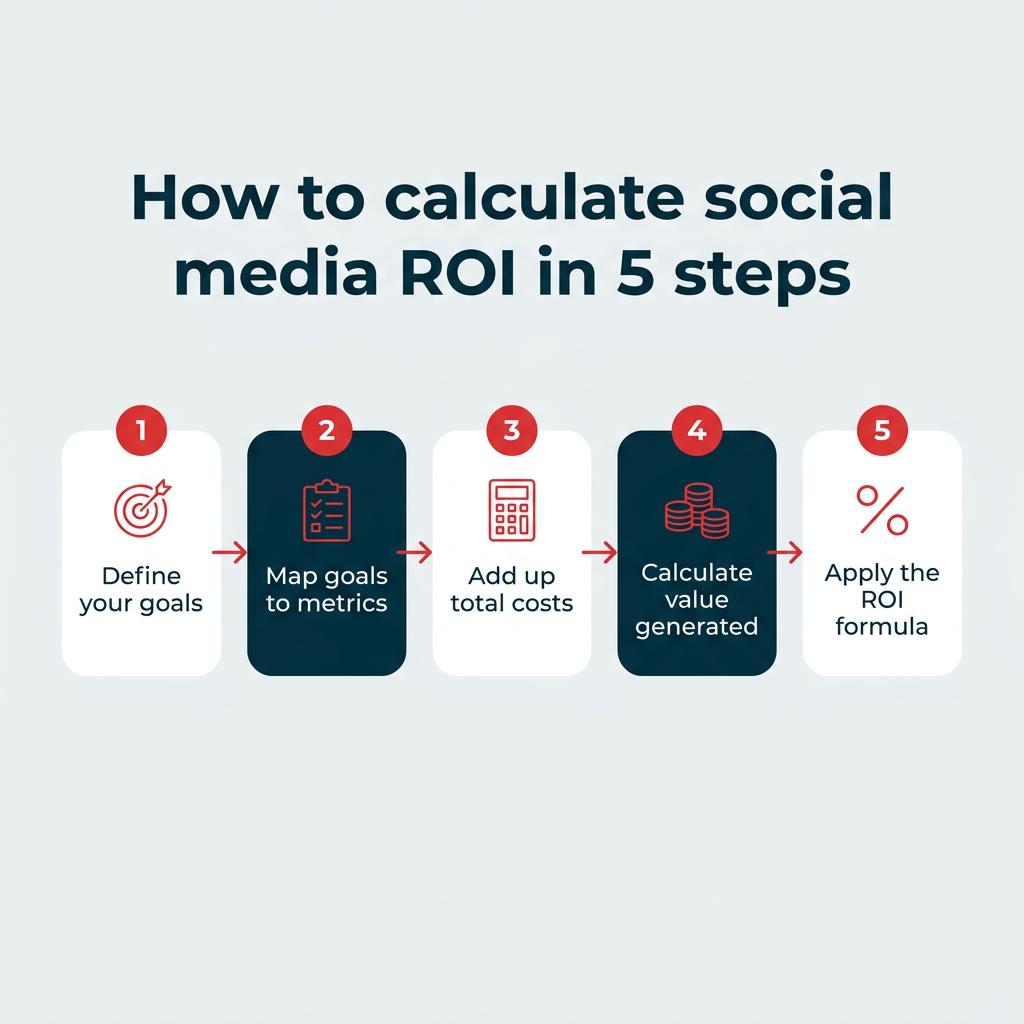
Effectively calculating social media ROI involves a structured, five-step process that moves from strategic goal-setting to detailed financial analysis.
-
Define Your Social Media Goals: The journey begins with clearly articulating what social media is intended to achieve for the business. ROI will differ significantly based on whether the primary focus is sales, lead generation, brand awareness, or customer service. While broad objectives are important, setting specific, measurable, achievable, relevant, and time-bound (SMART) campaign-specific goals is crucial for precise measurement. For instance, a campaign might aim to increase website traffic from Instagram by 20% in the next quarter or generate 50 qualified leads from LinkedIn in a month. As Eileen Kwok, a former Social & Influencer Marketing Strategist at Hootsuite, advises, "The goals you have set for at the start of the year could have already changed. Depending on the shifts your organization is making, or the changing social landscape, make sure you are revisiting your goals every quarter to see if any updates need to be made." Regular evaluation at the campaign level allows for agile strategy adjustments.
-
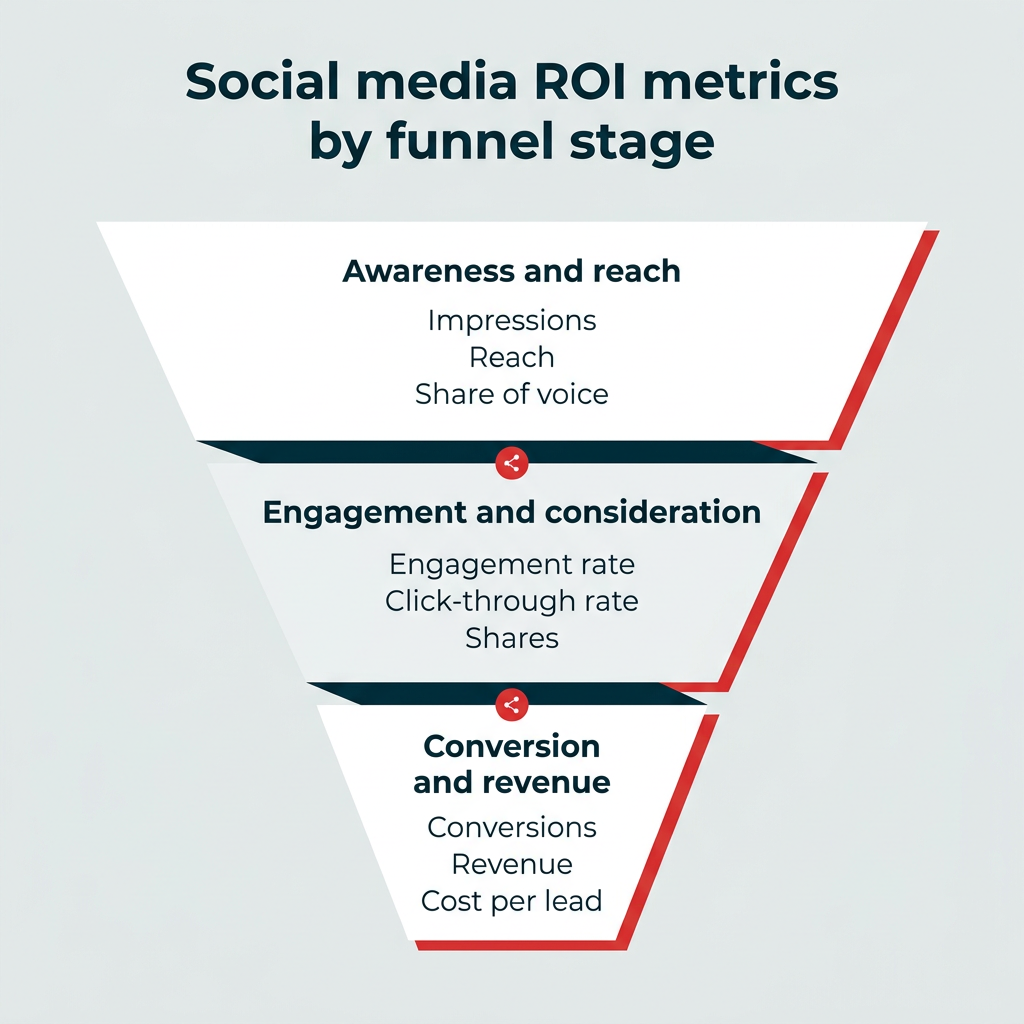
Map Goals to Relevant Metrics: Once goals are established, the next step is to identify the specific social media metrics that will demonstrate progress. Not all metrics are relevant for every goal. For instance, increasing brand awareness would necessitate tracking impressions, reach, brand mentions, and follower growth, while a conversion-focused campaign would prioritize metrics like click-through rates, website conversions, cost per lead, and revenue attributed to social media. Understanding the funnel stage each metric addresses is key to selecting the most meaningful indicators.
-
Total Your Social Media Costs: A comprehensive ROI calculation requires an accurate summation of all investments made in social media activities over a defined period. This includes direct financial outlays and the estimated value of internal resources. Common cost categories include:
- Staff Salaries: For social media managers, content creators, strategists, and community managers.
- Paid Advertising Spend: Budgets allocated to social media ads across platforms.
- Tools and Software: Subscriptions for social media management platforms, analytics tools, design software, and scheduling applications.
- Content Creation: Costs associated with graphic design, video production, copywriting, and photography.
- Influencer Marketing: Payments to influencers and costs for managing collaborations.
- Training and Development: Investing in team skills.
- Contest and Giveaway Expenses: Prizes and associated promotional costs.
- Agency Fees: If external agencies are utilized for social media management or campaigns.
A granular approach ensures that every resource contributing to social media efforts is accounted for.
-
Calculate the Value Generated: This step involves quantifying both monetary and non-monetary returns. Monetary value is straightforward and includes direct sales, lead generation, website conversions, app downloads, and subscriptions directly attributable to social media. Non-monetary value, while harder to quantify, is equally crucial and encompasses enhanced brand awareness, improved customer sentiment, increased customer loyalty, and positive brand perception. To integrate non-monetary outcomes into the ROI formula, a dollar value must be assigned. This can be achieved by using proxies like the customer lifetime value (CLV) for new customers acquired through social, or by estimating the value of an engagement, click, or lead based on historical conversion rates and average revenue per customer. While not an exact science, these estimations provide tangible figures for leadership.
-
Apply the ROI Formula: With total value generated and total costs determined, the final step is to apply the social media ROI formula: ((Value generated from social media – Costs of social media investment) / Costs) x 100. The result, expressed as a percentage, clearly indicates the profitability of social media efforts. A positive ROI signifies that social media investments are yielding returns, while a negative ROI signals that costs outweigh benefits, prompting a strategic reassessment. For example, if an e-commerce campaign generated $20,000 in sales with $7,000 in costs, the ROI would be (($20,000 – $7,000) / $7,000) * 100 = 185.7%. This indicates a robust return on investment.
Optimizing for Enhanced Returns: Strategies and Best Practices
Improving social media ROI is an ongoing process of experimentation, analysis, and refinement. Several strategic levers can be pulled to maximize returns:
-
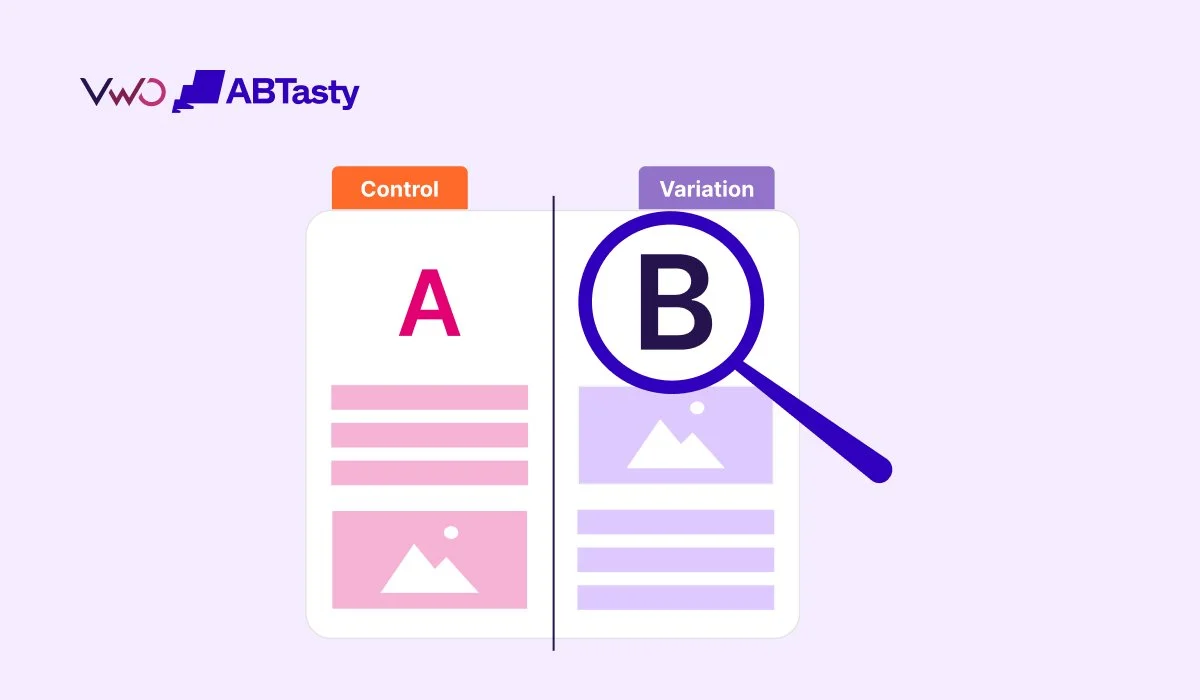
A/B Testing and Experimentation: The dynamic nature of social media demands continuous testing. Running A/B tests on content topics, formats (e.g., video vs. carousel), calls-to-action, ad creatives, and posting times allows marketers to identify what resonates best with their audience and drives desired outcomes. For instance, an internal experiment at Hootsuite found that Instagram carousels generated better engagement and reach than Reels for certain content types, challenging assumptions about "hot" formats. Applying these insights to scale successful content or ads can significantly boost ROI.
-
Competitor Analysis and Benchmarking: Observing competitor strategies offers valuable insights into what works within a specific industry. Tools like Hootsuite Analytics enable businesses to track competitor performance across various channels, providing industry benchmarking data to gauge their standing and identify opportunities for differentiation and improvement.

-
Leveraging UTM Parameters for Granular Tracking: Urchin Tracking Module (UTM) parameters are critical for precise attribution. By appending these tags to URLs shared on social media, marketers can track exactly how much traffic, engagement, and conversions originate from specific posts, campaigns, or platforms. This granular data allows for a direct correlation between social activity and website conversions, providing irrefutable proof of ROI.
-
Embracing Social Commerce: With its rapid growth, social commerce offers one of the most direct paths to attributable sales. Shoppable posts and in-app checkout features reduce friction in the customer journey, turning engagement into direct sales without users ever leaving the platform. Tracking in-app purchases, product tag clicks, and checkout completions within platform commerce tools provides clean, closed-loop measurement for social commerce ROI.
-
Optimizing Content Formats: Not all content formats yield equal ROI. Analyzing performance data to identify which formats (e.g., short-form video, infographics, live streams) drive the best results on each platform allows marketers to double down on winning strategies and allocate resources more effectively.
-
Refining Audience Targeting: For paid social campaigns, precise audience targeting is paramount to maximizing ROI. Utilizing retargeting to re-engage warm audiences, building lookalike audiences based on high-value customers, and leveraging social data to narrow targeting ensures ad spend is directed towards the most receptive segments, minimizing waste and increasing conversion rates.
Unified Measurement: The Role of Technology
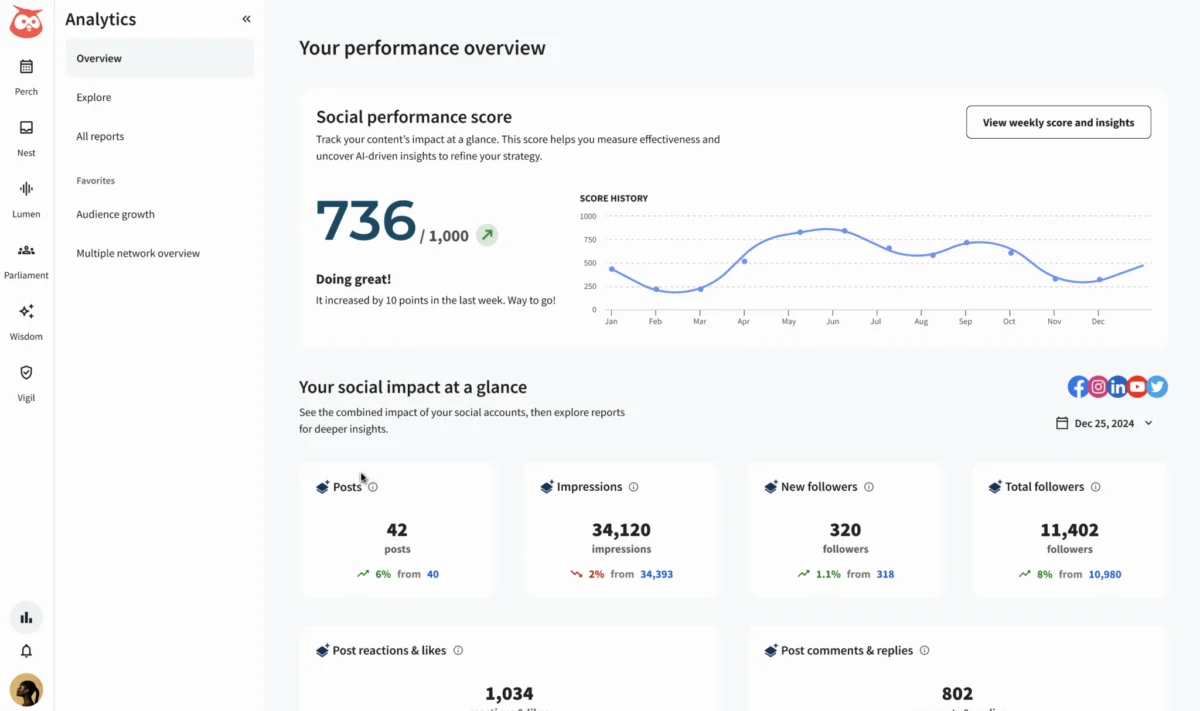
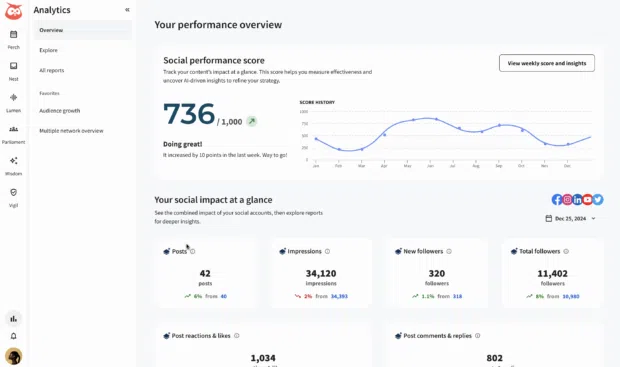
Effective social media ROI tracking necessitates a sophisticated mix of tools. While native platform analytics provide channel-specific data, and web analytics (like Google Analytics) track conversions, integrating these disparate data sources remains a challenge. This is where a centralized social media analytics platform, such as Hootsuite Analytics, becomes indispensable.

Hootsuite unifies social data from multiple platforms into a single dashboard, allowing businesses to connect social activity directly to business outcomes without the laborious task of juggling numerous dashboards. Its advanced analytics capabilities enable marketers to fine-tune campaigns by examining content performance over time and across platforms, identifying what content topics and formats resonate most deeply with their audience. Features like advanced analytics directly link social media activity to sales, sign-ups, and conversions, providing a clear view of ROI.
Furthermore, Hootsuite’s competitor analysis tools allow businesses to monitor up to 20 competitors, revealing their top-performing posts, trending hashtags, and content styles. This competitive intelligence, coupled with industry benchmarking data, provides crucial context for evaluating performance and identifying areas for strategic improvement. The platform’s robust reporting tools enable the creation of visually compelling, customizable reports that clearly communicate the impact of paid and organic social campaigns to stakeholders. Integrations with web analytics platforms like Google Analytics and Adobe Analytics further enhance attribution, providing a comprehensive view of how social efforts contribute to broader business goals and directly impact the bottom line.
Reporting ROI to Executive Stakeholders

Communicating social media ROI to executive stakeholders requires a strategic approach focused on business outcomes. Reports should be clear, concise, and tailored to the audience’s priorities, highlighting trends over time and connecting social results directly to revenue, growth, cost savings, or other critical business objectives. Visualizations, key performance indicators (KPIs) relevant to the C-suite, and actionable recommendations are essential components of an effective ROI report. As Kwok aptly stated, "You don’t know what your ROI is until you’ve laid out the goals you are tracking towards." This underscores the foundational importance of goal setting before any measurement or reporting can commence.
Defining a "Good" Social Media ROI and Future Outlook
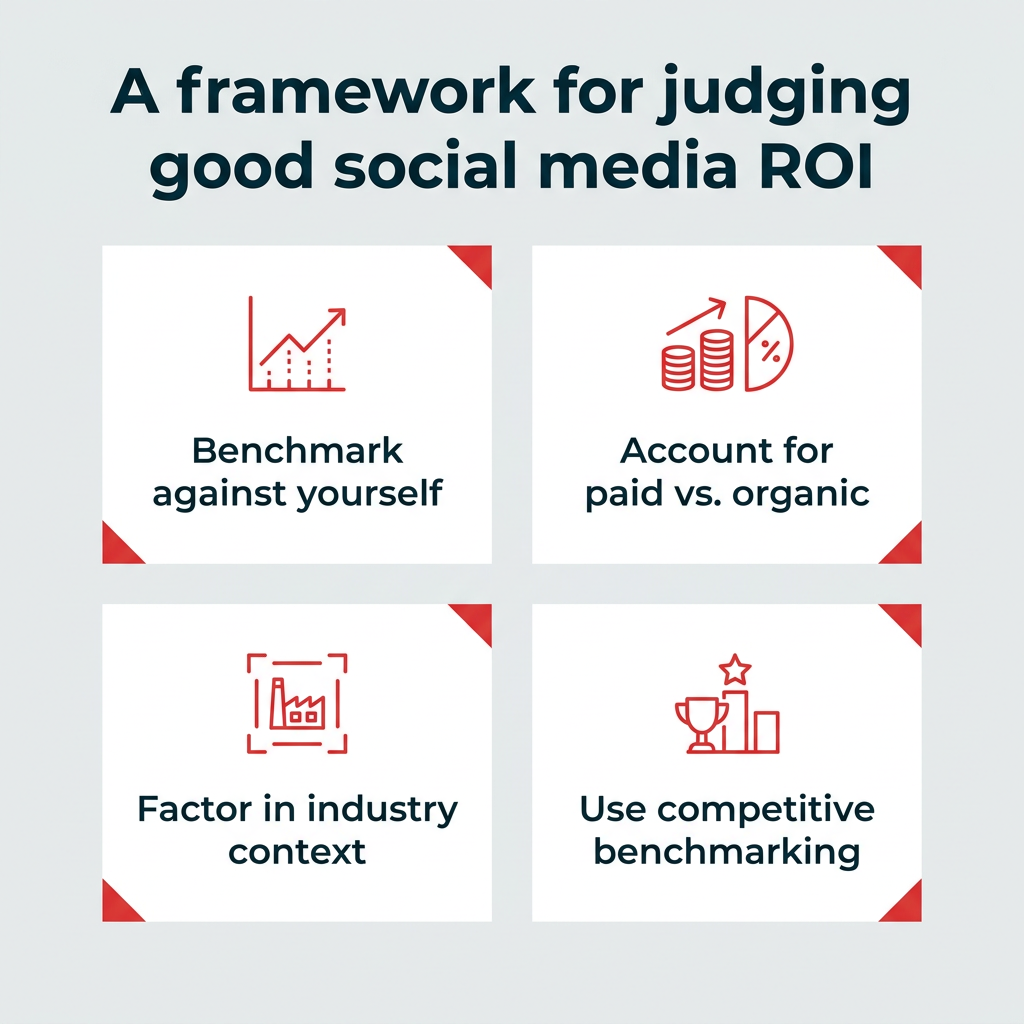
What constitutes a "good" social media ROI is not a universal number; it varies significantly by industry, specific business goals, and whether one is measuring paid or organic efforts. Generally, any positive ROI indicates that social media investments are generating more value than their cost. However, a more useful framework involves:
- Benchmarking against internal past performance: Demonstrating continuous improvement.
- Comparing against industry averages: Understanding competitive standing.
- Assessing profitability: Ensuring the ROI meets or exceeds profitability targets.
The best ROI is a positive, improving trend that outpaces industry peers. Looking ahead, the integration of artificial intelligence and machine learning promises even more sophisticated ROI measurement, offering predictive analytics and deeper insights into customer behavior and attribution.
In conclusion, while measuring social media ROI presents inherent complexities, its importance in today’s digital economy cannot be overstated. By adopting a structured approach to goal setting, metric selection, cost analysis, and value quantification, coupled with leveraging advanced analytics platforms and continuous optimization strategies, businesses can effectively demystify social media’s impact. Proving social media ROI is not just about validating marketing spend; it’s about making smarter business decisions, driving sustainable growth, and securing social media’s strategic position at the heart of an organization’s success.