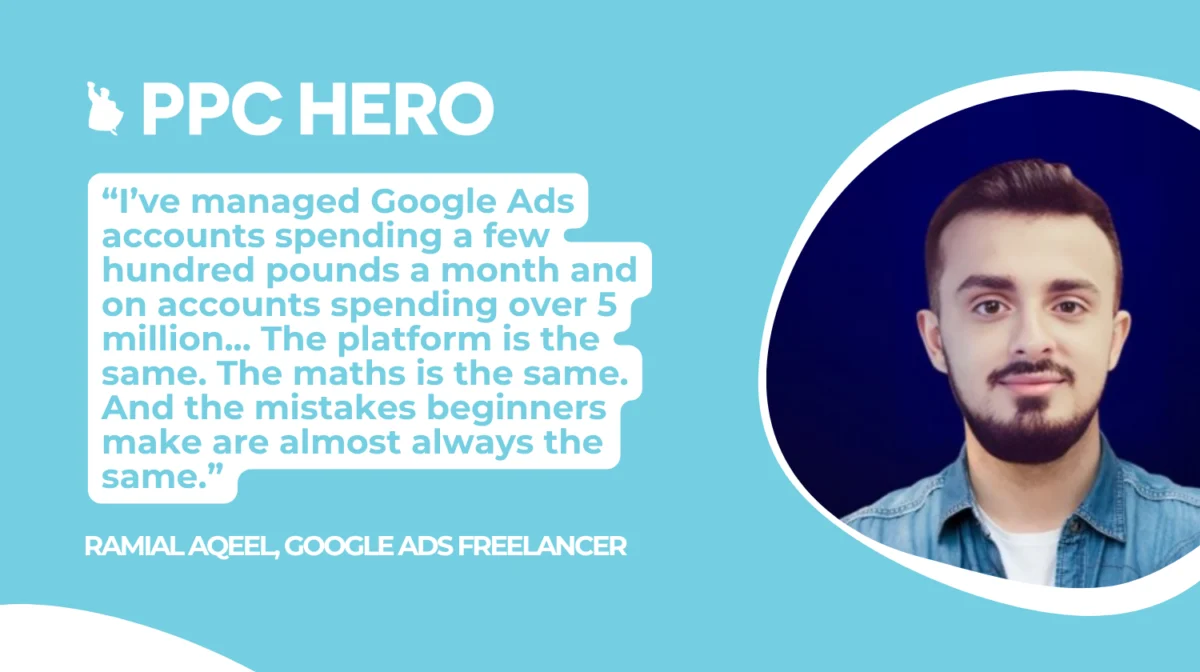
The landscape of digital advertising can appear daunting for newcomers, yet fundamental principles govern success across campaigns of vastly different scales, from modest monthly budgets of a few hundred pounds to colossal expenditures exceeding five million. The underlying mechanics of the Google Ads platform remain consistent, and the pitfalls encountered by beginners are remarkably uniform and frequently repeated. This guide offers a structured approach for those launching their inaugural Google Ads account, aiming to prevent premature budget depletion and foster sustainable growth.
Prioritizing Conversion Tracking: The Bedrock of Effective Campaigns
Before the creation of a single advertisement, the paramount task is to ensure conversion tracking is meticulously implemented and fully operational. This often overlooked, technically intricate, yet undeniably crucial step is the foundation upon which all effective advertising strategies are built. Without the ability to accurately measure which clicks translate into tangible business outcomes – whether inquiries, phone calls, or direct sales – advertisers are not truly running campaigns; they are engaging in a high-stakes gamble, relying on guesswork rather than data-driven insights.
Conversion tracking serves as the vital feedback mechanism for Google’s sophisticated algorithms. It educates the platform on what constitutes a "good" outcome for a specific business. When this data is absent, the advertising machine operates in a state of digital blindness, and so too does the advertiser. Conversely, with robust conversion tracking in place, every subsequent decision, from campaign optimization to budget allocation, is informed by its direct impact on revenue generation, rather than merely the superficial appearance of activity.
The process begins with defining and setting up a specific conversion action that directly aligns with the business’s primary objectives. This could be the successful submission of a contact form, a completed phone call initiated from an ad, or a finalized online purchase. It is imperative to rigorously test this setup. Before committing any advertising spend, advertisers should manually trigger the conversion themselves and verify that it is accurately registered within the Google Ads account. This pre-launch validation is a non-negotiable step to avoid wasting valuable budget on untrackable traffic.
Strategic Campaign Focus: One Campaign Type, One Primary Goal
Google Ads presents a vast array of campaign types, from Search and Display to the more automated Performance Max. While the platform may implicitly encourage the activation of multiple campaign types simultaneously, for novice advertisers, this approach is counterproductive. The initial focus should be deliberately narrow and strategic.
For a first-time Google Ads account, the recommendation is to launch a single Search campaign. The Search network is inherently driven by user intent. When an individual types a problem or a need into Google, they are actively seeking a solution. Appearing at this precise moment with a relevant offering represents the most transparent and instructive environment for understanding the core mechanics of Google Ads.
Campaign types like Display and Performance Max, while valuable for specific objectives, tend to abstract many of the underlying operational details through advanced automation. For individuals in the learning phase, it is essential to have visibility into the moving parts of the advertising process. The Search network excels at providing this transparency, allowing advertisers to directly observe the relationship between keywords, ad copy, and user engagement.
Therefore, the strategic mandate for beginners is to concentrate on a singular campaign, and to define a maximum of two clear, overarching goals. This focused approach ensures that learning is concentrated on a specific set of variables, enabling a deeper understanding of cause and effect within the advertising ecosystem.
Simplicity in Structure: Building a Sensible Foundation
The pursuit of overly complex account structures is unnecessary for beginners. Instead, the emphasis should be on establishing a sensible and logical framework. This involves organizing keywords based on thematic relevance or user intent, ensuring that each ad group contains a tightly defined set of keywords. Crucially, the advertisements within each ad group must directly correspond to the keywords they are intended to trigger.
For instance, if a user searches for "law firm Manchester," the advertisement they encounter should specifically address law firms operating within Manchester. This direct alignment between search query, ad message, and landing page content is fundamental to achieving higher click-through rates and securing more favorable ad positions over time. This relevance is a key factor in reducing the cost per click and improving overall campaign efficiency.

Furthermore, maintaining control over keyword match types is critical. Utilizing broad match keywords without appropriate safeguards can lead to significant budget expenditure on search queries that are entirely unrelated to the advertised products or services. It is advisable to commence with more restrictive match types, such as phrase match and exact match. By carefully monitoring the search terms report – which details the actual queries users entered before clicking an ad – advertisers can gain insight into performance. As confidence in the data grows and a clear understanding of user intent is established, the match types can be gradually broadened to capture a wider, yet still relevant, audience.
The Indispensable Role of Negative Keywords
The most critical, and often underestimated, component of any Google Ads account is the list of negative keywords. This is the curated collection of terms that advertisers explicitly instruct Google to avoid when displaying their advertisements. Users frequently employ highly varied and sometimes peculiar search queries. Terms like "free," "jobs," "DIY," or "cheap" can lead to advertisements being shown to individuals who are not genuine prospects. For businesses offering premium services, ad impressions for searches like "free" or "cheap" represent a direct financial drain, as these clicks are highly unlikely to result in a conversion.
During the initial weeks of campaign operation, diligent and constant review of the search terms report is paramount. This report provides invaluable insight into the precise language users employ when seeking solutions. By meticulously examining this data and identifying any irrelevant or non-converting search queries, advertisers can proactively add these terms to their negative keyword list. This consistent habit of refining the negative keyword list is arguably the single most effective method for safeguarding budget and will yield more significant cost savings than any sophisticated bidding strategy or complex ad extension implementation.
Budgeting for Learning: Investing in Data Acquisition
Google Ads algorithms require a substantial volume of data to learn, optimize, and perform effectively. Consequently, advertisers must establish a budget that provides sufficient data without incurring catastrophic financial losses during the learning phase. Setting the budget too low can result in an insufficient number of daily clicks, hindering the learning process and yielding minimal actionable insights. Conversely, an excessively high budget can make a single underperforming week financially damaging.
A prudent approach involves selecting a budget figure that the advertiser is genuinely comfortable with potentially "losing" during the first month of operation. This initial period should be viewed as an investment in education and data acquisition, rather than immediate profit generation. The performance of a new campaign is not instantaneous; it requires time for the algorithm to gather data, identify patterns, and begin optimizing.
A common and detrimental mistake is premature panic. Advertisers who make drastic changes to their campaigns within the first few days often disrupt the learning cycle of the algorithm. Both the system and the advertiser are in a continuous learning process. Implementing changes and then allowing sufficient time for those changes to yield meaningful data before making further adjustments is crucial for progress. A period of at least two to four weeks is often recommended for initial evaluation before significant strategic shifts are considered.
Optimizing the User Journey: From Ad Click to Conversion
The effectiveness of a Google Ads campaign extends beyond the initial click. The landing page, or the destination webpage, plays an equally critical role in the user’s journey and the ultimate success of the advertising effort. Even the most meticulously crafted and high-performing advertisement will falter if it directs traffic to a poorly designed, slow-loading, or confusing webpage.
A cluttered homepage with an ambiguous call to action can lead to significant revenue leakage. The landing page must be directly relevant to the user’s search query and the message conveyed in the ad copy. It should load quickly, present a clear and compelling value proposition, and make the desired next action – whether it’s filling out a form, making a phone call, or completing a purchase – immediately obvious and easy to execute.
For example, if an advertisement is promoting conveyancing services, the landing page must specifically address property conveyancing, prominently display contact information such as a phone number, and feature an easily accessible form. This message parity between the search term, ad copy, and landing page content is fundamental to building trust and guiding the user towards conversion.
A Pragmatic Action Plan for the Initial Week
For those embarking on their Google Ads journey, a straightforward order of operations can be invaluable:
- Implement Conversion Tracking: Ensure your business objectives are measurable. Test thoroughly before spending any money.
- Set Up a Single Search Campaign: Focus on user intent and direct relevance.
- Structure with Thematic Ad Groups: Group keywords logically and ensure ad copy aligns precisely.
- Implement Initial Negative Keywords: Review search terms from day one and add irrelevant queries.
- Set a Learning Budget: Allocate a comfortable amount for the first month, acknowledging it as an investment.
- Optimize Landing Pages: Ensure they are fast, relevant, and have a clear call to action.
- Allow Time for Learning: Resist the urge to make constant changes; give the algorithm time to adapt.
There are no secret hacks or magical settings that guarantee instant success. The most effective path to mastering Google Ads lies in diligently executing these fundamental, albeit sometimes perceived as "boring," tasks. By focusing on the foundational elements and consistently applying best practices, new advertisers can build a robust first account that provides invaluable, real-world learning experiences far exceeding the value of any theoretical course. The digital advertising arena, while complex, rewards methodical execution and a commitment to understanding the core principles of user intent and measurable outcomes.