

The pursuit of qualified leads in Google Ads is a perennial challenge for businesses aiming for sustainable growth. When advertising campaigns are primarily optimized for simple conversion actions like form submissions or phone calls, the underlying algorithms are incentivized to generate volume over quality. This often results in a deluge of low-intent leads, unqualified prospects, or even outright spam, leading to wasted ad spend and diminished ROI. After over a decade navigating the complexities of Google Ads, a proven framework has emerged to systematically improve lead quality, ensuring that marketing efforts translate into tangible business outcomes.

The Core Problem: The Volume vs. Quality Conundrum
At the heart of the lead quality issue lies a fundamental misalignment between advertiser goals and Google Ads’ optimization objectives. When a campaign is set to prioritize "form fills" or "phone calls," the Google Ads algorithm, driven by its sophisticated AI, will naturally seek the most efficient pathways to achieve these actions. This often means targeting users who are more likely to perform these actions with minimal effort, regardless of their genuine interest or qualification for a business’s products or services. Consequently, businesses find themselves generating a high number of leads, but a disproportionately small fraction of these contacts convert into valuable customers. This scenario is particularly prevalent for businesses operating in competitive B2B markets or those with specific customer qualification criteria.
The Foundation of Quality: Offline Conversion Tracking
The most critical, non-negotiable prerequisite for achieving superior Google Ads lead quality is the implementation of Offline Conversion Tracking (OCT). Basic conversion tracking, which monitors actions like button clicks or form submissions, provides an incomplete picture. A user clicking a "contact us" button or filling out a basic form does not guarantee they are a viable prospect.

OCT bridges this gap by connecting the customer relationship management (CRM) system of a business with Google Ads. This integration allows advertisers to feed back to Google’s algorithms which leads ultimately become Marketing Qualified Leads (MQLs), Sales Qualified Leads (SQLs), and paying customers. By providing this crucial post-click data, advertisers empower Google’s Smart Bidding strategies to identify and pursue users with similar characteristics to those who have demonstrated genuine purchase intent and value. Without this data foundation, advanced Google Ads features like Performance Max, broad match keywords, and AI-powered bidding strategies are effectively operating with incomplete information, leading them to chase quantity over quality.
The absence of robust OCT can severely hamper the effectiveness of Google’s AI-driven tools. Features designed to optimize for conversions can inadvertently drive low-quality traffic if the algorithm lacks the data to discern what constitutes a "good" lead. While implementing OCT can potentially render many subsequent optimization tactics redundant, various businesses face hurdles in its adoption due to technical complexities, resource limitations, or a lack of perceived immediate necessity. However, the long-term benefits of a well-implemented OCT system far outweigh these initial challenges, providing the essential feedback loop for sustained lead quality improvement.
Strategic Adjustments for Enhanced Lead Quality
Even in the absence of full offline conversion tracking, a series of strategic adjustments to Google Ads campaigns can significantly enhance the quality of leads generated. These adjustments span across targeting, creative, bidding, and landing page optimization.
1. Refining Network Placements: Excluding Low-Quality Zones
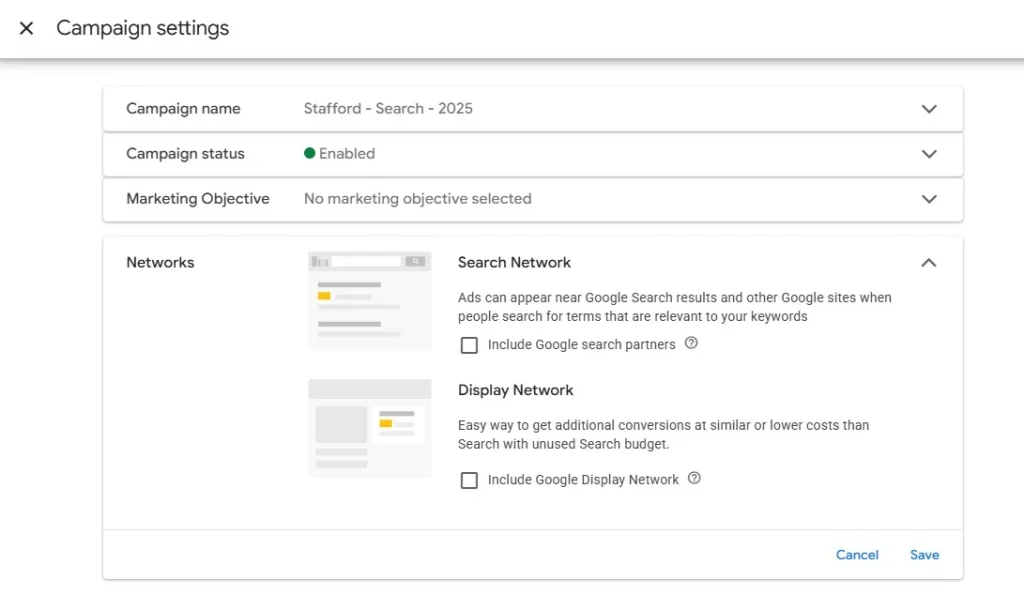
Turning Off Search Partners: Google’s Search Partner network, while intended to extend reach, often comprises websites with lower traffic quality and a higher propensity for spam. Advertisers experiencing a high volume of impressions and unusually low cost-per-click (CPC) rates, yet yielding poor lead quality, frequently find the Search Partner network to be a significant contributor. Disabling this network in Search campaign settings ensures that advertising efforts are concentrated solely on Google Search, where user intent is generally clearer. Monitoring channel performance reports, particularly within Performance Max campaigns, is crucial to identify and mitigate any budget drain by these less effective placements.
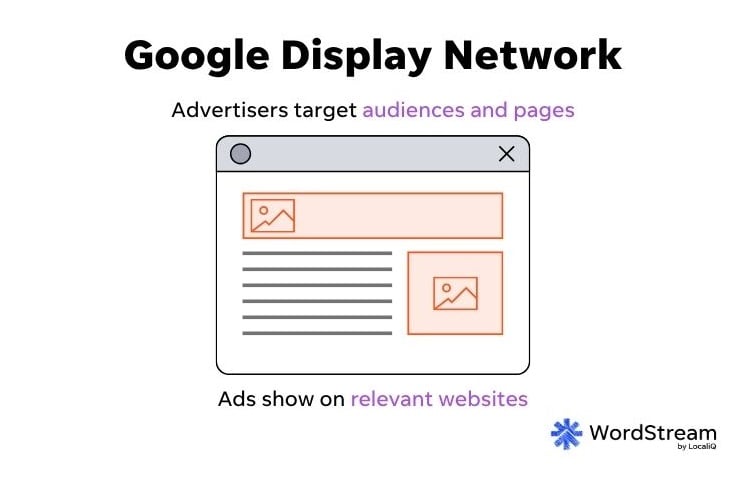
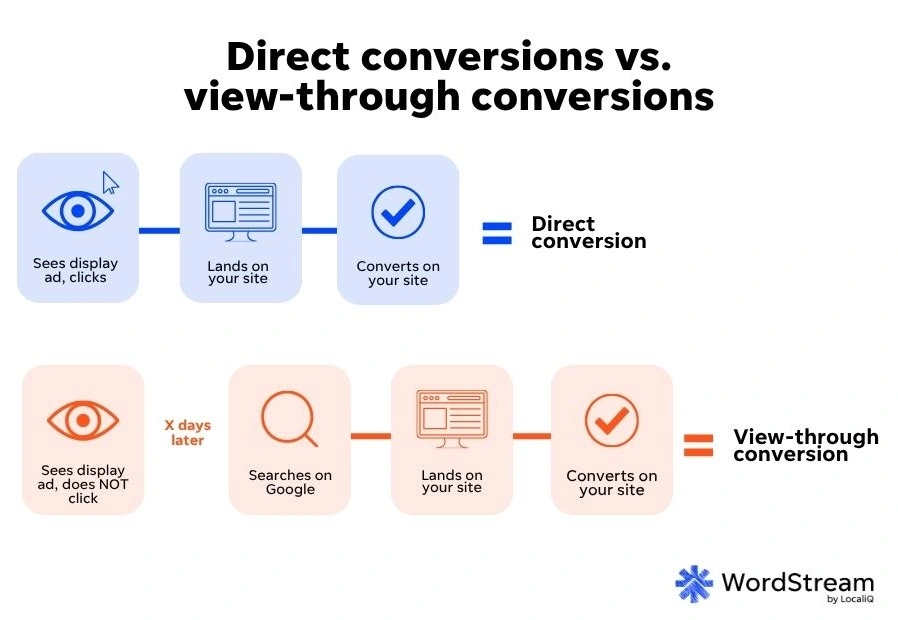
Cautious Approach to the Google Display Network (GDN): The Google Display Network, with its vast reach across millions of websites and apps, can be a double-edged sword for lead generation. Many sites within the GDN exist primarily to generate ad revenue through AdSense, potentially leading to bot traffic, low-quality placements, and inflated inventory. For lead generation objectives, a poorly configured GDN strategy can be a major source of unqualified leads. Advertisers should exercise caution by unchecking the Display Network option in Search and Demand Gen campaign settings, and disabling video partners in video campaigns, unless a specific, highly targeted display strategy is in place. Even when using display advertising, implementing view-through conversion tracking is vital to capture leads that may have been influenced indirectly by display ads.
2. Precision Targeting and Exclusion Strategies
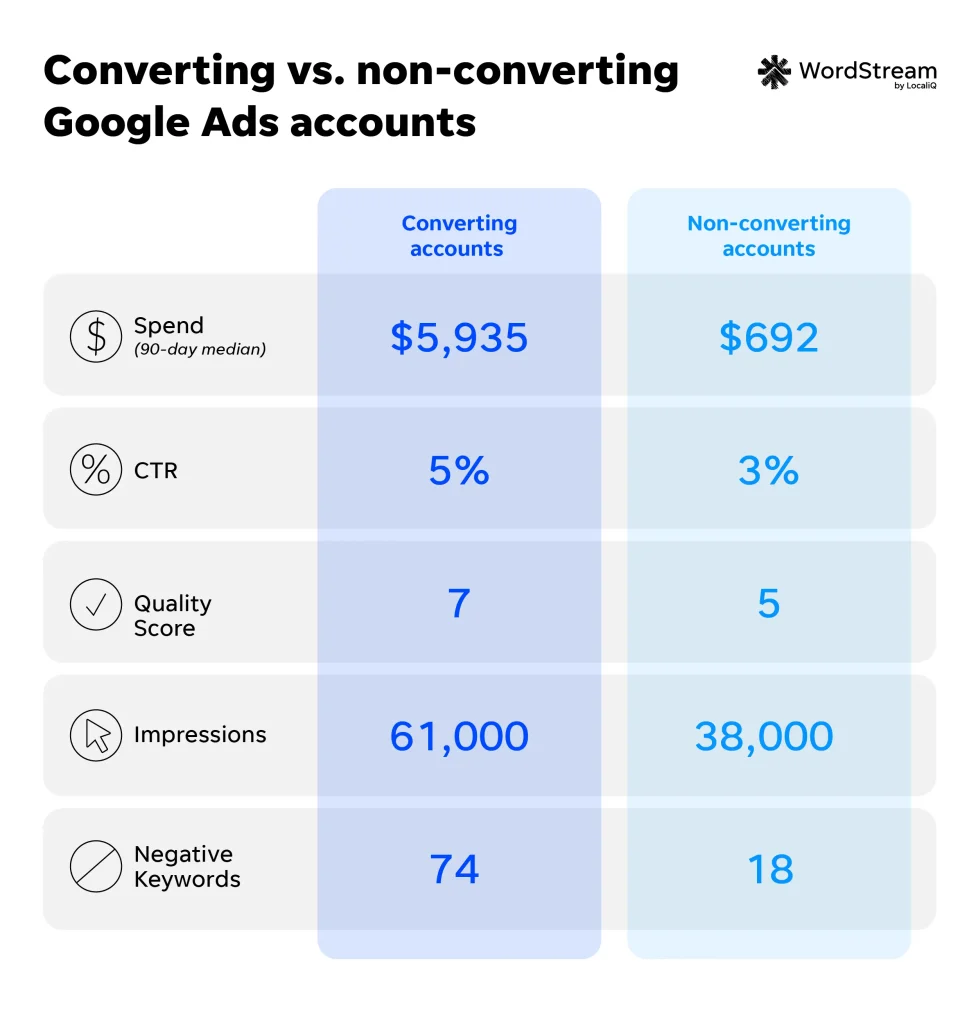
Strategic Use of Negative Keywords: Negative keywords are indispensable for filtering out irrelevant search queries and safeguarding ad budgets. Studies have consistently shown that the judicious addition of negative keywords can lead to improved conversion rates and enhanced Quality Scores. For instance, a study of over 15,000 Google Ads accounts indicated that incorporating even a single negative keyword could yield positive results. However, advertisers must avoid falling into a "Whack-a-Mole" pattern of excessively adding negative keywords. If more than 10% of search, shopping, or Performance Max search terms require negation, it signals a more fundamental issue with keyword selection, match types, ad targeting, conversion tracking, or bid strategy. Addressing these root causes allows the Smart Bidding algorithm to recalibrate and optimize away from low-quality searches organically.
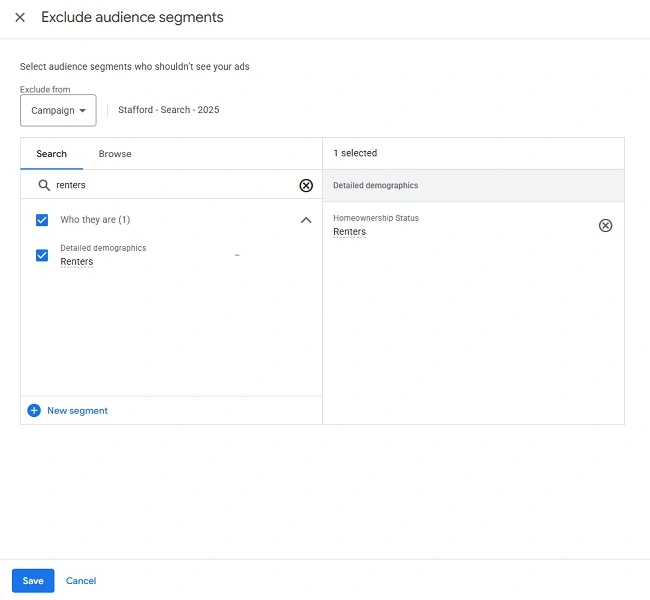
Leveraging Audiences for Targeting and Exclusion: Google Ads offers robust audience targeting capabilities that can significantly refine lead quality. In search and shopping campaigns, layering specific audiences onto "targeting" mode ensures that ads are only shown to users who meet both keyword and audience criteria. Detailed demographics and in-market segments are particularly valuable here. Conversely, audience exclusions can effectively filter out unqualified prospects. For example, a business targeting high-value residential renovation projects might exclude the "renters" detailed demographic to avoid showing ads to individuals unlikely to make significant home improvement investments.
3. Optimizing Automated Features and Creative Elements
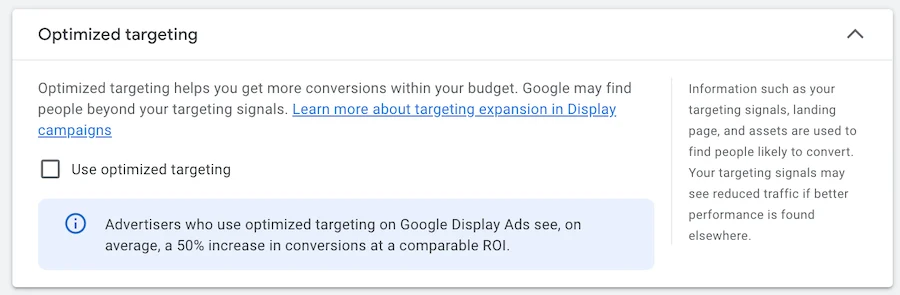
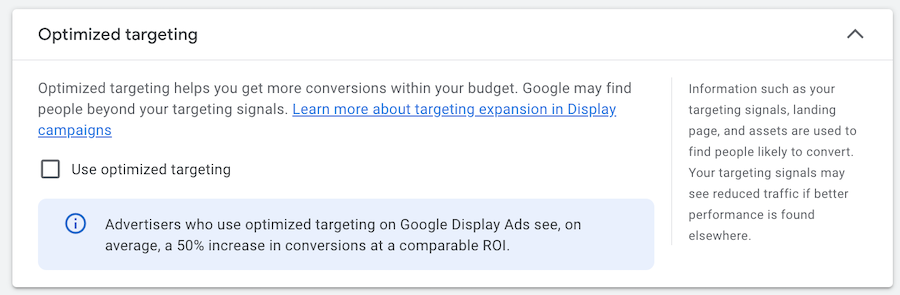
Disabling Optimized Targeting: In Display and Demand Gen campaigns, "optimized targeting" can override original audience selections, allowing Google Ads to show ads to anyone it deems most likely to convert. For lead generation focused on specific demographics or firmographics, this feature can lead to a surge of irrelevant, low-quality leads, especially when offline conversion tracking is not in place. Disabling optimized targeting in ad group settings restores strict control over ad visibility.
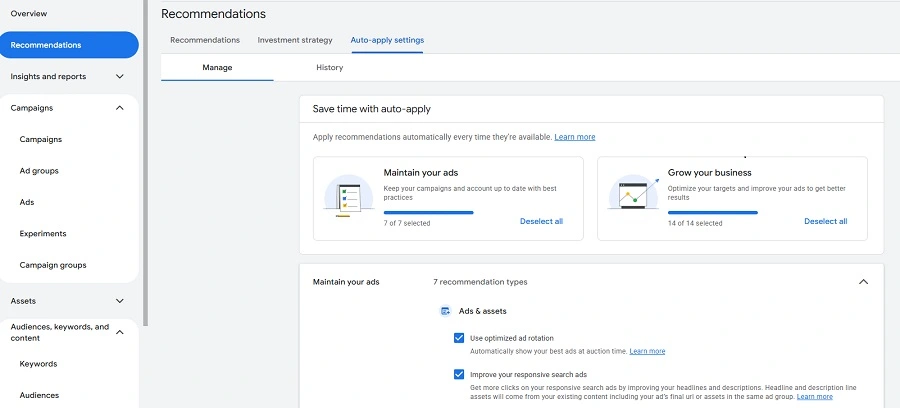
Controlling Automated Assets and Text Customization: While AI-driven asset generation can be beneficial, it can also lead to misaligned ad messaging. Google’s automated features may generate sitelinks for career pages when the advertiser seeks clients, or produce overly generic headlines that attract broad clicks but not qualified ones. Turning off account-level automated assets and ensuring asset customization is disabled in Performance Max, Search, and Demand Gen campaigns helps maintain message integrity. These features can be re-evaluated once a solid offline conversion tracking foundation is established.
Embracing "Creative-Led Targeting": As automated targeting mechanisms become more prevalent, the ad creative itself emerges as a critical filtering tool. Highly specific ad copy, incorporating industry jargon, specific acronyms, or clearly stated pricing, can actively repel unqualified audiences while attracting the ideal customer. This approach, termed "Creative-Led Targeting," mirrors social media advertising strategies where visual and textual content serves as the primary qualifier. For B2B advertisers, this means clearly articulating value propositions that resonate with decision-makers and deter general consumers. Visual creative in image and video ads must similarly capture the attention of the target audience while being unappealing to non-target segments.
4. Strategic Bidding and Landing Page Design
Adopting Conversion-Based Smart Bidding: Manual CPC bidding prioritizes low-cost clicks, which often do not translate into quality leads. The mantra should be: "High CPCs are not the enemy; low-quality traffic is." Conversion-based Smart Bidding strategies, such as "Maximize Conversions" or "Target CPA" (once sufficient conversion data is available), align campaign objectives with lead quality. For campaigns with low conversion volume, portfolio bid strategies can aggregate learnings across multiple campaigns to improve performance.
Introducing Strategic Friction on Landing Pages: Contrary to the common marketing tenet of making conversion as easy as possible, introducing strategic friction on landing pages can act as a powerful lead qualifier. For instance, a lead form can include qualifying questions. A website development service targeting large enterprises might include an "estimated budget" dropdown with the lowest option starting at a significant sum. Prospects seeking lower-cost services will self-filter, preventing unqualified leads from reaching the sales team and signaling to Google Ads that the click was not a good fit, thereby refining future targeting. Similarly, asking about the installation’s purpose (business vs. residence) and configuring the tracking to only count "business" submissions can guide Smart Bidding away from residential inquiries.
5. Combating Bot Spam with Technology
In an increasingly automated online landscape, bot traffic poses a significant threat to lead quality. Automated bots can flood forms with gibberish or generate countless fake phone calls. To combat this, advertisers must employ technological solutions. Implementing reCAPTCHA on landing pages or utilizing "honeypot" hidden fields on forms can effectively deter bots from submitting information. These measures ensure that fake conversions are not recorded and sent back to Google Ads, preserving the integrity of campaign data and the effectiveness of optimization efforts.
The Broader Implications and Future Outlook
The persistent challenge of unqualified leads in Google Ads has significant implications for businesses. It not only leads to wasted marketing expenditure but also strains sales teams’ resources and can negatively impact conversion rates and overall revenue. By embracing a data-driven approach, prioritizing offline conversion tracking, and implementing the strategic adjustments outlined, businesses can transform their Google Ads campaigns from lead-generation engines into precision instruments for acquiring high-value customers.
The evolving landscape of AI in advertising, including the rise of agentic web technologies, suggests that the battle against bot traffic and unqualified leads will intensify. Consequently, continuous adaptation and investment in robust tracking and filtering mechanisms will be paramount. For businesses seeking to maximize their return on investment from their PPC campaigns, a holistic strategy that balances algorithmic efficiency with human-defined quality standards is not just beneficial, but essential for sustained growth and competitive advantage. As the digital advertising ecosystem continues to evolve, the ability to precisely target and attract the right customer will remain a critical differentiator.









