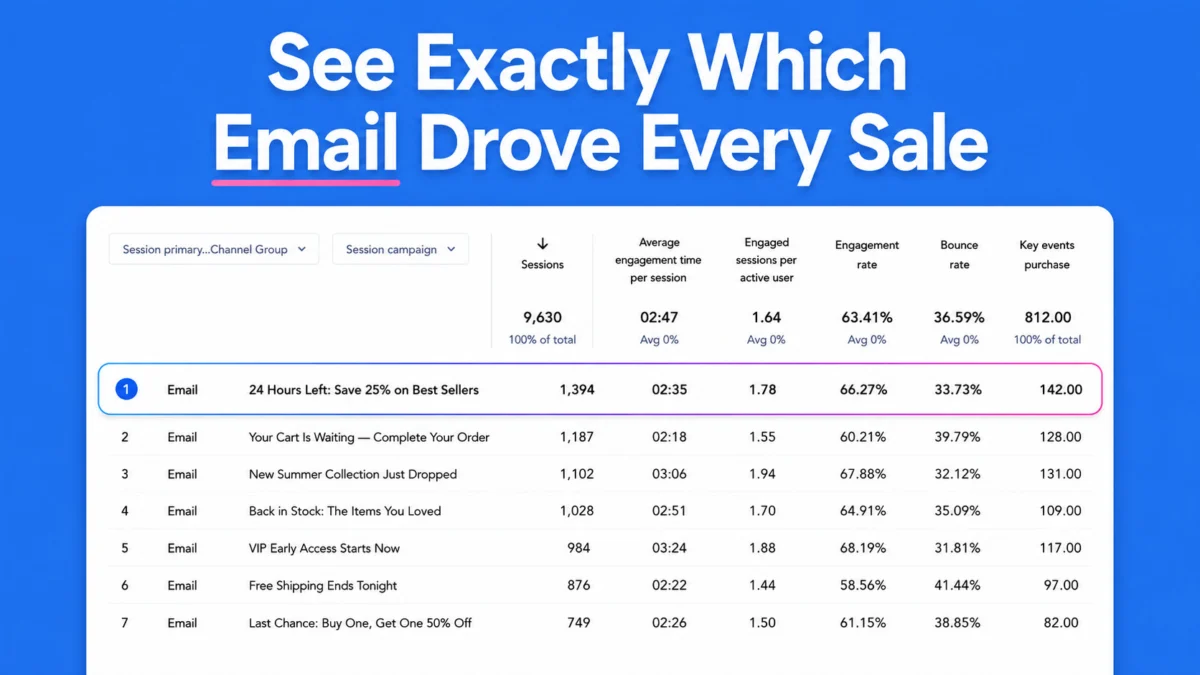
Philadelphia, PA – July 7, 2026 – AWeber, a leading provider of email marketing solutions, has announced the launch of an innovative new feature that automatically embeds UTM parameters into every link within outgoing emails. This significant enhancement is set to transform how businesses track the effectiveness of their email campaigns, providing unprecedented clarity into which messages drive engagement and, ultimately, sales. Released on July 7, 2026, the update eliminates the need for manual setup, streamlining data collection and empowering marketers with immediate, actionable insights directly within Google Analytics.
The core promise of this new functionality is elegantly simple: send an email, generate a click, and make a sale, then effortlessly trace that sale back to the precise subject line that initiated the customer journey. By automating the tagging process, AWeber is addressing a long-standing challenge in digital marketing, ensuring that comprehensive performance data is readily available without requiring marketers to manually configure tracking parameters for each link in every email.
The Evolving Landscape of Email Marketing Analytics
For years, email marketing has remained a cornerstone of digital strategy, consistently delivering high returns on investment when executed effectively. However, accurately attributing conversions and understanding the nuanced performance of individual campaigns has often been a complex endeavor. Marketers have traditionally relied on UTM (Urchin Tracking Module) parameters—small snippets of text appended to URLs—to track the source, medium, and campaign of website traffic. These parameters, such as utm_source, utm_medium, and utm_campaign, provide critical context to analytics platforms like Google Analytics, allowing businesses to understand where their traffic originates and how different marketing efforts contribute to their goals.
The manual implementation of UTM parameters, however, has historically presented several hurdles. It is a meticulous, time-consuming task prone to human error. Inconsistent tagging conventions across teams, typos, or simply forgetting to add parameters could lead to fragmented, unreliable data, making it difficult to draw accurate conclusions about campaign performance. This manual overhead often meant that smaller businesses or those with limited resources struggled to maintain robust tracking, thereby missing out on valuable optimization opportunities.
The digital marketing industry has increasingly emphasized data-driven decision-making. As competition intensifies and consumer behavior becomes more sophisticated, the ability to precisely measure the impact of every marketing touchpoint is paramount. Without clear attribution, marketers often operate in a partial vacuum, unable to definitively identify their most effective strategies or justify their marketing spend. Studies by leading analytics firms consistently show that businesses leveraging advanced analytics tools outperform their peers in terms of revenue growth and market share. Email marketing, specifically, has a median ROI of 4400%, meaning that for every $1 spent, marketers can expect an average return of $44. Maximizing this potential requires granular data on campaign performance, which is precisely what robust UTM tracking provides.
AWeber’s Seamless Integration: A Game Changer
AWeber’s new feature directly addresses these challenges by making UTM tracking an intrinsic, automatic part of its email sending process. With this update, every link embedded in an email sent through AWeber is automatically tagged with three essential UTM parameters at the point of dispatch:
utm_source=aweber: Clearly identifies AWeber as the traffic source.utm_medium=email: Specifies email as the marketing channel.utm_campaign=[Email Subject Line]: Crucially, the campaign parameter is dynamically populated with the exact subject line of the email. This innovation allows marketers to compare the performance of different email sends side-by-side in Google Analytics, directly correlating specific subject lines with traffic, engagement, and conversion metrics.
This automatic tagging means that once an email is sent, the data is immediately ready for analysis in Google Analytics. There is no need for marketers to open a spreadsheet, manually construct URLs, or worry about missing tags. This "no manual setup" approach is a significant time-saver, freeing up valuable resources that can be redirected towards strategy development, content creation, and other high-impact activities.
Preserving Custom Tracking: Flexibility for Advanced Users
A key consideration in developing such an automated system is ensuring compatibility with existing user workflows, especially for advanced marketers who may have intricate, customized tracking protocols. AWeber has meticulously engineered its system to detect and respect any pre-existing UTM parameters. If a user has already manually added their own campaign values to a link, AWeber’s automation will intelligently recognize these and leave them untouched. This ensures that custom tracking remains intact, preventing data overwrites and preserving the integrity of specialized analytics setups.
This flexibility is crucial for businesses that employ unique campaign naming conventions, conduct granular A/B testing within a single email, or integrate with other specific analytics platforms that rely on particular UTM structures. By not overwriting existing parameters, AWeber empowers users to leverage the benefits of automation while maintaining full control over their bespoke tracking strategies where needed. This dual approach caters to a broad spectrum of users, from those seeking effortless, out-of-the-box analytics to sophisticated marketers requiring nuanced control.
Unlocking Deep Insights in Google Analytics
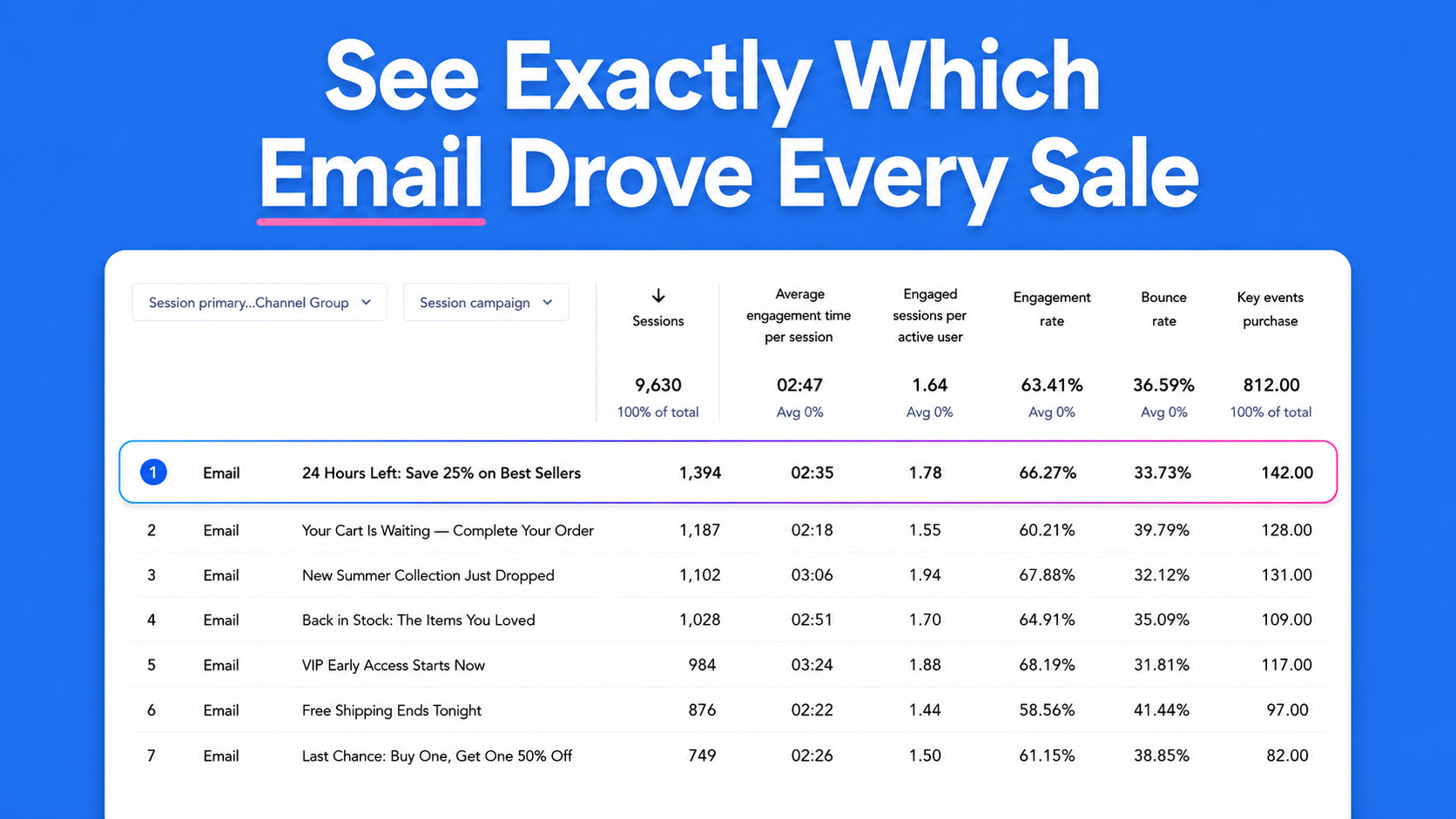
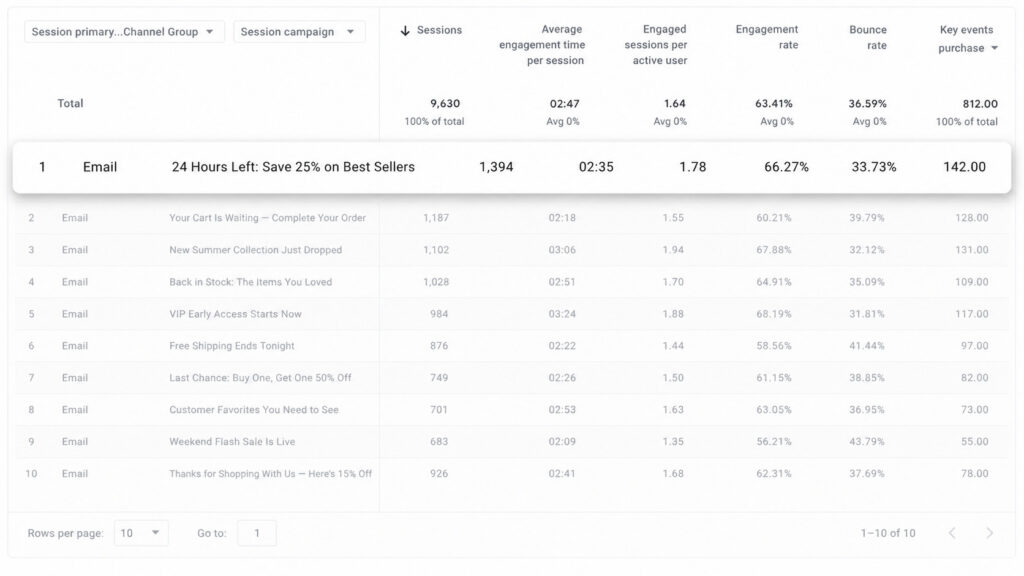
The real power of AWeber’s automatic UTM tagging becomes evident when analyzing the data in Google Analytics. Marketers can navigate to the "Acquisition" section, then select "Traffic acquisition," and filter the data by source/medium using aweber / email. This straightforward navigation reveals a comprehensive breakdown of email campaign performance.
Within this view, each email sent through AWeber appears as its own distinct campaign, identified by its subject line. This allows for a direct, apples-to-apples comparison of performance across multiple sends. Marketers can easily pull data from their last several campaigns and gain immediate clarity on:
- Traffic Drivers: Which email subject lines and content consistently generated the most website visitors.
- Conversion Powerhouses: Which emails not only drove traffic but also led directly to desired actions, such as purchases, sign-ups, or downloads. This is invaluable for understanding the true ROI of specific campaigns.
- Underperforming Campaigns: Identifying emails that fell flat, providing crucial feedback for refining future subject lines, calls-to-action, and content strategies.
- Audience Engagement: By correlating email campaigns with on-site behavior, marketers can gain deeper insights into how their email subscribers interact with their website post-click.
This level of granular insight allows for continuous optimization. For instance, if an email with the subject line "Flash Sale: 24 Hours Only!" consistently outperforms "Our Latest Collection Arrived," marketers can infer the effectiveness of urgency-driven messaging and replicate successful elements in future campaigns. This moves email marketing beyond mere send rates and open rates, focusing instead on tangible business outcomes.
Strategic Implications and Broader Impact
The introduction of AWeber’s automatic UTM tracking feature carries significant implications for the email marketing industry and the businesses that rely on it:
- Enhanced Efficiency and Reduced Error: By eliminating manual tagging, marketers save countless hours and significantly reduce the potential for human error, leading to more accurate and reliable data sets. This efficiency gain translates directly into more time for strategic planning and content creation.
- Democratization of Advanced Analytics: The feature lowers the barrier to entry for robust analytics, making sophisticated tracking accessible to small businesses and individual entrepreneurs who may not have dedicated analytics teams or extensive technical expertise.
- Improved Campaign Optimization: With clear, immediate feedback on campaign performance, marketers can more effectively A/B test subject lines, calls-to-action, and content segments. This iterative optimization leads to higher engagement rates, improved conversion rates, and ultimately, better business results.
- Stronger Attribution Models: The automatic tagging strengthens a business’s ability to accurately attribute revenue and conversions to specific email campaigns. This is vital for proving the ROI of email marketing efforts and for making informed decisions about budget allocation across various marketing channels. In an era where multi-touch attribution is increasingly complex, clear, automated source tracking simplifies the process.
- Competitive Edge for AWeber: By offering this seamless, automated solution, AWeber reinforces its position as an innovative leader in the email marketing space. This feature differentiates it from competitors that may still require manual UTM setup or offer less integrated solutions, making AWeber a more attractive option for data-conscious marketers.
- Shifting Focus from Vanity Metrics to Business Outcomes: The ease of tying email sends directly to website traffic and conversions encourages marketers to look beyond traditional email metrics like open rates and click-through rates, and instead focus on how emails contribute to actual business goals like sales and lead generation. This aligns email marketing more closely with overall business objectives.
- Future-Proofing Email Strategy: As the digital landscape continues to evolve, the demand for precise, verifiable data will only grow. Features like automatic UTM tagging future-proof email marketing strategies by embedding robust analytics capabilities at the core of campaign execution.
Inferred Statements and Industry Reaction
Dave Stys, the author of the initial announcement and likely a key figure in AWeber’s product development, could be quoted emphasizing the user-centric design. "Our goal at AWeber has always been to empower entrepreneurs and small businesses with powerful, yet easy-to-use tools," a hypothetical Stys might state. "This new automatic UTM tracking feature is a testament to that commitment. We understand the critical need for actionable data, and by removing the manual burden, we’re enabling our users to gain unparalleled insights into their email campaign performance, directly connecting their efforts to their bottom line."
An independent marketing analyst, perhaps from a firm specializing in digital attribution, might weigh in: "This move by AWeber is indicative of a broader industry trend towards intelligent automation in marketing technology," says Dr. Eleanor Vance, a lead analyst at Digital Insight Group. "By baking automatic, intelligent UTM tagging directly into their platform, AWeber is not just saving marketers time; they are fundamentally improving data quality and fostering a culture of data-driven optimization. This kind of feature sets a new benchmark for what marketers should expect from their email service providers."
Chronology of Development and Implementation
While the public announcement was made on July 7, 2026, the development of such a sophisticated feature typically involves a multi-stage process. Conceptualization likely began several months prior, driven by user feedback and an understanding of evolving market needs for deeper analytics. The engineering and development phase would have focused on building a robust system capable of dynamically injecting UTM parameters without affecting email deliverability or existing user settings. This would have involved extensive coding, rigorous testing, and quality assurance to ensure seamless integration with both AWeber’s platform and external analytics tools like Google Analytics. Beta testing with a select group of users would have provided crucial real-world feedback, leading to refinements before the full public rollout. The July 7, 2026, release date marks the culmination of these efforts, making the feature available to AWeber’s entire user base.
User Control: Enabling and Disabling the Feature
Recognizing that some users may have highly specialized needs or simply prefer to manage their tracking manually for specific lists, AWeber has made the feature fully toggleable. While it is activated by default for all accounts, users retain the ability to adjust it at the list level. To manage this setting:
- Navigate to "List Settings" within their AWeber account.
- Locate the "Confirmed Integrations" section.
- Find the option for "UTM Tracking" and toggle it "On" or "Off" as desired.
This setting takes effect on the very next email send for that specific list. This granular control underscores AWeber’s commitment to user autonomy, ensuring that the automation serves as an enhancement rather than a rigid constraint. For example, a marketer running a highly specific, short-term campaign with unique, non-standard UTM parameters might opt to temporarily disable AWeber’s automatic tracking for that particular list to prevent any potential conflicts with their bespoke setup.
Conclusion: A New Era of Informed Email Marketing
AWeber’s automatic UTM tracking feature represents a significant leap forward in email marketing analytics. By intelligently automating the data collection process, it empowers marketers of all sizes to gain deeper, more accurate insights into the performance of their campaigns. This not only streamlines workflows and reduces errors but also fosters a culture of continuous optimization, driving more effective strategies and a clearer return on investment. As businesses increasingly rely on data to navigate complex digital landscapes, AWeber’s commitment to delivering innovative, user-friendly solutions positions its users at the forefront of informed, impactful email marketing. The era of manual, error-prone tracking is rapidly fading, replaced by an intelligent, automated future where every email click contributes directly to strategic understanding and business growth.