Email marketing, often perceived as a traditional digital channel, remains an unparalleled force in modern communication strategies, consistently outperforming many newer platforms in terms of return on investment. With an estimated global market value projected to reach over $17.9 billion by 2027, and studies consistently showing an average ROI of $42 for every dollar spent, its significance is undeniable. However, in an increasingly crowded digital landscape, where inboxes are deluged with promotional messages and notifications, merely sending an email is insufficient. The true craft lies in meticulously constructing each message to cut through the noise, engage recipients meaningfully, and drive measurable results. This requires a deep understanding of every component, from the initial glance at the subject line to the final click of a call-to-action.

The evolution of email as a marketing tool traces back to the early days of the internet, transforming from simple text-based communications to sophisticated, multimedia-rich experiences. Initially, bulk emails served as basic announcements, but as technology advanced and consumer expectations shifted, email campaigns became highly personalized, dynamic, and integrated with broader marketing ecosystems. The challenges of deliverability, spam filters, and user engagement have spurred innovations in design, content strategy, and technical execution, making the anatomy of an effective email a complex yet critical area of focus for modern marketers.

The Subject Line: Your First Impression, Your Last Chance
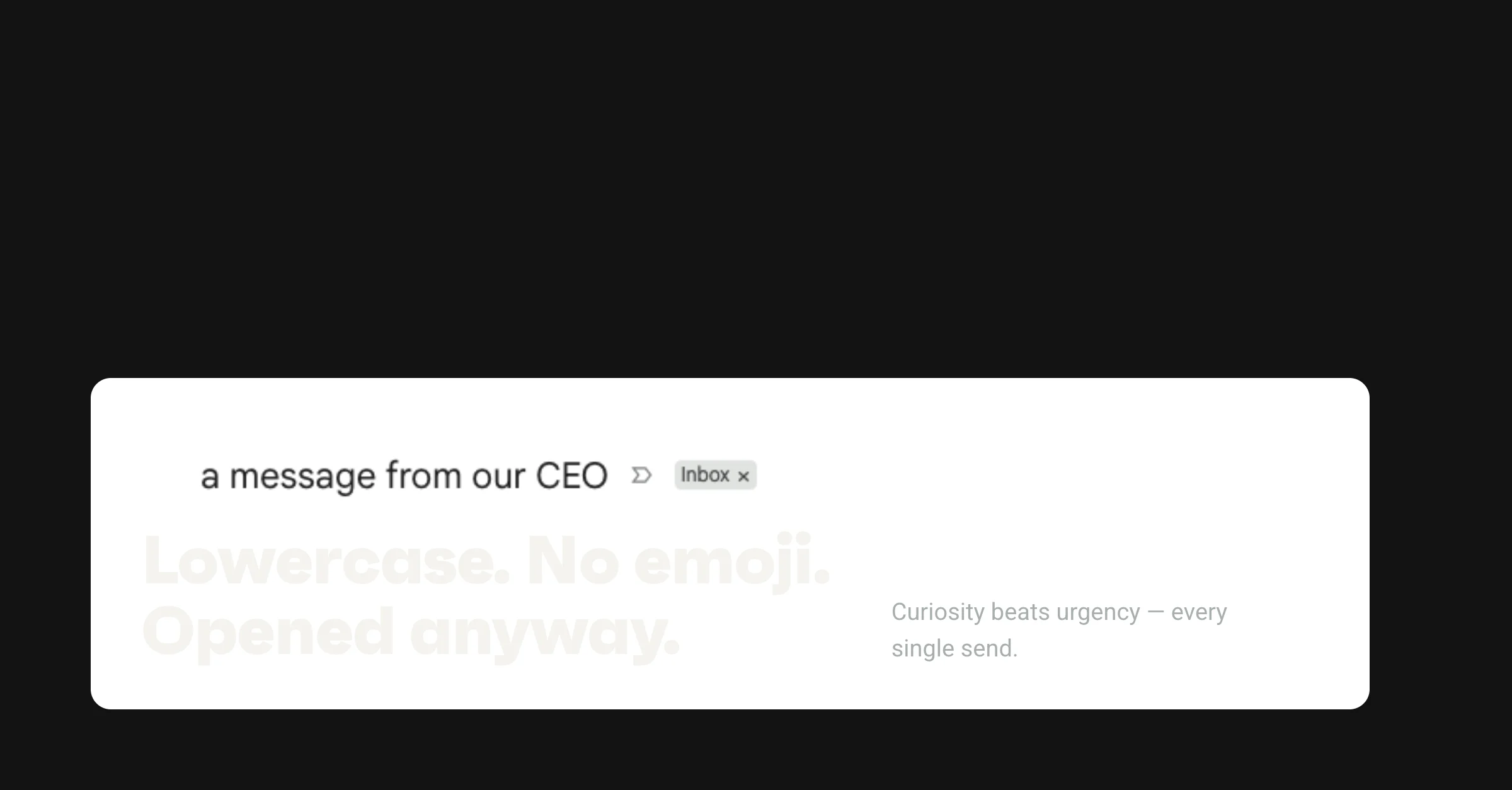
The subject line functions as the gatekeeper to the inbox, serving as the critical determinant of whether an email is opened or consigned to oblivion.