The search business, long synonymous with Google’s near-monopoly, is undergoing a profound transformation, propelled by rapid advancements in artificial intelligence. Recent weeks have seen a flurry of strategic maneuvers from the tech industry’s titans, unequivocally signaling a seismic shift in how consumers discover information and how brands aim to reach them. Google has significantly expanded the rollout of its AI Mode, integrating generative AI summaries directly into search results for billions of users worldwide. Concurrently, Meta has been quietly accelerating its plans for an AI-driven search product across its vast social platforms, while TikTok has vigorously amplified its burgeoning search ad business. These collective developments represent a critical juncture for brands, advertising agencies, content publishers, and indeed, anyone whose commercial viability hinges on connecting with consumers through search. The era of a singular, unchallenged search giant is giving way to a more fragmented, AI-centric, and competitive landscape.
Google’s AI Mode: The Evolution of Discovery and the Zero-Click Dilemma
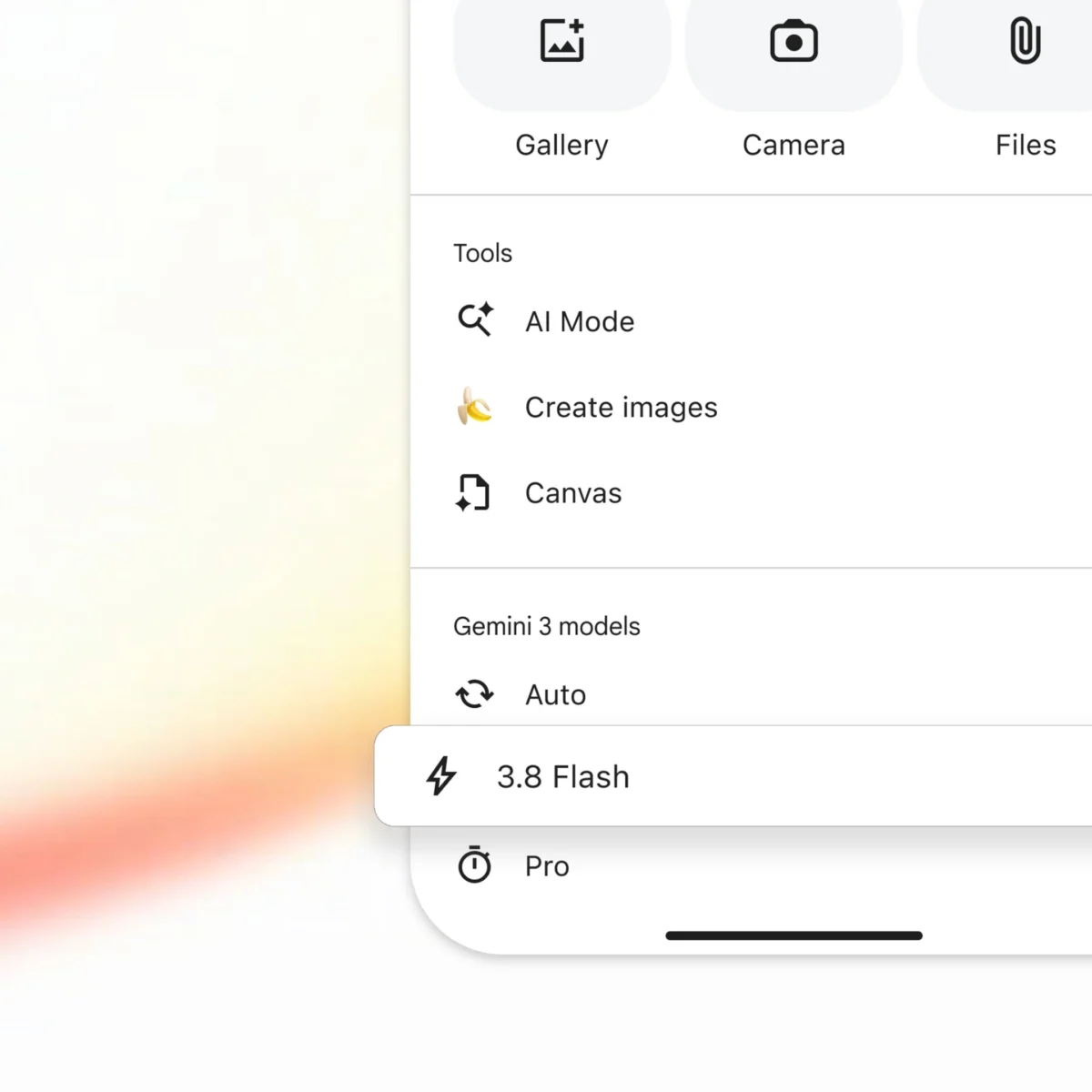
Google’s response to the generative AI revolution has been swift and decisive, particularly over the past year, as it seeks to fortify its long-held dominion over online information retrieval. The global deployment of “AI Mode,” powered by its sophisticated Gemini large language model, marks the most significant alteration to its core search product in over two decades. This feature places conversational AI summaries, often referred to as AI Overviews, prominently at the top of search results pages (SERPs). Users are now empowered to interact with Google’s search interface much like a sophisticated chat assistant, posing follow-up questions, refining their queries, and receiving context-rich, synthesized answers without the necessity of navigating away from the initial search page.
For the end-user, this evolution presents an undeniable advantage: immediate access to concise, comprehensive answers, often removing the need to sift through multiple links. However, for the ecosystem of publishers, content creators, and digital marketers who have historically relied on organic search traffic, the implications are more complex and, in some cases, concerning. Early data emerging from various analytics firms and industry reports indicates a discernible downturn in click-through rates (CTRs) for websites that appear below these AI Overviews. Some analyses suggest drops exceeding 50% in certain categories, particularly for informational queries where the AI summary often provides a sufficiently complete answer. This phenomenon, known as the “zero-click” search, is not entirely novel – featured snippets and knowledge panels have long contributed to it – but the expansive nature and interactive capabilities of AI Mode are accelerating this trend at an unprecedented pace. Publishers, many of whom have built their business models around ad revenue generated from web traffic, face the urgent challenge of adapting to a future where direct user engagement with their sites may diminish.
Simultaneously, Google is keen to reassure its vast advertiser base that this AI-first future does not diminish the value of paid search. On the contrary, Google is strategically weaving advertisements directly into these AI-generated answers. Shopping placements and traditional search ads are now appearing contextually within the AI summaries themselves, rather than being confined to the periphery of the results page. This integration aims to make ads feel more native and relevant to the user’s immediate query. Furthermore, Google has introduced “AI Max,” a new campaign type that leverages advanced AI to match creative assets with user intent, moving beyond explicit keyword targeting. This represents a significant departure from the foundational principles of Search Engine Marketing (SEM), where keyword specificity has long been paramount. While advertisers piloting AI Max campaigns are reportedly experiencing double-digit performance lifts – indicating greater efficiency and potentially higher return on ad spend – this also signifies a concession of greater control to Google’s proprietary algorithms. The “black box” nature of AI-driven optimization means marketers have less transparency into the precise mechanisms driving performance, necessitating a greater trust in Google’s AI capabilities. The overarching message from Google is unambiguous: in its AI-centric search paradigm, visibility and success will depend less on conventional ranking factors and more on the algorithm’s discretion in surfacing relevant information and advertisements within its synthesized answers.
Meta and TikTok: Aggressive Plays to Redefine Discovery and Capture Intent
While Google endeavors to fortify its long-standing position by integrating AI into its search core, other tech giants, most notably Meta and TikTok, are aggressively pursuing strategies to carve out significant shares of the discovery and intent market. These platforms, traditionally known for social networking and short-form video, are leveraging their immense user bases and sophisticated AI capabilities to challenge Google’s hegemony.
Meta, the parent company of Facebook and Instagram, has long harbored ambitions to automate and optimize advertising across its sprawling network of platforms. Its current efforts indicate a quiet yet determined push into AI-powered search, particularly across Instagram and Facebook. Industry insiders and agency executives report that Meta is systematically laying the groundwork for a robust search product designed not only to enhance content and product discovery for its users but also to unlock vast new advertising inventory. Evidence of this evolution can already be seen in the noticeable improvements to Instagram’s search functionality, which now offers more intelligent and relevant results, serving as a probable precursor to a more comprehensive AI-driven search experience. Meta’s strategic endgame is clear: to keep users – and critically, their advertising dollars – firmly within its own ecosystem, creating a powerful “walled garden” where the entire discovery-to-purchase journey can occur without users ever needing to venture to an external search engine. With billions of daily active users, Meta possesses an unparalleled volume of user data, preferences, and behaviors, which, when combined with advanced AI, represents a formidable potential threat to traditional search.
TikTok, the immensely popular short-form video platform, is adopting an even more direct and impactful approach. Its search ads business has rapidly evolved into a significant growth engine for the company. Brands are now able to target high-intent queries with keyword-based campaigns that are strategically placed directly within TikTok’s search results. This allows advertisers to tap into the platform’s unique user base at moments of explicit intent, much like traditional search engines. Agencies specializing in digital media report a substantial surge in adoption over recent months, with some brands observing compelling performance metrics, including lower Cost Per Acquisitions (CPAs) and markedly higher engagement rates when TikTok search campaigns are integrated with broader, upper-funnel social media spending on the platform. Crucially, these TikTok search campaigns are not merely driving conversions within the platform; anecdotal evidence and early analyses suggest they can also positively impact downstream Google search performance. This indicates a symbiotic relationship rather than cannibalization, where early-stage discovery and intent generation on TikTok can lead to subsequent, more specific searches and conversions on Google, highlighting the fragmented nature of the modern consumer journey.
For a significant demographic, particularly Gen Z, the initial point of information seeking or product discovery increasingly originates on platforms like TikTok or Instagram, rather than traditional search engines. Studies from various research firms like GWI and HubSpot have repeatedly shown that younger demographics frequently turn to social media for recommendations, product reviews, and even news, challenging the long-held assumption that “search” is synonymous with “Google.” This behavioral shift fundamentally redefines the concept of search for brands, compelling them to diversify their strategies beyond solely optimizing for Google’s algorithms.
Big Tech’s Unified Ambition: Owning Discovery and Monetizing Intent with AI
Underpinning these diverse strategic moves by Google, Meta, and TikTok is a shared, overarching ambition among these tech giants: to dominate the “discovery moment” and subsequently monetize it through sophisticated AI technologies. This battle for the attention and intent of consumers is arguably the most significant frontier in digital advertising today.
For decades, Google’s PageRank algorithm established the gold standard for information retrieval, creating a centralized gateway to the internet. Its business model, predicated on paid search advertising, became one of the most profitable enterprises in history. However, the advent of generative AI has introduced a new paradigm, shifting from merely indexing and linking to synthesizing and conversing. This shift presents both an existential threat and an unprecedented opportunity for innovation. Google’s AI Mode is an attempt to evolve its core product to remain indispensable in an AI-first world, ensuring it continues to be the primary interface for information.
Meta, with its vast repositories of user data, social graphs, and content consumption patterns, is uniquely positioned to leverage AI for hyper-personalized discovery. By integrating AI into its search and recommendation engines, Meta aims to make its platforms sticky, reducing the need for users to leave its ecosystem. This strategy not only enhances user experience but also creates highly targeted advertising opportunities, allowing brands to reach consumers at precise moments of interest, within an environment where they are already engaged.
TikTok’s meteoric rise, fueled by its powerful AI-driven recommendation algorithm, has demonstrated the immense potential of discovery driven by engagement rather than explicit query. Its expansion into search ads is a natural progression, capturing the latent intent that users express through their interactions and explicit searches on the platform. By enabling keyword-based targeting, TikTok transforms casual browsing into actionable intent, opening a new revenue stream that directly competes with traditional search advertising.
This concerted push by Big Tech to own discovery and monetize intent signifies a broader trend: the convergence of social media, content platforms, and search. The lines between these categories are blurring, driven by AI’s ability to understand, predict, and fulfill user needs across various digital touchpoints.
Implications for Marketers: Adapting to a Fragmented, AI-Driven Future
For brands and marketers, these profound shifts demand a fundamental re-evaluation of both strategic approaches and measurement methodologies. The search landscape is rapidly fragmenting, and consumer behavior is diversifying, necessitating a more holistic and adaptive marketing strategy.
-
Diversify Your Search Strategy Beyond Google: Relying solely on Google for search visibility is increasingly precarious. Marketers must expand their presence to platforms where their target audiences are initiating discovery. This includes investing in SEO and paid search on TikTok, optimizing for Instagram’s evolving search capabilities, and exploring other niche platforms relevant to their industry. Understanding the unique search behaviors and content formats of each platform is paramount. For instance, TikTok search often favors short, engaging video content, while Instagram may prioritize visually appealing product imagery.
-
Embrace Conversational AI and Answer Optimization: With Google’s AI Mode providing synthesized answers, brands need to shift their focus from merely ranking high to being the source of the AI’s answer. This involves creating highly authoritative, comprehensive, and structured content that AI models can easily parse and summarize. Schema markup, clear FAQs, and direct answers to common questions become more critical than ever. The goal is to be the authoritative voice that the AI chooses to reference, ensuring brand visibility even in a zero-click environment.
-
Re-evaluate Content Strategy for Multi-Platform Discovery: Content creation must evolve to serve diverse discovery pathways. This means producing content optimized for Google’s traditional search, long-form articles for in-depth AI consumption, short-form video for TikTok and Instagram, and visually rich content for social commerce. Brands need to understand that the same message might need to be repackaged and presented differently across platforms to resonate effectively.
-
Master AI-Driven Advertising and Attribution: The rise of AI Max and similar AI-powered ad solutions on other platforms means marketers must become comfortable surrendering some control to algorithms. Success will hinge on providing robust first-party data, high-quality creative assets, and clear campaign objectives, allowing the AI to optimize performance. Furthermore, robust multi-touch attribution models are essential to accurately measure the impact of fragmented search efforts across different platforms, understanding how TikTok discovery might influence a later Google search or a direct website visit.
-
Focus on Brand Authority and Direct Relationships: In a world where AI synthesizes information, brand trust and authority become even more critical. Brands that consistently deliver valuable, accurate, and trustworthy information are more likely to be favored by AI models and users alike. Simultaneously, fostering direct relationships with consumers through email lists, loyalty programs, and community building can act as a hedge against platform dependency, ensuring continued engagement regardless of shifts in search algorithms.
Why the Future of Search Will Reward Those Who Adapt
The future of search is undeniably a distributed, AI-driven experience spanning multiple platforms. For Google, the paramount challenge lies in innovating its core product to remain relevant and indispensable without alienating its vast ecosystem of advertisers and publishers. It must strike a delicate balance between enhancing user experience with AI summaries and ensuring a healthy flow of traffic to content creators, which forms the backbone of the internet. The success of AI Max will depend on its ability to deliver superior advertiser performance while maintaining a level of transparency that fosters trust.
For Meta and TikTok, the prize is immense: to transform their massive, engaged user bases into powerful intent engines that can divert significant portions of the global search advertising budget away from Google. Their success hinges on demonstrating that discovery within their platforms can lead to equally, if not more, effective conversions and brand engagement. This competition is not just about search queries; it’s about owning the entire customer journey, from initial inspiration to final purchase.
The current landscape is a dynamic battleground where innovation is paramount. While Google’s decades-long dominance of search has been foundational to the digital economy, the rapid evolution of AI is democratizing discovery and intent. The brands, agencies, and publishers who recognize this fundamental shift and proactively adapt their strategies, embracing a multi-platform, AI-centric approach to search, will be the ones that thrive in this exhilarating new era of digital discovery. Those who cling to outdated paradigms risk being left behind in a rapidly evolving digital ecosystem.