As the final weeks of 2025 unfold, email marketers globally are intensifying their focus on strategizing for the coming year, aiming to eclipse previous performance benchmarks. A truly effective 2026 strategy, however, is not a product of spontaneous inspiration but rather a meticulously constructed framework, firmly rooted in comprehensive data and actionable insights gleaned from the preceding year’s campaigns. This foundational principle was the cornerstone of a recent Mailjet Email Academy webinar, where in-house luminaries Natalie Lynch, Principal Product Manager, and Julia Murljacic, Senior Email Marketing Manager, meticulously dissected the iterative process of transforming 2025’s performance metrics into a potent, executable email strategy for 2026. This comprehensive guide synthesizes their pivotal recommendations, offering a detailed, step-by-step methodology for email marketers and senders to rigorously analyze past performance and engineer future success in an increasingly competitive digital arena.
The Evolving Ecosystem of Email Marketing: Why Data is Paramount
Email marketing continues to assert its dominance as one of the most cost-effective and high-ROI digital channels. According to a 2023 Litmus report, email marketing consistently yields an average return of $36 for every $1 spent, a figure that has remained robust even amidst fluctuating economic conditions and evolving privacy landscapes. However, this impressive ROI is not automatic; it is increasingly contingent on sophisticated, data-driven strategies that prioritize personalization, relevance, and audience understanding.
The digital marketing ecosystem is undergoing rapid transformation. The phasing out of third-party cookies, heightened consumer privacy concerns exemplified by regulations like GDPR and CCPA, and advancements in artificial intelligence are reshaping how brands connect with their audiences. In this dynamic environment, first-party and zero-party data, primarily gathered through direct interactions like email engagement, have become invaluable assets. This context underscores why a deep dive into historical email performance is not merely a best practice but an absolute necessity for sustainable growth. Without a clear understanding of what resonated, what fell flat, and why, marketers risk operating on assumptions rather than evidence, potentially leading to wasted resources and missed opportunities.
Chronology of Strategic Planning: A Cyclical Approach to 2026 Success
The Mailjet webinar emphasized a cyclical, four-step process, designed to be iterative and adaptive, ensuring that strategies remain agile in response to market shifts and audience evolution. This methodology moves from backward-looking analysis to forward-thinking execution.
Step 1: The 2025 Performance Review – A Foundation of Data
Before any forward planning can commence, a rigorous and systematic evaluation of the previous year’s performance is indispensable. This initial phase, termed “A Year in Review,” involves the meticulous gathering and assessment of 2025 campaign data. The experts cautioned against an unstructured dive into a deluge of metrics, advocating instead for a clear, segment-specific methodology to avoid overwhelming complexity.
Comparing Apples to Apples: The Imperative of Audience Segmentation
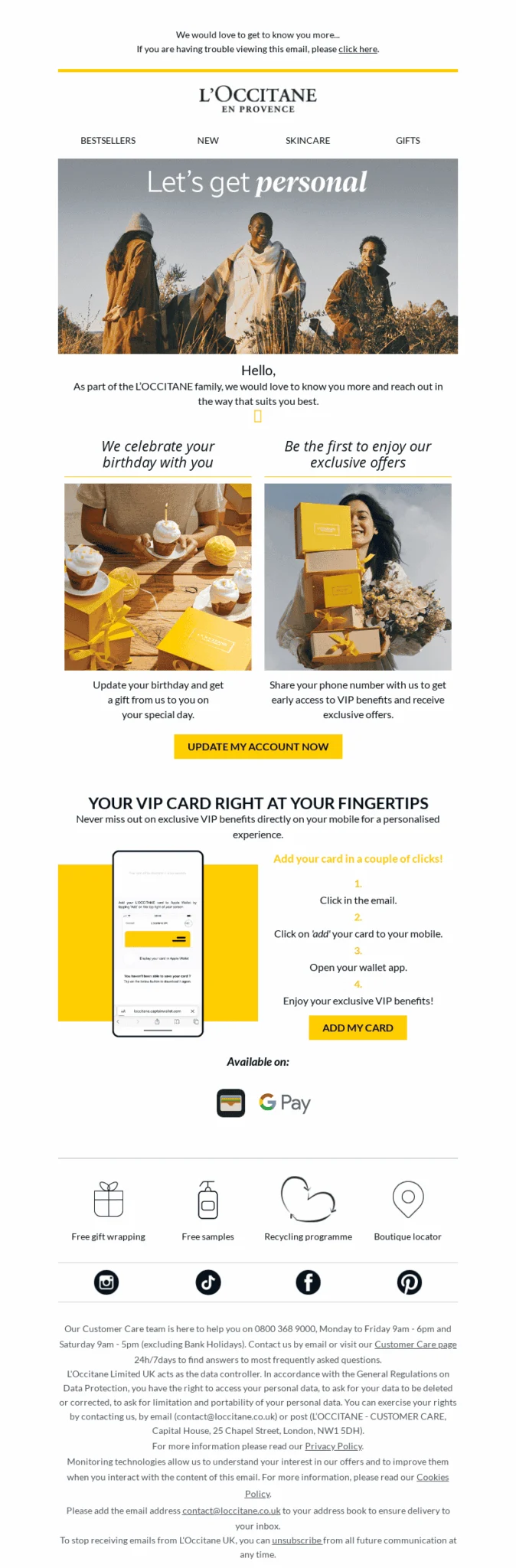
The cardinal rule articulated by Julia Murljacic during the webinar was to “compare apples to apples and not apples to oranges.” This axiom underscores the critical importance of analyzing audience segments in isolation. Customers, for instance, exhibit distinct interaction patterns compared to blog subscribers or nascent prospects. Aggregating these disparate groups would obscure valuable insights. By segmenting data, marketers can establish reliable benchmarks that are bespoke to their audience’s specific behaviors and preferences, offering far greater strategic utility than generic industry averages. For example, a benchmark for an engaged customer segment’s open rate might be 30%, while for a less engaged prospect segment, 18% might be considered successful. Without this segmentation, an average of 24% would mask both the high performance and the areas needing improvement.
Key Metrics for Comprehensive Analysis
A comprehensive set of metrics from the Email Service Provider (ESP) is essential for each audience segment. While the original article did not list them, a robust review should encompass:
- Delivery Rate: The percentage of emails successfully delivered to inboxes. A low delivery rate can indicate issues with list hygiene or sender reputation.
- Open Rate (OR): The percentage of recipients who opened an email. This metric primarily reflects the effectiveness of the subject line, sender name, and preheader text in capturing attention. Industry averages vary widely, but typically range from 15-30%.
- Click-Through Rate (CTR): The percentage of recipients who clicked on at least one link within the email. CTR is a strong indicator of content relevance, call-to-action (CTA) effectiveness, and overall engagement. Average CTRs often fall between 2-5%.
- Conversion Rate (CR): The percentage of recipients who completed a desired action (e.g., purchase, download, sign-up) after clicking through from the email. This is the ultimate measure of an email campaign’s direct business impact.
- Unsubscribe Rate: The percentage of recipients who opted out of future communications. While a certain level is normal, a sudden spike can signal content fatigue, irrelevance, or excessive frequency. A healthy rate is typically below 0.5%.
- Bounce Rate (Hard vs. Soft): Hard bounces indicate permanent delivery failures (e.g., invalid email address), while soft bounces are temporary (e.g., full inbox). High bounce rates negatively impact sender reputation.
- Complaint Rate: The percentage of recipients who marked an email as spam. This is a severe indicator of dissatisfaction and can significantly harm deliverability.
- Engagement Over Time: Analyzing these metrics across different periods (e.g., quarterly, monthly, by day of the week, or by time of day) can reveal trends related to seasonality, product launches, or specific promotional cycles.
By collecting and organizing these data points for each distinct segment, marketers build a rich quantitative foundation for the subsequent analytical steps.
Step 2: Transforming Raw Data into Actionable Insights
With data meticulously collected and organized, the next crucial step is to decipher the narrative it presents. This involves moving beyond mere numbers to identify patterns, anomalies, and underlying causes. The Mailjet experts emphasized that campaigns that underperform should not be viewed as failures but as invaluable “tests” that yield critical insights for future optimization.
Key Analytical Questions:
- What performed exceptionally well? Identify campaigns, subject lines, content types, or segments that achieved above-average OR, CTR, or CR. What common threads or unique elements contributed to their success? Was it a specific offer, a compelling narrative, or precise targeting?
- What underperformed? Pinpoint campaigns or segments that consistently fell below benchmarks. What were the distinguishing characteristics of these campaigns? Was the messaging unclear, the call-to-action weak, or the timing off?
- Are there discernible trends? Look for recurring patterns across various campaigns. For example, do emails featuring video content consistently outperform static image emails? Is engagement higher on specific days of the week or at particular times of the day for certain segments? Does a particular product category consistently elicit higher interest?
- How did A/B tests inform performance? Review the outcomes of any A/B tests conducted in 2025. Which variations led to improved metrics, and what hypotheses did they validate or invalidate?
Through this rigorous analysis, raw data points like “Campaign X had a 2% CTR” can be transformed into actionable conclusions such as “vague value propositions consistently underperformed across the prospect segment,” or “our engaged customer base showed peak activity for product launch announcements in late summer.” This transition from observation to conclusion is vital for informed decision-making.
Step 3: Strategic Goal Setting for 2026 – OKRs and KPIs
The data-driven conclusions derived from the 2025 review form the bedrock for establishing ambitious yet realistic goals for 2026. These goals must be intrinsically linked to the company’s overarching business objectives, ensuring that email marketing efforts contribute directly to broader organizational success.
Objectives and Key Results (OKRs) vs. Key Performance Indicators (KPIs):
- Objectives (O): These are qualitative, aspirational statements describing what needs to be achieved. They should be clear, concise, and inspiring. For instance, an objective might be “Significantly enhance customer loyalty and retention through personalized communication.”
- Key Results (KRs): These are quantitative, measurable benchmarks that indicate progress towards an objective. KRs should be specific, measurable, achievable, relevant, and time-bound (SMART). For the objective above, KRs could include: “Increase repeat purchase rate from email by 15% for existing customers by Q4 2026,” or “Reduce churn rate for high-value customers by 10% through targeted re-engagement campaigns.”
The Mailjet experts underscored the importance of setting goals that are both ambitious and achievable. Aiming for a 100% click-through rate is an exercise in futility, but targeting a 4% increase in CTR for a specific segment, based on identified content improvements, represents an ambitious yet attainable target. These Key Results then naturally evolve into the Key Performance Indicators (KPIs) that will be monitored throughout 2026 to track progress and measure success.
Step 4: Crafting the 2026 Strategy – Segmentation, Automation, and Testing
With clear goals established, the final stage involves constructing the tactical strategy to achieve them. This is where insights are translated into concrete campaigns, workflows, and testing protocols.
Mastering Segmentation for Hyper-Personalization
Email segmentation remains one of the most powerful tools in a marketer’s arsenal for delivering highly relevant content. The webinar highlighted four crucial segments to develop for 2026, building on the “apples to apples” principle:
- Engaged Segment: These are subscribers who consistently open and click emails, demonstrating high interest.
- Strategy: Reward their engagement with exclusive content, early access to promotions, loyalty programs, or personalized recommendations based on past interactions.
- Content Focus: Value-added content, thought leadership, advanced product features, community building.
- Unengaged Segment: These subscribers have shown minimal or no interaction over a defined period (e.g., 90-180 days).
- Strategy: Implement re-engagement campaigns with compelling offers, surveys to understand changing preferences, or “we miss you” messages. If re-engagement fails, consider suppression or removal to maintain list hygiene and sender reputation.
- Content Focus: High-value incentives, preference updates, unique value propositions.
- High-Value Segment: These are customers who have made significant purchases, frequent transactions, or represent a high Customer Lifetime Value (CLV).
- Strategy: Cultivate deep relationships with VIP treatment, personalized one-on-one communication where feasible, exclusive invites, and proactive support.
- Content Focus: Loyalty programs, bespoke offers, premium content, early product previews.
- Prospects/Leads Segment: Individuals who have shown initial interest but have not yet converted into customers.
- Strategy: Nurture them through educational content, testimonials, case studies, and clear calls-to-action that guide them through the sales funnel.
- Content Focus: Problem-solution content, introductory offers, free trials, product benefits.
Beyond these foundational segments, marketers should explore dynamic segmentation based on real-time behavior (e.g., viewing a specific product page, abandoning a cart) to trigger highly timely and relevant communications.
The Power of Automation: Scaling Personalization
Once segments are meticulously defined, email automation becomes the engine that delivers personalized journeys at scale. Automation workflows can be designed to send different content, at optimal times, to various segments, acting as an invaluable “sidekick” that nurtures the audience continuously, freeing up marketers to focus on higher-level strategic planning and analysis.
Examples of critical automation workflows include:
- Welcome Sequences: Onboarding new subscribers with a series of emails introducing the brand, its values, and key offerings.
- Abandoned Cart Reminders: Prompting users to complete purchases they initiated but didn’t finish.
- Post-Purchase Follow-ups: Enhancing customer satisfaction with thank-you notes, product usage tips, or cross-sell/upsell recommendations.
- Re-engagement Campaigns: Automatically triggering emails to dormant subscribers.
- Birthday/Anniversary Emails: Personalized greetings with special offers to foster loyalty.
Systematic A/B Testing: Continuous Optimization
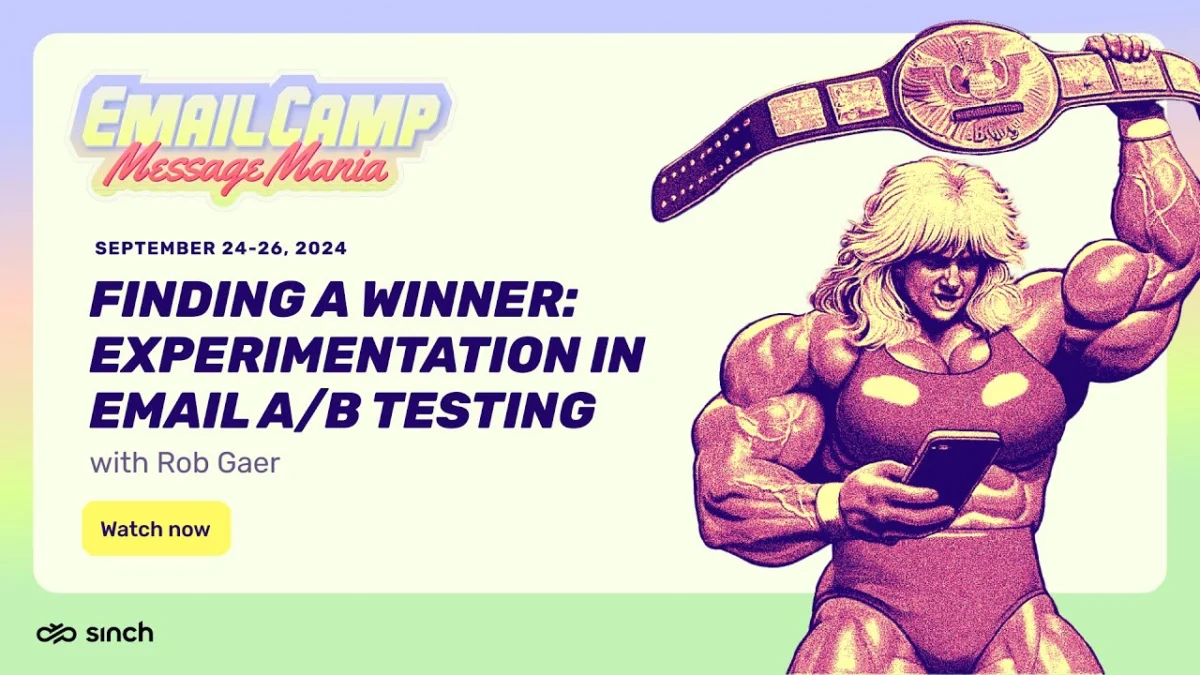
The “Pro Tip” from the webinar emphasized the systematic use of A/B testing to answer specific questions raised by data analysis. If data indicates low click-through rates, for example, marketers should test variations of CTA copy, button placement, or even the overall email design. The crucial caveat, as highlighted by experts like Rob Gaer (Senior Software Engineer at Miro, whose insights on experimentation in email A/B testing were referenced), is to test only one variable at a time. This scientific approach ensures that any observed changes in performance can be reliably attributed to the tested element, allowing for accurate conclusions and iterative improvements. Continuous A/B testing across elements like subject lines, send times, personalization tokens, and visual assets is key to sustained optimization.
Broader Impact and Future Implications
A robust, data-driven email strategy extends its benefits far beyond individual campaign metrics. It contributes significantly to overall brand health, customer lifetime value, and competitive advantage. Brands that prioritize understanding their audience through data and respond with tailored, relevant communications build stronger relationships, foster greater loyalty, and ultimately drive superior business outcomes. Neglecting this data-centric approach, conversely, risks stagnation, missed opportunities, and declining engagement as audiences become increasingly desensitized to generic, irrelevant messaging.
Looking ahead to 2026, email marketing will continue to evolve. Trends like the increased adoption of interactive email elements (e.g., AMP for Email), sophisticated personalization powered by AI, and a heightened focus on zero-party data collection will further elevate the importance of a flexible, data-informed strategy. Email will remain a core pillar of digital communication, but its effectiveness will be directly proportional to the marketer’s ability to interpret past performance and proactively adapt for the future.
Conclusion: The Continuous Loop of Data and Strategy
The journey from 2025 performance data to a winning 2026 email strategy is, as articulated by the Mailjet experts, a continuous loop. It begins with rigorous analysis of past performance, progresses to drawing actionable conclusions, moves to setting clear, data-backed goals, and culminates in building a dynamic strategy to achieve them. By grounding their plans in concrete data, marketers transition from speculative guesswork to a deliberate, informed, and highly effective marketing practice. The imperative for marketers this month is clear: dedicate time to meticulously dig into analytics, genuinely listen to the messages conveyed by audience actions, and construct a 2026 plan that is not merely hopeful, but strategically destined for success. For those who missed the live session, the full webinar replay offers an invaluable resource to guide this critical planning phase.