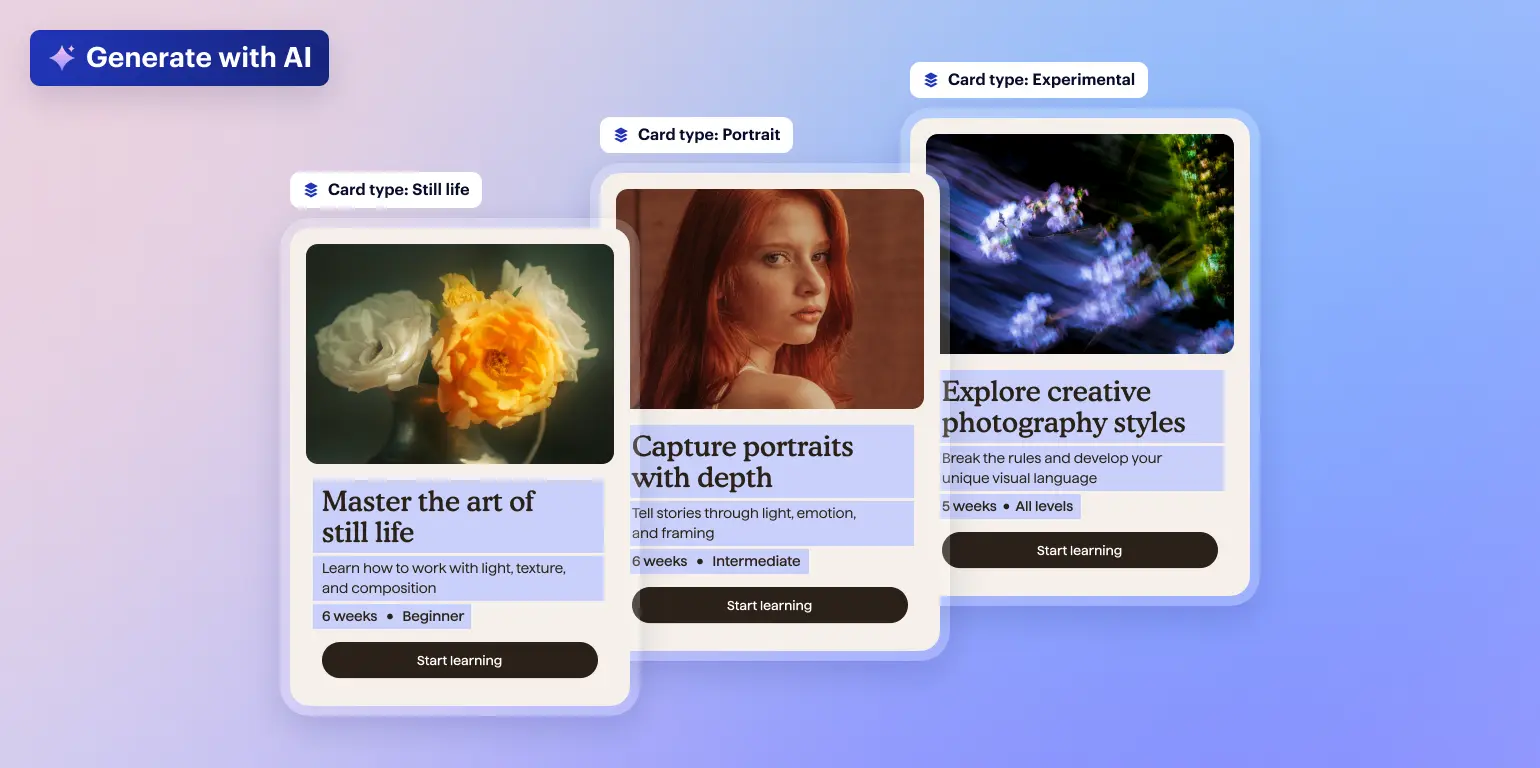
The digital marketing landscape has long recognized a fundamental truth: personalization is no longer a luxury but a prerequisite for high-performance campaigns. However, for most organizations, the gap between the desire for personalization and the technical ability to execute it has remained vast. Instapage, a leading platform in the landing page optimization space, has addressed this friction with the launch of AI Collections, a suite of tools designed to automate the creation and population of large-scale personalized page sets. By integrating generative artificial intelligence with structured content management, the company claims marketing teams can now deploy tailored experiences up to three times faster than through traditional manual workflows.
The primary hurdle in modern performance marketing has rarely been a lack of data or a misunderstanding of audience segments. Instead, the bottleneck has been the sheer operational labor required to build unique destinations for every ad group, keyword, or audience demographic. Historically, creating personalized pages necessitated a tedious process of duplicating existing assets, manually editing copy for each variation, and managing hundreds of individual URLs within a Content Management System (CMS). This “manual labor trap” often led to campaign delays, the deprioritization of personalization initiatives, and a reliance on generic, low-converting landing pages that failed to resonate with specific user intents.
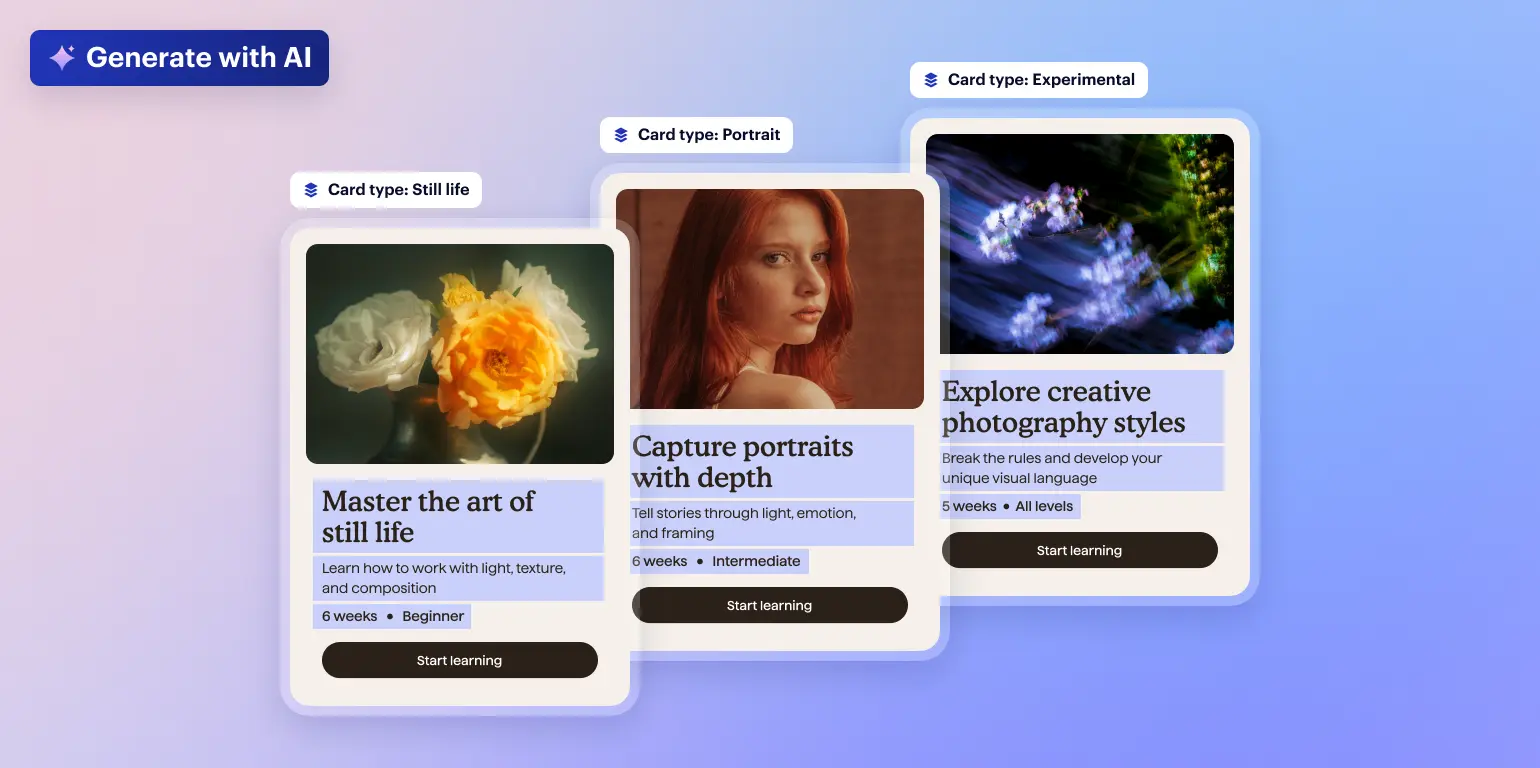
AI Collections introduces a paradigm shift by treating landing page production as a scalable data exercise rather than a repetitive design task. The system functions by allowing marketers to convert a single high-performing page into a dynamic template integrated with a built-in content table. This architecture enables the management of dozens or even hundreds of pages from a centralized location. Each row within the table represents a unique page in the collection, while each column serves as a specific content variable—such as headlines, body copy, images, or calls to action. By leveraging AI to populate these variables, the platform eliminates the need for marketers to search for and edit pages individually.
The technological core of AI Collections rests on two primary innovations: automated AI placeholders and dynamic content generation. The process begins with the AI analyzing the layout and design of a baseline page to identify optimal locations for dynamic content. Traditionally, setting up dynamic text replacement or personalized modules required manual tagging and coding. The new AI-driven approach automatically suggests where these placeholders should live, allowing marketers to review and refine the template before moving to the content generation phase.
Once the template is established, the generative AI component takes over the task of copywriting. Marketers provide the system with context—such as target audience profiles, specific campaign goals, and brand voice guidelines—and the AI generates publish-ready content tailored to each entry in the content table. When combined with Instapage’s fluid grid blocks, the system ensures that the layout automatically adjusts to accommodate varying lengths of text or different image dimensions. This structural flexibility is critical, as it prevents the “broken layout” issues that often plague automated content systems when a headline is longer than the original design intended.
The launch of AI Collections comes at a time when the economic stakes of digital advertising have never been higher. According to data from McKinsey & Company, 71% of consumers now expect companies to deliver personalized interactions, and 76% get frustrated when this doesn’t happen. Furthermore, research indicates that companies that excel at personalization generate 40% more revenue from those activities than average players. Despite these incentives, a report from Gartner found that 63% of digital marketing leaders still struggle with personalization, citing data integration and content scaling as their primary obstacles.
The evolution of landing page technology has moved through several distinct eras. In the early 2010s, the focus was on simple A/B testing and “drag-and-drop” builders that removed the need for developer intervention. By the mid-2010s, Dynamic Text Replacement (DTR) allowed for basic keyword insertion. However, AI Collections represents a more sophisticated stage of maturity: the era of generative scaling. This allows for “Hyper-Personalization,” where the entire narrative of a page changes based on the user’s journey, rather than just a single keyword in the headline.
The implications for marketing departments are significant. In a traditional setup, a team running a Google Ads campaign with 50 different ad groups might only have the resources to build five unique landing pages, forcing 45 ad groups to point to semi-relevant content. With AI Collections, that same team can generate 50 distinct, highly relevant pages in the same amount of time it previously took to build five. This level of granularity is expected to drive down Customer Acquisition Costs (CAC) by improving the “Quality Score” in ad auctions and increasing the on-page conversion rate (CR).
Industry analysts suggest that the democratization of these AI tools will force a shift in the role of the digital marketer. Rather than spending hours on manual data entry and page duplication, marketers will transition into “AI Orchestrators.” Their value will lie in their ability to craft high-quality prompts, define strategic audience segments, and oversee the creative direction of the AI’s output.
“The problem has never been the idea of personalization; it has always been the execution,” the company noted in its product briefing. “AI Collections changes that by helping teams personalize pages up to 3x faster than building them manually.”
From a technical standpoint, the integration of AI into the content table format allows for better data hygiene. Marketing teams often rely on fragmented spreadsheets to track their various landing page versions. By centralizing this in a live content table that directly feeds the live pages, the risk of “version sprawl”—where outdated or incorrect information persists on live sites—is drastically reduced. This centralized management also simplifies the process of making global updates. If a brand changes its core value proposition or updates a pricing model, the change can be applied across the entire collection of hundreds of pages simultaneously through the table interface.
The broader impact on the AdTech industry could be profound. As tools like AI Collections become standard, the competitive advantage will shift away from those who have the largest teams to those who have the most sophisticated data strategies. Small to medium-sized enterprises (SMEs) may finally be able to compete with enterprise-level budgets by using AI to achieve the same level of creative volume and personalization that previously required massive internal agencies.
Furthermore, the integration of AI-driven personalization addresses the growing challenge of “ad fatigue.” When consumers are repeatedly served generic content that does not align with their specific needs or stage in the buying cycle, they become desensitized to brand messaging. By ensuring that every click leads to a destination that feels bespoke and relevant, brands can rebuild trust and engagement with their target demographics.
While the benefits are clear, the transition to AI-augmented workflows also requires a focus on quality control. Instapage has built in review cycles within the AI Collections workflow, allowing humans to “review the generated template, edit or remove placeholders if needed, and move directly to the content table.” This “human-in-the-loop” philosophy is essential for maintaining brand safety and ensuring that AI-generated copy remains accurate and compliant with industry regulations.
As the marketing industry moves toward the latter half of the decade, the focus is expected to shift further toward predictive personalization, where AI not only generates content based on existing segments but predicts which content variations will perform best for individual users in real-time. The launch of AI Collections serves as a foundational step in this journey, providing the infrastructure necessary to handle the volume of content that predictive systems will eventually require.
For marketing teams looking to adopt these technologies, the transition begins with a shift in mindset regarding page architecture. Moving away from static, “one-and-done” page designs toward dynamic, template-based systems is a prerequisite for leveraging the power of AI. With a 14-day free trial currently available for the platform, the industry will likely see a surge in experimentation as brands race to optimize their conversion funnels ahead of peak seasonal shopping periods.
In conclusion, the introduction of AI Collections by Instapage represents a significant milestone in the automation of digital marketing. By solving the execution problem that has long plagued personalization initiatives, the tool enables a more agile, data-driven approach to landing page optimization. As marketing teams continue to face pressure to deliver higher returns on ad spend (ROAS) in an increasingly crowded digital marketplace, the ability to scale personalized experiences efficiently will likely become a defining characteristic of market leaders.