The fundamental nature of consumer research and brand discovery has undergone a seismic shift, moving away from traditional search engine queries towards conversational interfaces. At the forefront of this evolution stands ChatGPT, now the primary arena where millions of potential customers engage in dialogue and seek information. This paradigm change has prompted a critical question for brands and advertisers: “Should we be investing in ChatGPT ads?” While the format’s novelty initially warranted a cautious approach, focusing on understanding user interaction, recent testing by industry leaders reveals concrete insights into its potential and practical application. The question has evolved from “if” to “how” brands can effectively leverage this burgeoning advertising medium.
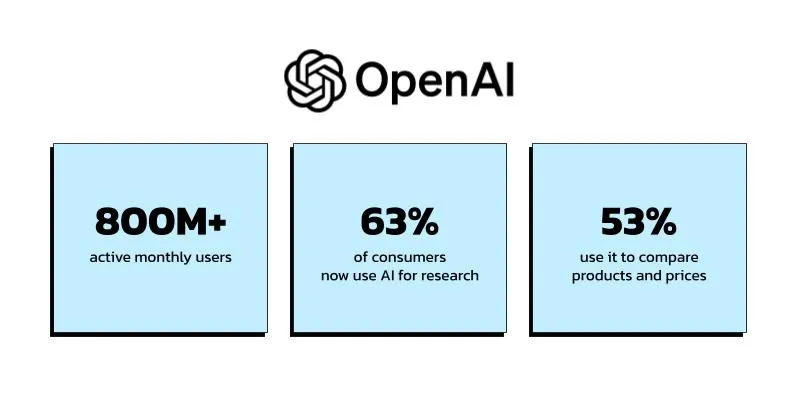
The prize for mastering this new frontier is substantial. ChatGPT boasts an active monthly user base exceeding 800 million, a significant portion of the global population, and processes an astounding two billion prompts daily. This dominance is further underscored by the fact that approximately 70% of all AI assistant traffic originates from ChatGPT. User behavior within the platform highlights its growing importance in the consumer journey: 63% of users report utilizing AI for research and discovery, while 53% employ it for product and price comparisons. This signifies a critical movement of the “consideration” phase of the marketing funnel into a space where brands have historically lacked direct access. This unprecedented opportunity necessitates a thorough examination of the advertising mechanisms, targeting capabilities, and measurement frameworks within this novel ecosystem.
Understanding the Mechanics: Simplicity in Format, Nuance in Targeting
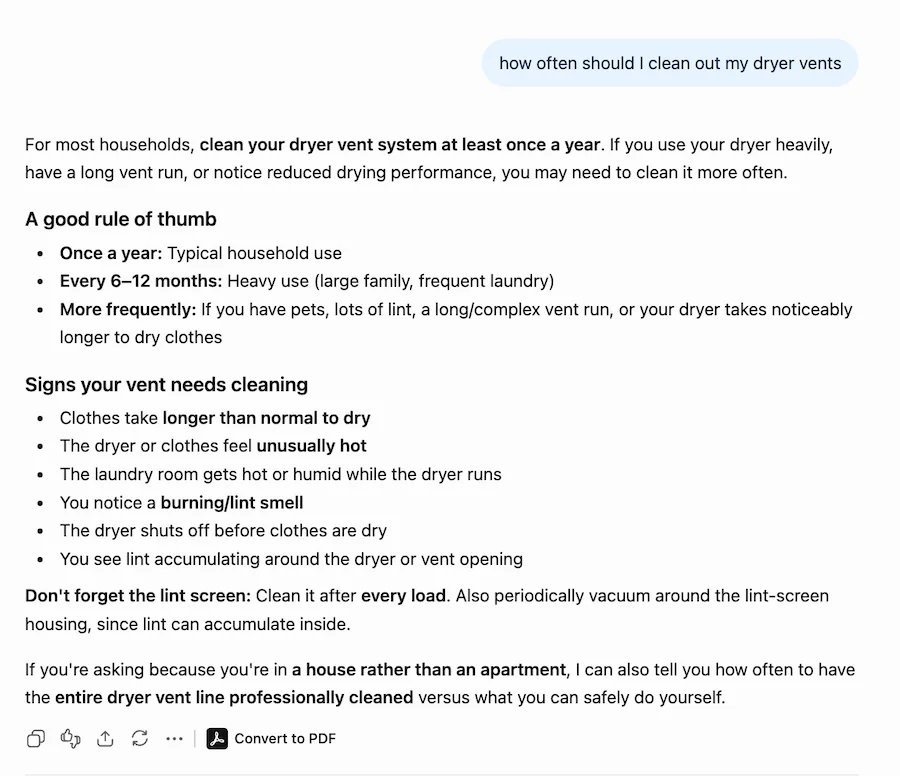
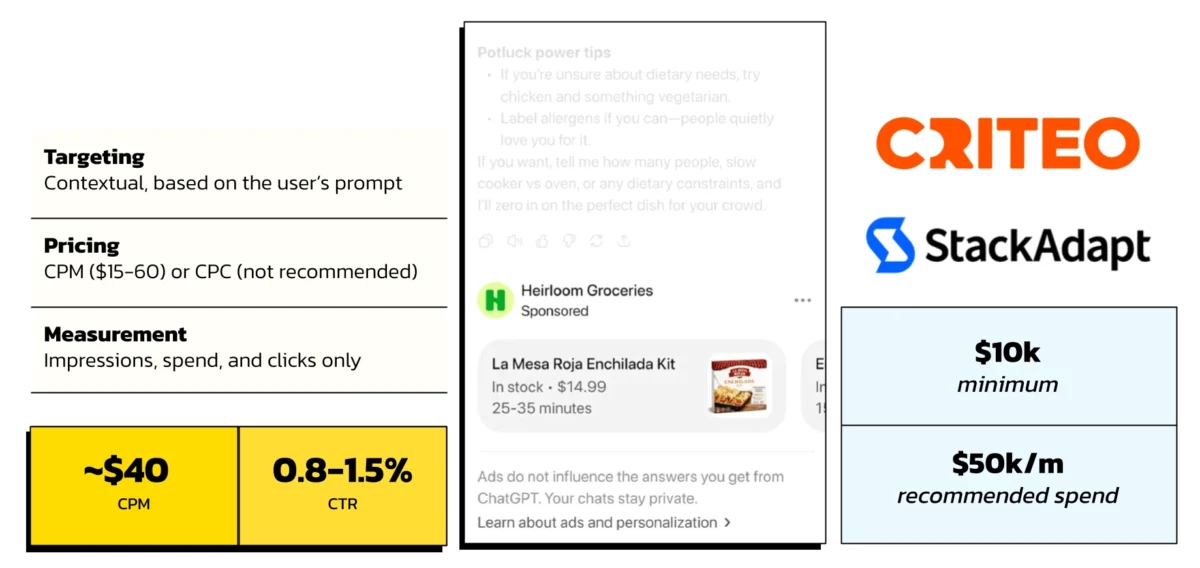
The advertising unit within ChatGPT, as observed in early implementations, presents a streamlined format. Positioned directly beneath the AI’s response, each ad is clearly demarcized with a “Sponsored” label. It typically comprises a single square image (1:1 aspect ratio), a concise headline, a descriptive text, and a direct click-through link to the advertiser’s website. While the visual and textual components are straightforward, the targeting mechanism operates with a distinct, and perhaps more blunt, approach than many advertisers are accustomed to.
The current iteration of ChatGPT advertising is primarily contextual. Ad delivery is determined by the user’s prompt – the question or statement they input into the AI – rather than the AI’s subsequent response or any predefined user profile. This means that there is no direct audience segmentation based on demographics, psychographics, or past behavior. Geographic targeting options are also limited, and the system offers minimal granular control. The sole determinant of whether an advertisement is served is its perceived relevancy to the user’s initial query. This contextual alignment is the linchpin of the advertising model, emphasizing the importance of understanding the intent behind user prompts.
The Economics of Context: Niche Prompts and Cost Efficiency
The pricing structure within ChatGPT advertising offers a fascinating insight into its evolving economics. OpenAI employs an opaque relevancy model and a proto-auction system, which, in practice, results in a bifurcated pricing landscape. Advertisers who target niche prompts with minimal competition may find themselves paying as little as $15 per thousand impressions (CPM). Conversely, in highly competitive prompt categories, CPMs can escalate to $60 or more. Across a spectrum of brands and prompt types, observed CPMs generally fall between $25 and $35, with more precisely aligned messaging leading to greater cost efficiency. The agency’s own testing has indicated an average CPM closer to the $40 mark.

This data strongly suggests that the ChatGPT advertising channel rewards precision. The more meticulously an advertiser’s creative content aligns with the specific keywords and intent of a user’s prompt, the more favorable the cost efficiency becomes. The article advises against direct Cost Per Click (CPC) bidding, citing the opacity of the underlying methodology and the observation that bidding on CPM and allowing clicks to naturally accrue has yielded superior cost-per-click results in their testing. This strategy underscores a shift towards understanding the overall impression value and audience engagement within the context of AI-driven conversations, rather than solely focusing on individual click performance.
Measurement Challenges and the Pursuit of Intent
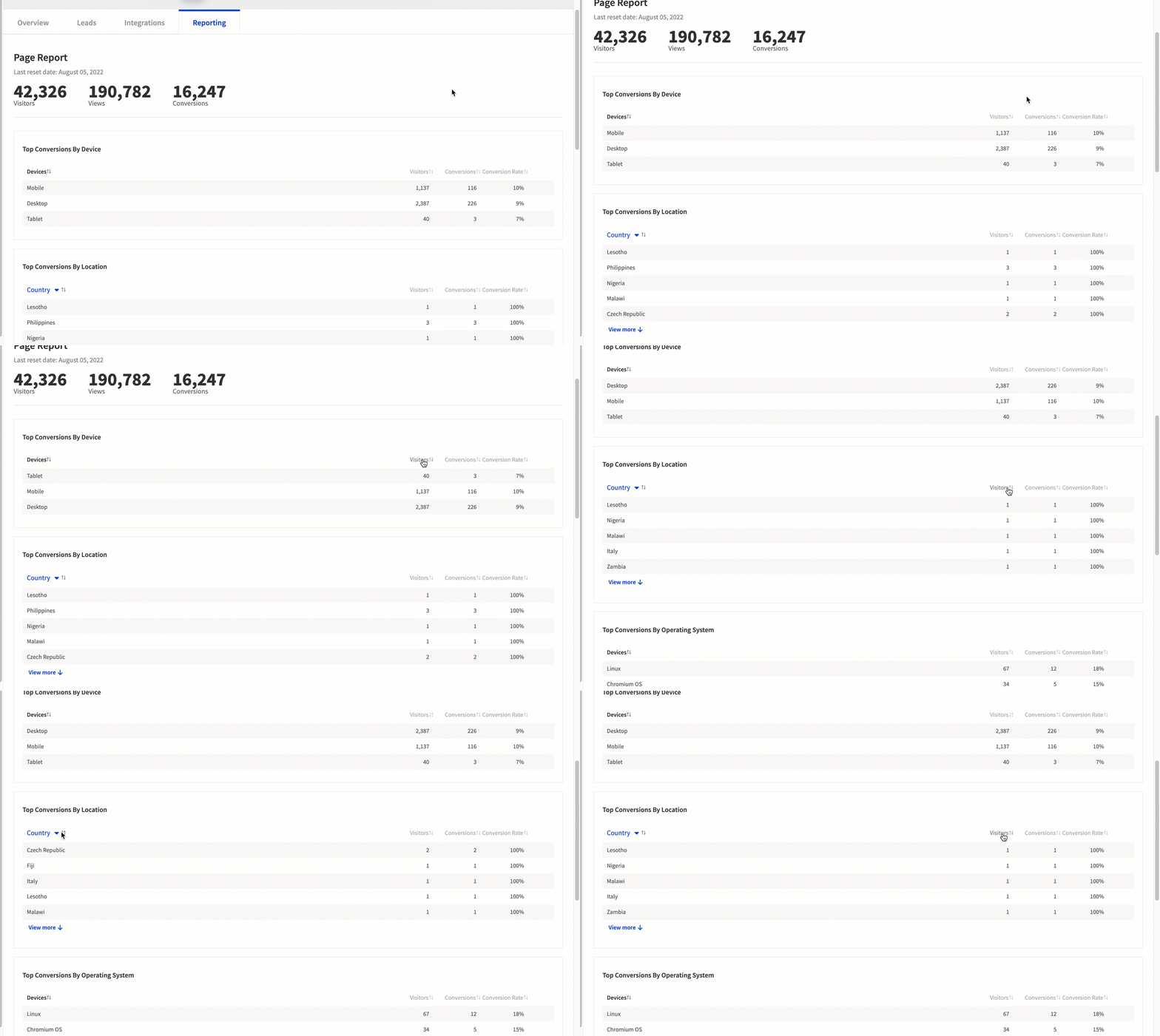
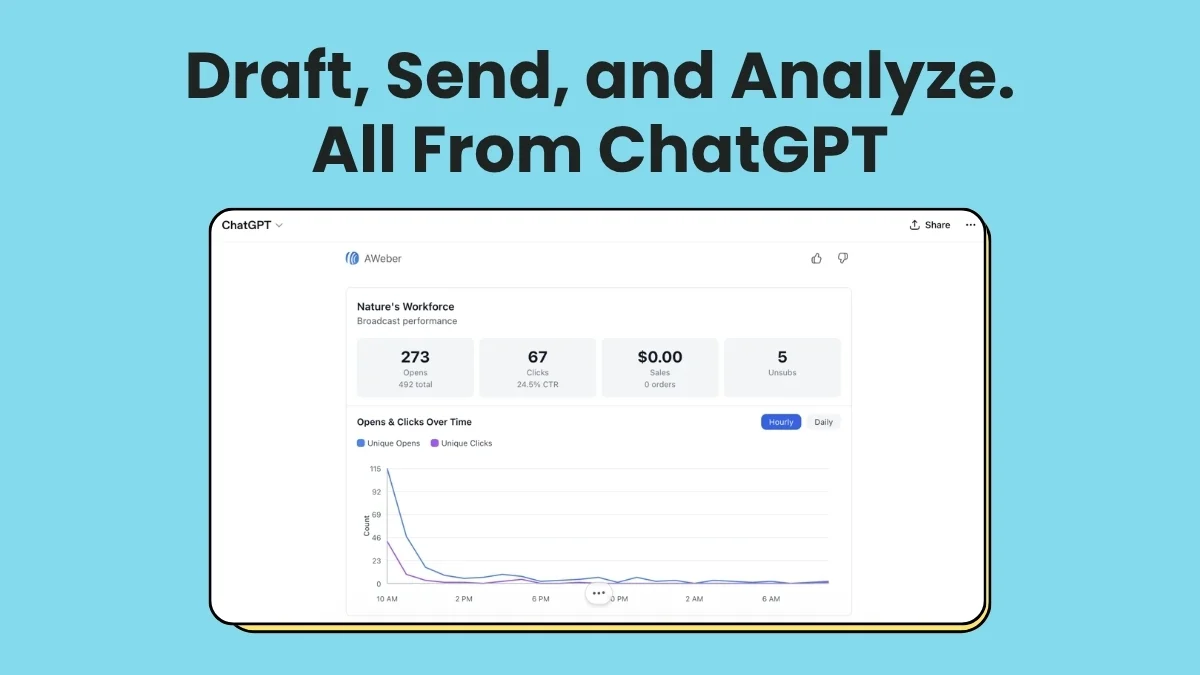
One of the most significant constraints currently facing advertisers on ChatGPT is the nascent state of measurement capabilities. At present, advertisers primarily receive data on impressions and click-through rates. Direct conversion optimization, a staple of most digital advertising platforms, is not yet available. This means that advertisers cannot directly instruct the platform to optimize for specific downstream actions, such as purchases or sign-ups.
However, the value proposition lies in the potential to measure the “knock-on effects” of these clicks. The critical question that advertisers must answer is whether click-throughs originating from ChatGPT demonstrate a higher level of user intent compared to those from established channels like native advertising, display, video, social media, or search. This can be assessed by analyzing user behavior once they land on the brand’s website, utilizing pixel tracking and conversion data that can be shared with platform partners.
Early indicators for the quality of traffic from ChatGPT are encouraging. Click-through rates (CTRs) are reportedly comparable to those of native advertising, which is a robust signal for a platform still in its infancy. The practical takeaway from this observation is the imperative for advertisers to establish a comprehensive evaluation framework before investing significant budgets. This framework should clearly define how user intent from ChatGPT will be benchmarked against website interactions generated by other marketing channels. This proactive approach to measurement is crucial for deriving meaningful insights and optimizing future campaigns.
Navigating the Entry Points: Three Routes to ChatGPT Advertising
Advertisers have three primary pathways to access and advertise on ChatGPT, each with distinct characteristics and recommended investment levels.
-
Criteo Integration: This route is particularly well-suited for commerce-focused businesses, including Consumer Packaged Goods (CPG) and retail clients. Criteo can ingest product feeds, enabling the simultaneous creation and management of thousands of ads. This scalability makes it an attractive option for businesses with extensive product catalogs. The recommended monthly investment for this pathway typically ranges from $50,000 to $100,000.
-
StackAdapt Partnership: StackAdapt offers a solution that provides some additional incentives and limited geo-targeting options. Their recommended monthly spend is around $50,000. This option may appeal to advertisers seeking a more integrated approach with some enhanced targeting capabilities, albeit still within the broader contextual framework.
-
Direct to OpenAI: For advertisers with substantial budgets and a strategic imperative to be at the forefront of this emerging channel, going direct to OpenAI is an option. However, this route comes with a significant minimum investment requirement of approximately $250,000 per month. This direct engagement allows for closer collaboration and potentially earlier access to new features as they are rolled out by OpenAI.
The choice of which route to pursue is contingent on an advertiser’s specific objectives. While there is limited data yet on the optimal use cases for this format, its inherent strength lies in reaching users during moments of high consideration. Therefore, upfront clarity on how brands intend to guide these highly engaged users to their websites and how the subsequent impact will be measured is paramount. These strategic decisions should dictate the budget allocation, rather than the other way around.
Looking Ahead: The Maturation of Conversational Advertising
The current landscape of ChatGPT advertising – characterized by its youth, blunt targeting, and thin measurement – has not prevented it from demonstrating efficacy in testing. The undeniable reality is that consumer consideration is increasingly migrating into conversational AI platforms, irrespective of whether brands are fully prepared. The pivotal question for businesses is no longer whether to acknowledge this shift, but rather how much to allocate to experimental testing while the foundational rules of this new advertising ecosystem are still being codified.
The trajectory of ChatGPT advertising’s development is likely to mirror the evolution of programmatic advertising. As user data becomes more integrated, audience targeting capabilities will inevitably emerge. OpenAI possesses a wealth of user data, and it is strategically improbable that this asset will remain untapped indefinitely. Following closely behind audience targeting will be the advent of conversion optimization features, allowing for more direct performance-based campaigns.
As more brands enter the fray and competition intensifies, CPMs are expected to rise. The auction mechanisms will likely become more transparent and sophisticated, gradually aligning the format with the established channels advertisers are already familiar with. Brands that actively test and experiment now will gain a significant advantage as this format matures. This early mover advantage can translate into established best practices, a deeper understanding of user intent, and a more refined creative approach, all of which will become increasingly valuable as CPMs climb and the competitive landscape intensifies. The window of opportunity to establish a foundational presence and learn at a lower cost is now.