The competitive landscape of the digital inbox has intensified dramatically, driving marketers to increasingly adopt AI-powered tools to scale relevance and elevate performance without a proportional increase in manual effort. This technological shift is fundamentally reshaping how email campaigns are conceptualized, executed, and measured, with AI advancements now supporting every facet from sophisticated subject line creation and hyper-personalization to precise send-time optimization and granular revenue attribution. Industry analysts project the global AI in marketing market to reach upwards of $107 billion by 2028, underscoring the rapid integration and critical importance of artificial intelligence across all marketing disciplines, with email marketing being a prime beneficiary.

The Evolution of Email Marketing and AI’s Pivotal Role
Email marketing has traversed a significant evolutionary path. Initially characterized by mass-blast campaigns, it progressed to basic segmentation, then to more refined behavioral targeting based on customer actions. However, the sheer volume of data generated by customer interactions, coupled with the rising consumer expectation for personalized and timely communication, has pushed traditional methods to their limits. This is where artificial intelligence has emerged as a game-changer. AI email marketing tools are not merely automation platforms; they are sophisticated software solutions that leverage machine learning, predictive analytics, and generative AI to automate complex decisions that once required extensive manual intervention. Their primary objective is to dramatically enhance relevance, efficiency, and measurable outcomes throughout the entire email lifecycle.

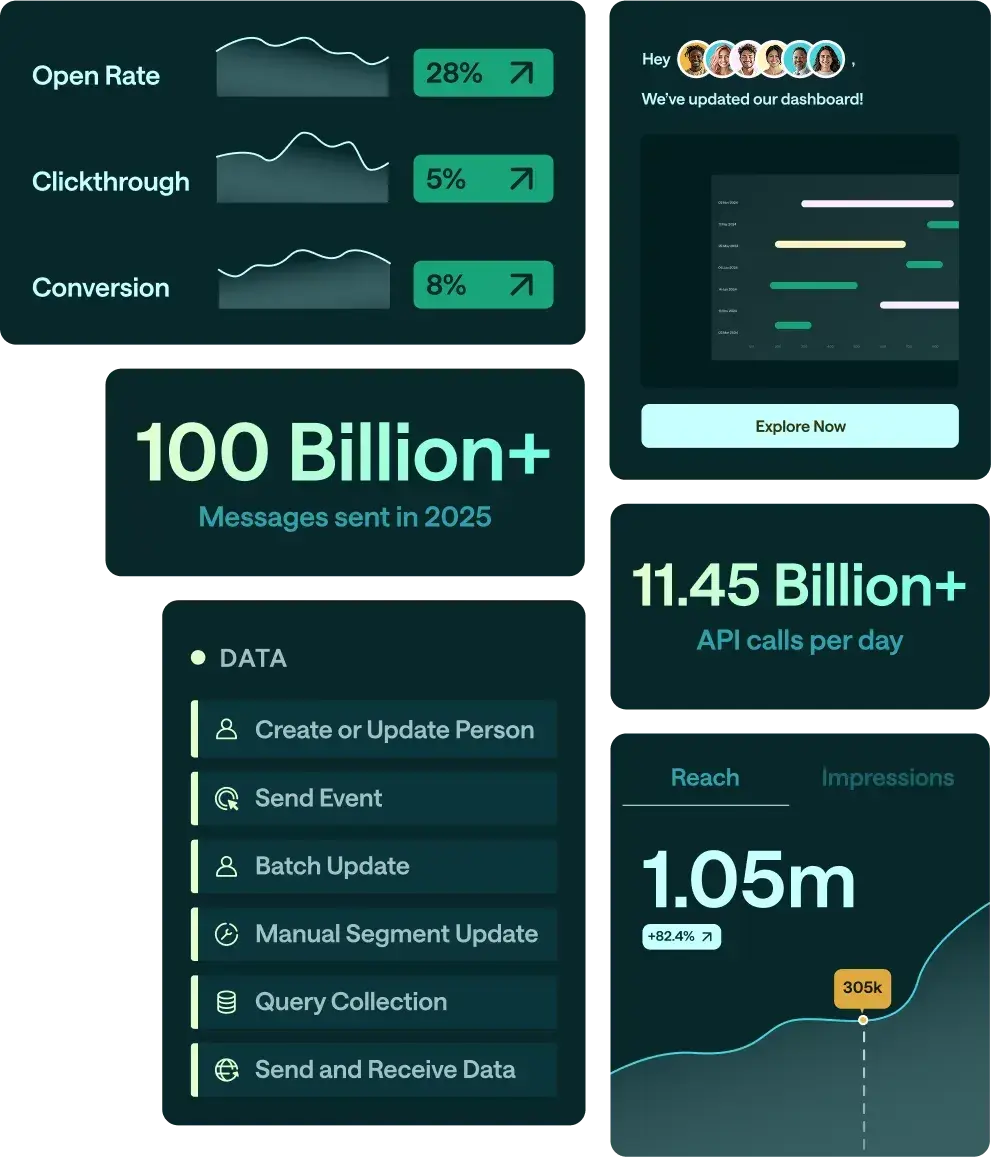
In essence, AI allows marketers to move beyond static segments and rule-based automation towards dynamic, adaptive campaigns that respond in real-time to individual customer behaviors and preferences. This capability is crucial in an environment where average email open rates hover around 20-25% and click-through rates often fall below 5%, highlighting the constant struggle for attention. AI’s ability to analyze vast datasets quickly and identify subtle patterns empowers marketers to break through the noise, leading to more engaging and effective communications.
Key AI-Powered Capabilities Driving Performance
The integration of AI into email marketing manifests across several core areas, each contributing to a more optimized and impactful strategy:
-
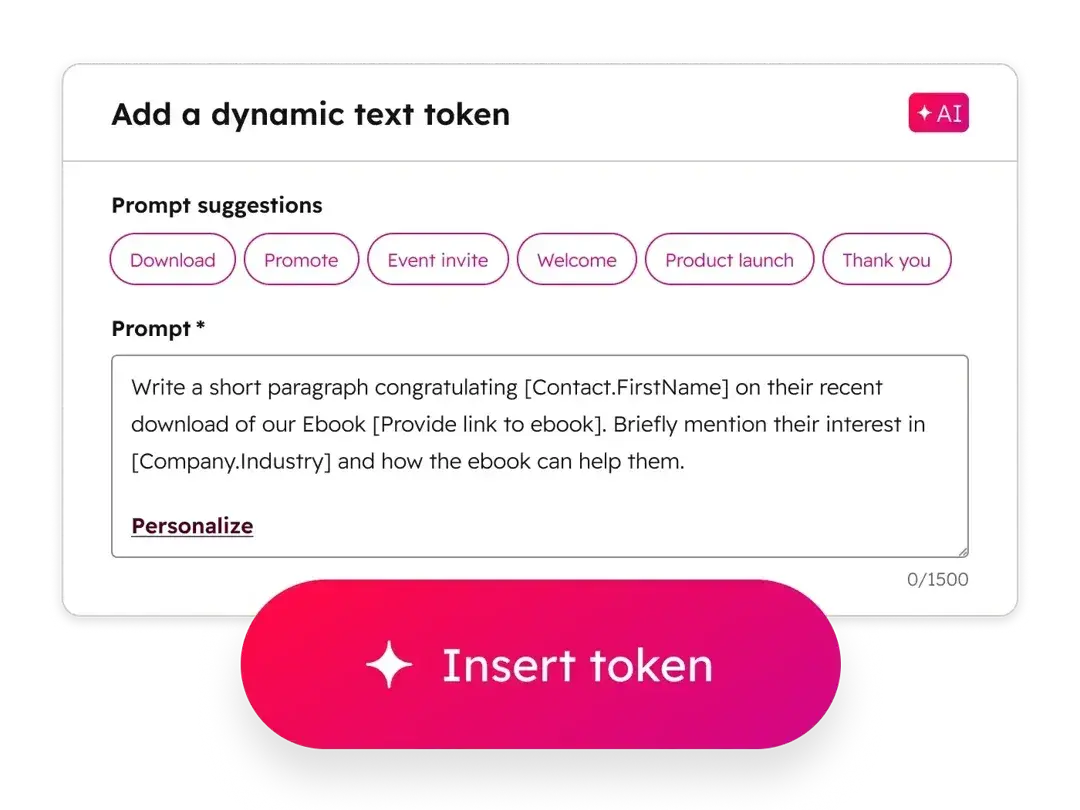
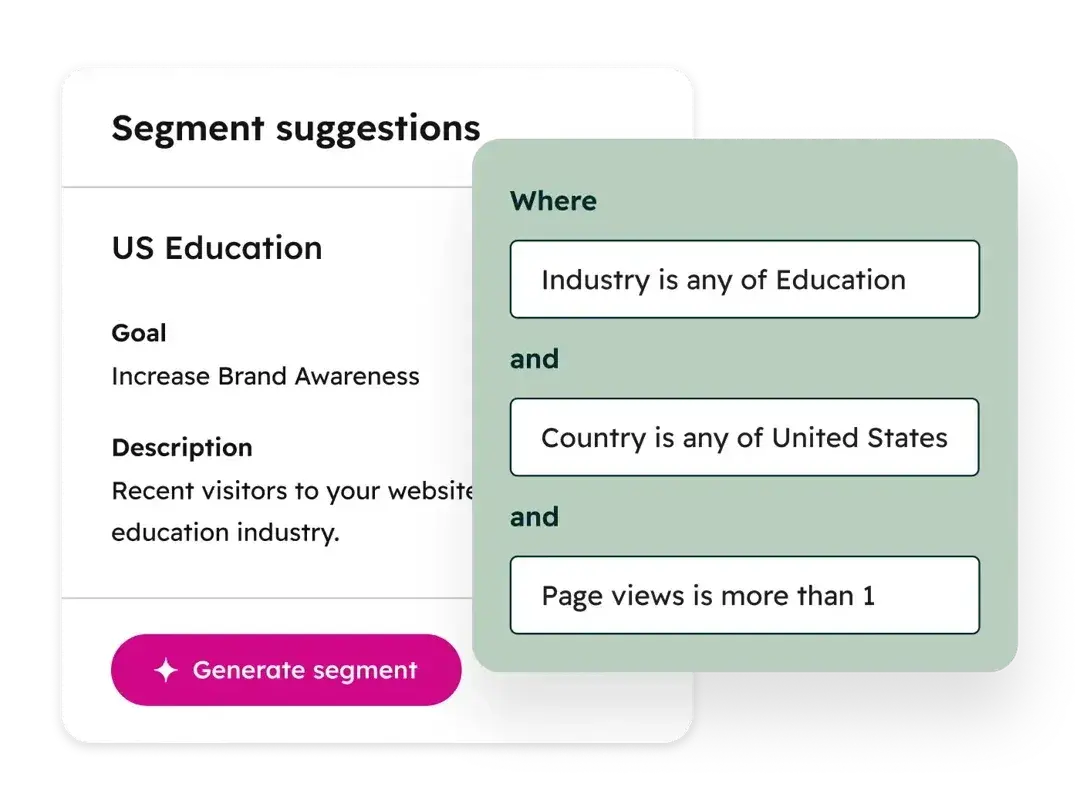
Hyper-Personalization: AI-powered personalization transcends basic name insertion. It utilizes contact-level data, behavioral signals (website visits, past purchases, content engagement), and predictive models to dynamically tailor messaging, offers, and even the visual layout of emails for individual recipients. Instead of relying on broad, static segments, AI continuously evaluates attributes like lifecycle stage, purchase history, and inferred intent to customize content on the fly. Platforms like HubSpot, with its Marketing Hub, leverage deep CRM data integration to achieve this, reducing reliance on one-size-fits-all campaigns and significantly boosting engagement metrics. Studies consistently show that personalized emails generate 6x higher transaction rates, demonstrating the profound impact of this capability.
-
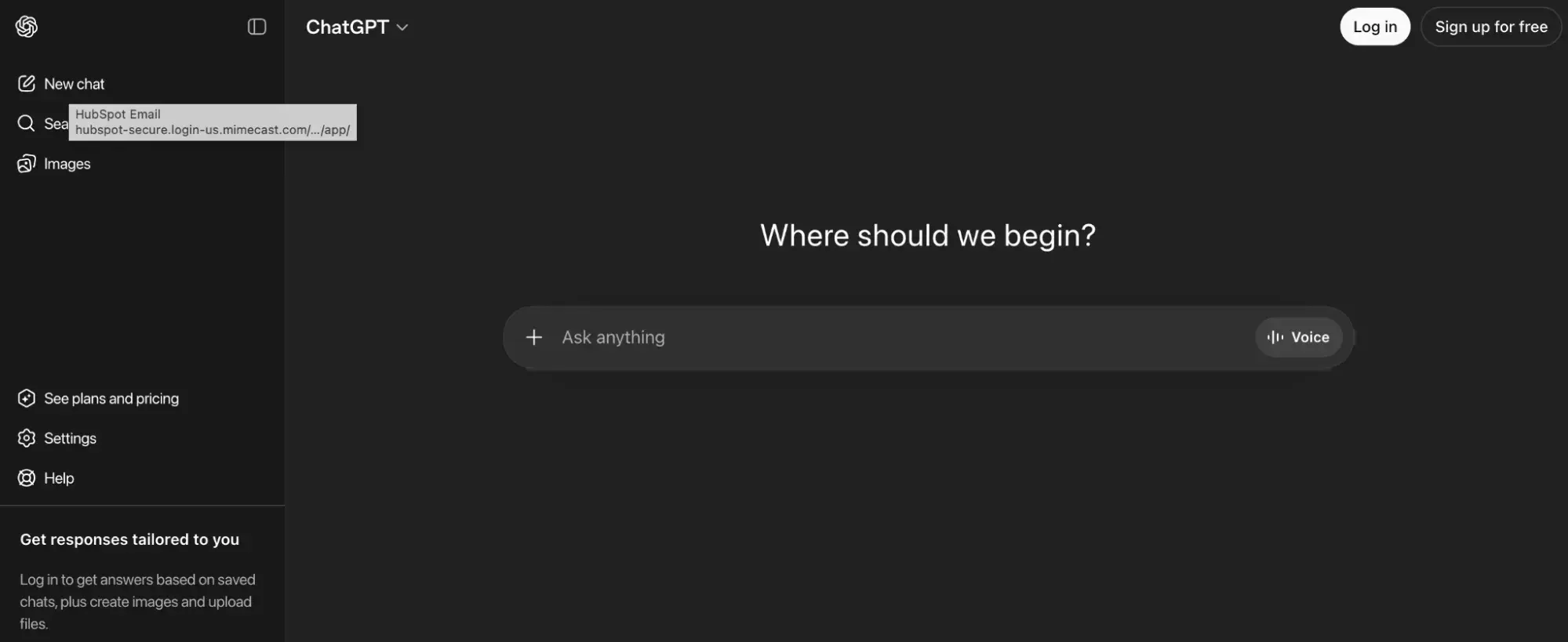
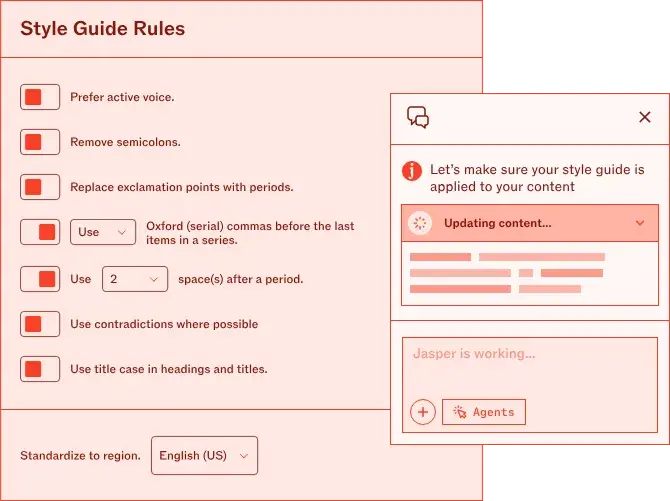
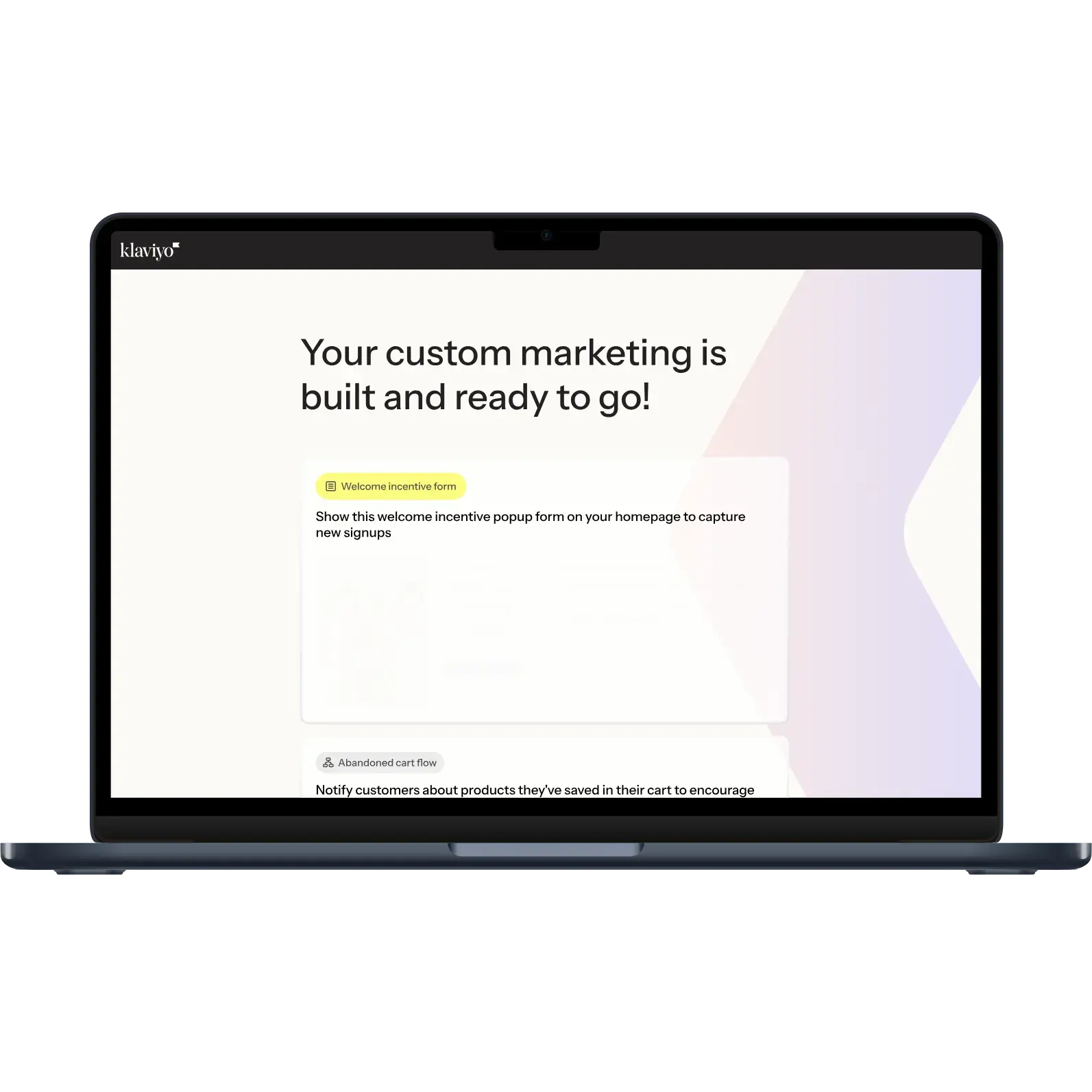
Intelligent Content Generation: The advent of generative AI models, such as those powering ChatGPT or Jasper, has revolutionized content creation. These tools can draft compelling subject lines, body copy, and calls-to-action (CTAs) based on campaign goals, historical engagement data, and specific brand inputs. They can produce multiple variations for A/B testing, accelerate the drafting process, and help maintain brand consistency across numerous campaigns. HubSpot’s AI Email Writer, powered by Breeze AI, exemplifies this integration, allowing marketers to generate copy directly within their email editor, ensuring alignment with marketing objectives and CRM data. This capability drastically reduces creative bottlenecks and enables faster campaign execution, a critical advantage in fast-paced marketing environments.
-
Send-Time Optimization: One of the most subtle yet impactful applications of AI is send-time optimization. AI models analyze historical open and click behavior across individual contacts and campaigns to predict the optimal time to send an email to each recipient. This moves beyond generalized “best times to send” to highly individualized timing. HubSpot’s AI-powered email tools, for instance, apply engagement data from the CRM to refine timing decisions, ensuring emails arrive when recipients are most likely to engage. This maximizes visibility in crowded inboxes, reduces wasted sends, and can lead to significant improvements in open and click-through rates.
-
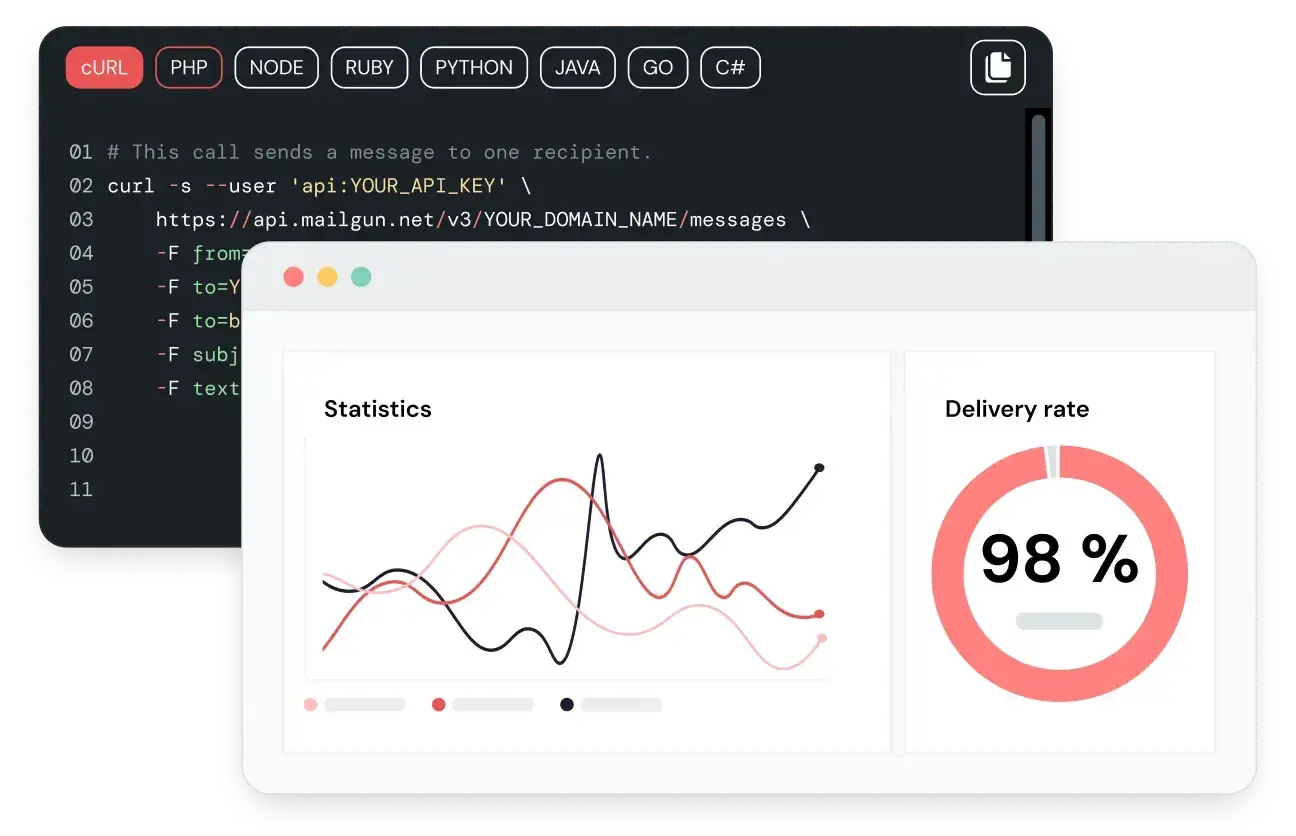
Proactive Deliverability Optimization: Ensuring emails actually reach the inbox, rather than landing in spam folders, is paramount. AI-driven deliverability features continuously monitor critical signals such as engagement rates, email list health, sender reputation, and bounce rates. These systems analyze inactivity trends and spam complaints to recommend or automate list hygiene, sender authentication adjustments, and sending frequency modifications. By proactively identifying potential issues, AI helps maintain a strong sender reputation and ensures long-term email performance. Platforms like Twilio SendGrid and Mailgun specialize in this area, offering advanced monitoring and reporting for high-volume senders.
-
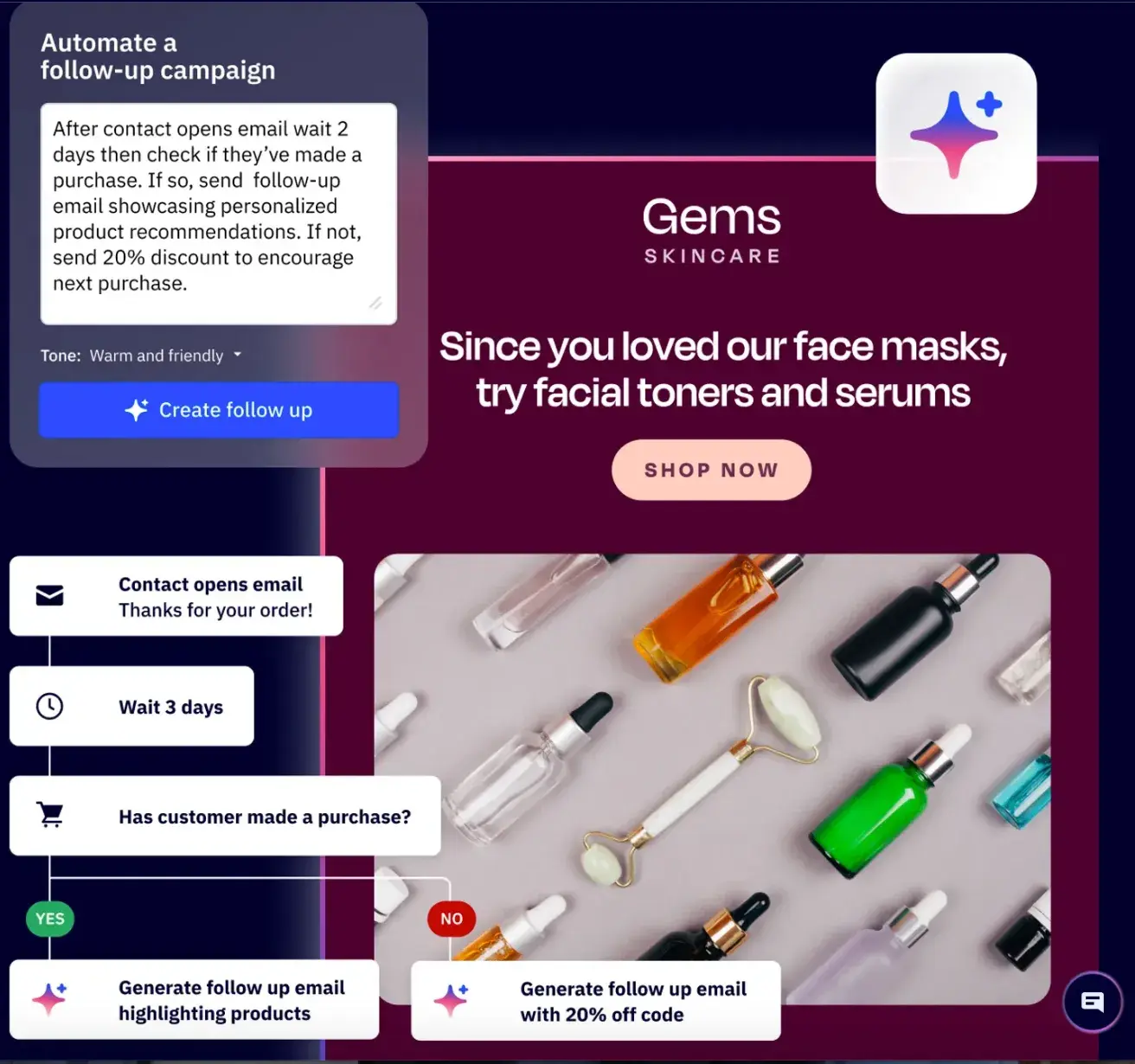
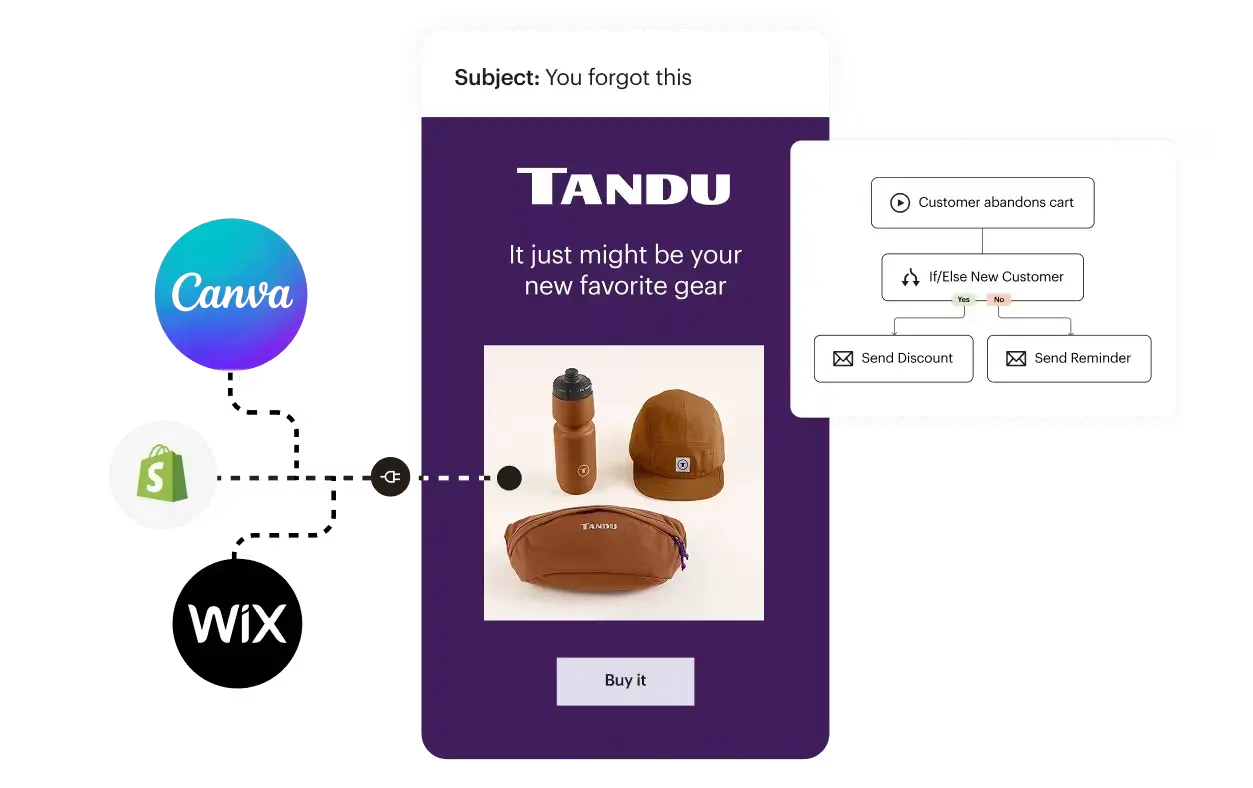
Adaptive Automation and Workflows: Traditional email automation relies on predefined, linear sequences. AI-powered automation introduces adaptive logic, using behavioral triggers and predictive insights to dynamically adjust the timing, path, or messaging of emails within a workflow. For example, a nurture sequence might adapt if a recipient shows high engagement, fast-forwarding them to a sales-ready stage, or if they become inactive, triggering a re-engagement campaign. HubSpot’s Marketing Hub excels in this, connecting email actions directly to CRM activity, allowing teams to scale complex lifecycle and nurture programs without adding manual oversight. This ensures timely and relevant communication that adapts to the customer’s journey.
-
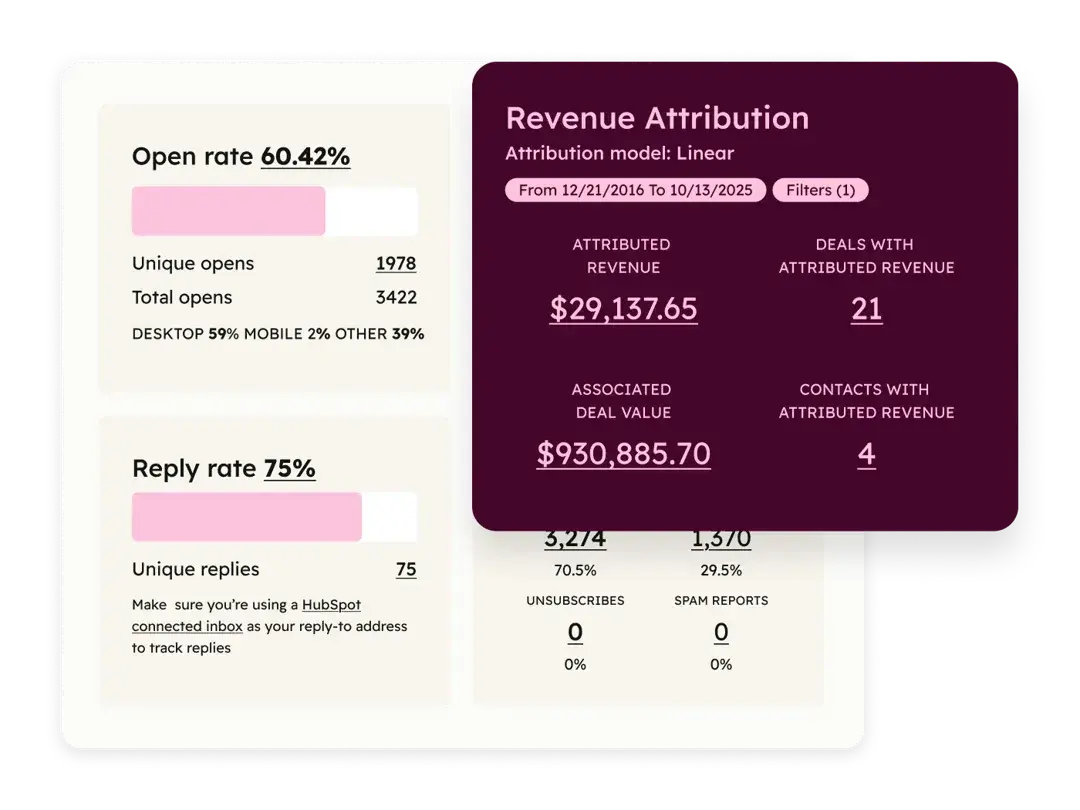
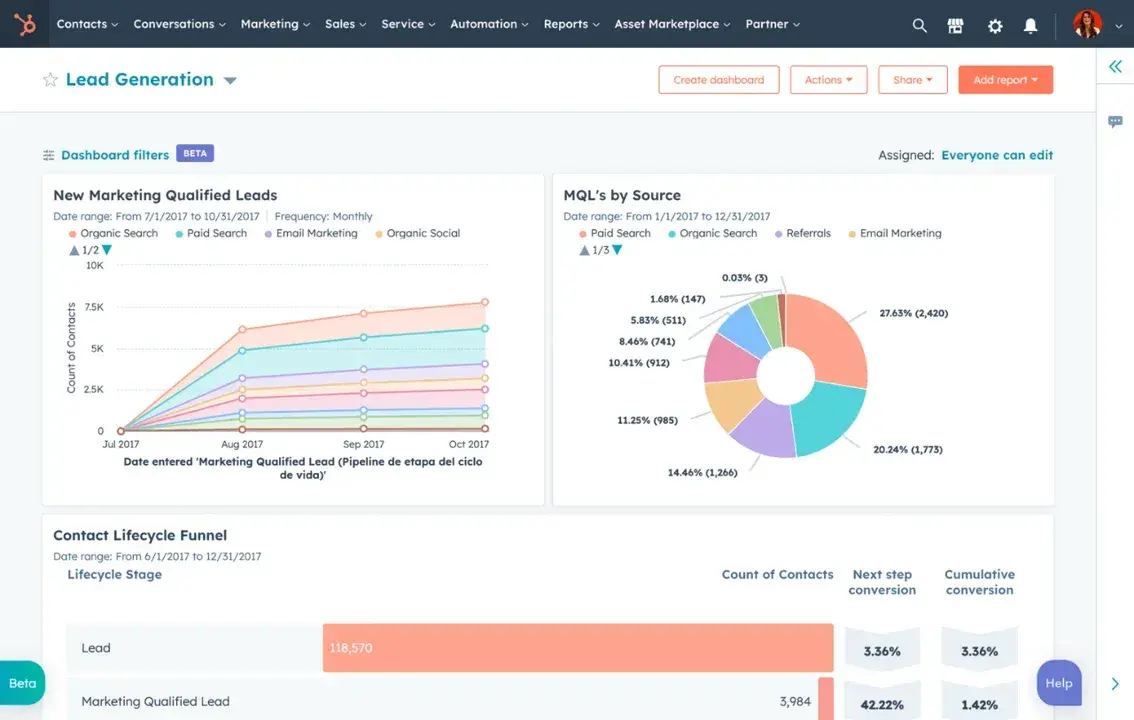
Granular Attribution and Analytics: Measuring the true impact of email marketing has historically been a challenge, often relying on last-click attribution. AI-enhanced attribution and analytics connect email engagement to tangible business outcomes—such as form submissions, purchases, and revenue—by analyzing the full customer journey. By tying email performance directly to CRM contact records, deals, and lifecycle stages, AI helps marketers understand which campaigns genuinely drive pipeline and revenue, moving beyond vanity metrics. This capability, offered by platforms like HubSpot Analytics, allows for more accurate ROI calculation and informed budget allocation.
The Ecosystem of AI Email Marketing Tools by Use Case
The market for AI email marketing tools is robust and diverse, with platforms specializing in different aspects or offering comprehensive suites.
-
For Content Generation and Subject Lines:
- HubSpot AI Email Writer (Marketing Hub + Breeze AI): Integrated within the HubSpot CRM, this tool generates subject lines and email copy aligned with marketing objectives and CRM data. Its strength lies in its seamless integration with the entire email execution and reporting workflow, eliminating data transfer issues.
- ChatGPT (OpenAI): A versatile, general-purpose generative AI, ChatGPT excels at rapid ideation, drafting initial copy, and exploring various tone and style options. While powerful for brainstorming, it lacks native integration with CRM or email platforms, requiring content to be manually transferred.
- Jasper: Designed specifically for marketing content, Jasper offers templates, brand voice controls, and structured workflows. It acts as a dedicated AI copy tool that operates alongside an ESP, helping standardize copy quality and accelerate production for high-volume content teams.
-
For Personalization and Segmentation:
- HubSpot CRM and Marketing Hub Segmentation: Leverages first-party CRM data (contact properties, behavioral data, lifecycle stages) for dynamic audience segmentation and personalization. Its unified system ensures consistency across marketing, sales, and service touchpoints.
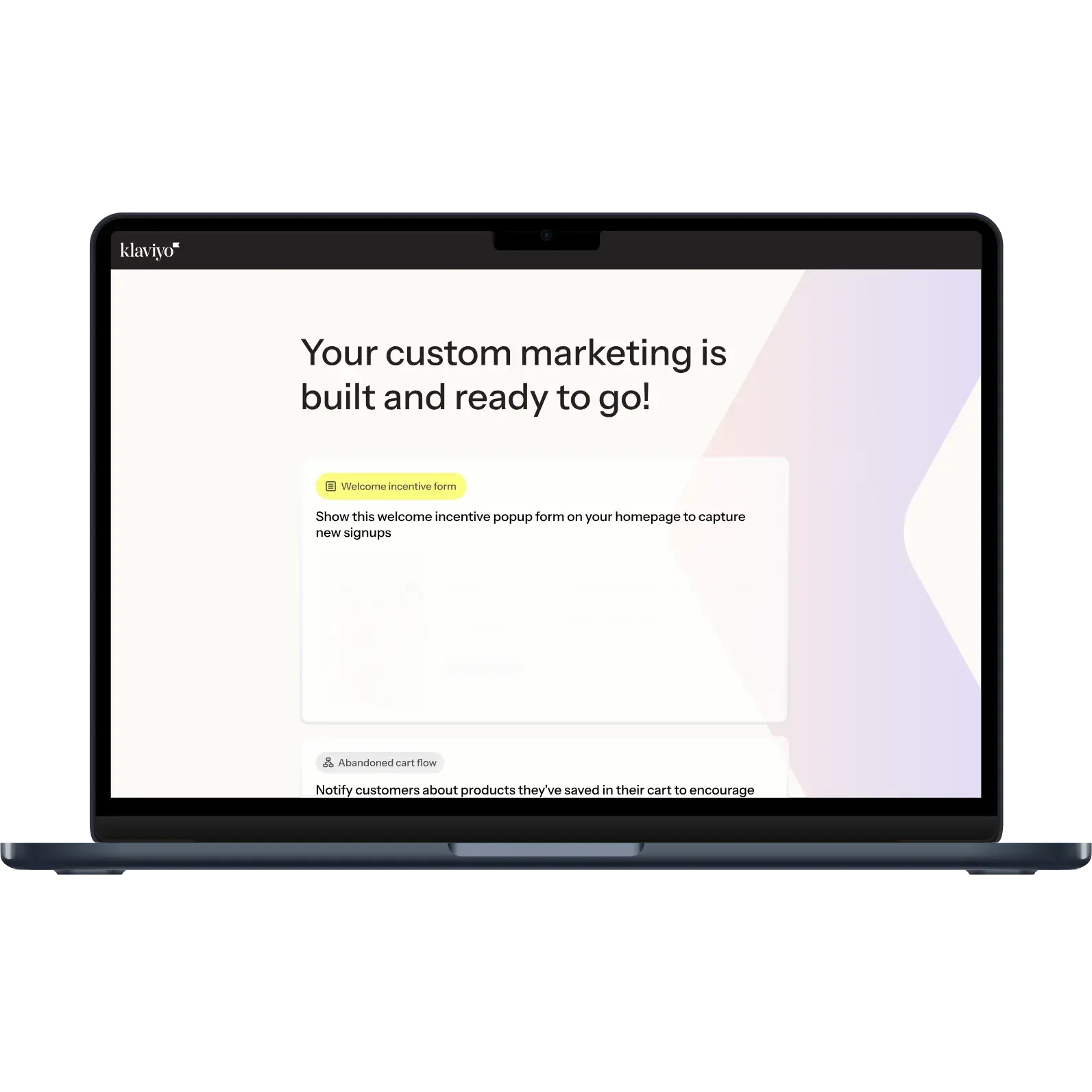
- Klaviyo: Primarily built for e-commerce, Klaviyo combines email, SMS, customer data, and predictive analytics. It excels at personalizing messages based on real-time purchase and behavioral history, making it ideal for lifecycle and retention marketing in retail.
- Customer.io: A customer engagement platform for event-driven messaging across multiple channels, Customer.io is favored by product-led and SaaS teams. Its granular control over behavior-based triggers allows for highly targeted communication based on user actions and custom events.
-
For Send-Time Optimization and Frequency Management:
- HubSpot Marketing Hub Analytics: Utilizes engagement analytics and CRM data to determine optimal send windows and manage frequency. It ties timing insights directly to campaign performance, enabling data-driven scheduling adjustments.
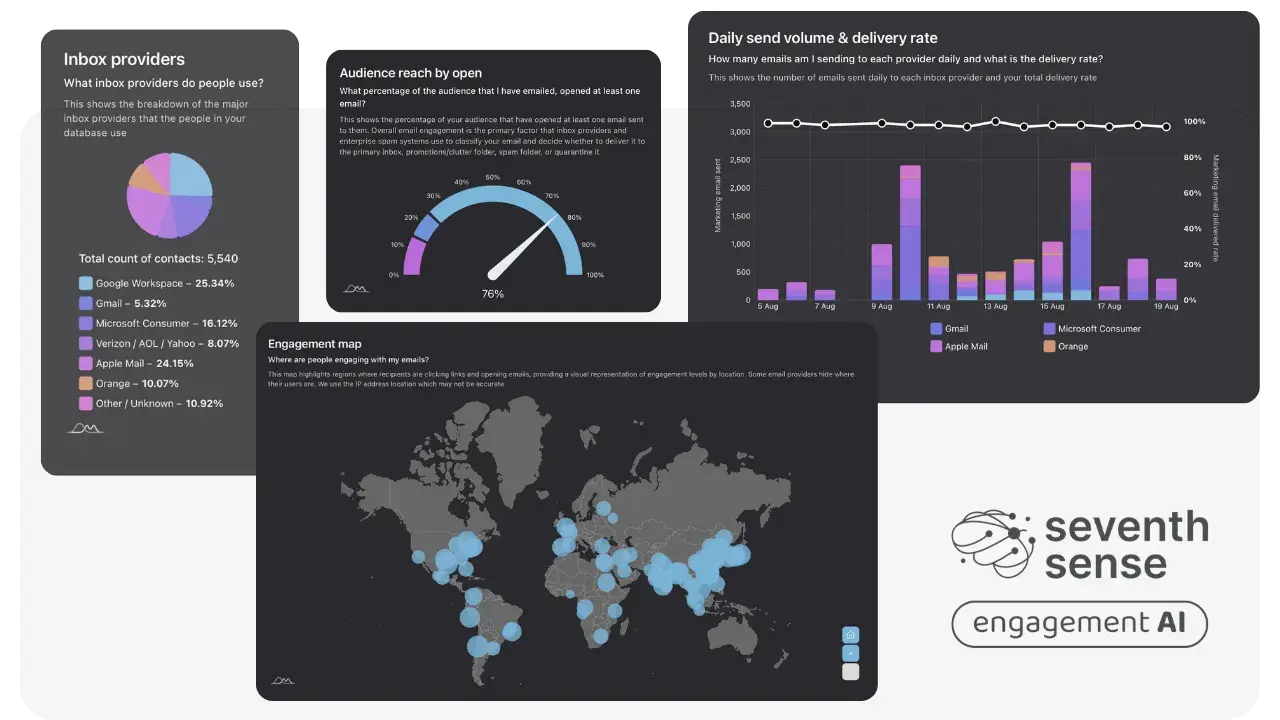
- Seventh Sense: A specialized platform focused exclusively on AI-driven send-time optimization. It analyzes individual contact engagement patterns to deliver emails at each recipient’s personal best time, integrating with existing email platforms.
- ActiveCampaign: Combines email marketing, CRM, and automation workflows. It uses engagement history to recommend optimized send times and manage message frequency within automated sequences, particularly useful for complex lifecycle campaigns.
-
For Deliverability and List Health:
- HubSpot Marketing Hub Analytics: Provides built-in email health monitoring, contact management, and engagement tracking. It helps teams maintain clean lists and compliant sending practices by tracking bounces, unsubscribes, and engagement trends.
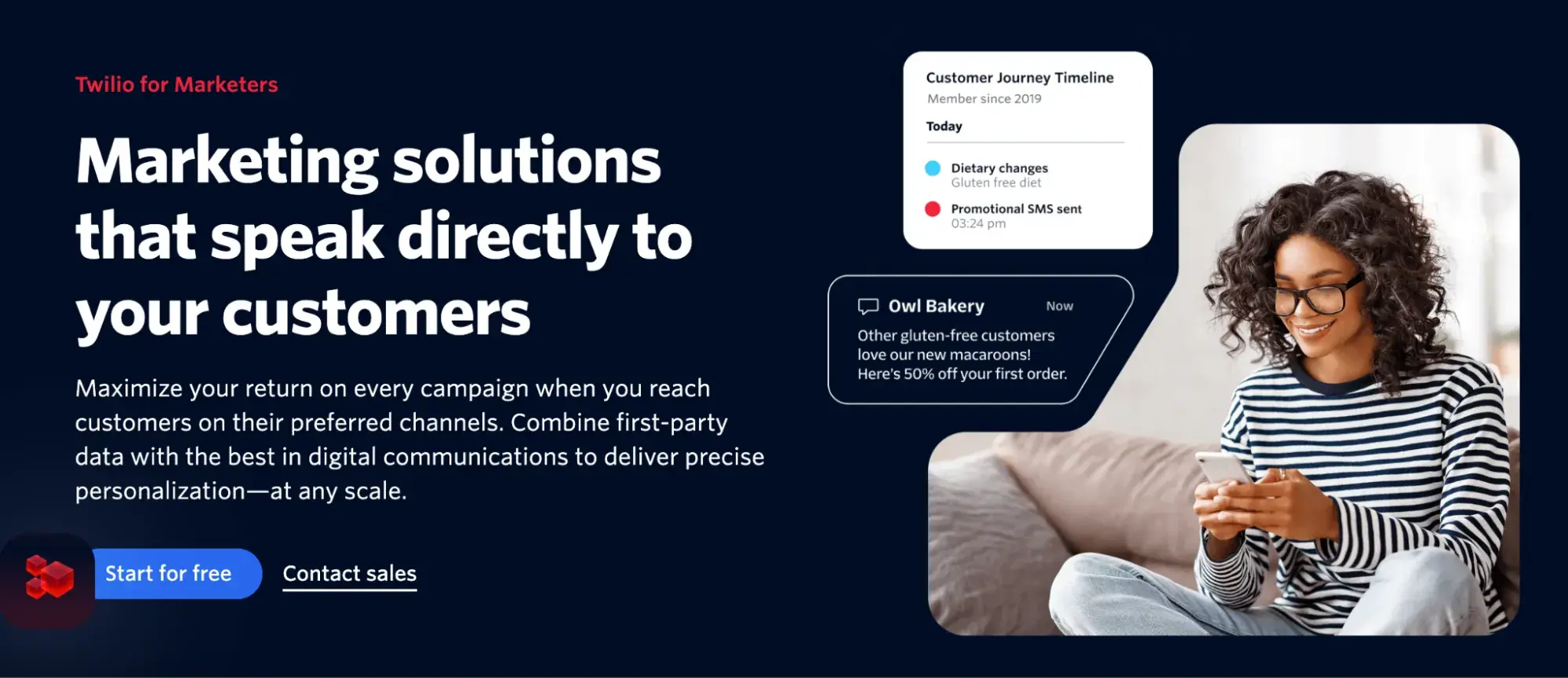
- SendGrid (Twilio): An email delivery platform renowned for its focus on deliverability performance and sender reputation management. It’s widely used for transactional and high-volume email, offering tools for monitoring inbox placement and spam complaints.
- Mailgun: An email delivery service for transactional messaging, validation, and inbox placement testing. It’s often employed by technical teams for managing infrastructure-level email delivery and maintaining sender reputation.
-
For Testing, Optimization, and Experimentation:
- HubSpot A/B Testing: Allows native A/B testing of subject lines, content, and other variables directly within the platform. Results are automatically tracked and connected to CRM data, providing actionable insights for optimization.
- Mailchimp: Offers built-in testing tools with AI-informed suggestions for subject lines, content, and send times. It helps teams compare results and prioritize elements for optimization based on engagement data.
-
For Lifecycle Automation and Workflows:
- HubSpot Marketing Hub Automation: Features a visual workflow builder that allows teams to design adaptive onboarding, nurture, re-engagement, and renewal sequences. Workflows leverage CRM data and customer behavior to dynamically adjust communication paths.
- Encharge: A marketing automation platform focused on behavioral, event-based lifecycle journeys. It allows SaaS and subscription businesses to trigger emails and campaigns based on specific user actions and product events, supporting highly responsive engagement flows.
-
For Analytics and Revenue Attribution:
- HubSpot Analytics: Provides comprehensive analytics and revenue attribution through its CRM-linked reporting. It ties email engagement directly to contact records, deals, and lifecycle stages, offering clear visibility into how email influences pipeline and revenue.
- Moosend: Offers AI-driven analytics that highlight campaign performance, segment engagement, and optimization opportunities. It provides insights and recommendations to improve results, making analytics accessible without requiring advanced expertise.
Strategic Considerations for AI Email Tool Adoption
Choosing the right AI email marketing tools is a strategic decision that hinges on several critical factors beyond just feature sets. Organizations must evaluate how well a platform aligns with their existing technological ecosystem, data maturity, and specific campaign objectives.
-
Seamless Integration: The cornerstone of effective AI email marketing is robust integration with the core CRM and other marketing technology stack components. Data silos hinder personalization and attribution, leading to fragmented customer experiences. Tools with native CRM connectivity, like HubSpot, tend to deliver more reliable personalization and reporting by centralizing customer data. Prioritizing tools that integrate effortlessly prevents manual workarounds and ensures data consistency across all touchpoints.
-
Data Governance and Privacy: The utilization of AI with personal data necessitates stringent data governance protocols and strict adherence to regulatory requirements such as GDPR, CCPA, and CAN-SPAM. Organizations must ensure that AI-generated content respects privacy, that data usage is transparent, and that consent management rules are meticulously followed. This requires robust approval workflows, permission-based segmentation, and regular audits of automated campaigns. Compliance responsibility ultimately rests with the sending organization, not the AI tool.
-
Measurable Return on Investment (ROI): While AI promises efficiency and improved performance, quantifying its ROI is crucial. Teams need to define clear success metrics beyond simple open or click rates, focusing on conversions, lead quality, and revenue generation. The chosen AI tools should offer comprehensive attribution models that link email activities to tangible business outcomes, enabling marketers to justify investments and optimize strategies based on financial impact.
-
Scalability and Future-Proofing: The AI landscape is rapidly evolving. The ideal tools should be scalable, capable of handling growing contact volumes and adapting to emerging AI capabilities. Investing in platforms that demonstrate continuous innovation ensures that an organization’s email marketing remains at the cutting edge and avoids obsolescence.
-
Human-in-the-Loop Philosophy: It is imperative to remember that AI augments, rather than replaces, human marketers. The most effective AI deployments maintain a “human-in-the-loop” approach, where AI handles repeatable execution and optimization, while human marketers retain control over strategy, brand voice, ethical considerations, and nuanced judgment calls. AI acts as a powerful co-pilot, enhancing productivity and enabling strategic focus.
Implications for Marketers and the Future of Email

The widespread adoption of AI in email marketing heralds a significant shift in marketing roles and skill sets. Marketers are moving away from laborious, repetitive tasks towards more strategic functions, focusing on creative direction, audience understanding, data interpretation, and ethical oversight of AI systems. This allows for greater innovation and a deeper focus on customer relationships.
The future of email marketing, powered by AI, promises unprecedented levels of personalization and contextual relevance. Emails will become less about broadcasting and more about hyper-individualized conversations, delivered at the precise moment of highest receptivity. This will lead to higher engagement, stronger customer loyalty, and more efficient resource allocation. As AI continues to advance, we can anticipate even more sophisticated capabilities, such as adaptive content creation that learns from individual preferences in real-time, and proactive journey optimization that anticipates customer needs before they arise.
Conclusion
Email marketing with AI tools represents a profound transformation, applying machine learning and generative AI across every stage of the campaign lifecycle. The most effective platforms are those that seamlessly connect these advanced capabilities to a centralized CRM, creating a unified ecosystem. This integration empowers marketers to personalize at an unprecedented scale, continuously optimize campaigns based on real-time data, and accurately attribute email engagement to tangible revenue outcomes.
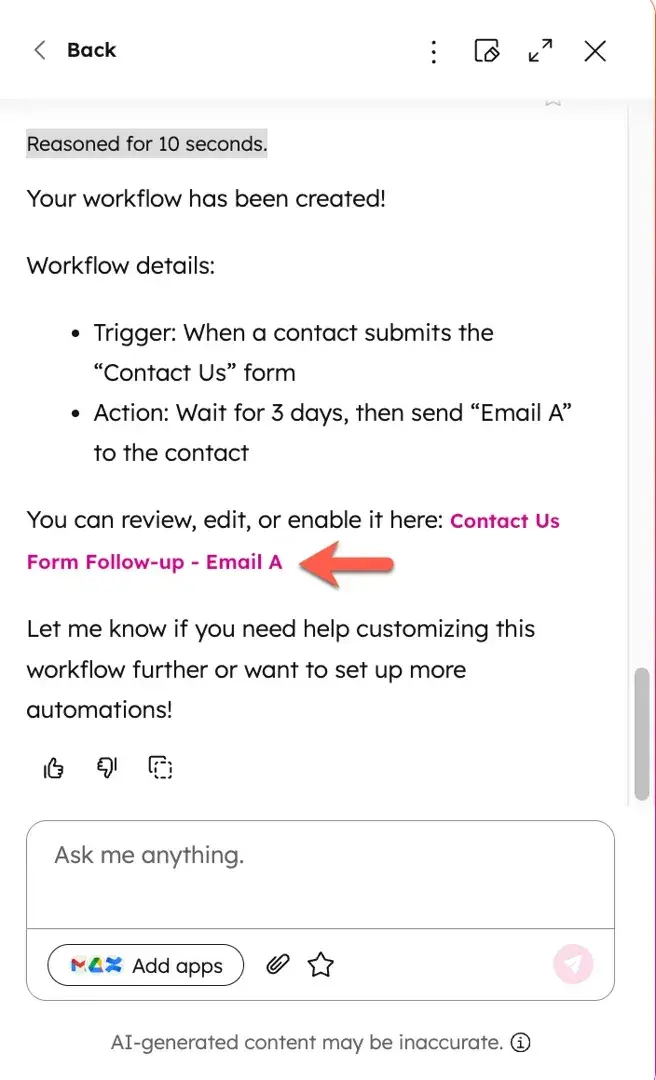
HubSpot, with its integrated AI-powered email creation, automation, analytics, and CRM data, exemplifies a comprehensive solution for many organizations. Its AI Email Writer and robust Email Marketing tools facilitate faster execution while ensuring campaigns are deeply connected to customer data and performance reporting. This level of integration is crucial for scaling email programs efficiently and avoiding the operational friction and data silos that plague fragmented tech stacks.
While HubSpot stands out as a strong contender due to its all-in-one approach and continuous innovation in AI features, the market offers a diverse array of powerful AI email marketing platforms. The optimal choice ultimately depends on an organization’s specific goals, existing infrastructure, budget, and appetite for technological integration. As the digital landscape continues its rapid evolution, evaluating tools based on their practical utility and strategic alignment, rather than succumbing to mere hype, remains the most reliable path to selecting the right solution for sustainable email marketing success.