The digital advertising landscape offers unprecedented power to marketers, enabling them to pinpoint and engage specific audiences across the globe with remarkable precision and ease of setup. This potent capability, accessible from virtually any internet-connected device, carries with it a significant responsibility. Even minor oversights in campaign configuration can lead to substantial financial losses, including tens of thousands of dollars in wasted ad spend and the forfeiture of valuable revenue opportunities. This heightened risk is particularly acute when managing critical campaign parameters such as budget caps, bid levels, landing page integrations, and creative variations. The challenge lies in striking an optimal balance: implementing robust checks and balances to prevent costly errors without creating an overly bureaucratic quality assurance (QA) process that delays campaign launches and creative refreshes.
Drawing from extensive experience in ad operations, platform campaign management, and account leadership roles, it has become evident that the most effective QA practices are those that pair experienced personnel with structured, pre-defined checklists. These checklists, tailored to the specific nuances of each campaign and platform, serve as a critical safeguard. While a universal template may not suffice, a foundational structure, adaptable to individual campaign needs, is essential for ensuring campaign integrity and performance.
The Strategic Imperative of a Well-Defined QA Framework
In the hyper-competitive digital advertising arena, precision is paramount. Platforms like Google Ads, Meta Ads, and programmatic DSPs (Demand-Side Platforms) offer granular targeting options, allowing advertisers to reach demographics, interests, behaviors, and even specific device users with remarkable accuracy. This sophistication, however, amplifies the potential impact of even small errors. A misplaced decimal in a bid, an incorrect URL in a landing page link, or a subtly flawed creative element can derail an entire campaign strategy.
Consider the financial implications. A single poorly configured campaign running for just 24 hours with a daily budget of $10,000 could result in $10,000 in wasted expenditure if it targets the wrong audience or fails to link correctly to the intended destination. Over a week, this could escalate to $70,000, a sum that can significantly impact a company’s bottom line and necessitate a reevaluation of marketing investment. This is precisely why a robust QA process is not merely a procedural step but a strategic imperative for any organization relying on digital advertising for growth.
Core Components of an Effective Digital Ad QA Process
The foundation of an effective digital advertising QA process rests on two pillars: experienced personnel and a comprehensive, yet agile, checklist. The individuals tasked with QA should possess a deep understanding of the advertising platforms being used, the client’s business objectives, and the specific nuances of the campaign in question. This ensures that they can identify not only obvious errors but also potential issues that might escape a less experienced reviewer.
A meticulously crafted checklist acts as a standardized guide, ensuring that no critical element is overlooked. While the specific items will vary, a typical checklist might include, but not be limited to, the following crucial areas:
- Campaign Objective Alignment: Does the campaign’s setup accurately reflect the stated business goals (e.g., lead generation, brand awareness, direct sales)?
- Budget and Bidding Strategy: Is the daily and total budget correctly set? Are bid strategies aligned with performance goals? Are there any unintended caps or limits?
- Targeting Parameters: Are audience segments, demographics, interests, and geographic locations accurately defined and exclusionary audiences correctly applied?
- Ad Creatives: Are all ad formats (text, image, video) uploaded correctly? Are they within platform specifications? Is the messaging consistent with brand guidelines?
- Landing Page Experience: Does the ad creative accurately represent the landing page content? Is the landing page URL correct? Does the landing page load quickly and correctly on various devices?
- Tracking and Analytics: Are conversion tracking pixels implemented correctly? Are UTM parameters properly appended to URLs for accurate attribution in analytics platforms like Google Analytics?
- Ad Scheduling and Placements: Is the ad running at the optimal times? Are placements aligned with target audience behavior?
- Ad Extensions and Assets: Are all relevant ad extensions (e.g., sitelinks, call extensions, location extensions) correctly configured and functional?
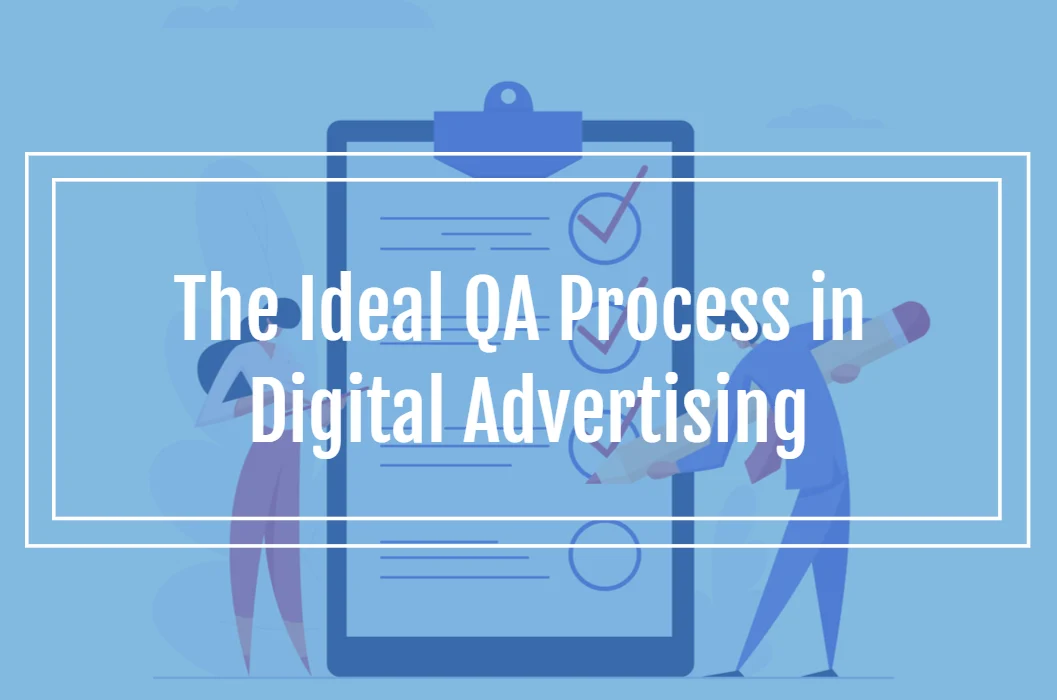
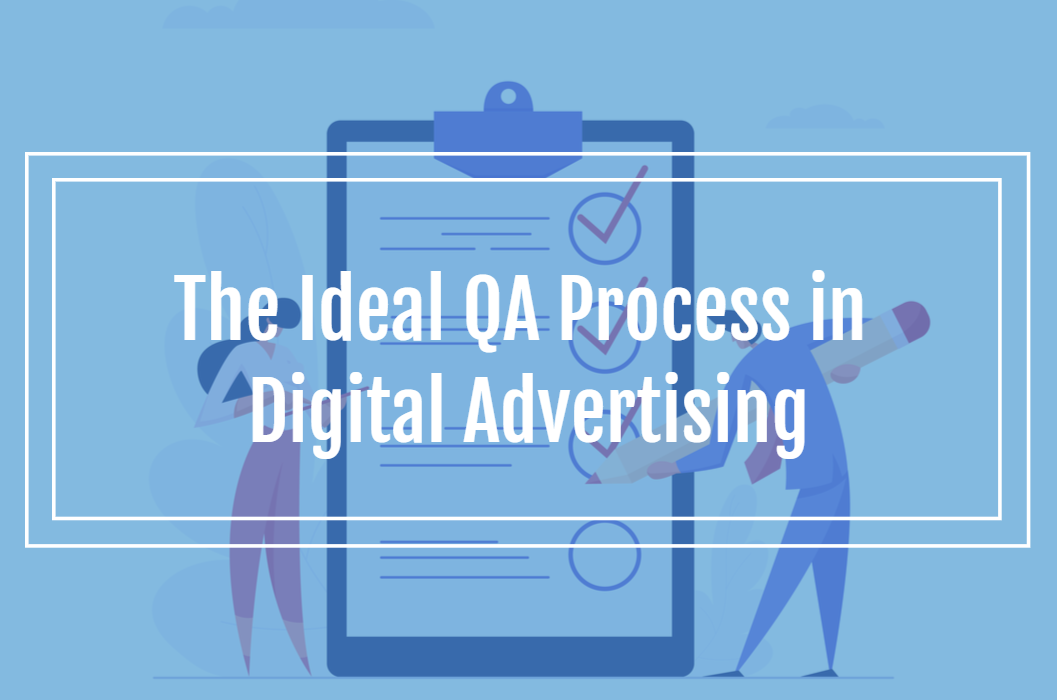
The image provided in the original context illustrates a visual representation of such a checklist, highlighting the systematic approach required. Such visual aids can be instrumental in ensuring that all necessary checks are performed methodically.
The Benefits of a Structured, Two-Tiered QA Approach
Implementing a structured QA process, ideally involving at least two sets of eyes, yields significant advantages. Firstly, it inherently reduces the likelihood of errors by introducing a second layer of scrutiny. Secondly, it distributes accountability, preventing the burden from falling solely on one individual and fostering a collaborative environment.
Task management platforms such as Asana, Trello, or Monday.com can be invaluable in this regard. These tools facilitate the creation of reusable QA templates, enabling teams to save time and ensure consistency across campaigns. Furthermore, they allow for the clear assignment of QA tasks to specific individuals, creating a transparent workflow and facilitating communication. For organizations seeking a more budget-friendly and flexible solution, spreadsheet-based systems, like Google Sheets, can also be highly effective for managing and tracking QA progress.
A particularly crucial, yet often overlooked, step involves a post-launch performance review. This typically occurs 24 to 48 hours after a campaign goes live. This checkpoint involves analyzing initial performance data, including clicks, impressions, and website sessions in Google Analytics. This “day-after” analysis is critical for catching subtle errors that might not have been apparent during pre-launch testing. For instance, an ad might appear to function correctly in a preview environment but fail to redirect users to the landing page upon live deployment. Such an issue, if not caught promptly, can lead to substantial financial losses. A post-launch review acts as a vital safety net, identifying and rectifying these misconfigurations before they escalate into significant budget drains. This proactive approach ensures that campaigns are not only launched correctly but are also performing as intended from the outset.
The Perils of Over-Complication: When QA Becomes a Bottleneck
While rigorous QA is essential, there is a distinct risk of over-engineering the process, transforming it from a protective measure into a significant impediment. The addition of a third or even fourth reviewer, while seemingly increasing thoroughness, can often prove counterproductive. In many scenarios, this additional reviewer may lack the intimate knowledge of the specific account or campaign that the primary QA personnel possess. This can lead to two undesirable outcomes:
- Increased Time Consumption: The third reviewer, lacking deep context, may ask numerous clarifying questions to the initial reviewers. This diverts their attention from their primary responsibilities and adds considerable time to the QA process without necessarily uncovering new issues.
- Superficial Review: Conversely, the third reviewer, feeling the pressure of being the final gatekeeper and potentially overwhelmed by the nuances, might simply rubber-stamp the campaign for approval, assuming that the preceding checks were sufficient. This can create a false sense of security while leaving potential errors undetected.
In such cases, the incremental benefit of an additional reviewer is minimal, while the cost in terms of delayed launches and increased operational overhead is substantial. The goal is to achieve an optimal balance, where thoroughness is maintained without sacrificing agility.
Continuous Improvement and Adaptability in QA
Mistakes are an inevitable part of any complex operational process. The true measure of an effective QA system lies not in its ability to prevent all errors, but in its capacity to learn from them and adapt. When an error does occur, it should trigger a review of the QA process itself. This involves:
- Identifying the Root Cause: Understanding precisely why the mistake happened is crucial. Was it a gap in the checklist? A lack of training? A system glitch?
- Updating the Checklist: If the error stemmed from an oversight that could have been caught by a checklist item, that item should be added or refined. This ensures that the same mistake is less likely to occur in the future.
- Reinforcing Training: If the error was due to a misunderstanding or lack of knowledge, additional training or resources should be provided to the team.
This iterative approach fosters continuous improvement and builds confidence within the team that all necessary checks are in place and that campaigns are being managed with the utmost care and precision. By embedding a culture of learning and adaptation into the QA framework, organizations can not only mitigate financial risks but also enhance overall campaign performance and build stronger trust with stakeholders. The sophisticated tools available in digital advertising demand an equally sophisticated and adaptable approach to quality assurance, ensuring that the immense power they offer is harnessed responsibly and effectively.

 Basiran
 Lina Irawan