
In an era where consumer attention is fragmented across dozens of digital touchpoints, the transition toward holistic marketing has moved from a strategic advantage to an operational necessity. Holistic marketing, a concept that necessitates the total alignment of every business department—from sales and customer service to operations and marketing—to deliver a singular, unified brand message, is currently reshaping how enterprises manage their growth, particularly within the affiliate marketing sector. Unlike traditional marketing frameworks, where channels such as social media, email, and affiliate partnerships are managed as isolated silos, the holistic approach recognizes that every customer interaction contributes to a cumulative brand perception. By integrating these disparate elements, businesses are finding they can foster deeper trust, drive sustainable growth, and create a seamless buyer journey that exceeds modern consumer expectations.
The Structural Shift: From Siloed Operations to Unified Ecosystems
Historically, marketing departments operated under a “multi-channel” approach where different teams competed for budget and pursued localized KPIs. However, the rise of the “omnichannel” consumer has rendered this model obsolete. Holistic marketing serves as the corrective framework, ensuring that all marketing activities and materials contribute to a cohesive brand image. This strategy acknowledges that a customer may encounter a brand first through an affiliate’s blog, then through a social media ad, and finally via a customer service inquiry. If the messaging, tone, or value proposition fluctuates across these touchpoints, the resulting cognitive dissonance erodes brand equity.
For companies managing affiliate marketing programs, this integration is vital. Affiliates act as external brand ambassadors; if they are provided with messaging that contradicts the company’s internal values or its primary advertising campaigns, the program’s conversion rates inevitably suffer. A holistic strategy ensures that affiliates are equipped with the same core values, visual assets, and unique selling propositions (USPs) as the internal sales team, creating a “force multiplier” effect in the marketplace.
The Four Dimensions of the Holistic Framework
To implement a holistic strategy effectively, organizations must address four primary dimensions: internal marketing, relationship marketing, societal marketing, and integrated marketing. Each dimension represents a critical pillar in the construction of a resilient brand identity.
1. Internal Marketing: The Employee as a Brand Advocate
Internal marketing focuses on the premise that a company’s employees are its first and most important customers. This dimension involves engaging staff across all levels—from HR and operations to web development—to ensure they understand and embody the company’s vision and values. When employees believe in the product they are building or the service they are supporting, their performance improves, and their interactions with external stakeholders become more authentic. In the context of affiliate management, an internal team that is fully aligned with the brand’s goals is better equipped to support partners, resolve disputes, and optimize campaigns.
2. Relationship Marketing: Building Long-Term Value
This dimension shifts the focus from transactional gains to the cultivation of long-term, mutually beneficial relationships. In a holistic model, the goal is not merely to complete a sale but to transform a buyer into a brand advocate. This philosophy extends to business partners, including wholesalers, suppliers, and affiliates. By treating affiliates as long-term partners rather than temporary lead generators, companies can increase the “Lifetime Value” (LTV) of both the partner and the customers they refer.

3. Societal Marketing: Ethics and Social Responsibility
Modern consumers, particularly Millennials and Gen Z, increasingly favor brands that demonstrate social responsibility. Societal marketing involves incorporating ethical practices and community support into the brand’s core identity. Whether through environmental sustainability initiatives, charitable donations, or supporting local events, these actions enhance a company’s reputation. Furthermore, these initiatives provide rich content for PR and social media, allowing affiliates to promote the brand not just on price or features, but on shared values.
4. Integrated Marketing: Synchronizing the Message
Integrated marketing ensures that all communication channels—advertising, sales promotion, public relations, and direct marketing—work together. This synchronization prevents the “brand dilution” that occurs when a product is marketed as a luxury item on one platform and a discount item on another. Consistency in logos, fonts, colors, and core messaging is the hallmark of this dimension.
The Role of Data-Driven Decision Making in Holistic Strategy
The success of a holistic marketing plan is increasingly dependent on the sophisticated use of data and analytics. In a unified ecosystem, data is not just used to measure the success of a single campaign but to understand the entire customer journey. By analyzing how different channels interact, businesses can identify which touchpoints are most effective at moving a customer through the sales funnel.
For affiliate programs, data-driven holistic marketing allows for “Attribution Modeling” that goes beyond the “last-click” philosophy. When a company understands how its social media presence supports its affiliates, and how its customer service ratings impact affiliate retention, it can allocate resources more efficiently. This high-level view enables the optimization of marketing spend and ensures that every dollar invested contributes to the overarching business goals.
Chronology of Marketing Evolution: The Path to Holistic Integration
The journey toward holistic marketing has been marked by several key eras in business history:
- The Production Era (Pre-1920s): Focus was entirely on manufacturing efficiency; marketing was an afterthought.
- The Sales Era (1920s–1950s): Characterized by aggressive promotion and “push” tactics as competition increased.
- The Marketing Concept Era (1950s–1990s): Companies began to focus on customer needs, leading to the development of the “4 Ps” (Product, Price, Place, Promotion).
- The Integrated Marketing Era (1990s–2010s): The first attempts to coordinate messaging across different media channels emerged.
- The Holistic Era (2010s–Present): The current phase, where digital transformation has made total organizational alignment and societal impact central to business survival.
Case Study: Apple Inc.’s Holistic Benchmark
Apple Inc. stands as the gold standard for holistic marketing implementation. The company’s success is not merely the result of innovative hardware but a meticulously coordinated brand ecosystem. Apple’s internal marketing ensures that every employee, from the retail “Genius” to the software engineer, is an expert on the brand’s “Think Different” ethos.
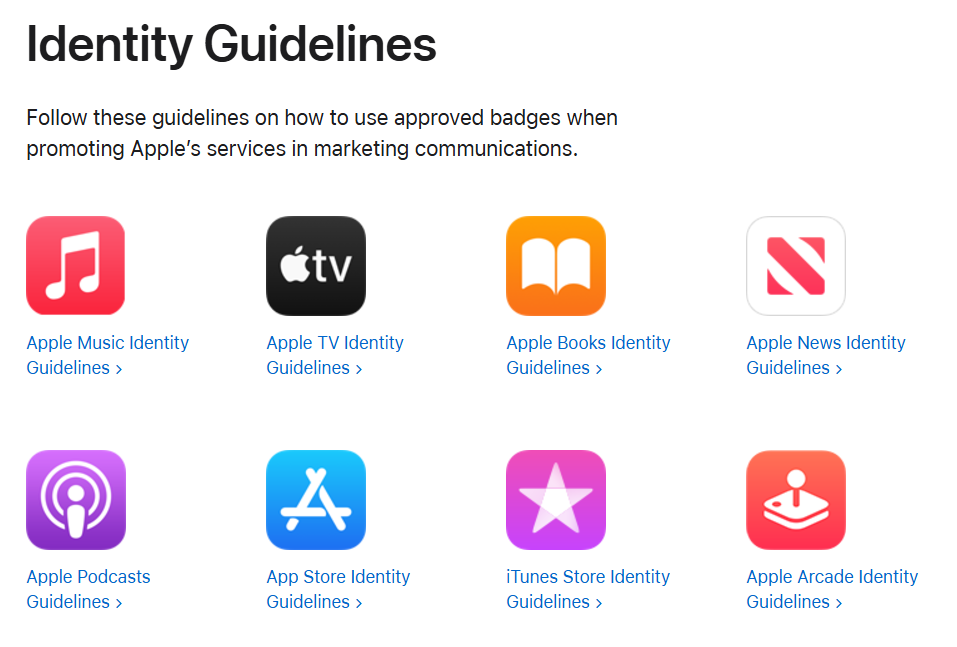
Their “Services Performance Partners Program” (their version of an affiliate program) reflects this holistic approach. Apple provides affiliates with strict guidelines and high-quality creative assets to ensure that any promotion of Apple Music or Apple TV+ feels identical to an official Apple advertisement. Furthermore, Apple’s commitment to societal marketing—focused on privacy, education, and environmental protection—is woven into their homepage and product launches. By donating a portion of purchases to global funds or highlighting their carbon-neutral goals, Apple creates a brand narrative that affiliates are proud to endorse, and customers are eager to support.
Broader Implications for Affiliate Program Growth
For businesses looking to scale their affiliate marketing efforts, the holistic approach offers a distinct competitive advantage. Professional affiliates—those who generate the highest volume of high-quality traffic—are selective about the brands they promote. They look for companies with:
- High Conversion Rates: Driven by a seamless, customer-centric checkout journey.
- Brand Authority: Established through consistent messaging and strong societal standing.
- Reliable Infrastructure: Supported by integrated data and clear communication.
When an affiliate sees that a brand is consistent across social media, PR, and its own website, they gain confidence that their referred traffic will be treated well, leading to higher commissions and a more stable partnership. This creates a “snowball effect” where the brand attracts better affiliates, which in turn drives more sales and provides more data for further optimization.
Future Projections: AI, Sustainability, and the Trust Economy
As we look toward the end of the decade, the integration of Artificial Intelligence (AI) will further refine holistic marketing. AI can help maintain brand consistency by automatically auditing affiliate content or personalizing customer journeys at scale without losing the core brand voice. Additionally, the “Trust Economy” will continue to expand, making the societal marketing dimension even more critical. Companies that fail to align their internal operations with their external ethical claims will face “cancel culture” and a loss of affiliate support.
The future of holistic marketing also involves embracing immersive technologies like Augmented Reality (AR) and Virtual Reality (VR). As these technologies become mainstream, maintaining a unified brand experience across virtual and physical worlds will be the next frontier for marketing departments.
Conclusion: Implementation through Communication and Teamwork
The transition to a holistic marketing strategy is not a one-time event but a continuous process of refinement. It requires breaking down the “fiefdoms” within a corporation and fostering a culture of radical transparency and teamwork. Marketing teams must see themselves as pieces of a single puzzle, where the success of the affiliate program is inextricably linked to the success of the customer service department and the PR team.
By defining SMART goals (Specific, Measurable, Attainable, Relevant, and Time-bound), understanding the target audience through deep research, and optimizing every touchpoint based on data, businesses can move beyond fragmented tactics. In the hyper-competitive marketplace of 2025 and beyond, holistic marketing is the definitive path to building a brand that is not only profitable but also resilient, respected, and enduring.