The global software development landscape has undergone a seismic shift as artificial intelligence has transitioned from a novel experimentation phase into the fundamental infrastructure of the modern workflow. In 2026, the primary challenge for engineering teams is no longer gaining access to powerful large language models (LLMs), but rather selecting and integrating the specific tools that offer the highest degree of utility and reliability. As the market reaches a point of saturation with “AI-wrapped” applications, a distinct tier of professional-grade engineering tools has emerged to define the current era of high-velocity development. These tools have moved beyond simple text generation, evolving into sophisticated agents capable of autonomous reasoning, multi-step execution, and deep integration into the developer’s local environment.

The Shift from Assistive to Agentic Development
The transition from 2023 to 2026 marked the “Agentic Turn” in software engineering. Early AI tools functioned primarily as sophisticated autocomplete engines, providing snippets of code or debugging advice upon request. However, the current generation of tools operates as “engineering partners.” This shift is characterized by the rise of AI-native Integrated Development Environments (IDEs) and terminal-based agents that do not merely suggest code but actively manage repositories, execute tests, and refactor entire architectures.
Industry data from the first half of 2026 suggests that teams utilizing agentic workflows have seen a 40% reduction in time-to-market for new features, alongside a significant decrease in technical debt. The following analysis explores the ten most influential tools and frameworks currently shaping this high-efficiency landscape, categorized by their role in the modern development lifecycle.
1. Cursor: The Dominance of AI-Native IDEs
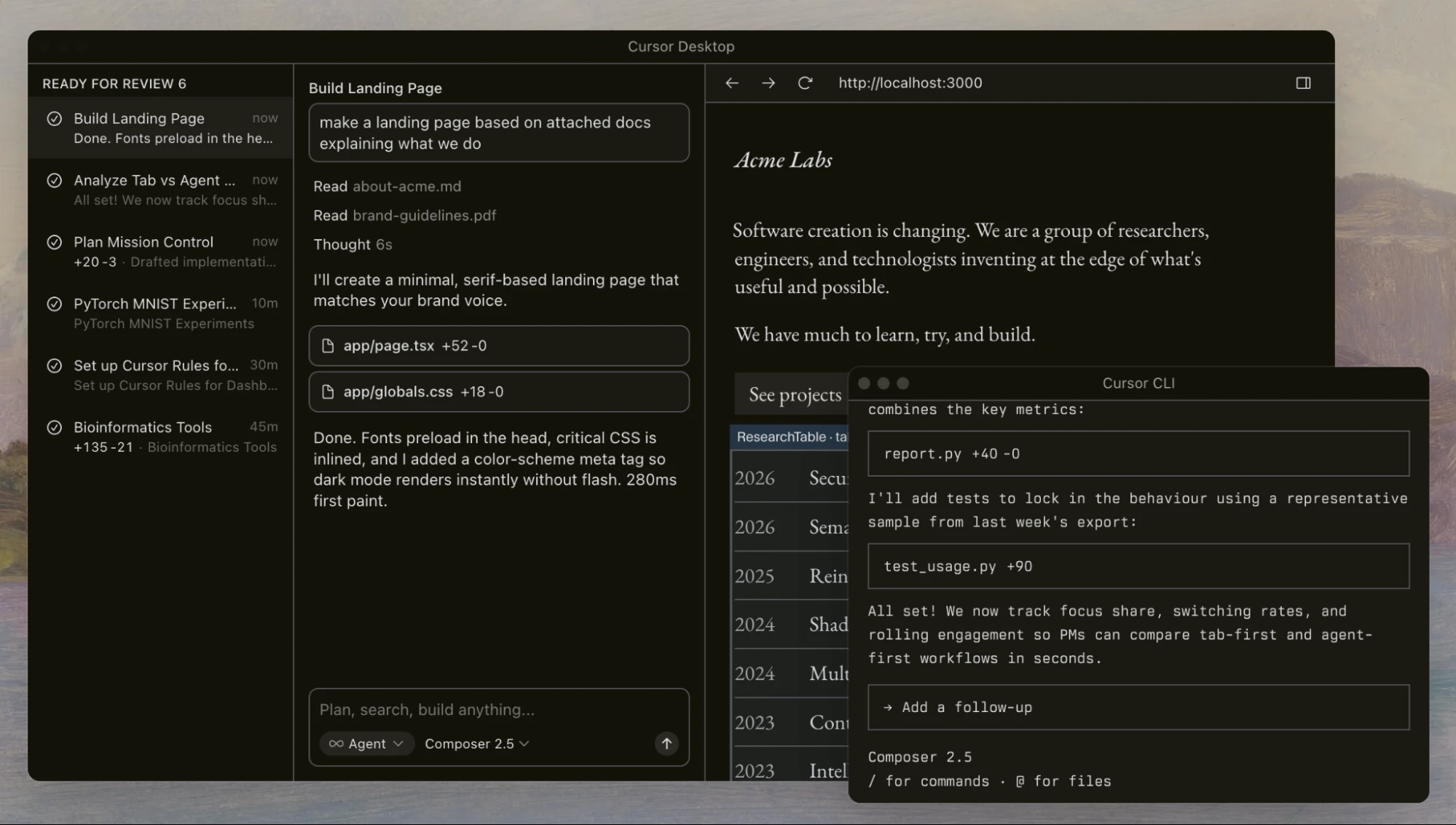
Cursor has solidified its position as the premier AI-native IDE, effectively challenging the long-standing dominance of general-purpose editors like VS Code. While traditional IDEs rely on third-party extensions to provide AI functionality, Cursor was built from the ground up with a deep integration layer that allows the model to “see” and “understand” the entire codebase simultaneously.
In 2026, Cursor’s popularity stems from its ability to perform “repository-wide indexing.” By creating a semantic map of a project, the IDE allows developers to use natural language to navigate complex logic, find obscure dependencies, and implement changes that propagate correctly across multiple files. The tool’s “Composer” feature, which enables the generation of multi-file features from a single prompt, has become a standard requirement for rapid prototyping in agile environments.
2. DeepSeek: The Open-Source Reasoning Powerhouse
The rise of DeepSeek represents a pivotal moment in the democratization of high-performance AI. As a leading open-source reasoning model, DeepSeek has proven that proprietary models from industry giants are no longer the only option for complex engineering tasks. Its specialized focus on logical reasoning and mathematical synthesis has made it a favorite for backend developers and data scientists.
DeepSeek’s impact on the industry is twofold: it provides a cost-effective alternative to expensive API-based models and offers transparency that enterprise clients increasingly demand. By allowing organizations to host and fine-tune models on their own infrastructure, DeepSeek addresses the persistent concerns regarding data privacy and intellectual property that hindered AI adoption in the mid-2020s.

3. Claude Code: The Rise of Terminal-Based Autonomy
Anthropic’s Claude Code has emerged as the definitive tool for developers who prioritize speed and precision within the Command Line Interface (CLI). Unlike GUI-based assistants, Claude Code operates directly within the terminal, allowing it to execute shell commands, run test suites, and analyze git histories autonomously.
This tool marks the evolution of the “Coding Agent.” Rather than a developer copying and pasting code from a browser, they can now instruct Claude Code to “fix all failing tests in the authentication module.” The agent then analyzes the logs, identifies the bug, applies the fix, and verifies the solution—all within the developer’s local environment. This level of autonomy has fundamentally changed the role of the senior engineer from a “writer of code” to a “reviewer of agentic output.”
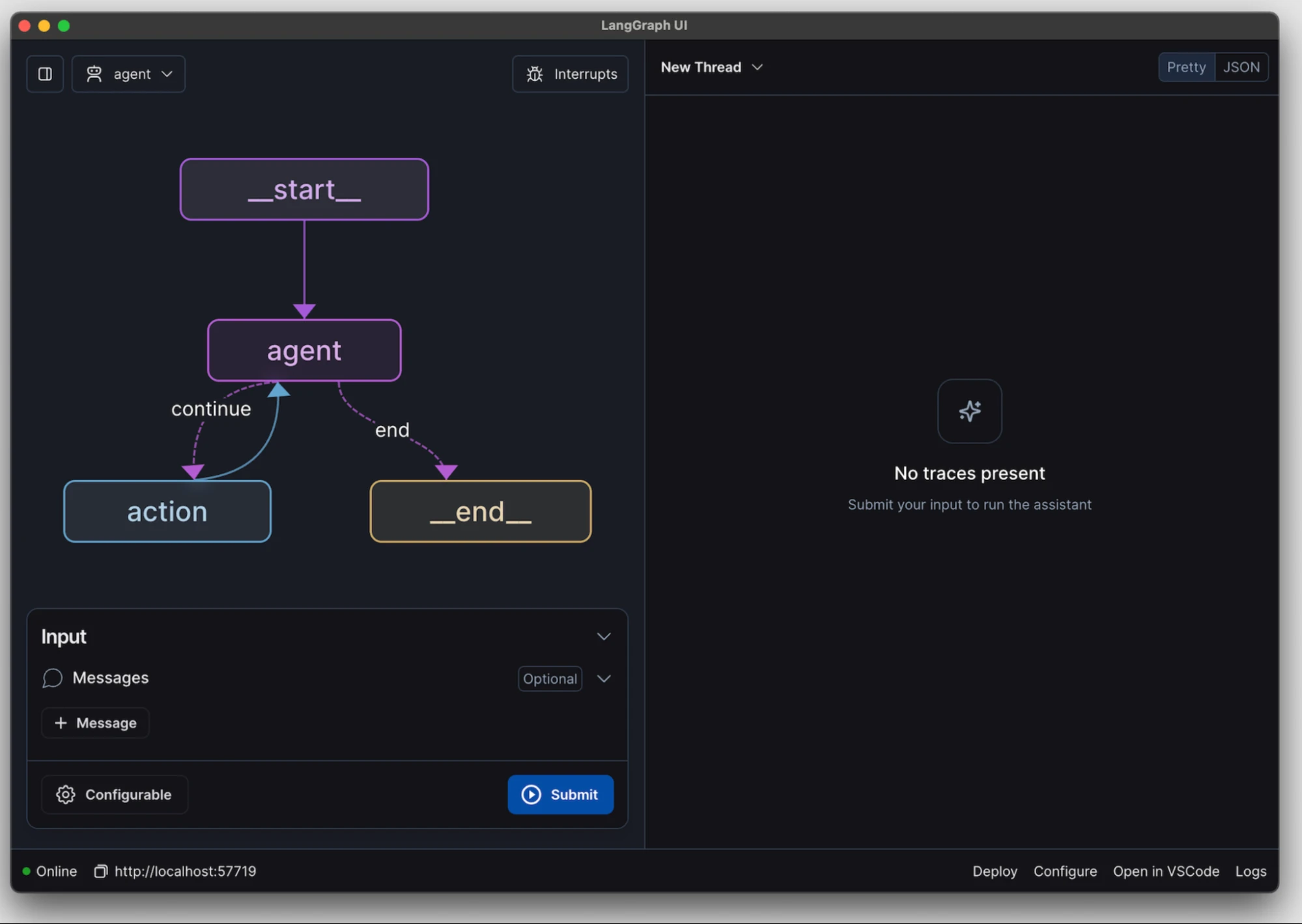
4. LangGraph: Orchestrating Complex Agent Workflows
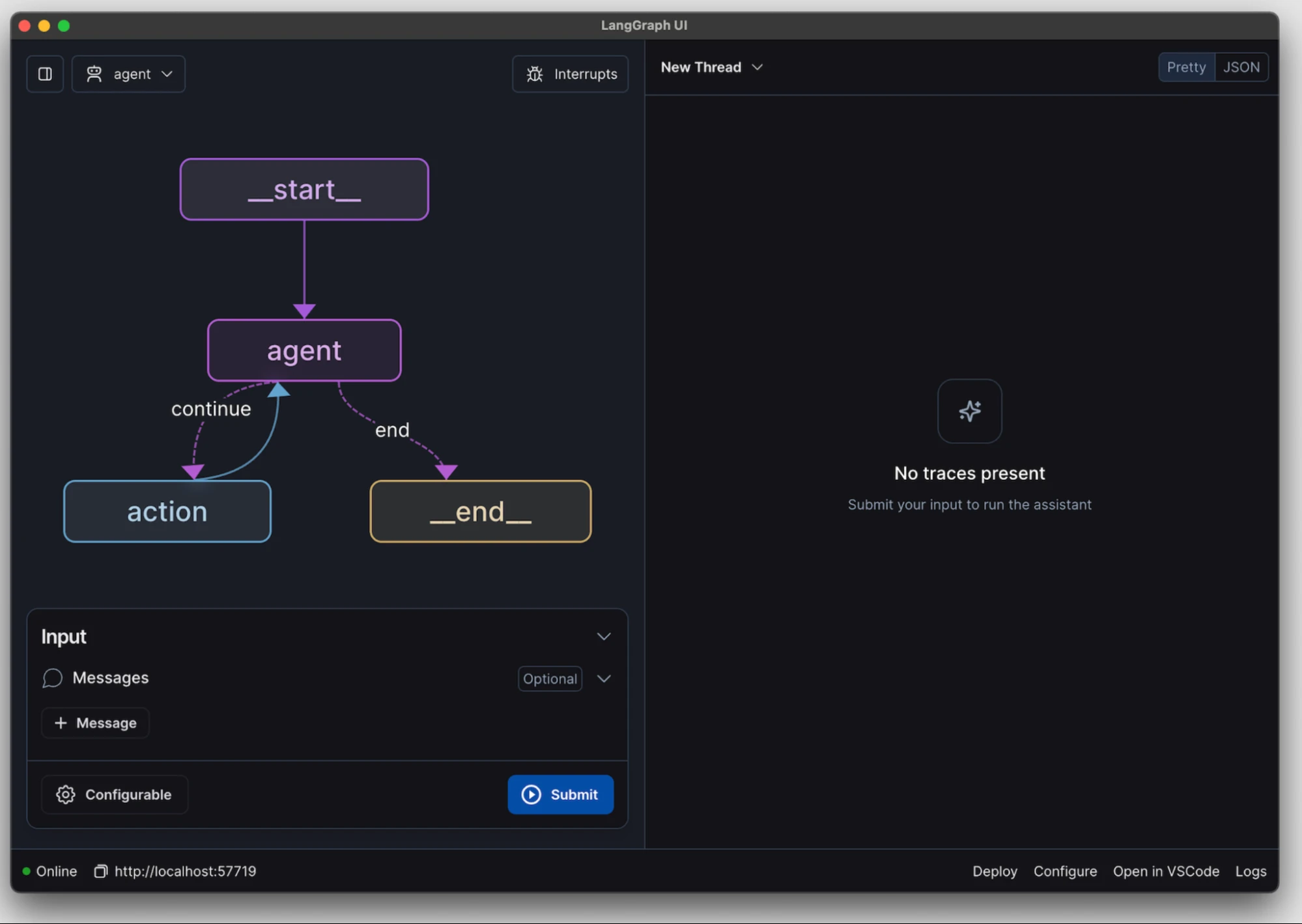
As AI systems have become more complex, the need for robust orchestration frameworks has grown. LangGraph, built by the creators of LangChain, has become the industry standard for developing stateful, multi-agent applications. It allows developers to create “loops” and “branching logic” that were previously difficult to manage in standard linear chains.
In 2026, LangGraph is used to build “AI Squads”—systems where multiple specialized agents work together. For example, one agent might focus on security auditing, another on performance optimization, and a third on documentation, all coordinated through a central LangGraph workflow. This modular approach to AI engineering allows for the creation of highly resilient and scalable autonomous systems.
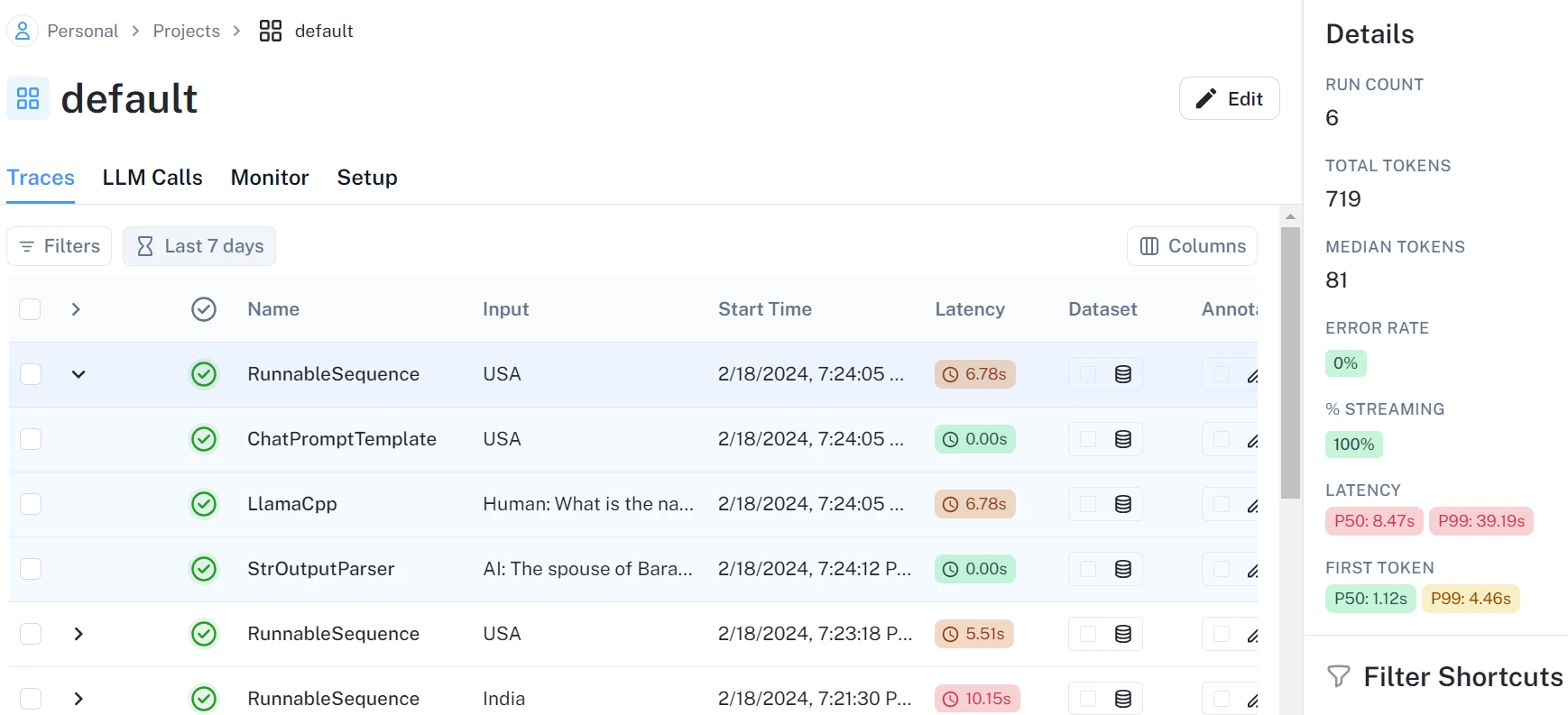
5. LangSmith: The Standard for LLM Observability
With the proliferation of AI agents in production, “observability” has become a critical concern for CTOs. LangSmith has filled this gap by providing a comprehensive platform for tracing, debugging, and evaluating LLM applications. It provides granular insights into how an agent reached a specific decision, making it possible to identify bottlenecks or “hallucination” points in complex workflows.
The platform’s importance is highlighted by the increasing regulatory pressure on AI transparency. LangSmith allows companies to maintain an audit trail of AI interactions, ensuring that automated decisions can be explained and corrected if necessary. This level of oversight is essential for AI adoption in regulated sectors such as finance and healthcare.
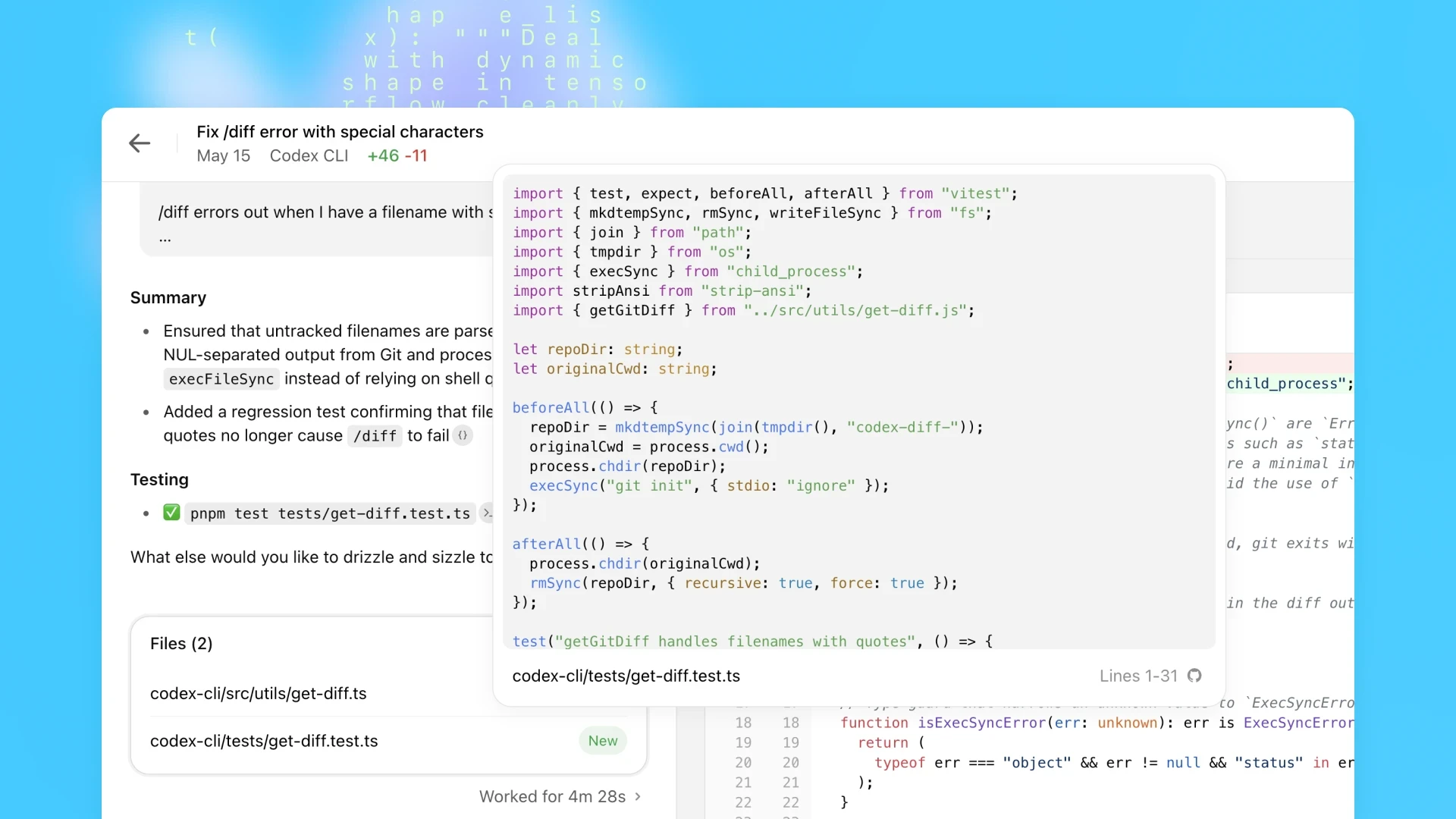
6. OpenAI Codex: The Continued Evolution of Code Synthesis
OpenAI Codex remains a foundational pillar of the AI engineering world. Having powered the initial wave of AI coding assistants, Codex has evolved into a highly specialized engine capable of handling an exhaustive range of programming languages and frameworks. Its deep integration with the broader OpenAI ecosystem allows developers to leverage multimodal capabilities—such as generating code from UI screenshots or architectural diagrams.
7. Hugging Face Transformers: The Backbone of Open-Source AI
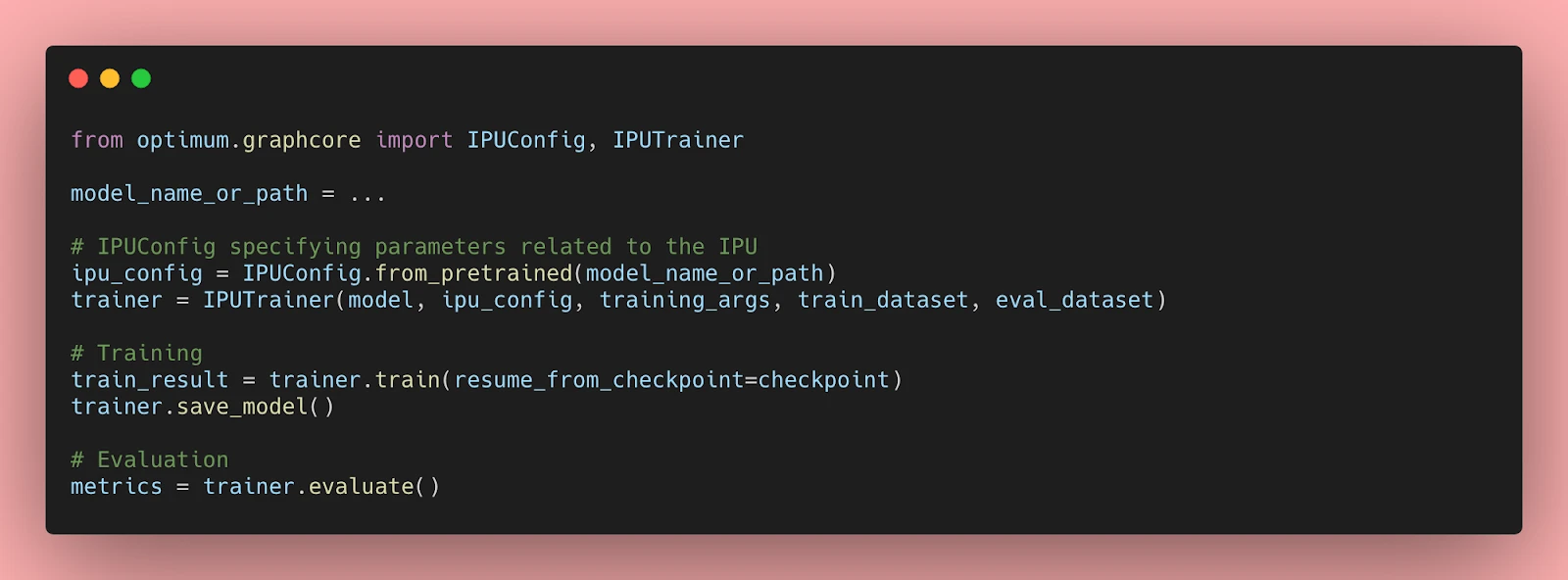
Hugging Face continues to serve as the “GitHub of AI.” The Transformers library remains the most critical resource for developers looking to experiment with, fine-tune, or deploy open-source models. In 2026, the platform has expanded to include sophisticated deployment pipelines and “AutoTrain” features that allow even small teams to create custom models tailored to their specific proprietary datasets.
8. Model Context Protocol (MCP): The Interoperability Breakthrough
Perhaps the most significant technical development of 2026 is the widespread adoption of the Model Context Protocol (MCP). Developed as an open standard, MCP allows AI models to connect seamlessly with external tools, APIs, and databases regardless of the underlying architecture.
Before MCP, integrating an AI agent with a company’s internal database or a third-party tool like Jira required custom, brittle integrations. MCP provides a “plug-and-play” layer, allowing an agent to instantly understand the capabilities and data structures of any connected system. This standardization has accelerated the creation of “connected agents” that can perform real-world tasks like updating project timelines or querying live financial data.
9. Azure AI Foundry: Enterprise-Grade Governance
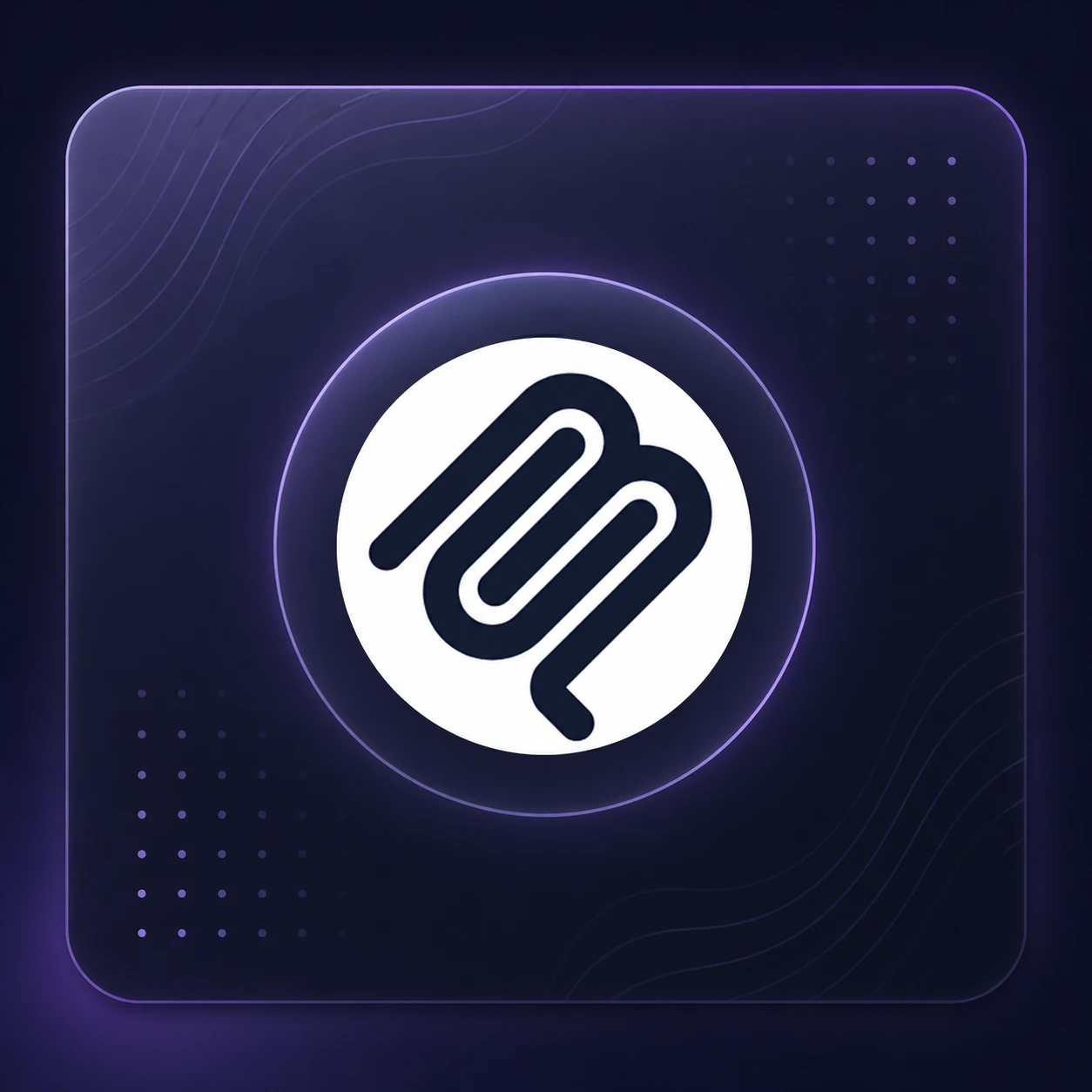
For large-scale enterprises, Microsoft’s Azure AI Foundry has become the ecosystem of choice. It provides a unified platform that combines model management, security, and governance. As companies move past the “pilot” phase of AI, the Foundry offers the necessary tools to scale applications across thousands of users while maintaining strict compliance with global data protection laws. Its “Safety Evaluation” features, which automatically test models for bias and toxicity, have become a benchmark for responsible AI development.
10. DeepEval: The Benchmark for Reliability
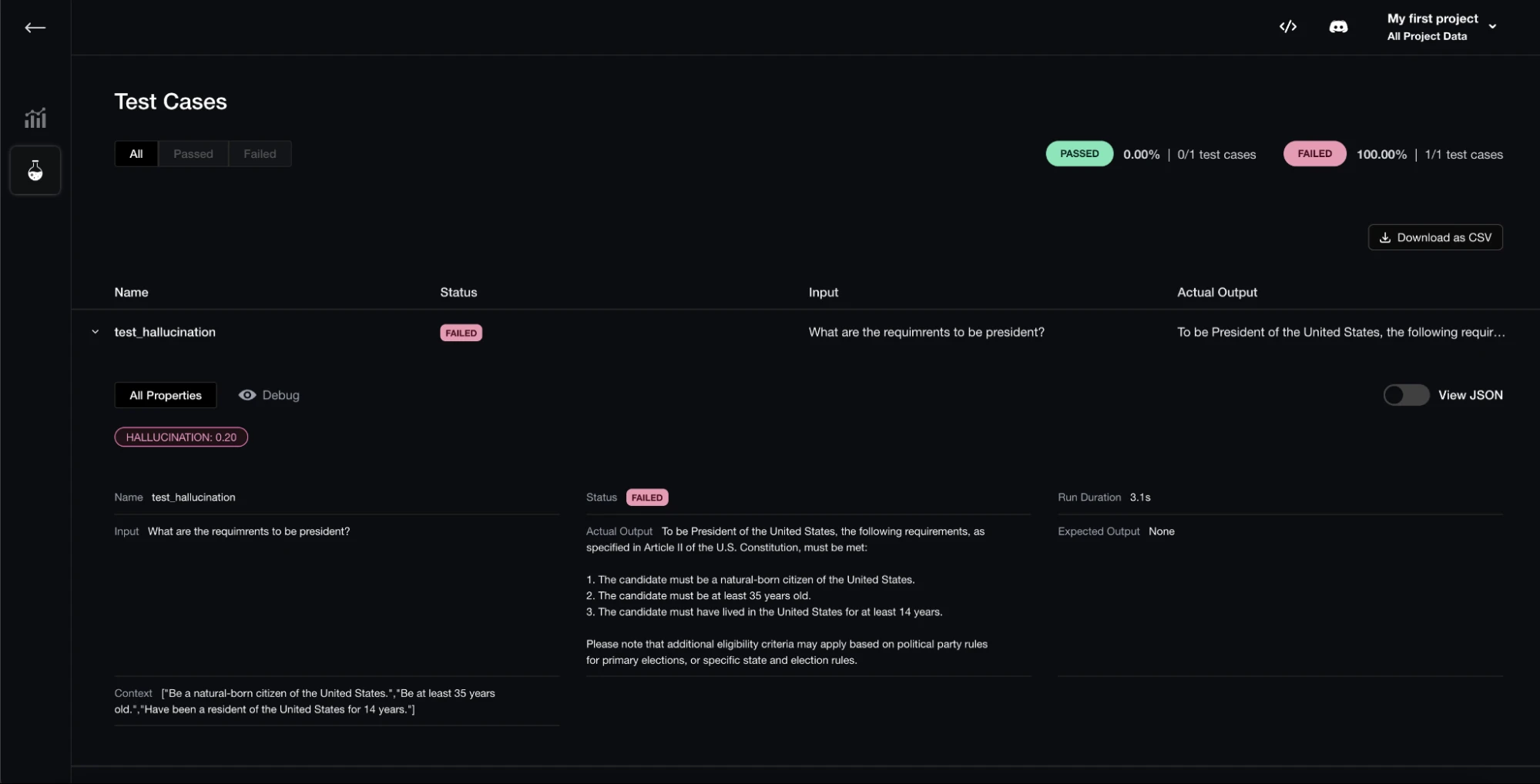
As organizations increasingly rely on AI for mission-critical tasks, the “vibes-based” evaluation of AI output is no longer sufficient. DeepEval has emerged as the leading framework for quantitative LLM testing. It allows developers to run “unit tests” on their AI agents, measuring metrics such as faithfulness, relevancy, and hallucination rates. By integrating DeepEval into their Continuous Integration/Continuous Deployment (CI/CD) pipelines, engineering teams can ensure that model updates do not degrade the performance of their applications.
Chronology of Development: 2022–2026
To understand the current state of the industry, one must look at the rapid progression of the last four years:
- 2022-2023: The “Discovery Phase.” Introduction of ChatGPT and GitHub Copilot. AI is used primarily for simple code completion and chat-based assistance.
- 2024: The “Framework Phase.” The rise of LangChain and early agentic experiments. Developers begin to realize that “prompting” is only one part of the equation.
- 2025: The “Integration Phase.” The launch of MCP and the refinement of AI-native IDEs. AI starts moving from the browser into the local development environment.
- 2026: The “Autonomous Phase.” AI agents become capable of executing complex, multi-step engineering tasks with minimal human intervention.
Broader Impact and Industry Implications
The implications of this 2026 toolset extend far beyond individual productivity. We are witnessing a fundamental restructuring of the software engineering profession. The “Junior Developer” role has been transformed; entry-level engineers are now expected to be “Agent Orchestrators,” overseeing the output of multiple AI tools rather than writing boilerplate code manually.
Furthermore, the barrier to entry for building complex software has dropped significantly. A single “Full-Stack AI Engineer” can now accomplish what previously required a team of five. However, this has also raised the stakes for security and quality control. As code is generated at an unprecedented scale, the tools for observability (LangSmith) and evaluation (DeepEval) have become as important as the models themselves.
In conclusion, the AI engineering landscape of 2026 is defined by a move toward professionalization, autonomy, and standardization. Tools like Cursor, Claude Code, and the Model Context Protocol are not just making developers faster; they are redefining what it means to build software in the 21st century. For those in the field, the mandate is clear: mastery of these agentic tools is no longer an optional skill—it is the prerequisite for relevance in the new digital economy.