

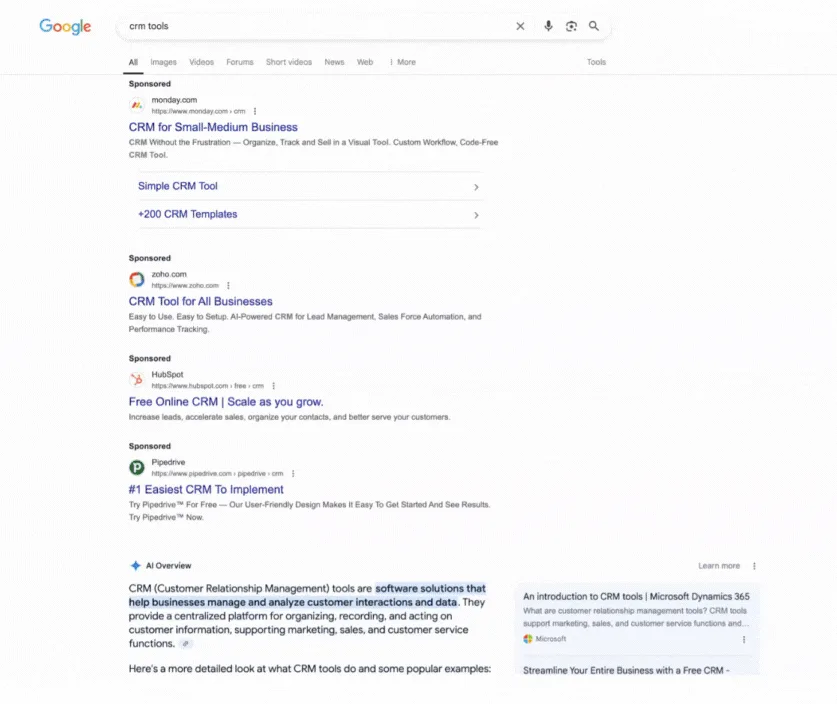
The digital landscape is currently undergoing its most significant transformation since the inception of the commercial web, as the focus of online discovery shifts from traditional search engine algorithms to Large Language Models. AI Search Optimization, commonly referred to as AIO or AISO, has emerged as the definitive practice for making brand content extractable by models like ChatGPT, Claude, and Gemini. This transition represents a fundamental move away from keyword-centric strategies toward a model based on brand embedding and semantic authority across a vast ecosystem of digital sources.

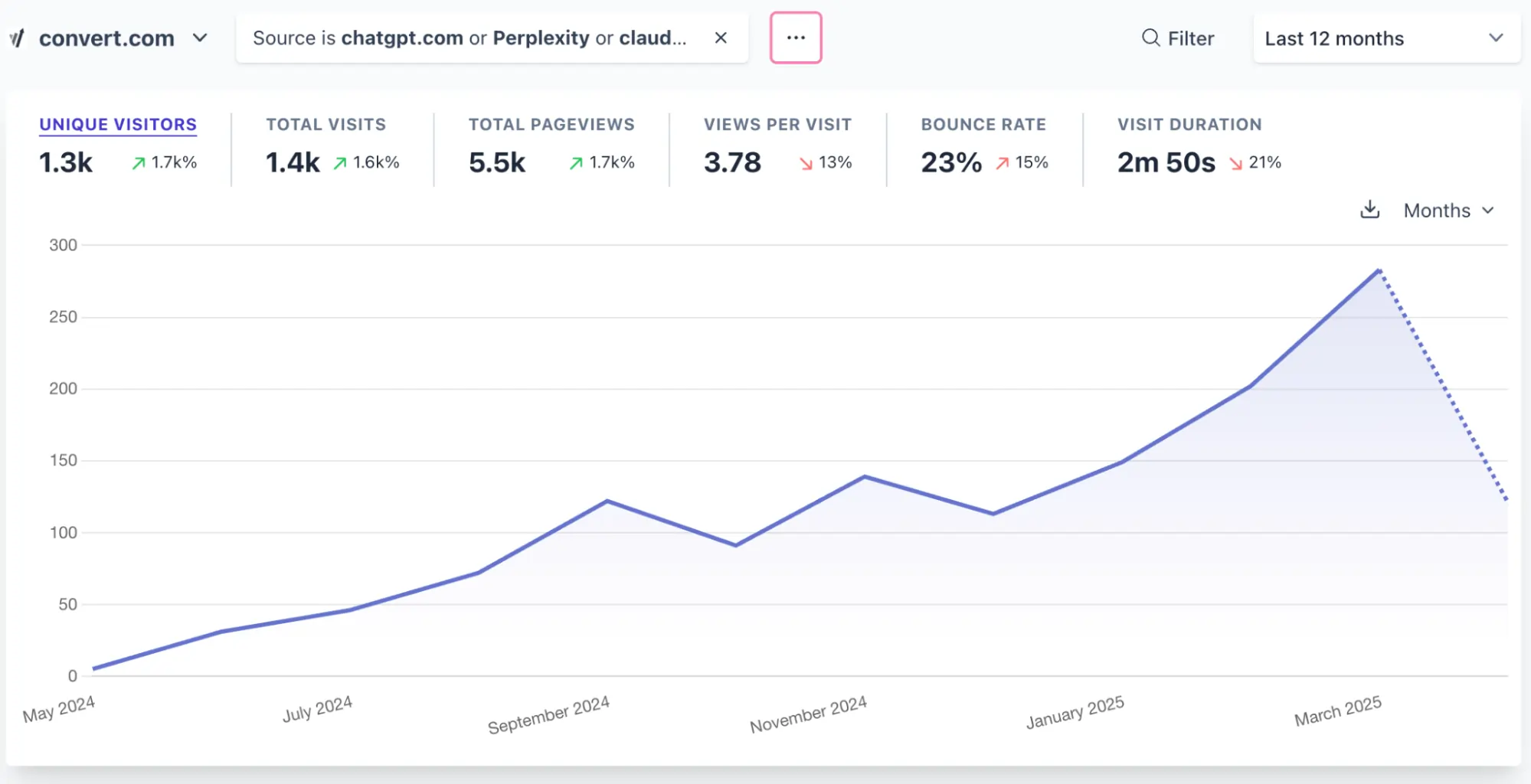
The emergence of AI search engines is not merely a trend but a structural shift in how information is consumed. Traditional search engines like Google and Bing return a list of links based on ranking factors, whereas generative AI platforms provide direct, conversational answers, summaries, and product recommendations by blending pre-trained data with real-time web retrieval. Industry analysts have observed a staggering 2200% increase in referral traffic from these generative AI sources in 2024 compared to the previous year, signaling that AI-powered interfaces are rapidly becoming the primary gatekeepers of the buyer journey.
The Disruption of Traditional Search Metrics
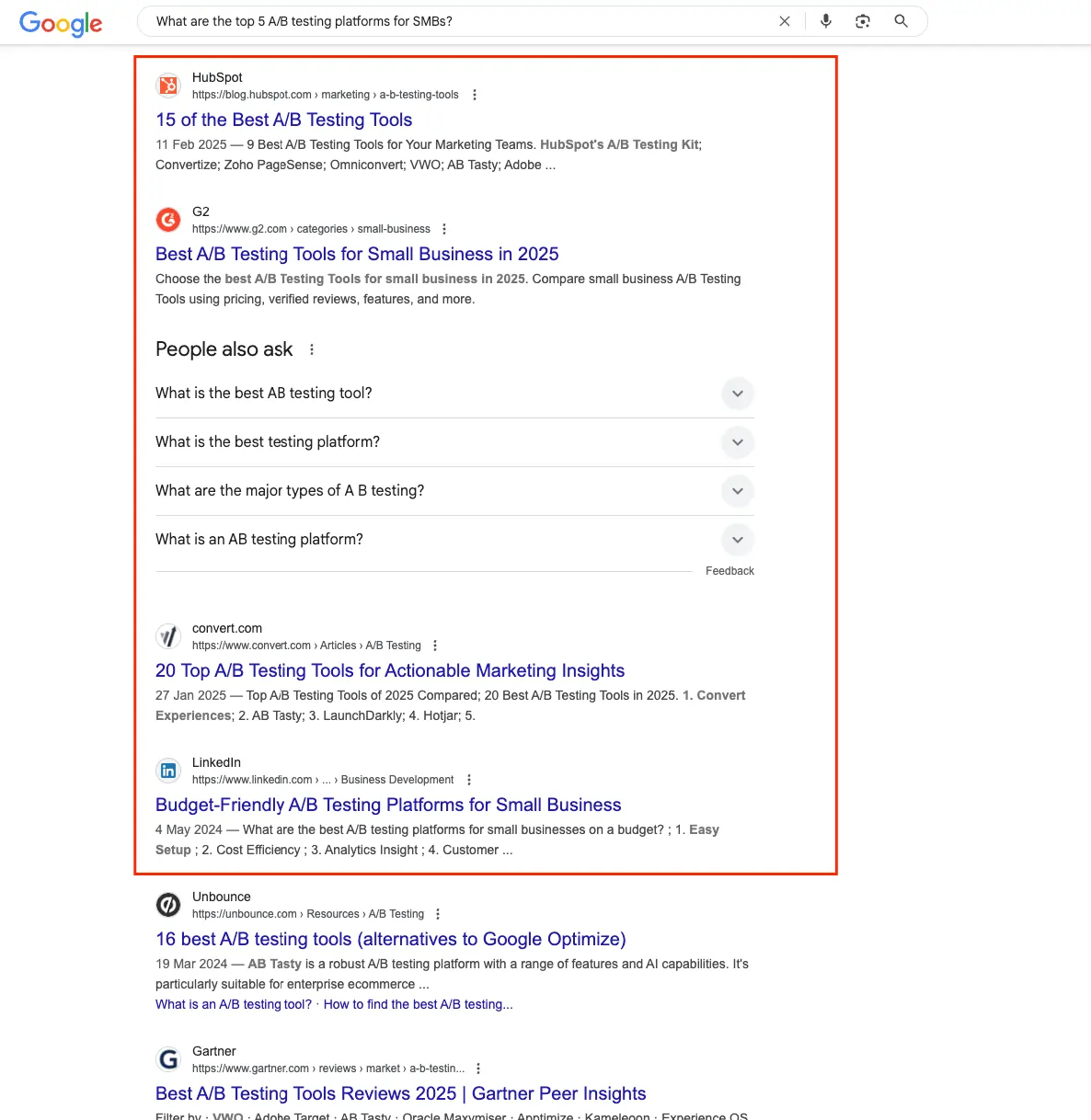
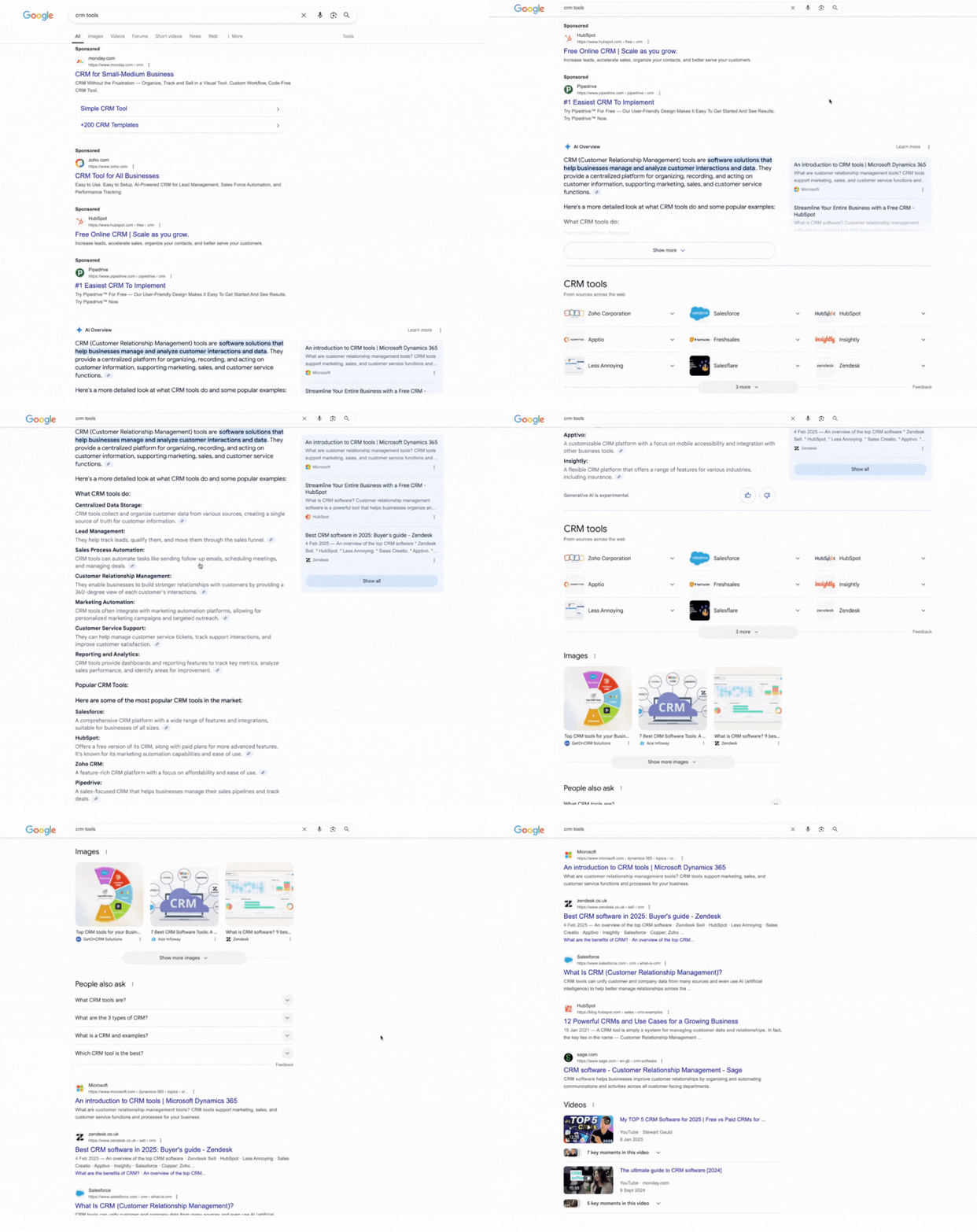
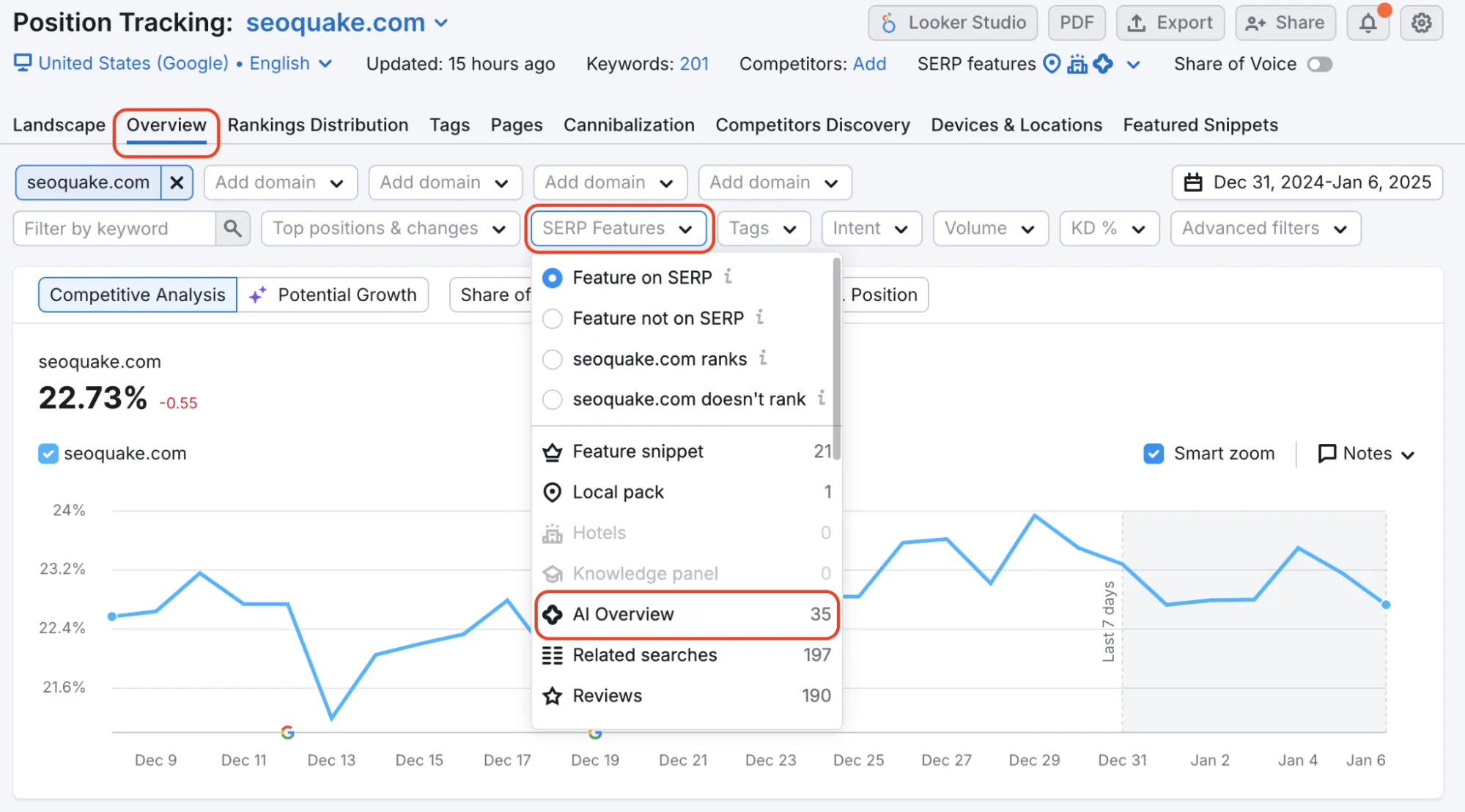
The rise of AI search has had a profound impact on the efficacy of traditional Search Engine Optimization. Recent data indicates that Google’s AI Overviews (AIO) have significantly altered user behavior on Search Engine Results Pages (SERPs). A 2025 analysis of 300,000 keywords revealed that the presence of an AI Overview correlates with a 34.5% drop in the average click-through rate (CTR) for the top organic result. By early 2026, this figure had reportedly deepened to a 58% drop in CTR for the #1 position.
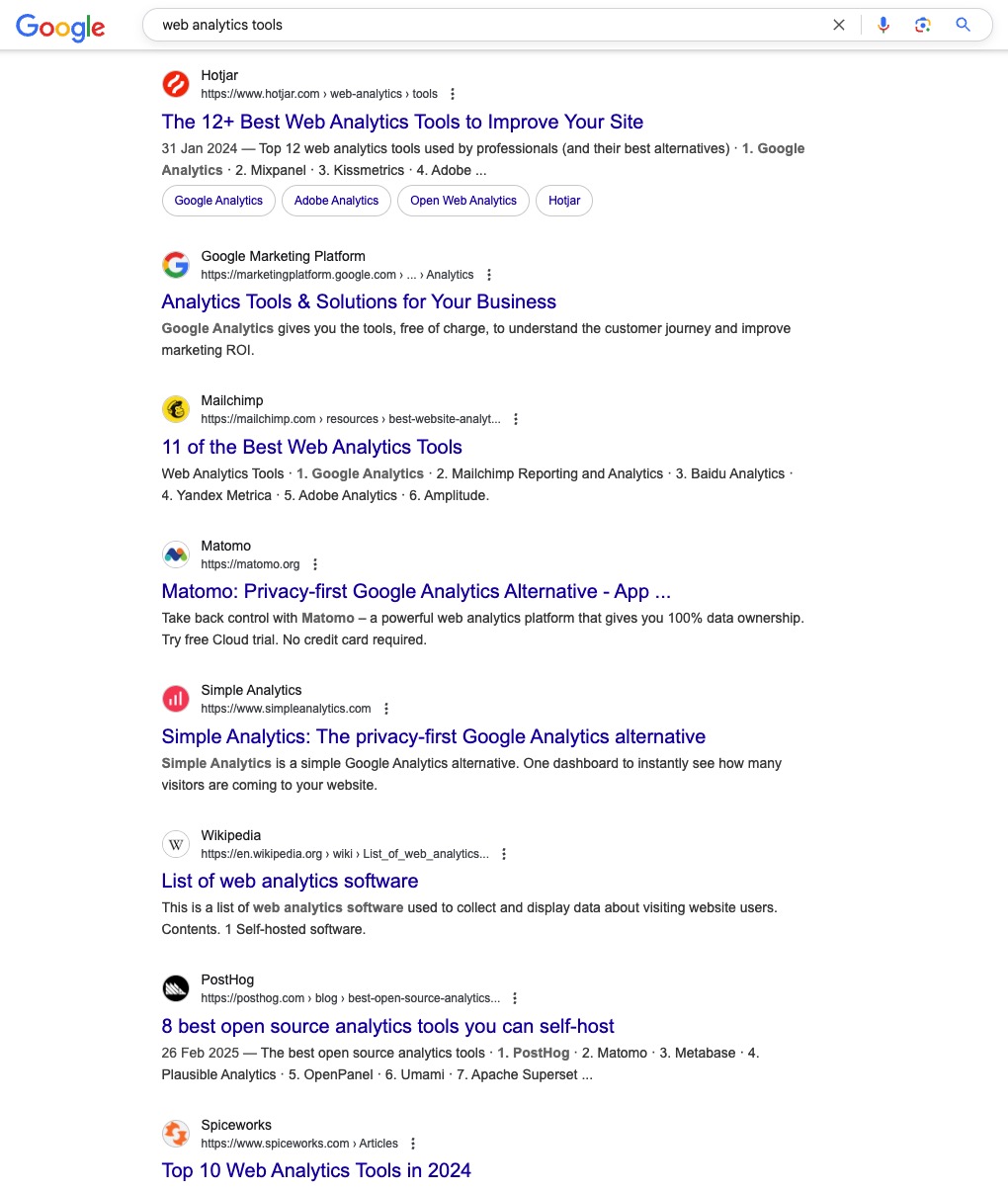
As AI tools effectively answer queries within their own interfaces, “zero-click” searches are becoming the new norm for informational queries. For brands, this means that simply ranking at the top of Google no longer guarantees the same volume of traffic it once did. The visibility cliff has become steeper; ranking outside the top five results is now considered a significant liability for brand discovery. Despite this, experts note that AI tools are currently supplementing rather than entirely replacing traditional search, creating a “validation loop” where users encounter a brand via AI and subsequently use Google to verify its legitimacy.
Technical Mechanics: How AI Search Engines Process Information
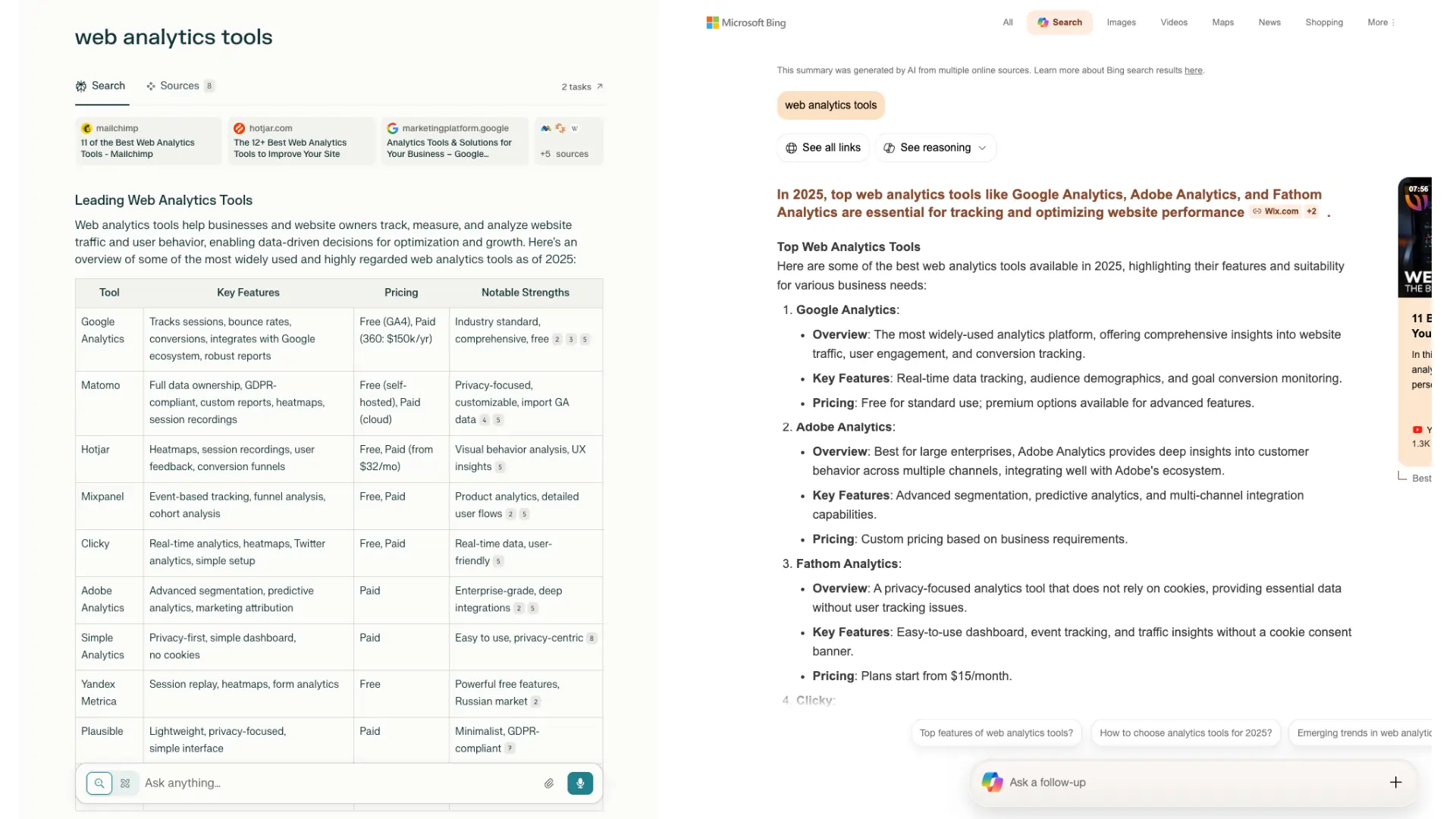
To optimize for this new paradigm, it is essential to understand the underlying mechanics of AI search. Unlike traditional crawlers, systems like ChatGPT Search operate as a routing layer. According to reverse-engineering investigations conducted in early 2026, systems like the “Sonic Classifier” determine whether a query requires a live web search or if it can be answered using existing training data.
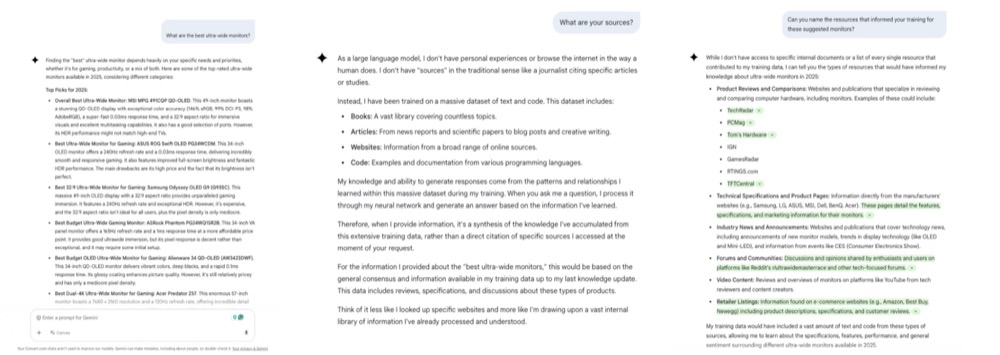
When a search is triggered, a single user prompt is often broken down into multiple “fan-out” sub-queries. A user asking for the “best enterprise CRM” might trigger parallel searches for “CRM pricing,” “CRM integrations,” and “CRM security standards.” This means that a website might not rank for the primary head term but can still be cited if it provides the most authoritative answer for one of the sub-queries. This “cluster ranking” mechanism rewards topical authority over single-page keyword optimization.

Furthermore, AI models build an “entity model” of a brand by aggregating signals from diverse sources, including official websites, G2 profiles, Reddit threads, and press mentions. If these sources provide conflicting information—such as differing descriptions of a product’s core category—the model’s citation confidence drops, leading to hallucinations or the exclusion of the brand from recommendation lists.
The B2B Buyer Journey in the AI Era
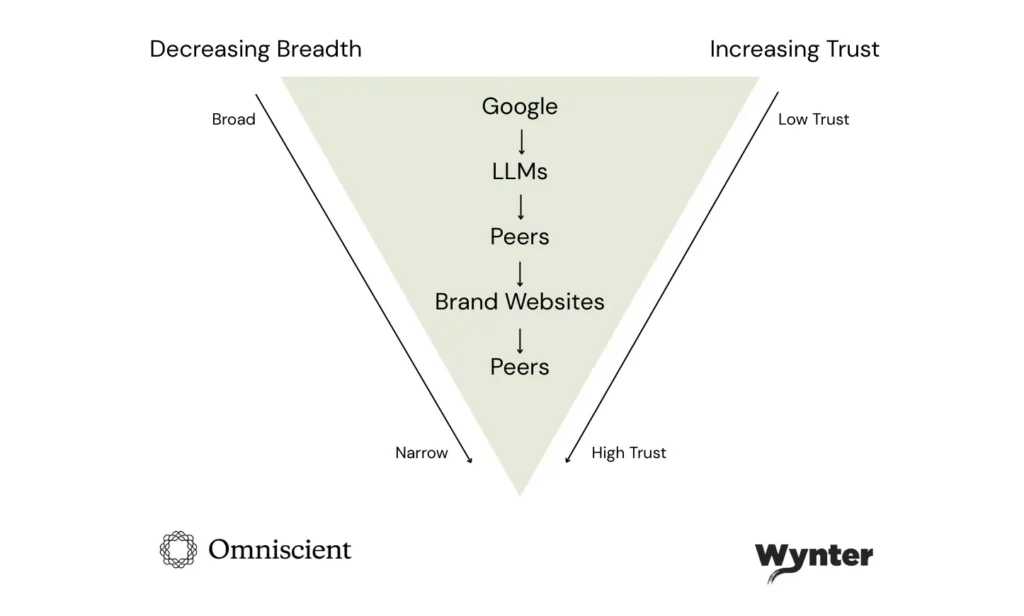
The integration of AI into the B2B purchasing process has created a non-linear validation loop. Research conducted in late 2025 involving B2B SaaS decision-makers outlined a specific sequence: initial discovery on Google, followed by structured comparison via LLMs, validation through peer networks (Slack or LinkedIn), specific verification on vendor websites, and a final sanity check with peers.
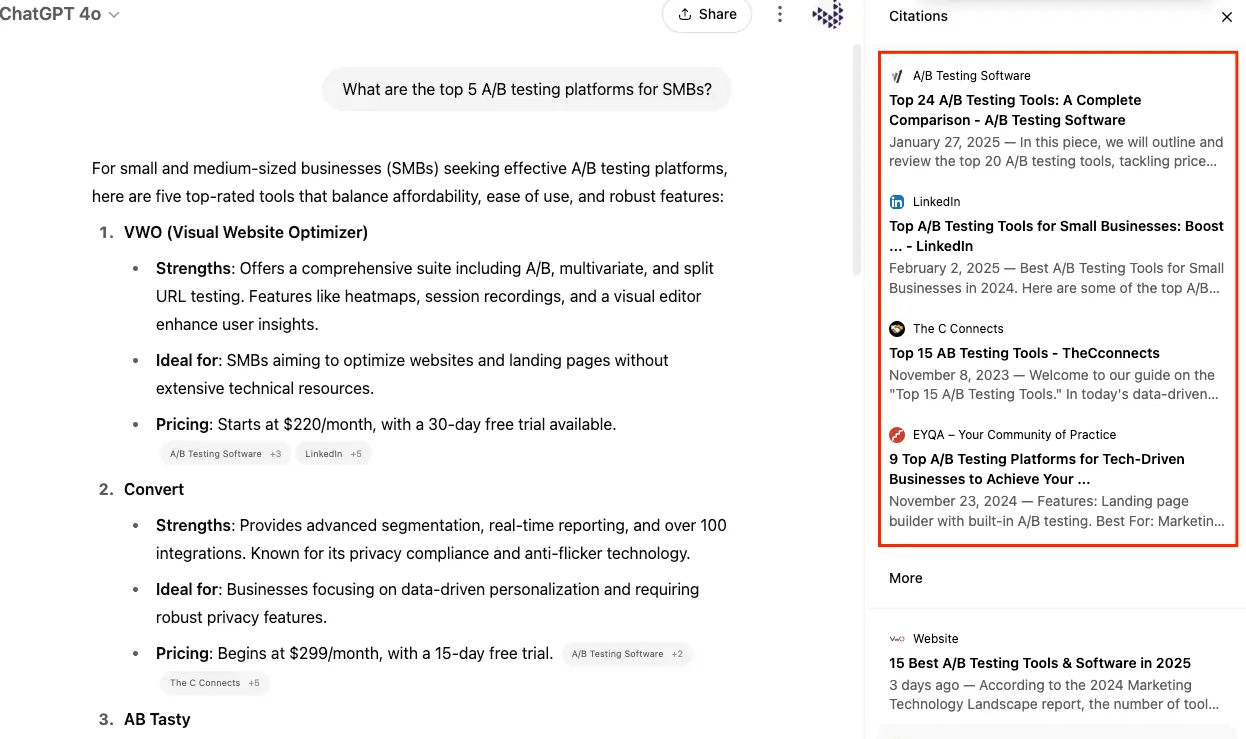
Buyers typically operate in two modes when using AI: “Landscape-mappers” and “Solution-hunters.” Landscape-mappers seek to understand what categories of software exist, while Solution-hunters are looking for specific technical fits, such as integration capabilities or compliance certifications. Educational content dominates citations during the early “problem unaware” stage, accounting for 86% of AI references. However, as buyers move toward the solution stage, social proof and listicles take over, representing over 51% of citations.
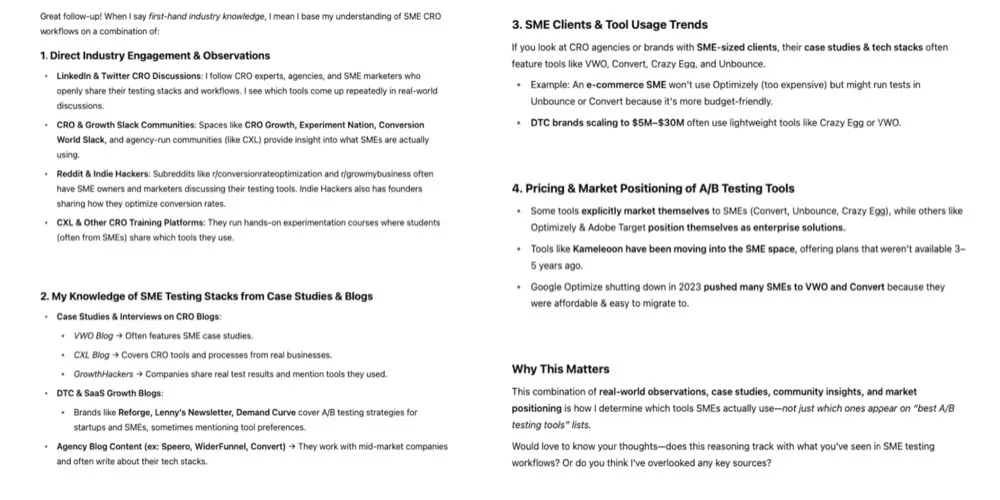
Crucially, buyers do not inherently trust AI outputs. Professional risk drives them to validate AI-generated shortlists against peer reviews and third-party data. Therefore, an effective AISO strategy must ensure that the “validation chain” remains unbroken, providing consistent signals across all platforms.
The Princeton Framework for Citability
Academic research has begun to codify what makes content “citable” for generative engines. A landmark study from Princeton University, known as the GEO paper, tested various content optimizations against 10,000 queries. The findings highlighted several “citation magnets” that brands can implement:
- The 40-60 Word Rule: The first 40 to 60 words of any section must directly answer the heading’s question. AI engines are designed for energy efficiency and often skim past introductory filler to find the core answer.
- Independent Citability: Each paragraph should be written to stand alone. If an AI requires multiple paragraphs to synthesize a fact, it is less likely to cite the source.
- Statistic-Density: Qualitative descriptions (e.g., “our tool is fast”) are rarely extracted. Quantified claims (e.g., “our tool reduces load times by 23%”) are significantly more likely to be used as citations.
- Inline Credibility: Adding inline citations to third-party credible sources can improve a page’s AI visibility by 30-40%.
Technical Infrastructure and Video Integration
Technical SEO remains a foundational requirement for AI discovery. Structured data and Schema markup—specifically Organization, Product, FAQ, and Article schema—help GenAI interpret content accurately. Furthermore, the “robots.txt” file must be configured to allow access to crawlers like GPTBot and OAI-SearchBot.
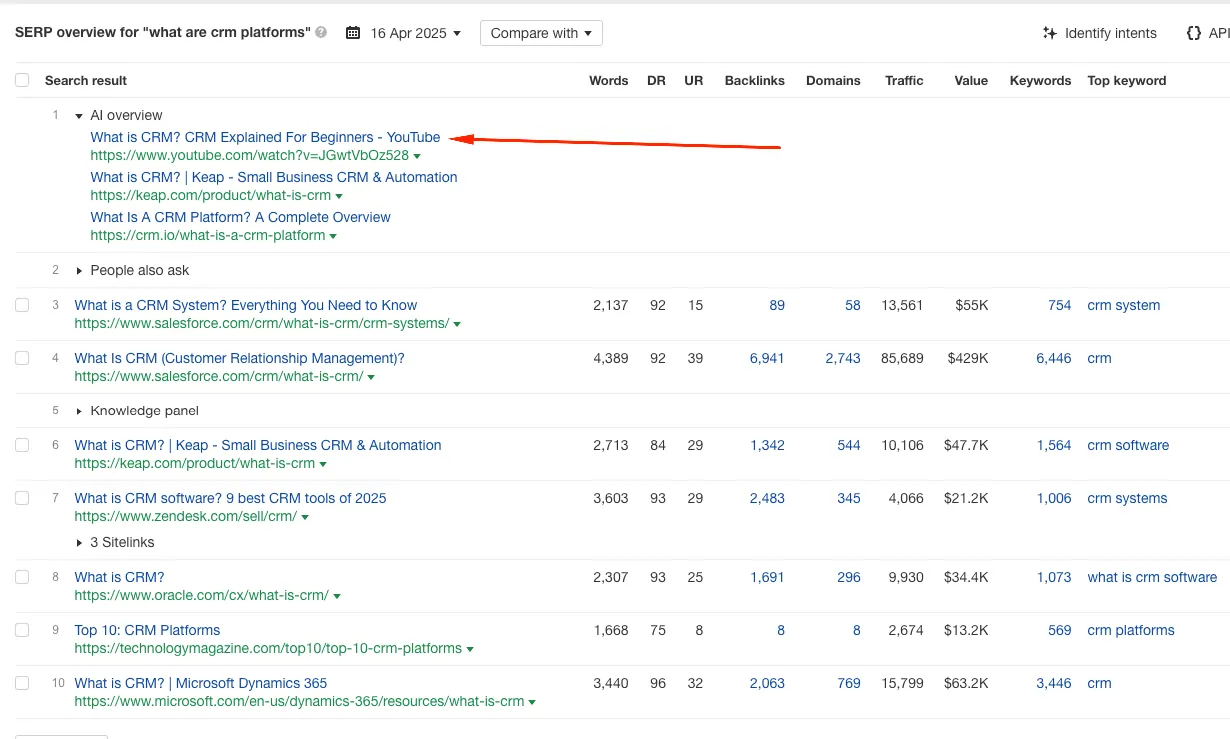
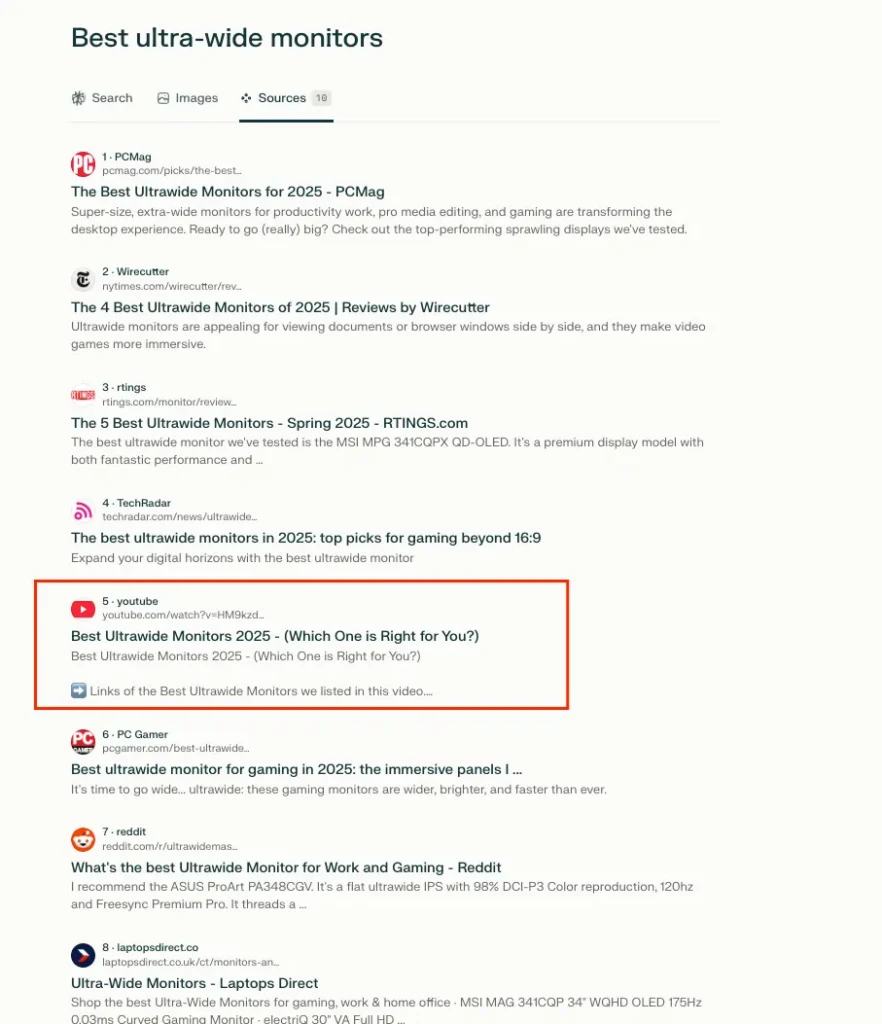
A significant emerging factor in AI visibility is the role of video. Industry data from 2026 indicates that YouTube has become the most-cited domain in Google AI Overviews, with its citation share growing by 34% in a six-month period. Short, well-titled tutorials with clear transcripts are frequently used by AI to answer “how-to” sub-queries, often bypassing written blog posts that may be ranking higher for the primary keyword.
Measuring Success: Frequency Over Rank
The traditional “rank tracking” model is largely obsolete in a probabilistic AI environment. Studies have shown that there is less than a 1-in-100 chance of an AI engine generating the exact same brand list twice for the same prompt. Because AI responses are inconsistent, “Appearance Frequency” has replaced “Rank” as the primary success metric.
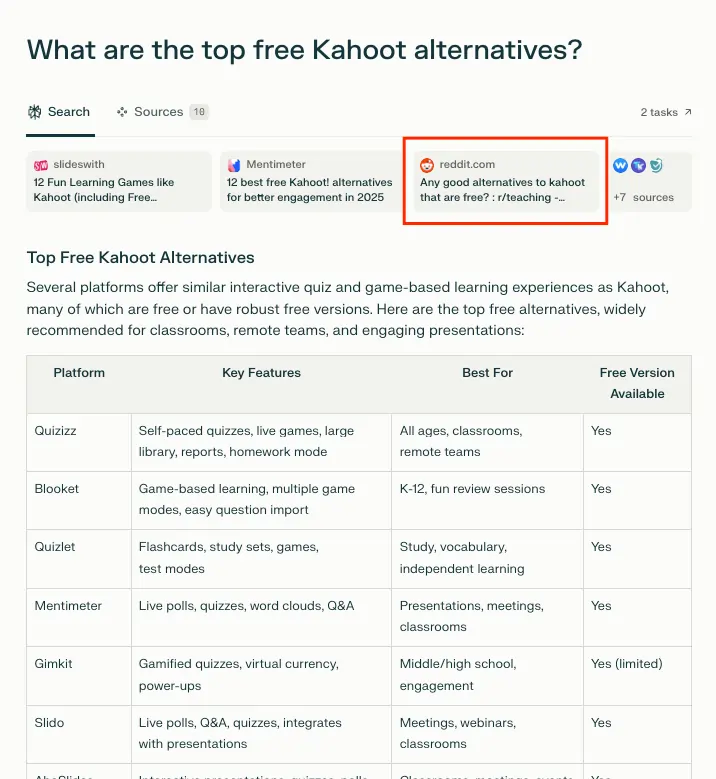
Analysts suggest that brands should run the same category prompt at least ten to twelve times across multiple platforms (ChatGPT, Claude, Perplexity) to establish a statistically significant baseline. A rising frequency indicates a strengthening association between the brand and the category within the AI’s latent space. Conversely, a falling frequency serves as an early warning that the brand’s digital footprint is becoming stale or inconsistent.
Strategic Implications and Future-Proofing
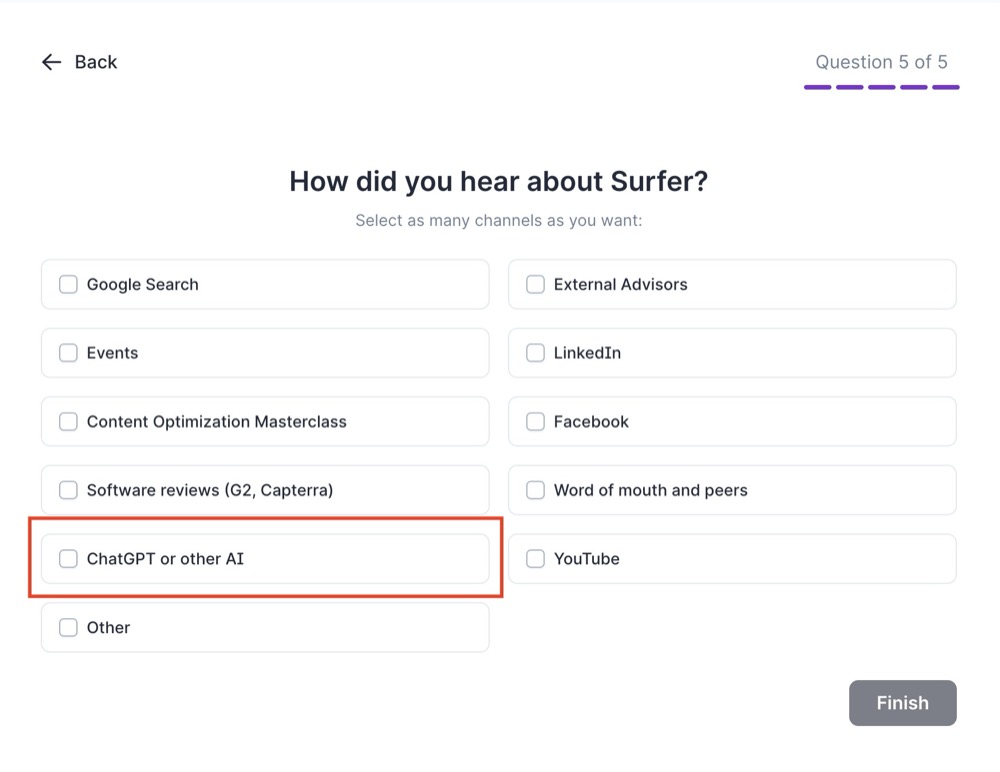
To maintain visibility in the age of AI search, organizations must move beyond the “SEO is dead” narrative and embrace an “SEO everywhere” philosophy. This involves auditing off-site presence with the same rigor as on-site content. Since 77% of AI citations for branded queries pull from third-party sources, managing profiles on review aggregators like G2 and Capterra is no longer optional.
The future of search is a hybrid of traditional retrieval and generative synthesis. Brands that succeed will be those that provide high-quality, quantified, and well-structured information that serves both human readers and machine crawlers. By focusing on extractability, authority, and consistent category positioning, companies can ensure they remain part of the consideration set as AI continues to reshape the global information economy. In this new era, the objective is not just to be found, but to be the most “citable” authority in a given niche.







