In the rapidly evolving digital ecosystem, establishing a robust online presence is paramount for businesses of all sizes seeking to engage audiences and drive growth. A common strategic dilemma faced by entrepreneurs, marketers, and small business owners centers on the fundamental choice between a comprehensive website and a focused landing page. This decision is not merely technical but deeply intertwined with marketing objectives, resource allocation, and long-term business strategy. Understanding the distinct functionalities, advantages, and limitations of each digital asset is crucial for optimizing online engagement and achieving measurable outcomes.
The questions “Do I need a website? What should I use a landing page for? Do I need both?” are frequently posed by those venturing into or expanding their digital footprint. This article delves into the definitions, operational differences, strategic applications, and symbiotic relationship between websites and landing pages, providing a framework for informed decision-making in the contemporary digital marketplace.
Defining the Digital Pillars: Websites as Comprehensive Digital Hubs
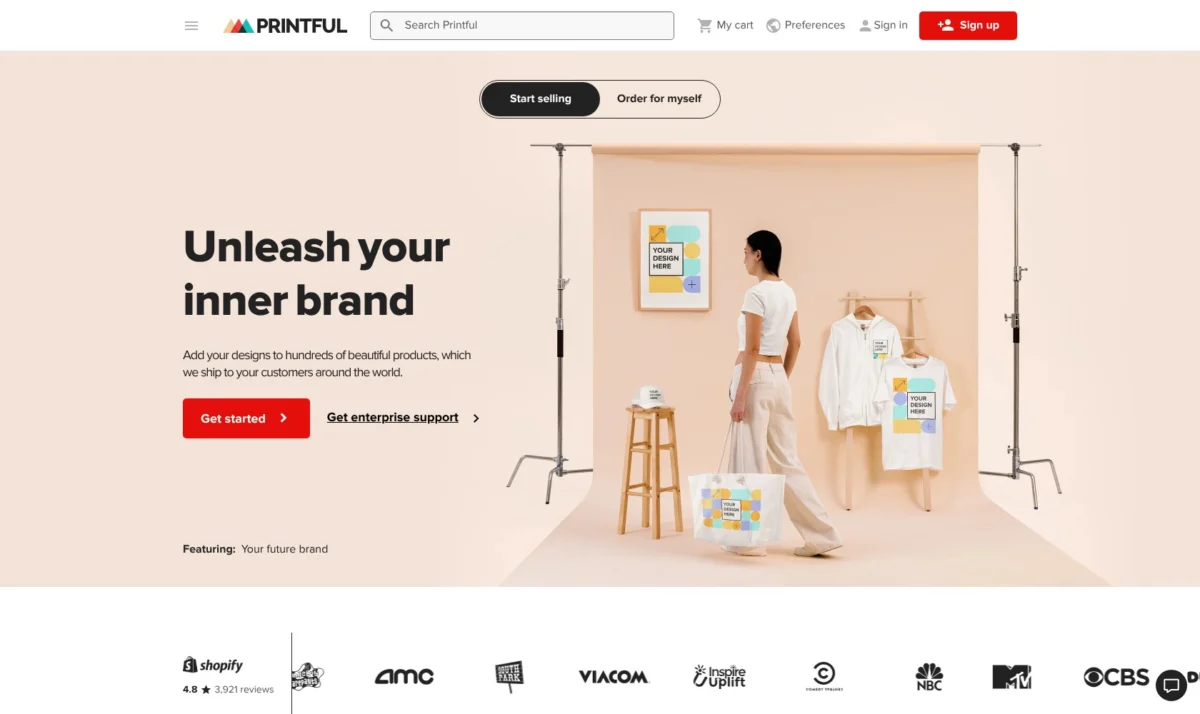
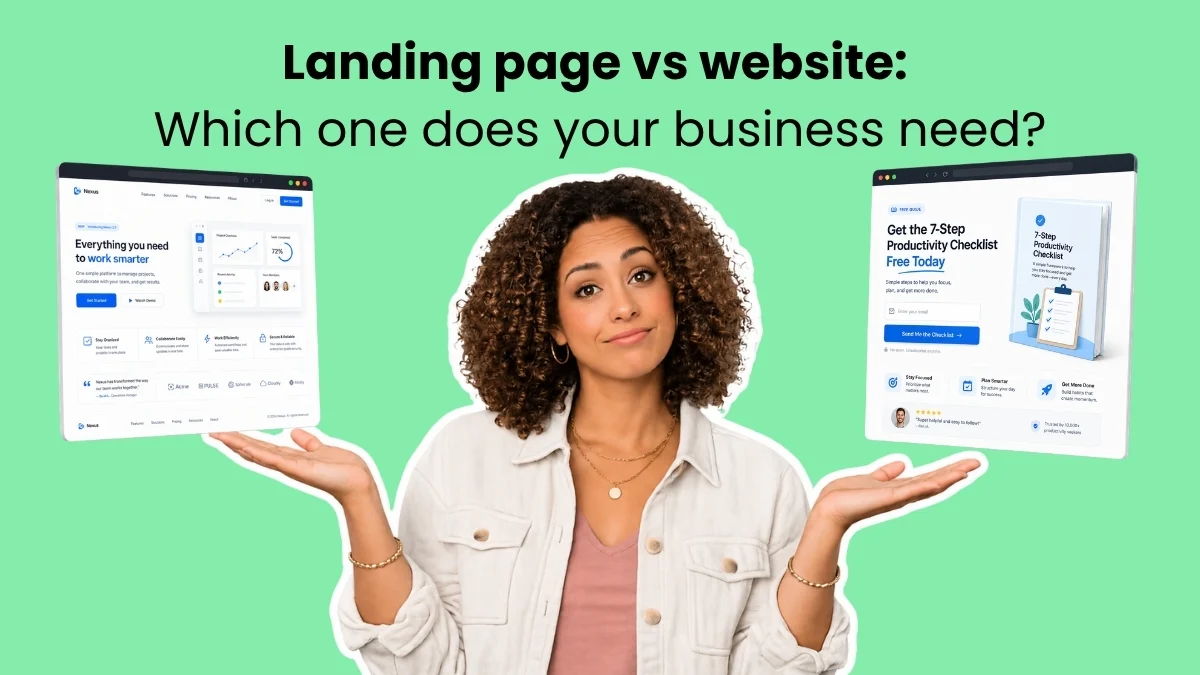
A website serves as a multifaceted digital headquarters for a business, designed for exploration, information dissemination, and broad engagement. Typically comprising five or more interconnected web pages, a standard business website often includes a homepage, an “About Us” section, dedicated pages for products or services, a blog or content library, a contact page, and sometimes FAQs, testimonials, or a portfolio.
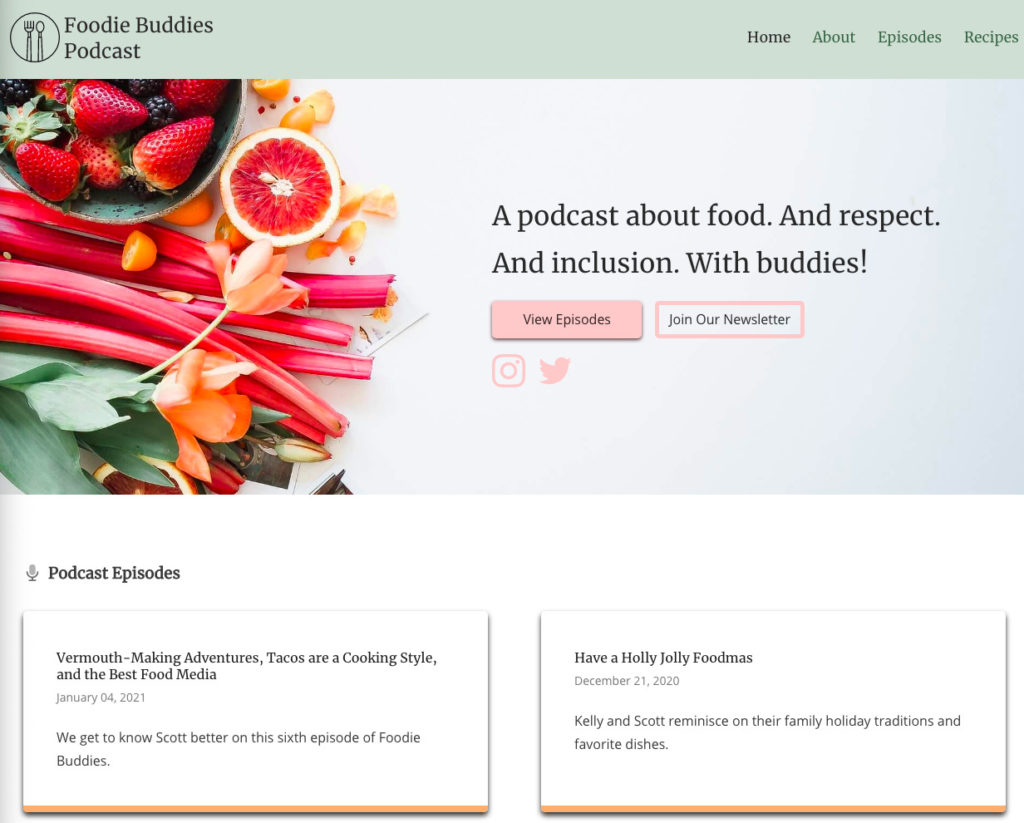
The primary objective of a website is to offer a holistic view of a business, allowing visitors to browse various aspects, learn about the brand’s mission, understand its offerings in detail, and build familiarity over time. It functions as a central repository for all information related to the entity, fostering brand credibility and trust. For instance, the website for a podcast like “Foodie Buddies” would enable visitors to easily navigate between sections to learn about the hosts, listen to episodes, and access supplementary content such as recipes, embodying the exploratory nature inherent to websites.
While offering unparalleled comprehensiveness, websites demand significant investment in terms of time, financial resources, and ongoing maintenance. Developing a professional website typically involves costs ranging from a few thousand dollars for template-based solutions to tens of thousands, or even hundreds of thousands, for custom-designed, complex platforms. Beyond initial development, expenses include domain registration, hosting fees, security certificates (SSL), content creation, and regular updates to ensure functionality, security, and relevance.
The Focused Approach: Landing Pages as Precision Conversion Tools
In contrast to a website’s expansive nature, a landing page is a standalone web page meticulously crafted with a single, highly specific goal and a singular call to action (CTA). Its design intentionally limits navigation options, eliminating menus or extraneous links that could divert a visitor’s attention. The visitor’s journey on a landing page is linear: they arrive, absorb the focused message, and are prompted to take one specific action or leave.
Common objectives for landing pages include:
- Lead Generation: Collecting email addresses for newsletters, webinars, or free resource downloads (e.g., e-books, whitepapers).
- Product/Service Sales: Driving immediate purchases for a specific item or service.
- Event Registration: Encouraging sign-ups for conferences, workshops, or online events.
- Survey or Feedback Collection: Gathering specific user data.
- Link Directory: Serving as a central hub for multiple links, often used in social media bios to direct followers to various destinations (e.g., a podcast’s social media link directing to a landing page with links to episodes, merchandise, and social profiles).
The inherent simplicity and singular focus of landing pages contribute to their effectiveness in achieving high conversion rates. By eliminating distractions, a landing page guides the visitor directly towards the desired action, making the decision-making process straightforward. Industry data consistently shows that dedicated landing pages convert at significantly higher rates—often between 5% and 15%, and sometimes exceeding 20% for highly optimized pages—compared to typical website homepages or internal pages, which might average 1-3%.
Landing pages are also characterized by their rapid deployment and cost-effectiveness. They can often be created and launched within hours or days using specialized landing page builders, many of which are integrated into email marketing platforms or offered as standalone services at a fraction of website development costs. This agility makes them ideal for targeted marketing campaigns, A/B testing, and quick market validation of new ideas or offers.
Historical Context and Evolution of Digital Presence
The journey of digital presence for businesses has evolved significantly over the past three decades. In the early days of the internet, a simple static website was a novelty, primarily serving as an online brochure. As internet accessibility grew and technology advanced, websites became more dynamic, interactive, and complex, incorporating e-commerce functionalities, content management systems, and sophisticated user interfaces. The emphasis was largely on establishing a general brand presence and providing information.
However, as digital marketing matured, marketers realized that while websites were excellent for brand building and comprehensive information, their multi-page structure and numerous navigation options often diluted the effectiveness of specific calls to action. This led to the emergence of dedicated landing pages in the early 2000s, initially as specialized pages within larger websites, and later as standalone entities. The rise of pay-per-click (PPC) advertising and email marketing further accelerated the adoption of landing pages, as businesses sought to maximize return on investment (ROI) from their targeted campaigns by directing traffic to highly optimized conversion points. This shift underscored a broader trend in digital strategy: moving from mere presence to performance-driven outcomes.
Strategic Deployment: When to Choose Which Digital Asset
The decision to utilize a website, a landing page, or both hinges on specific business objectives, available resources, and the stage of business development.
When to Use a Landing Page:
- Campaign Focus: Ideal for specific marketing campaigns, such as PPC advertisements, social media promotions, or email marketing blasts, where the goal is a singular conversion (e.g., lead capture, direct sale, event registration).
- Rapid Validation: Perfect for testing new product ideas, service offerings, or marketing messages before investing in a full website. A landing page can quickly gauge market interest and collect feedback.
- Budget and Time Constraints: For startups or small businesses with limited resources, a landing page offers an immediate, cost-effective online presence to begin building an audience or generating sales.
- High-Conversion Goals: Whenever the primary objective is to drive a specific action and minimize distractions, a landing page’s focused design excels.
- “Link-in-Bio” Strategies: For social media-heavy businesses, a landing page can serve as a centralized hub for multiple links, streamlining the user experience from platforms like Instagram or TikTok.
When to Use a Website:
- Comprehensive Brand Building: Essential for establishing a detailed brand identity, showcasing a wide range of products/services, and providing extensive information about the company’s ethos, history, and team.
- Long-Term SEO and Organic Traffic: A website, particularly one with a regularly updated blog and valuable content, is crucial for building search engine authority over time. Each page and piece of content acts as an entry point for organic search traffic, attracting visitors passively month after month.
- Multi-Faceted Information Needs: When visitors require answers to diverse questions, explore multiple product lines, view extensive portfolios, or access a content library, a website provides the necessary structure and navigation.
- Established Businesses: Businesses with a mature product suite, diverse customer segments, or a need for detailed customer support resources benefit significantly from a comprehensive website.
The Power of Synergy: Integrating Websites and Landing Pages
For many businesses, particularly those with established operations and diverse marketing initiatives, the most effective digital strategy involves a harmonious integration of both websites and landing pages. They are not mutually exclusive but rather complementary tools, each excelling in different aspects of the customer journey.
A website serves as the foundational digital hub, providing a stable platform for brand storytelling, organic search visibility, and general information. It nurtures long-term relationships, builds trust, and acts as a central repository for all brand assets. From this central hub, specific marketing campaigns can then leverage dedicated landing pages. For instance, a blog post on a company’s website might introduce a new product and include a call to action linking directly to a landing page designed solely for purchasing that product. Similarly, an email campaign promoting a webinar would direct subscribers to a landing page for registration, rather than the general homepage.
This symbiotic relationship ensures that while the website establishes the overall brand ecosystem, landing pages perform the critical function of converting specific interests into measurable actions. Digital marketing strategists often advise against directing ad traffic or email promotions to a website’s homepage, as the multitude of options can lead to decision paralysis and lower conversion rates. Instead, funneling specific campaign traffic to a tailored landing page ensures maximum focus and efficiency.
Cost and Resource Implications: A Comparative Analysis
The financial and temporal investments required for websites versus landing pages represent a significant differentiating factor.
| Feature | Landing Page | Website |
|---|---|---|
| Number of Pages | One | Typically five or more |
| Navigation | Minimal or none | Full menu, extensive interlinking |
| Primary Goal | One specific action (e.g., lead, sale) | Exploration, education, brand building |
| Calls to Action | One dominant CTA | Multiple, spread across pages |
| Time to Launch | Minutes to hours (with templates) | Days to weeks, often months for complex sites |
| Cost (Initial) | Low; often included with marketing tools | Higher: design, development, hosting, domain (thousands) |
| Cost (Ongoing) | Minimal (platform subscription) | Moderate to high: hosting, maintenance, security, content |
| Best For | Campaigns, lead generation, specific product sales | Established businesses, comprehensive information, long-term SEO |
The lower cost and quicker deployment of landing pages make them particularly attractive for new ventures or specific, short-term marketing initiatives. Many email marketing platforms, such as AWeber, integrate robust landing page builders as part of their standard offerings, including hosting and SSL certificates. This allows businesses to launch conversion-focused pages without incurring additional web development or hosting expenses.
The “Landing Page Only” Business Model
It is entirely feasible to operate a successful business relying solely on landing pages, especially for creators, coaches, consultants, and solo entrepreneurs. This model thrives by leveraging landing pages in conjunction with other digital marketing channels, primarily email marketing and social media.
In this setup:
- Lead Capture: A landing page serves as the primary gateway to collect email sign-ups, offering a lead magnet (e.g., a free guide, mini-course) in exchange for contact information.
- Product Sales: Another dedicated landing page can be used to sell a specific digital product, service, or online course, often with integrated payment processing.
- Content Delivery & Nurturing: The educational, trust-building, and promotional content that a traditional website might host is instead delivered through a strategic email marketing sequence. Subscribers receive regular newsletters, valuable tips, updates, and targeted offers directly in their inbox.
- Social Media Integration: A “link-in-bio” landing page acts as a navigation hub for social media followers, directing them to relevant offers, content, or signup forms.
In this model, the email list becomes the central business asset, and landing pages function as dynamic “front doors” for various marketing funnels. This approach minimizes overhead, accelerates time to market, and allows for highly agile adaptation to market demands.
Industry Trends and Future Outlook
The digital landscape continues to evolve, with trends like artificial intelligence (AI) and hyper-personalization shaping the future of both websites and landing pages. AI tools are increasingly being integrated into platforms to assist with copywriting, design, and even A/B testing, making it easier for businesses to create optimized content for both their comprehensive websites and their conversion-focused landing pages. The imperative for mobile responsiveness also remains critical; both websites and landing pages must offer seamless experiences across all devices, given that mobile traffic accounts for over half of global web traffic.
The strategic choice between a website and a landing page, or the decision to integrate both, is not a static one. It must be continually re-evaluated based on evolving business goals, market conditions, and technological advancements. Ultimately, the most effective digital presence is one that strategically aligns its online assets with its overarching business objectives, ensuring maximum efficiency in engaging audiences and driving growth in the competitive digital era.


 Ammar Sabilarrohman
 Asro
Asro