

The landscape of online retail is increasingly competitive, making sophisticated optimization techniques not merely advantageous but essential for survival and growth. At the forefront of these strategies is e-commerce A/B testing, a systematic approach that allows businesses to refine their digital storefronts and marketing communications to maximize conversion rates and revenue. Highest-impact e-commerce A/B tests consistently demonstrate significant returns, particularly in critical areas such as checkout simplification, product page information hierarchy, mobile sticky calls-to-action (CTAs), shipping threshold messaging, and advanced email/SMS automation flows.
Industry data underscores the tangible benefits of these efforts. Product page optimization, for instance, has been shown to lift conversions by an impressive 12-28%, while strategic mobile checkout simplification can drastically reduce cart abandonment rates by 24-31%. To navigate the myriad testing opportunities, businesses are increasingly adopting frameworks like ICE (Impact, Confidence, Ease) to prioritize their efforts, focusing initially on pages and interactions closest to the final transaction. Effective implementation of A/B testing demands a precise understanding of statistical principles, from formulating hypotheses to rigorously evaluating data, ensuring that optimizations are data-driven and yield repeatable results.
The Core Mechanism of E-commerce A/B Testing
E-commerce A/B testing, also known as split testing, is a methodical practice of creating and comparing two versions (A and B) of a specific element within a digital experience. This could range from a webpage layout, an image, a button’s text or color, a shipping cost presentation, to an email subject line or an SMS offer. The primary objective is to determine which version performs better against predefined metrics, most commonly revenue, conversion rate, cart abandonment rate, or click-through rate.
The process is inherently iterative: create variations, expose segments of your audience to each, identify the preferred version based on performance data, implement the winner, and then repeat the cycle. This continuous refinement is platform-agnostic, applicable across popular e-commerce platforms like Shopify and WooCommerce, as well as custom-built solutions. While A/B testing has historically focused on website elements, its scope has expanded significantly. Multi-channel opportunities abound, with email automation, SMS marketing, and post-purchase messaging now routinely subjected to A/B tests to enhance their revenue-generating potential. Integrated platforms that combine these channels offer comprehensive testing tools, streamlining the optimization process.
The value of converting more visitors into customers is self-evident. With e-commerce sales projected to reach $6.88 trillion and account for 21.1% of all retail sales by 2026, the imperative to transform increasing traffic into paying customers has never been stronger. A critical battleground for optimization is cart abandonment. Statistics reveal that over 70% of online shopping carts are abandoned, representing an estimated annual loss of $705 billion for USA retailers alone. This substantial sum highlights a massive opportunity for businesses to recover lost revenue through targeted A/B testing. It is crucial to view A/B testing as a long-term, systematic process. While individual tests might yield improvements of 5-15%, consistent and systematic application can lead to cumulative annual improvements of up to 40%.
Strategic Prioritization of A/B Tests
Given the vast number of elements that can be tested, prioritizing A/B tests is paramount to efficient resource allocation and maximizing impact. The initial focus should typically be on high-traffic landing pages, as these serve as the primary entry points for customers and exert the most direct influence on revenue. This includes popular product pages and, in some cases, category pages that attract significant non-branded organic traffic.
It is important to remember that visitors arrive from diverse sources, including newsletters, automated text messages, and paid advertisements. Consequently, many A/B testing insights can be cross-pollinated across channels. For example, if a change to a product’s featured image on a landing page significantly boosts conversions, applying the same image strategy in email newsletters or SMS campaigns is likely to yield similar positive results.
High-impact areas that generally warrant immediate attention for testing include:
- Checkout steps and friction points: Any stage where users might drop off due to complexity or unexpected hurdles.
- Call-to-action (CTA) buttons: Variations in text, color, size, and placement.
- Email subject lines: Crafting compelling messages that increase open rates.
- Featured images: Testing different visual styles (e.g., lifestyle vs. studio shots) for products.
Focusing on these areas also facilitates data collection and analysis, as larger differences between A and B versions are more likely to indicate a genuine impact rather than a statistical anomaly.
The ICE Framework for Test Prioritization
Even within a specific optimization area like product pages, dozens of potential A/B tests can be conceived. The ICE framework – standing for Impact, Confidence, and Ease – provides a structured method for prioritization. Each proposed test is rated on a scale of 1-10 across these three dimensions:
- Impact: The potential positive effect on the key metric (e.g., conversion rate, revenue).
- Confidence: The degree of certainty that the test will produce the expected positive outcome. This is often based on prior data, industry benchmarks, or expert opinion.
- Ease: The simplicity and speed of implementing the test, considering technical resources and time.
These scores are then averaged to produce a final score, with tests scoring highest typically prioritized first. The goal is not to achieve absolute precision in scoring but to facilitate a quick, consensus-driven prioritization.
| Example of ICE Framework in Practice: | Test Idea | Impact | Confidence | Ease | Total |
|---|---|---|---|---|---|
| Change newsletter subject lines | 7 | 9 | 10 | 8.7 | |
| Change product image format | 8 | 6 | 5 | 6.3 | |
| Add guest checkout | 9 | 9 | 5 | 7.7 | |
| Product descriptions as bullet points | 6 | 9 | 10 | 8.3 |
This framework helps identify that changing newsletter subject lines, despite perhaps a lower individual impact, is highly confident and easy to implement, making it a strong contender for early testing. Conversely, adding guest checkout, while high impact and confident, is less easy, pushing it down the list slightly. It is generally advisable to run one test per page or campaign at a time to isolate variables, though simultaneous tests on different pages or across different channels (e.g., email vs. product page) are acceptable, provided they do not interfere with each other.
Key Areas for E-commerce A/B Testing
1. Product Page Optimization
Product pages are the heart of e-commerce, where purchase decisions are solidified. Optimizing these pages is fundamental to maximizing conversion.
- Product Image Formats: Visuals are often the first point of engagement. Testing lifestyle photos (product in context) against studio shots (clean, white background) is a classic high-impact test. Further variations include the number of images, inclusion of 360-degree views, or product videos. Images form a core part of the product information hierarchy, with proper optimization potentially yielding up to a 28% increase in conversion rates. Findings here are highly reusable across email and SMS campaigns.
- Product Description Length and Structure: Experiment with concise, factual bullet points versus longer, narrative-driven product stories. Another effective test involves a feature-first versus a benefits-first description. The optimal approach often depends on the product and brand; lifestyle brands or complex products may benefit from engaging narratives, while commodity items perform better with clear, concise specifications. Descriptions should aim to add personality and proactively answer customer questions, going beyond manufacturer-provided copy.
- Social Proof Placement: Reviews, ratings, and testimonials are powerful trust builders. A/B test their placement on the page, such as positioning stars and review counts near the product title. Well-placed reviews have been shown to increase conversion rates by an average of 18%. Experiment with the amount of information displayed, from star distribution to full individual reviews.
- CTA Button Copy and Design: Seemingly minor changes to CTA buttons can have profound effects. Test variations in color, text (“Add to Cart,” “Buy Now,” “Shop Now,” “Continue”), and even dynamic elements like sticky “Add to Cart” buttons on mobile, which appear in 73% of mobile optimization projects. A simple copy change, such as from “Sign up for free” to “Trial for free,” has led to a 104% increase in signups for some companies.
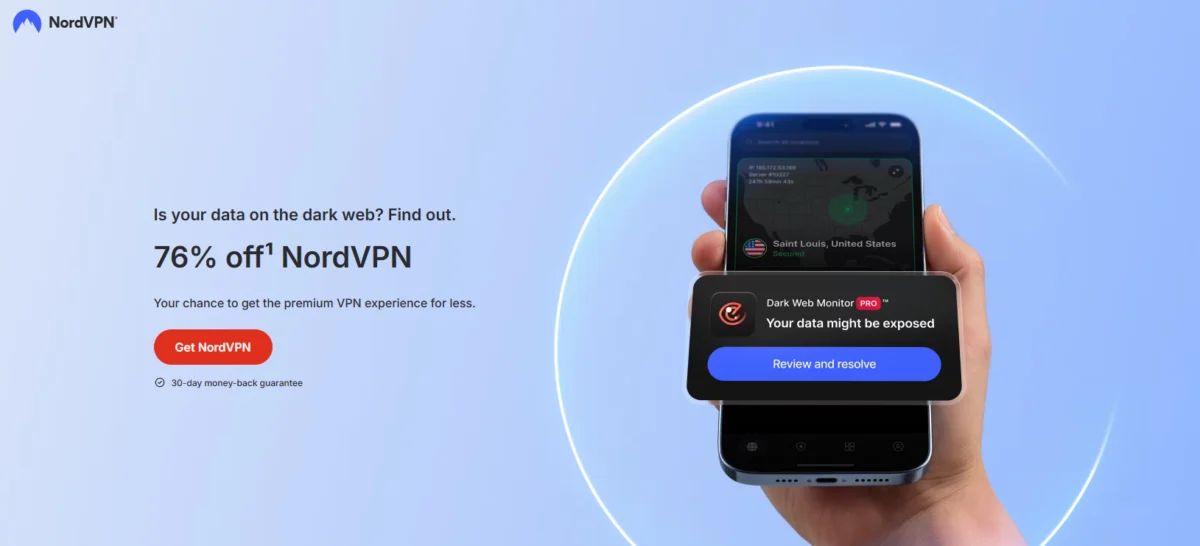
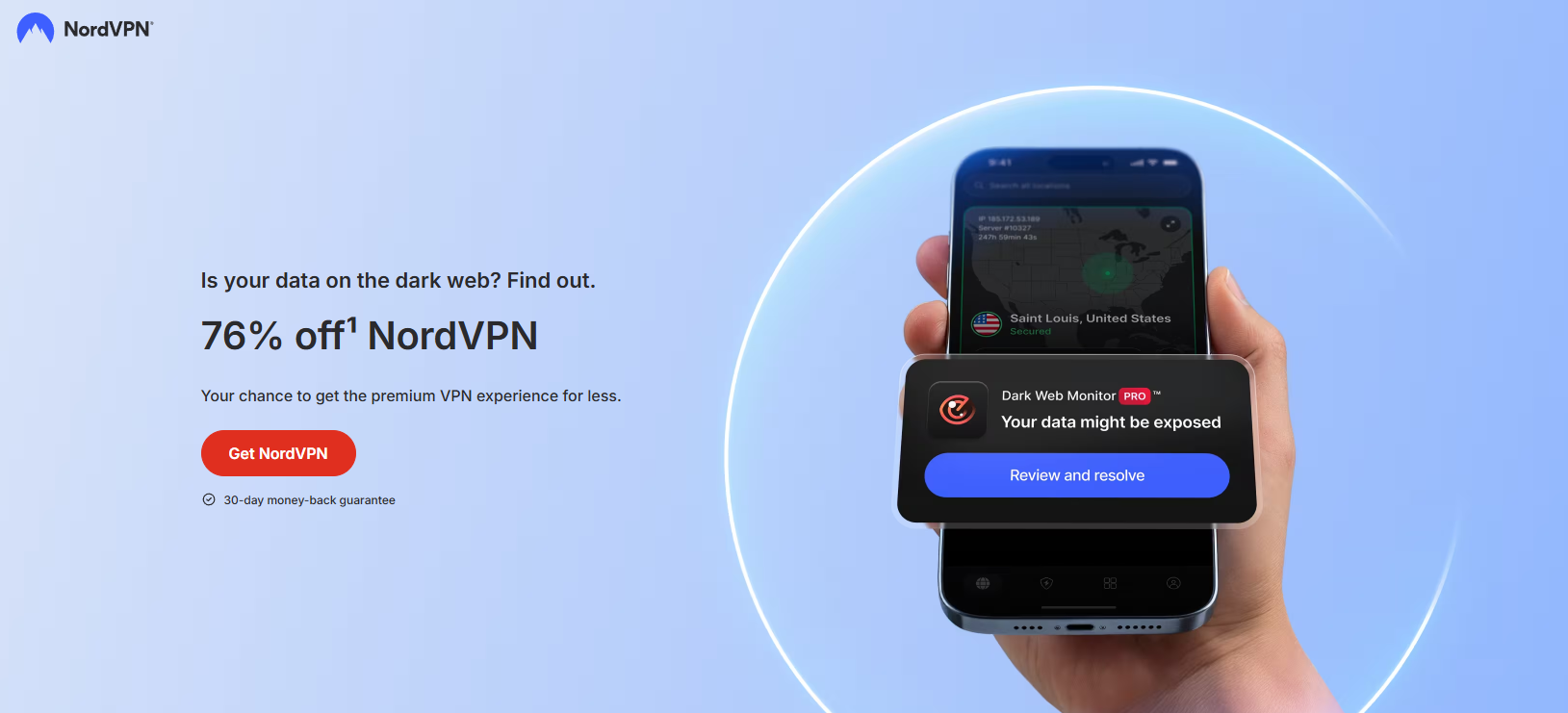
- Urgency and Scarcity Messaging: Implement countdown timers, successful purchase pop-ups, limited-time badges, or low stock alerts. Experiment with the aggressiveness of the copy. Subtle nudges, like NordVPN’s indirect urgency messaging, can be highly effective without alienating users.
2. Homepage and Navigation Optimization
The homepage is often the first impression. Optimizing it ensures visitors find what they need and are compelled to explore further.
- Hero Section Content: Compare static images against videos, single value propositions against carousels, and the inclusion or exclusion of seasonal messaging. The ideal choice depends on the product range; a narrow range might suit a single proposition, while a broad inventory could benefit from a carousel.
- Navigation Menu Structure: Test mega menus with numerous elements against simplified dropdowns. Experiment with the number of categories and subcategories, and the placement of “Sale” categories. User base and product type should guide these decisions; a “Sale” category might be less prominent for luxury goods than for everyday items.
- Search Bar Prominence: Evaluate the impact of a large, central search bar (like Amazon’s) versus a smaller, icon-based one. Test variations in auto-suggest features, including autocomplete and product suggestions, to enhance user experience and conversion rates.
- Site-Wide Benefits Bar: Display key benefits like free shipping thresholds, robust return policies, customer service availability, or money-back guarantees prominently at the top of the site. This proactively addresses potential shopping anxieties and builds trust from the outset.
3. Shopping Cart Optimization
With high cart abandonment rates, optimizing the shopping cart is critical for capturing almost-converted customers.
- Free Shipping Thresholds: Experiment with different monetary thresholds for free shipping (e.g., $50 vs. $75) to find the optimal balance between customer value and business profitability. The messaging around these thresholds is equally important; dynamic messages like “You’re $12 away from free shipping!” often outperform static statements. Shipping threshold notifications can reduce abandonment by up to 23%.
- Cart Page Upsells and Cross-sells: Test adding “Frequently bought together” or suggested products directly on the cart page. Facilitate one-click additions to keep users on the same page, simplifying data collection and improving the user experience.
- Cart Abandonment Interventions: Implement exit-intent pop-ups with various offers, such as discounts (“Complete your purchase for an extra 10% off”) or urgency messages (“Your cart is reserved for 15 minutes”). Multi-channel interventions, combining on-page tactics with automated emails and SMS messages, significantly boost recovery rates. Automated emails, while only 2% of total emails sent, generate 30% of email-driven revenue, with abandoned cart emails alone generating an average of $2.54 per email.
4. Checkout Optimization
Even minor adjustments in the checkout flow can yield substantial revenue gains by removing friction points.
- Guest Checkout vs. Account Creation: Forcing account creation can increase abandonment by up to 19%. Test implementing guest checkout, potentially as the default option, while gently nudging for account creation post-purchase. Experiment with different guest checkout versions (one-click, optional account creation) to find what best suits your audience and industry.
- Form Field Reduction: A general rule is “fewer mandatory fields are better.” Test reducing the amount of information users are required to input. Compare single-page versus multi-step checkout processes. PayU, for example, saw a 5.8% conversion rate improvement by removing a mandatory email field.
- Payment Option Display: Test showcasing all payment options upfront versus revealing them progressively. Industry best practices suggest that clearly visible payment options can increase checkout completion rates by up to 19%. Experiment with the order of payment methods, timing of selection, and the display of any associated fees. Integrating buy-now-pay-later (BNPL) options like Klarna or Afterpay can also be highly effective.
- Trust Signals and Security Badges: Reassurance is key during checkout. Test the placement and type of SSL badges, money-back guarantees, and return policy summaries near the payment form. The goal is to build credibility without overdoing it and inadvertently creating distrust.
- Progress Indicators: Experiment with different styles of progress indicators (e.g., large progress bars vs. small numerical indicators, clear step-by-step visuals) to manage user expectations and reduce drop-off at each stage of a multi-step checkout.
5. Email A/B Testing
Beyond on-site optimization, email automation is a powerful channel for conversion rate optimization. Nearly one in three automated emails results in a purchase, highlighting the immense potential of this channel.
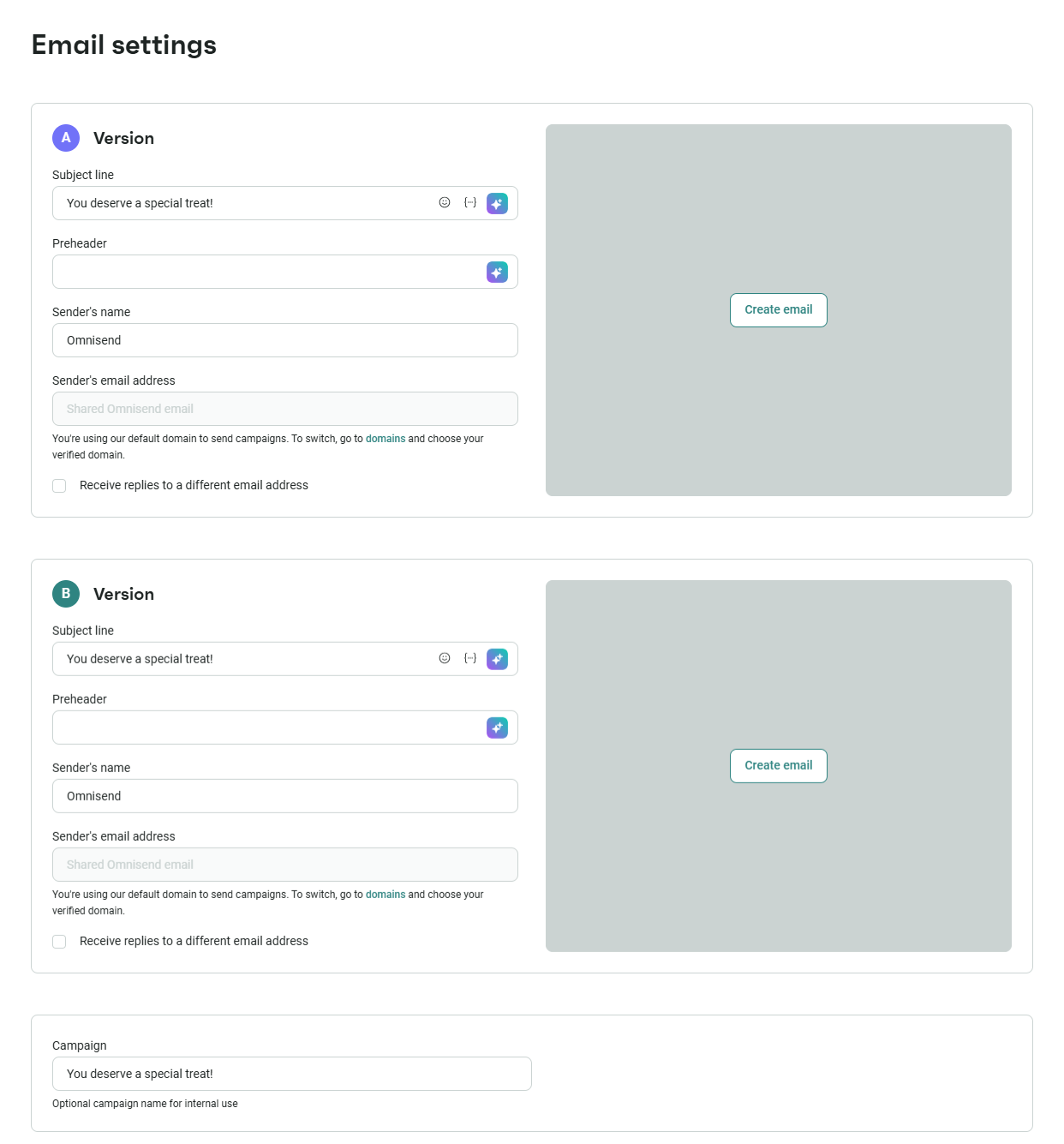
- Email Subject Lines: This is the most popular email A/B test. Experiment with personalization, length (aim for around 7 words), and emotional triggers like scarcity, urgency, or curiosity. Tools like subject line testers can help pre-qualify winning combinations.
- Sender Name and Address: Test variations like “Company Name” versus “Person from Company Name” (e.g., “Omnisend” vs. “Ona from Omnisend”) and different sending inboxes, as these can impact open rates and perceived sender credibility.
- Email Content and Design: Test different layouts, image counts, CTA numbers, product recommendation styles, and overall visual design. Given the larger scope of these changes, a thorough review of results is essential.
- Send Times and Frequency: Experiment with different sending times (morning vs. evening, weekday vs. weekend) and frequencies (once, twice, or thrice weekly). While general research offers starting points (e.g., Tuesdays and Thursdays around 5 PM often perform well), audience-specific testing is crucial.
- Automation Flow Structure: Test variations in the number of emails in an onboarding or abandoned cart sequence (e.g., 3 vs. 5 emails). Explore combining email with SMS marketing within these flows. Integrating upsell strategies with combined email and SMS automation can significantly boost repeat purchases. Omnisend customers, for example, report earning $68 for every dollar spent on email.
6. SMS A/B Testing
Supplementing e-commerce CRO with SMS marketing presents a significant opportunity, often overlooked by competitors. SMS boasts high open and response rates.
- SMS vs. MMS: Compare text-only SMS messages with image-based MMS messages. While MMS can draw more attention with product visuals, it typically costs more per send. The choice depends on brand identity and message content; lifestyle brands might benefit more from MMS, while discount-driven messages might be more cost-effective via SMS.
- SMS Content and Offers: Test different offer variations (percentage discounts vs. precise dollar amounts), urgency messaging, and personalization (e.g., including first names). Adhere to best practices like respecting local time zones, front-loading important information, and prioritizing automation over mass blasts. Always provide an easy opt-out option.
- SMS Send Times: While respecting time zones is fundamental, further experimentation with send times (weekends vs. weekdays, earlier vs. later in the day) can refine performance. The general optimal window is 8 AM to 9 PM.
- Email vs. SMS Sequencing in Flows: Leverage cross-channel support to test different sequences. For instance, compare sending an email first, then an SMS, or vice versa, in an abandoned cart flow. General experience suggests email for lower intent and SMS for higher intent, but audience behavior may vary. Experiment with time delays between messages. For customers like Headbanger Sports, integrating email, SMS, and A/B testing led to a 55% year-over-year revenue growth.
7. Signup Form and Pop-up A/B Testing
Signup forms and pop-ups serve a dual purpose: a CRO tactic and a growth engine for email and SMS marketing lists.
- Form Incentive Offers: Test various incentives like discount codes (“10% off your first order,” “free shipping”) versus exclusive access to new arrivals. A tangible monetary incentive often outperforms generic “Sign up to our newsletter” calls.
- Form Display Timing and Triggers: Experiment with triggering forms on scroll, exit-intent, or immediately upon page load. Instant pop-ups have high visibility but can be annoying, while exit-intent pop-ups reach fewer users but often boast higher conversion rates due to opportune timing. A/B test display settings and frequency to avoid user frustration.
- Form Design and Field Count: Test adding or removing fields, comparing email-only collection versus first name and email. Also, consider collecting phone numbers to kickstart SMS marketing. More fields generally mean more friction, so carefully balance data collection needs with conversion rates.
- Gamified Forms vs. Standard Forms: Explore gamified options like a “Wheel of Fortune” pop-up. While these might increase user engagement time, they can yield better results if the increased friction is justified by higher conversion rates. Omnisend’s form A/B testing workflow simplifies this, allowing creation of multiple versions, traffic splitting, and tracking.
8. Mobile-Specific A/B Testing
With mobile commerce accounting for 59% of total e-commerce sales in 2025 and trending upwards, dedicated mobile optimization is critical.
- Sticky Add-to-Cart Buttons: Test the placement (bottom or top of the screen), sizing, and colors of a sticky “Add to Cart” button that remains visible as the user scrolls. This removes the need for scrolling, streamlining the purchase process.
- Simplified Mobile Navigation: Given limited screen real estate, test smaller navigation elements, hamburger menus against tab bars, and generally fewer elements. This also aids cross-channel optimization, ensuring product information remains visible even with push notifications or SMS messages.
- Mobile-Optimized Checkout: Implement auto-fill features and default mobile payment options like Apple Pay and Google Pay to eliminate manual card detail entry, a common friction point on mobile. Compare single-page versus multi-step checkout processes, as multi-step often fits better on smaller screens. Mobile optimization extends to email and SMS; mobile-responsive email templates and inherently mobile SMS ensure a cohesive cross-channel experience.
E-commerce A/B Testing Best Practices
To ensure the validity and effectiveness of A/B tests, certain best practices must be rigorously followed:
- Test One Variable at a Time: While multivariate analysis is possible, it significantly complicates interpretation. Starting with a single variable (e.g., CTA button color) provides clearer, more precise, and actionable insights into what drove the change. Testing multiple variables simultaneously without proper statistical controls can obscure the true cause of any observed improvement.
- Ensure Statistical Significance: A/B testing is susceptible to variance and accidental results. Statistical significance is a crucial threshold (typically 95% confidence) indicating that the observed difference between versions is unlikely due to random chance. Most tools recommend at least 10,000 visitors per month to achieve significance within a reasonable timeframe, and aiming for at least 100 conversions per variation before drawing conclusions is a good rule of thumb. Tests should run for at least one to two full business cycles (typically two to four weeks) to account for seasonal and day-of-week variations. Using an A/B testing calculator can help determine required sample sizes and test durations.
- Document and Iterate: A/B testing is a continuous, long-term process. User behaviors and preferences evolve, so results may change over time. Maintaining detailed logs of all tests, hypotheses, results, and implementations is vital. Platforms like Omnisend automatically record this data, and even pick winning variations. For high-traffic stores, segmenting users by demographic or behavioral features and running targeted A/B tests can yield even richer insights and more revenue.
Frequently Asked Questions (FAQs)
What is A/B testing in e-commerce?
A/B testing in e-commerce is the practice of comparing two versions of a webpage element, email, SMS message, or sign-up form to determine which drives better results. A randomized segment of your audience is exposed to each variation, performance is measured, and the winning version is then implemented.
What should I test first on my e-commerce store?
Prioritize tests on pages and interactions closest to the transaction. Checkout optimization, cart page tests, and cart abandonment interventions typically offer the largest immediate financial impact, as they target users who have already demonstrated high buying intent.
How long should an e-commerce A/B test run?
Most tests require a minimum of two to four weeks to achieve statistical significance. The precise duration depends heavily on traffic volume; aim to accumulate at least 100 conversions for each version being tested.
Can I A/B test emails and SMS for my online store?
Absolutely, and it is highly recommended. Email and SMS marketing are powerful revenue drivers and are highly amenable to A/B testing across various elements like subject lines, send times, designs, and offers. Integrated platforms provide the necessary tools for cross-channel testing.
How many visitors do I need to run A/B tests?
For on-site tests, most experts recommend a minimum of 10,000 visitors per month to achieve statistical significance within a practical timeframe. If traffic is lower, prioritize high-traffic pages or focus more on email and SMS marketing tests, which can often reach significance with smaller audience segments.
What is the ICE framework for A/B testing?
ICE stands for Impact, Confidence, and Ease. It’s a prioritization framework where each proposed test is rated on a scale of 0 to 10 across these three dimensions. The average of these scores determines the test’s priority, with higher scores indicating tests that should be implemented sooner.








