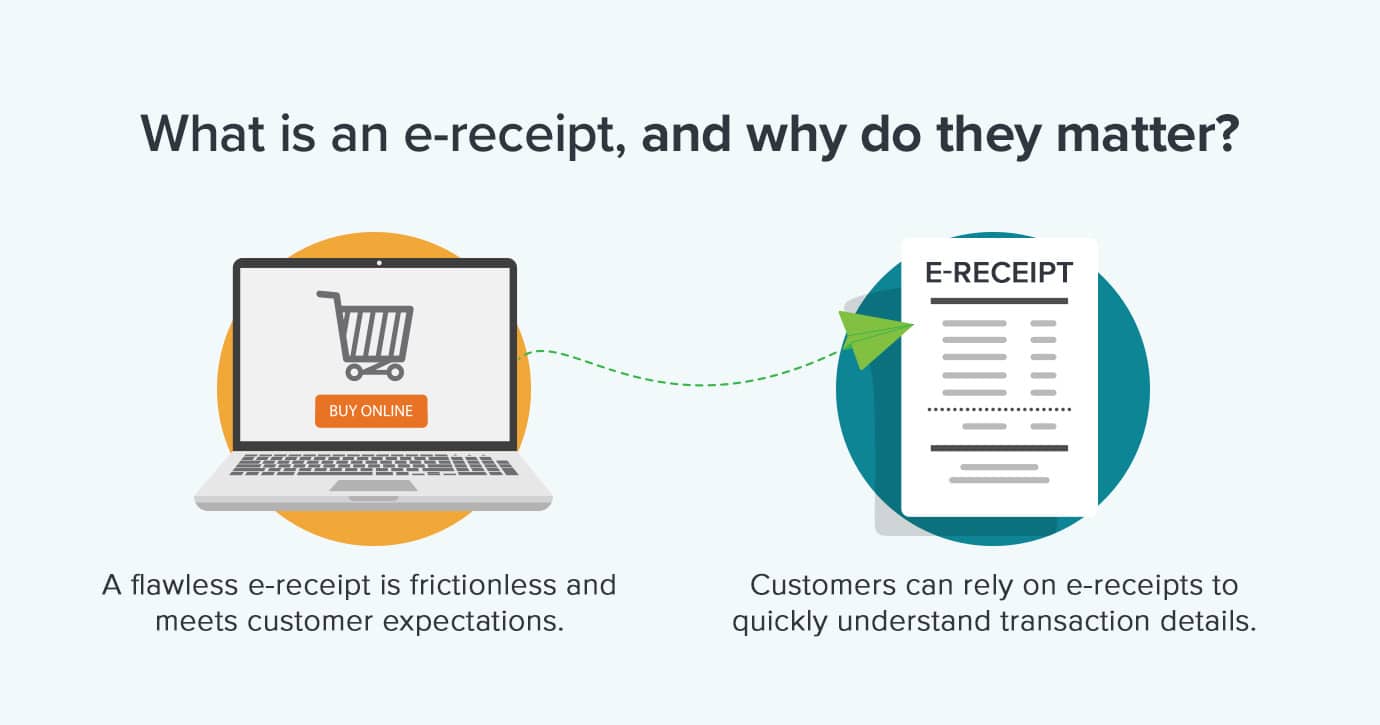
The digital receipt, once a simple confirmation of purchase, has rapidly transformed into a sophisticated, multi-functional touchpoint that is redefining post-transactional customer engagement and offering substantial strategic advantages for businesses. These electronic receipts, delivered via email, SMS, or integrated into mobile apps, serve not only as essential documentation but also as powerful tools for fostering brand loyalty, driving future revenue, and aligning with contemporary consumer values.
The Genesis and Evolution of Digital Receipts
The concept of digital receipts gained traction with the advent of e-commerce in the late 1990s and early 2000s. Initially, these were rudimentary email confirmations, often plain text, providing basic transaction details. Their primary purpose was convenience for online shoppers and a paperless record for businesses. However, the rise of smartphones and widespread internet access catalyzed a significant shift. Consumers began to expect instant digital access to their purchase records, pushing retailers to adopt more sophisticated e-receipt systems.
Environmental consciousness also played a pivotal role. As concerns about deforestation and waste grew, the movement towards paperless operations gained momentum. Businesses recognized the opportunity to position themselves as environmentally responsible by offering e-receipts as an eco-friendly alternative to traditional paper slips. This confluence of technological advancement, consumer demand for convenience, and environmental advocacy propelled e-receipts from a nascent feature to a standard offering across various industries, from retail and hospitality to services.
Today, e-receipts are far more than just digital duplicates of their paper predecessors. They are dynamic, interactive communications designed to extend the customer journey beyond the point of sale.
Strategic Imperatives: Why E-Receipts Matter More Than Ever
The strategic value of e-receipts is multifaceted, impacting operational efficiency, customer relationship management, and marketing effectiveness.
- Enhanced Customer Experience and Convenience: For consumers, e-receipts offer unparalleled convenience. They eliminate paper clutter, are easily searchable for returns or expense tracking, and can be accessed anytime, anywhere via a mobile device. A recent industry survey indicated that 85% of consumers prefer e-receipts over paper, citing ease of storage and accessibility as key benefits. This convenience translates directly into a positive brand perception and increased customer satisfaction.
- Environmental Stewardship and Sustainability: The environmental benefits are substantial. By replacing physical paper receipts, businesses significantly reduce paper consumption, ink usage, and the energy associated with printing and disposal. Estimates suggest that the widespread adoption of e-receipts globally could save millions of trees annually and reduce tons of carbon emissions. Communicating this environmental impact within the e-receipt itself further reinforces a brand’s commitment to sustainability, resonating deeply with eco-conscious consumers.
- Operational Efficiency and Cost Savings: From a business perspective, e-receipts offer tangible cost reductions. Eliminating the need for thermal paper rolls, printer maintenance, and the labor associated with handling physical receipts can lead to considerable savings. For large retailers, these operational efficiencies can amount to millions annually, freeing up resources for other strategic investments.
- A Rich Source of Data and Analytics: Every e-receipt sent is an opportunity to gather valuable data. Beyond the transaction details, engagement metrics such as open rates, click-through rates on embedded links, and interactions with promotional content provide deep insights into customer behavior. This data can inform future marketing campaigns, personalize product recommendations, and optimize the overall customer journey.
- Potent Marketing and Engagement Channel: Unlike traditional receipts, e-receipts are a direct, digital line of communication that can be leveraged for various marketing objectives. With average open rates for transactional emails often exceeding 70%—significantly higher than typical promotional emails—e-receipts guarantee high visibility for supplementary content. Marketers can strategically integrate loyalty program updates, mobile app promotions, cross-selling opportunities, and feedback requests, transforming a functional message into a powerful revenue driver and brand builder.
Best Practices: Crafting the Perfect E-Receipt
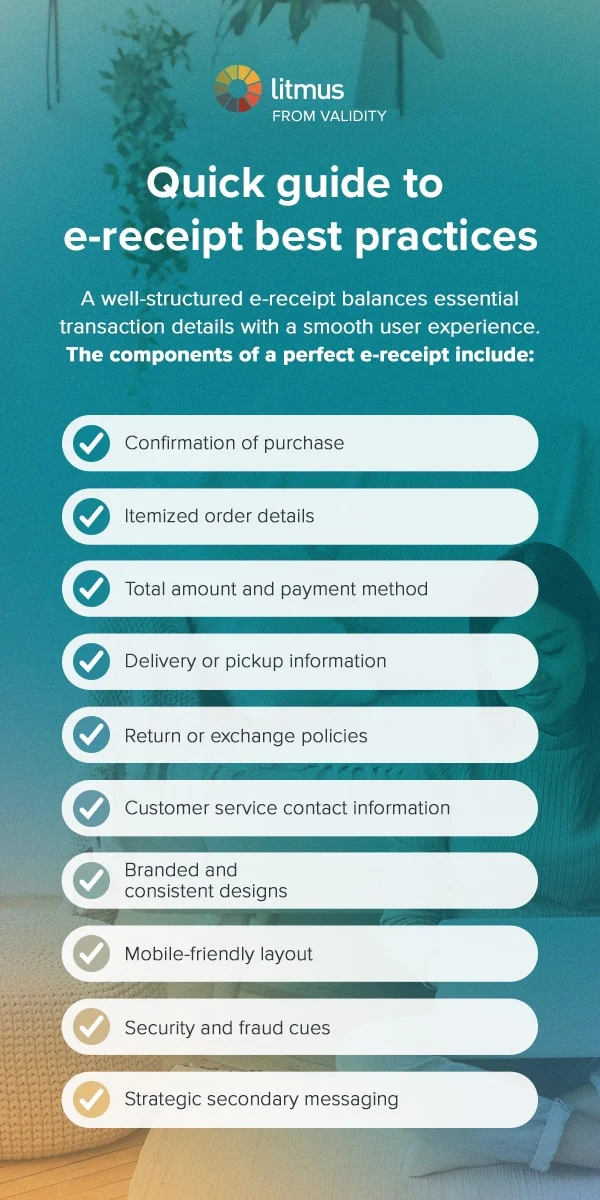
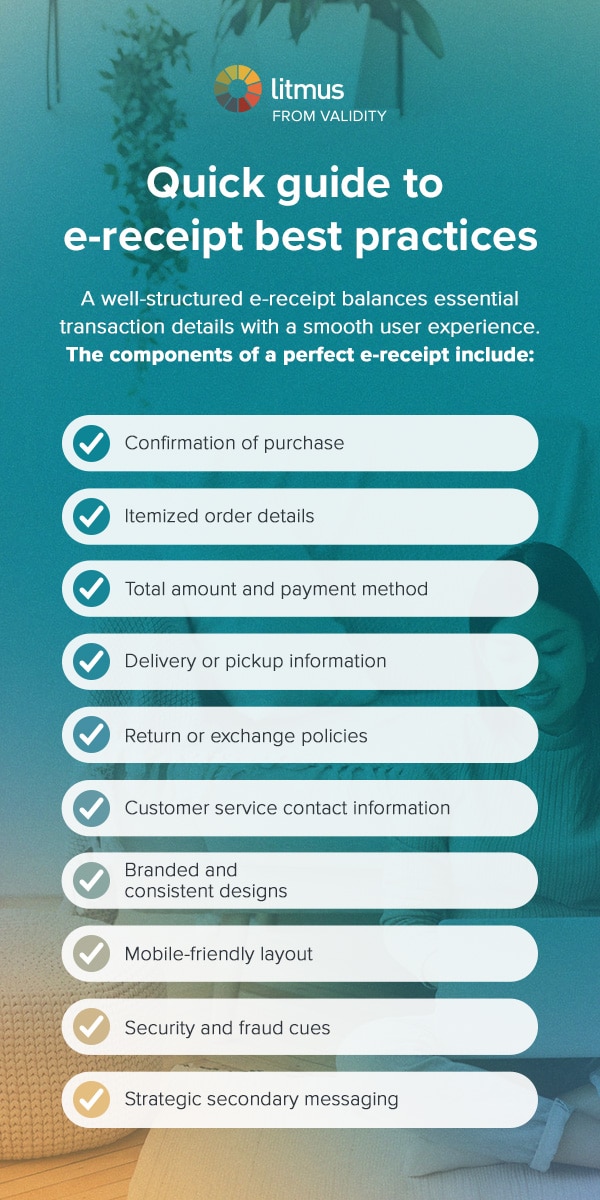
A well-structured e-receipt balances essential transaction details with a smooth user experience and strategic marketing elements. Key components and strategies include:
- Clarity and Transactional Focus: The primary purpose of an e-receipt is to confirm a purchase. Transaction details—items purchased, quantity, price, total, date, payment method, and order number—must be immediately visible, clear, and accurate. Any deviation can erode trust.
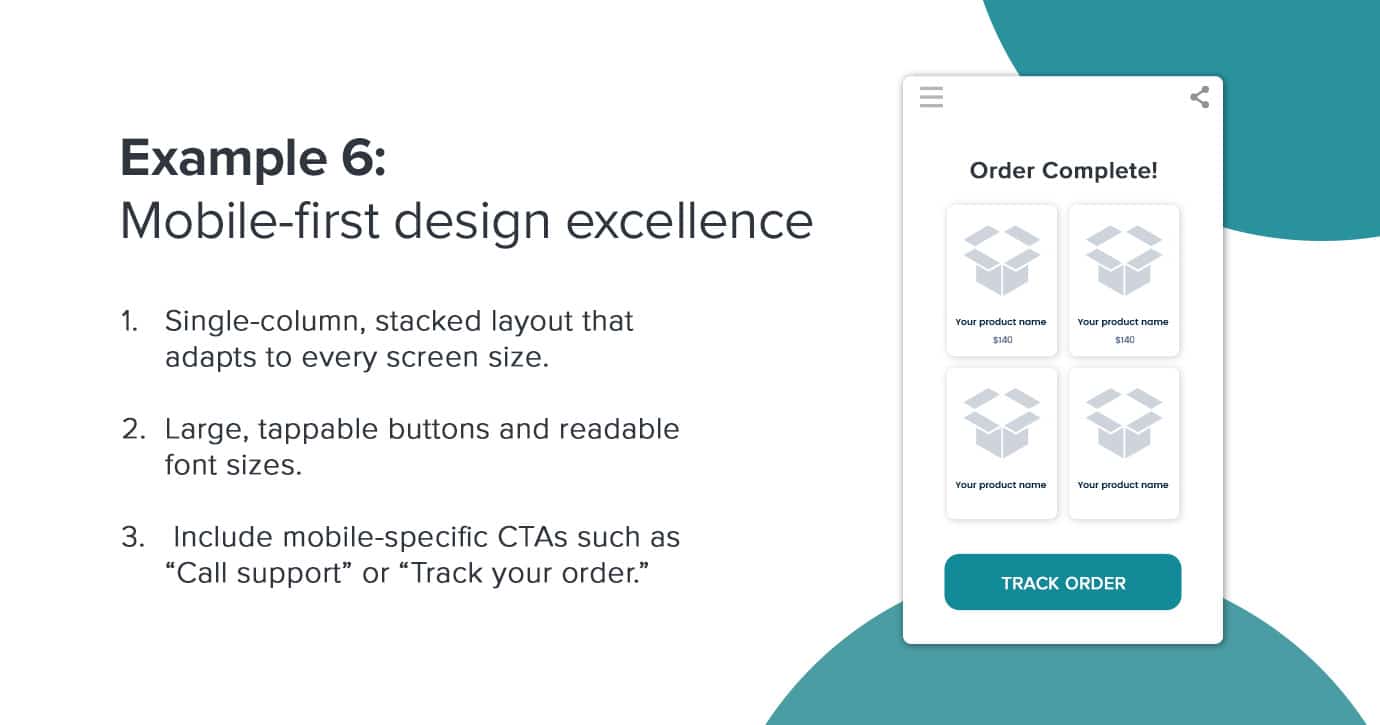
- Mobile-First Design Excellence: Given that over 70% of emails are opened on mobile devices, a responsive, mobile-first design is non-negotiable. E-receipts should feature a single-column layout, large, tappable buttons, legible fonts, and minimal scrolling. Fast load times and lightweight graphics ensure a seamless experience on any device.
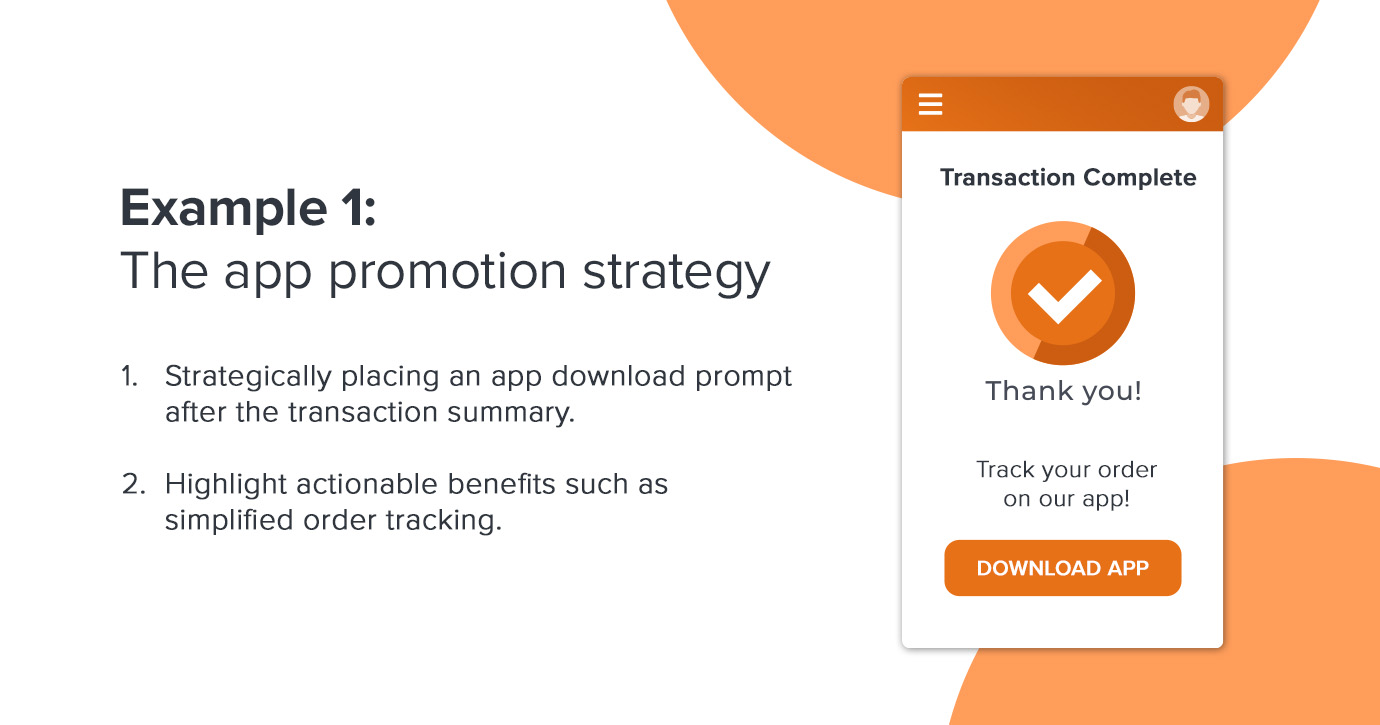
- App Promotion Strategy: Post-purchase is a prime moment to encourage mobile app downloads. By strategically placing an app download prompt, highlighting benefits like simplified order tracking or exclusive app features, businesses can convert a transactional interaction into deeper digital engagement. Security details, such as fraud warnings, should be placed nearby to reinforce trust in the digital ecosystem.
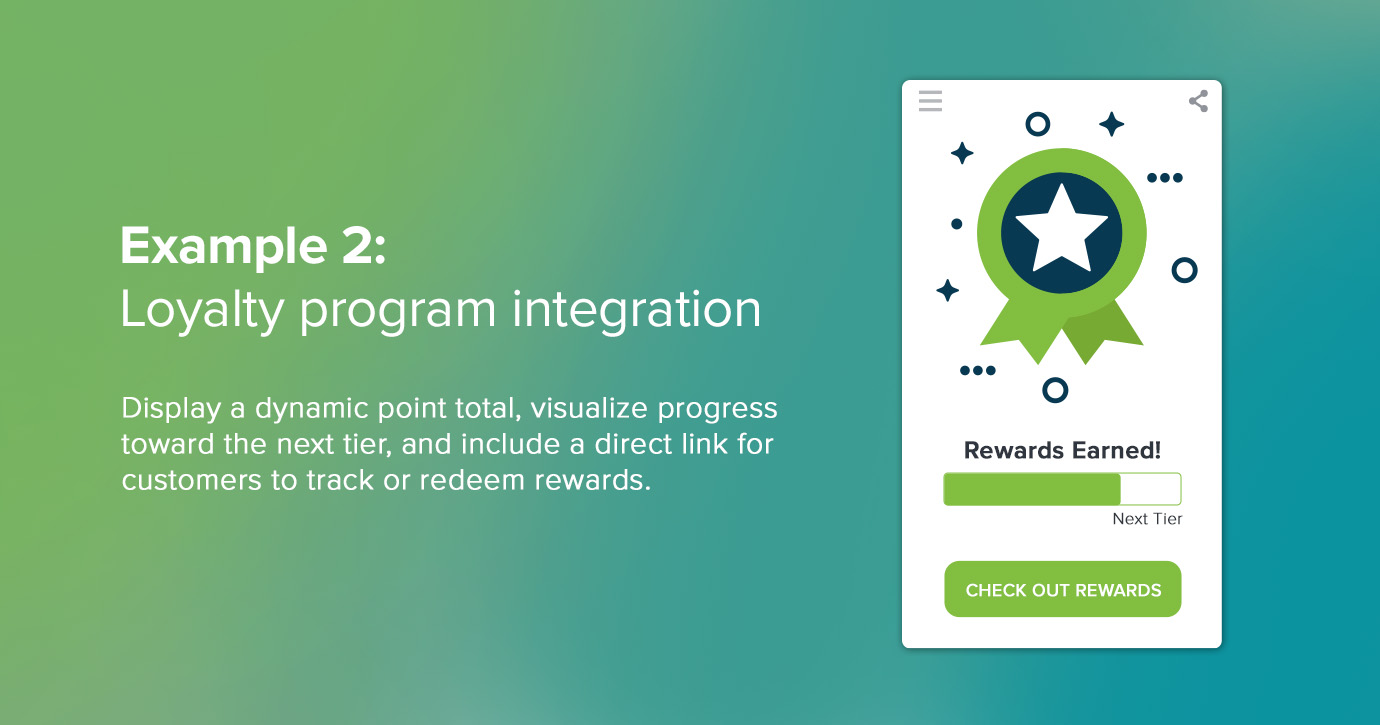
- Seamless Loyalty Program Integration: Integrating loyalty program details directly into the e-receipt incentivizes repeat business. Displaying points earned from the current purchase, visualizing progress toward the next reward tier, and providing direct links to manage rewards makes the program tangible and encourages continued participation. Brands like Sephora and Starbucks effectively use this strategy to drive engagement.
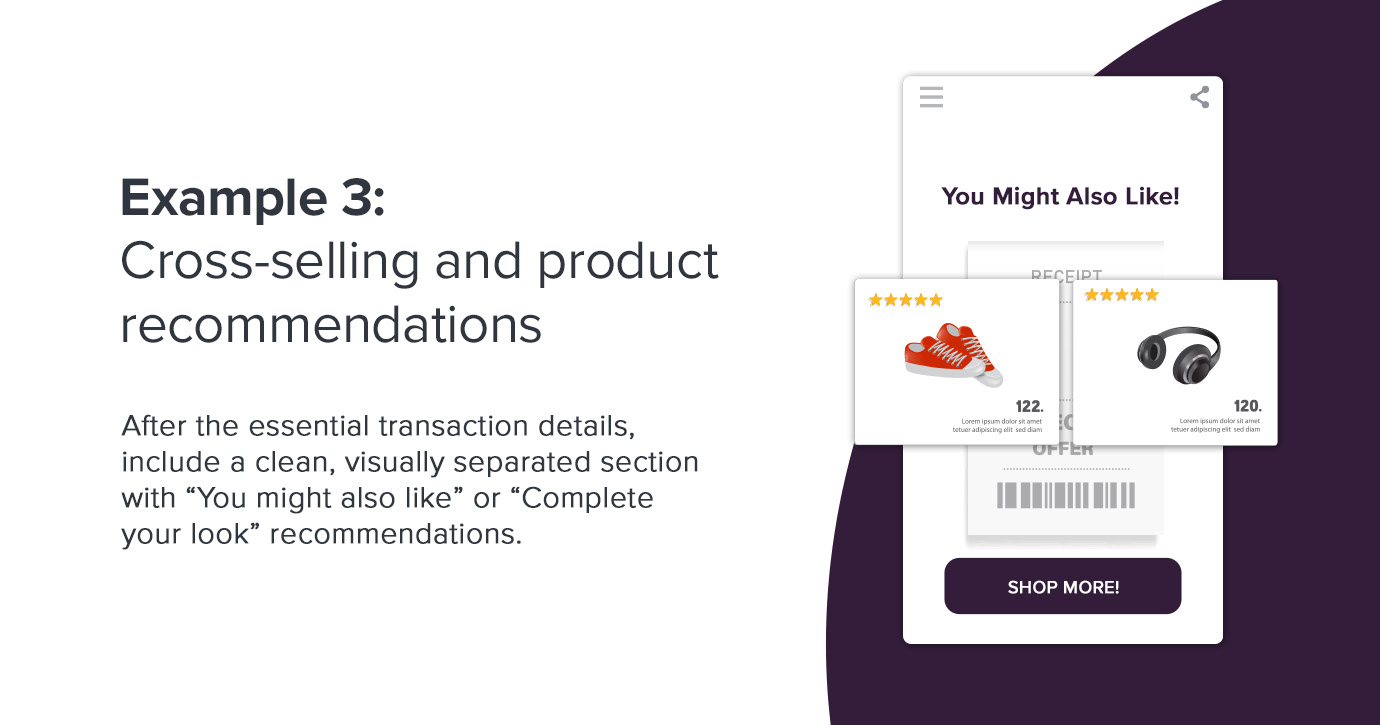
- Intelligent Cross-selling and Product Recommendations: Strategic product suggestions, powered by purchase history or complementary items, can significantly increase average order value. A clean, visually separated section with "You might also like" or "Complete your look" recommendations, similar to Amazon’s "Frequently Bought Together," feels tailored and non-intrusive.
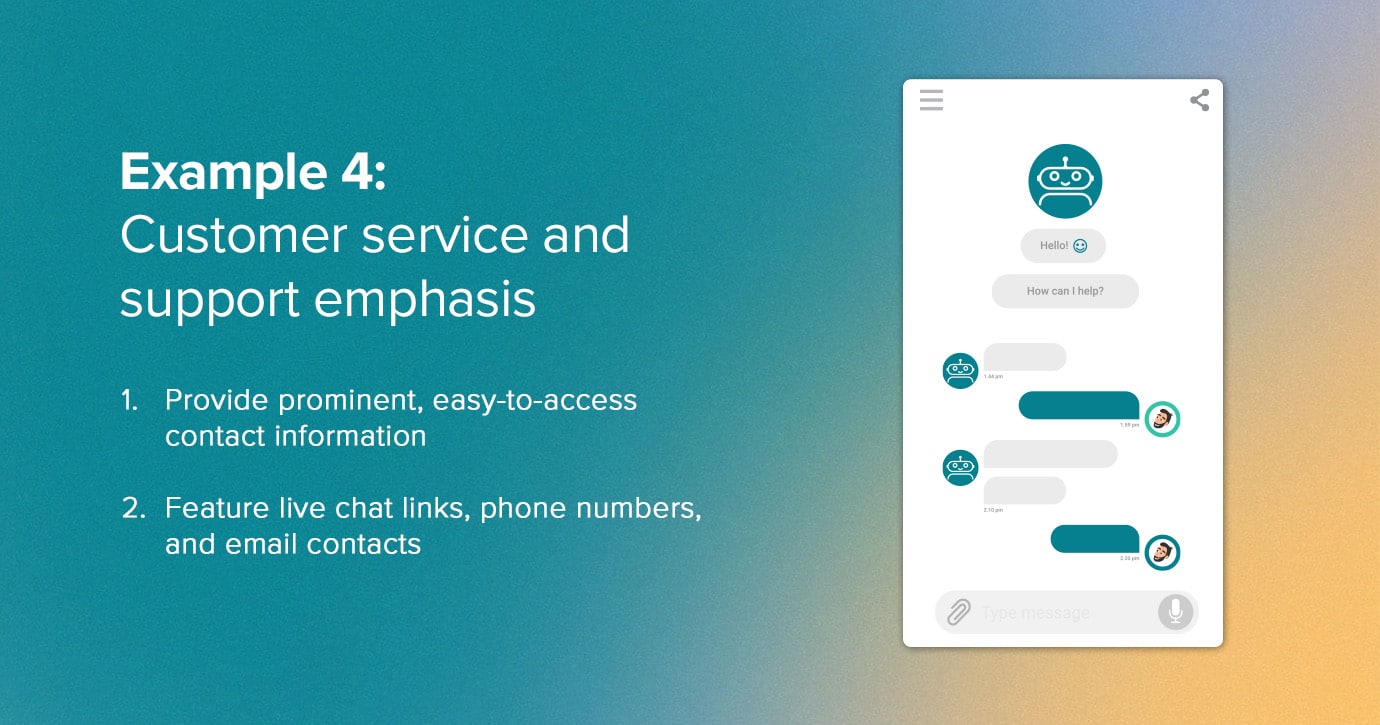
- Proactive Customer Service and Support Emphasis: An excellent e-receipt anticipates customer needs. Providing easy-to-access contact information (live chat, phone, email) and clear explanations of return/exchange processes builds immediate trust. Including tailored FAQs or quick links can empower customers to find answers independently, reducing support ticket volume.
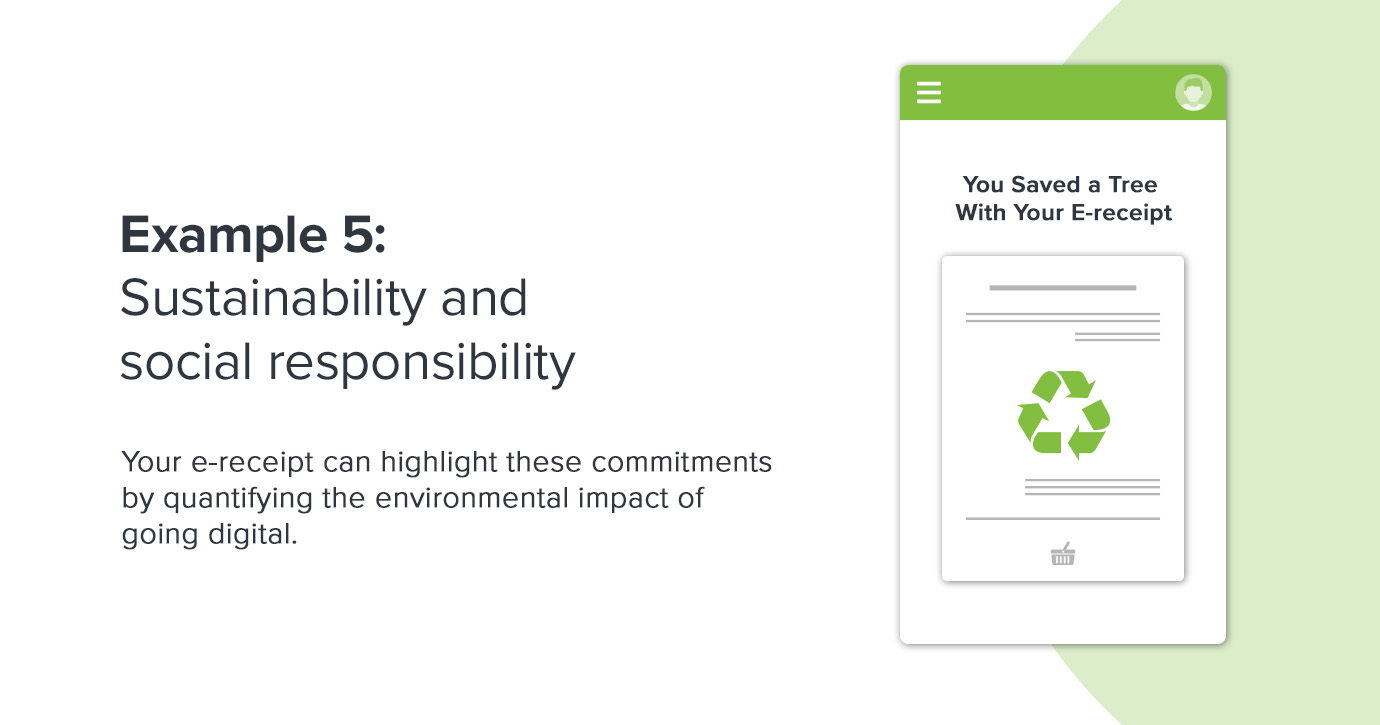
- Sustainability and Social Responsibility Messaging: Highlighting environmental commitments by quantifying the impact of going digital (e.g., "You saved X sheets of paper!") resonates with values-driven consumers. Concise messaging, links to sustainability reports, or ongoing green initiatives in the header or footer can strengthen emotional connections to the brand.
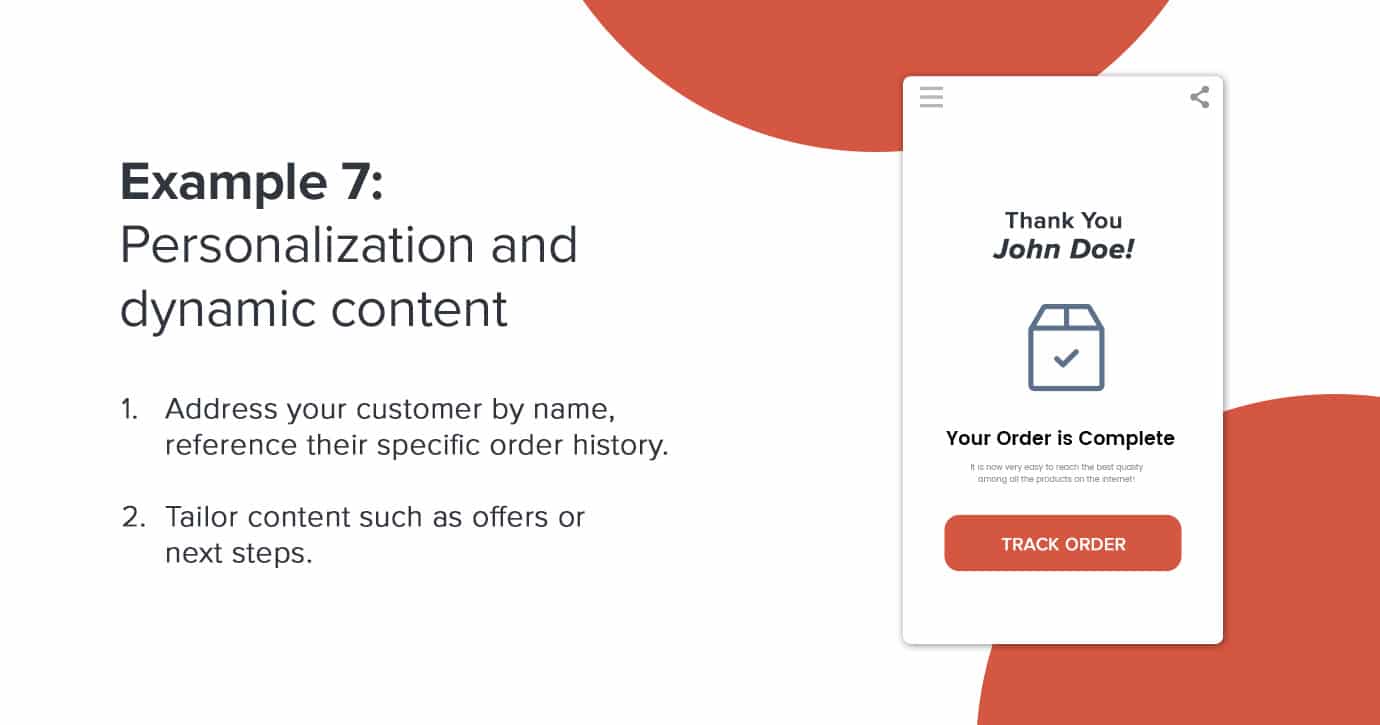
- Hyper-Personalization and Dynamic Content: Moving beyond just a customer’s name, personalization involves tailoring offers, content blocks, and even greetings based on specific order history, declared preferences, or real-time behavior. Dynamic layouts with flexible images and CTAs make each receipt feel uniquely crafted, boosting open rates and fostering a stronger individual connection. Chipotle, for instance, excels at personalizing digital receipts with order details, estimated times, and loyalty rewards.
Common Pitfalls to Avoid
Even with the best intentions, businesses can undermine the value of their e-receipts through easily overlooked missteps.
-
Design and UX Issues:
- Cluttered Layouts: Overloading the receipt with too much information or too many promotional elements can overwhelm the customer and obscure critical transaction details.
- Poor Mobile Responsiveness: Receipts that don’t render correctly on various screen sizes or email clients lead to a frustrating experience and may appear unprofessional.
- Inconsistent Branding: A receipt that deviates from the brand’s visual identity (colors, fonts, tone) can feel disjointed and diminish brand recall.
- Slow Load Times: Heavy images or complex code can delay loading, especially on mobile, leading to abandonment.
-
Content Problems:
- Missing Key Information: Failure to include essential details like itemized lists, total cost, payment method, or return policy can cause confusion and increase support inquiries.
- Generic Messaging: Sending the same receipt to all customers without any personalization misses a prime opportunity for engagement.
- Excessive Marketing Overload: While e-receipts are marketing touchpoints, turning them into purely promotional emails can detract from their primary function and annoy customers. The balance is crucial.
- Unclear Calls to Action (CTAs): Ambiguous or too many CTAs can confuse the customer about the desired next step.
-
Technical Issues:
- Delivery Failures: Receipts failing to reach inboxes due to spam filters, incorrect email addresses, or system glitches create distrust and inconvenience.
- Broken Links or Images: Non-functional links to support, product pages, or app downloads, or images that fail to load, signal a lack of attention to detail.
- Security Vulnerabilities: Lack of clear security messaging or perceived vulnerabilities can erode customer confidence, especially with sensitive transaction data.
- Accessibility Issues: Not designing for accessibility (e.g., alt text for images, proper color contrast) excludes a segment of the customer base.
Ensuring Excellence: A Continuous Improvement Framework
To maximize the impact of e-receipts, a rigorous process of testing and refinement is essential.
- Pre-Send Testing: Before deployment, e-receipts must undergo thorough testing across various email clients (Outlook, Gmail, Apple Mail), devices (desktop, tablet, mobile), and operating systems. This includes checking rendering in Dark Mode, verifying all links, confirming dynamic content and personalization fields populate correctly, and ensuring accessibility standards are met. Litmus, for example, provides tools to preview emails in over 100 clients, helping teams catch and fix issues proactively.
- Performance Monitoring: Continuously track key metrics such as open rates, click-through rates on promotional elements, conversion rates from cross-sell offers, and customer feedback. Analyze these metrics to identify trends, pain points, and areas for optimization.
- A/B Testing and Iteration: Regularly A/B test different elements—CTA wording, layout variations, placement of marketing modules, personalization strategies—to empirically determine what resonates most effectively with customers. Use these insights to iteratively refine e-receipt templates.
- Cross-Functional Collaboration: E-receipts touch various departments, including marketing, customer service, IT, and legal. Fostering collaboration ensures that all stakeholders’ requirements are met, potential issues are identified early, and the final product aligns with brand standards and compliance regulations.
- Gathering Direct Feedback: Actively solicit feedback from customer service teams regarding common queries or confusions related to receipts. Consider micro-surveys embedded within the receipt to gather direct customer sentiment.
The Future of E-Receipts: Interactive and Predictive
The evolution of e-receipts is far from over. Future trends point towards even greater interactivity and predictive capabilities. Imagine e-receipts integrated seamlessly with digital wallets, offering one-click returns, dynamic product tutorials based on purchase, or even augmented reality experiences showcasing how to use a newly purchased item. Artificial intelligence will further enhance personalization, predicting future needs and offering hyper-relevant suggestions before the customer even realizes they need them.
Conclusion: Beyond Transaction to Transformation
The e-receipt has transcended its original purpose to become a critical component of the modern customer journey. No longer just a record, it is a dynamic communication channel that, when strategically designed and meticulously executed, can foster brand affinity, drive incremental revenue, and reinforce a company’s commitment to customer satisfaction and environmental responsibility. By embracing best practices in design, content, personalization, and continuous improvement, businesses can transform these routine transactional touchpoints into powerful engines of sustained growth and customer delight. Leveraging robust email creation and testing platforms is paramount for brands aiming to maximize the impact of every e-receipt sent, ensuring confidence in delivery and effectiveness in engagement.