The past week has seen significant developments across the search engine landscape, marked by persistent algorithm volatility from Google, a landmark regulatory order from the UK, and a flurry of updates from both Google and Microsoft in the realms of AI, webmaster tools, and advertising. These shifts underscore the dynamic nature of the digital ecosystem, impacting webmasters, advertisers, and end-users alike as search engines continue to evolve their core functionalities and regulatory pressures intensify.
The Shifting Sands of Google Search: Ongoing Volatility and Core Algorithm Dynamics
Google Search experienced its characteristic and ongoing ranking volatility this week, a phenomenon that has become a perennial concern for webmasters and SEO professionals. While Google routinely rolls out minor adjustments and tests, periods of heightened volatility often signal more substantial, unconfirmed algorithm updates or significant shifts in how Google interprets and ranks content. This consistent fluctuation, sometimes dubbed the “Google Dance,” compels website owners to remain agile, focusing on fundamental SEO principles rather than chasing ephemeral algorithm changes. Industry tools like the Semrush Sensor and MozCast frequently record these tremors, showing swings in search result stability that can directly impact organic traffic and revenue for millions of websites globally. The inherent opacity of Google’s ranking mechanisms means that webmasters often rely on observational data and Google’s general guidance to decipher the implications of these volatile periods, constantly adapting their content strategies, technical SEO, and user experience to align with perceived shifts in Google’s preferences. The long-term trend indicates an increasing emphasis on user intent, E-E-A-T (Experience, Expertise, Authoritativeness, Trustworthiness), and overall content quality, making sustained volatility a reminder that Google’s quest for the most relevant results is an ongoing, iterative process.
Landmark Regulatory Action: UK CMA Orders Google to Share Algorithm Insights
In a potentially groundbreaking move with far-reaching implications for competition in the digital sphere, the UK’s Competition and Markets Authority (CMA) has formally ordered Google to share aspects of its search ranking algorithm and facilitate data portability to certain third-party entities. This directive stems from ongoing concerns within the UK and other global jurisdictions regarding Google’s dominant position in the search market, which regulators fear could stifle innovation and create unfair advantages.
Background Context: A History of Antitrust Scrutiny
The CMA’s decision is not an isolated event but rather a continuation of broader global efforts to regulate the power of tech giants. Over the past decade, Google has faced numerous antitrust investigations and fines in the European Union, the United States, and other regions concerning its advertising practices, Android operating system, and search dominance. The UK, particularly since establishing the Digital Markets Unit (DMU) within the CMA, has been at the forefront of developing new regulatory frameworks designed to promote competition and protect consumers in digital markets. This order specifically targets Google’s search business, an area where its market share consistently hovers above 90% in many countries, including the UK.
Details of the Order: Algorithm Insights and Data Portability
The CMA’s demand to “share its search ranking algorithm” does not necessarily imply handing over proprietary source code. Instead, it is more likely to involve providing deeper, auditable insights into the key factors and signals that influence search rankings, how these factors are weighted, and how they evolve over time. This transparency aims to enable potential competitors to better understand the mechanics of search, fostering a more level playing field for alternative search engines or specialized vertical search providers. Simultaneously, the requirement for “data portability” means Google would need to make it easier for users to transfer their search history and other related data to alternative services. This move aligns with broader data protection principles, such as GDPR, and is intended to reduce user lock-in, making it less cumbersome for individuals to switch between digital platforms.
Implications and Reactions:
From the CMA’s perspective, this order is a crucial step towards fostering a more competitive environment, potentially leading to greater innovation, more choice for consumers, and fairer outcomes for businesses that rely on search visibility. A spokesperson for the CMA, while not specifically quoted, would likely emphasize the importance of breaking down barriers to entry and ensuring that dominant platforms do not unfairly leverage their position.
For Google, this represents a significant challenge to its proprietary information and business model. While Google has consistently argued that its algorithm is a trade secret essential to its competitive edge and to combating spam, compliance with such an order could set a precedent for similar demands in other jurisdictions. It is reasonable to infer that Google’s initial reaction would involve a review of the order, potentially exploring avenues for appeal or negotiation to mitigate the scope of information disclosure, citing concerns over intellectual property and the potential for malicious actors to exploit algorithm insights. However, the company would also likely commit to cooperating within the bounds of legal requirements, perhaps emphasizing its existing efforts to support web transparency through initiatives like Search Central. The broader impact could include increased scrutiny on how Google’s AI-driven ranking systems operate and a push for greater “explainability” in algorithmic decisions across the tech industry.
Advancements in AI and Analytics: Google and Bing’s Latest Iterations
The integration of artificial intelligence continues to accelerate across search platforms, with both Google and Microsoft rolling out significant updates to enhance user experience and provide richer data for webmasters.
Google’s Information Agents in AI Mode:
Google Search has introduced its “information agents” in an “AI Mode” to subscribers, marking a further step in its ambitious integration of generative AI into its core search experience. While the details of the subscription model and specific agent functionalities are still emerging, this development points towards a future where search results are not merely lists of links but dynamically generated, conversational responses tailored by AI. These information agents are designed to assist users with complex queries, synthesize information from multiple sources, and potentially perform multi-step tasks within the search interface. This move parallels Google’s ongoing development of Search Generative Experience (SGE) and Bard, emphasizing a shift from “find” to “do” within search, offering more direct answers and interactive experiences. The implication for content creators is profound, as the rise of AI-generated summaries and direct answers could reduce click-through rates to traditional websites, necessitating a strategic focus on E-E-A-T and unique value propositions that AI models might not fully replicate.
Bing Webmaster Tools: Enhanced AI Performance Reports:
Microsoft’s Bing, invigorated by its early adoption of OpenAI’s GPT models, has significantly updated its Webmaster Tools with enhanced AI performance reports. These updates aim to provide webmasters with unprecedented insights into how their content performs within Bing’s AI-powered search experience. Key additions include:
- Intents and Topics: Reports now detail the user intents and overarching topics that drive traffic to a site via Bing’s AI features, offering a clearer picture of user needs.
- Citation Share: A novel metric, “citation share,” indicates how often a website’s content is cited or referenced by Bing’s AI in its generative answers. This is a crucial metric for understanding content authority and visibility within the AI-driven summaries.
- Compare Feature: A new comparison tool allows webmasters to benchmark performance metrics over different time periods or against specific content segments.
- Country Filters: Updates to country filters will provide more granular geographical data within performance reports, enabling localized SEO strategies.
These enhancements underscore Bing’s commitment to empowering webmasters in the AI era. By offering detailed data on AI performance, Bing is giving website owners the tools to optimize their content not just for traditional organic listings but also for the burgeoning generative AI search landscape. This competitive move by Microsoft aims to differentiate Bing Webmaster Tools and attract more SEO professionals to monitor their presence on the platform, especially as AI-driven search continues to gain traction.
Google Search Console and Webmaster Tool Updates: Refining SEO Intelligence
Beyond AI, both Google and Bing have rolled out practical updates to their webmaster-facing tools, crucial for SEO performance monitoring and technical health.
Google Search Console’s Link Report Finally Updated:
A long-awaited update to Google Search Console’s (GSC) link report has finally arrived. The previous iteration of the link report had been criticized for its limited functionality and infrequent updates. The new report is expected to offer more comprehensive data on a website’s backlink profile, including potentially more detailed information on internal and external links, anchor text distribution, and link source quality. For SEOs, an improved link report is invaluable for identifying harmful backlinks, conducting thorough link audits, and understanding the efficacy of link-building strategies. This update signals Google’s continued commitment to providing webmasters with the necessary data to maintain a healthy and robust online presence.
Bing Webmaster Tools Country Filters:
In addition to its AI performance reports, Bing Webmaster Tools is also set to release broader updates to its country filters within its standard performance reports. This will allow webmasters to segment their search performance data by specific geographic regions more effectively, enabling more precise international SEO strategies and analysis of localized content effectiveness.
Developer Guidelines and SEO Best Practices Clarified
Google also issued several clarifications and statements regarding developer best practices and SEO, aiming to dispel common myths and reinforce foundational principles.
Site Moves and Domain Variants:
Google updated its documentation around site moves and the listing of domain variants in the change of address tool. These guidelines are critical for ensuring that website migrations, whether due to a domain change, protocol switch (HTTP to HTTPS), or structural overhaul, are executed without significant loss of search visibility. The updates likely provide clearer steps and emphasize the importance of correct implementation to minimize SEO impact during what can be a high-risk operation for any website.
LLMS.txt Files and Google Search:
Google explicitly stated that LLMS.txt files—a hypothetical concept akin to robots.txt but for large language models (LLMs)—will neither help nor hurt a website’s ranking in Google Search. This clarification addresses speculation within the SEO community about potential future directives for AI crawlers. For now, Google confirms that its core search ranking mechanisms do not currently recognize or utilize such files, reinforcing that existing robots.txt and other standard web protocols remain the primary means of controlling crawler access.
HTML as the Standard for SEO:
In a clear directive, Google reiterated that HTML remains the standard for SEO, not markdown files. While markdown is popular among developers for its simplicity in writing structured text, Google’s crawlers are fundamentally built to interpret HTML. This statement underscores the importance of proper HTML semantics, accessibility, and structure for optimal indexation and ranking, reminding developers to ensure their content is rendered into valid and accessible HTML for search engines.
Subfolder Structures for US Sites:
Google clarified that there is “no practical difference” with using subfolder structures for US sites, addressing a long-standing debate within the SEO community about the technical advantages or disadvantages of subdomains versus subfolders. This reiteration suggests that Google’s algorithms are sophisticated enough to understand content organization regardless of whether it resides on a subdomain (e.g., blog.example.com) or a subfolder (e.g., example.com/blog/), particularly for sites targeting the US market. The decision between the two should primarily be driven by architectural and content management considerations rather than perceived SEO benefits.
Google Search Central Live Milan: Community Engagement
Google Search Central Live took place in Milan this week, bringing together Google representatives and the SEO community. These events are crucial for direct communication, allowing Google to share insights on current best practices, upcoming changes, and to gather feedback. Topics typically cover a broad range, including core updates, E-E-A-T, technical SEO, and the future of search with AI, providing invaluable learning opportunities for attendees.
Innovations in Search Advertising and Display
The advertising landscape is also undergoing continuous evolution, with Google Ads and Microsoft Advertising introducing new features aimed at optimizing campaign performance and user experience.
Google Ads Bidding Target Optimization and Promotion Mode:
Google Ads has refined its bidding target optimization capabilities, rolling out a “promotion mode beta” and expanding “smart bidding exploration.” These updates reflect Google’s ongoing push towards more automated, AI-driven campaign management, designed to help advertisers achieve their goals more efficiently.
- Bidding Target Optimization: Likely involves more sophisticated algorithms that fine-tune bids in real-time based on a wider array of signals to hit specific performance targets (e.g., CPA, ROAS).
- Promotion Mode Beta: Could introduce specialized campaign types or features designed to maximize visibility and conversions for specific promotional offers or events, offering enhanced tools for advertisers running time-sensitive campaigns.
- Smart Bidding Exploration: Further empowers advertisers to test and understand the impact of different smart bidding strategies, providing deeper insights into how AI-driven bids perform against various objectives.
Limiting Ad Impressions from Unqualified Advertisers:
In a move to enhance ad quality and user trust, Google Ads will also limit ad impressions from “unqualified advertisers.” This initiative is likely aimed at combating ad fraud, low-quality ads, and misleading content, ensuring that users encounter more reputable and relevant advertisements. This benefits both users and legitimate advertisers by creating a cleaner, more trustworthy advertising ecosystem.
Conversion-Based Customer Lists:
Google Ads is turning on conversion-based customer lists. This feature allows advertisers to target specific segments of their audience based on past conversion actions, enabling highly personalized and effective remarketing campaigns. By leveraging conversion data, advertisers can tailor their messaging to users who have already shown a strong intent or engagement, leading to potentially higher conversion rates and improved ROI.
Google Product Results and Image Search:
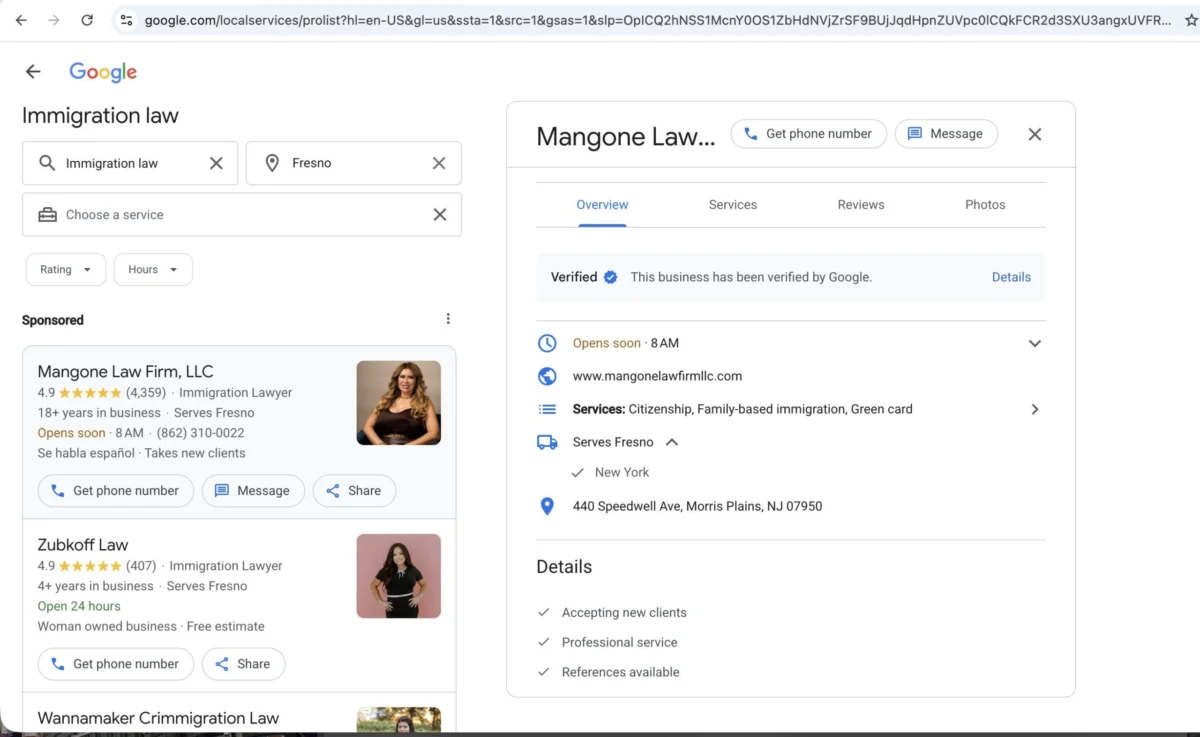
Google is testing 3D model attribution in product results, enhancing the visual shopping experience by allowing users to interact with products in a more immersive way. This development is particularly relevant for e-commerce, offering new opportunities for retailers to showcase their products. Furthermore, some users are finally noticing that Google Image Search does mix ads within organic results, confirming a long-standing practice that integrates commercial content directly into visual search outcomes.
Bing’s New News Box Design:
Bing is testing a new updated news box design in search, indicating its efforts to enhance the presentation and engagement of news content within its search results. A refreshed design could include richer snippets, more prominent visuals, and potentially AI-driven summarizations to provide users with quicker access to information and a more appealing news consumption experience.
Microsoft Advertising’s Product Explorer:
Microsoft Advertising has introduced a new “product explorer” feature. This tool likely provides advertisers with insights into product trends, competitive landscapes, and audience demand within the Microsoft Advertising network, helping them identify lucrative opportunities and optimize their product-focused campaigns.
Industry Reactions and Future Outlook
The convergence of regulatory pressures, relentless algorithm updates, and the accelerating integration of AI defines the current search landscape. Regulators like the UK’s CMA are increasingly assertive in challenging the dominance of tech giants, signaling a global trend towards greater oversight and demands for transparency. For Google, compliance with orders like the CMA’s will require careful navigation of intellectual property concerns against regulatory imperatives, potentially reshaping how proprietary algorithms are viewed in the context of market dominance.
Meanwhile, the rapid pace of AI integration by both Google and Microsoft is fundamentally altering how users interact with search. The shift towards generative answers, AI agents, and richer, personalized experiences poses both opportunities and challenges for webmasters. The focus for content creators will increasingly be on demonstrating unique value, deep expertise, and establishing strong E-E-A-T to stand out amidst AI-synthesized information. Tools like Bing’s enhanced AI performance reports become critical for understanding this evolving interaction.
The advertising sector continues its march towards greater automation and data-driven personalization. Google Ads and Microsoft Advertising’s updates underscore a commitment to providing sophisticated tools that leverage AI for targeting, bidding, and campaign optimization, while also addressing concerns about ad quality and user trust.
As the search ecosystem becomes more complex and interconnected, the need for continuous adaptation, clear guidelines, and robust analytics tools remains paramount for anyone seeking to navigate the digital world effectively. This past week’s developments serve as a potent reminder of the dynamic forces at play, pushing the boundaries of technology and regulation in equal measure.
Sponsor Note: This week’s developments highlight the critical need for advanced search technologies. Yahoo Scout, an AI answer engine, offers a compelling solution by pulling from the open web, trusted publisher networks, and Yahoo’s vast ecosystem including News, Finance, Sports, and Mail. With thirty years of search intelligence behind every result, Scout.com aims to provide informed answers with cited sources, inviting users to try it today.