Meta Platforms has announced a comprehensive suite of updates designed to significantly enhance its livestream promotion capabilities and refine its artificial intelligence-driven advertising systems. These strategic advancements are primarily focused on transforming live broadcasts into more robust shopping channels, while simultaneously improving the precision and responsiveness of ad delivery across its vast network. The initiative underscores Meta’s intensified commitment to social commerce, a rapidly expanding sector, and its ongoing investment in AI to optimize user experience and advertiser performance.
The Strategic Imperative: Capitalizing on the Live Commerce Boom
The global landscape of e-commerce has been progressively reshaped by the emergence and rapid growth of social commerce, particularly live shopping. This trend, which originated and flourished in Asian markets like China with platforms such as Taobao Live and WeChat, has steadily gained traction in Western economies. Live shopping offers a dynamic, interactive, and often entertaining way for brands to connect with consumers, showcasing products in real-time, answering questions, and driving impulse purchases through limited-time offers and influencer endorsements. The immediacy and authenticity inherent in live streams foster a unique sense of community and trust, which traditional e-commerce often struggles to replicate.
Meta’s renewed focus on livestream shopping comes amidst fierce competition, most notably from TikTok, which has aggressively invested in its own live commerce features, including TikTok Shop. Data from various market research firms indicates a robust growth trajectory for live commerce. For instance, projections suggest the global live commerce market could reach hundreds of billions of dollars in the coming years, with significant portions of this growth expected from North America and Europe, mirroring its success in Asia. For Meta, integrating more seamless and effective shopping experiences directly into Facebook and Instagram live streams is not merely about staying competitive but about capturing a substantial share of this burgeoning market and further monetizing its massive user base. By enabling more direct purchase pathways and enhancing the discovery of products during live content, Meta aims to create a more compelling value proposition for both creators and businesses.
Meta’s Evolving Journey in Social Commerce
Meta’s engagement with e-commerce is not a recent development. Over the years, the company has introduced various features aimed at integrating shopping into its platforms. Early iterations included Marketplace on Facebook, allowing users to buy and sell locally. The strategic push intensified with the launch of Facebook Shops and Instagram Shopping, designed to provide businesses with storefronts directly within the apps. These initiatives paved the way for more direct product tagging, in-app checkout functionalities, and curated shopping feeds. However, the evolution of live shopping presented a new frontier. Facebook had previously experimented with variations of livestream ads for some time, including early tests of in-stream product placements and promotional links. The current wave of updates represents a significant refinement and global scaling of these efforts, building on lessons learned from past pilots and market feedback. The March 2024 expansion of its affiliate program in the U.S., which included integrations with major retailers like Amazon, Shopee, eBay, and Temu, served as a precursor to these broader global initiatives, indicating a systematic strategy to deepen its commerce ecosystem.
Key Enhancements to Livestream Promotions
Central to Meta’s latest announcement is the expansion and refinement of its live video ad formats and tools, designed to make live broadcasts more shoppable and effective for marketers.
-
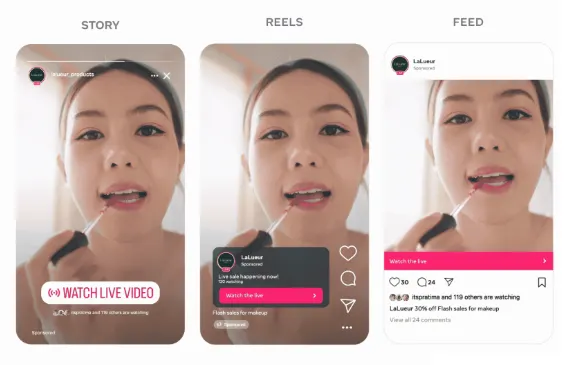
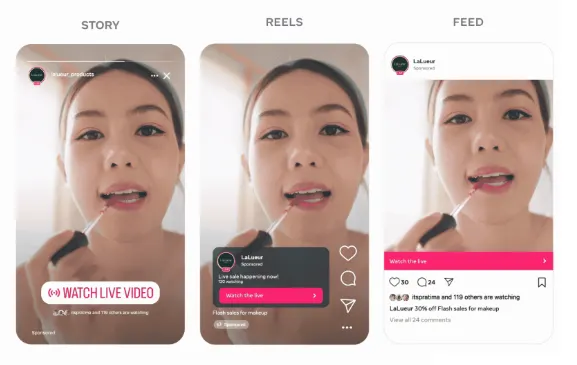
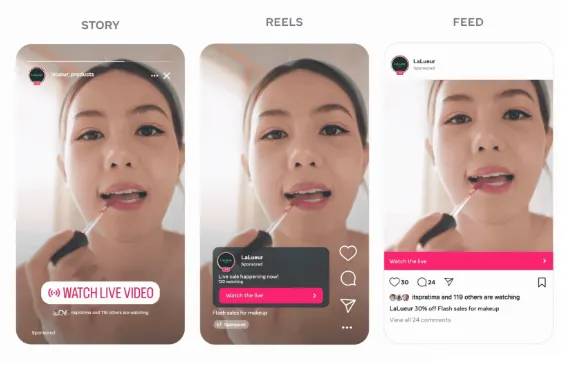
Global Expansion of Live Video Ads: A significant update involves the expansion of live video ads to Instagram, alongside a global rollout on Facebook. This move brings standardized and enhanced promotional capabilities to Instagram’s massive and highly engaged audience, particularly its younger demographic, which is often more receptive to influencer-driven commerce. These live video ads offer broadcasters versatile ways to promote products, ranging from direct links to live broadcasts to integrated in-stream product tabs that facilitate purchases on external sites. This dual-platform strategy maximizes reach and provides businesses with a broader canvas for their live shopping campaigns. The ability to link directly to a broadcast ensures that promotional efforts seamlessly guide potential customers to the live event where engagement and conversion are highest.
-
Strategic Partnerships for Live Commerce: To fortify its live shopping infrastructure, Meta is actively collaborating with specialized live commerce platforms. The list of partners includes CommentSold, Firework, LiveMeUp, Sprii, and TalkShopLive. These partnerships are crucial as they leverage the expertise of established players in the live shopping ecosystem. These platforms often provide sophisticated backend tools for inventory management, order processing, interactive features (like polls and Q&As during streams), and analytics, which can be seamlessly integrated into Meta’s offerings. By partnering rather than solely building in-house, Meta can rapidly scale its capabilities and offer a more robust, feature-rich experience to businesses and creators, ensuring a smoother transition for those already familiar with live commerce operations.
-
Integrated Shopping Tools within Live Streams: Meta is introducing new live shopping tools on Facebook that enable marketers to display a curated selection of promoted products directly during a broadcast. This visual integration allows viewers to browse items, check pricing, and discover products to purchase without ever having to leave the live stream. This “frictionless” shopping experience is paramount for maximizing conversion rates in live commerce, where impulse decisions are common. The ability to interact with the product display in real-time, while simultaneously engaging with the content and creator, significantly enhances the user journey, moving from discovery to purchase within a single interface.
-
Fortifying Security with Virtual Card Support: A critical advancement aimed at bolstering consumer confidence is the rollout of support for virtual cards. This feature allows shoppers to use temporary, one-time card numbers generated from their existing Mastercard or Visa accounts. As Meta explicitly stated, “By enabling transactions without requiring the direct sharing of credit card details with businesses, this aims to enhance consumer security and increase purchase confidence.” In an era where data breaches and online fraud are significant concerns, providing an extra layer of security through virtual cards can be a decisive factor for hesitant online shoppers. This move aligns with broader industry trends towards enhanced payment security and privacy, reducing perceived risks for consumers and, consequently, improving conversion rates for businesses on Meta’s platforms.
Empowering the Creator Economy: Affiliate Marketing Boost
The growth of the creator economy is inextricably linked to the success of social commerce. Creators, with their authentic voices and engaged audiences, are powerful drivers of product discovery and sales. Meta’s latest updates significantly expand its affiliate marketing partnerships, providing creators with more robust tools for monetization.
-
Regional Expansions and Global Reach: Meta is strategically expanding its affiliate network to key global markets. Facebook affiliate partners will now include Flipkart in India and Mercado Libre in Brazil and Mexico. Additionally, Lazada will soon be available to Facebook creators in Asia, and Flipkart will extend its reach to Instagram creators in India. These regional giants in e-commerce provide creators with access to vast product catalogs and established logistics networks, making it easier for them to recommend and link to products relevant to their local audiences. This localized approach is crucial for capturing market share in diverse economic landscapes.
-
Creator Monetization and Content Integration: The core benefit for creators is the ability to directly add affiliate product links from these partner businesses into their content, earning commissions from resulting sales. This functionality is being rolled out for creators in 22 countries, enabling them to search for and tag products from a business’s catalog. As Meta outlined, “When creators feature products in Reels and Feed, people discover and purchase products while browsing, and creators can earn commission through the affiliate links they share.” This seamless integration into Reels and Feed, Meta’s high-engagement content formats, means that product discovery and purchase opportunities are woven directly into the user’s organic browsing experience. This not only incentivizes creators to produce shopping-focused content but also provides a more natural and less disruptive advertising experience for users. The expansion builds upon the U.S. affiliate program launched in March, which included Amazon, Shopee, eBay, and Temu, demonstrating a clear pattern of incremental global rollout.
Revolutionizing Ad Delivery with AI-Powered Optimization
Beyond live commerce, Meta is making significant strides in how its artificial intelligence system processes product data to optimize ad delivery, promising greater efficiency and effectiveness for advertisers.
-
From Manual to Automated Matching: The update fundamentally changes how advertisers interact with Meta’s ad system. Instead of manually selecting different ad types and targeting parameters, advertisers will now provide both their product data feeds and creative assets. Meta’s AI system will then take over, assembling “the best-performing ad for each viewer in real time,” as stated by Meta. This shift from manual selection to automated matching represents a significant leap in ad optimization. It reduces the complexity for advertisers, allowing them to focus on providing high-quality product information and engaging creative, while the AI handles the intricate task of personalization.
-
The Mechanics of AI-Driven Product Data: This AI-driven approach leverages vast amounts of data, including user behavior, demographics, past purchase history, stated interests, and real-time interactions with content. By analyzing these data points in conjunction with detailed product attributes (e.g., color, size, category, price, popularity) and available creative assets (images, videos, copy), Meta’s AI can dynamically generate and serve the most relevant ad variation to each individual user. This level of granular personalization aims to drastically improve ad relevance, leading to higher click-through rates, increased engagement, and ultimately, better conversion rates for advertisers. The system continuously learns and adapts based on performance data, refining its matching algorithms over time to maximize ROI. This move aligns with Meta’s broader strategy of investing heavily in AI to power everything from content recommendations to ad targeting, aiming for an “AI-first” approach across its platforms.
Market Context and Competitive Landscape
The intensifying competition in the social commerce space, particularly from platforms like TikTok, serves as a significant backdrop to Meta’s aggressive push. TikTok’s “Project S” and its investments in TikTok Shop have demonstrated the immense potential of direct-to-consumer sales within a highly engaging social media environment. By enhancing its live shopping features, expanding affiliate programs, and refining AI-driven ad delivery, Meta is not only responding to competitive pressures but also solidifying its position as a dominant player in the evolving digital commerce ecosystem. Other players like Amazon Live also highlight the growing importance of live video in retail, further validating Meta’s strategic direction. The overall market is trending towards more integrated, personalized, and interactive shopping experiences, and Meta’s updates position it well within this trajectory.
Industry Reactions and Anticipated Impact
The announced updates are likely to be met with positive reactions from various stakeholders across the digital ecosystem.
- For Businesses and Advertisers: The streamlined AI-driven ad optimization promises greater efficiency and potentially higher returns on ad spend, reducing the manual effort required for campaign management. The expanded reach of live video ads to Instagram and the enhanced in-stream shopping tools offer new, high-converting channels for sales. The added security of virtual cards could also lead to higher conversion rates by mitigating consumer hesitations.
- For Creators: The broadened affiliate marketing partnerships, especially with major regional e-commerce players, represent significant new monetization opportunities. This empowers creators to build sustainable businesses around their content, fostering a more vibrant and commerce-focused creator economy on Meta’s platforms.
- For Consumers: The updates aim to deliver a more seamless, engaging, and secure shopping experience. The ability to browse and purchase products without leaving a live stream, combined with enhanced payment security, reduces friction and improves overall satisfaction. More relevant ads, powered by improved AI matching, could also lead to a less intrusive and more helpful ad experience.
- For Meta: These initiatives are crucial for driving user engagement, increasing time spent on platforms, and diversifying revenue streams beyond traditional display advertising. By solidifying its position in social commerce, Meta can attract more businesses and creators, creating a virtuous cycle of content, engagement, and transactions within its ecosystem.
Looking Ahead: The Future of Social Commerce on Meta Platforms
These updates represent a significant step in Meta’s long-term vision for social commerce. The emphasis on AI-powered personalization suggests a future where shopping experiences are increasingly tailored to individual user preferences, making product discovery more intuitive and purchases more effortless. Further integration of augmented reality (AR) and virtual reality (VR) technologies into live shopping experiences could be the next frontier, allowing consumers to virtually “try on” products or experience them in a more immersive way during live streams. The ongoing evolution of the creator economy will also play a pivotal role, with Meta likely to continue investing in tools and programs that enable creators to monetize their influence through commerce. As Meta continues to refine its AI capabilities and expand its commerce features, it is clear that the company is positioning itself at the forefront of the social commerce revolution, aiming to redefine how billions of users discover, engage with, and purchase products online.