Email marketing continues to be a powerhouse for small and mid-market businesses, consistently delivering an impressive return on investment. Recent analyses indicate that for every dollar invested, email marketing yields approximately $36, making it the highest-ROI digital channel available. However, the landscape of email marketing has undergone significant transformations in the past two years, necessitating a strategic re-evaluation of tactics, measurement, and execution.
Shifting Sands: Key Changes Reshaping Email Marketing
The effectiveness and measurement of email marketing have been directly impacted by several pivotal developments. A primary challenge stems from Apple’s Mail Privacy Protection (MPP), implemented to enhance user privacy. MPP pre-fetches tracking pixels for a substantial portion of Apple Mail users, estimated at around 64%. This has rendered traditional open rates an unreliable Key Performance Indicator (KPI), as a “pre-fetched” open may not reflect actual reader engagement.
Furthermore, major email providers have intensified their focus on sender accountability and recipient experience. In February 2024, Gmail and Yahoo began enforcing stringent sender requirements for any entity sending 5,000 or more messages daily. These mandates include:
- Robust Authentication: Senders must authenticate their domains using Sender Policy Framework (SPF), DomainKeys Identified Mail (DKIM), and Domain-based Message Authentication, Reporting, and Conformance (DMARC). These protocols are critical for verifying the legitimacy of the sender and preventing spoofing.
- One-Click Unsubscribe: A clear and easily accessible one-click unsubscribe mechanism is now a non-negotiable requirement, allowing recipients to opt out of future communications effortlessly.
- Low Spam Complaint Rates: Maintaining a spam complaint rate below 0.3% is crucial. Exceeding this threshold can lead to deliverability issues, including messages being filtered to spam folders or outright rejection.
Microsoft has aligned with these stringent standards, implementing the same rules for its Outlook.com and Hotmail platforms in May 2025. This unified approach across major email providers underscores the industry’s collective effort to combat spam and improve inbox quality.
Adding another layer of complexity, the proliferation of generative AI tools presents both opportunities and challenges. While AI can streamline content creation and personalization, it also poses a significant threat in the form of increasingly sophisticated and voluminous email spam. Email providers are expected to respond to this evolving threat with even more intricate rules and restrictions, further emphasizing the need for marketers to stay ahead of the curve.
Understanding the Core of Email Marketing
At its essence, email marketing is the strategic practice of sending commercial or relationship-based emails to a subscriber list that has explicitly opted in. The primary objectives are to drive revenue, foster customer retention, and enhance engagement. A fundamental differentiator of email marketing is the ownership of the subscriber list. Unlike other digital channels where marketers rent space or access from platforms that can alter their algorithms or terms of service, an email list represents a direct, owned asset.
The crucial element distinguishing legitimate email marketing from spam is consent. Marketing emails necessitate explicit opt-in, clearly identify the sender, and provide recipients with a straightforward mechanism to unsubscribe. This is not merely a best practice but a legal imperative, enforced by regulations such as CAN-SPAM in the United States, GDPR in the European Union, and CASL in Canada, as well as by the stringent deliverability rules imposed by major mailbox providers like Gmail, Yahoo, and Microsoft.

The Five-Step Email Marketing Loop
Every email marketing program operates on a consistent five-step cycle:
- Audience Building: The foundational step of attracting and capturing subscribers who have given explicit consent to receive communications.
- List Segmentation: Dividing the subscriber base into smaller, targeted groups based on shared characteristics or behaviors to deliver more relevant content.
- Campaign Creation: Developing compelling email content, including subject lines, body copy, and calls to action, tailored to specific segments.
- Sending and Delivery: Transmitting the emails to the intended recipients, with a focus on ensuring they reach the inbox.
- Measurement and Analysis: Tracking key performance indicators to evaluate campaign effectiveness, identify areas for improvement, and inform future strategies.
The Three-Layered Foundation of Email Success
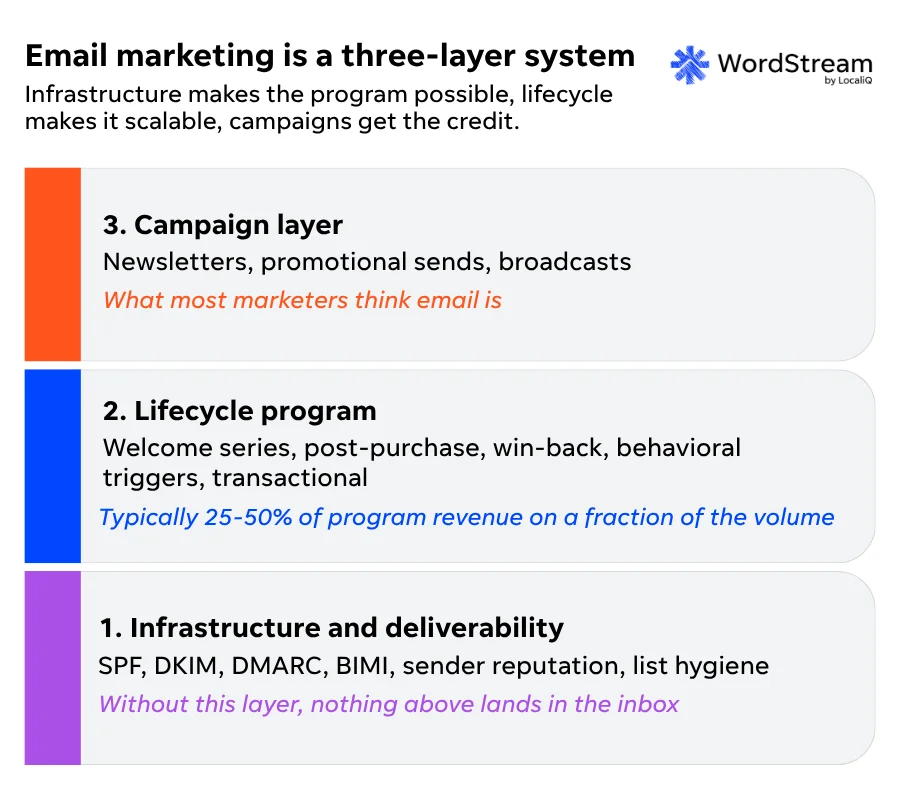
A common pitfall for many email marketing programs is an overemphasis on the visible “campaign layer” without adequate investment in the underlying “lifecycle” and “deliverability” foundations. This often leads to leaked revenue and missed opportunities.
- Layer 3: Campaign Layer: This is what most marketers typically consider email marketing – the execution of newsletters, promotional emails, and general broadcasts. While essential for engagement and driving immediate sales, its effectiveness is contingent on the layers below.
- Layer 2: Lifecycle Program: This layer encompasses automated customer journey communications. This includes welcome series for new subscribers, post-purchase follow-ups, win-back campaigns for inactive users, and behavioral triggers. These automated flows are remarkably efficient, often accounting for 25% to 50% of total email revenue with a fraction of the total send volume.
- Layer 1: Infrastructure and Deliverability: This is the technical bedrock of any successful email program. It involves ensuring proper sender authentication (SPF, DKIM, DMARC), maintaining a clean and engaged subscriber list (list hygiene), and cultivating a positive sender reputation. Without a robust deliverability foundation, even the most brilliant campaigns will fail to reach their intended audience.
Why Email Remains a Dominant Force in 2026
Despite the emergence of numerous digital marketing channels, email marketing continues to be a cornerstone for businesses seeking high returns. Its enduring effectiveness is rooted in several key factors:
- Exceptional ROI: As previously stated, email marketing consistently delivers a significant return on investment, with industry benchmarks showing returns of $36 for every $1 spent. This makes it a highly efficient channel for driving revenue and achieving business objectives.
- Owned Asset: Unlike social media platforms or search engine rankings, which are subject to algorithmic changes and platform policies, an email list is a directly owned asset. This provides a level of control and stability that is increasingly valuable in a dynamic digital ecosystem.
- Resilience in a Cookieless World: With the ongoing shift away from third-party cookies and the rising cost of paid acquisition, email marketing’s importance has only grown. It offers a reliable and cost-effective way to reach and engage an audience that has already expressed interest in a brand.
- Broad Reach: Email marketing reaches an estimated 4.7 billion users worldwide, offering a vast potential audience for businesses to connect with.
- Compounding Growth: The owned nature of email lists allows for compounding growth. As more subscribers are acquired and engaged, the potential for future revenue and customer loyalty increases.
A Spectrum of Email Marketing: Campaign vs. Lifecycle
Email marketing efforts can be broadly categorized into two primary types: campaign emails and lifecycle emails.
Campaign Emails (One-to-Many Broadcasts)
These are scheduled, one-to-many broadcasts sent to segments of a subscriber list, regardless of individual subscriber behavior. They are crucial for broad announcements and promotional pushes.
- Newsletter: A recurring, informational email designed to build engagement and maintain audience relationships. Best used for company updates, educational content, and industry news.
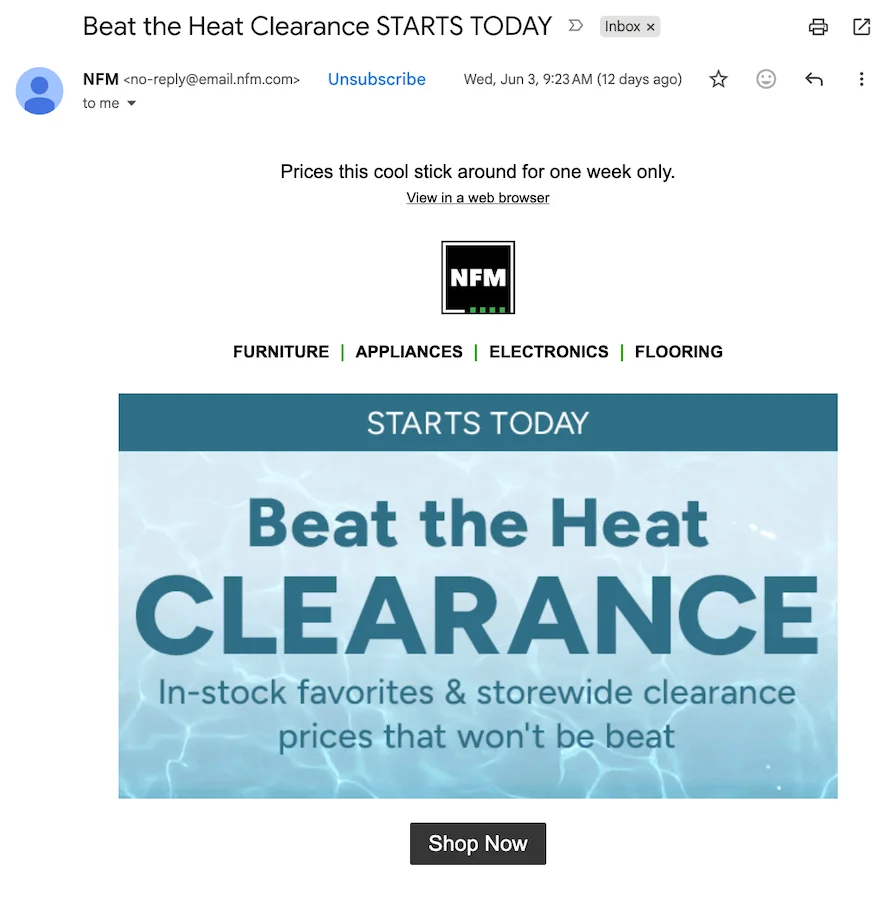
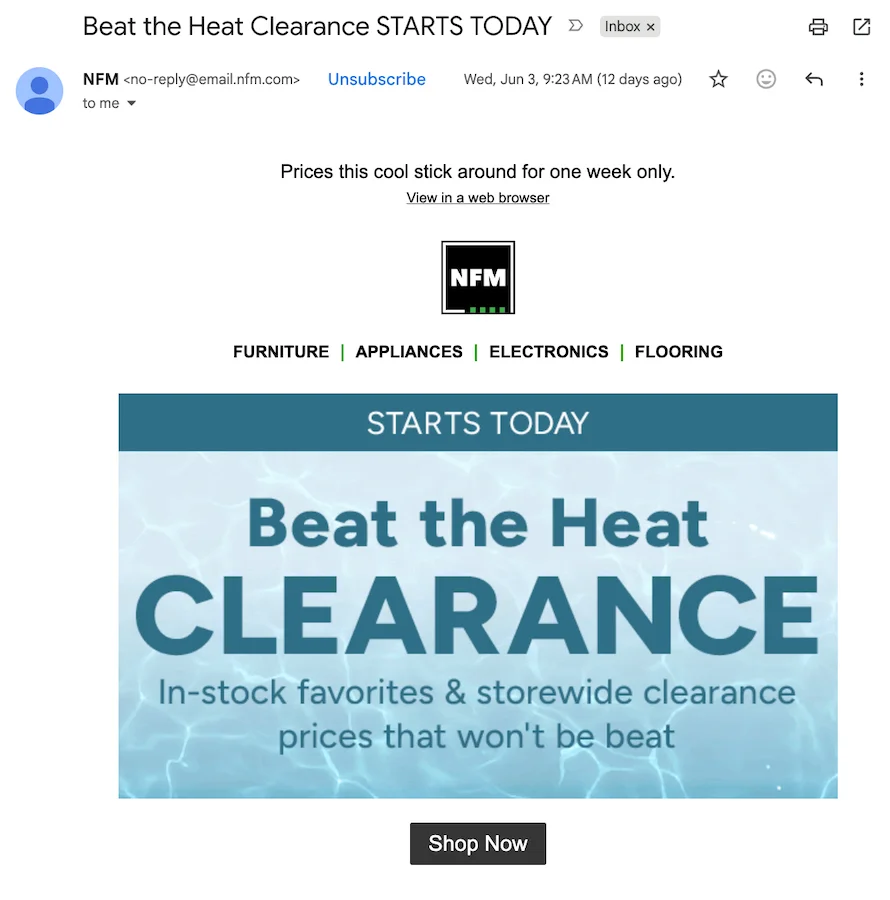
- Promotional/Sales Email: Focused on driving conversions and revenue through specific product offers, discounts, or campaigns. Ideal for product launches, sales events, and limited-time promotions.
- Announcement Email: A one-time message to communicate significant news or changes, such as product releases, feature updates, or event invitations.
- Seasonal/Holiday Campaign: Strategically planned emails to capitalize on calendar-based opportunities like Black Friday, Cyber Monday, or holiday shopping seasons.
Lifecycle/Triggered Emails (One-to-One, Behavioral)
These emails are automatically triggered by specific subscriber actions or lifecycle stages, offering highly personalized and timely communication. They are often the highest-ROI components of an email program.
- Transactional Emails: Essential for delivering critical account or order information, such as purchase confirmations, shipment updates, or password resets. These typically have very high open rates.
- Welcome Series: Designed to introduce new subscribers and build initial relationships. Typically a series of 4-6 emails, these are crucial for converting initial interest into long-term engagement.
- Drip/Nurture Sequence: Educates leads and guides them through the sales funnel, often triggered by content downloads or inquiries.
- Abandoned Cart/Browse Abandonment: Aims to recover lost sales opportunities by reminding users of items left in their cart or products they viewed. This is often a top-performing automation for e-commerce businesses.
- Post-Purchase & Review Request: Reinforces customer satisfaction, encourages repeat purchases, and solicits valuable reviews to improve customer lifetime value.
- Re-engagement/Win-Back: Aims to reactivate inactive subscribers who haven’t engaged with emails for a defined period (e.g., 60-90 days).
- Anniversary/Milestone: Celebrates customer moments like birthdays or signup anniversaries, fostering goodwill and boosting engagement.
- Replenishment Emails: Designed to encourage repeat purchases of consumable products by anticipating reorder dates.
Building a High-Quality Email List
The cornerstone of effective email marketing is a permission-based subscriber list. This is built through clear opt-in forms that promise specific value, such as a free download or exclusive content. It is crucial to avoid purchasing or scraping email addresses, as these practices can lead to high spam complaint rates, damage sender reputation, and potentially result in the sender’s domain being blocked by major email providers.
Single vs. Double Opt-In: A Strategic Choice
When setting up an email list, a key decision is between single and double opt-in.
- Single Opt-In: A subscriber is added to the list immediately upon submitting their email address. This can lead to higher initial list growth but may also result in a higher percentage of invalid or unengaged email addresses.
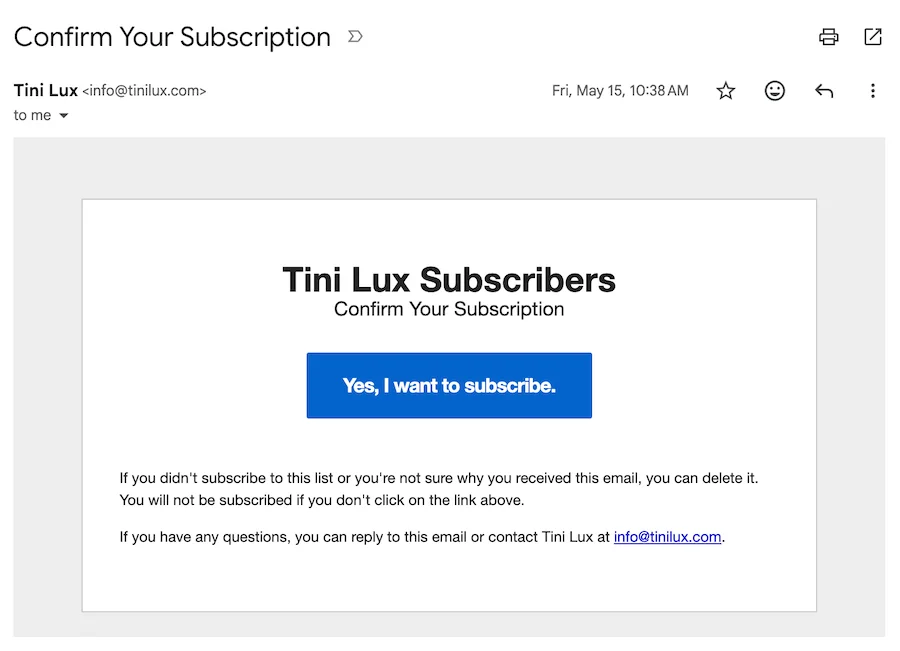
- Double Opt-In: After submitting their email, subscribers receive a confirmation email and must click a link to verify their subscription. While this process may result in slightly lower list growth, it ensures a higher quality of engaged subscribers and significantly improves deliverability.
For most small and medium-sized businesses in 2026, double opt-in is the recommended approach due to the significant deliverability advantages it provides.
Lead Magnets for the Modern Era
In 2026, effective lead magnets are specific, actionable, and offer tangible value. Generic offers like “free marketing guides” are often overlooked. Instead, highly targeted resources such as “a five-minute checklist for optimizing your Google Business Profile” are more likely to capture attention and drive sign-ups. Interactive assets like quizzes and calculators are also proving highly effective as they offer a more engaging and personalized experience, making subscribers feel their sign-up is “earned.”
The Power of Segmentation and Personalization
Email segmentation, the practice of dividing a subscriber list into smaller groups based on shared attributes, is paramount for delivering relevant content. Segmented campaigns consistently outperform broad broadcasts across key metrics, including click-through rates, conversion rates, and revenue per email. Blasting the same message to an entire list is not only the cheapest way to send an email but also the most expensive way to lose subscribers.
Key segmentation dimensions to consider include:
- Lifecycle Stage: New subscriber, first-time buyer, repeat buyer, lapsed customer.
- Engagement Recency: How recently a subscriber has opened or clicked an email.
- Purchase History: Category, brand, average order value, and purchase frequency.
- Source of Acquisition: Where the subscriber originated (e.g., lead magnet, checkout, event, paid ad).
- Geography: Time zone, region, or proximity to a physical store.
- Declared Preferences: Categories or sending cadence the subscriber has chosen.
Beyond basic segmentation, personalization goes deeper. True personalization involves tailoring content based on a recipient’s known preferences and behaviors, rather than just using their first name. This can include personalized product recommendations, dynamic content blocks that change based on segment, and tailored offers based on past purchases.
AI-powered predictive segmentation, which forecasts churn risk or propensity to buy, is also becoming increasingly valuable. However, these advanced features require a substantial subscriber volume to be truly effective. For smaller lists, focusing on the foundational segmentation dimensions first is generally more impactful.
Email Deliverability: The Unseen Foundation
Email deliverability refers to the percentage of sent emails that successfully reach the recipient’s inbox. As of February 2024, achieving good deliverability hinges on three critical factors: sender authentication (SPF, DKIM, DMARC), the presence of a one-click unsubscribe, and maintaining a spam complaint rate below 0.3%. Failure to meet any of these criteria can result in significant deliverability issues.
- Sender Authentication (SPF, DKIM, DMARC): These protocols are essential for verifying the sender’s identity and ensuring message integrity. SPF lists authorized sending servers, DKIM adds a cryptographic signature to messages, and DMARC defines policies for handling authentication failures. BIMI (Brand Indicators for Message Identification) is an optional protocol that displays a verified brand logo in the inbox, serving as a trust signal.
- Sender Reputation and List Hygiene: Mailbox providers maintain a reputation score for sending domains and IP addresses. Practices such as consistent sending to engaged subscribers, promptly removing unengaged contacts, and avoiding spam-triggering content are vital for maintaining a positive reputation.
- IP Warming: For new sending IPs, a gradual increase in sending volume over time is necessary to build a positive reputation.
If emails are consistently landing in spam, diagnostics are crucial. Tools like Google Postmaster Tools and Yahoo’s Sender Hub can provide insights into spam rates, authentication status, and reputation scores. Remediation typically involves addressing authentication issues, improving list hygiene, and potentially engaging in IP warming if a new IP is involved.
Crafting Emails That Resonate: Writing and Design
Effective email communication in 2026 prioritizes clarity, conciseness, and mobile-friendliness.
- Subject Lines: Subject lines should be specific, between 30 and 50 characters, and accurately reflect the email’s content. Clarity is paramount, and the preheader text should complement, not repeat, the subject line. AI tools can assist in generating and scoring subject lines, but human review remains essential.
- Email Body Structure: Each marketing email should have a single, clear goal and a primary call to action (CTA). Overloading a message with multiple CTAs can dilute its impact. Emails should be designed for quick consumption on mobile devices, with clear headings, concise paragraphs, and scannable content.
- Visual Design and Accessibility: With a majority of emails being opened on mobile devices, often in dark mode, responsive design is critical. Emails should load quickly, maintain readability in various display settings, and adhere to accessibility best practices to ensure they are usable by all recipients.
The Power of Automation: Drip Campaigns and Lifecycle Emails
Email automation, or the sending of pre-built sequences triggered by user actions, is a high-leverage strategy for driving revenue. The “starter five” automations that every small to medium-sized business should prioritize are:
- Welcome Series: To onboard new subscribers effectively.
- Abandoned Cart/Browse Abandonment: To recapture potential lost sales.
- Post-Purchase Series: To encourage repeat business and gather feedback.
- Re-engagement Campaigns: To reactivate dormant subscribers.
- Replenishment Emails: For businesses with consumable products.
Designing a drip sequence involves defining the overall goal, identifying the trigger event, mapping out the sequence of emails, determining the timing between sends, and establishing the exit criteria for subscribers who engage or complete the desired action.
Navigating KPIs in the Post-MPP Era
The impact of Apple Mail Privacy Protection (MPP) has fundamentally altered how email marketing performance is measured. Open rates, once a primary metric, are now considered a directional signal at best due to inflated numbers from pre-fetched opens.
The KPIs that now offer a more truthful assessment of email program health include:
- Click-Through Rate (CTR): The percentage of recipients who click a link in the email.
- Conversion Rate: The percentage of recipients who complete a desired action (e.g., purchase, sign-up) after clicking.
- Revenue Per Email (RPE): The total revenue generated divided by the number of emails sent.
- List Growth Rate: The net increase in subscribers over a period.
- Unsubscribe Rate: The percentage of recipients who opt out of future communications.
- Spam Complaint Rate: The percentage of recipients who mark an email as spam.
When open rates are still needed for subject-line A/B testing or engagement segmentation, strategies like using a “unique clicks per unique opens” metric or analyzing click-to-open rates can provide a more nuanced understanding.
Industry benchmarks provide a general reference point, but the most valuable comparison is against a business’s own historical performance. Focusing on the past 90 days as a baseline offers a more accurate measure of progress.
Compliance: A Global Imperative
Navigating the complex web of email marketing regulations is essential. Key laws include CAN-SPAM (U.S.), GDPR (EU), CASL (Canada), and CCPA/CPRA (California). Businesses must adhere to the strictest applicable laws, which often means adopting GDPR-compliant practices globally. California’s Delete Request and Opt-out Platform (DROP), effective January 2026, adds another layer of consumer data protection for businesses operating in the state.
Choosing the Right Email Service Provider (ESP)
The selection of an Email Service Provider (ESP) should align with a business’s specific use case rather than solely focusing on feature lists. Key evaluation criteria include deliverability infrastructure, segmentation and automation capabilities, CRM and e-commerce integrations, reporting quality, pricing models, compliance features, AI capabilities, customer support, and data export options.
- For Local SMBs and Event-Driven Businesses: Constant Contact, Mailchimp, or Brevo may be suitable.
- For E-commerce: Klaviyo or Omnisend are often preferred for their deep lifecycle flow capabilities.
- For B2B and SaaS: HubSpot, ActiveCampaign, or Customer.io offer strong CRM integrations.
Robust integration with CRM and analytics platforms is critical for accurate revenue attribution and demonstrating the true business impact of email marketing efforts.

AI’s Practical Role in Email Marketing
Artificial intelligence is increasingly valuable in specific areas of email marketing, augmenting rather than replacing human strategy. Its current strengths lie in:
- Subject Line Generation and Scoring: Creating variations and testing effectiveness.
- First-Draft Body Copy: Generating initial content that can be refined by human editors.
- Predictive Send-Time Optimization: Identifying the best times to send emails for individual subscribers.
- Predictive Segmentation and Churn Scoring: Identifying at-risk subscribers or those most likely to convert.
- Image Generation: Creating visual assets for emails.
Areas where AI is currently overhyped include promises of fully automated campaign generation without human oversight, which often result in lower-quality output.
Common Email Marketing Pitfalls to Avoid
Several recurring mistakes can undermine email marketing success:
- Buying or Scraping Lists: Severely damages sender reputation and leads to deliverability issues.
- Skipping Sender Authentication: Essential for all senders, especially those mailing over 5,000 messages daily.
- Treating Open Rate as a Primary KPI: Inaccurate due to privacy changes like MPP.
- Blasting the Full List: Neglects the power of segmentation.
- Hiding the Unsubscribe Link: Leads to higher spam complaint rates.
- Using “no-reply@” Addresses: Hinders engagement and brand trust.
- One-and-Done Welcome Emails: Fails to capitalize on the critical initial engagement period.
- Ignoring List Hygiene: Leads to declining sender reputation and wasted resources.
- Optimizing Only for Desktop Preview: Ignores the mobile-first reality for most recipients.
By understanding these evolving dynamics and focusing on strategic execution, businesses can harness the enduring power of email marketing to achieve significant growth and customer loyalty in the years to come.