The rapid evolution of artificial intelligence has profoundly reshaped the content creation industry, with AI copywriting tools emerging as indispensable assets for marketers, businesses, and individual creators alike. These sophisticated platforms leverage advanced algorithms to generate, refine, and optimize written content, promising unprecedented levels of efficiency and scale. However, their increasing adoption also brings critical considerations regarding accuracy, ethical implications, and the indispensable role of human oversight. As social media trends for 2026 indicate AI-generated content is set to outpace human-written material, understanding the mechanics, benefits, drawbacks, and leading tools in this space has become paramount for navigating the contemporary digital landscape.

Understanding the Mechanics: How AI Copywriting Functions
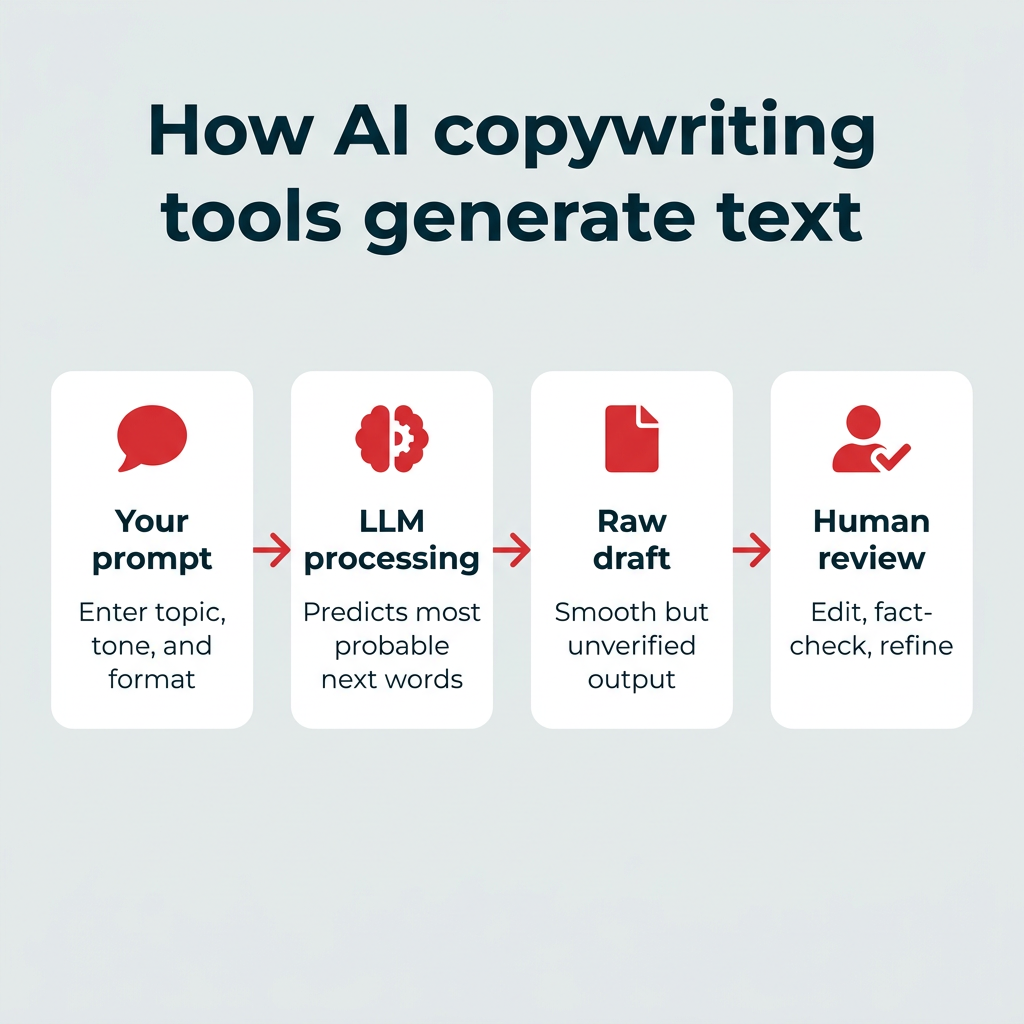
At its core, AI copywriting operates on the principles of large language models (LLMs), a form of generative AI trained on vast datasets of text and code. Unlike human intelligence, which processes information through understanding and critical thought, these tools function by predicting the most statistically probable sequence of words based on their training data. When prompted, an LLM analyzes the input and generates text by identifying patterns, grammar rules, and contextual relationships learned from billions of data points. This predictive capability allows them to produce coherent and often grammatically correct prose in a matter of seconds.

However, this statistical prediction mechanism also underpins a significant limitation: the absence of genuine comprehension. AI models do not “understand” nuance, emotional resonance, or factual truth in the human sense. This deficiency often leads to what is termed “hallucination,” where the AI confidently fabricates facts, invents statistics, or generates misleading information when it lacks definitive data. For instance, an AI might confidently assert an incorrect market share percentage or describe a non-existent product feature. This inherent tendency for inaccuracy is a major concern, with studies indicating that approximately 60% of advertising industry professionals cite accuracy as a primary barrier to widespread AI adoption. Consequently, while AI tools excel as powerful drafting partners, the ultimate responsibility for strategic insight, emotional depth, and factual verification remains firmly with human users.
The Double-Edged Sword: Advantages and Limitations

The proliferation of AI copywriting tools presents a compelling blend of opportunities and challenges. Their advantages primarily revolve around efficiency, scalability, and cost reduction. AI can draft various forms of content—from social media captions and email newsletters to long-form blog posts and website copy—in seconds, drastically cutting down the time traditionally spent on content generation. This speed allows businesses to scale content production across multiple channels and languages, supporting translation and localization efforts with greater ease. For small to medium-sized enterprises (SMEs), AI can democratize access to high-quality content creation, lowering costs compared to outsourcing every draft and providing a powerful antidote to writer’s block by generating initial ideas and diverse phrasing options.
Despite these significant benefits, the limitations are equally critical and necessitate careful management. As previously noted, the propensity for AI models to hallucinate facts or invent statistics poses a substantial risk to brand credibility and reputation. Content generated without human review can sound generic, lacking the unique brand voice, strategic depth, and emotional nuance that resonate deeply with audiences. This generic quality can negatively impact search engine optimization (SEO) by producing unoriginal or low-quality content that search algorithms may penalize. Moreover, a recent Gartner marketing survey revealed that 50% of consumers prefer brands that avoid using generative AI in consumer-facing content, highlighting a potential brand perception issue if AI use is not handled transparently and judiciously. The ethical concerns extend to potential biases embedded in training data, which can lead to discriminatory or inappropriate outputs, and copyright ambiguities surrounding AI-generated works. Therefore, while AI streamlines initial drafting, it unequivocally demands human review, fact-checking, and strategic refinement to ensure accuracy, brand alignment, and ethical compliance.
Transforming Workflows: Practical Applications in Marketing
AI copywriting tools have become versatile assets within modern marketing workflows, empowering teams to enhance productivity and creativity across numerous content types. Here are some key applications:
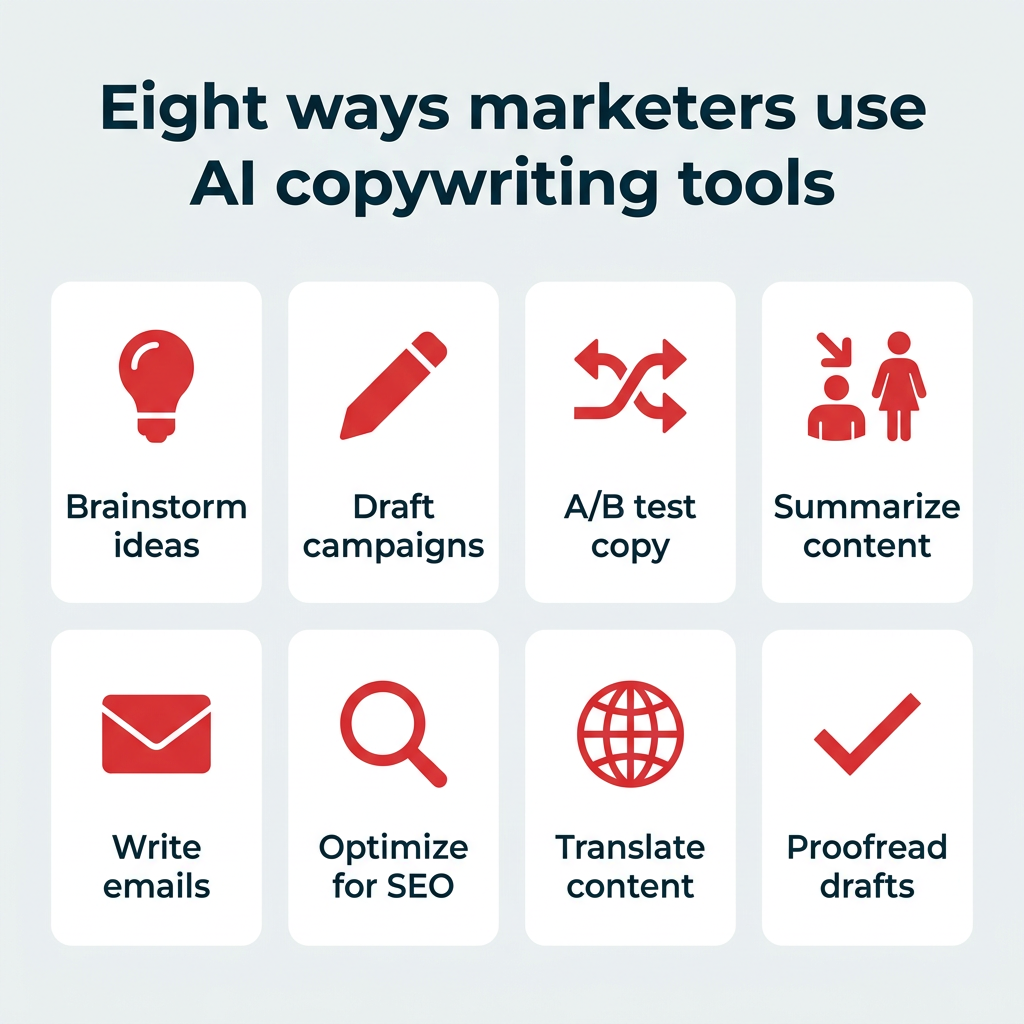
- Generating Social Media Captions: AI can instantly create engaging captions tailored to specific platforms (e.g., Instagram, LinkedIn, X), complete with relevant hashtags and emojis.
- Drafting Email Marketing Copy: From subject lines to body text for newsletters, promotional emails, and follow-up sequences, AI accelerates the creation of persuasive email campaigns.
- Producing Blog Post Outlines and Drafts: AI can generate initial outlines, section headings, and even full first drafts for blog articles, significantly reducing the time to publish.
- Crafting Website Copy: AI assists in writing compelling landing page copy, product descriptions, and About Us sections, ensuring clarity and conversion-focused language.
- Rewriting and Paraphrasing Content: Tools can rephrase existing text to improve clarity, adapt it for different audiences, or avoid self-plagiarism when repurposing content.
- Ideation and Brainstorming: When faced with writer’s block, AI can generate a multitude of content ideas, headlines, and angles to spark creativity.
- Creating Ad Copy: AI helps in developing concise and impactful ad creatives for various digital advertising platforms, optimizing for character limits and call-to-actions.
- Localizing Content: AI can translate and adapt content for different linguistic and cultural contexts, enhancing global marketing efforts.
The strategic objective is to delegate routine, high-volume, or initial drafting tasks to AI, freeing human marketers to concentrate on higher-level activities such as strategic planning, brand storytelling, audience engagement, and critical quality assurance.
The Leading AI Copywriting Tools of 2026: A Comprehensive Review
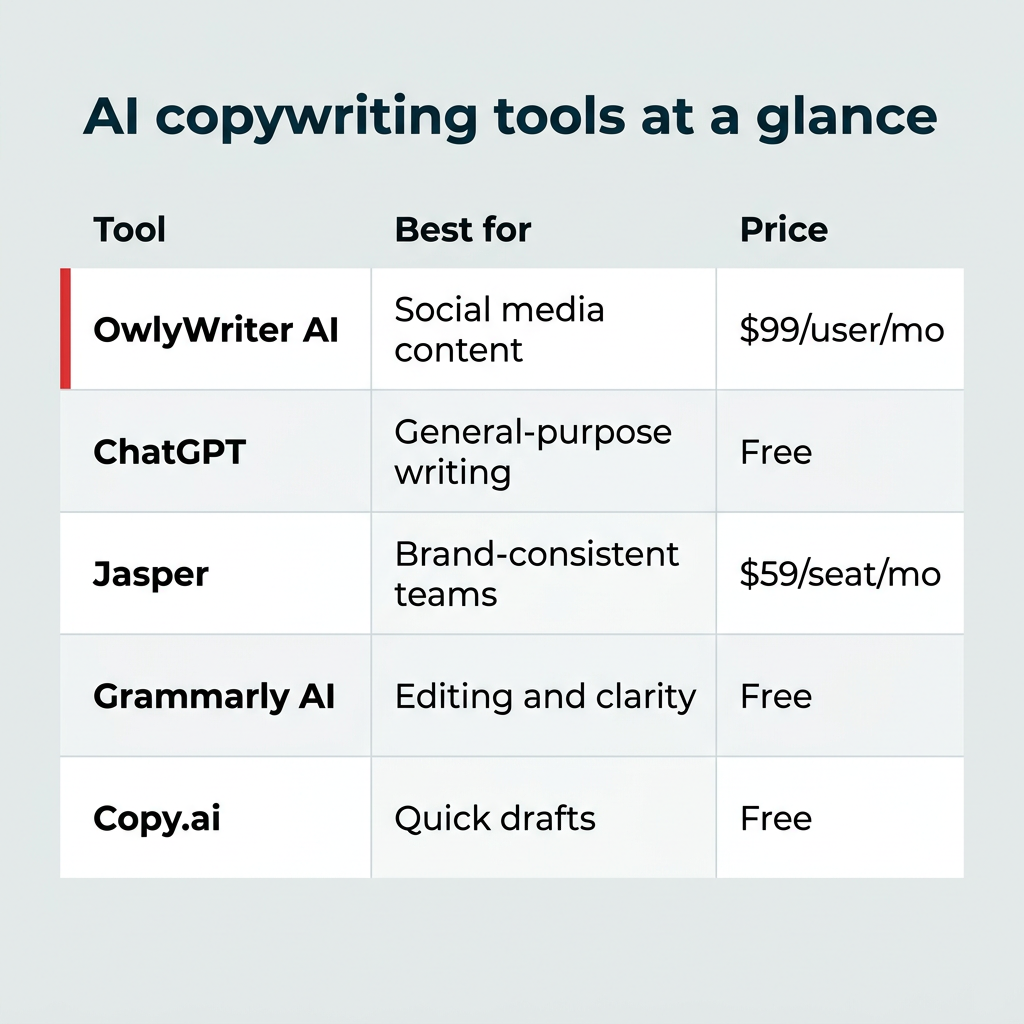
The market for AI copywriting tools has matured rapidly, offering a diverse array of solutions for various needs and budgets. From integrated social media assistants to versatile content generators, the following tools represent some of the best available in 2026:
1. OwlyWriter AI (Hootsuite)
Built directly into the Hootsuite platform, OwlyWriter AI is specifically designed for social media professionals. Powered by OwlyGPT, Hootsuite’s social-first AI, it streamlines content creation for various social channels.
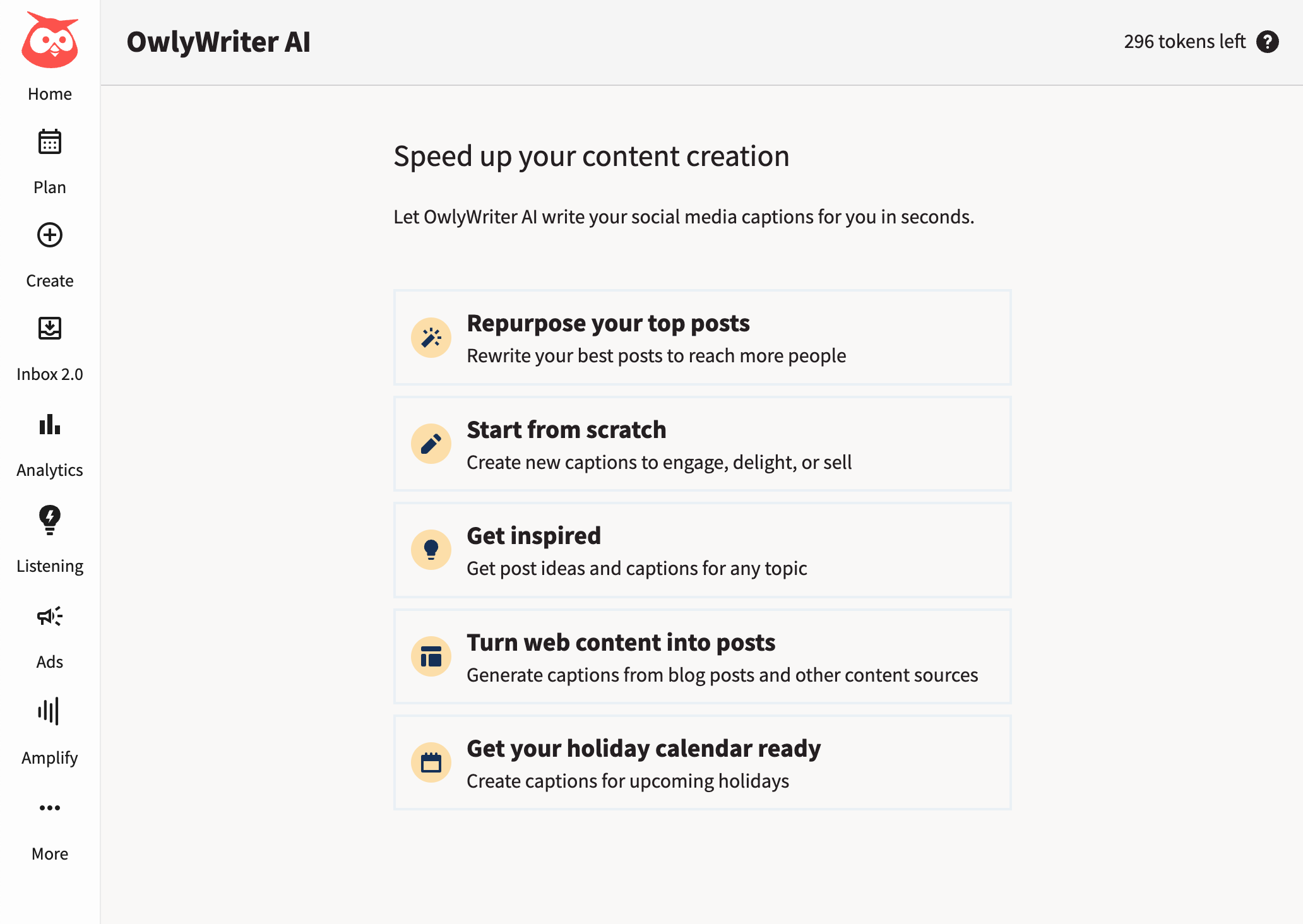
- Key features: Repurpose high-performing posts, generate content from scratch, create posts from web links, translate copy, generate content based on trending topics, align with brand voice.
- Pricing: Included in all Hootsuite plans, starting at $99 per user/month.
- Best for: Busy social media teams and brands needing an integrated social content solution with scheduling and analytics.
2. ChatGPT (OpenAI)
OpenAI’s ChatGPT remains a foundational and highly influential AI copywriting tool. Its intuitive chat-style interface makes it accessible for general-purpose text generation.
- Key features: Conversational AI, broad topic generation, code generation, summarization, translation, custom instructions, and plugins (for paid versions).
- Pricing: Free tier available; paid plans start at $8/month (Go) and $20/month (Plus).
- Best for: Content marketers and individuals seeking a versatile tool for brainstorming, drafting, and general content scaling.
3. HubSpot AI Content Writer
Integrated within HubSpot’s comprehensive marketing and sales platform, this AI assistant is tailored for streamlined content production across various HubSpot hubs.

- Key features: Generate blog posts, emails, social media copy, and website content; refine existing content; repurpose content for different channels; SEO optimization suggestions.
- Pricing: Free tier available; Content Hub Starter begins at $15/month per seat (billed annually).
- Best for: Marketers leveraging the HubSpot ecosystem to unify content creation with CRM and sales efforts.
4. Grammarly AI
Building on its renowned grammar and spelling correction capabilities, Grammarly introduced generative AI functions to assist users in drafting, rewriting, and refining text for clarity and impact.
- Key features: Generate text from prompts, rewrite for tone and style, summarize, ideate, reply to emails, grammar and clarity checks.
- Pricing: Free plan (up to 100 generative prompts/month); Pro plan starts at $12 USD/month.
- Best for: Individuals and teams focused on improving the correctness, clarity, and overall quality of their English writing.
5. Jasper
Jasper is recognized for its ability to generate human-like content and its strong emphasis on team collaboration and brand consistency.
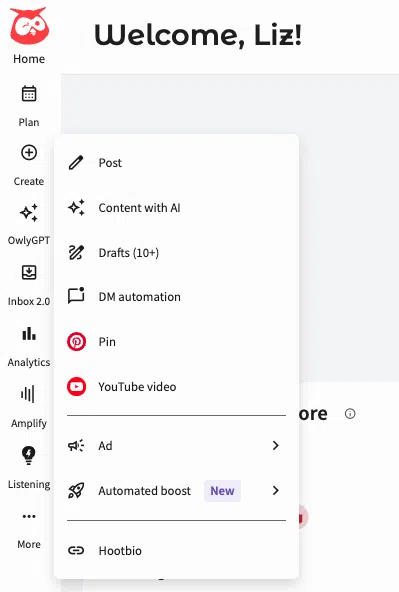
- Key features: Brand voice analyzer, extensive template library, long-form content generation, SEO integration, team collaboration features, AI art generation.
- Pricing: 7-day free trial; Pro plans start at $59 per month/seat.
- Best for: Marketing and content teams requiring brand-consistent outputs and robust collaboration features.
6. Copy.ai
Known for its rapid drafting capabilities, Copy.ai focuses on producing near-ready-to-publish content with minimal human editing, supported by numerous templates.
- Key features: Over 90 content templates, automated workflows, multi-language support, long-form content assistant, brand voice management.
- Pricing: Free plan available; paid subscription for unlimited words and advanced workflows (contact for pricing).
- Best for: Solo marketers or small teams needing to quickly boost content production, especially for blogs and short-form marketing copy.
7. Writesonic
Writesonic offers a versatile AI writing platform, notably featuring Chatsonic, an AI chatbot capable of pulling real-time information from the web.

- Key features: AI article writer, ad copy generator, landing page copy, paraphrasing tool, Chatsonic for real-time data, bulk content generation.
- Pricing: Free trial available; self-serve paid plans starting at $99/month.
- Best for: Content marketers and social media managers seeking a multi-purpose tool with real-time information access.
8. Rytr
Rytr is an efficient AI writing tool offering a social caption generator with over 20 preset tones and customization options for brand voice, complemented by a convenient Chrome extension.
- Key features: Content generation for blogs, ads, emails; social media caption generator; tone customization; Chrome browser extension; plagiarism checker.
- Pricing: Free plan; paid subscription options with unlimited character count (contact for pricing).
- Best for: Marketers looking for quick content generation, especially for social media, with strong customization for brand tone.
9. QuillBot
Primarily a paraphrasing tool, QuillBot is invaluable for refining existing content, ensuring variety, and improving readability, with an integrated plagiarism checker.

- Key features: Paraphraser (multiple modes), summarizer, grammar checker, plagiarism checker, citation generator, integrated thesaurus.
- Pricing: Free plan; Premium plan starts at $9.95 USD/month (includes Plagiarism Checker).
- Best for: Writers and marketers needing to rephrase, refine, or check the originality of their content efficiently.
10. DeepL Write
DeepL Write, an extension of the acclaimed DeepL Translator, focuses on enhancing writing quality by offering suggestions for phrasing, tone, style, and word choice, without requiring complex prompts.
- Key features: Grammar and style suggestions, tone adjustments, word choice improvements, multilingual support (for translation integration), simple interface.
- Pricing: Free with limited text improvements; Write Pro offers unlimited improvements (contact for pricing).
- Best for: Individuals and professionals who have existing content and want to quickly improve its clarity and impact with minimal effort.
Strategic Considerations: Choosing the Right Tool

Selecting the optimal AI copywriting tool depends heavily on an organization’s specific needs, existing tech stack, and content strategy. For enterprise teams, seamless integration with CRM systems (like HubSpot), robust brand voice management (like Jasper), and comprehensive analytics (like OwlyWriter AI within Hootsuite) are crucial. Small businesses might prioritize cost-effectiveness and ease of use (like ChatGPT or Copy.ai’s free tiers). The market comparison highlights key differentiators, from specialized social media integration to advanced grammar checks and real-time data access.
Navigating the Future: Broader Implications and Challenges

The rise of AI in copywriting signals a broader transformation in the creative industries. While it enhances efficiency, it also necessitates a re-evaluation of human roles. Rather than replacing human copywriters entirely, AI is increasingly positioned as a powerful co-pilot, handling routine tasks and augmenting human creativity. The debate around AI ethics, particularly concerning bias, data privacy, and intellectual property, continues to gain momentum, pushing for clearer regulatory frameworks. Governments and industry bodies are actively exploring guidelines to ensure responsible AI development and deployment. The job market is expected to see a shift, with new roles emerging that focus on AI prompt engineering, content oversight, and strategic application, while traditional copywriting roles may evolve to emphasize high-level strategy, emotional intelligence, and complex storytelling.
Ensuring Accuracy and Compliance: Best Practices

To mitigate the risks associated with AI copywriting, especially its tendency for hallucination, strict best practices are essential. Enterprise teams, particularly those in regulated industries (e.g., finance, healthcare), must implement mandatory human review processes for all AI-generated content. This includes rigorous fact-checking of every statistic, claim, and external link. Utilizing plagiarism detection tools is critical to ensure originality and avoid potential copyright infringements. For regulated sectors, compliance risks include potential violations of disclosure requirements, inaccurate product claims, and failure to meet industry-specific content standards. Therefore, review processes must include legal and compliance sign-off. Furthermore, maintaining a distinct brand voice requires continuous refinement of AI outputs and potentially training models on proprietary brand guidelines to prevent generic or off-brand messaging.
In conclusion, AI copywriting tools are undeniable game-changers, offering significant potential to boost productivity and scale content creation. However, their true value is unlocked when paired with human strategic insight, critical thinking, and diligent oversight. As the technology continues to advance, the symbiotic relationship between human creativity and artificial intelligence will define the future of content, demanding a proactive and responsible approach from all stakeholders.