

Live chat lead generation has transitioned from a secondary customer support tool into a primary engine for high-intent sales, utilizing real-time conversations between human agents and website visitors to capture and qualify prospects at the peak of their interest. In the contemporary digital landscape, where the average consumer expects instantaneous gratification and personalized interaction, the traditional static web form is increasingly viewed as a barrier rather than a gateway. By integrating proactive triggers, behavioral analytics, and hybrid artificial intelligence, enterprises are now able to replicate the nuance of an in-person sales consultation within a digital widget. The core mechanism remains deceptively simple: a visitor engages with a chat interface, an agent or automated system qualifies their intent through targeted questioning, and high-value data is seamlessly transitioned to sales teams for immediate follow-up.
The Historical Shift: From Technical Support to Conversational Marketing
To understand the current efficacy of live chat, it is necessary to examine its chronological evolution. In the early 2000s, chat functions were almost exclusively reactive, hidden deep within “Contact Us” pages and reserved for troubleshooting technical grievances. By the mid-2010s, the rise of “Conversational Marketing” platforms began to pivot the technology toward proactive engagement. However, much of the early advice from this era—such as firing a chat window five seconds after a page loads—has become obsolete. Modern users, accustomed to intrusive digital advertising, have developed “popup blindness,” often dismissing timed widgets as distractions.
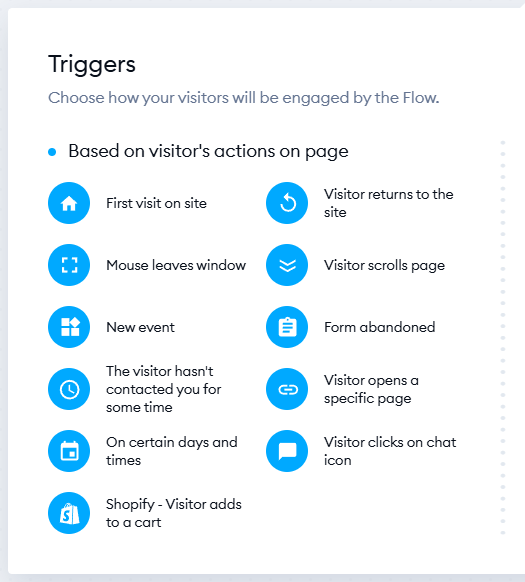
The current era, spanning 2024 and into 2025, is defined by behavioral triggering. Instead of relying on arbitrary timers, sophisticated systems now monitor intent signals such as deep scroll depth on feature pages, repeat visits within a specific 48-hour window, or long dwell times on pricing comparisons. Data suggests that engaging a visitor based on these specific actions rather than a generic timer can significantly increase engagement rates, as the intervention occurs when the user is demonstrably seeking information.
Behavioral Triggering and the Fallacy of the Five-Second Rule
Industry benchmarks have long suggested that immediate engagement is key, but recent analysis of user session recordings indicates that premature chat triggers are detrimental to the user experience. If a chat window obstructs a headline before the visitor has read it, the bounce rate increases. Journalistic analysis of conversion data reveals that “intent-based” triggers—such as a visitor returning to a pricing page for the third time—carry a much higher conversion probability than “time-based” triggers.
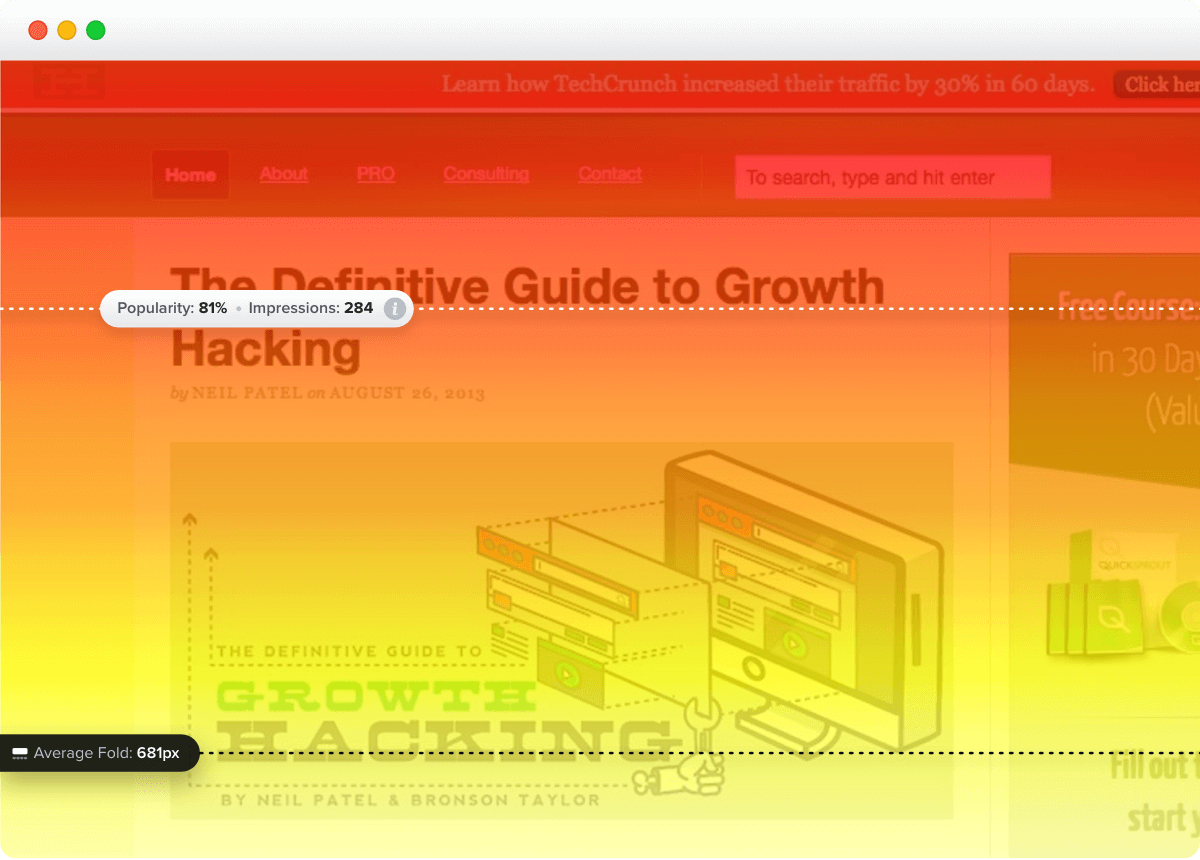
Experts suggest utilizing heatmaps and session replays to identify the exact moment of “decision fatigue” or “information seeking.” For instance, if a user spends more than 40 seconds on a complex technical specification table, a proactive message offering a PDF summary or a quick expert consultation can serve as a helpful nudge rather than an annoyance. This shift from “interruption” to “assistance” is the hallmark of modern lead generation.
The UX of Conversation: Design Standards for 2025
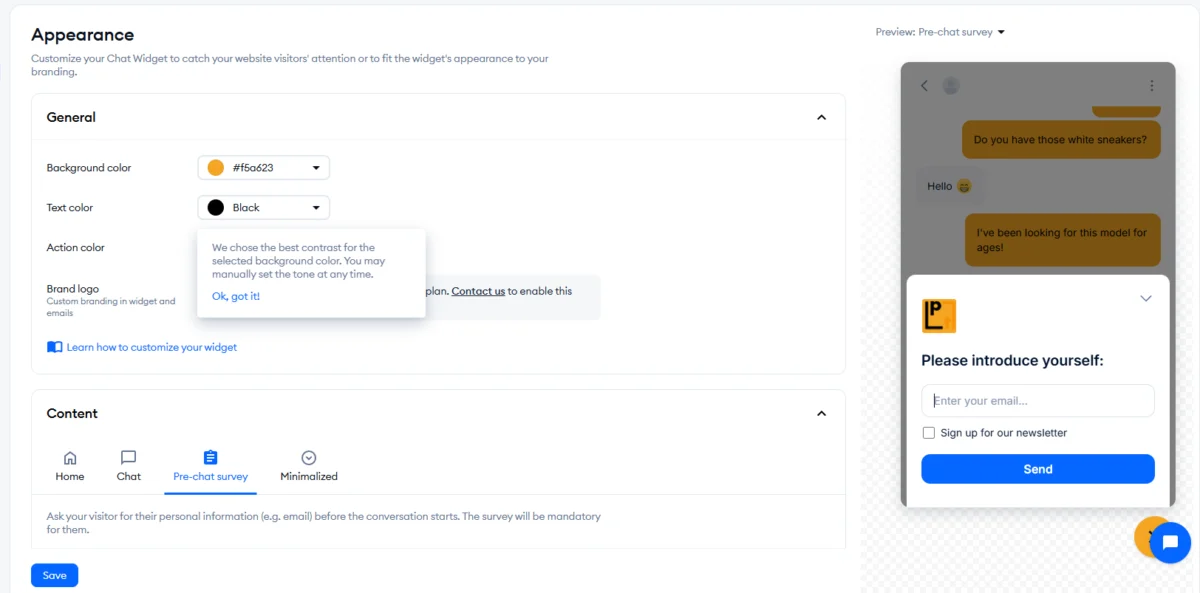
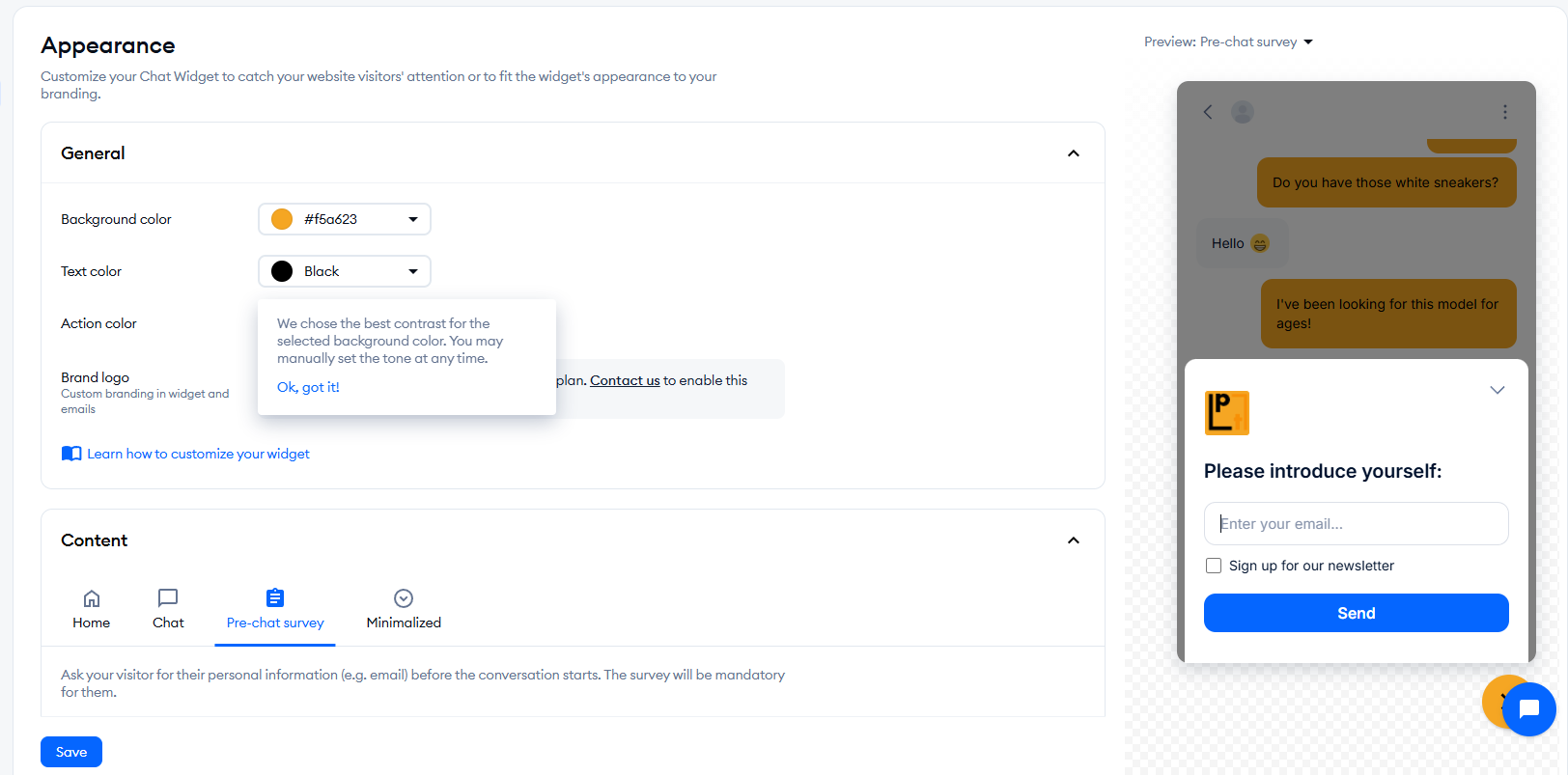
The physical design of the chat widget has become a critical factor in lead capture success. With mobile devices accounting for over 55% of global web traffic, the “mobile-first” philosophy is no longer optional. Professional design standards now dictate that the chat entry point must be at least 60px in diameter to accommodate “thumb reach” ergonomics. Furthermore, the use of contrasting colors that stand out against the brand’s primary palette ensures the widget is visible without being garish.
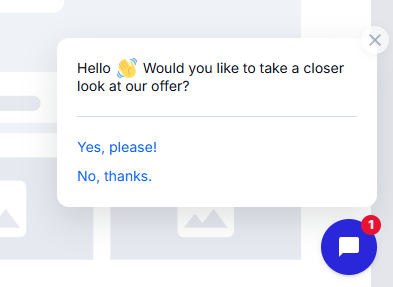
Beyond aesthetics, the microcopy used in the widget—often referred to as the “opener”—must be contextualized to the specific page. A generic “How can I help you?” is statistically less effective than a page-specific prompt. For example, on a “Request a Demo” page, an effective opener might be: “Would you like to see a 2-minute video walkthrough while you wait?” This approach reduces friction and begins the qualification process before the visitor even considers leaving the site.
Data-Driven Response Times and the Urgency Factor
The correlation between response speed and conversion is well-documented. According to a 2024 LiveChat report, the global average response time for sales-related inquiries has dropped to approximately 35 seconds. While older studies from the early 2010s claimed that responding within one minute could lift conversions by nearly 400%, modern reality is even more demanding. In urgency-driven sectors—such as legal services, emergency repairs, or premium B2B software—a delay of even two minutes can result in the prospect navigating to a competitor’s site.
To combat this, organizations are increasingly adopting “canned responses” for common inquiries and implementing desktop and mobile notifications for agents. The goal is to maintain a human presence without the human-induced delay. If a live agent is unavailable, transparency becomes the priority; displaying expected wait times or offering an immediate callback option preserves the lead’s trust.
The Hybrid Model: Integrating AI and Human Empathy
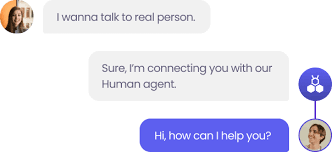
The emergence of Large Language Models (LLMs) has sparked a debate over the role of AI in lead generation. However, the most successful operations in 2025 utilize a hybrid approach. Chatbots are deployed as the “front line” to handle high-volume, low-complexity tasks: qualifying leads based on budget, company size, or geographic location. Once a lead is identified as “high-value,” the system executes a “warm handoff” to a human representative.
This division of labor addresses the primary weaknesses of both systems. AI offers 24/7 availability and instant scalability but often lacks the nuanced empathy required for high-stakes negotiations. Conversely, human agents provide trust and complex problem-solving but are expensive to staff around the clock. By allowing a bot to screen for “spam” or support-related queries, sales teams can focus their energy exclusively on qualified prospects.
Recovering Lost Revenue through Abandonment Triggers
Form and cart abandonment remain among the most significant challenges in digital commerce, with some industries reporting abandonment rates as high as 70%. Live chat serves as a critical recovery tool in these moments. Exit-intent technology, which detects when a user’s cursor moves toward the browser’s “close” button or address bar, can trigger a final “save” conversation.
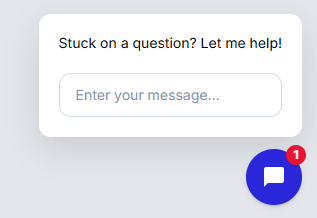
In these scenarios, the messaging must be empathetic. Phrases like “Stuck on a question?” or “Need help with the shipping options?” address the common friction points that lead to abandonment. For B2B firms, if a user abandons a multi-field “Contact Us” form, a chat bot can intervene to offer a lower-friction alternative, such as “Just leave your email and we’ll send you the pricing guide.”
Advanced Capture Methods: WhatsApp, SMS, and ABM
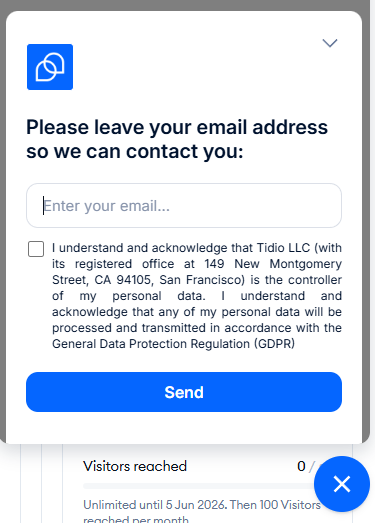
As privacy regulations like GDPR and CCPA evolve, the methods for capturing lead data have shifted toward “permission-based” channels. Integrating WhatsApp and SMS into the live chat ecosystem allows for “asynchronous” communication. This means a conversation can start on a desktop and continue on a mobile device as the user moves throughout their day.
The advantage of these channels is the automatic capture of a verified phone number, eliminating the need for manual data entry. However, regulatory shifts continue to impact these strategies. For example, Meta’s 2025 policy update regarding marketing-category messages in the United States has forced many firms to pivot toward purely “service-based” templates.
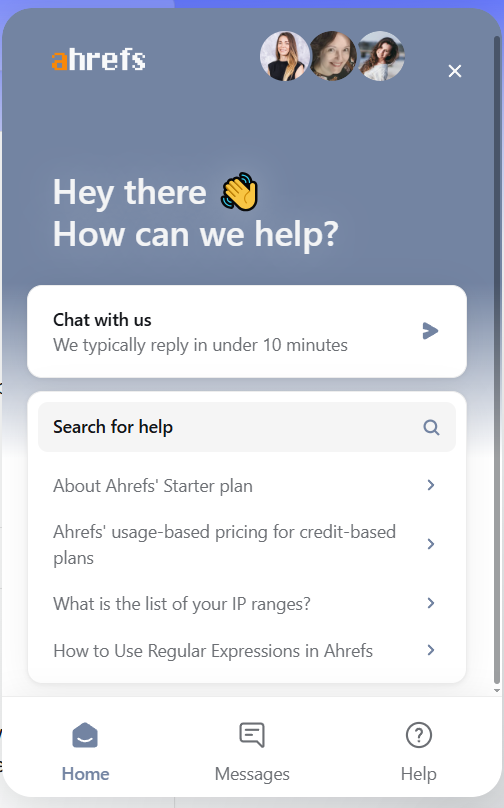
Furthermore, Account-Based Marketing (ABM) has revolutionized how B2B companies use chat. Using IP-filtering tools like ZoomInfo or Leadfeeder, companies can identify when a “target account”—such as a Fortune 500 firm—is visiting their site. The chat widget can then be customized to show a message specifically for that company, such as “Welcome back, [Company Name] team. Would you like to see our latest case study for the manufacturing sector?”
Industry Analysis: The Future of the Web Form
The broader implication of the rise of live chat is the potential obsolescence of the traditional web form. As consumers become more protective of their data, they are less likely to fill out a 10-field form for a generic whitepaper. They are, however, willing to engage in a five-message chat exchange that feels like a service rather than a data-harvesting exercise.
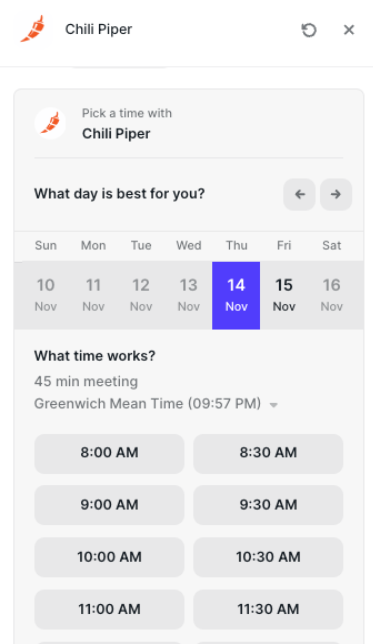
Data from 2025 benchmarks, including reports from Chili Piper, indicate that allowing customers to book a meeting directly through a chat interface can double inbound conversion rates. The “attention economy” dictates that once a tab is closed, the lead is effectively lost. By securing a calendar invitation or a live call within the chat session, businesses are closing the gap between “interest” and “commitment.”
Conclusion: Implementing a Resilient Lead Generation Framework
For organizations looking to modernize their approach, the transition must be handled in stages. The initial focus should be on the technical foundation: ensuring the widget is mobile-responsive and that triggers are based on meaningful visitor behavior. Following this, the refinement of contextual openers and the integration of lead magnets—such as calculators or industry reports—will deepen engagement.
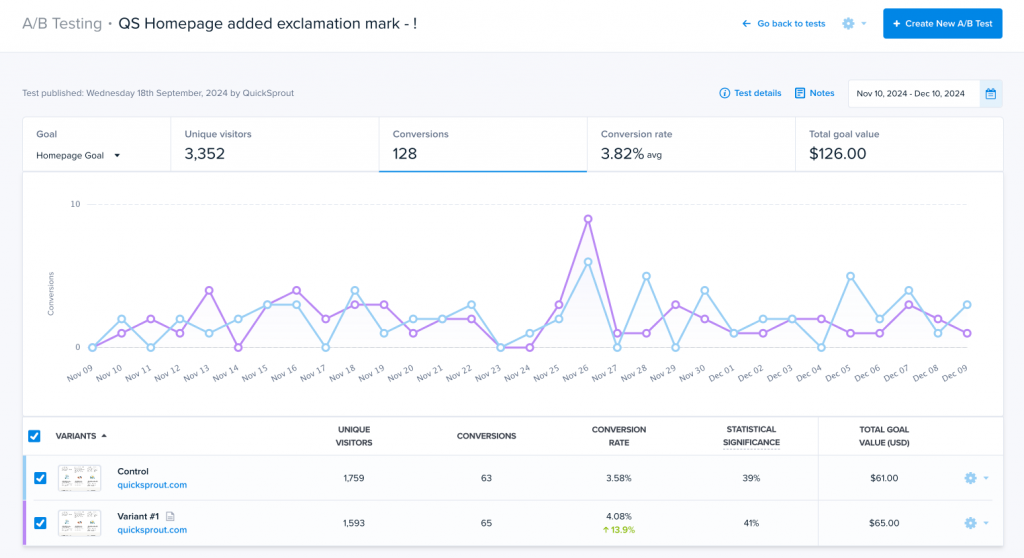
The final stage involves the optimization of the human-AI loop. By monitoring performance through analytics and A/B testing, firms can identify where the bot succeeds and where the human touch is required. In an era where digital noise is at an all-time high, the companies that win are those that provide the fastest, most relevant, and most human-centric path from “visitor” to “customer.” Live chat, when executed with precision and data-driven insight, remains the most potent tool for achieving this objective.







