rifanmuazin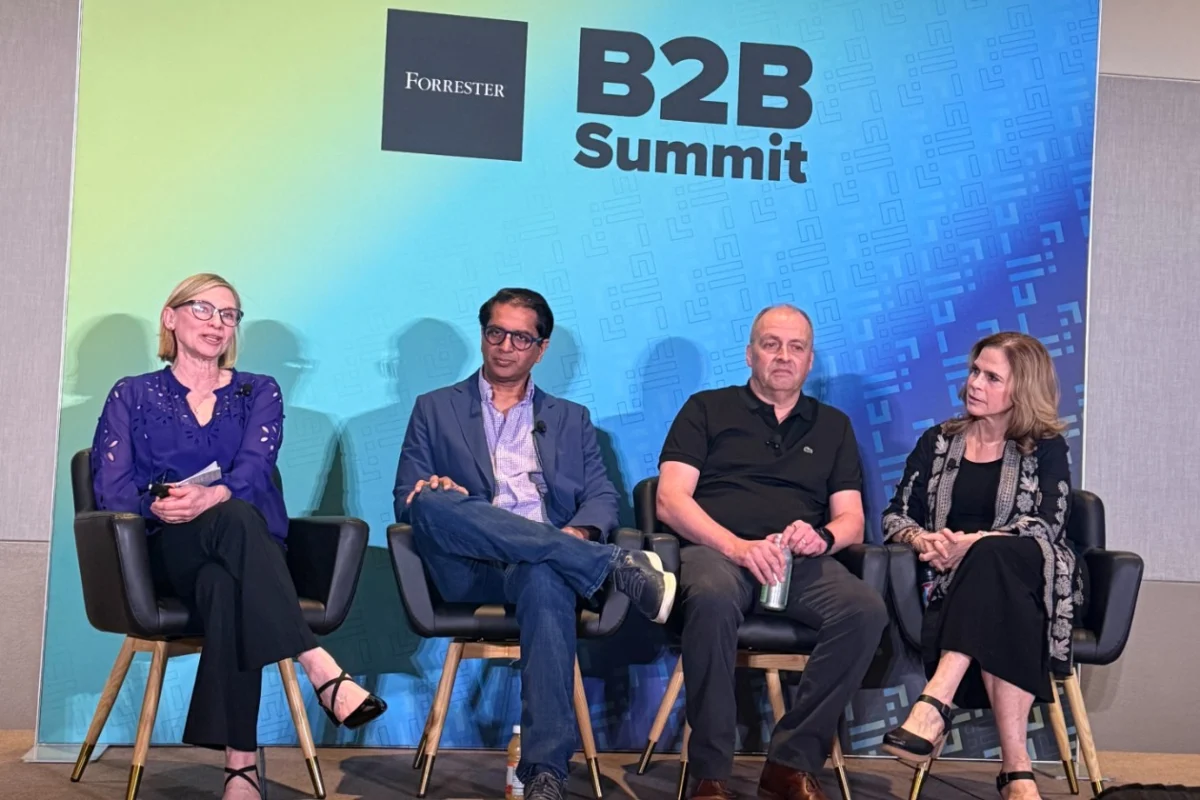
The hushed anticipation in the main hall of the Forrester B2B Summit North America 2026 was palpable, a clear indication of the critical topic at hand. A distinguished panel, comprising esteemed analysts from Forrester and influential marketing leaders from industry giants LinkedIn and SAP Concur, convened to dissect one of the most pressing challenges confronting B2B marketers today: defining and leveraging authentic content in an era increasingly saturated with AI-generated material. The central question reverberated through the room: what does genuine content truly signify, and what is its role in modern information discovery, engagement, and the crucial cultivation of buyer decision confidence?
Drawing upon a rich tapestry of Forrester’s proprietary research, firsthand practitioner experiences, and in-depth platform-level data, the panel delivered insights that were both clarifying and profoundly actionable. The overarching consensus was unequivocal: establishing authenticity in content serves as the bedrock for building enduring buyer and customer trust. This foundational element has never been more critical, especially given that a staggering 94% of B2B marketers agree that trust is the paramount factor for achieving success in the B2B brand landscape.
The Evolving Landscape of Visibility: AI Redefines the Starting Line
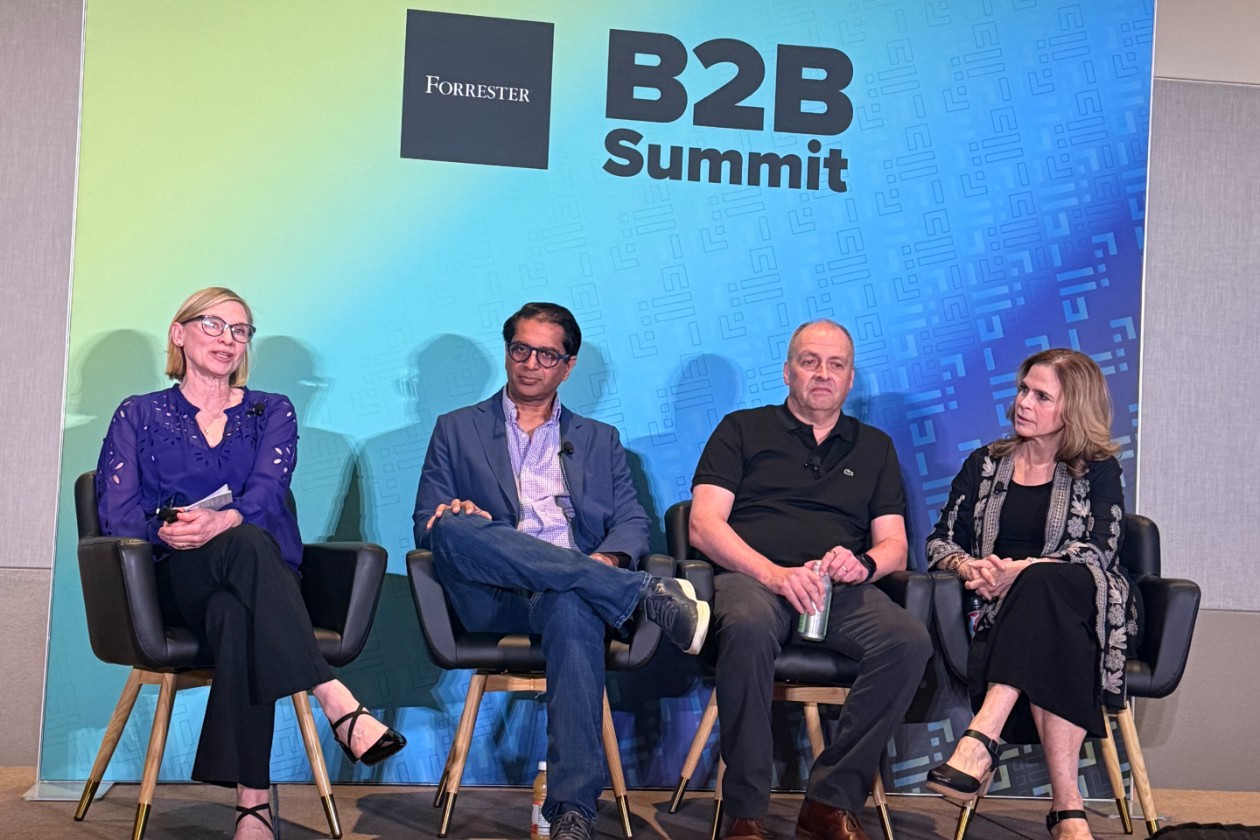
The session commenced with Forrester’s Karen Tran illuminating a pivotal shift in modern content discovery. According to the findings of Forrester’s “Buyers’ Journey Survey, 2025,” generative AI conversational search tools have ascended to become the single most impactful interaction within the B2B buying process. This groundbreaking revelation places AI-powered search ahead of established channels such as social media, industry publications, direct engagement with product experts, and even traditional vendor websites. This signifies a fundamental recalibration of where B2B buyers initiate their information-gathering journeys, placing AI at the forefront of initial brand and solution discovery.
[Image placeholder: An infographic or chart depicting the dominance of AI conversational search in B2B buyer journeys, with comparative data points for other channels.]
Buyers’ AI-First Approach Necessitates Human Validation
This new sequence in buyer behavior carries significant implications for content strategy. Tran’s data revealed that an overwhelming 85% of brand mentions originate from third-party sources, underscoring the amplified importance of external validation. Furthermore, a substantial 49% of executives report actively scrutinizing how their brand and content are represented within AI-powered search results, signaling a heightened awareness and concern regarding AI’s perception-shaping capabilities.
Despite this growing awareness, a significant gap persists in content optimization for AI. Merely 50% of B2B marketing decision-makers indicate they are currently optimizing their content for AI-powered search. Compounding this, only 47% are actively creating content specifically designed to address the direct questions buyers are posing. This disconnect presents both a formidable challenge and a considerable opportunity for B2B brands. Across the industry, companies are experiencing a discernible decline in organic visibility, intensifying the urgency to recapture buyer attention. However, mere visibility is only the initial step. The true prize lies in becoming the recommended solution, endorsed by the trusted sources that influence buyers, whether through AI search, search engines, industry media, or influential creators. This convergence of visibility and trusted recommendation is what transforms attention into intent and solidifies a brand as the optimal answer.
The Tripartite Audience: A New Paradigm for B2B Content Programs
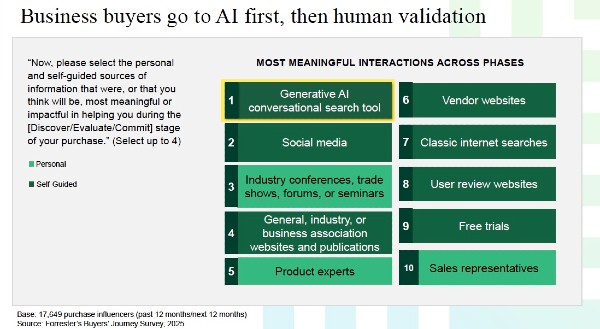
Davang Shah, VP of Marketing at LinkedIn, provided crucial clarity on the multifaceted role of content in contemporary B2B marketing. He articulated that modern content programs must adeptly influence three distinct entities concurrently: end customers, sophisticated Large Language Models (LLMs), and AI agents. This tripartite approach is unified by the overarching principle of building trust.
“Content is grounded in trust that helps buyers make a decision that answers a question in a way that is useful,” Shah stated. “There are three entities to influence: end customers, LLMs, and agents. All of them are grounded in building trust.”
For B2B marketers grappling with the evolving visibility landscape, this framing offers a practical roadmap. The principles that foster trust with human audiences—credibility, consistency, and third-party validation—largely translate into factors that earn inclusion within AI-generated answers. In essence, the criteria for being selected as a trusted source converge across both human and artificial intelligence. Brands that perceive AI optimization as an independent endeavor, separate from an audience-centric content strategy, are likely expending unnecessary effort.
Shah further highlighted a significant demographic shift influencing content decisions: 71% of B2B buyers today are comprised of Gen Z and millennials. This demographic cohort actively seeks content that aids them in problem-solving, rather than content engineered primarily for sales pitches. Referencing data from Dreamdata, Shah noted that the average B2B buying cycle now extends to an impressive 272 days. Moreover, buyer groups have expanded significantly, involving an average of 22 individuals, according to Forrester. In this intricate and extended customer journey, trust must be meticulously cultivated across a prolonged timeline, through the amplification of multiple voices, and disseminated across a diverse array of channels.
The Essential Pillars of Authentic B2B Content
Karen Tran, Principal Analyst at Forrester, adeptly steered the panel towards a more nuanced exploration of a challenging question faced by B2B content leaders: how can brands harness the efficiency and scalability offered by AI while rigorously maintaining authenticity? A palpable concern, shared by Tran, is the potential for AI to homogenize content, rendering it generic and indistinguishable. However, the panelists’ responses underscored that AI should function as a production accelerator, not a substitute for the foundational source material that underpins genuine trust. This necessitates that authentic inputs remain the paramount priority.
Phyllis Davidson, VP Principal Analyst at Forrester, elaborated on this concept through a primary and derivative content model. “Once you have high-value content—thought leadership, data from a third-party study—you can use that authentic content and use AI to create derivatives,” Davidson explained. “Think of modules of content that drive trust, that are authentic and tell your brand story.”
This strategic insight directly aligns with the content atomization approach central to Best Answer Marketing. Original research, proprietary data, and genuine expert perspectives serve as the primary, high-value assets. AI then facilitates the scaling of these core assets into a myriad of derivative formats, including social media posts, video scripts, email sequences, and concise summaries. These derivatives are designed to reach buyers across diverse channels throughout their extended 272-day journey. To maximize impact and value, the sequence is crucial: authentic inputs must precede scaled distribution.
Davidson also highlighted a frequently overlooked risk: a significant majority of marketers, 60% or more, admit to personalizing content based on their own messaging objectives rather than the specific messages buyers wish to receive. AI, if unchecked, risks amplifying this misalignment. The effective remedy lies in training AI systems to champion buyer needs, not simply to echo brand preferences.
The Evolving Significance of Third-Party Validation
Rob Gubas, Senior Director of Global Integrated Campaigns and Content Strategy at SAP Concur, brought a vital practitioner’s perspective to the discussion, particularly regarding the enduring importance of third-party validation. He emphasized that while analyst content and third-party validation were once considered baseline requirements, their true value now lies in the strategic integration of analyst perspectives with proprietary brand information.
“Analyst content and third-party validation used to be table stakes,” Gubas articulated. “The real benefit now comes from marrying an analyst perspective with proprietary information from the brand. A five-stage maturity model built on 30 years of data, validated by an industry analyst—that combination creates something genuinely defensible.”
Gubas identified three key forms of third-party validation that hold significant sway in the current B2B landscape: analyst-validated proprietary research, customer reviews—which he described as a primary input for LLMs—and robust influencer programs. He candidly shared his own evolving perspective on B2B influencer marketing, noting a considerable shift in his belief system based on demonstrable program performance.
Data from TopRank Marketing’s own research corroborates this trend. Their “State of B2B Thought Leadership in 2026” report revealed that 72% of B2B marketers who frequently collaborate with influencers reported their research-based content as highly effective, a stark contrast to the 29% effectiveness rate among those who do not engage with influencers. This significant performance disparity serves as a compelling argument for sustained investment in influencer and creator collaborations as an integral component of a trust-building content creation and distribution strategy.
Consistency and Longevity: The Antidote to Ephemeral Content
A unifying theme throughout the session was the profound importance of consistency over sheer volume. Gubas underscored how a unique perspective on a topic of enduring audience interest, meticulously developed and sustained over time, compounds in value in ways that disparate, campaign-centric content can never achieve.

“No one-and-done,” Gubas stressed. “Something you build up over time, program over program, year after year. Having that patience is key.”
Davang Shah expanded on this principle, posing the question of how brands effectively leverage the diverse voices available to them, both internally and through strategic partnerships with influencers and creators. His data indicated that 77% of B2B buyers are more inclined to make a purchase when they observe individuals from the brand actively engaging on social media, reinforcing the adage that “people buy from people, not from brands.” The impact hinges less on the quantity of brand pronouncements and more on the credibility and consistency of the voices that represent the brand over time, offering genuine perspective.
This observation directly correlates with a key finding from TopRank’s thought leadership research: 97% of B2B marketers acknowledge the critical role of thought leadership in achieving full-funnel success. Yet, a mere 43% extend this engagement beyond the acquisition phase to nurture and retain customers post-sale. The long-term value of consistent, trust-building content is widely recognized, but its consistent implementation remains an infrequent practice.
Seamless Integration Across Owned, Earned, and Paid Channels
The discussion then turned to the role AI can play in fostering content integration across owned, earned, and paid media, particularly in light of the imperative for consistency and longevity throughout the extended 272-day buying cycle. Davang Shah emphasized that brand voice and unique selling propositions form the indispensable foundation, acting as the unifying lens through which consistency is enforced across every touchpoint. Without this foundational clarity, AI-enabled integration risks scaling incoherence rather than coherence.
Rob Gubas highlighted the critical importance of a collaborative process, asserting that maintaining a consistent narrative thread necessitates intentional cross-functional alignment. The message must permeate every channel, not merely originate from a single silo.

Concluding the session, Karen Tran from Forrester reiterated these pivotal points. She advised building authenticity into all content and messaging across activation channels, prioritizing co-creation with credible third parties to amplify brand visibility, and establishing robust governance mechanisms to ensure unwavering brand alignment and safety.
GEO: Optimizing Content for the AI-Driven Buyer Experience
The pervasive influence of AI as a discovery channel is now a central theme in virtually every B2B marketing conversation. The Forrester B2B Summit session offered a wealth of insights into this transformative dynamic. Davang Shah was unequivocal about its significance: “94% of buyers are using LLMs on their journeys. If you’re not present at that initial stage, you’re not on the day one list. If you’re not on that list, your chances of being chosen go down significantly.”
This domain falls under the purview of AI Search Optimization (AEO), or Generative Engine Optimization (GEO), which focuses on structuring content to be surfaced, cited, and recommended by AI systems, extending beyond traditional search engine rankings. Forrester frames this as a “zero-click visibility” challenge: when an AI tool synthesizes an answer directly, content not structured to provide immediate, upfront value is bypassed entirely. It simply fails to be selected as an answer that buyers will ever see.
The criteria for inclusion in AI-generated answers mirror the principles of buyer trust discussed throughout the panel. Specificity holds greater weight than sheer volume. Original data and proprietary insights are more citable than generic commentary. Third-party validation signals credibility to AI systems in the same manner it does to human buyers. And content organized around what buyers are actually asking, rather than what a brand wishes to convey, is more likely to be retrieved and presented as a definitive answer.
Rob Gubas offered a pertinent observation regarding customer reviews, describing them as a primary input for how LLMs characterize brands and products. Organic, third-party language found in reviews and analyst reports carries significant weight with AI systems due to its perceived independence. This further reinforces the strategic advantage of combining third-party validation with proprietary research, a shift Gubas has actively embraced, which not only builds trust but also enhances AI search optimization.

The encouraging news is that AI search-aware content is not an entirely distinct discipline. It shares many of the same characteristics championed by the panel: content structured around buyer questions, grounded in original data, validated by credible voices, and maintaining consistent perspective and terminology across channels. Marketers already adhering to these principles are well-positioned for success. The critical question becomes whether their distribution architecture ensures content discoverability wherever buyers are searching. In essence, are brands truly the “best answer” where and when buyers are actively seeking it?
AI and Authenticity: A New Blueprint for 2026 Content Strategy
The central argument presented by the panel at the Forrester B2B Summit North America 2026 aligns seamlessly with the principles of Best Answer Marketing. The brands poised to achieve prominence in AI-generated answers, search results, and within the collective consciousness of B2B buying groups are those actively constructing a genuine trust infrastructure, rather than merely a content production machine.
This infrastructure comprises distinct, interconnected components: original research or proprietary data that offers buyers unique insights; trusted third-party voices that validate brand claims; a consistent presence across the channels where buyers actively seek answers; and an AI strategy that accelerates the distribution of these authentic inputs.
TopRank Marketing’s research indicates that 93% of B2B marketers utilizing research-based content report its effectiveness in driving engagement and leads, with nearly half deeming it “very effective.” The insights gleaned from the Forrester B2B Summit further solidify this understanding: research-backed content, amplified by trusted voices and meticulously optimized for the channels buyers actually frequent—including generative AI—represents the definitive path to becoming the “best answer” when it matters most.
For those seeking to operationalize these principles and implement a robust Best Answer Marketing strategy, further guidance can be found in resources such as the BAM Playbook.