
 rifanmuazin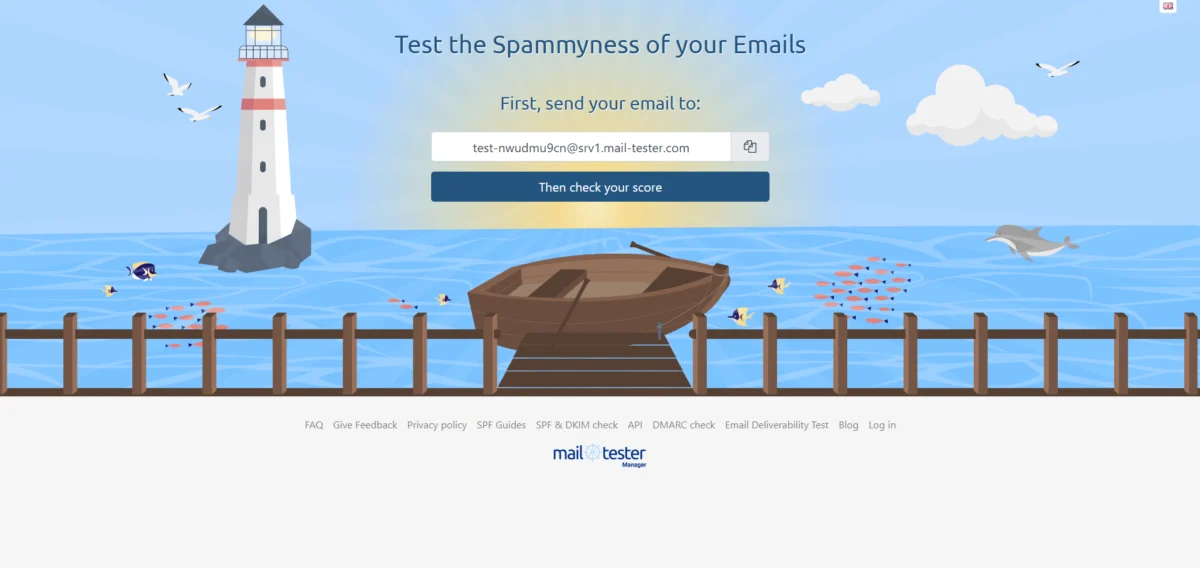
Spam score, a critical metric in the digital realm, carries two distinct meanings depending on its context, profoundly impacting a brand’s online visibility and revenue. In the world of Search Engine Optimization (SEO), a website’s spam score gauges its susceptibility to search engine penalties, directly influencing organic search rankings. Conversely, within email marketing and deliverability, an email spam score determines the likelihood of a campaign reaching the recipient’s primary inbox rather than being relegated to the spam folder. Understanding these nuanced metrics is not merely a technical exercise but a strategic imperative for any business operating online, particularly e-commerce entities whose bottom line is intricately tied to digital communication efficacy.
The Persistent Threat of Spam: A Digital Landscape Overview
The proliferation of unwanted digital content, universally known as spam, has been a persistent challenge since the early days of the internet. From unsolicited commercial emails (UCE) of the 1990s to today’s sophisticated phishing attempts and black-hat SEO tactics, spam has continuously evolved, forcing search engines and email providers to develop increasingly complex defense mechanisms. The concept of a “spam score” emerged as a quantifiable measure to assess the risk associated with digital entities, born out of necessity to combat the deluge of malicious or low-quality content.
Early anti-spam efforts were rudimentary, often relying on simple keyword filters. However, spammers quickly adapted, necessitating a shift towards more advanced, reputation-based systems. This evolution led to the development of sophisticated algorithms that analyze a multitude of signals to determine trustworthiness. The economic impact of spam is staggering; billions of dollars are lost annually due to reduced marketing effectiveness, wasted resources, and the cybersecurity risks associated with malicious spam. For e-commerce, specifically, the inability to reach customers through email or rank organically in search results translates directly into missed sales opportunities and a significant erosion of potential revenue. According to various industry reports, spam accounts for over 50% of all email traffic globally, highlighting the immense scale of the problem and the critical role of spam filtering.
Deconstructing the “Spam Score”: Two Distinct Domains
While both website and email spam scores aim to evaluate trust and mitigate risk, their methodologies, underlying signals, and implications are fundamentally different. Recognizing which metric applies to a specific problem is the first step towards an effective resolution.
Website Spam Score: Safeguarding Organic Visibility
The website spam score, primarily championed by the SEO software company Moz, is a proprietary calculation designed to assess the likelihood of a domain incurring a search engine penalty. It’s crucial to note that this is not an official Google metric, but rather a predictive tool based on Moz’s extensive analysis of Google’s historical data on penalized websites. Graded on a percentage scale from 0 to 100%, with lower scores indicating better site health, this metric offers SEO specialists a valuable diagnostic for auditing backlinks and overall site structure.
Calculation Methodology and Key Signals: Moz’s algorithm employs machine learning to identify patterns and signals commonly found on websites that Google has historically demoted or deindexed. The system evaluates multiple overlapping structural and backlink factors to determine a domain’s risk profile. Key triggers for a high website spam score include:
- Toxic Backlink Profiles: An abundance of backlinks from low-quality, irrelevant, or explicitly spammy websites (e.g., gambling sites, adult content, crypto scams, link farms, private blog networks).
- Unnatural Link Acquisition: Rapid, unearned increases in backlinks, indicative of purchased links or manipulative link-building schemes.
- Black-Hat SEO Tactics: The use of cloaking (showing different content to users and search engines), keyword stuffing (over-optimizing content with keywords), hidden text or links, and doorway pages designed solely for search engines.
- Low-Quality Content: Thin content, duplicate content scraped from other sites, or content lacking value for the user.
- Aggressive Pop-ups and Intrusive Ads: Overly disruptive user experiences that detract from content consumption.
- Poor Site Architecture and Technical Issues: Slow page load times, lack of mobile-friendliness, broken links, and other technical problems that hinder user experience and search engine crawling.
- Excessive Outbound Links to Spammy Sites: Linking out to irrelevant or low-quality domains.
A high website spam score serves as a warning, indicating that a site’s practices align with those historically penalized by search engines. Addressing these issues is paramount to maintaining organic search visibility and protecting valuable organic traffic.
Email Spam Score: Ensuring Inbox Reach
An email spam score is a diagnostic metric that estimates the probability of an email triggering spam filters. Unlike its SEO counterpart, this score is not a universal, standardized metric but varies significantly across different tools and email service providers (ESPs). It assesses factors such as sender reputation, email authentication, content quality, link integrity, formatting, and sending patterns. However, it’s vital to understand that an email spam score is not a direct measure of inbox placement. It acts as an indicator of risk, signaling potential issues that could lead to an email landing in the spam folder, the promotions tab, or being outright rejected.
Calculation Methodology and Key Signals: Email spam filtering systems operate on various principles:
- Inbound Filters (e.g., Apache SpamAssassin): These systems assign penalty points for suspicious signals found within the email’s headers, body, and attachments. A lower score is generally better, with a specific threshold (e.g., 5.0) often leading to automatic spam classification.
- Reputation and Deliverability Monitoring Tools: These tools often use proprietary algorithms, sometimes assigning reputation-style scores (e.g., 0-100), where a higher score might indicate better health.
- Mailbox Provider (MBP) Internal Algorithms: Major MBPs like Gmail, Outlook, and Yahoo employ highly sophisticated, constantly evolving algorithms that weigh hundreds of signals, often relying heavily on sender reputation and user engagement metrics.
Key triggers for a high email spam score include:
- Poor Sender Reputation: A history of high bounce rates, spam complaints, low engagement, or being listed on email blacklists.
- Lack of Proper Authentication: Absence or misconfiguration of SPF (Sender Policy Framework), DKIM (DomainKeys Identified Mail), and DMARC (Domain-based Message Authentication, Reporting & Conformance) records.
- Spammy Content: Use of excessive capitalization, exclamation marks, spam trigger words (e.g., “free,” “win,” “guarantee,” “urgent”), suspicious phrasing, or an overly aggressive sales tone.
- Problematic Formatting: Image-only emails, broken HTML, excessively large fonts, or disproportionate image-to-text ratios.
- Suspicious Links or Attachments: Links to untrustworthy domains, URL shorteners, or unexpected attachments.
- Inconsistent Sending Patterns: Sudden spikes in sending volume from a previously inactive IP address or domain.
- High Bounce Rates: Sending to invalid or non-existent email addresses.
- Spam Traps: Hitting email addresses specifically set up by ISPs to catch spammers.
- Low Engagement: A consistent lack of opens, clicks, or replies from recipients, signaling disinterest to ISPs.
For e-commerce senders, the email spam score is best utilized as a trend-monitoring and risk-detection tool. A worsening score indicates potential underlying issues that could impact inbox placement over time, necessitating a review of authentication, content, list quality, or sender reputation. To gain a comprehensive view of sending health, this score must be evaluated alongside other critical deliverability signals such as bounce rates, spam complaint rates, engagement trends, domain reputation, and mailbox provider feedback loops.
The Evolving Regulatory and Technical Landscape
The fight against spam is a dynamic battle, marked by continuous innovation in filtering technologies and stricter industry regulations.
A Chronology of Anti-Spam Measures:
- Early 1990s: The dawn of email spam, characterized by simple keyword filtering and rudimentary blacklists. The CAN-SPAM Act in the US (2003) and GDPR in Europe (2018) later provided legal frameworks.
- Late 1990s – Early 2000s: Emergence of heuristic filters, content analysis, and rudimentary sender reputation systems. Apache SpamAssassin (2001) becomes a widely adopted open-source solution.
- Mid-2000s: Introduction of email authentication protocols like SPF (2003) and DKIM (2004) to combat email spoofing and phishing, allowing receiving servers to verify the sender’s identity.
- Late 2000s – Early 2010s: ISPs begin to heavily weigh sender reputation, engagement metrics, and spam complaint rates as primary deliverability factors. Feedback loops are established.
- 2012: DMARC is introduced, building upon SPF and DKIM to provide domain owners with policies for handling unauthenticated emails and reporting mechanisms.
- Mid-2010s: Focus shifts to user engagement and personalization. Algorithms become more sophisticated, differentiating between desired commercial mail and unwanted spam. BIMI (Brand Indicators for Message Identification) begins development to enable brand logos in inboxes.
- 2024: Major mailbox providers, Google and Yahoo, announce significant new requirements for bulk senders. These mandates, effective February 2024, include:
- Stronger Email Authentication: Requiring senders to authenticate emails with SPF, DKIM, and DMARC.
- Easy Unsubscribe: Implementing a one-click unsubscribe mechanism for marketing emails.
- Low Spam Complaint Rates: Maintaining a spam complaint rate below 0.3% (with Google setting a stricter threshold of 0.1%).
- 2026: Microsoft/Outlook announces similar strict enforcement, including the outright rejection of non-compliant bulk mail, returning an Error 550 5.7.15. This signifies a unified industry stance on enhancing email security and user experience.
These evolving requirements underscore a clear trend: email deliverability is no longer optional but a fundamental technical and strategic necessity, demanding strict adherence to best practices.
Quantifying Risk: Understanding “Good” Spam Scores
The definition of a “good” spam score is highly contextual, dependent on the evaluation platform and the specific type of score. Different systems employ entirely different scales to measure risk, making direct comparisons challenging.
For Website SEO (Moz Spam Score):
Moz calculates website risk on a percentage scale from 1% to 100%. The vast majority of healthy domains naturally fall into the lower tiers.
| Website Spam Score Range | Risk Level | What to Do |
|---|---|---|
| 1%–30% | Low | Continue normally, periodic checks recommended. |
| 31%–60% | Medium | Audit your backlinks and content for potential issues. |
| 61%–100% | High | Investigate immediately; potential for Google penalties. |
A score of 1% is considered the optimal rating, indicating an exceptionally clean backlink profile and negligible risk.
For Email Deliverability (e.g., SpamAssassin-like scores):
For email, a lower score is universally better. Systems like Apache SpamAssassin typically set a failure threshold, often around 5.0. Exceeding this mark almost guarantees delivery to the junk folder or outright rejection. The aim should always be to achieve a score as close to zero as possible.
| Email Spam Score Range | Risk Level | What to Do |
|---|---|---|
| 0.0–2.0 | Low | Safe to launch campaigns; monitor for any subtle shifts. |
| 2.1–4.9 | Medium | Review content triggers, authentication setup, and sending practices; proactive adjustments are advised. |
| 5.0+ | High | Stop sending immediately; critically assess and fix errors related to authentication, content, or sender reputation before resuming. |
It’s important to remember that major inbox providers like Gmail, Outlook, and Yahoo often bypass numeric scores altogether, instead relying on internal pass/fail behavioral signals and complex reputation algorithms to decide an email’s final destination. Therefore, while diagnostic tools provide valuable insights, actual inbox placement remains the ultimate arbiter.
Diagnostic Tools: How to Monitor Your Digital Health
Accurately assessing your spam score requires using the right tools for the right context. An SEO tool cannot gauge email deliverability, and an email tester won’t reveal Google penalties.
Tools to Check Website Spam Score:
To accurately assess your domain’s SEO risk profile, specialized software that evaluates backlink profiles and site architecture is essential:
- Moz Link Explorer: Directly provides the proprietary Moz Spam Score, alongside other valuable SEO metrics.
- Ahrefs: Offers a “Domain Rating” and comprehensive backlink audits, helping identify toxic links that contribute to spam scores.
- SEMrush: Provides a “Toxic Score” for backlinks and a robust site audit tool to identify SEO issues.
- Majestic: Focuses heavily on link intelligence with metrics like “Trust Flow” and “Citation Flow,” which indirectly indicate link quality.
- Google Search Console: While not providing a “spam score,” it’s crucial for identifying manual actions (penalties) issued by Google, which are the ultimate consequence of high spam scores.
Tools to Check Email Spam Score:
To ensure emails reach the inbox, pre-send testing platforms are vital for analyzing authentication protocols and content triggers:
- Mail-Tester.com: A popular, free tool that provides a detailed report, assigning a score and highlighting specific issues that might trigger spam filters.
- GlockApps: Offers comprehensive deliverability testing, including spam score analysis across various mailbox providers, blacklist checks, and inbox placement reports.
- Validity (Everest): A premium platform providing advanced deliverability monitoring, sender reputation management, and inbox placement insights.
- 250ok (now part of Validity): Provides real-time deliverability data, DMARC monitoring, and spam trap intelligence.
- Postmaster Tools (Gmail, Outlook, Yahoo): Free tools offered by major ISPs that provide data on sender reputation, spam complaint rates, IP/domain health, and DMARC reports for your sending domains.
- Built-in ESP Features: Many email service providers like Omnisend offer internal deliverability checks, content analysis, and authentication setup guides to help users maintain good sending hygiene.
The Bottom Line: Spam Score’s Direct Impact on E-commerce Revenue
A high spam score acts as a significant barrier to revenue for e-commerce brands. If emails consistently fail to reach the primary inbox or if a website is penalized by search engines, all marketing efforts become futile, directly impacting sales and customer acquisition.
In the current digital landscape, e-commerce email marketing is renowned for its exceptional Return on Investment (ROI), with estimates suggesting an average return of $68-$79 for every dollar spent, according to Omnisend data for 2026. However, this impressive ROI is contingent on messages actually reaching their intended destination.
When spam filters block email campaigns, the consequences are immediate and severe:
- Declining Open Rates: Emails land in spam or promotions folders, reducing visibility and leading to a drastic drop in opens.
- Reduced Click-Through Rates (CTRs): Fewer opens naturally lead to fewer clicks on product links or calls to action.
- Stagnant Conversion Numbers: The ultimate goal of e-commerce email — driving purchases — is undermined, resulting in lost sales and reduced revenue.
- Erosion of Customer Lifetime Value (CLV): Inconsistent communication leads to disengaged subscribers who are less likely to make repeat purchases.
- Damaged Brand Reputation: Repeatedly landing in spam folders can tarnish a brand’s image, leading to a perception of unprofessionalism or even untrustworthiness.
- Wasted Ad Spend: If email is part of a broader marketing funnel, its failure can invalidate the effectiveness of other channels.
Similarly, a high website spam score can lead to a drastic reduction in organic traffic. If a domain is penalized, its search rankings plummet, making it invisible to potential customers who rely on search engines to discover products. This necessitates increased reliance on paid advertising, driving up customer acquisition costs and squeezing profit margins. To safeguard the bottom line and ensure marketing budget efficacy, diagnosing and rectifying the root causes of these routing failures and SEO penalties is paramount.
Proactive Strategies: Reducing Your Spam Score
Reducing and maintaining a low spam score requires continuous vigilance and adherence to best practices, adapting to the ever-evolving digital landscape.
Website Optimization:
For websites, the focus is primarily on managing link profiles and maintaining site quality.
- Backlink Audit and Disavowal: Regularly audit your backlinks using tools like Moz, Ahrefs, or SEMrush. Identify and disavow toxic links from spammy domains, private blog networks, or irrelevant sources. This signals to Google that you do not endorse these links and wish for them not to be counted against your site.
- Site Structure and Content Quality: Ensure your website provides high-quality, original, and valuable content for users. Avoid black-hat SEO tactics such as keyword stuffing, cloaking, or hidden text. Maintain a logical site structure, fast loading times, and mobile-friendliness.
- Technical SEO Best Practices: Regularly review your robots.txt, sitemap, and canonical tags. Fix broken links, implement secure HTTPS, and ensure a positive user experience across all devices.
Email Deliverability Enhancement:
For email marketers, ongoing management of five core deliverability elements is crucial.
-
Robust List Hygiene: List quality is a direct determinant of sender reputation. Sending to invalid or disengaged addresses harms deliverability.
- Double Opt-in: Implement a double opt-in process to ensure all subscribers genuinely wish to receive your emails, reducing spam complaints.
- Regular Segmentation: Divide your audience into segments based on engagement, purchase history, and demographics to send more relevant content.
- Re-engagement Campaigns: Periodically run campaigns to re-engage inactive subscribers.
- Inactive Subscriber Removal: Routinely remove subscribers who haven’t engaged with your emails for an extended period (e.g., 6-12 months) to protect your sender reputation.
- Email Validation Services: Use third-party tools to verify email addresses at the point of collection and before sending major campaigns, minimizing bounces.
- Avoid Purchased Lists: Never use purchased or rented email lists, as they often contain spam traps and disengaged contacts, severely damaging your reputation.
-
Ironclad Email Authentication (SPF, DKIM, DMARC): These protocols are non-negotiable for modern email communications, verifying your identity to receiving servers and building trust.
Protocol What it Does Why it Reduces Spam Score SPF Lists specific IP addresses authorized to send emails on behalf of your domain. Prevents spammers from forging your sender address, ensuring receiving servers trust the origin of your email. DKIM Adds a cryptographic digital signature to your messages. Proves that the email content wasn’t tampered with during transit, guaranteeing message integrity. DMARC Tells receiving servers exactly what to do if an email fails SPF or DKIM checks. Gives you strict control over your domain’s security policy (e.g., quarantine or reject unauthenticated emails), bolstering trust. Beyond deliverability, robust authentication unlocks advanced inbox branding. For brand logos to appear, particularly in 2026, BIMI (Brand Indicators for Message Identification) requires a strict DMARC policy of
p=quarantineorp=rejectwithpct=100. Furthermore, Gmail and Apple Mail now explicitly require a Verified Mark Certificate (VMC) to display that logo, while Yahoo may accept self-asserted setups. This indicates a future where authenticated branding is increasingly tied to deliverability and visual trust. -
Optimizing Email Content: Inbound filters meticulously scrutinize email content. A single poorly formatted layout or overly aggressive language can trigger routing failures.
- Clear and Concise Subject Lines: Avoid misleading or clickbait subject lines. Keep them relevant, personalized, and concise.
- Personalization: Address subscribers by name and tailor content to their preferences, increasing engagement.
- Avoid Spam Trigger Words: Steer clear of excessive use of words commonly associated with spam (e.g., “free,” “discount,” “urgent,” “win,” “limited time”).
- Balance Visuals with Plain Text: Maintain an appropriate image-to-text ratio. Emails that are predominantly images can be flagged. Always include a plain text version.
- Mobile Optimization: Ensure emails render perfectly on all devices, as a significant portion of opens occur on mobile.
- Clear Call-to-Actions (CTAs): Use clear, single-purpose CTAs that guide the user effectively.
- Unsubscribe Link: Always include a clearly visible and easy-to-use unsubscribe link, preferably one-click, as required by major ISPs.
-
Strategic Sending Behavior: Filters closely monitor the volume and frequency of campaigns. Abrupt changes can trigger security blocks.
- IP and Domain Warming: If using a new IP address or domain, gradually increase sending volume over several weeks to build a positive reputation with ISPs.
- Consistent Sending Schedule: Maintain a predictable sending pattern. Avoid sudden, massive blasts after periods of inactivity.
- Segment Large Lists: For very large lists, segmenting and sending in batches can help manage volume and monitor initial engagement.
- Monitor Feedback Loops (FBLs): Sign up for FBLs with major ISPs to receive notifications when subscribers mark your emails as spam, allowing you to remove them promptly.
-
Vigilant Engagement Monitoring: ISPs track every open, click, reply, and forward. Low engagement signals disinterest, leading ISPs to indirectly raise your spam score.
- Analyze Key Metrics: Regularly monitor open rates, click-through rates, reply rates, forward rates, unsubscribe rates, and especially spam complaint rates.
- Segment by Engagement: Create segments for highly engaged, moderately engaged, and unengaged subscribers. Tailor content accordingly.
- Run Re-engagement Campaigns: Target unengaged subscribers with special offers or content designed to rekindle their interest. If they remain unresponsive, consider removing them.
- A/B Test: Continuously A/B test subject lines, content, and send times to optimize engagement.
Conclusion: A Continuous Commitment to Digital Integrity
The spam score, whether pertaining to website SEO or email deliverability, defines the very visibility and reach of a brand across its primary digital channels. The SEO metric quantifies the risk of Google penalties, safeguarding organic traffic, while the email metric dictates whether messages successfully reach subscribers’ inboxes.
Crucially, neither rating is a static number that can be “fixed” once and then forgotten. Maintaining digital integrity requires ongoing attention and adaptation. For websites, this means consistent auditing of backlink profiles and ensuring robust site architecture. For email marketers, it necessitates relentless enforcement of strict list hygiene, meticulous setup and updates of authentication protocols, continuous optimization of content, and vigilant monitoring of subscriber engagement. These tasks are not isolated but interconnected components of a comprehensive digital strategy.
By proactively managing these multifaceted factors, businesses can confidently secure primary inbox placement for their email campaigns and sustain high organic search rankings for their websites. This dual commitment to mitigating spam risk directly translates into improved open rates, enhanced campaign performance, and ultimately, robust revenue generation for e-commerce businesses in an increasingly competitive digital landscape.
FAQ
What is a spam score?
A spam score is a metric that measures the risk of your digital operations being flagged. In SEO, it calculates the probability that your domain may face search engine penalties, affecting organic visibility. For email marketing, it’s a rating that determines if your outgoing message reaches the primary inbox or is diverted to the spam folder.
What’s a good spam score?
A low spam score is generally considered good. For websites, a Moz Spam Score between 1% and 30% is low-risk, though aiming for the lower end is always better. For email deliverability, the goal is to keep it as close to 0.0 as possible on systems like SpamAssassin. Anything consistently above 2.0 indicates potential issues that require immediate attention.
What is spam score 1%?
A 1% website spam score is the best possible SEO rating Moz can assign to a domain. It signifies an exceptionally clean backlink profile, proper site architecture, and a negligible risk of facing any search engine penalties from Google.
What does a 3 spam score mean?
In email deliverability, a score of 3.0 (on a scale where 5.0 is typically a failure threshold) indicates that your message has triggered several minor content or authentication filters. While it might still be delivered by some providers, it’s approaching the critical failure threshold, and proactive measures to









