rifanmuazin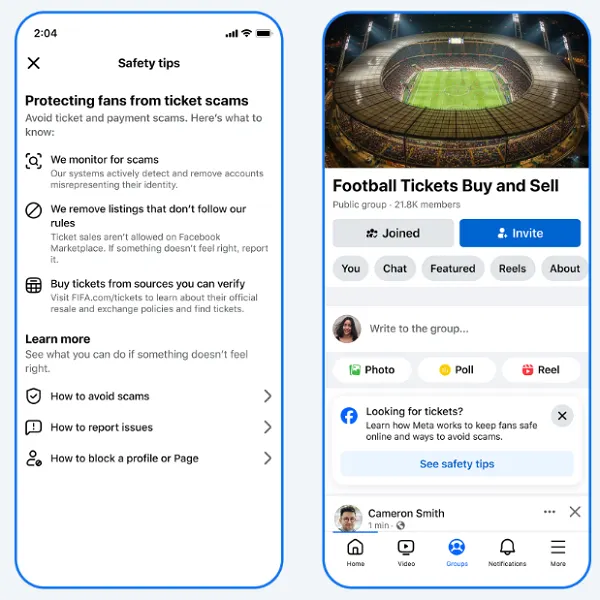
Meta has officially unveiled a comprehensive suite of enhanced security measures specifically designed to protect fans and players during the highly anticipated FIFA World Cup 2026. This proactive initiative underscores the company’s commitment to ensuring a safe and positive online experience amidst what is universally recognized as one of the world’s most passionately followed sporting spectacles. The move comes as billions are expected to engage with the tournament across Meta’s various platforms, presenting both unprecedented opportunities for connection and significant challenges in combating online threats.
The FIFA World Cup 2026, co-hosted by the United States, Canada, and Mexico, marks a historic expansion of the tournament, featuring 48 national teams and a record 104 matches across 16 cities. This unprecedented scale is projected to draw an immense global audience, both in physical attendance and, critically, through digital engagement. As Meta elaborated in its announcement, “In the coming months, soccer fans across the globe will use our apps to connect around the FIFA World Cup 2026. While most will be rooting for their favorite teams and players, unfortunately there may be bad actors who will try to lure people into scams or harass and abuse others — offline and online.” This statement encapsulates the dual challenge Meta aims to address: facilitating joyous connection while aggressively mitigating the risks posed by malicious actors.
The Immense Digital Footprint of a Global Sporting Event
Major global sporting events like the FIFA World Cup generate an unparalleled volume of online activity. Fans flock to platforms like Facebook, Instagram, and WhatsApp to celebrate victories, commiserate over losses, share news, discuss matches, and connect with fellow enthusiasts. During the previous FIFA World Cup in Qatar in 2022, Meta reported record engagement, with billions of interactions across its apps. This digital fervor, while overwhelmingly positive, also creates fertile ground for opportunistic scammers and individuals intent on spreading abuse. The expanded format of the 2026 tournament means even greater digital traffic, more opportunities for interaction, and consequently, a larger surface area for potential exploitation.
The scale of the event—spanning three nations and involving millions of travelers and countless more online spectators—amplifies the complexity of security. From fake merchandise and fraudulent travel packages to sophisticated phishing campaigns and targeted harassment, the vectors for harm are numerous. Meta’s strategy therefore involves a multi-pronged approach, combining advanced technological solutions with strategic partnerships and proactive user education.
Combating the Scourge of Fraud and Scams
One of the primary focuses of Meta’s enhanced security measures is the protection of users from various forms of financial fraud and scams, particularly those related to ticketing and accommodation. The high demand for World Cup tickets and lodging creates a lucrative environment for fraudsters who prey on fans’ excitement and urgency.
-
Enhanced Monitoring and Enforcement: Meta has deployed dedicated teams specifically tasked with monitoring and enforcing against accounts that attempt to target people with ticketing scams, false offers of immigration processing, misleading accommodation advertisements, and other fraudulent schemes. These teams leverage Meta’s extensive data analysis capabilities and policy enforcement frameworks to identify and remove malicious content and accounts. The company acknowledges that “Global sporting events can lead to an increase in fraud, like ticketing scams, false offers of immigration processing, and misleading accommodations for those looking to travel to matches.” This recognition highlights the evolving nature of online threats and the need for specialized responses.
-
Strategic Industry Partnerships: Recognizing that scam networks often operate across multiple platforms and touchpoints, Meta has strengthened its collaboration with industry partners. Key among these initiatives are the Global Signal Exchange (GSE) and Meta’s Fraud Intelligence Reciprocal Exchange (FIRE). These platforms facilitate the sharing of timely and actionable scam intelligence among participating organizations, enabling a more coordinated and effective disruption of criminal networks.
- Visa Collaboration: A notable success story cited by Meta is its collaboration with Visa through the GSE. By sharing intelligence, Visa’s Scam Disruption team assisted Meta in identifying and dismantling a network on Facebook that was linking to spoofed websites. These fraudulent sites mimicked the official FIFA World Cup 2026 branding and promoted fake gambling content, designed to trick users into divulging personal financial information or losing money to rigged games. This example underscores the effectiveness of cross-industry cooperation in tackling sophisticated cybercrime.
-
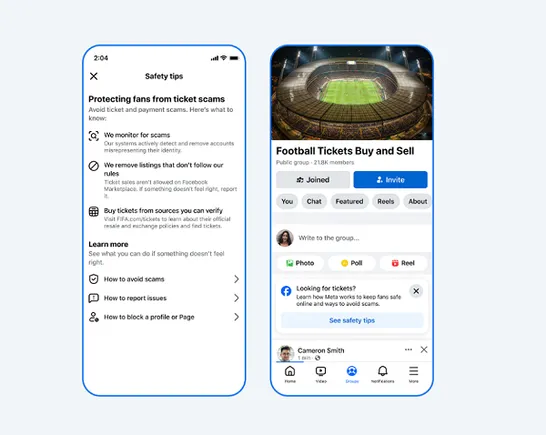
Proactive User Education and Awareness: Beyond enforcement, Meta is investing in educating its user base about common scam tactics. New in-stream notifications are being rolled out across its platforms to warn users about potentially fraudulent ticket sellers and to provide clear guidance on how to avoid ticketing scams. This proactive approach aims to empower users with the knowledge needed to identify and evade deceptive schemes before they fall victim.
- Partnership with PROFECO: Furthering its educational efforts, Meta has partnered with Mexico’s Consumer Protection Agency (PROFECO). This collaboration will launch a creator-led campaign aimed at raising awareness about prevalent scams anticipated around the tournament. The campaign will specifically address issues such as fake ticket sales and the impersonation of official FIFA World Cup-related websites, leveraging the reach and influence of creators to disseminate critical information to a broad audience. PROFECO, as a government agency, brings credibility and local relevance to these awareness efforts, particularly important given Mexico’s role as a co-host.
Addressing Online Abuse and Harassment
Beyond financial scams, Meta is equally focused on combating online abuse and harassment, a persistent challenge during high-profile sporting events. The intense emotions surrounding competitive sports can sometimes spill over into aggressive and harmful online behavior, targeting players, teams, and even fellow fans.
-
Learning from Past Incidents: The memory of past incidents serves as a crucial motivator for Meta’s current proactive stance. In 2021, Instagram, a Meta platform, regrettably became the conduit for a spate of race-based attacks against prominent players from English football clubs, including Manchester United, Chelsea, and Liverpool. These athletes were subjected to vile abuse via direct messages. As reported by Sky News at the time, team officials vehemently condemned these incidents and urged Meta to implement more robust measures to protect users from DM abuse. This outcry prompted Meta to introduce tougher penalties for offenders and new privacy options, allowing users to restrict who could send them messages within the app. Clearly, this painful episode remains “front of mind” for Meta, informing the current intensified efforts.
-
Clear Policies and Enforcement: Meta reiterates its stringent policies against various forms of harmful content. “We have clear rules against bullying and harassment, violent threats, and hateful conduct toward both players and fans,” Meta stated. “No one should be subject to this kind of abuse, and we remove this content when we find it.” These policies are foundational to creating a safer online environment, and their consistent application is paramount.
-
Leveraging AI and Human Expertise: To proactively detect and remove content that violates its policies, Meta employs a sophisticated combination of artificial intelligence (AI) technology and human reviewers. AI algorithms are trained to identify patterns, keywords, and imagery associated with bullying, hate speech, and violent threats. This technology allows for the rapid detection of problematic content at scale, often before it is reported by users.
- Proactive Detection Statistics: Meta provided compelling data to illustrate the effectiveness of its proactive measures: “Between October and December 2025, we removed 2.6 million pieces of hateful content on Facebook and Instagram, and found more than 74% of it before anyone reported it to us.” This statistic is significant, demonstrating that a substantial majority of harmful content is being identified and removed through internal systems rather than solely relying on user reports, which can often come too late. This proactive capability is crucial in preventing the spread of abuse and mitigating its impact.
-
Focus on Instagram DMs: Given the historical context of the 2021 incidents, Instagram Direct Messages (DMs) remain a key area of focus. While private by nature, DMs can be exploited for targeted abuse. Meta’s measures likely include enhanced filtering for DMs, stricter controls over message requests from unknown users, and continued emphasis on tools that allow users to manage their privacy settings effectively.
Broader Implications and Stakeholder Perspectives
Meta’s intensified security measures for the FIFA World Cup 2026 carry significant implications for various stakeholders:
-
For Fans: The primary beneficiaries are the millions of fans who wish to celebrate the World Cup free from the anxieties of scams and abuse. These measures aim to foster a more trustworthy and enjoyable digital environment, enhancing the overall fan experience. However, an overly aggressive moderation approach could also lead to concerns about content censorship or false positives, a delicate balance Meta must continuously manage.
-
For Players: Protecting athletes from targeted online abuse is critical for their mental well-being and performance. High-profile players are frequently subjected to intense scrutiny and, at times, vitriolic attacks. Meta’s commitment to curbing such abuse contributes to a healthier ecosystem for professional sports.
-
For FIFA and Host Nations: The integrity and reputation of the FIFA World Cup are paramount. A tournament marred by widespread online fraud or abuse could tarnish its image. By collaborating with platforms like Meta, FIFA and the host nations aim to ensure that the digital narrative surrounding the event remains largely positive and secure, reflecting well on their organizational capabilities and commitment to safety.
-
For Meta: This initiative is a strategic move for Meta to reinforce its commitment to user safety and responsible platform governance. In an era of increasing scrutiny on social media companies, demonstrating proactive measures against real-world harm is crucial for maintaining user trust, attracting advertisers, and mitigating regulatory pressures. It also positions Meta as a leader in managing the complexities of large-scale event-driven online engagement, potentially setting a precedent for future global events. The ability to effectively police content during such a high-stakes period can bolster Meta’s brand reputation and differentiate it in a competitive social media landscape.
-
The Evolving Landscape of Platform Responsibility: These measures underscore a growing expectation for social media platforms to take greater responsibility for the content hosted and interactions facilitated on their sites. The trend is towards platforms not just reacting to harm but proactively identifying and preventing it. This involves significant investment in AI, data science, human moderation, and cross-sector collaboration.
Challenges and Future Outlook
Despite Meta’s robust plans, the fight against online fraud and abuse is an ongoing battle. Malicious actors constantly evolve their tactics, developing new ways to circumvent security measures. The sheer volume of content generated during the World Cup means that even highly effective AI systems and large teams of human moderators will face an immense challenge.
The dynamic interplay between online and offline safety also presents complexities. Scams initiated online can lead to real-world financial losses, and online abuse can have tangible psychological impacts. Meta’s ability to seamlessly integrate its digital safeguards with broader security efforts by law enforcement and event organizers will be crucial.
As the FIFA World Cup 2026 approaches, commencing on June 11th, Meta’s intensified security framework represents a significant step towards creating a safer, more enjoyable digital experience for billions of football fans worldwide. Its success will not only safeguard individual users but also contribute to the overall positive legacy of this monumental global sporting event. The continuous evolution of these protective measures will be vital in ensuring that the spirit of camaraderie and competition remains untainted by the shadow of online threats.