rifanmuazin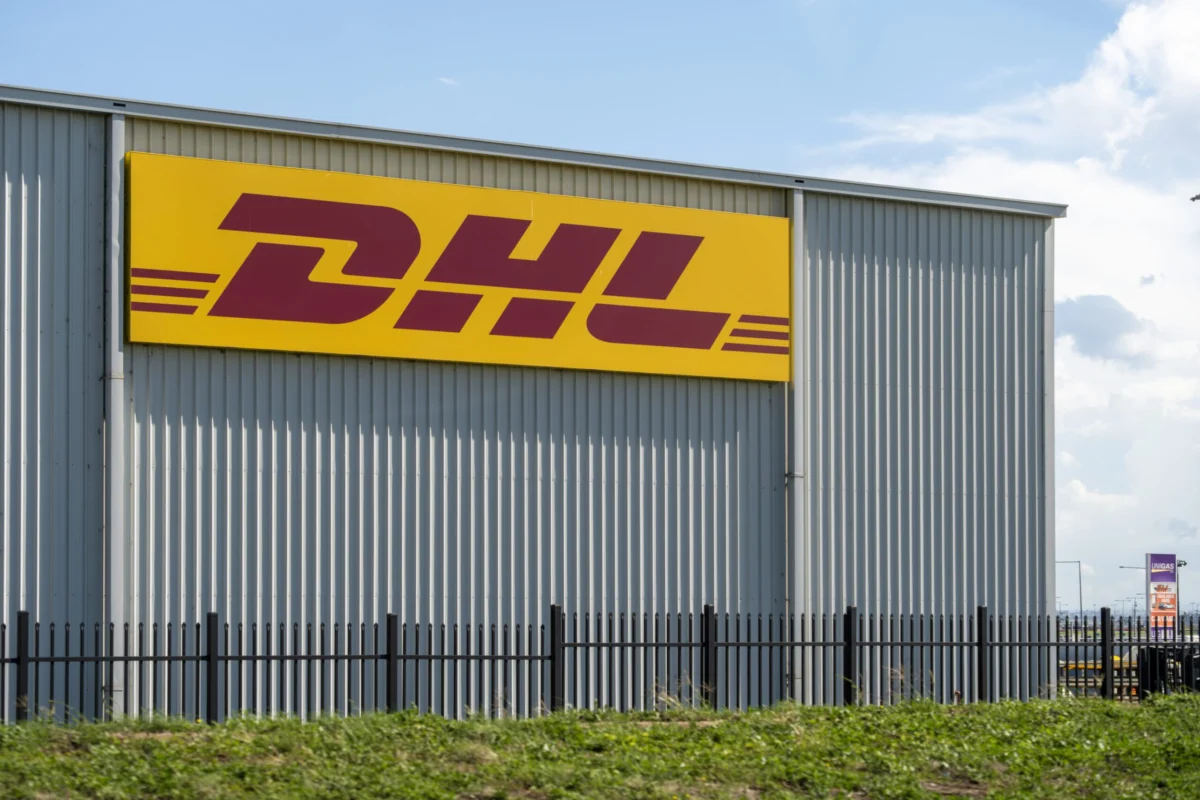
The landscape of last-mile package delivery in the United States is poised for a significant transformation following the announcement of a new, exclusive multi-year contract between DHL eCommerce and the U.S. Postal Service (USPS). This monumental agreement, valued at well over $10 billion, represents the largest such collaboration in the 25-year history of their relationship, signaling a deepening strategic alliance aimed at optimizing the final leg of package delivery for a rapidly growing e-commerce market.
The newly solidified partnership outlines a clear division of labor designed to leverage the distinct strengths of each organization. DHL eCommerce will assume responsibility for the critical initial stages of the delivery process, including the efficient pickup of parcels and their meticulous sortation through its network of 19 advanced automated hubs. Furthermore, DHL will manage the crucial linehaul operations, utilizing its extensive air and ground transportation infrastructure to move packages across the country. Upon reaching a strategic point, these packages will then be seamlessly handed over to the U.S. Postal Service for the vital final-mile delivery to consumers’ doorsteps.
This integrated approach is designed to provide shippers with unprecedented access to a vast delivery network, capable of reaching more than 170 million individual delivery points across 41,550 ZIP codes. The expanded service will operate six days a week, a testament to the partners’ commitment to meeting the increasing demands of online retail, which often necessitates rapid and reliable fulfillment.
Leaders from both DHL and USPS expressed enthusiastic endorsements of the agreement, highlighting its strategic importance and the mutual benefits it promises.
“This agreement creates a dependable, long-term platform for our customers,” stated Scott Ashbaugh, CEO of DHL eCommerce Americas. “Working with USPS allows us to serve communities nationwide in a highly efficient way, minimizing additional vehicles on the road and supporting our commitment to reducing emissions.” This emphasis on environmental responsibility is a growing concern for logistics companies, as increased delivery volumes can contribute to higher carbon footprints. By utilizing the established USPS network, DHL aims to optimize routes and reduce the need for redundant transportation infrastructure, thereby contributing to sustainability goals.
David Steiner, Postmaster General and CEO at USPS, echoed this sentiment, underscoring the collaborative spirit driving the partnership. “This extended and exclusive agreement reflects a shared commitment to innovation, operational alignment, and delivering greater value to the shipping marketplace,” Steiner remarked. His statement suggests a strategic alignment beyond mere operational efficiency, pointing towards a shared vision for the future of parcel logistics and a commitment to providing enhanced services to businesses and consumers alike.
The implications of this contract for DHL are particularly significant, positioning the company to capitalize on the sustained growth of e-commerce, both domestically within the United States and on an international scale. By forging this exclusive alliance, DHL gains invaluable access to USPS’s unparalleled last-mile reach, a critical component for effective nationwide distribution. This partnership allows DHL to focus its investments on its core competencies in global logistics and sortation, while delegating the complex and often costly final-mile delivery to a proven, established network.
Prashant Gupta, co-founder and chief technology officer at ClickPost, a global shipment tracking and logistics intelligence platform, offered insights into the challenges of last-mile delivery and how this partnership might address them. Gupta highlighted that for U.S. direct-to-consumer (DTC) brands, ensuring reliability in the last mile has historically been the most formidable aspect of fulfilling delivery promises, particularly in areas outside of major metropolitan centers. He believes this collaboration will significantly alleviate these challenges. Gupta emphasized the sheer scale of USPS’s reach, noting its ability to serve 170 million delivery points six days a week, including remote or less densely populated ZIP codes where private carriers often struggle to provide cost-effective services.
“A long-term, exclusive commitment at this scale gives DHL eCommerce the stability to invest deeper in that infrastructure, and that should translate to more consistent delivery outcomes for brands shipping through them,” Gupta explained. He further elaborated that from a post-purchase perspective, which is crucial for customer satisfaction and retention, consistency is paramount. This partnership provides DHL with the confidence to make further infrastructural investments, knowing that its last-mile delivery partner is secured for an extended period, leading to more predictable and reliable delivery experiences for businesses and their customers.
The broader implications of this agreement extend to the future trajectory of the parcel delivery market. Daniel Cunningham Jr., founder and CEO of ShipLo, a multi-carrier parcel shipping platform, views this DHL eCommerce-USPS alliance not just as a bilateral agreement but as a significant indicator of where the parcel market is fundamentally heading. He identifies a clear trend towards shared infrastructure, enhanced network density, and greater interoperability among logistics providers.
“DHL benefits because it can keep scaling its U.S. eCommerce parcel business without needing to build an expensive end-to-end residential delivery network,” Cunningham elaborated. “DHL already controls key first-mile, sortation, and linehaul functions through its U.S. hub network, and USPS gives it access to one of the most complete final-mile networks in the country.” This strategic division of labor allows DHL to optimize its operational costs and focus on its strengths, while effectively extending its reach through a partner with an established and extensive ground network.
The benefits for USPS are equally substantial. The agreement guarantees a consistent and substantial flow of package volume and commercial revenue, a critical development at a time when the postal service’s traditional mail business continues its long-term decline. This influx of parcel business provides USPS with a vital revenue stream, enabling it to invest in its operations, maintain its universal service obligations, and potentially enhance its service offerings.
For end customers – the businesses shipping through this combined network – Cunningham anticipates significant advantages. “The upside is potentially better reach, better density, and more consistent last-mile execution,” he stated. However, he cautioned that the true measure of customer benefit will hinge on the effectiveness of data sharing, exception management, coordination of handoffs, and the maintenance of end-to-end visibility across the entire shipment lifecycle between DHL and USPS.
Cunningham further emphasized that in the modern era of parcel logistics, the physical network is only one piece of the puzzle. “The data layer – tracking, routing, exception management, address accuracy, delivery promises, and customer communication – is what determines whether the experience actually improves,” he asserted. This highlights the critical importance of technological integration and seamless data exchange between the two partners to ensure a superior customer experience.
While Cunningham does not foresee this arrangement as an immediate disruptor that will overnight upend the competitive landscape, he views it as a strong validation of the evolving market dynamics. “But it does validate the direction the market is heading. The future of last-mile delivery is not every carrier trying to own every mile by itself,” he concluded.
Instead, he predicts a future characterized by collaborative, connected, and network-aware models. “The strongest models will combine national infrastructure, regional carrier capacity, dynamic routing, and software that can decide which path is best for each shipment in real time,” Cunningham elaborated. This vision points towards a more agile and optimized logistics ecosystem, where partnerships and technological integration are key differentiators.
This strategic move by DHL eCommerce comes on the heels of its ongoing efforts to expand its e-commerce reach. Notably, last year, DHL announced an agreement to enhance its shipping services for Shopify’s U.S. merchants. The collaboration with USPS will undoubtedly be instrumental in fulfilling the increased order volumes generated by such partnerships, providing a robust and efficient pathway to deliver goods to a wider customer base.
The historical context of the DHL-USPS relationship underscores the significance of this new exclusive agreement. Over their 25-year partnership, the two entities have worked together on various delivery solutions, but this multi-year, high-value contract signifies a deepening strategic commitment. This evolution reflects a broader industry trend where major logistics players are increasingly seeking to optimize their networks through strategic alliances and shared infrastructure, particularly in the high-growth, high-complexity domain of last-mile e-commerce delivery.
The e-commerce market in the United States has seen exponential growth, particularly in recent years. According to eMarketer, U.S. e-commerce sales are projected to continue their upward trajectory, reaching trillions of dollars annually. This sustained growth places immense pressure on logistics providers to deliver goods quickly, affordably, and reliably. The DHL-USPS partnership is a direct response to this market demand, aiming to create a more resilient and efficient delivery network capable of handling the projected volume increases.
The financial implications of a deal valued at over $10 billion are substantial for both organizations. For DHL, this secures a critical component of its U.S. operations for years to come, allowing for predictable operational costs and enhanced service capabilities. For USPS, it provides a vital and stable revenue stream, crucial for its financial sustainability and its ability to invest in modernizing its infrastructure and services. This influx of commercial revenue is particularly important as the postal service navigates the declining volumes of traditional first-class mail.
Furthermore, the environmental aspect highlighted by DHL’s CEO is increasingly becoming a key consideration for businesses and consumers alike. The partnership’s focus on minimizing additional vehicles on the road aligns with corporate sustainability goals and contributes to broader efforts to reduce carbon emissions in the transportation sector. By leveraging USPS’s existing extensive network, the combined operation can potentially achieve greater fuel efficiency and reduce the overall environmental impact of last-mile deliveries.
Looking ahead, the success of this partnership will likely hinge on several factors, including the seamless integration of IT systems for real-time tracking and data exchange, the efficiency of the handoff processes between DHL’s hubs and USPS delivery routes, and the ability of both organizations to adapt to evolving customer expectations and technological advancements in logistics. The emphasis on data sharing and visibility, as pointed out by Cunningham, will be critical in ensuring that the promise of improved reach and consistency translates into tangible benefits for shippers and recipients.
The DHL eCommerce and USPS exclusive last-mile delivery contract represents a significant development in the U.S. logistics sector. It signals a strategic shift towards collaboration and shared infrastructure, aiming to create a more robust, efficient, and sustainable delivery network to meet the burgeoning demands of the e-commerce era. As this partnership unfolds, its impact on the competitive landscape, operational efficiencies, and customer experience will be closely watched by industry observers and participants alike.