rifanmuazin
The digital marketing landscape is continuously evolving, and as consumer viewing habits shift, so too must advertising strategies. Over-the-Top (OTT) advertising, a dynamic and increasingly prevalent form of digital marketing, offers businesses a powerful avenue to connect with audiences directly within their streaming experiences. This approach complements existing social media, email, and display ad campaigns by leveraging the immense reach and interactive capabilities of streaming platforms.
OTT ads, also known as over-the-top ads, are strategically placed within the content users consume on streaming applications, platforms like YouTube, and other internet-delivered video services. This method not only ensures advertisers reach a vast and engaged audience but also provides modern functionalities, such as interactive elements, that facilitate lead generation, data collection, and ultimately, customer conversion.
This comprehensive guide explores five outstanding examples of OTT advertising, showcasing how brands are successfully integrating traditional marketing principles with the innovative features of modern ad platforms. We will then delve into the intricacies of OTT as an advertising medium, equipping businesses with the knowledge to implement high-performing campaigns of their own.

Five Outstanding OTT Advertising Examples
OTT advertising presents a distinct advantage over traditional television advertising by offering multiple avenues for viewer engagement and conversion. The following examples illustrate how businesses are harnessing these unique capabilities. A significant advantage across these strategies is their accessibility to businesses of all sizes, from local enterprises to national corporations, allowing for adaptable implementation.
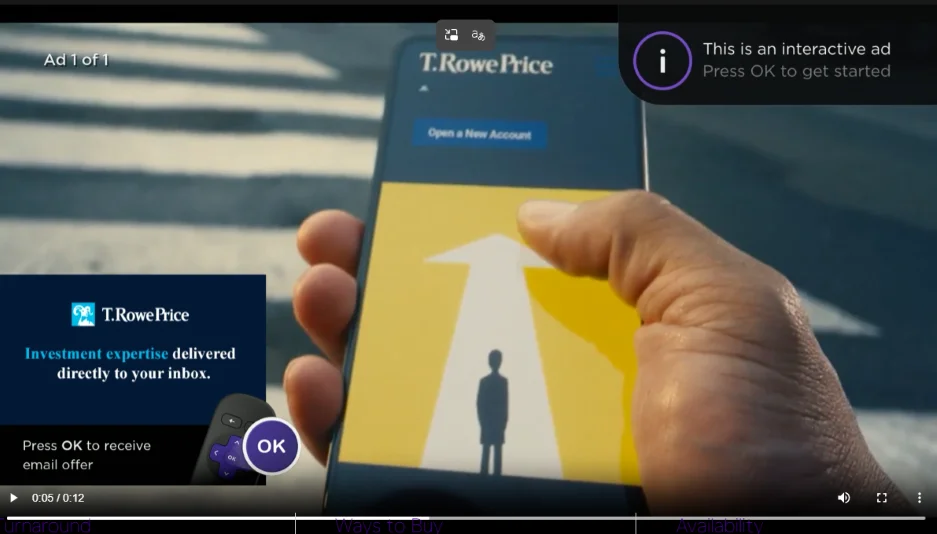
1. T. Rowe Price: Seamless Lead Generation with “OK to Email”
Capturing audience attention during their favorite shows has always been a cornerstone of effective advertising. T. Rowe Price, a financial services firm, has elevated this practice by utilizing an innovative feature within OTT advertising to transform viewers into actionable leads. Through an “OK to Email” call-to-action on the Roku streaming platform, viewers could instantly receive more information directly to their email inboxes by simply tapping the “OK” button on their remote.
This strategy significantly reduced the friction typically associated with lead generation. Viewers were not required to switch devices, pause their viewing experience, or manually search for information. This seamless integration into the viewing flow directly enhances the lead generation and conversion rates by making the next step in the customer journey effortless. This approach is particularly valuable for businesses aiming to capture interest from an engaged audience in real-time.
2. Ring Camera: Instant Gratification with “Add to Cart” Functionality
The advent of OTT advertising has opened up possibilities that were once the exclusive domain of television-era marketers. Ring, a home security company, demonstrated this potential by creating an immersive shoppable ad experience. Their campaign allowed viewers to add a Ring alarm system directly to their Amazon cart with a simple interaction from their viewing device, a capability previously unimaginable in traditional broadcast media.
This approach taps into the powerful emotional driver of immediate gratification. By enabling viewers to place a desired product directly into their shopping cart, the ad brings the purchase one step closer to completion. This is an ideal tactic for promoting limited-time sales or creating a sense of urgency, capitalizing on impulse and immediate interest generated by the advertisement.
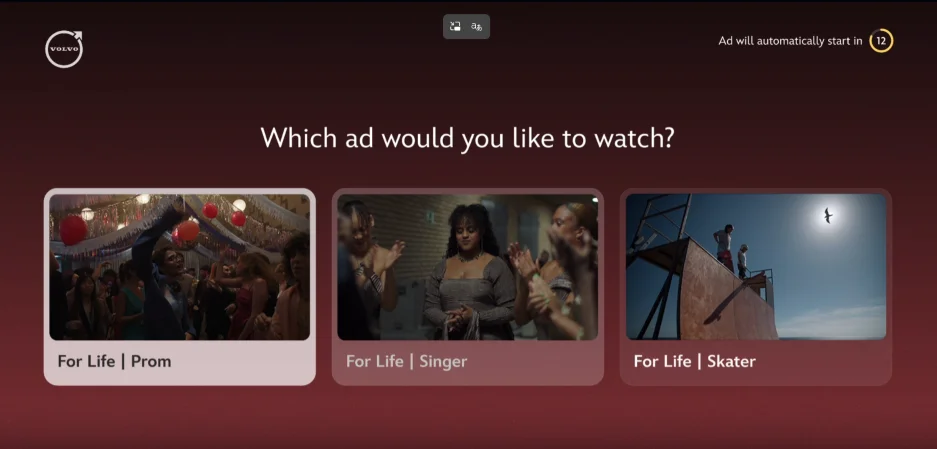
3. Volvo: Personalized Engagement with “Ad Selector”

Audience segmentation is a critical marketing strategy, enabling businesses to tailor their messaging to specific demographic and psychographic groups. Volvo effectively employed this principle through its “Ad Selector” campaign on the Disney platform. The automotive giant presented three distinct video advertisements, each targeting a different market segment. Viewers were then given the power to choose which ad they preferred to watch, fostering a more personalized and relevant advertising experience.
This strategy proved effective for two primary reasons. Firstly, it significantly enhanced the relevance of the advertisement for each individual viewer, increasing engagement. Secondly, it provided Volvo with invaluable first-party data regarding audience preferences. For instance, if a substantial portion of viewers selected the “Skater” segment, Volvo could then strategically leverage this data to refine its targeting for future social media and display ad campaigns, ensuring more efficient ad spend and impactful messaging.
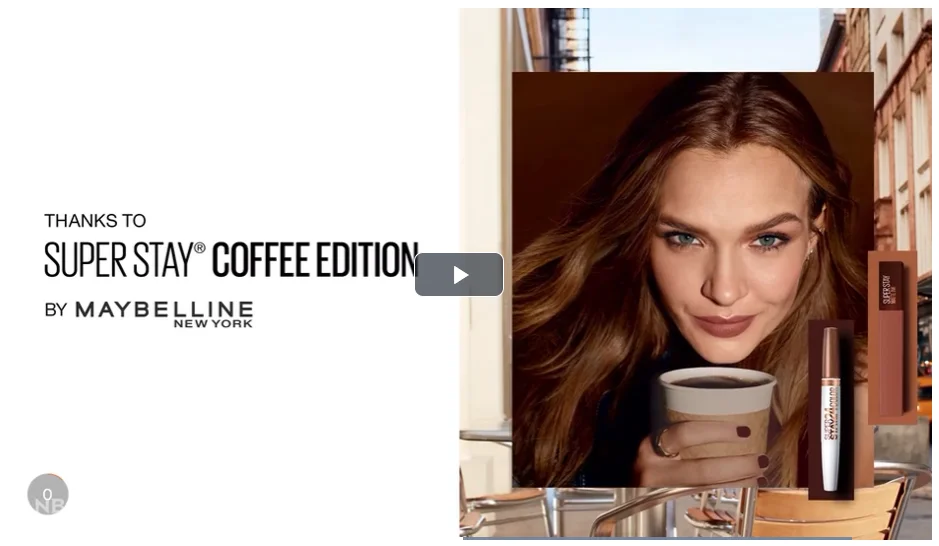
4. Maybelline: Building Brand Awareness with “Binge Ads”
Binge Ads represent a specific type of OTT advertising where brands sponsor an ad-free viewing experience for a particular episode after a user has watched two or three consecutive episodes of a show. Beauty brand Maybelline utilized this format on the Peacock app to promote its Super Stay Coffee Addition lipstick line. By offering a valuable, uninterrupted viewing experience, Maybelline positioned its brand favorably in the minds of consumers.
This strategy is a testament to the enduring importance of building brand awareness. Providing a tangible benefit to the viewer—an ad-free viewing segment—generates positive brand association and product recall. This approach mirrors successful organic social media and SEO strategies that prioritize delivering value to the audience, now effectively applied to the OTT advertising space.
5. NewYork-Presbyterian Hospital: Compelling Storytelling in “In-Stream Ads”
The art of storytelling is fundamental to impactful advertising, especially in the realm of video. The Och Spine Center at NewYork-Presbyterian Hospital leveraged YouTube’s In-Stream ad format to share a powerful narrative of patient recovery. The ad recounted the journey of a patient overcoming a debilitating spinal tumor, showcasing the hospital’s expertise and compassionate care.
This approach highlights the effectiveness of concise yet compelling storytelling within the OTT environment. By crafting a narrative that is brief enough to prevent skipping but substantial enough to forge an emotional connection, the ad resonated deeply with its target audience. Such customer success stories serve as excellent content for in-feed video advertisements, demonstrating real-world impact and building trust.
Understanding the OTT Ecosystem
To effectively implement these strategies, a foundational understanding of OTT is crucial.
What is OTT?
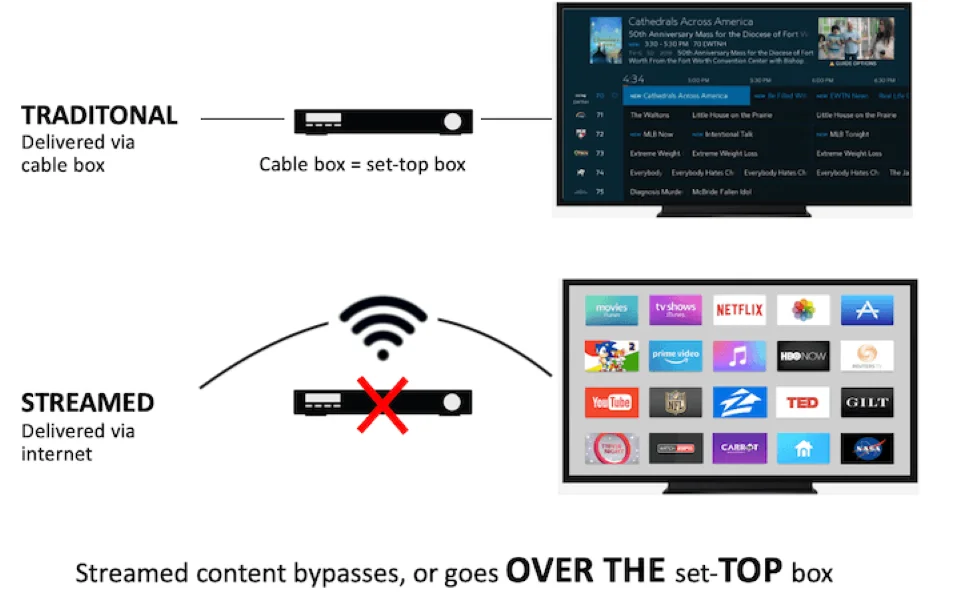
OTT, or “over-the-top,” refers to video content delivered directly to viewers via the internet, bypassing traditional cable or satellite television providers. The term “over-the-top” signifies that the content delivery goes directly to the end-user, transcending the limitations of traditional distribution methods that relied on set-top boxes. Historically, the term “set-top box” referred to the physical device that sat atop older, bulkier televisions to receive cable signals. While technology has advanced, the nomenclature persists. Streamed content, conversely, requires no such intermediary, as it flows directly over an internet connection.
What are OTT Devices?

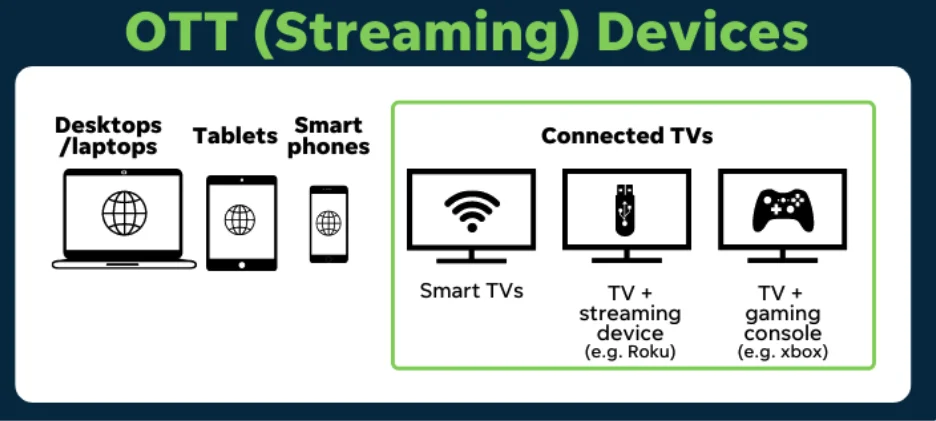
Essentially, any internet-connected device capable of displaying video content can be considered an OTT device. This broad category includes:
- Smart TVs
- Streaming devices (e.g., Roku, Amazon Fire TV, Apple TV)
- Gaming consoles (e.g., PlayStation, Xbox)
- Computers (desktops and laptops)
- Tablets
- Smartphones
It is important to distinguish between OTT and Connected TV (CTV). While often used interchangeably, CTV specifically refers to smart TVs that have internet connectivity. OTT is the broader term encompassing all internet-delivered video content, regardless of the device it’s viewed on.
What are OTT Services?
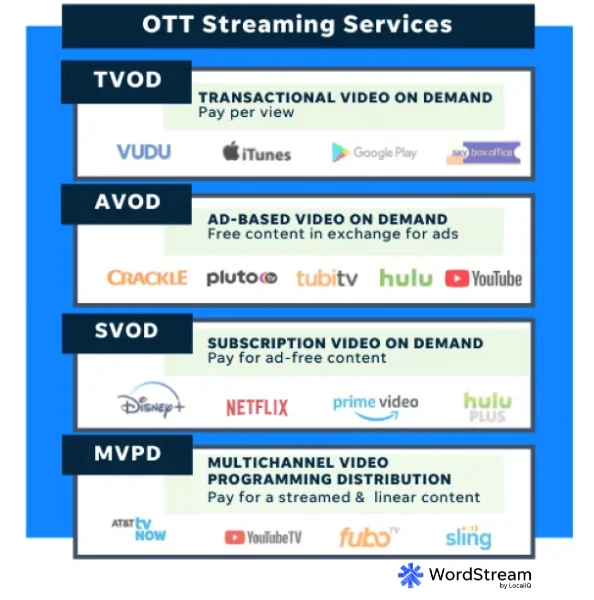
OTT services are the applications and platforms that facilitate the streaming of over-the-top content. These services operate under various models:

- Transactional Video on Demand (TVOD): Users rent or purchase individual movies or TV shows (e.g., Apple TV store, Google Play Movies & TV).
- Advertising-Based Video on Demand (AVOD): Content is offered for free, supported by advertisements (e.g., Pluto TV, Tubi, Crackle).
- Subscription Video on Demand (SVOD): Users pay a recurring subscription fee for access to a library of content (e.g., Netflix, Hulu, Disney+).
- Multichannel Video Programming Distributors (MVPDs): These are traditional pay-TV providers that now also offer streaming options (e.g., YouTube TV, Sling TV).
In essence, one consumes OTT content (like a popular series) on an OTT device (such as a smartphone) through an OTT streaming service (like a subscription platform).
The Advantages of OTT Advertising
The migration of audiences to streaming platforms has propelled OTT advertising to the forefront of digital marketing strategies, offering compelling benefits:
1. A Rapidly Expanding Audience:
The shift away from traditional cable television is undeniable. Cord-cutting, the act of canceling traditional cable subscriptions in favor of streaming services, now accounts for a significant portion of U.S. internet households. This trend is reflected in market growth, with the OTT streaming market projected to reach substantial figures in the coming years, indicating a vast and growing consumer base for advertisers.
2. Enhanced Targeting Capabilities:
Traditional TV advertising is limited to broad geographic targeting based on Designated Market Areas (DMAs). OTT advertising, however, offers granular control. Advertisers can target audiences based on:
- Demographics: Age, gender, income, education level.
- Geography: Specific zip codes, cities, or even neighborhoods, allowing local businesses to reach their precise service areas.
- Interests: Hobbies, online behavior, and content preferences.
- Behavioral Data: Past purchasing habits and engagement patterns.
- Household Income: Targeting based on estimated financial capacity.
This precision ensures ad spend is optimized by reaching the most relevant consumers, minimizing wasted impressions.
3. Cookieless Targeting Solutions:
As third-party cookies face deprecation, OTT advertising offers a robust alternative for targeted campaigns. Its reliance on first-party data, device IDs, and other privacy-compliant methods ensures that advertisers can continue to reach specific audiences effectively without depending on outdated tracking technologies. This includes leveraging contextual targeting (serving ads based on the content being viewed) and data from smart TV manufacturers and connected devices.
4. High Video Ad Completion Rates:
OTT ads offer a distinct advantage in their unskippable nature. Unlike online video ads that can be easily bypassed, OTT ads are typically served in a way that requires viewing. This, combined with the immersive nature of the viewing experience, leads to exceptionally high completion rates, often exceeding 95%. Even when viewers might be momentarily distracted, the consistent presence of the ad ensures brand exposure.
Pricing Models and Metrics in OTT Advertising
Understanding the financial aspects of OTT advertising is key to successful campaign management. Common pricing models include:
- CPM (Cost Per Mille/Thousand Impressions): Advertisers pay for every thousand times their ad is displayed.
- CPC (Cost Per Click): Advertisers pay each time a viewer clicks on their ad.
- CPCV (Cost Per Completed View): Advertisers pay only when a viewer watches a significant portion, or the entirety, of their video ad.
- CPA (Cost Per Acquisition): Advertisers pay when a viewer completes a desired action, such as making a purchase or filling out a form.
Key metrics to track for OTT campaigns include:
- Impressions: The total number of times an ad was displayed.
- Reach: The unique number of individuals who saw the ad.
- Frequency: The average number of times an individual saw the ad.
- View-Through Rate (VTR): The percentage of impressions that resulted in a completed view.
- Click-Through Rate (CTR): The percentage of impressions that resulted in a click.
- Conversion Rate: The percentage of viewers who completed a desired action after seeing the ad.
Best Practices Derived from OTT Advertising Examples
To maximize the impact of OTT advertising campaigns, consider these proven best practices:
1. Target Your Personas with Precision:
Deeply understanding your audience’s demographics, psychographics, and behaviors is paramount. When crafting OTT ad scripts and creative concepts, ensure they resonate with your defined customer personas. This includes using language, imagery, and themes that speak directly to their needs, interests, and aspirations.
2. Cultivate Relatability:
While traditional TV commercials often feel like a brand speaking to an audience, OTT advertising allows for a more personal connection. By leveraging personalized targeting and the intimate nature of streaming, brands can create content that feels relatable and human, fostering a stronger connection with viewers.
3. Embrace Emotional Marketing:
Video is an exceptionally powerful medium for evoking emotion. Use compelling visuals, evocative music, and carefully chosen language to create a memorable and meaningful impact. Humor, inspiration, and empathy can all be powerful tools for connecting with viewers on a deeper level.

4. Ensure Voice-Over Clarity:
Just as with social media video ads, it’s crucial that your OTT ad’s message can be understood even without sound. However, given that viewers can tune out or engage in other activities during an ad, a clear and engaging voice-over is essential. This ensures your brand’s core message is conveyed audibly, providing exposure even if the viewer isn’t fully focused on the visuals.
Conclusion: Harnessing the Power of OTT
OTT advertising represents a significant evolution in digital marketing, offering the broad reach of traditional television advertising combined with the sophisticated targeting, tracking, and conversion capabilities of modern digital platforms. The examples and insights provided herein offer a strong foundation for businesses looking to capitalize on this impactful channel.
Successful OTT campaigns are characterized by the strategic use of interactive features, a focus on compelling storytelling, and a deep understanding of the target audience to deliver highly relevant messages. By integrating these principles, businesses can unlock significant ROI from their OTT advertising efforts, driving engagement, generating leads, and ultimately, achieving their marketing objectives in the ever-expanding streaming universe. The future of advertising is undoubtedly intertwined with the evolution of how and where consumers engage with content, and OTT advertising stands at the vanguard of this transformation.