rifanmuazin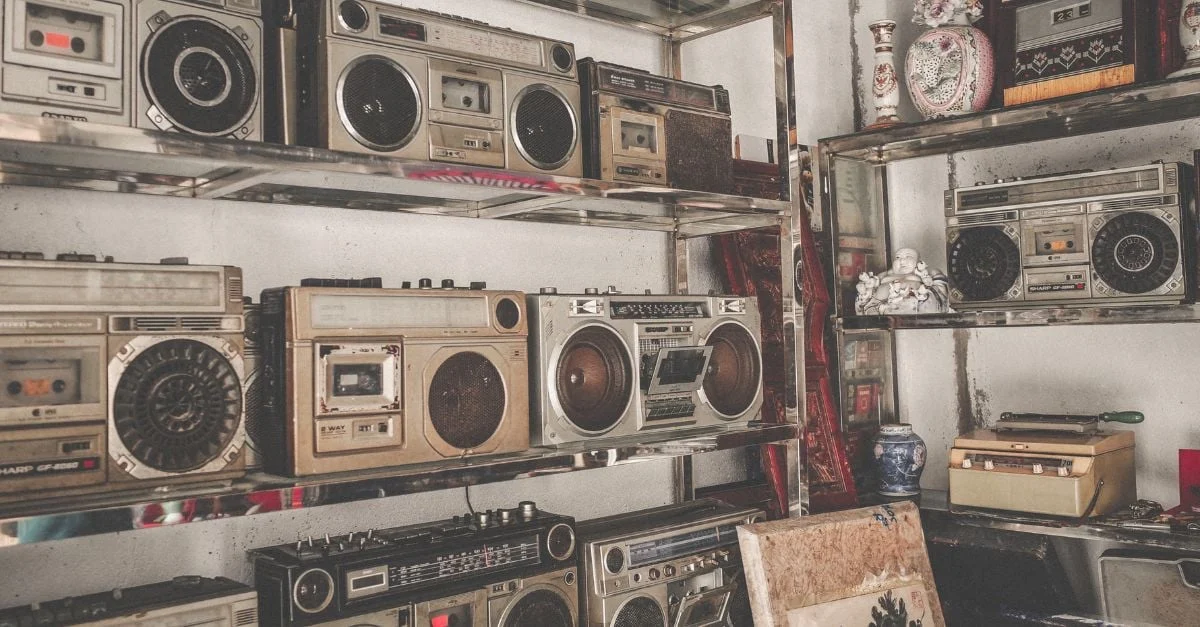
The subtle warmth that washes over you upon seeing a classic Blockbuster logo or hearing the iconic AOL “You’ve got mail!” chime is no accident. It’s a carefully cultivated emotional response, a powerful shortcut in the marketer’s toolkit that leverages nostalgia to build trust and achieve instant recognition. In an era saturated with newness, brands are increasingly recognizing that the past offers a unique pathway to connect with consumers on a deeply personal level, making them feel safe and understood. This strategy is not exclusive to global giants; small businesses are finding innovative ways to tap into this potent emotion, using local traditions, beloved products, or cherished community memories.
The effectiveness of nostalgia in marketing stems from its ability to reawaken significant moments that have shaped our lives. As Willem Haen, a Brand Consultant, notes, “Nostalgia hits hard because it reconnects us with the moments that shaped us. A brand doesn’t have to be perfect—it just has to have been there when great memories were made.” This sentiment underscores a fundamental truth: the emotional resonance of a brand often outweighs its perceived flaws, provided it was a part of positive formative experiences.
The Science Behind the Sentiment: Why Nostalgia Marketing Resonates
The power of nostalgia in marketing is rooted in a complex interplay of neuroscience, cultural conditioning, and the innate human need for connection. Before it becomes a strategic marketing approach, nostalgia is, at its core, a chemical reaction within the brain, triggered by familiar stimuli.
The Comfort of the Familiar: A Brain’s Reward System
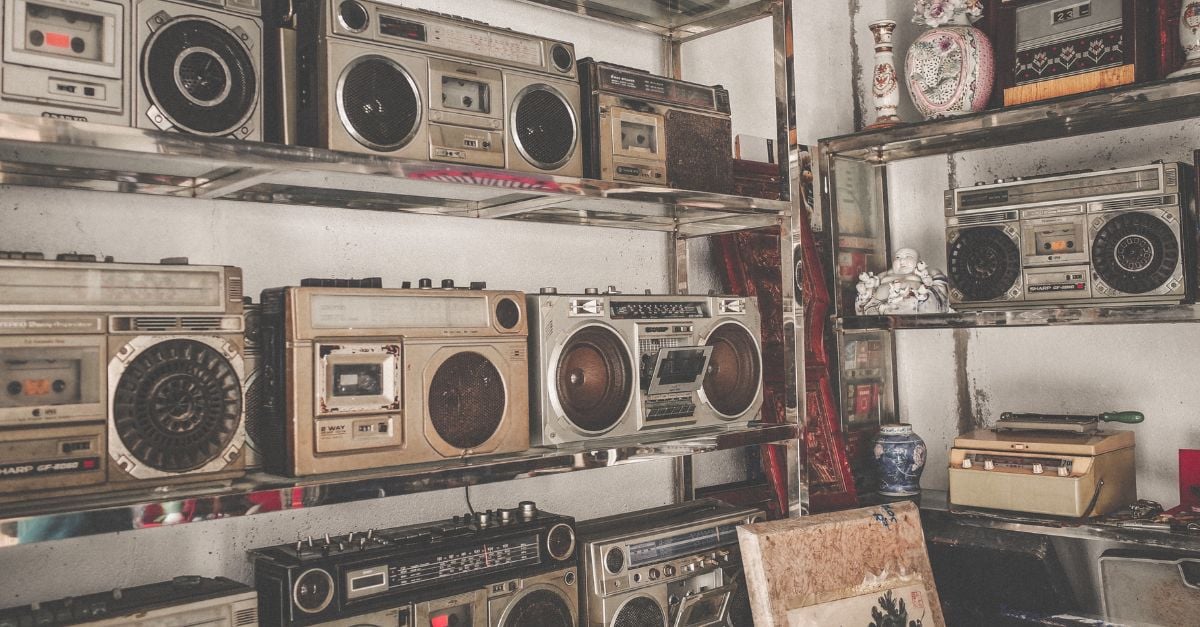
When we encounter something that evokes a memory from our past—be it a logo, a melody, or a distinct color palette—our brain’s reward system is activated. This elicits a small but significant release of dopamine, creating a pleasurable sensation. This is akin to the joy derived from hearing a favorite old song or smelling a scent that transports us back to childhood. Recognition equates to comfort, and comfort, in turn, fosters a sense of safety.
For marketers, this immediate recognition is a powerful communication tool. Familiarity lowers a consumer’s guard, encouraging them to engage with a brand’s message on an emotional level rather than with skepticism. In an environment where consumers are constantly bombarded with choices and information, nostalgic cues in marketing visuals or advertisements can significantly enhance a brand’s perceived reliability and emotional authenticity.
Goran Mirkovic, Head of Content at Multiplier, elaborates on this neurological advantage: “Nostalgia in marketing works because it taps into the brain’s efficiency bias. Familiarity lowers cognitive load, which means people don’t have to analyze what they’re seeing; they just feel it. That’s why a brand like LEGO can bring back a 90s set and instantly spark joy. The memory does the work. You’re not asking people to notice your message; you’re inviting them to recognize themselves in it.” This highlights how nostalgia bypasses analytical processing, directly engaging with emotional centers and making brand messaging more impactful.
A Haven in Turbulent Times: The Comforting Embrace of the Past
In the current global landscape, marked by rapid technological change, economic uncertainties, and societal shifts, many individuals seek solace in simpler times. The past often represents an era that feels more comprehensible and less overwhelming. Nostalgia, therefore, offers a form of comfort, a mental escape from the complexities of the present.
When an advertisement subtly references something already known and cherished, it reduces friction in the consumer’s decision-making process and allows emotions to lead. This is why vintage aesthetics, such as film grain, analog textures, and classic typography, have experienced a resurgence. These visual elements act as emotional anchors, signaling to the consumer’s brain that the experience is familiar and therefore safe to engage with.
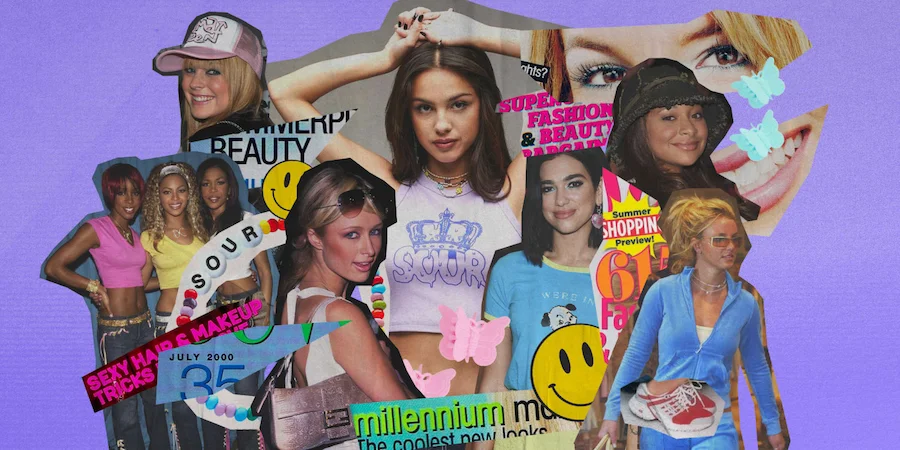
This psychological principle underpins recent trends like the Y2K revival and the popularity of lo-fi filters on social media. Consumers are not merely adopting aesthetics; they are seeking a sense of calm and stability. Nostalgia marketing tends to perform exceptionally well during periods of societal turbulence, as it cultivates positive emotions that can, when executed effectively, transfer to the brand itself.
The Social Glue: Nostalgia as a Connector
Beyond personal comfort, nostalgia plays a crucial role in fostering social connection and a sense of belonging. Recalling shared experiences, even those not personally lived through, can create an immediate bond between individuals. This is evident in online communities where users express nostalgia for old commercials or tag friends in retro memes, exclaiming, “Aww, childhood!”
From a marketing perspective, nostalgia is a social emotion that can help restore a sense of belonging, particularly for individuals feeling isolated or disconnected. By reactivating memories of meaningful relationships and shared joy, nostalgia marketing campaigns often foster a communal feel, reminding consumers not just of their past selves but also of the people they shared those moments with.
Barbara Houdayer, Head of Marketing at Caplena, emphasizes this aspect: “Nostalgia creates emotional closeness. It gives people a sense of continuity—of belonging to something bigger than the present moment. That’s why nostalgia-led campaigns work. They don’t just remind us of a product, they remind us of the relationships and stories attached to it.” This suggests that successful nostalgia campaigns are not merely about product recall but about the emotional narrative and interpersonal connections associated with the brand.
Navigating the Nuances: When Nostalgia Succeeds and When It Falters
The effectiveness of nostalgia in marketing is not guaranteed. A poorly executed throwback can easily transition from charming to cringeworthy. The success of a nostalgic campaign hinges on three critical factors: fit, freshness, and genuine feeling.
| Element | Description |
|---|---|
| Fit | The nostalgic reference must align logically with the brand’s product or target audience. For instance, a Gen Z skincare brand referencing a 90s sitcom that the demographic has no familiarity with could fall flat. Nostalgia is most potent when the memory is shared and relevant. |
| Freshness | Nostalgia should not be a static exhibit. It must be presented in a way that feels renewed and relevant to contemporary audiences. Brands like Nike, with its celebrated Air Max revivals, and LEGO, with its specialized adult collections, exemplify this by offering modern interpretations of beloved classics. These are not mere reproductions but evolutions that appeal to current tastes while honoring past appeal. |
| Feeling | Authenticity is paramount. Campaigns built on superficial sentimentality can feel manipulative and alienate consumers. The emotional core of the nostalgia must be genuine and connect to the brand’s intrinsic values, rather than simply borrowing from a past era. The sentiment should feel true to the brand’s identity. |
Case Studies in Nostalgia: Successes and Stumbles
Examining real-world examples provides valuable insights into the practical application of nostalgia marketing.
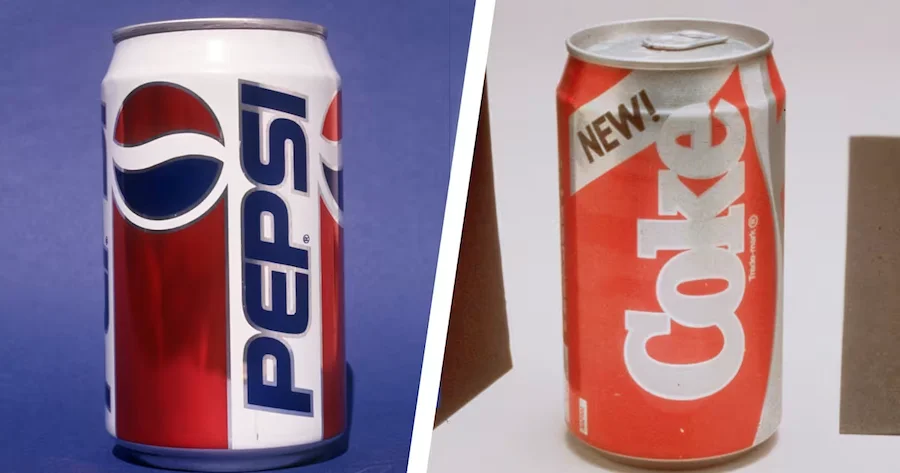
Pepsi’s strategic use of retro can designs for its 125th-anniversary celebration is a prime example of successful nostalgia marketing. By reintroducing iconic past designs with contemporary color palettes and clean typography, Pepsi struck a balance between celebrating its heritage and maintaining a modern appeal. This approach felt authentic because it was rooted in the brand’s extensive history while simultaneously appearing fresh and relevant. The campaign effectively reminded consumers of Pepsi’s legacy without feeling dated.
In contrast, Coca-Cola’s collaboration with “Stranger Things” to revive “New Coke” serves as a cautionary tale. While the concept was clever, leveraging a period of significant cultural resonance, it leaned too heavily on irony. “New Coke” was itself a commercially unsuccessful product, and its revival, even within a popular cultural context, primarily evoked memories of a brand misstep rather than genuine fondness. This demonstrates that nostalgia marketing is most effective when it honors positive emotions and shared positive memories, not when it recirculates past failures. The lesson is clear: nostalgia should celebrate cherished memories, not past embarrassments.
The Nostalgia Marketing Playbook: A Strategic Framework
Implementing a successful nostalgia marketing strategy requires more than simply referencing the past; it demands a thoughtful, authentic, and creative approach.
Step 1: Prioritize Emotion Over Era
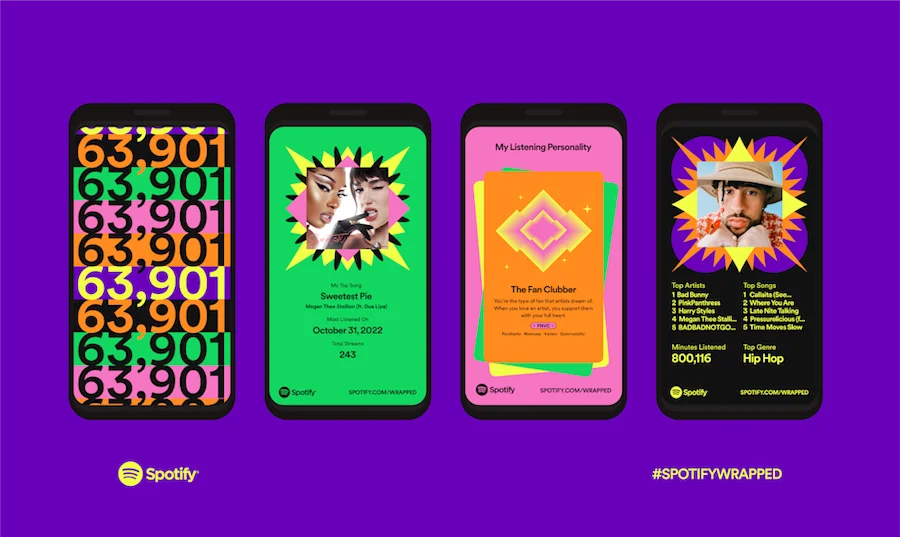
The most impactful nostalgia campaigns do not begin with a specific decade. Instead, they focus on the underlying emotion that the era evokes. Brands like LEGO, with its “Mindfulness” campaign, tapped into the feeling of rediscovering childhood joy in an adult context, rather than merely referencing 1980s building blocks. Similarly, Spotify Wrapped, while a recent phenomenon, leverages the psychology of yearbooks—personal reflection, shared experiences, and inside jokes—to create a deeply engaging user experience.
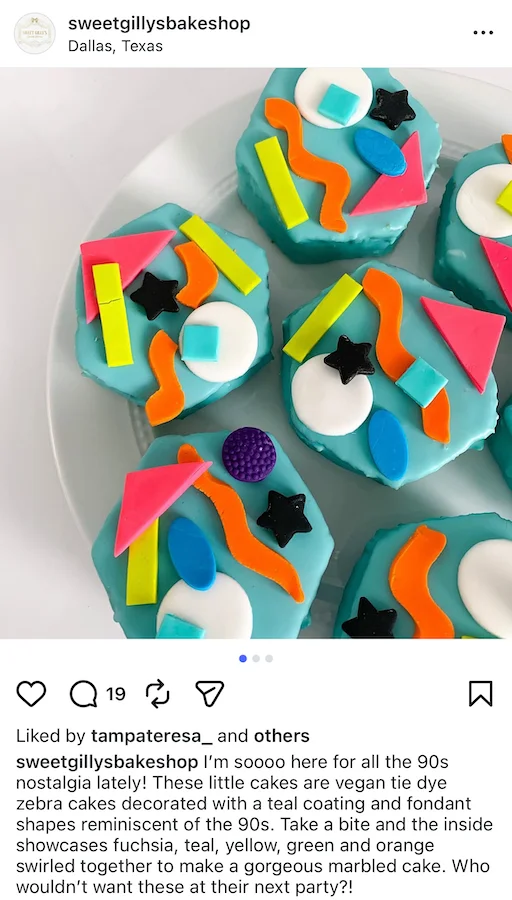
For smaller businesses, this translates into tangible actions: reintroducing a seasonal favorite, reviving an old packaging style, or crafting a campaign around a shared community memory. A local bakery might bring back a beloved childhood pastry, a fitness studio could offer a themed class from a bygone era, or a neighborhood shop might share historical photographs of its locale. The scale of the execution can be modest, provided the emotional resonance is genuine.
Step 2: Apply the Filters of Fit, Freshness, and Feeling
Every nostalgic concept should be rigorously tested against the three key criteria: fit, freshness, and feeling. The reference must be relevant to the target audience (fit). It needs to be presented in a way that feels current and engaging, not like a museum exhibit (freshness). Most importantly, the underlying sentiment must be authentic and aligned with the brand’s identity (feeling).
While AI-generated throwbacks and template-based retro filters might mimic the aesthetics of the past, they often lack the emotional depth that makes true nostalgia resonate. Authentic nostalgia connects the past to the brand’s present reality. For example, a restaurant celebrating its 40th anniversary could leverage the trend of sharing employee “baby photos” with captions like, “This is who’s been making your favorite margarita,” humanizing the business and fostering a connection based on familiar faces and shared history.
Step 3: Remix, Don’t Just Rewind
Effective nostalgia marketing is about reinvention, not replication. It involves blending historical cues with contemporary formats and sensibilities. The highly successful 2023 Barbie campaign, for instance, did not simply return to the era of pink plastic innocence. Instead, it reclaimed that imagery through irony, empowerment, and sophisticated cinematic storytelling, creating a campaign that felt both familiar and groundbreaking. This balance between memory and reinvention ensures that the nostalgia feels relevant rather than dated.
Brands that borrow from nostalgia are essentially drawing on existing “memory equity.” To maintain relevance, they must add new value—updated visuals, humor tailored to the current zeitgeist, or storytelling that aligns with contemporary media consumption habits. Treating nostalgia as an element within a broader campaign, rather than the sole focus, allows brands to add warmth and depth without overshadowing their present-day identity.
Step 4: Cultivate Authenticity and Test Rigorously
The most compelling nostalgia campaigns are built on a foundation of truth. When nostalgia feels inauthentic, its impact is fleeting. Effective examples deeply connect the evoked emotion to something the brand genuinely represents—a shared value, a product lineage, or a tangible customer memory.
Brands like Nintendo, with their extensive history in gaming, can credibly tap into past eras because they possess inherent credibility. However, brands without decades of history can still employ nostalgia authentically by focusing on borrowed emotions and cultural touchstones that their audience relates to, such as the experience of growing up online or discovering music before algorithmic curation.

Small businesses often possess a distinct advantage in this regard due to their proximity to their customer base. They can leverage local references, community rituals, and personal customer interactions to create authentic nostalgic appeals. Before launching a nostalgia-driven campaign, it is crucial to test its reception. This can involve gathering feedback from a select group of customers, running small-scale social media polls, or analyzing engagement metrics on pilot content to gauge emotional resonance and identify potential pitfalls.
Step 5: Foster Participation and Interaction
The most potent nostalgia marketing initiatives do more than just remind people of the past; they invite them to actively participate in reliving it. Brands can achieve this by transforming nostalgic elements into interactive experiences, such as curated playlists, augmented reality filters, visual prompts, or community-driven campaigns that encourage users to share their own stories.
Spotify Wrapped’s annual success is a testament to this approach, transforming personal reflection into social currency and allowing users to broadcast their unique experiences. User-generated nostalgia campaigns similarly leverage the power of personal storytelling, extending a brand’s reach organically and with a level of authenticity unattainable through traditional advertising.
Janine Bosshart, Team Lead Brand & Marketing at grape insurance, notes, “Nostalgia doesn’t have to be grand to work. As long as it’s shared, it can hide in the smallest details. That’s what nostalgia does when it’s done right, for the right audience; tying meaning, memory, and brand together in a way that just feels real.” This underscores the power of shared, specific details in creating an authentic connection.
Step 6: Embrace the Local Narrative
While large corporations may use nostalgia to tap into broad cultural memory, small and medium-sized businesses (SMBs) can effectively leverage community memory. This can involve sharing vintage photographs of the business or its surroundings, reintroducing a beloved discontinued product, referencing local events that still resonate, or actively soliciting long-time customers to share their most cherished memories associated with the business.
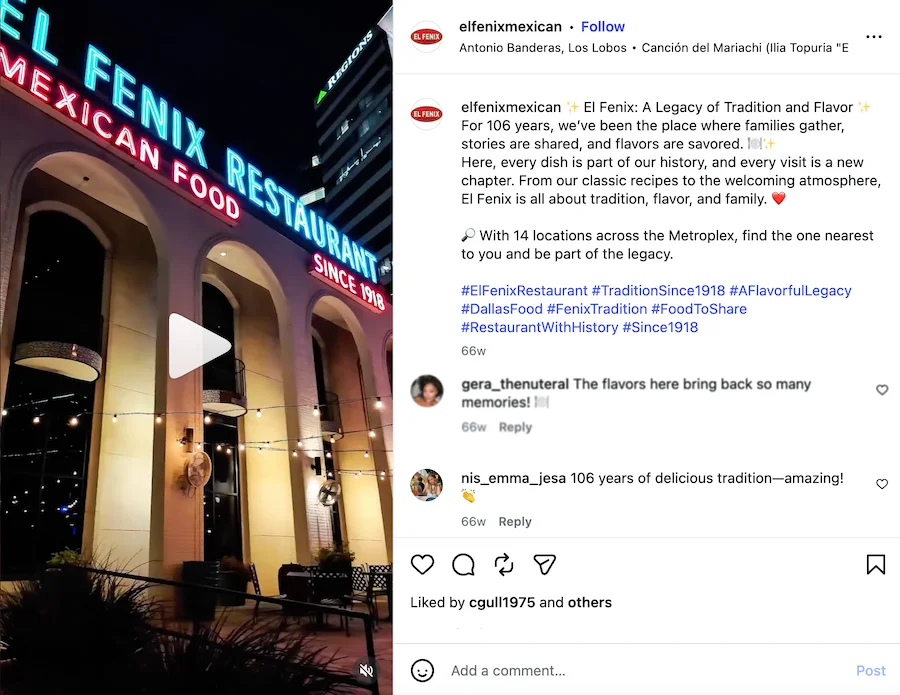
The key to successful local nostalgia is specificity. A general reference to “the 90s” is far less impactful than a specific recollection like, “Remember when this street had three record stores, and our daily special was just $5?” For local businesses, nostalgia is most potent when it reminds people that the brand has been an integral part of their real lives, not merely a digital presence.
Conclusion: The Past as a Strategic Tool for the Future
Nostalgia is a powerful marketing tool because it reconnects individuals with emotion, memory, and meaning—elements that are difficult, if not impossible, for artificial intelligence to replicate authentically. However, the objective is not to dwell in the past but to strategically utilize it to create a present that feels warmer, safer, and more human. A brand campaign that evokes the 1990s, for example, should not merely mimic the aesthetics of that era but should embody a contemporary understanding and approach. The past can be a potent catalyst for belief in the future, but only when it is integrated with a forward-looking vision and an authentic connection to the present.