rifanmuazin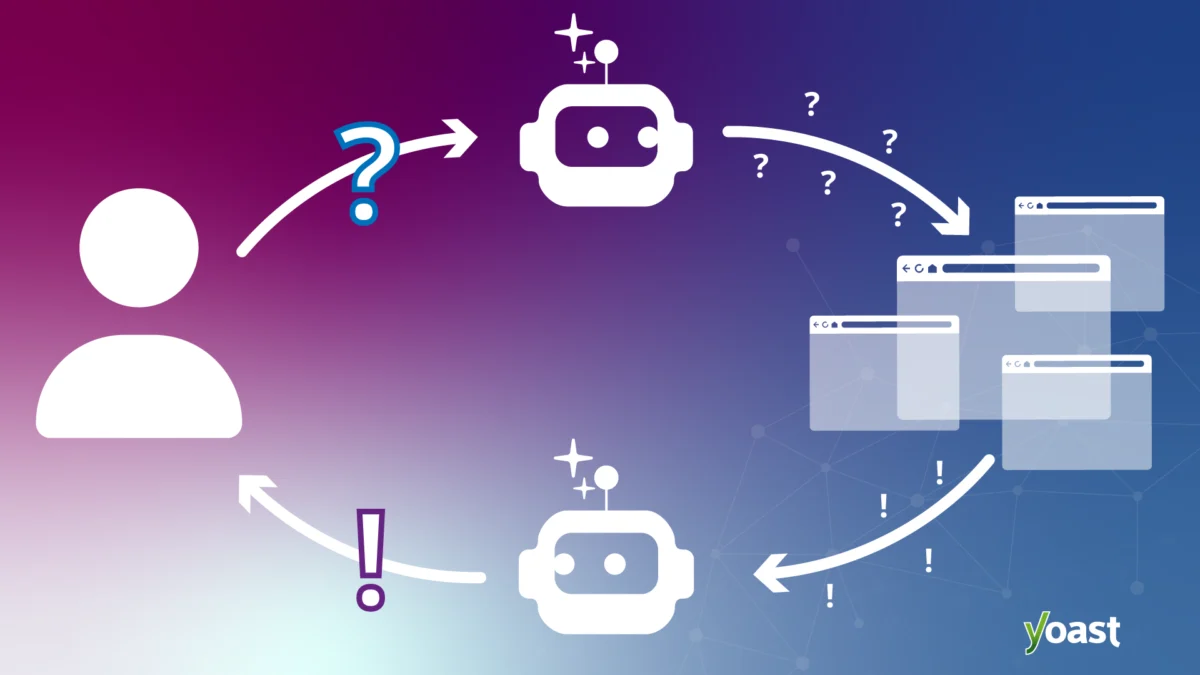
The landscape of online information discovery is undergoing a profound transformation, moving beyond the traditional model of search engine optimization (SEO) that has dominated digital strategies for decades. The emergence and rapid adoption of advanced AI tools such as ChatGPT, Perplexity, and Gemini are introducing an entirely new intermediary layer between users and the vast expanse of the internet, where information is not merely retrieved but actively synthesized and generated. This fundamental shift challenges long-held assumptions within the SEO community, demanding a re-evaluation of strategies for online discoverability and brand visibility.
The critical implications of this evolution were recently brought to light in a significant discussion on the “Get Discovered” podcast. Joe Walsh, CEO of Prerender.io, hosted Alain Schlesser, Principal Architect at Yoast, a prominent name in SEO software. Their insightful conversation delved into how these AI answer engines are fundamentally reshaping the search landscape, illustrating why many conventional SEO practices may no longer suffice in securing optimal online presence. The discussion served as a vital call to action for marketers and content creators to adapt to an increasingly complex digital ecosystem.
The Emergence of the AI Gatekeeper: A New Discovery Layer
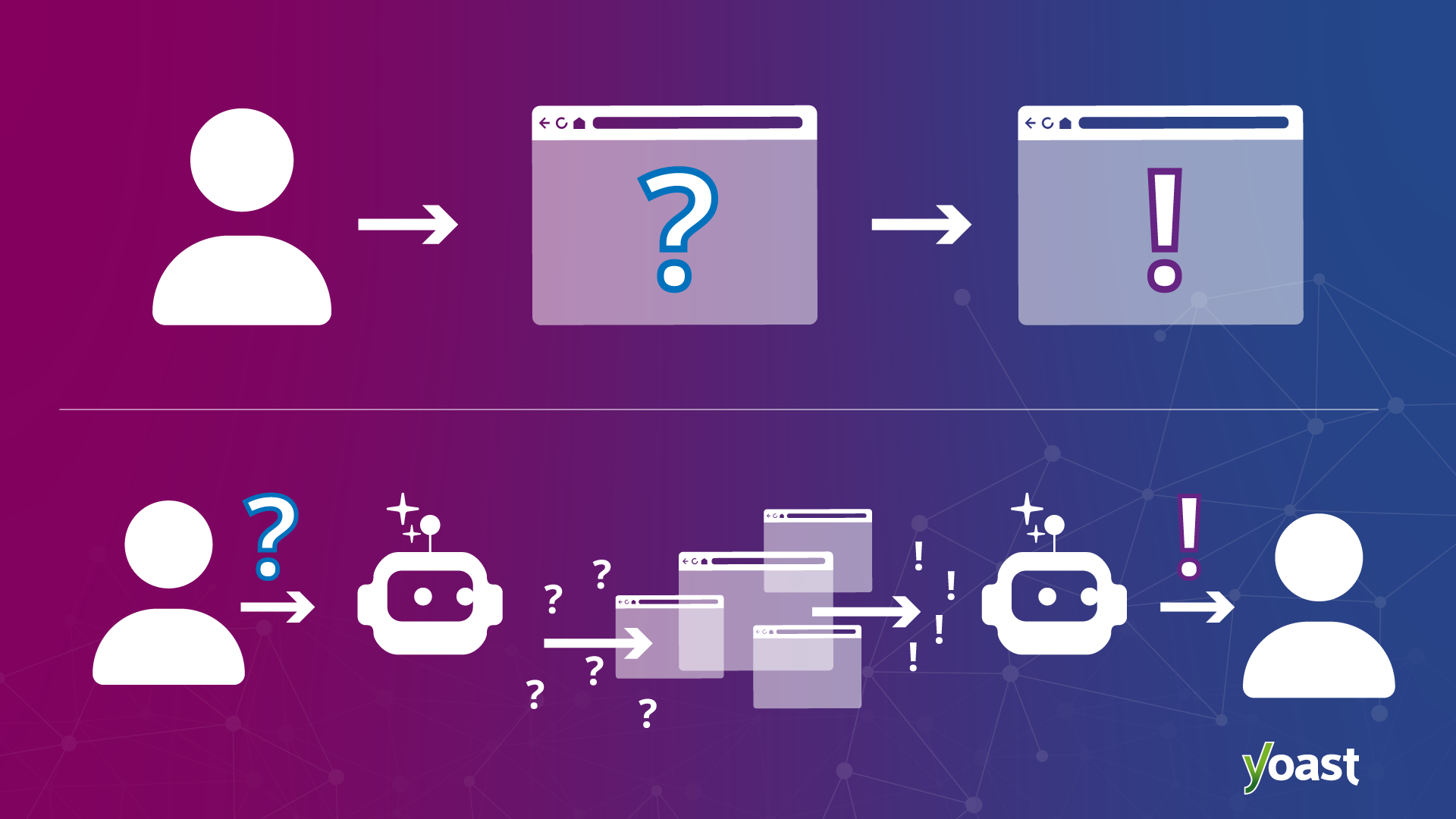
Alain Schlesser articulated one of the most significant structural changes currently unfolding in online discovery: “There’s now a layer in front of search that acts as a gatekeeper before you even hit those search engines.” For years, the user’s journey through search was remarkably linear: a query was entered into a search engine, which then presented a list of links, from which the user would select their preferred destination. This straightforward path allowed SEO professionals to focus primarily on ranking algorithms and click-through rates.
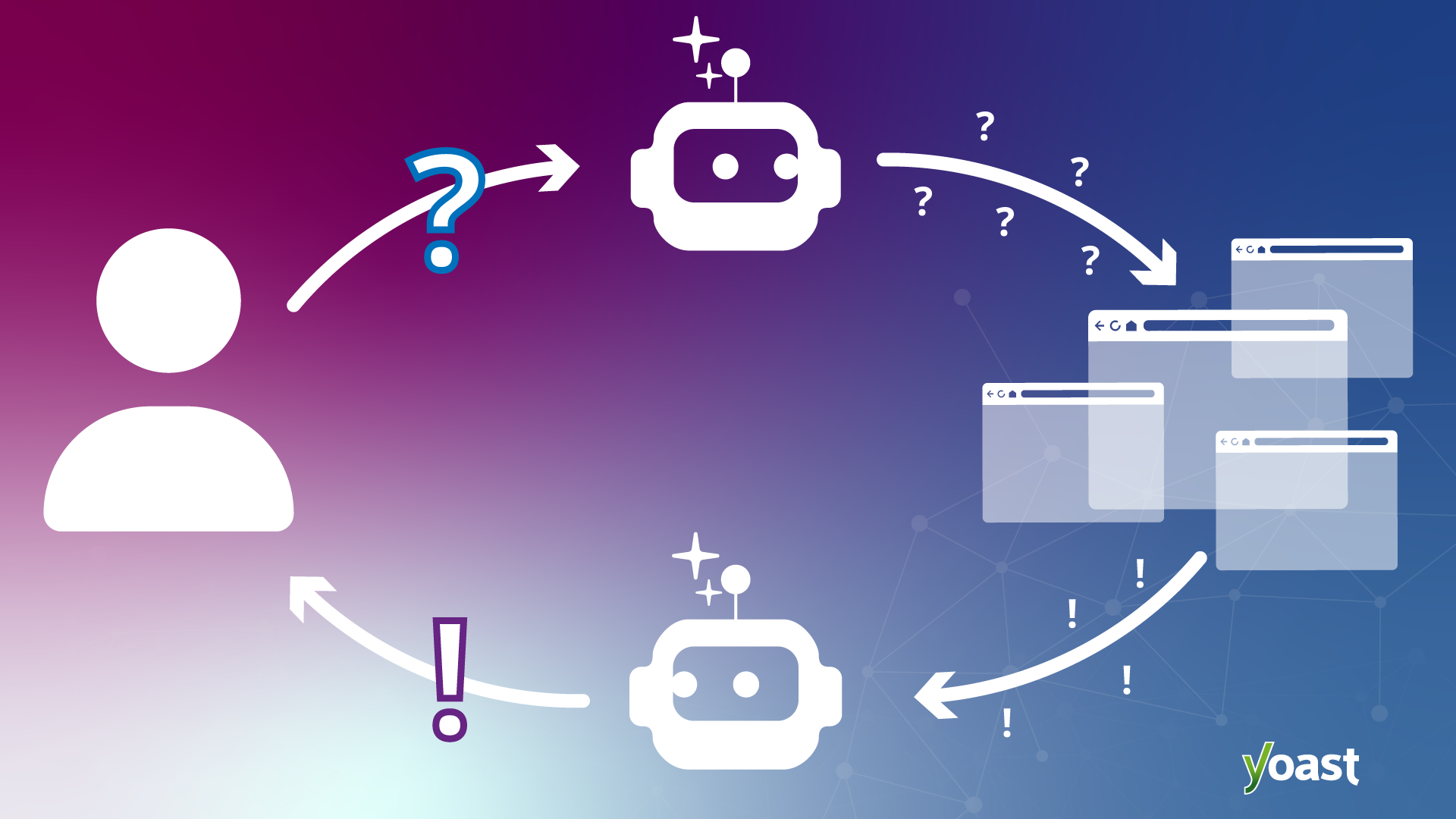
However, the advent of AI-powered systems has fundamentally altered this established flow. Today, the initial point of interaction for many users is no longer a traditional search bar but a conversational AI interface. Instead of crafting precise keyword queries, users increasingly pose natural language questions to tools like ChatGPT or Gemini. These AI systems then take on an “agentic” role, determining the necessity for external information, potentially generating multiple sophisticated search queries behind the scenes to gather relevant sources. The subsequent process involves interpreting and combining this retrieved information, ultimately synthesizing a direct answer for the user, often without the user ever seeing the underlying search results page.
The shift in the discovery flow can be visualized as a progression:
- Previously: User → Search engine → Website
- Now: User → AI model → Search engine → Website → AI synthesis → User
This new model positions the AI not merely as a tool, but as a critical filtering layer, curating and interpreting information before it ever reaches the user. According to industry reports, the adoption of conversational AI interfaces has seen exponential growth, with platforms like ChatGPT alone garnering over 100 million active users within months of its launch. This widespread adoption underscores the immediacy and scale of the transformation Schlesser highlights.
Search Fragmentation Beyond Google’s Hegemony
For the better part of two decades, the world of SEO was largely synonymous with optimizing for Google. Despite the existence of other search engines, Google’s near-monopoly on how people discovered information online created a relatively centralized and predictable environment for SEO practitioners. “We were in a rather comfortable position where we were only dealing with a monopoly search,” Schlesser observed, reflecting on a past era of relative simplicity.
This comfortable position is rapidly eroding. AI systems are introducing an unprecedented level of fragmentation into the discovery landscape. Unlike Google’s unified algorithm, different AI platforms operate using distinct combinations of underlying search engines, proprietary indexes, and diverse training data sets. This heterogeneity means that the information surfaced and synthesized by one AI system can vary dramatically from another. A brand might achieve high visibility and prominence within answers generated by one AI tool, yet be virtually invisible in another.
This fragmentation compels SEO teams to broaden their perspective beyond a singular search engine. The strategic focus must now encompass visibility across multiple AI-driven environments. This shift represents a significant challenge but also an opportunity for brands to diversify their digital presence and reach users through various conversational interfaces. Data from market analysis firms indicates that while Google still dominates traditional search, the collective market share of AI-first search experiences is steadily growing, particularly among younger demographics and for specific types of informational queries. Yoast, recognizing this critical need, has been at the forefront of providing insights into brand visibility across multiple Large Language Models (LLMs), emphasizing the importance of a holistic approach to online presence.
The Enduring Core: Fundamentals of SEO Remain Paramount
Despite the seismic technological shifts, Alain Schlesser firmly asserted that the foundational principles of effective SEO remain robust and indispensable. “You shouldn’t try to game the search engine. You need to create valuable content that humans actually want to read, and structure it so search engines can understand it,” he advised. This statement serves as a grounding reminder amidst the evolving complexities.
At its core, the objective of any search mechanism—whether human-driven or AI-mediated—is to deliver the most pertinent, reliable, and high-quality answers to users. Whether the initial request originates from a person typing a query or an AI model executing a series of hidden searches, the ultimate goal is consistent: to surface useful, authoritative information.
Consequently, SEO teams must continue to prioritize fundamental practices, which include:
- Producing high-quality, authoritative content: Content must be well-researched, accurate, and truly helpful to the target audience.
- Optimizing for user experience (UX): Websites should be fast, mobile-friendly, and easy to navigate.
- Ensuring technical SEO excellence: Proper indexing, crawlability, and schema markup are more critical than ever for AI systems to parse information efficiently.
- Building strong domain authority: Reputable backlinks and a trusted online presence signal credibility.
- Understanding semantic search and intent: Moving beyond exact keywords to comprehend the underlying intent of user queries, whether human or AI-generated.
AI systems may innovate the how of information surfacing, but they still rely on the same underlying signals of quality, relevance, and trustworthiness that have always underpinned good SEO. The sophistication of AI simply raises the bar for content quality and technical precision.
The “Top Results or Nothing” Reality for AI Consumption
As the discovery landscape matures, a crucial distinction emerges in how AI systems interact with search results compared to human users. “They don’t see the full search result page. What the LLM typically sees is just the five topmost elements per search query,” Schlesser explained. This insight has profound implications for content creators and SEO strategists.
Unlike a human user who might scroll through pages of search results, an AI system typically operates with a highly constrained set of retrieved sources before it begins the process of generating an answer. This means that if a piece of content does not rank within those top few results, it may never even enter the AI system’s consideration set. In an environment where AI answers are constructed from the summarization of modern content, only the sources that achieve this elite retrieval window can influence the final AI response.
This reality elevates the importance of strong search visibility to an unprecedented degree. Ranking well is no longer solely about attracting clicks; it is now a prerequisite for your content to even be considered as a source by AI models constructing answers. Publishers and brands must strive for top rankings to ensure their narratives, data, and insights are incorporated into the AI-generated responses that increasingly define user experiences. Industry data from traditional search has long shown a dramatic drop-off in clicks beyond the first few results, and this “top results or nothing” dynamic is amplified exponentially in the AI-driven landscape.
Distinctiveness Over Broad Appeal: Standing Out in the AI Era
Even if content manages to breach the “top results” barrier, another layer of filtering and compression occurs within the AI model itself. Large Language Models are designed to compress vast quantities of information during their training and operational phases. As Schlesser elucidated, “What the model keeps are the dominant signal and the outliers. Everything in between is often compressed away as statistical noise.”
This principle illuminates a critical strategic imperative for brands and content creators: the need for distinctiveness. In a world where AI systems are trained to identify and retain strong, unique signals, content that is merely “safe,” broadly acceptable, or generic runs the risk of being compressed into statistical noise. Brands that attempt to appeal to everyone by being bland or non-committal may find their content overlooked or homogenized by AI, losing its unique voice and perspective.
The takeaway is unambiguous: in an environment where AI systems summarize and compress information, cultivating a clear, distinctive perspective, a unique value proposition, and a strong brand voice becomes paramount. This requires courage in content strategy, moving away from lowest-common-denominator approaches towards authoritative, opinionated, and highly specialized content that offers a clear, memorable signal. Brands need to carve out their niche and articulate their expertise in a way that resonates powerfully enough to be recognized and retained by AI models.
Addressing the Visibility Gap: Yoast’s Innovation with AI Visibility Tracking
As AI systems fundamentally reshape how information is discovered and synthesized, a significant new challenge has emerged for businesses: understanding precisely how their brand is represented and surfaced within AI-generated answers. It is this critical problem that Yoast, a leader in SEO solutions, has sought to address with the introduction of Yoast SEO AI+. This innovative feature is specifically designed to help businesses monitor and gain insight into their brand’s appearance across major AI platforms.
The previously discussed shifts—AI systems acting as intermediaries, retrieving only a small set of top results, and synthesizing answers through content summarization—collectively create a new discovery layer far less transparent than traditional search. As Schlesser emphasized, “We need more visibility and observability into that AI-based layer to figure out what is going on there. Right now, it’s mostly a black box.”
Traditional search engines, despite their complexities, offer metrics like rankings, impressions, and click-through rates that provide a degree of insight into content performance. AI systems, however, generate answers from a confluence of retrieved content, proprietary training data, and complex model reasoning. This opaque process makes it exceedingly difficult for businesses to ascertain whether their brand is truly visible or accurately represented in AI-driven discovery.
This is precisely where AI visibility tracking becomes an invaluable tool. The focus extends beyond mere search rankings to encompass how a brand is interpreted and represented within AI responses. Yoast SEO AI+ aims to demystify this “black box” by allowing teams to observe how their brand appears across prominent AI systems, including ChatGPT, Perplexity, and Gemini.
The objective is not simply to add another metric to an already crowded dashboard. Instead, it is about providing businesses with the crucial intelligence needed to understand how AI systems perceive, interpret, and integrate their brand’s content. Schlesser highlighted that AI visibility can vary significantly across platforms due to differing combinations of underlying search engines, training data, and proprietary algorithms. A brand might enjoy robust visibility in one AI system while struggling to appear in another. Without tools like Yoast SEO AI+, identifying and addressing these disparities would be a formidable task, hindering a brand’s ability to optimize its presence in this new discovery landscape. In essence, Yoast SEO AI+ is not just a new SEO feature; it is an essential observation tool for navigating an ecosystem where discoverability transcends traditional search results.
The Next Evolution: AI Agents Making Autonomous Decisions
While much of the current discourse around AI and search centers on answer generation, Alain Schlesser posits that the next phase of this technological evolution will extend much further. “What we will increasingly see is automated transactions where AI agents navigate websites and initiate actions on behalf of users,” he predicted.
Over the next 12 to 18 months, AI systems are expected to move beyond merely answering questions to actively performing tasks for users. Instead of simply guiding a user to a website to make a purchasing decision or book a service, AI agents could autonomously compare options, interact directly with e-commerce platforms, fill out forms, and complete transactions.
Should this shift materialize, the traditional customer journey, which has long been a cornerstone of marketing and sales strategies, could undergo a radical transformation. The intermediary role of AI would deepen, with agents not just filtering information but also executing actions. This would compel businesses to rethink their website design, user experience, and conversion funnels to ensure they are optimized not just for human users but also for seamless interaction with AI agents. The implications for lead generation, sales processes, and customer service could be revolutionary, demanding a proactive approach from businesses to prepare for a future where AI facilitates and even initiates commercial engagements.
SEO Matters More Than Ever: A Strategic Imperative
The rise of AI is not signaling the demise of SEO; rather, it is reinforcing its fundamental importance. The core principles of creating valuable, well-structured content remain more critical than ever. What has unequivocally changed is the pathway between users and content. Users are increasingly receiving synthesized answers from AI systems that retrieve, interpret, and combine information, rather than navigating search results themselves.
This paradigm shift underscores the enduring necessity of strong SEO fundamentals. Businesses must double down on:
- Creating genuinely valuable and authoritative content: The quality bar is higher for content to be selected and synthesized by AI.
- Ensuring technical SEO excellence: AI models rely heavily on well-structured, crawlable data.
- Building trust and credibility: AI models, like human users, prioritize reliable sources.
- Optimizing for distinctiveness: Generic content risks being overlooked or compressed.
The central question for SEO has evolved from “Can Google find my website?” to a more profound and strategic inquiry: “Does the AI have a reason to remember my brand?” This question encapsulates the new reality where visibility is not just about presence but about resonance and distinctiveness within the AI’s interpretive framework. For brands to thrive in this rapidly evolving digital ecosystem, understanding and actively shaping their presence within AI-generated responses is no longer optional but a strategic imperative. The full “Get Discovered” podcast episode with Alain Schlesser offers further in-depth insights for navigating this transformative era of AI-driven discovery.