rifanmuazin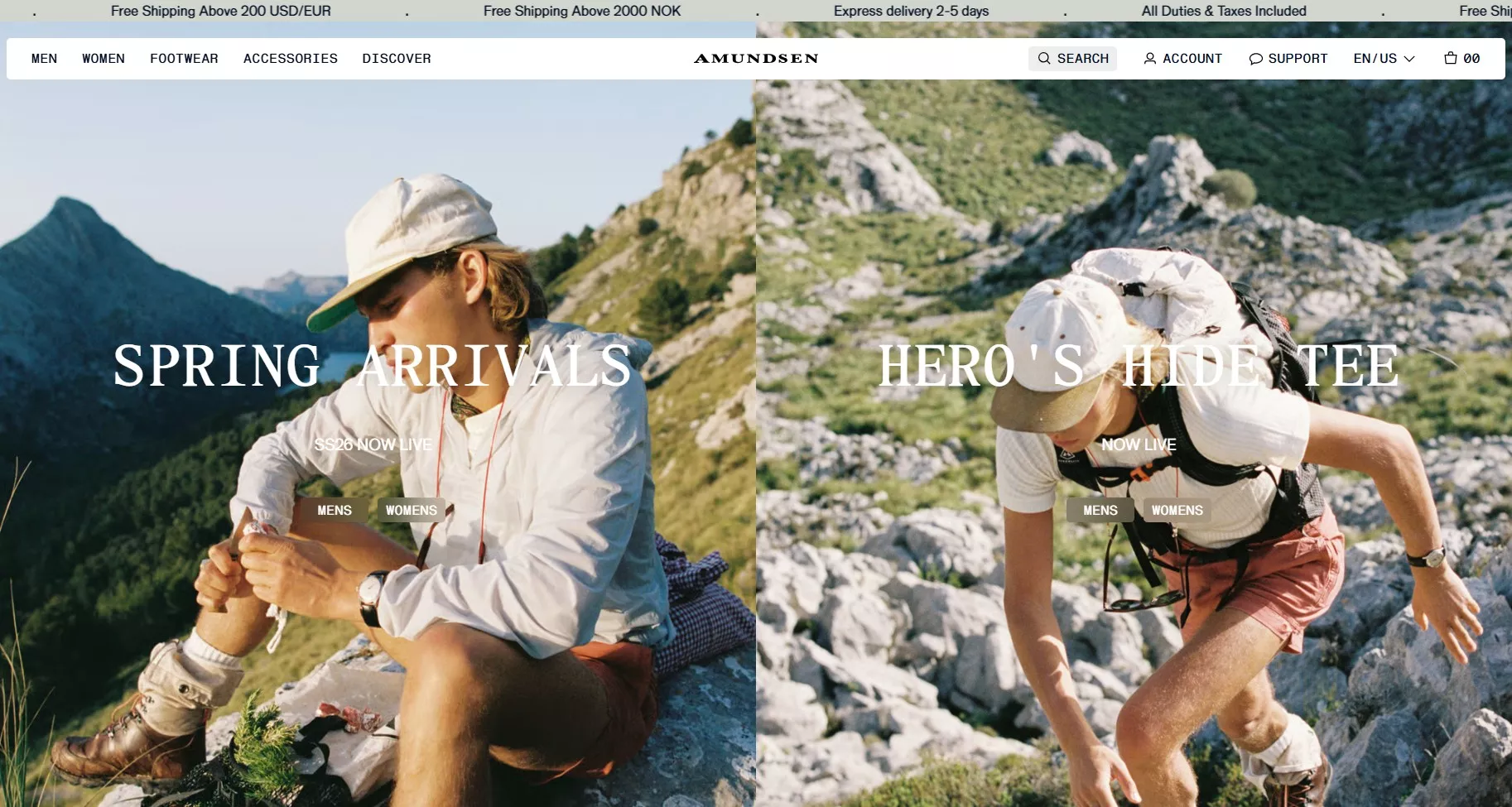
In an increasingly competitive digital marketplace, the design and functionality of an e-commerce website are paramount to its success, directly influencing user experience, brand perception, and ultimately, conversion rates. A well-crafted online store transcends mere product display; it creates an immersive digital journey that guides visitors effortlessly from discovery to purchase, fostering trust and loyalty along the way. This comprehensive analysis delves into 15 exemplary e-commerce websites, examining their strategic choices in homepage presentation, navigation architecture, and product page optimization to reveal the underlying principles that drive exceptional performance in the modern retail landscape.
![15 top ecommerce website examples [2026 ]](https://www.omnisend.com/blog/wp-content/themes/omnisend/assets/img/ai-generated.png)
The Foundational Pillars of E-commerce Excellence
![15 top ecommerce website examples [2026 ]](https://www.omnisend.com/blog/wp-content/uploads/2026/05/toak-navigation-1.jpg)
The most effective e-commerce platforms share common characteristics that prioritize the customer journey. These foundational elements are not merely aesthetic but are meticulously engineered to reduce friction, build confidence, and encourage engagement.
![15 top ecommerce website examples [2026 ]](https://www.omnisend.com/blog/wp-content/uploads/2026/05/toak-product-page.png)
-
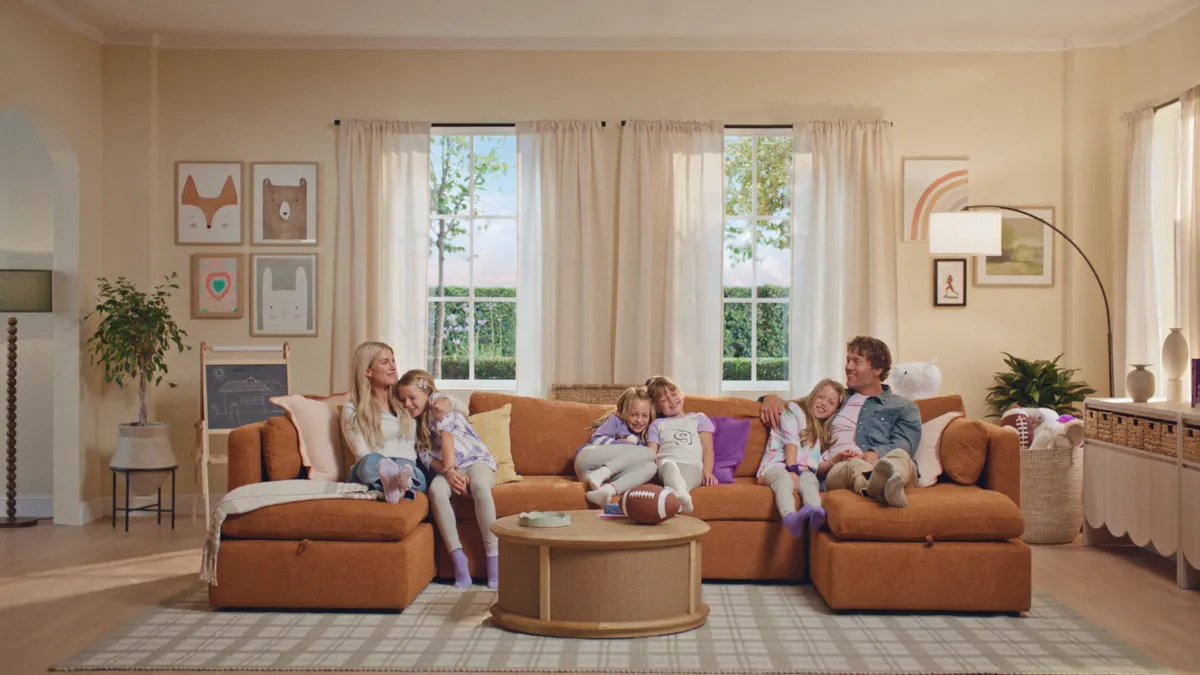
Homepage: Beyond Product Description to User Identification: Leading e-commerce homepages understand that the initial impression is not about what the product is, but who it is for. By showcasing aspirational lifestyles, problem-solving scenarios, or the desired outcome, these sites immediately connect with visitors on an emotional level. This approach, often utilizing high-quality visuals and concise, benefit-oriented headlines, helps potential customers self-identify with the brand, setting a powerful context for subsequent exploration. Statistics indicate that a compelling hero section can significantly impact bounce rates and time on site, with visually rich content proven to increase engagement by up to 80%.
![15 top ecommerce website examples [2026 ]](https://www.omnisend.com/blog/wp-content/uploads/2026/05/amundsen.jpg)
-
Navigation: Intent-Driven Pathways for Seamless Discovery: Traditional catalog-style menus, while comprehensive, can overwhelm users. High-converting websites adopt navigation structures built around customer intent. This means organizing products not just by type, but by solution, occasion, or even user persona. Such intuitive categorization, often supported by visual cues and smart filtering options, reduces cognitive load and allows shoppers to quickly locate items relevant to their specific needs or desires. Research suggests that optimized navigation can boost conversion rates by 18-20%, highlighting its critical role in the user journey.
![15 top ecommerce website examples [2026 ]](https://www.omnisend.com/blog/wp-content/uploads/2026/05/amundsen-navigation.jpg)
-
Contextual Prompts: Engaging at the Moment of Interest: Email and popup prompts, when deployed strategically, can be powerful conversion tools. The most effective implementations are highly contextual, appearing precisely when a user demonstrates genuine interest – for instance, a popup offering a discount on an item currently being viewed, or an email signup appearing after a certain scroll depth or time on page. This minimizes interruption and maximizes relevance, transforming potential annoyances into valuable engagement points. Personalization in pop-ups can lead to a 50% increase in conversions compared to generic ones.
![15 top ecommerce website examples [2026 ]](https://www.omnisend.com/blog/wp-content/uploads/2026/05/amundsen-product.jpg)
-
Product Pages: Eliminating Buying Doubts with Precision: The product page is often the crucible of conversion. Exceptional e-commerce sites leverage this space to systematically address and remove specific buying doubts. This includes comprehensive product details, high-resolution imagery from multiple angles, customer reviews and ratings, clear sizing guides, and transparent information regarding shipping, returns, and warranties. For complex products, interactive elements like configurators or comparison tools further empower customers. The presence of detailed product information has been shown to increase purchase intent by over 50%.
![15 top ecommerce website examples [2026 ]](https://www.omnisend.com/blog/wp-content/uploads/2026/05/daily-spoon.jpg)
-
Guided Selling & AI Assistants: Mitigating Decision Fatigue: In an era of abundant choice, decision fatigue can deter purchases. Forward-thinking e-commerce platforms integrate guided selling tools, interactive quizzes, and AI assistants to simplify the selection process. These tools help users narrow down options based on their preferences, needs, or desired outcomes, making the shopping experience feel personalized and efficient. This proactive assistance can be particularly valuable for first-time buyers or those exploring complex product categories.
![15 top ecommerce website examples [2026 ]](https://www.omnisend.com/blog/wp-content/uploads/2026/05/dailyspoon-navigation.png)
-
Subscription Offers: Flexibility and Transparent Value: The subscription economy thrives on convenience and perceived value. Successful e-commerce sites offering subscriptions ensure their models are flexible, allowing for easy modifications or cancellations, and transparently communicate the long-term benefits and savings. This approach builds trust and encourages recurring revenue by positioning subscriptions as a customer-centric solution rather than a rigid commitment.
![15 top ecommerce website examples [2026 ]](https://www.omnisend.com/blog/wp-content/uploads/2026/05/daily-spoon-product-page.png)
-
Trust Signals: Strategic Placement at Decision Points: Trust is the bedrock of online commerce. High-converting sites strategically place trust signals—such as security badges, customer testimonials, professional endorsements, and clear contact information—at critical decision points, particularly on product pages and during checkout. This constant reinforcement of credibility reassures customers, alleviating concerns about product quality, data security, and after-sales support. Displaying trust badges can increase conversion rates by an average of 42%.
![15 top ecommerce website examples [2026 ]](https://www.omnisend.com/blog/wp-content/uploads/2026/05/recess.png)
Case Studies: Dissecting Design Masterpieces
![15 top ecommerce website examples [2026 ]](https://www.omnisend.com/blog/wp-content/uploads/2026/05/recess-navigation.jpg)
The following 15 websites exemplify these principles, each showcasing unique strengths in various e-commerce platforms and product categories.
![15 top ecommerce website examples [2026 ]](https://www.omnisend.com/blog/wp-content/uploads/2026/05/recess-product.jpg)
-
To’ak Chocolate (Shopify): Positioned as a luxury collectible, To’ak Chocolate immediately immerses visitors in a cinematic experience. A full-screen hero video depicting the artisanal cacao harvesting and grinding process, paired with the headline “Redefining Fine Chocolate,” establishes an exclusive brand narrative. The navigation is concise, grouping products by “Chocolate Type,” “Product Type,” and “Price Range,” alongside elegant “Gifting” options, catering to an audience seeking curated experiences. Product pages are rich in storytelling, featuring origin details, tasting notes, and suggested pairings, transforming a simple chocolate bar into a sensory journey and reinforcing its premium status. This strategy effectively elevates a consumable product to an aspirational luxury item.
![15 top ecommerce website examples [2026 ]](https://www.omnisend.com/blog/wp-content/uploads/2026/05/memo-paris.png)
-
Amundsen Sports (WooCommerce): Amundsen Sports utilizes adventure photography to forge an immediate connection with its target audience. The homepage hero section features real explorers in rugged outdoor environments, instantly communicating who the gear is for. Navigation is segmented by “Men,” “Women,” “Footwear,” and “Accessories,” with a prominent “Discover” section housing editorial content, product guides, and the Amundsen Journal. This editorial approach serves to educate and inspire, pre-selling higher-priced items through value creation rather than aggressive sales tactics. Product pages meticulously combine technical specifications with lifestyle merchandising, offering detailed material breakdowns, feature explanations, and inspiring action shots, addressing both functional needs and aspirational desires.
![15 top ecommerce website examples [2026 ]](https://www.omnisend.com/blog/wp-content/uploads/2026/05/memo-paris-navigation.jpg)
-
Daily Spoon (WooCommerce): Daily Spoon strategically leads with “outcome, not ingredient” on its homepage, addressing customer pain points directly with headlines like “For a thriving gut and radiant skin.” This problem-solution approach immediately resonates with health-conscious consumers. Navigation organizes products by both type (supplements, proteins) and problem (gut nourishment, hormonal balance), alongside “Subscription” and “Community” links, signaling a focus on holistic wellness and repeat engagement. Product pages emphasize clarity and ritual, providing concise benefits, usage instructions, and ingredient transparency. The option for subscription purchases, often with a clear discount, reinforces the routine-building aspect of their products. This outcome-focused design strategy helps demystify health supplements for a broader audience.
![15 top ecommerce website examples [2026 ]](https://www.omnisend.com/blog/wp-content/uploads/2026/05/memo-paris-product.jpg)
-
Recess (Shopify Plus): Recess stands out with its distinctive visual identity—pastel gradients and soft cloud animations—setting a playful tone apart from typical wellness brands. The homepage features product carousels with vibrant lifestyle imagery and direct calls to action. The “Shop” navigation opens a two-level sliding menu, organizing products by line and then by specific flavors, enhanced with fruit icons for intuitive visual recognition. Product pages blend strong merchandising with ingredient storytelling, highlighting “feelings” associated with consumption (e.g., calm, focus) and providing detailed ingredient breakdowns. Flexible subscription options and bundles further enhance convenience and value, catering to a recurring purchase model.
![15 top ecommerce website examples [2026 ]](https://www.omnisend.com/blog/wp-content/uploads/2026/05/antler.jpg)
-
Memo Paris (Shopify): Memo Paris employs cinematic storytelling to evoke an emotional first impression. Its homepage features a luxury fashion campaign-like looping hero video, emphasizing exclusivity and aspirational desire. Navigation is structured around “discovery,” allowing users to explore perfumes by “scent families,” “collections,” or “notable releases,” rather than a simple catalog. This approach rewards browsing and caters to customers seeking a unique olfactory journey. Product pages are designed for sensory detail and guided exploration, featuring evocative descriptions, key notes, and visual storytelling that transforms fragrance into an experience. The inclusion of discovery sets and gift categories encourages sampling and gifting, broadening accessibility to its luxury offerings.
![15 top ecommerce website examples [2026 ]](https://www.omnisend.com/blog/wp-content/uploads/2026/05/antler-navigation.jpg)
-
Antler (Shopify Plus): Antler’s homepage immediately communicates reliability and travel aspirations with lifestyle imagery and a seasonal collection CTA. A prominent trust bar highlights a lifetime warranty, over a century of expertise, and free luggage delivery, addressing core concerns upfront. Navigation categories cover luggage types, travel accessories, and editorial content, further organized by material and color, with visual image panels enhancing the browsing experience. Product pages are built to address the primary luggage objections: fit and durability. They feature detailed dimension diagrams, capacity information, and images showcasing products in various travel scenarios, alongside customer reviews, providing comprehensive reassurance for a significant purchase.
![15 top ecommerce website examples [2026 ]](https://www.omnisend.com/blog/wp-content/uploads/2026/05/antler-product.jpg)
-
Taylor Stitch (Shopify Plus): Taylor Stitch balances lifestyle branding with product discovery through cinematic visuals and clean layouts. A looping hero video establishes the seasonal aesthetic without heavy text, while clear product categories below invite exploration. Navigation is organized by garment type and then by fit (Slim, Straight), with a dedicated “Last Call” section for discounted items, appealing to both brand loyalists and price-sensitive shoppers. Product pages proactively address fit concerns, a dominant objection in apparel. They provide detailed measurements, fabric composition, care instructions, and “fit guide” links, supported by customer reviews and real-world photos, building confidence in online purchases.
![15 top ecommerce website examples [2026 ]](https://www.omnisend.com/blog/wp-content/uploads/2026/05/taylor-stitch.jpg)
-
Allbirds (Shopify Plus): Allbirds employs a mosaic of sneaker colorways on its homepage, offering visual consistency while highlighting product variety. This design caters to returning visitors seeking new color options. Navigation is exceptionally clean, with “Men,” “Women,” and “Sale” as top-level items, further organized by footwear collections, shoe type, and apparel. The “Sale” section is treated as a distinct destination, ensuring visibility for value-conscious consumers. Product pages are benchmark examples of integrating sustainability storytelling into UX. They detail environmental impact (e.g., carbon footprint), material sourcing, and feature diagrams explaining comfort technologies, empowering customers to make informed, values-aligned purchasing decisions.
![15 top ecommerce website examples [2026 ]](https://www.omnisend.com/blog/wp-content/uploads/2026/05/taylor-stitch-navigation.jpg)
-
WP Standard (Shopify Plus): WP Standard immediately conveys its product focus on “Leather Essentials” with side-by-side hero images of a duffel bag and a wallet. The homepage emphasizes craftsmanship and durability through high-quality photography and minimalist design. Navigation is intentionally minimal, with a compact “Shop Now” dropdown focused on core product types, ensuring fast and predictable browsing. An “Archive Sale” section frames discounted inventory as curated rather than merely clearance. Product pages heavily rely on high-resolution photography, including close-ups highlighting grain and stitching, reinforcing the quality of materials. Detailed specifications, care instructions, and a “built to last” narrative instill confidence in the long-term value of their leather goods.
![15 top ecommerce website examples [2026 ]](https://www.omnisend.com/blog/wp-content/uploads/2026/05/taylor-stitch-product.jpg)
-
Patagonia (Salesforce Commerce Cloud): Patagonia’s homepage authentically reinforces its durability claims with rugged, worn-in visuals of products in real-world use. The brand’s commitment to sustainability and repair is evident throughout. Navigation allows shopping by category, sport (e.g., climbing, surfing), or featured collections. Tools like “Jacket Finder” reduce decision fatigue, while a “Shop Used” link for worn wear reinforces the brand’s circular economy ethos and product longevity. Product pages meticulously focus on utility and confidence in fit. They include detailed fabric technologies, performance benefits, repair information, and customer reviews, providing a holistic view of the product’s lifespan and environmental impact.
![15 top ecommerce website examples [2026 ]](https://www.omnisend.com/blog/wp-content/uploads/2026/05/allbirds.jpg)
-
Italic (Shopify Plus): Italic’s homepage is built around single collection launches, currently the “Cabana Club,” presented with full-width lifestyle imagery that creates a relaxed luxury feel. The brand’s “Members Only” model is subtly integrated. Navigation organizes products by category, “capsule” (named geographically, like Riviera), and color, favoring brand storytelling over strict descriptive clarity, fostering a premium editorial feel. Product pages employ a clear persuasion sequence, from image stacks to status signals and savings framing. They detail material sourcing, highlight “made by the same manufacturers as luxury brands,” and offer subscription savings, emphasizing both quality and value.
![15 top ecommerce website examples [2026 ]](https://www.omnisend.com/blog/wp-content/uploads/2026/05/allbirds-navigation.jpg)
-
Rhode (Shopify Plus): Rhode’s homepage centers around product launch moments, featuring still editorial images that create immediate visual impact and buzz. Strategic placement of new arrivals and bestsellers guides visitors. Navigation is visual-first, with “Shop” expanding into a menu displaying product thumbnails with “new” or “limited edition” labels, reducing friction and highlighting trending items. Product pages effectively address dominant skincare objections: “What does this do?” and “What’s in it?” They feature concise benefit summaries, key ingredient callouts, and application tips, supported by dermatologist insights and customer reviews, building credibility and guiding usage.
![15 top ecommerce website examples [2026 ]](https://www.omnisend.com/blog/wp-content/uploads/2026/05/allbirds-product.jpg)
-
Huel (Shopify Plus): Huel’s homepage organizes products around customer goals (Lose Weight, More Protein, Eat Healthy, On-the-Go), immediately connecting with user intent rather than product type. This simplifies the entry point for new customers. Navigation supports both education and product discovery, with “Shop All” organized by collection, goal, and an AI-powered “Help me choose” tool. A “Science” section provides nutritional transparency. Product pages heavily focus on nutritional clarity, detailing calorie counts, macronutrient breakdowns, and vitamin/mineral content. Comparison charts, scientific backing, and subscription options further empower informed decisions and recurring purchases.
![15 top ecommerce website examples [2026 ]](https://www.omnisend.com/blog/wp-content/uploads/2026/05/wp-standard.jpg)
-
Meow Meow Tweet (Shopify): Meow Meow Tweet positions herbal skincare as timeless, using earthy visuals and direct messaging on its homepage to communicate authenticity and natural ingredients. Navigation includes “Shop,” “Who We Are,” “Blog,” “FAQ,” “Refill Program,” and “Rewards Program.” The “Shop” menu, appearing in a pill-shaped container, organizes products by concern (Pits, Face) and skin type, with dedicated placement for the refill and rewards programs, reinforcing long-term customer retention and sustainability. Product pages are lean and uncluttered, matching the brand’s no-gimmick positioning. They detail ingredients, usage instructions, ethical sourcing, and allow for subscription purchases, appealing to conscious consumers.
![15 top ecommerce website examples [2026 ]](https://www.omnisend.com/blog/wp-content/uploads/2026/05/wp-standard-navigation.jpg)
-
BLUNT Umbrellas (Shopify Plus): BLUNT Umbrellas’ homepage immediately conveys movement and engineering through a looping aerial video of umbrellas opening and closing, visually reinforcing the product’s core function and durability. Clear calls to action highlight key product lines. Navigation balances commerce with post-purchase support, offering models, accessories, and collaborations alongside warranty registration, repairs, and support links, reinforcing long-term durability. Product pages focus heavily on technical transparency. They feature wind-tunnel testing videos, structural diagrams, and detailed material specifications, addressing the primary consumer concern about umbrella performance and longevity, building confidence through engineering prowess.
![15 top ecommerce website examples [2026 ]](https://www.omnisend.com/blog/wp-content/uploads/2026/05/wp-standard-product.jpg)
Methodology for Site Selection
![15 top ecommerce website examples [2026 ]](https://www.omnisend.com/blog/wp-content/uploads/2026/05/patagonia.jpg)
The websites featured in this analysis were meticulously chosen not solely based on their traffic volume or revenue, but for their distinct and replicable design choices. Each example demonstrates a standout approach in either its homepage presentation, navigation strategy, or product page optimization. The selection prioritized a diverse range of price points, product categories, and e-commerce platforms (Shopify, WooCommerce, Salesforce Commerce Cloud) to offer a broad spectrum of actionable UX patterns for marketers and business owners. The focus was on identifying strategic design decisions that directly contribute to an enhanced customer journey and improved conversion metrics.
![15 top ecommerce website examples [2026 ]](https://www.omnisend.com/blog/wp-content/uploads/2026/05/patagonia-navigation.jpg)
Conclusion
![15 top ecommerce website examples [2026 ]](https://www.omnisend.com/blog/wp-content/uploads/2026/05/patagonia-product.jpg)
The collective insights from these leading e-commerce examples underscore a critical truth in digital retail: success hinges on a deep understanding of the customer and a commitment to exceptional user experience. From tailoring homepages to address user intent, to crafting intuitive navigation paths, and optimizing product pages to resolve specific buying doubts, each design decision must serve to reduce friction and build trust. As the e-commerce landscape continues its rapid evolution, embracing these principles—prioritizing user-centric design, leveraging strategic content, and implementing robust trust signals—will enable businesses to not only captivate their target audience but also to foster sustainable growth in an increasingly competitive market. The future of online retail belongs to those who meticulously engineer every touchpoint of the digital experience.