rifanmuazin
The digital marketing landscape has undergone a seismic shift as the cost of acquiring web traffic continues to reach record highs. Marketing departments across the globe are increasingly pivoting away from “vanity metrics” like total page views and toward conversion marketing, a discipline focused on maximizing the value of existing visitors. This strategic evolution reflects a broader trend in the tech and retail sectors where efficiency and return on investment (ROI) have surpassed raw growth as the primary indicators of corporate health.
Conversion marketing is defined as the strategic practice of transforming website visitors into customers or leads by encouraging specific, measurable actions. While traditional marketing focuses on the top of the funnel—bringing people to the “storefront”—conversion marketing focuses on what happens once they are inside. By optimizing elements such as landing pages, calls to action (CTAs), and user experience (UX), businesses are finding they can double or triple their revenue without increasing their advertising spend by a single dollar.
The Economic Context: Why Conversion is Surpassing Acquisition
The prioritization of conversion rate optimization (CRO) is largely a response to the escalating costs of digital advertising. Data from major ad platforms indicates that the average cost-per-click (CPC) has risen steadily over the last five years, driven by increased competition and privacy-related changes to tracking, such as the deprecation of third-party cookies.
In this environment, relying solely on traffic acquisition is becoming financially unsustainable for many small-to-medium enterprises (SMEs). For example, a company receiving 10,000 monthly visitors with a 2% conversion rate generates 200 conversions. If that company successfully implements a conversion marketing strategy to raise the rate to 4%, it effectively doubles its results. To achieve the same result through traffic acquisition alone, the company would have to double its ad budget to reach 20,000 visitors—an expense that often exceeds the profit margins of the products being sold.
Industry analysts note that marketing budgets are under increased scrutiny. Chief Marketing Officers (CMOs) are now required to justify every dollar spent, leading to a surge in demand for tools and methodologies that provide immediate, data-backed improvements to the bottom line.
Defining the Conversion Framework: Macro and Micro Goals
Success in conversion marketing requires a granular understanding of user behavior. Experts categorize conversion goals into two primary types: macro-conversions and micro-conversions.
A macro-conversion is the primary objective of a website, such as a completed purchase in an e-commerce setting or a signed contract for a software-as-a-service (SaaS) company. Micro-conversions are smaller steps that indicate a visitor is moving toward the primary goal. These include signing up for a newsletter, downloading a whitepaper, or adding an item to a digital shopping cart.
By tracking micro-conversions, marketers can identify exactly where a potential customer “drops off” in the sales funnel. This data-driven approach allows for surgical interventions in the user journey. If data shows high “add to cart” rates but low “completed purchase” rates, the problem likely lies in the checkout process—perhaps due to unexpected shipping costs or a lack of preferred payment methods—rather than the product itself.

The Psychology of the Click: Value Propositions and Trust
At its core, conversion marketing is the application of behavioral psychology to digital interfaces. A visitor’s decision to convert is influenced by the balance between perceived value and perceived friction.
The Value Proposition
A compelling value proposition is the most critical element of any conversion strategy. It must answer the visitor’s fundamental question: “What is in it for me?” Professional marketing audits suggest that the most successful value propositions are clear, concise, and focused on solutions rather than features. When a company shifts its messaging from “We have the fastest servers” to “Reduce your website load time by 50%,” conversion rates typically see a measurable lift.
Site Usability and Friction
Technical performance is a non-negotiable component of conversion. Studies have shown that a one-second delay in page load time can result in a 7% reduction in conversions. Furthermore, with mobile devices accounting for over 50% of global web traffic, “mobile-first” design has shifted from a recommendation to a requirement. Friction points—such as excessively long forms, small buttons that are difficult to tap, or non-responsive layouts—serve as immediate deterrents to potential customers.
The Role of Social Proof
Trust is the currency of the digital economy. Conversion marketing heavily utilizes “trust signals” to mitigate the perceived risk of a transaction. These signals include:
- Customer testimonials and detailed reviews.
- Industry certifications and security badges (e.g., SSL certificates).
- “As seen in” media mentions.
- Real-time data, such as “50 people are viewing this item right now.”
Case studies indicate that specific social proof is more effective than generic praise. A testimonial that mentions a specific problem solved (e.g., “This tool saved us 10 hours a week”) carries more weight than a simple “Great product” rating.
High-Impact Tactics: From A/B Testing to Artificial Intelligence
To implement these psychological principles, marketers employ a variety of technical tactics.
Landing Page Optimization
Unlike a general homepage, a landing page is a standalone web page created specifically for a marketing or advertising campaign. It is designed with a single focus, known as a Call to Action (CTA). By removing the navigation bars and external links found on a standard website, marketers can funnel the visitor’s attention toward a specific goal. Tools like Unbounce have democratized this process, allowing marketers to build and deploy these pages without requiring a background in web development.
A/B Testing and Experimentation
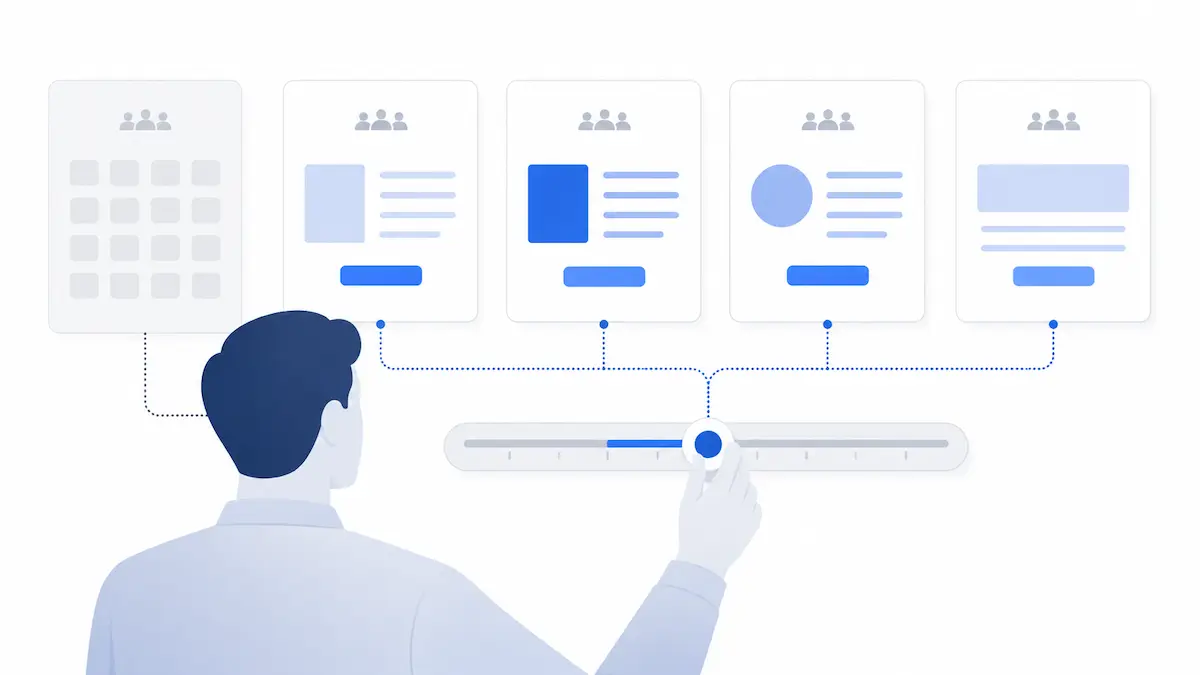
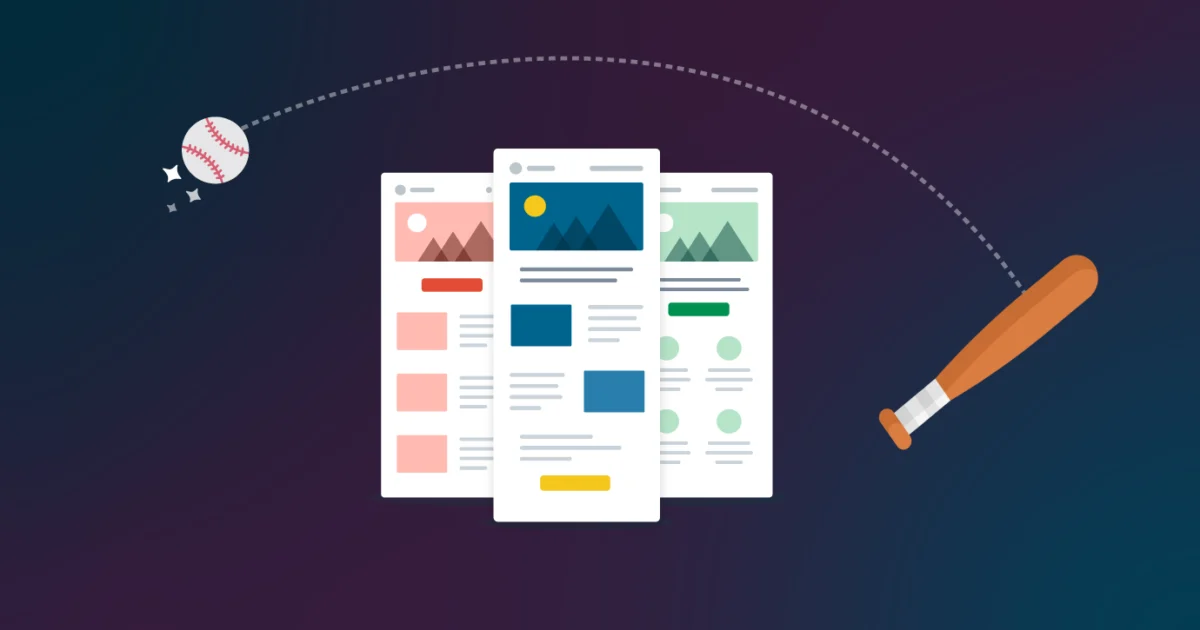
A/B testing, or split testing, is the practice of showing two versions of the same web page to different segments of visitors at the same time and comparing which one performs better. This eliminates guesswork from the design process. Elements frequently tested include:
- Headline wording and font size.
- CTA button color and placement.
- Image versus video usage.
- Form length and field requirements.
Urgency and Incentives
Creating a “reason to act now” is a proven method for increasing conversion rates. This can be achieved through limited-time offers, countdown timers, or low-stock alerts. However, industry experts warn that “fake urgency”—such as timers that reset every time a page is refreshed—can permanently damage a brand’s reputation and lead to long-term decreases in customer loyalty.

The Integration of Data Analytics
Modern conversion marketing relies on a sophisticated tech stack to turn insights into action. While Google Analytics provides the “what” (e.g., “the bounce rate is 60%”), tools like heatmaps and session recordings provide the “why.”
Heatmaps, provided by services such as Hotjar or Microsoft Clarity, visualize where users are clicking and how far they are scrolling. If a heatmap reveals that visitors are clicking on an image that isn’t a link, it suggests that the users expect more information there, providing a clear opportunity for optimization.
Furthermore, the rise of AI-enabled optimization, such as “Smart Traffic” algorithms, allows websites to automatically route visitors to the version of a page that they are most likely to convert on based on their geographic location, device type, and past behavior. This level of personalization was once reserved for tech giants like Amazon or Netflix but is now accessible to businesses of all sizes.
Official Responses and Industry Outlook
The shift toward conversion-centric strategies has drawn reactions from across the tech sector. Analysts at major marketing firms suggest that the “growth at all costs” era of the 2010s has officially ended. In its place is a more disciplined approach that prioritizes unit economics and customer lifetime value (CLV).
Marketing technology providers have responded by integrating more CRO features into their core products. CRM platforms, email marketing tools, and CMS providers are all racing to include native A/B testing and AI-driven personalization.
From a regulatory perspective, the emphasis on conversion marketing is also adapting to stricter data privacy laws like the GDPR and CCPA. Because conversion marketing often relies on first-party data (information provided voluntarily by the user) rather than invasive third-party tracking, it is viewed as a more “future-proof” strategy in a privacy-conscious world.
Conclusion: The Broader Impact on Digital Strategy
Conversion marketing is no longer a niche specialty; it is the foundation of modern digital strategy. As the barrier to entry for starting an online business drops, the marketplace becomes more crowded and noisier. In this environment, the winners are not necessarily those who can shout the loudest (or spend the most on ads), but those who can most effectively communicate their value and provide the most seamless user experience.
The data is clear: small, incremental improvements in conversion rates lead to exponential growth in profitability. For the modern enterprise, the path to sustainable success lies not in the pursuit of more traffic, but in the sophisticated optimization of the traffic they already have. By focusing on the psychology of the user, the clarity of the message, and the efficiency of the platform, businesses can navigate the high-cost digital landscape of 2025 and beyond.