rifanmuazin
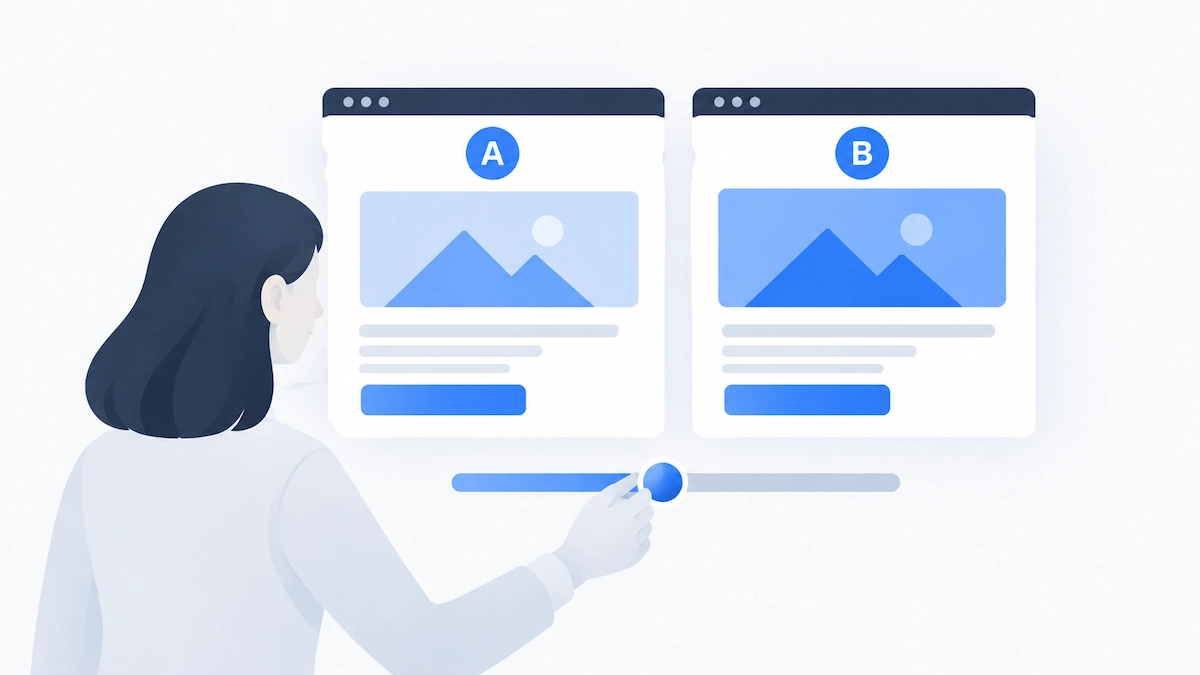
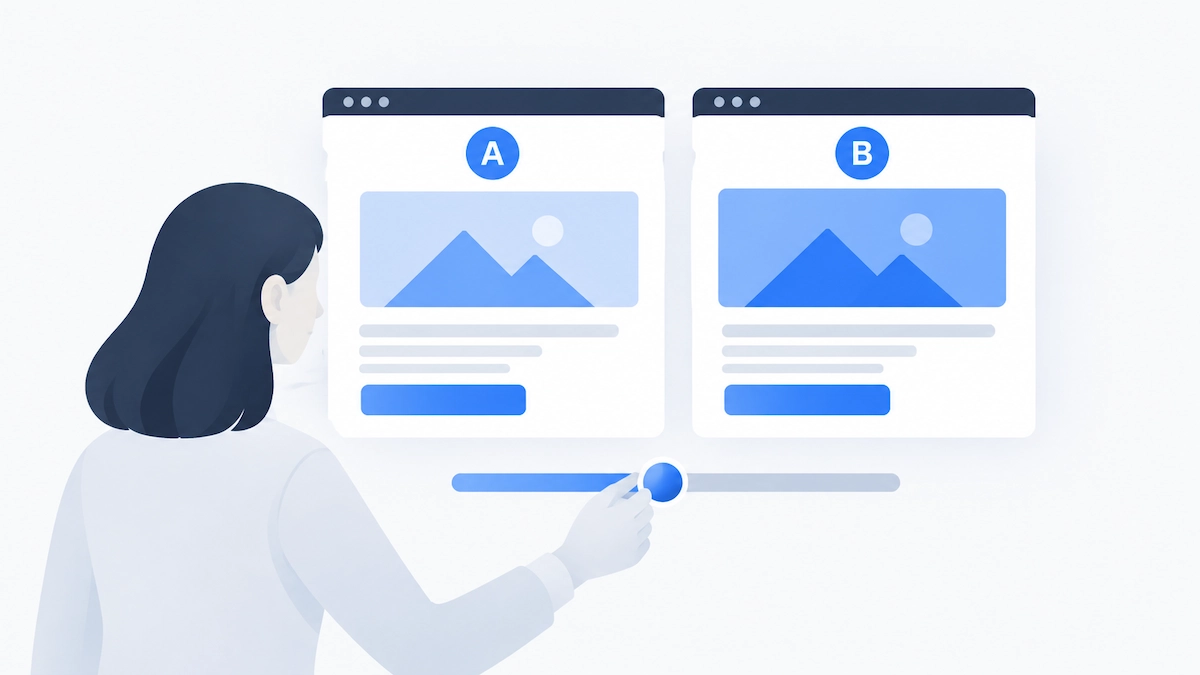
The digital commerce landscape has undergone a seismic shift in recent years, moving away from a primary focus on traffic acquisition toward the sophisticated refinement of existing user journeys through Conversion Rate Optimization (CRO). Industry analysts and digital strategists now emphasize that a CRO audit is no longer a reactive measure to be deployed only when sales plummet, but rather a proactive, essential “health check-up” for any competitive online enterprise. Much like regular medical examinations prevent long-term health crises, consistent conversion audits allow businesses to identify friction points, uncover hidden revenue opportunities, and maintain a competitive edge in an increasingly crowded marketplace. The consensus among market leaders is clear: companies failing to regularly audit their conversion funnels are systematically leaving significant revenue on the table.
The Strategic Necessity of the CRO Audit
A Conversion Rate Optimization (CRO) audit is defined as a comprehensive evaluation of an online storefront’s performance, examining the critical touchpoints that dictate whether a visitor transitions into a paying customer. This process moves beyond surface-level aesthetics to scrutinize product page efficacy, checkout fluidity, site navigation, technical performance, and the integrity of the underlying analytics architecture. In a climate where the cost of customer acquisition (CAC) continues to rise, the ability to convert a higher percentage of existing traffic is the most direct lever for increasing profitability.
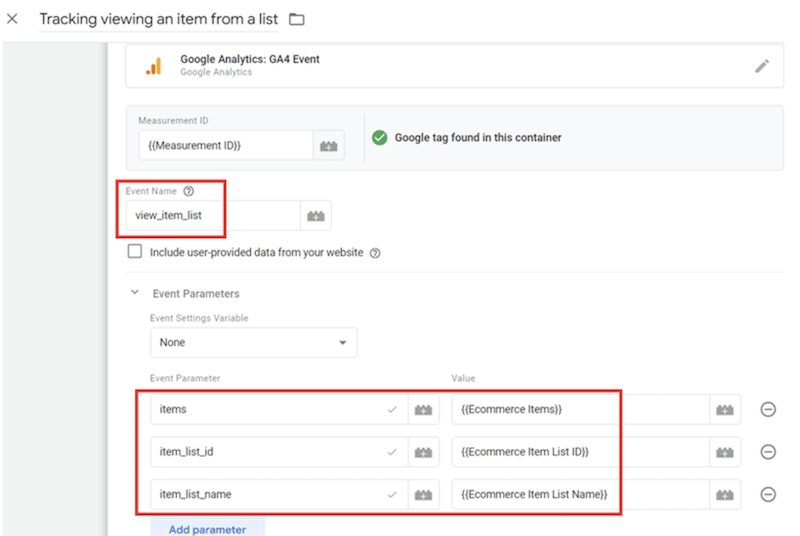
Market data suggests that the average e-commerce conversion rate fluctuates between 1% and 4%, depending on the industry sector. For instance, the food and beverage industry often sees rates as high as 4.6%, while home furniture retailers may struggle with averages as low as 0.6%. A professional CRO audit provides the framework to benchmark these figures against historical data and industry standards, transforming raw numbers into an actionable roadmap for growth.
Phase One: The Quantitative Foundation and Technical Benchmarking
The first stage of a robust CRO audit is the gathering of quantitative data—the “what” of user behavior. This phase relies on hard data to pinpoint exactly where users are exiting the funnel and how much revenue is being lost at each stage of the journey.
Analytics Integrity and GA4 Implementation
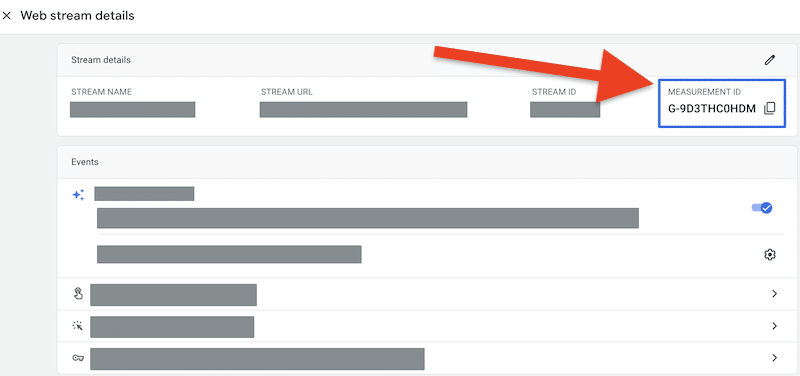
In the current era of data-driven decision-making, Google Analytics 4 (GA4) serves as the primary tool for tracking the shopping journey. A thorough audit begins by verifying that the analytics setup is capturing essential “events” rather than just simple page views. For e-commerce, the four non-negotiable events include:
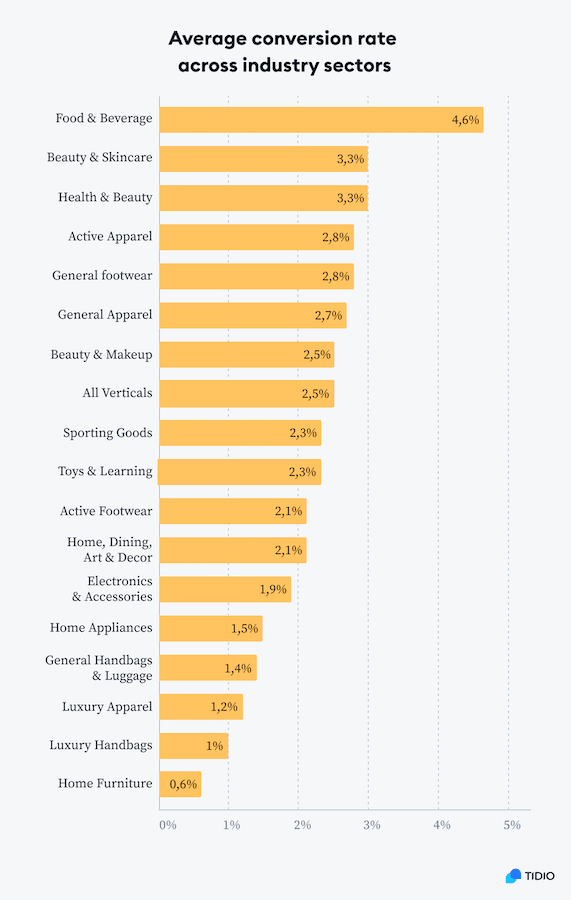
- view_item: Tracking when a user views a specific product.
- add_to_cart: Identifying when a user shows intent by selecting an item.
- begin_checkout: Monitoring the start of the final transaction process.
- purchase: Recording the successful completion of a sale.
By analyzing the drop-off rates between these milestones, businesses can isolate specific failure points. For example, a high volume of “add_to_cart” events paired with a low “begin_checkout” rate suggests a friction point on the cart page itself, such as unexpected shipping costs or a lack of guest checkout options.
Performance Metrics and Core Web Vitals
Technical performance is a primary driver of conversion. Google’s Core Web Vitals have become the gold standard for measuring site health, focusing on three specific areas:
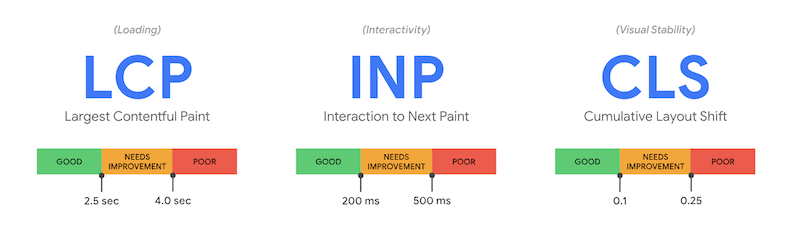
- Largest Contentful Paint (LCP): Measuring loading performance. A target of 2.5 seconds or less is required for a good user experience.
- Interaction to Next Paint (INP): Assessing responsiveness. Sites should aim for an INP of 200 milliseconds or less.
- Cumulative Layout Shift (CLS): Evaluating visual stability. A score of 0.1 or less prevents frustrating shifts in the page layout as it loads.
Industry studies indicate that 40% of consumers will abandon a website that takes more than three seconds to load. Consequently, a CRO audit must include a technical review of mobile-first performance, as mobile users are significantly more sensitive to latency and layout instability.
Phase Two: Qualitative Insights and the Human Element
While quantitative data identifies the “where” of conversion leaks, qualitative insights provide the “why.” This phase of the audit seeks to understand the psychological barriers, doubts, and frustrations that prevent users from completing a purchase.
Visual Behavioral Analysis
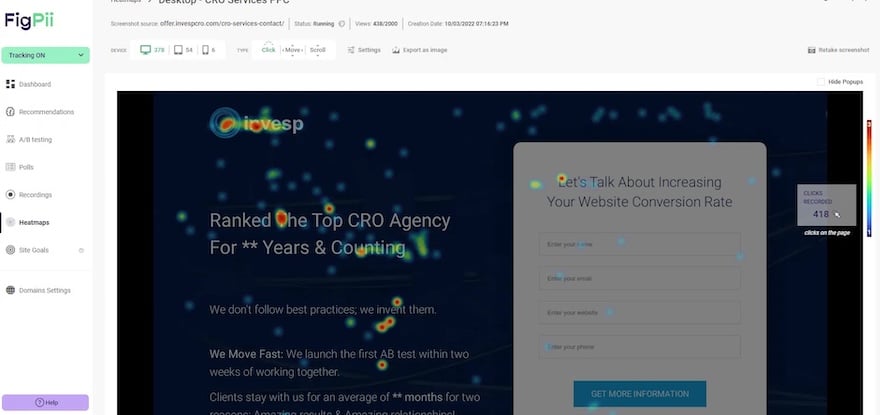
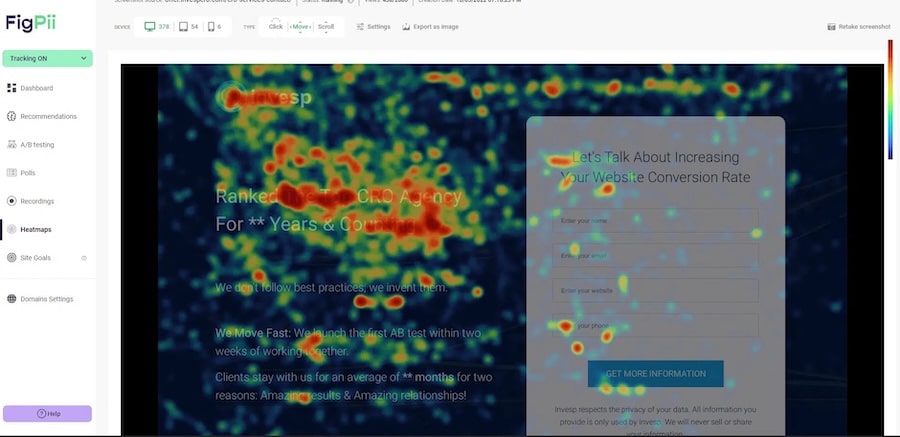
The use of heatmaps and session replays has revolutionized the way auditors view user interaction.
- Click Heatmaps: Reveal which elements attract the most engagement. If users are clicking on non-linked text or ignoring a primary Call-to-Action (CTA), it indicates a design flaw.
- Scroll Heatmaps: Show how far down a page users travel. If vital social proof or product details are buried in the “blue” (low-engagement) zones of a scroll map, they must be moved higher.
- Movement Heatmaps: Track mouse hovering, which often correlates with ocular attention on desktop devices.
Session replays offer a “movie-like” view of real user journeys, allowing auditors to witness “rage-clicking” (repeatedly clicking a broken button) or navigation confusion in real-time. These observations often reveal usability issues that automated tools might miss.

Direct Customer Feedback Mechanisms
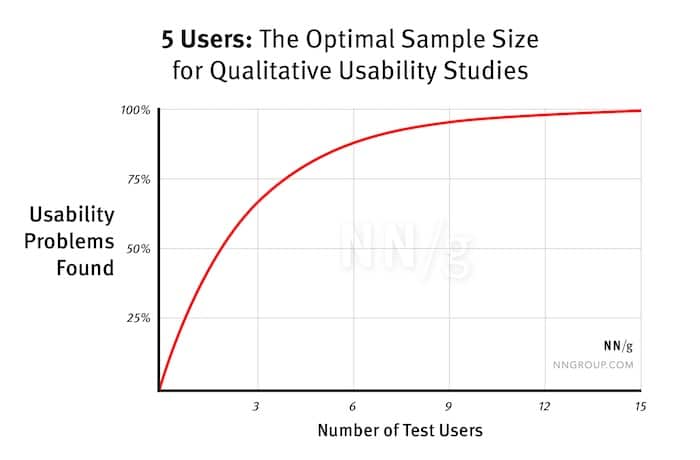
Surveys, exit polls, and user testing provide direct access to the consumer’s mindset. Modern auditing frameworks suggest that testing with as few as five users can uncover up to 85% of usability issues. This high-impact, low-cost approach is often supplemented by:
- Post-Purchase Surveys: Asking customers what almost stopped them from buying.
- Exit-Intent Polls: Triggered when a user moves to close the tab, asking a single, pointed question about why they are leaving.
- Customer Interviews: One-on-one conversations that dive deep into the emotional drivers of a purchase.
A notable case study from Invesp CRO demonstrated the power of qualitative data. By conducting user interviews, the team discovered that shoppers required more reassurance during the checkout process. By adding urgency cues such as “only 3 left in stock” and highlighting “free shipping,” the brand saw a 17% increase in conversions and a 12% increase in average order value (AOV).
Phase Three: Optimization of High-Impact Pages
With data and insights in hand, the audit moves to the prioritization of changes on the most critical pages: the Product Page and the Cart Page.
The Product Page Architecture
The product page is the ultimate decision-making hub. A successful audit examines four pillars:

- Product Imagery: High-quality, multi-angle photography is mandatory. Mark Perini, founder of ICEE Social, notes that in e-commerce, consumers “judge a book by its cover,” making professional photography a non-negotiable investment.
- Persuasive Copywriting: Descriptions should move beyond technical specifications to highlight benefits. Following the “Apple Model,” features (like “1,000 songs in your pocket”) should be tied to emotional and practical outcomes.
- Call-to-Action (CTA) Optimization: CTAs must be prominent, high-contrast, and placed above the fold. Ambiguous language should be replaced with clear, action-oriented text like “Add to Cart.”
- Social Proof Integration: Ratings, reviews, and user-generated content act as a psychological “safety net.” Statistics show customers are six times more likely to purchase if a product page features real social media imagery from other buyers.
The Cart Page and Friction Removal
The cart page must be a frictionless environment focused on three goals: clarity, simplicity, and speed. A professional audit of this page asks:
- Are there hidden costs revealed only at this stage?
- Is the “Continue to Checkout” button the most obvious element?
- Does the page load within the three-second threshold?
- Can the user easily modify their order (quantity, size, color) without leaving the page?
Broader Implications and Industry Analysis
The implications of regular CRO auditing extend far beyond immediate sales increases. In an era of tightening privacy regulations and the phasing out of third-party cookies, first-party data and on-site optimization have become the primary drivers of sustainable growth. By focusing on the user experience, brands build long-term trust and increase customer lifetime value (CLV), reducing their reliance on expensive ad platforms.
Furthermore, the rise of Artificial Intelligence in commerce is making CRO audits more sophisticated. Predictive analytics can now suggest layout changes based on vast datasets of user behavior, but the fundamental principles of the audit—centered on human psychology and technical excellence—remain constant.
Conclusion: The Path to Digital Resilience
As the e-commerce sector matures, the distinction between successful and struggling brands will increasingly depend on their commitment to data-driven optimization. A Conversion Rate Optimization audit is not a one-time project but a recurring strategic cycle. By systematically gathering quantitative data, interpreting qualitative insights, and prioritizing high-impact page improvements, businesses can transform their websites from static digital brochures into dynamic revenue engines. In the final analysis, the CRO audit is the most reliable tool for navigating the complexities of modern consumer behavior and ensuring the long-term health of a digital enterprise.