rifanmuazin
The widely used Yoast SEO Premium plugin has released version 27.6.1, which includes a critical security fix for a vulnerability found in its Redirect Manager. This update addresses a potential security flaw that, in specific configurations, could allow an authenticated user to inject malicious configuration into a site’s .htaccess file, potentially leading to severe consequences ranging from a site crash to remote code execution (RCE). While the vast majority of Yoast SEO Premium users, and those utilizing Yoast WooCommerce SEO or Yoast SEO AI+, are not impacted, the company strongly advises all users to update their plugins immediately to ensure optimal security and performance.
Understanding the Vulnerability and Its Potential Severity
The core of the vulnerability lies within the Redirect Manager feature of Yoast SEO Premium. An authenticated user, meaning someone with legitimate access to the WordPress administration panel, could exploit this flaw by introducing specially crafted characters into a redirect rule. These characters, when processed, could bypass existing sanitization or validation mechanisms, allowing for the injection of unexpected and potentially harmful configurations directly into the site’s .htaccess file.
The .htaccess file is a powerful configuration file used by the Apache web server (the most common web server for WordPress sites). It allows for directory-level configuration changes, such as defining redirects, setting custom error pages, restricting access, and modifying how content is served. Due to its direct influence over server behavior, unauthorized manipulation of the .htaccess file can have devastating effects. In the context of this vulnerability, the injected configuration could lead to a denial-of-service by crashing the website, or in the most severe cases, facilitate remote code execution.
Remote Code Execution (RCE) is one of the most critical types of vulnerabilities, granting an attacker the ability to run arbitrary code on the server hosting the website. This level of access could enable a malicious actor to completely compromise the website, steal sensitive data, deface the site, install backdoors, or even use the server as a launching pad for further attacks. Yoast has indicated that while RCE was a potential outcome, they have found no evidence of exploitation in the wild, and no known cases of abuse have been reported. This suggests that the vulnerability was likely identified and patched before it could be widely leveraged by malicious actors, underscoring the importance of proactive security measures and responsible disclosure.
Scope of Impact: Identifying Affected Users
Yoast emphasizes that the vulnerability impacts only a small subset of its user base. A site is potentially at risk only if all three of the following conditions are met simultaneously:
- The user is running Yoast SEO Premium: This specific functionality resides within the premium version of the plugin, or its derivatives like Yoast WooCommerce SEO or Yoast SEO AI+.
- The Redirect Manager feature is enabled: This feature, which allows users to manage redirects directly within WordPress, must be actively in use.
- The redirect method is set to
.htaccess: Yoast SEO Premium offers different methods for handling redirects. The vulnerability specifically affects sites configured to use the.htaccessmethod, which directly modifies the server configuration file. Other methods, such as those relying on WordPress’s internal redirect functions or other server configurations, are not affected.
To ascertain if their site is using the .htaccess redirect method, users can navigate to [www.yoursite.com]/wp-admin/admin.php?page=wpseo_redirects#/redirect-method in their WordPress admin panel. If the interface does not show .htaccess mode as enabled, the site is not considered to be at risk from this particular vulnerability. This targeted nature of the vulnerability explains why the “vast majority of users are not impacted,” providing a measure of relief while still necessitating prompt action from those who might be.
The Broader Context of WordPress Security
WordPress, powering over 43% of all websites on the internet, is a frequent target for cybercriminals. Its vast ecosystem of themes and plugins, while offering unparalleled flexibility and functionality, also presents a broad attack surface. Security vulnerabilities in plugins are a common occurrence, making regular updates and diligent security practices paramount for site administrators. In 2023 alone, thousands of vulnerabilities were reported across various WordPress plugins, highlighting the continuous cat-and-mouse game between developers and attackers.

The .htaccess file is particularly sensitive because it operates at the web server level, preceding WordPress itself in the request handling process. Any compromise of this file can effectively bypass many of the security measures implemented within WordPress, making vulnerabilities like this especially dangerous. This incident serves as a stark reminder of the critical importance of secure coding practices, rigorous input validation, and ongoing security audits for plugin developers.
Yoast’s Response and the Implemented Patch
Upon discovery of the vulnerability, Yoast’s security team acted swiftly to develop and deploy a patch. The release of Yoast SEO Premium 27.6.1 is the culmination of these efforts, incorporating a multi-layered defense strategy to prevent future exploitation. While specific technical details of the three layers of protection will be elaborated in an upcoming full security advisory, these typically involve:
- Enhanced Input Validation: Implementing more stringent checks on user-supplied input for redirect URLs and targets, ensuring that no special characters or malicious code can be passed through to the
.htaccessfile. This prevents the initial injection point. - Secure Output Encoding/Escaping: Even if malicious input somehow bypasses initial validation, properly encoding or escaping output ensures that it is treated as data, not executable code, when written to the
.htaccessfile. - Improved Authorization and Access Control: Reinforcing permission checks to ensure that only authorized actions can modify critical server configuration files, and that the process itself is secure against manipulation.
Yoast has confirmed that their review of a sample of sites using the affected configuration has found “no evidence of exploitation” and “no known cases of abuse.” This indicates that the vulnerability was likely identified and remediated through responsible disclosure channels, allowing the company to fix the issue before it could be widely exploited by malicious actors. This proactive approach by Yoast aligns with industry best practices for cybersecurity incident response.
Timeline of Events
While specific dates for the discovery and internal development phases are typically kept confidential for security reasons, a general chronology can be inferred:
- Prior to 27.6.1 Release: The vulnerability was identified, either internally by Yoast’s security team or through a responsible disclosure program by an external security researcher.
- Development of Patch: Yoast’s engineering team worked diligently to develop the multi-layered security fix.
- Internal Testing: The patch underwent thorough internal testing to ensure its effectiveness and to prevent any regressions or new issues.
- May 2024 (Inferred): Yoast SEO Premium 27.6.1 was officially released, incorporating the security fix.
- May 2024: The public announcement regarding the security fix was made, urging users to update.
- Soon: A comprehensive security advisory with more technical details is expected to be published by Yoast.
This timeline demonstrates a swift response typical of reputable software vendors when critical vulnerabilities are identified.
Recommendations for Users: What You Should Do
Yoast’s primary recommendation is clear and unequivocal: update to version 27.6.1 as soon as possible. This process is straightforward and can typically be completed by a WordPress administrator in under two minutes from the WordPress plugins screen.
For users who meet all three specific conditions (Yoast SEO Premium, Redirect Manager enabled, .htaccess method), the update is particularly urgent. Procrastination could leave their sites exposed to significant risk. Even for those who do not meet these conditions, and for whom the specific security fix may not apply, keeping all plugins, themes, and the WordPress core updated to their latest versions is a fundamental and non-negotiable best practice in web security. Updates often include not only security patches but also performance improvements and new features.
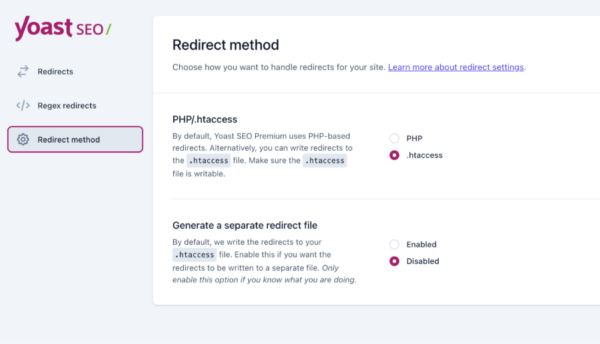
To re-verify if a site is at risk, users can check their redirect settings directly by navigating to [www.yoursite.com]/wp-admin/admin.php?page=wpseo_redirects#/redirect-method within their WordPress admin dashboard. If the interface confirms that .htaccess mode is not enabled for redirects, then the site is not exposed to this specific vulnerability. However, the general advice to update remains universally applicable.
Expert Commentary and Industry Perspective
Cybersecurity experts consistently emphasize the critical role of timely software updates. “Plugin vulnerabilities are a constant threat in the WordPress ecosystem,” states Dr. Anya Sharma, a cybersecurity researcher specializing in web application security. “While the specific impact of each vulnerability varies, the potential for remote code execution, as seen here, represents the highest level of risk. Developers like Yoast are responsible for patching these issues, but the ultimate responsibility for implementing those patches lies with the site owners and administrators.”
Industry observers also note that the “authenticated user” aspect of this vulnerability, while limiting the attack surface compared to an unauthenticated flaw, does not diminish its severity. An attacker could gain authenticated access through various means, such as phishing, brute-force attacks on weak credentials, or exploiting other, less severe vulnerabilities to gain an initial foothold. Once authenticated, this .htaccess injection could then be leveraged for full server compromise. This highlights the importance of strong user authentication, including unique, complex passwords and multi-factor authentication (MFA) for all WordPress users, especially administrators and editors.
Potential Ramifications and Long-Term Implications
While Yoast has reported no evidence of exploitation, the potential ramifications of such a vulnerability, if it had been widely exploited, are significant. For individual website owners, an RCE attack could lead to:
- Data Breach: Compromise of customer data, user credentials, and other sensitive information.
- Website Defacement: Damage to brand reputation and user trust.
- SEO Damage: Loss of search engine rankings, blacklisting by search engines, and removal from search results due to malicious content injection.
- Malware Distribution: The compromised site could be used to host and distribute malware to visitors, leading to further legal and ethical liabilities.
- Loss of Business: Downtime and operational disruption can result in significant financial losses.
For Yoast, this incident, despite being swiftly handled, serves as a reminder of the continuous need for vigilance in security. Maintaining user trust is paramount for a company whose products are integral to the online presence of millions. Their transparent communication and rapid response are crucial in reinforcing that trust. The upcoming full security advisory will provide a deeper technical understanding, aiding security researchers and sophisticated users in appreciating the nuances of the fix.
Yoast’s Ongoing Commitment to Security
Yoast has consistently positioned itself as a leader in the WordPress community, not just for SEO, but also for its commitment to the platform’s overall health and security. This incident underscores that commitment. By quickly identifying, patching, and communicating a critical vulnerability, they demonstrate responsible stewardship of their widely adopted software. Their support team remains available to address any questions or concerns users might have regarding this update or their security posture.
In conclusion, the release of Yoast SEO Premium 27.6.1 addresses a significant security vulnerability. While the immediate risk is contained to a specific configuration, the potential severity of the flaw necessitates immediate action from all affected users. Beyond this specific patch, the incident serves as a broader call to action for all WordPress users to prioritize regular updates, strong security practices, and continuous vigilance in managing their online assets. Yoast’s proactive measures and transparent communication are vital in maintaining the integrity of the WordPress ecosystem and the trust of its extensive user base.