
 rifanmuazin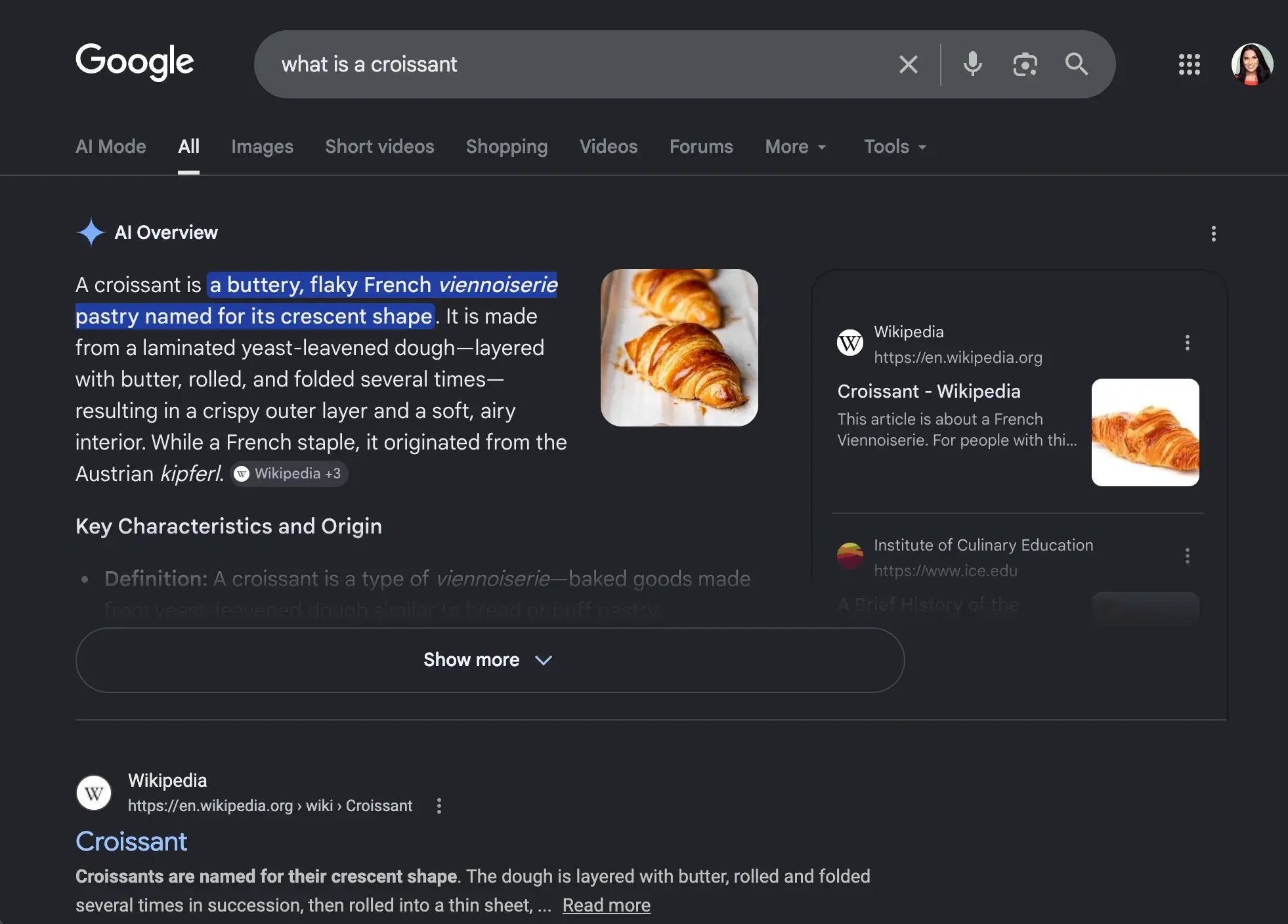
The digital marketing landscape is undergoing a profound transformation, driven by the rapid integration of artificial intelligence into core search functionalities. At the forefront of this shift are Google’s AI Overviews, a feature that synthesizes information from multiple sources to deliver direct, conversational answers at the top of search engine results pages (SERPs). This evolution, once a theoretical concern, is now a dominant reality for content creators and marketers worldwide, demanding a strategic pivot from traditional search engine optimization (SEO) to a more specialized approach known as Answer Engine Optimization (AEO).
The Ascendance of AI Overviews: A New Front Door to Information
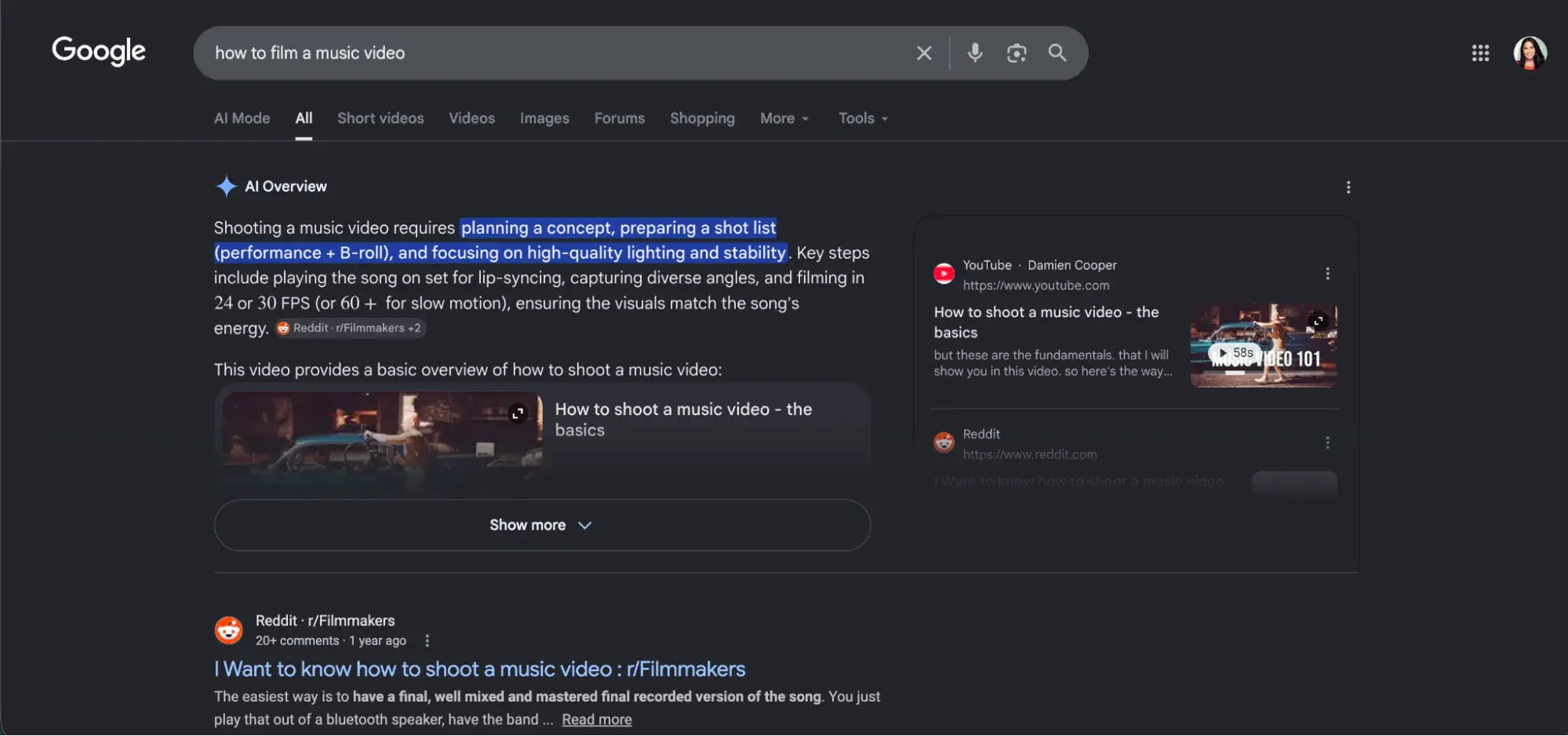
AI Overviews, sometimes referred to as “position zero” or formerly part of the Search Generative Experience (SGE), represent Google’s ambitious leap towards an answer-first internet. Unlike conventional SERPs that present a list of links for users to explore, AI Overviews leverage sophisticated AI models to understand complex queries and generate concise, comprehensive summaries. These summaries are designed to provide immediate value, drawing insights from various web sources and often citing them directly within the overview.
Google’s internal data underscores the monumental scale of this rollout. As of its I/O 2025 announcement, AI Overviews are actively serving 1.5 billion monthly users across more than 200 countries, making them an undeniable force in global information consumption. This widespread adoption signals a fundamental change in how users interact with search engines, moving from an exploratory link-clicking paradigm to an immediate answer-seeking one.
The introduction of AI Overviews is not merely an aesthetic update; it carries significant implications for website traffic and marketing outcomes. While the intent is to enhance user experience by streamlining information access, initial analyses, including those cited by HubSpot, suggest a measurable impact on organic website traffic. This phenomenon aligns with broader trends indicating a rise in “zero-click searches,” where users find their answers directly on the SERP without navigating to external websites. Research from SparkToro, for instance, revealed that even before the full-scale deployment of AI Overviews, nearly 60% of American Google searches concluded without a click to the open web, a figure predicted to increase further with AI integration.
Despite the potential challenges to traditional traffic models, industry experts and Google itself maintain an optimistic outlook. The core message is clear: AI Overviews reward content that is characterized by clarity, structured information, and genuine expertise. For content marketers who have consistently prioritized delivering real value and well-organized information, the transition to optimizing for AI Overviews builds upon existing best practices rather than overturning them entirely. However, it necessitates a more deliberate and refined approach to content architecture and presentation.
A Brief Chronology of AI in Search
Google’s journey towards an AI-powered search experience has been incremental, reflecting decades of research and development in natural language processing (NLP) and machine learning.
- Early 2000s: Google’s algorithms primarily focused on keywords, backlinks, and page relevance, laying the groundwork for traditional SEO.
- 2013: Hummingbird Update: This marked a significant shift towards understanding the meaning behind queries, not just individual keywords, paving the way for conversational search.
- 2015: RankBrain: The introduction of this AI system was a major milestone, allowing Google to better interpret ambiguous or novel queries and improve the relevance of results.
- 2019: BERT (Bidirectional Encoder Representations from Transformers): This deep learning algorithm dramatically enhanced Google’s ability to understand the nuances and context of words in search queries, especially longer, more conversational ones.
- 2020: MUM (Multitask Unified Model): An even more powerful AI, MUM, was designed to understand information across various formats (text, images, video) and in multiple languages, hinting at the multimodal future of search.
- 2023: Introduction of Search Generative Experience (SGE) / AI Overviews: Google officially began testing and rolling out generative AI summaries directly within the search results, initially as an opt-in feature, then gradually expanding its reach and making it a more prominent feature.
- 2025 (Projected): Google’s I/O 2025 announcements solidify AI Overviews as a core, pervasive element of the search experience, reaching billions of users globally and continuing to expand its multimodal capabilities. McKinsey’s projections indicate that AI-powered features could be present in 75% of Google’s results by 2028, underscoring the rapid trajectory of this transformation.
This chronology illustrates a consistent drive by Google to make search more intuitive, intelligent, and immediate, culminating in the current AI Overview era.
The Strategic Imperative for Marketers: Why AEO Matters
The data is unequivocal: AI Overviews are here to stay and will only grow in prominence. For marketers, this translates into a clear mandate: content must be structured and optimized not just for human readers and traditional algorithms, but also for AI systems. Failure to adapt risks rendering a brand’s valuable content invisible to a massive and expanding audience that increasingly relies on AI-generated summaries.

This strategic shift is what defines Answer Engine Optimization (AEO). AEO extends beyond the traditional goals of SEO, which primarily focuses on ranking pages in a list of links. AEO’s objective is to ensure that a brand’s content is effectively parsed, understood, and cited within AI Overviews. While a high organic search ranking remains beneficial, AEO acknowledges that direct citation within an AI summary provides unparalleled visibility, even if it doesn’t always translate into an immediate click-through.
Research by SE Ranking consistently shows that well-structured content, designed for easy extraction, is favored in AI Overview citations. A significant percentage of content cited in AI Overviews (ranging from 40-76% according to Search Engine Land) also appears in the top 10 traditional search results, indicating a strong correlation but not a complete overlap. This implies that content can be cited by AI even if it doesn’t hold the coveted #1 organic spot, purely because it offers the most direct and valuable answer to a query.
Google’s Guiding Principles for AI-Optimized Content
Google’s official guidance on succeeding in AI search consistently echoes its long-standing emphasis on high-quality, user-centric content. The core principles that Google looks for when selecting content for AI Overviews include:
- Clarity and Extractability: Content must provide direct, succinct answers to specific questions. AI systems are designed to identify and extract precise pieces of information. If an answer is buried deep within a lengthy narrative, its chances of being cited diminish significantly. Google explicitly states that the best approach is to create content genuinely useful to readers, offering real value and demonstrable expertise.
- Authority and Trust Signals (E-E-A-T): Google’s E-E-A-T framework (Experience, Expertise, Authoritativeness, Trustworthiness) is more critical than ever. This encompasses a site’s overall reputation, the depth and comprehensiveness of its topical coverage, clear authorship signals, and external validation through quality backlinks and brand mentions. Content from authoritative sources is inherently more likely to be deemed trustworthy by AI for summarization.
- Easy-to-Skim Structure: Content formatted for readability and quick comprehension by humans is also ideal for AI. This includes the strategic use of headings (H2, H3), bulleted or numbered lists, question-based subheadings, and clearly defined sections. SellersCommerce reports that 78% of AI Overview responses feature either ordered or unordered lists, with unordered lists appearing in 61% of all AI Overviews, highlighting the preference for scannable formats.
- Crawlability and Page Experience: The technical foundation of traditional SEO remains paramount. If a page isn’t crawlable, fast-loading, mobile-friendly, and secure (HTTPS), it won’t even be considered by Google’s AI systems. Core Web Vitals and overall page experience signals continue to be fundamental prerequisites.
Tactics for Enhancing Visibility in AI Overviews
While AEO is an evolving field, several tactical approaches have emerged as highly effective:
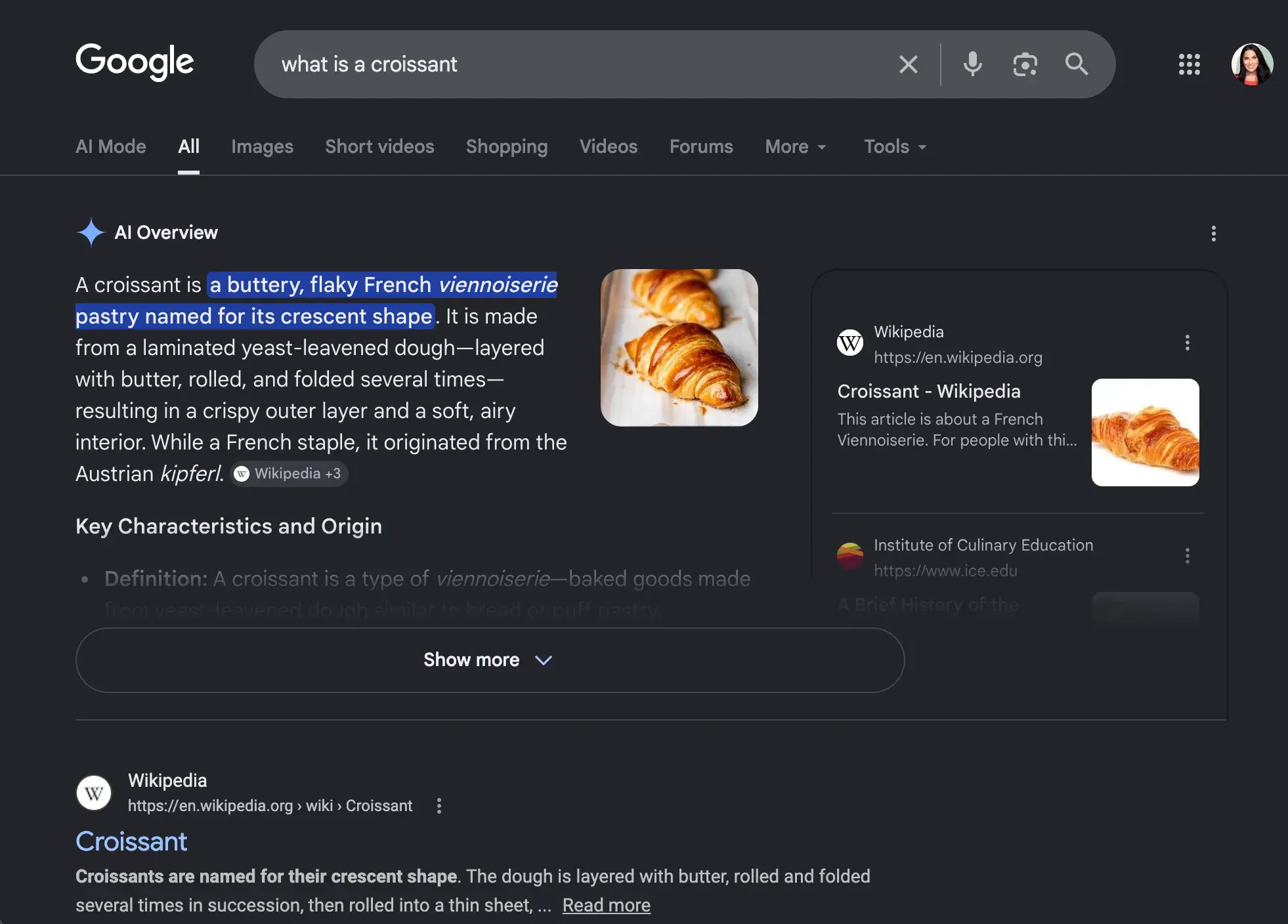
- Answer-First Phrasing: This strategy involves providing a clear, concise answer immediately after a question-based heading, before expanding with further context or detail. This mirrors how AI systems process information. For example, under an H2 heading “What is a Croissant?”, the immediate next sentence should define a croissant, followed by elaboration. Studies indicate that dense paragraphs hinder AI’s ability to extract information, making answer-first phrasing a high-leverage content edit. Incorporating FAQ Schema can further enhance this by explicitly structuring question-and-answer pairs for AI.
- Long-tail Keywords and Conversational Language: AI Overviews are predominantly triggered by informational, long-tail, and question-based queries. Data suggests that 99.9% of informational keyword searches can trigger AI Overviews, with 57.9% being question queries and 46% being long-tail queries of seven or more words. Queries with eight or more words are seven times more likely to trigger an AI Overview than shorter searches. Marketers should focus on identifying and addressing these specific, often conversational, questions that users ask naturally.
- Scannable Content Formatting: Beyond basic headings and lists, effective formatting for AEO includes:
- Short paragraphs: Breaking up text into digestible chunks.
- Bold text: Highlighting key terms or phrases that directly answer parts of a query.
- Callout boxes or summary sections: Providing quick takeaways.
- Tables and charts: Presenting comparative or statistical information clearly.
The goal is to ensure the content can be scanned quickly by both AI and human users to find specific answers.
- Entity Schema and Topic Clusters: Implementing structured data (schema markup) helps Google’s AI understand the entities (people, places, concepts) and their relationships within your content and across your site. Relevant schema types include
FAQPage,HowTo,Article,Organization, andProduct. Crucially, the structured data must accurately reflect the visible content on the page to maintain credibility. Furthermore, building comprehensive topic clusters – interconnected pages covering a broad subject area – demonstrates deep topical authority, aligning with Google’s E-E-A-T framework and signaling expertise to AI systems. - Multimodal Content Integration: Google’s AI Overviews are increasingly multimodal, incorporating images, videos, and diagrams alongside text. To capitalize on this, marketers should:
- Optimize media: Use descriptive alt text for images, provide transcripts and captions for videos, and ensure all media is relevant and high-quality.
- Create original visuals: Unique infographics, charts, and explainer videos can become primary sources for AI summaries.
- Structure media: Embed media thoughtfully within the content, ensuring it directly supports the text and answers specific visual queries.
Measuring Impact and Iterating in the AEO Era
Measuring the success of AEO and AI Overview visibility requires a recalibration of traditional metrics. While click-through rates (CTR) remain important, they no longer tell the whole story in a zero-click environment. Marketers must expand their measurement framework to include:
- AI Overview Visibility: Tracking when and how often a brand’s content is cited in AI Overviews.
- Branded Search Volume: An increase in direct branded searches following AI Overview exposure suggests enhanced brand awareness and trust.
- Brand Mentions and Citations: Monitoring where and how the brand is mentioned across the web, especially in the context of specific topics addressed by AI Overviews.
- Engagement Metrics (on-site): For users who do click through, analyzing time on page, bounce rate, and conversion rates to assess content quality and user satisfaction.
Specialized tools are emerging to address the unique challenges of AI Overview tracking. Platforms like HubSpot AEO are designed to provide visibility and analytics on how brands appear in AI-generated answers across various systems, including Google’s AI Overviews, ChatGPT, Perplexity, and Gemini. These tools can identify where a brand is cited, how its content is represented, and highlight gaps compared to competitors, enabling data-driven optimization.
The timeline for seeing AEO results can vary. For established sites making significant content restructuring, early signals like increased SERP impressions in Google Search Console might appear within weeks. Newer sites building topical authority from scratch may require several months.
A critical consideration for publishers is the issue of attribution. While AI Overviews aim to cite sources, the direct answer format can reduce click-throughs, impacting revenue models dependent on traffic. However, studies like one by Seer Interactive suggest a silver lining: brands cited in an AI Overview can see a 35% higher organic CTR. The increased familiarity and implied endorsement from being part of an official Google answer can foster trust and, over time, drive direct engagement. Furthermore, Google provides mechanisms like nosnippet and max-snippet tags, allowing publishers to control how their content is used in summaries, though this comes with the tradeoff of reduced AI visibility.
Beyond Google: The Broader Answer Engine Landscape
The shift towards answer-driven search extends beyond Google. Other AI systems like ChatGPT, Perplexity AI, and Gemini are rapidly gaining traction as alternative information discovery platforms. This broader landscape underscores the importance of a comprehensive AEO strategy that considers how content performs across all “answer engines.”
HubSpot AEO, for example, is built to address this wider ecosystem, helping marketing teams understand and improve their presence in AI-generated answers across multiple platforms. In 2026 and beyond, the objective for marketers is no longer just about ranking a webpage; it’s about ensuring a brand’s expertise and content are an integral part of the definitive answers users receive, regardless of the AI system they consult. This represents a fundamental reorientation of digital strategy, positioning content not just as a destination, but as a core component of the answer itself.









