rifanmuazin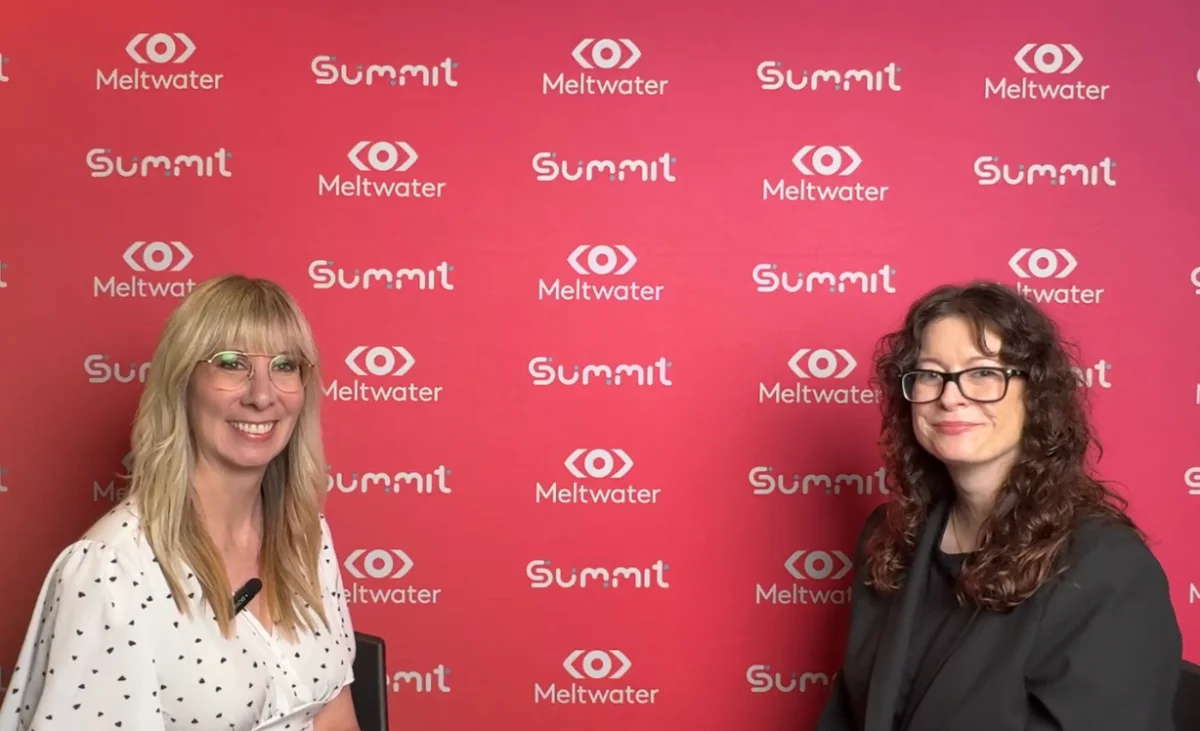
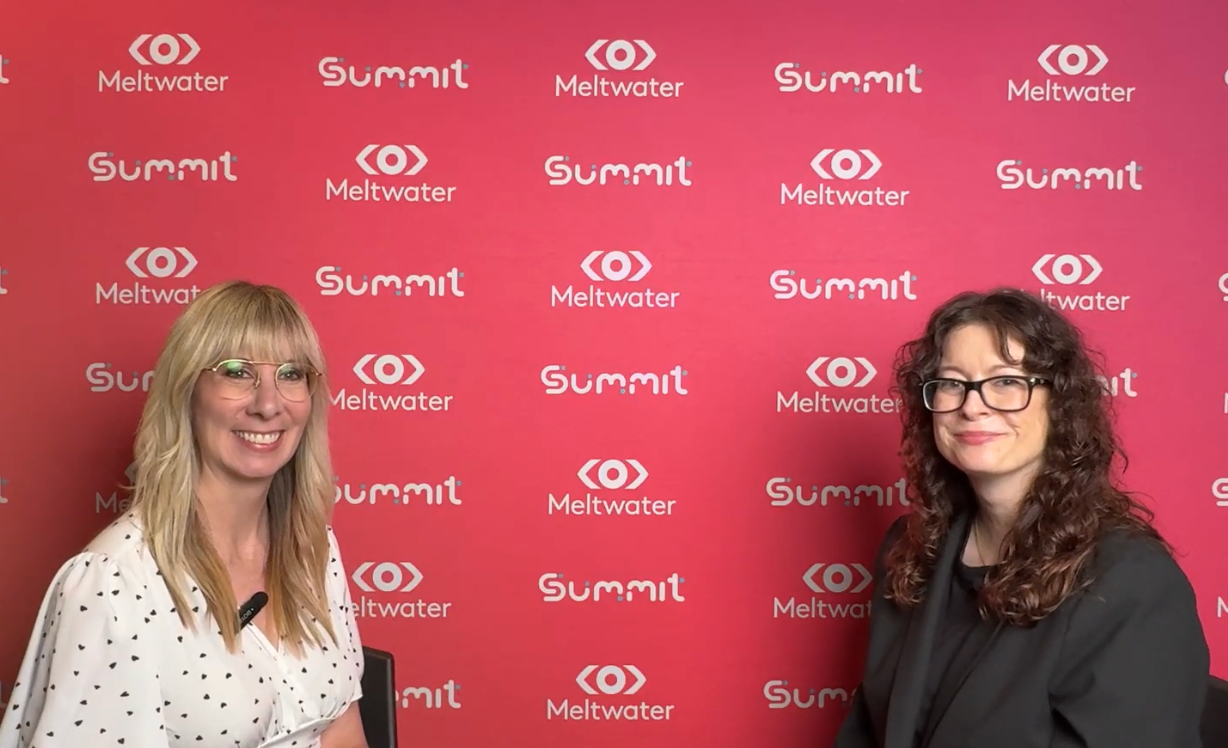
At the 2026 Meltwater Summit, a premier gathering for global marketing and communications leaders, Lisa Zlotnick, Head of U.S. Brand PR for the global e-commerce giant SHEIN, outlined the strategic framework behind one of the brand’s most impactful experiential initiatives to date. In an in-depth conversation with PRNEWS Managing Editor Nicole Schuman, Zlotnick revealed how the company utilized a massive data set derived from its own user base to move beyond traditional advertising, instead fostering a community-centric “Festival House” campaign that resonated with the highly discerning Gen Z demographic. The campaign’s success was predicated on a fundamental shift in corporate philosophy: breaking down internal departmental silos to ensure that every marketing arm—from PR to social media—was aligned from the project’s inception.
The Genesis of the Festival House Campaign
The “Festival House” campaign did not begin with a creative brainstorm in a boardroom, but rather with a comprehensive data-mining effort. SHEIN issued a survey to its highly engaged app users, garnering responses from 18,000 individuals. This direct line to the consumer provided the brand with a roadmap of the specific needs, timelines, and financial constraints of the modern festival-goer.
According to Zlotnick, the survey results were illuminating. The data revealed that approximately 70% of SHEIN’s customers began shopping for festival attire three to four weeks before the events took place. Furthermore, these consumers were not looking for a single outfit; they were planning “fits” for every day of a festival, often requiring two to three distinct looks per day to accommodate different events and photo opportunities.
The most critical insight, however, concerned price sensitivity. In an era where Gen Z is increasingly conscious of their spending power, the respondents were remarkably specific about their budgets. They expected to spend no more than $25 for primary items like tops and shorts, and no more than $10 for accessories such as sunglasses and hats. This data transformed the internal perception of the SHEIN customer from an impulse buyer to a “considered” purchaser who values pre-planning and extreme cost-efficiency.
Chronology of Execution: From Insight to Melrose Avenue
Armed with this data, SHEIN’s integrated marketing team designed “Festival House,” a physical pop-up experience located on the iconic Melrose Avenue in Los Angeles. The timeline of the activation was carefully choreographed to maximize both prestige and accessibility:
- Phase One: The Media and Influencer Launch: The activation began with an exclusive opening for media representatives, high-tier influencers, VIPs, and celebrities. This phase was designed to generate high-quality content and “buzz” that would trickle down through social media channels.
- Phase Two: The Public Activation: Following the VIP launch, the space was opened to the general public for a four-day long weekend. This allowed everyday customers to inhabit the same “VIP space,” engage with the brand physically, and purchase their curated festival looks.
- Phase Three: The “Live” Proof of Concept: Because the activation occurred weeks before the actual music festivals (such as Coachella and Stagecoach), the brand was able to track the lifecycle of the garments. During the festival weekends, SHEIN’s content teams monitored social media to see customers wearing the specific “fits” they had purchased at the Festival House, providing a closed-loop validation of the campaign’s effectiveness.
Zlotnick emphasized that for a purely digital retailer, the ability to provide a physical space where customers can “see, touch, and feel” the quality of the products is an essential component of building long-term trust and brand loyalty.
Breaking Down Internal Silos: A New PR Paradigm
A recurring theme in Zlotnick’s presentation was the necessity of organizational integration. She argued that the traditional model—where PR, communications, influencer marketing, and social media teams operate in “corners”—is no longer viable in a fast-paced retail environment.
“It’s so important when you have an idea to bring everybody to the table,” Zlotnick stated. She noted that in many organizations, the social media team is often the last to be briefed on a campaign. By the time they are involved, the strategy is set, and they are merely tasked with distribution. At SHEIN, the “Festival House” project involved every team from the “get-go.” This allowed the social media team to help strategize how the event would look on-screen before the first brick was laid, ensuring that the physical space was inherently “Instagrammable” and “TikTok-ready.”
This collaborative approach extended to the influencer team, led by Jennifer Brown, who worked alongside the experiential and PR teams to ensure that the celebrities and creators brought into the space were not just there for a paycheck, but were a natural fit for the brand’s community-building goals.
Supporting Data and Market Context
The success of SHEIN’s “Festival House” reflects broader trends in the 2026 retail landscape. According to industry reports discussed at the Meltwater Summit, experiential marketing spend has seen a 15% year-over-year increase as brands struggle to bypass digital ad fatigue.
The $25 price point identified by SHEIN’s survey is also reflective of a wider economic trend among Gen Z. While often characterized as a generation driven by values, Gen Z is also highly pragmatic. Data from the 2025 Retail Consumer Report indicates that 62% of Gen Z shoppers prioritize “value for money” over brand name, making SHEIN’s data-driven pricing strategy a formidable competitive advantage.
Furthermore, the choice of Los Angeles as a hub for the activation was strategic. Southern California remains the epicenter of global festival culture. By capturing the audience at the source, SHEIN positioned itself not just as a vendor, but as a facilitator of the festival experience itself.
Engaging the Discerning Gen Z Audience
Nicole Schuman of PRNEWS highlighted that Gen Z is perhaps the most “discerning” commercial audience in history. They possess a high degree of “cultural intelligence” and can easily detect inauthentic marketing.
Zlotnick agreed, noting that Gen Z has grown up immersed in social media and understands the mechanics of advertising. “You can’t market at them,” Zlotnick explained. “You need to build with them.” This philosophy of “building with” the audience involves creating a sense of community where the consumer feels like a participant rather than a target.
The Festival House achieved this by democratizing the VIP experience. By allowing the general public to access the same photo-op moments and high-design environments as top-tier influencers, SHEIN effectively signaled that its community is inclusive. This strategy mitigates the “us vs. them” dynamic that often plagues luxury or exclusive brand activations.
Insights from the 2026 Meltwater Summit
The Meltwater Summit provided a backdrop of high-level industry analysis, including a keynote from Gwyneth Paltrow, who discussed the evolution of her brand, Goop, and the concept of “Total Addressable Market” (TAM) in a fragmented media world.
Zlotnick noted that the summit served as a vital forum for learning how other brands are navigating the complexities of the current market. Common themes across the summit included the rise of AI-driven consumer insights, the importance of first-party data in a cookieless world, and the shift toward “intentional” shopping habits.
The consensus among communications leaders at the event was that the “pain points” for modern brands often stem from a lack of agility. Brands that cannot pivot based on real-time consumer data—as SHEIN did with its 18,000-user survey—risk becoming irrelevant to a generation that moves at the speed of a viral trend.
Broader Impact and Industry Implications
The “Festival House” campaign serves as a case study for the future of omnichannel retail. As online-first giants like SHEIN and its competitors continue to explore physical footprints, the goal is rarely permanent brick-and-mortar expansion. Instead, the focus is on “brand moments”—high-impact, temporary activations that serve as content engines for digital platforms.
The implications for the PR industry are significant. The role of the PR professional is evolving from a “gatekeeper” of information to a “community architect.” Success is no longer measured solely by media placements, but by the depth of integration across all consumer touchpoints.
For SHEIN, the “Festival House” was more than a pop-up shop; it was a demonstration of the power of listening. By asking its customers what they wanted, when they wanted it, and what they were willing to pay, the brand was able to create a campaign that was both commercially successful and culturally resonant. As the retail industry moves further into 2026, the brands that thrive will be those that view their customers not as data points, but as partners in the creative process.
The takeaway for marketing and PR leaders attending the Meltwater Summit was clear: the era of top-down marketing is over. In its place is a new model defined by transparency, integration, and an unwavering commitment to consumer-led strategy. Through its “Festival House” initiative, SHEIN has provided a blueprint for how to navigate this new terrain, proving that even a global giant can maintain a personal connection with its community through the intelligent application of data and a commitment to breaking down internal barriers.