rifanmuazin
Social media archiving, a critical yet often underestimated component of modern digital governance, involves the systematic process of capturing, preserving, and securely storing all social media content in a legally defensible format. This encompasses not just public posts, comments, and direct messages, but also multimedia attachments, real-time edits, deletions, and the crucial metadata underpinning every interaction. For entities operating within government and highly regulated sectors, this practice transcends mere best practice; it is a stringent regulatory requirement, essential for ensuring transparency, fulfilling public record obligations, and mitigating significant legal and reputational risks.
The Evolving Landscape of Digital Records
The advent of social media fundamentally transformed communication paradigms, quickly becoming an indispensable tool for public engagement, marketing, and internal operations across all sectors. Government agencies utilize platforms like X (formerly Twitter), Facebook, and Instagram to disseminate vital information, engage with constituents, and solicit feedback, recognizing them as new public forums. Similarly, financial institutions, healthcare providers, and educational bodies leverage these channels for outreach, customer service, and community building. This widespread adoption, however, introduced unprecedented challenges for record-keeping and compliance. Unlike traditional forms of communication, social media content is dynamic, ephemeral, and often decentralized, making conventional archiving methods obsolete. The inherent impermanence of digital interactions, coupled with the private ownership of social media platforms – which are not subject to public record laws and can alter data access via API changes without warning – necessitates a purpose-built, proactive archiving solution. Without such a system, regulated organizations risk operating in a compliance vacuum, vulnerable to a myriad of legal, financial, and reputational repercussions.
Mandates for Transparency and Accountability
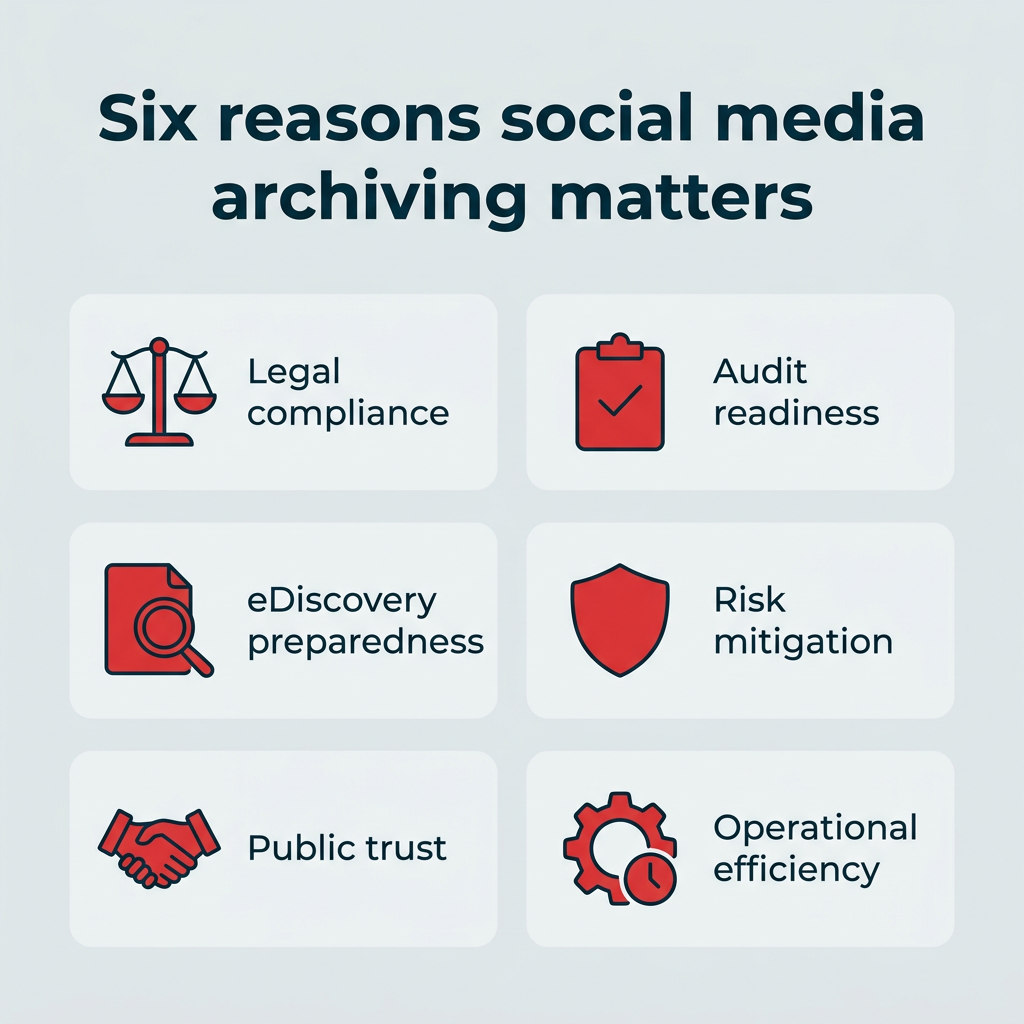
The imperative for robust social media archiving is rooted deeply in a complex web of legal and regulatory frameworks designed to ensure accountability, transparency, and data protection. These mandates vary significantly by jurisdiction and industry, yet share a common objective: to treat digital communications as official records requiring meticulous preservation. Organizations must maintain an incontrovertible archive of their social media footprint, making these records readily accessible for audits, public information requests, and legal discovery processes. The absence of such an archive can render an entity defenseless against challenges, underscoring archiving as a foundational element of any comprehensive risk management strategy.

Government Agencies and the Public Record
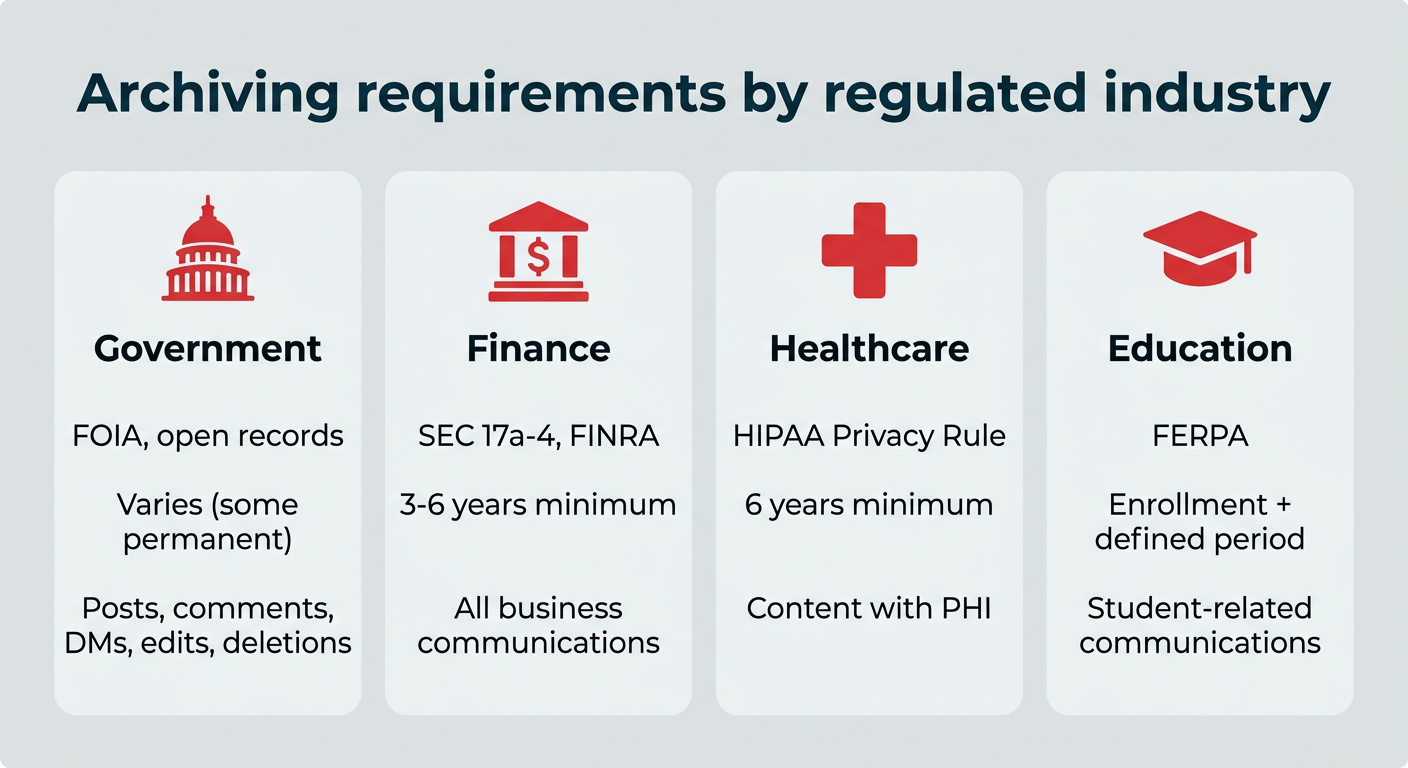
In the United States, the Freedom of Information Act (FOIA), enacted in 1966, and analogous state open records laws explicitly categorize social media content originating from official government accounts as public records. This legal classification extends to all forms of interaction, including posts, comments, direct messages, and even edits and deletions. Agencies are obligated to archive these digital exchanges to uphold the principles of governmental transparency and public access to information. Furthermore, social media platforms are recognized as public forums, extending First Amendment protections to citizen commentary. This means government entities cannot arbitrarily block users or delete comments without cause; any removal must be justifiable and, crucially, preserved within an archive to demonstrate compliance and defend against potential First Amendment challenges. The National Archives and Records Administration (NARA) provides guidelines, emphasizing that retention periods for government social media can vary, with some content requiring permanent preservation, reflecting the enduring historical value of public communication.
Financial Sector’s Strict Regimen
The financial industry operates under some of the most stringent regulatory requirements, with bodies like the Securities and Exchange Commission (SEC) and the Financial Industry Regulatory Authority (FINRA) imposing strict rules on electronic communications. SEC Rule 17a-4 and FINRA Rules 3110 and 2210 mandate the archiving of all business-related social media communications, including promotional content, client interactions, and any activity that constitutes a business record. These regulations typically stipulate retention periods ranging from a minimum of three to six years. A significant area of increased scrutiny has been “off-channel communications”—interactions occurring on platforms like WhatsApp or Signal that are not officially sanctioned or monitored. Recent enforcement actions have seen major financial firms incur substantial fines, sometimes in the hundreds of millions of dollars, for failing to capture and retain these records. For instance, in September 2022, the SEC announced charges against 16 financial firms for widespread failures to preserve electronic communications, resulting in penalties totaling over $1.1 billion, followed by additional significant fines in 2023. This trend underscores the critical need for comprehensive policies and technologies that capture all business-related digital communications, regardless of the platform used.
Healthcare’s Privacy Imperative
For healthcare providers, the Health Insurance Portability and Accountability Act (HIPAA) Privacy Rule, established in 1996, dictates strict standards for the protection of Protected Health Information (PHI). Any social media content that contains or references PHI must be meticulously archived while adhering to rigorous privacy and security protocols. The unauthorized sharing of PHI on social media carries not only significant reputational risks but also severe legal penalties, with fines reaching over $2 million per violation. This necessitates robust archiving mechanisms, particularly when patients initiate contact or inadvertently share personal health details in comments or direct messages on official organizational accounts. Even if such content is promptly deleted from public view to protect patient privacy, the original interaction must be preserved within the secure archive to demonstrate compliance and accountability. Healthcare organizations must also implement comprehensive staff training programs to identify PHI in social media interactions and establish clear protocols for escalation, documentation, and appropriate response.
Educational Institutions and Student Data
Educational institutions, from K-12 schools to universities, are governed by the Family Educational Rights and Privacy Act (FERPA), signed into law in 1974, which safeguards the privacy of student education records. Under FERPA, social media communications pertaining to students can constitute part of their educational record. This means any digital content that identifies a student or references their academic performance, disciplinary actions, or enrollment status must be archived and protected in accordance with the law. For instance, a university athletics department posting about a student athlete’s academic eligibility on social media would create an educational record that falls under FERPA’s purview and must be retained for the prescribed duration, typically the length of enrollment plus a defined post-enrollment period. Compliance here requires careful management of public-facing social media to avoid inadvertent disclosures and a robust system to archive any communications that do become part of a student’s record.
Global Considerations: Data Residency and Privacy
Beyond industry-specific regulations, regional privacy laws introduce further complexities, particularly concerning data residency. These regulations dictate not only what data must be stored but also where it must be physically located. For example, the Government of British Columbia has explicit guidelines on social media use, prohibiting discussion of confidential information or sensitive personal data. Australia’s privacy and public data policies mandate that social content generated by government agencies be archived in Australian data centers, significantly narrowing the choice of archiving solutions for public sector entities in the region. Similarly, organizations operating within the European Union must comply with the General Data Protection Regulation (GDPR), implemented in 2018, which imposes stringent rules on the collection, storage, processing, and transfer of personal data, including personally identifiable information (PII) found in social media content. These requirements underscore the necessity for archiving solutions that offer flexible data residency options and robust privacy controls to ensure global compliance.
The Peril of Non-Compliance
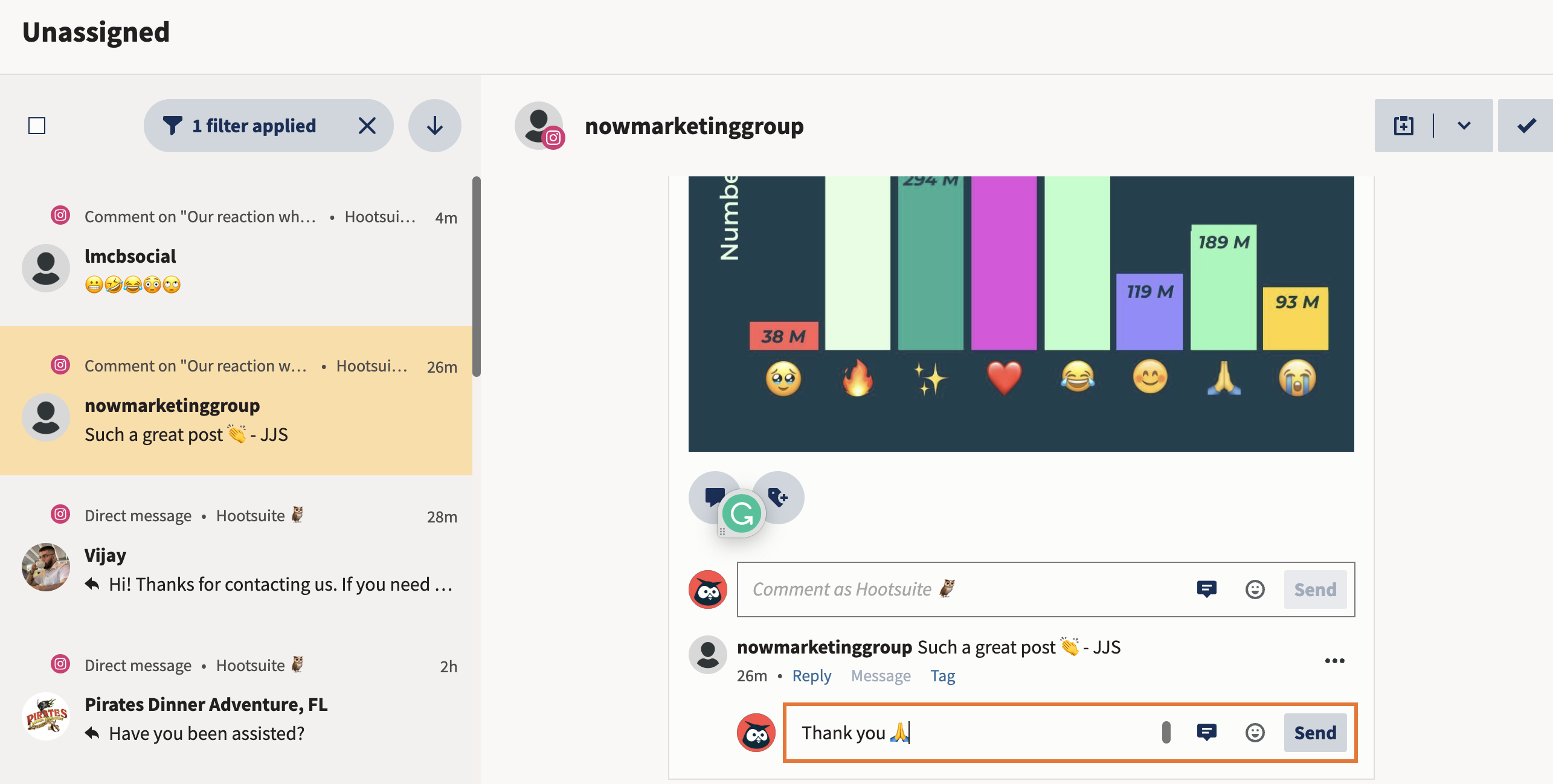
The failure to implement and maintain a compliant social media archiving strategy exposes regulated organizations to a spectrum of severe consequences. The financial implications alone can be staggering. Recent years have seen regulatory bodies, particularly in the financial sector, levy unprecedented fines for records retention failures. For example, in 2022 and 2023, the SEC and CFTC collectively imposed over $2 billion in fines against major financial firms for widespread failures to preserve electronic communications, including those on unauthorized messaging apps. This demonstrates a clear regulatory intent to vigorously enforce digital record-keeping mandates.
Legal Ramifications and Financial Penalties
Beyond direct fines, non-compliance can lead to adverse legal outcomes. Inability to produce required records during eDiscovery processes can result in court sanctions, adverse inferences against the organization, or even default judgments. Failed responses to FOIA or public records requests can trigger lawsuits, forcing agencies to bear legal costs and potentially compromising critical operations. The absence of a tamper-proof archive also weakens an organization’s defense against First Amendment challenges, where the context and history of deleted comments are crucial for justifying administrative actions. These legal exposures translate directly into substantial financial burdens, diverting resources from core missions.
Erosion of Public Trust and Reputation
Perhaps less quantifiable but equally damaging is the erosion of public trust and reputational damage. For government agencies, transparency is paramount. A perceived failure to uphold open records laws can lead to public outcry, media scrutiny, and a significant loss of public confidence in the institution’s integrity. In highly competitive sectors like finance or healthcare, a compliance scandal can damage client relationships, deter new business, and negatively impact market valuation. Maintaining a reputation for ethical conduct and regulatory adherence is a strategic asset, and archiving plays a vital role in safeguarding it.
Building a Robust Social Media Archiving Strategy
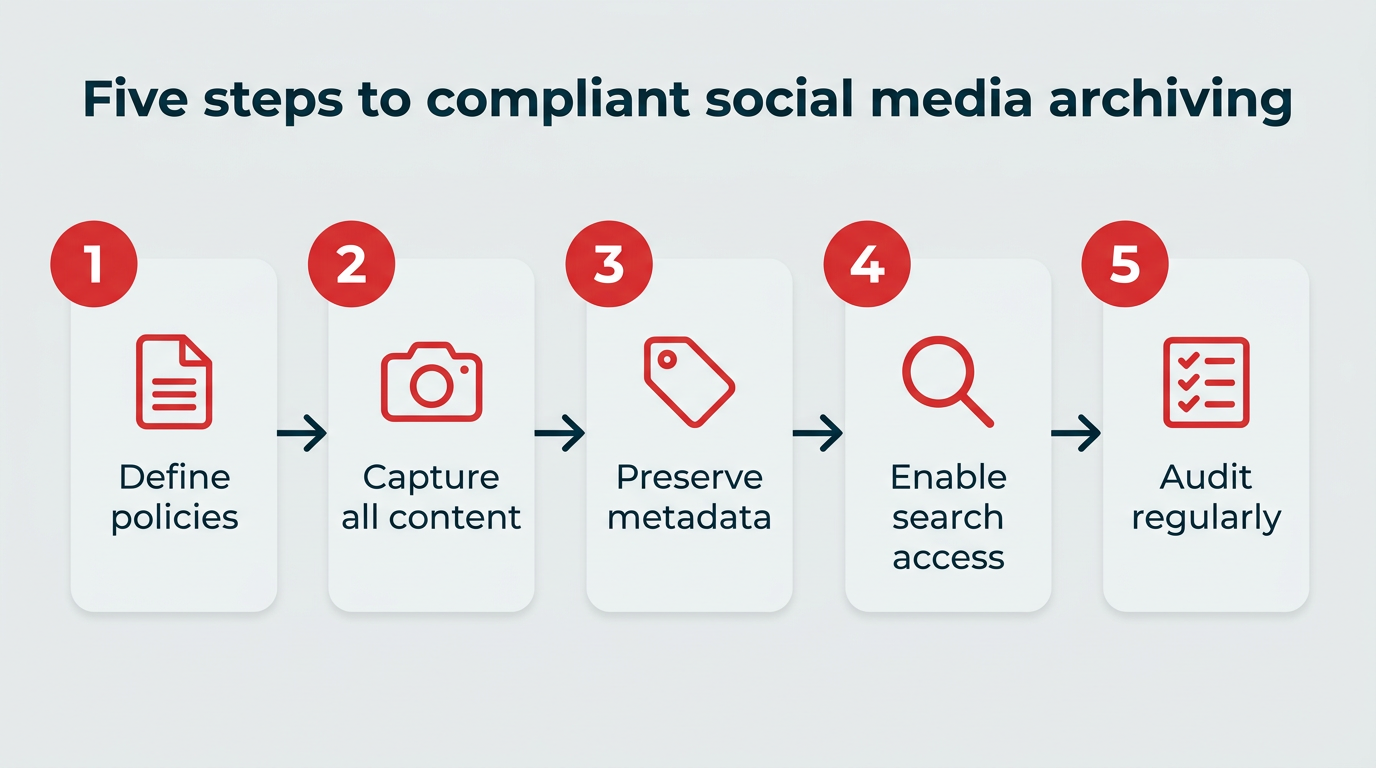
Establishing a truly compliant social media archiving process requires a systematic, multi-faceted approach. It’s not merely about purchasing a tool but integrating it into a broader governance framework. The following five core steps provide a roadmap for organizations to build a legally defensible and operationally efficient archiving system.
Establishing Clear Policies and Procedures
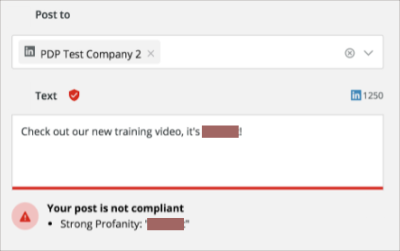
The bedrock of any effective archiving strategy is a meticulously defined set of policies and procedures. This initial step involves a thorough review of all applicable legislation and regulations relevant to the organization’s industry and jurisdiction. Policies should clearly delineate what content must be archived, for how long, and under what conditions. These guidelines must be seamlessly integrated into the organization’s overarching social media policy and readily accessible to all staff involved in social media management. Key policy considerations include: a clear process for approving new social media accounts to ensure they are immediately brought under the archiving umbrella; detailed guidelines on content moderation, including permissible reasons for deleting or hiding comments; and strict adherence to data residency requirements, which may limit the choice of archiving vendors. A well-documented governance plan, regularly reviewed and updated, serves as the organizational compass for all record-keeping efforts.
Comprehensive Content Capture: Beyond the Visible
The essence of archiving is the complete and continuous capture of all social media communications. This extends far beyond merely preserving public posts. A compliant archive must capture every iteration of content, including original posts, subsequent edits, and any deletions. This is crucial for demonstrating compliance with open records laws that require retention of every version of public-facing content. Furthermore, all comments made on official accounts must be captured, even if they are subsequently deleted or hidden by either the original poster or the page administrator. This capability is vital for defending against First Amendment challenges, where proof of cause for removal—such as the violation of an acceptable use policy—is essential. The archive should also ideally encompass content where the organization is tagged or mentioned, as these interactions can constitute reportable communications, particularly for government agencies where public sentiment and mentions are integral to understanding civic discourse. This necessitates purpose-built archiving tools capable of real-time, comprehensive data capture that native social platforms cannot provide.
The Indispensable Role of Metadata and Context
For an archive to be legally defensible, it must capture not only the content itself but also its associated metadata and contextual information. Screenshots, while illustrative, are generally insufficient as legal evidence due to their susceptibility to manipulation. Metadata—data about the data—provides an irrefutable audit trail. A complete archive must capture timestamps (creation, modification, deletion), user identification (author, commenter), device information (type, IP address), geolocation data, and a full edit history. This granular detail allows organizations to reconstruct entire conversations, verify authenticity, and prove that records are complete and untampered. Contextual information is equally vital, capturing the surrounding conversation or thread in which a comment was made. A seemingly innocuous standalone comment might, when viewed in context, reveal a violation of privacy (e.g., sharing PHI) or a threat, justifying its removal and providing critical evidence for legal defense. Without this rich metadata and context, an archived social media file is unlikely to withstand legal scrutiny.
Ensuring Accessibility and Searchability
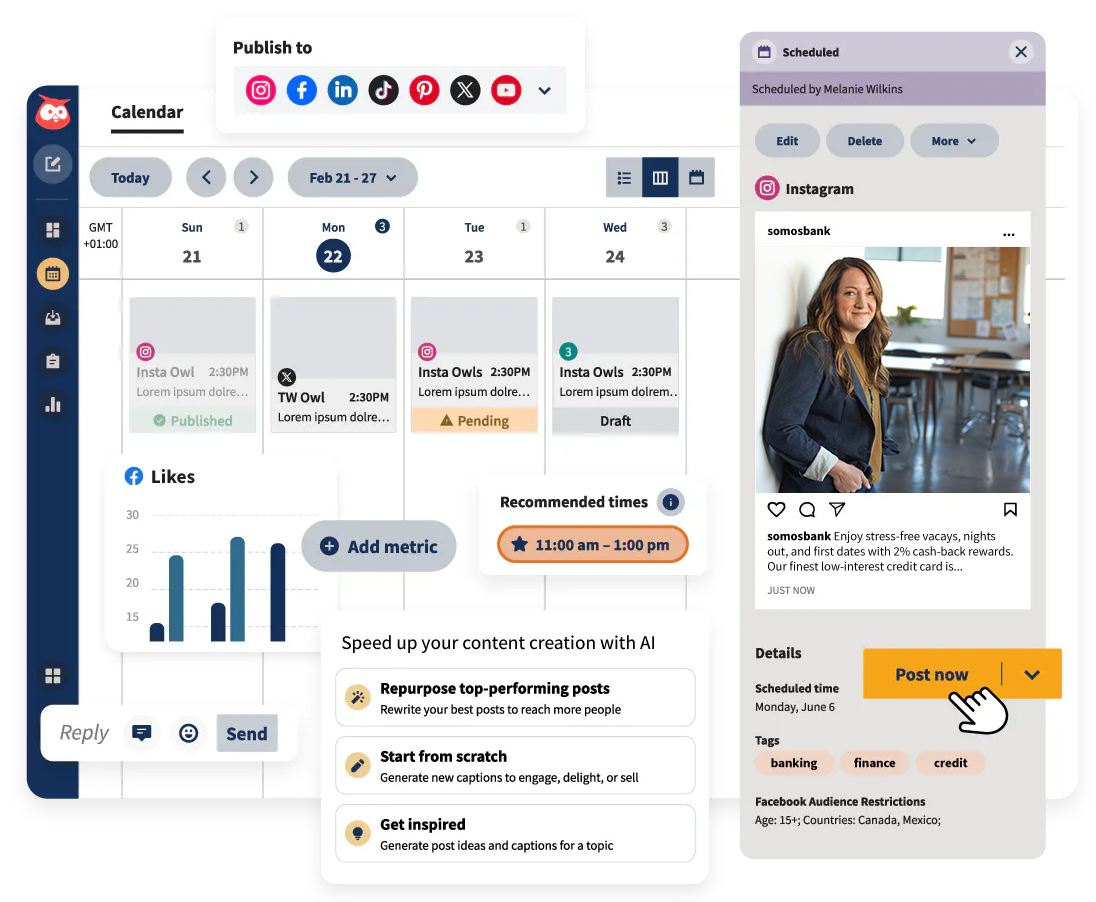
An archive’s value is directly proportional to its accessibility and searchability. For public records requests, legal discovery, or internal audits, organizations must be able to swiftly locate and retrieve specific content. Compliant archiving solutions must therefore offer robust search capabilities, allowing users to filter content by date range, keywords, user data, and other parameters. The ability to access hidden or deleted content is particularly critical for First Amendment challenges. Beyond retrieval, the archive must support secure export capabilities, enabling legal teams to easily pull records for eDiscovery or transfer them to external records management systems. An accessible and searchable archive not only ensures compliance but also offers operational benefits, allowing organizations to analyze trends in public sentiment or common inquiries, informing policy adjustments and resource allocation.
Continuous Auditing and Adaptation
The digital landscape is