rifanmuazin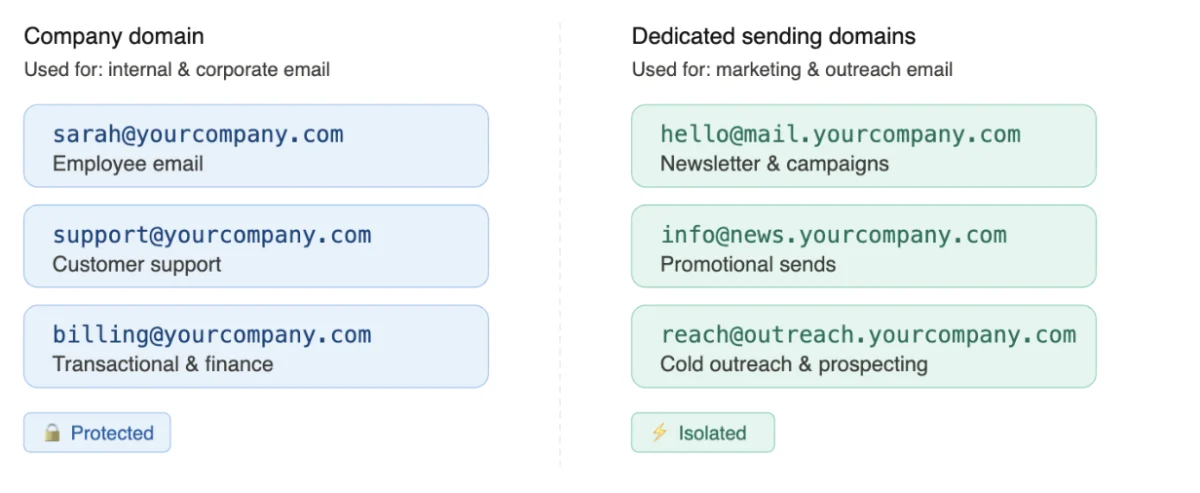
In the competitive landscape of digital marketing, a meticulously crafted email campaign—featuring compelling copy, engaging visuals, and a clear call to action—represents a significant investment. Yet, the efficacy of even the most brilliant campaign hinges on a foundational element often overlooked: robust email infrastructure. This unseen architecture dictates whether an email reaches its intended recipient’s inbox or vanishes into the digital void of a spam folder, rendering all creative and strategic efforts moot. Establishing and maintaining this critical plumbing is not glamorous work, but it is unequivocally the difference between campaigns that yield measurable results and those that achieve nothing.
The Foundational Role of Email Infrastructure
At its core, email infrastructure encompasses the entire technical ecosystem responsible for the transmission, routing, and ultimate delivery of emails. This includes, but is not limited to, the sender’s domain, the servers facilitating delivery, the security protocols verifying sender legitimacy, and the sophisticated tools used for comprehensive monitoring. Without a meticulously constructed foundation here, the journey of even the most aesthetically pleasing and strategically sound email is destined to fall short of its objective. The shift in the digital landscape has elevated email infrastructure from a mere technical consideration to a strategic imperative, particularly as mailbox providers (MBPs) like Google, Yahoo, and Microsoft have significantly tightened their security and deliverability standards in recent years.
Evolution of Email Deliverability: A Historical Context
The journey of email deliverability has been a dynamic one, evolving in direct response to the escalating challenges posed by unsolicited commercial email, or spam. In the early days of the internet, sending emails was relatively straightforward; filters were rudimentary, and sender reputation was a nascent concept. However, as email volumes exploded and spam became a pervasive nuisance, the need for more sophisticated filtering mechanisms became paramount.
The late 1990s and early 2000s saw the introduction of basic spam filters, often relying on keyword analysis and IP blocklists. This period also witnessed the enactment of foundational legislation such as the CAN-SPAM Act in the United States (2003), aimed at regulating commercial email. While these measures provided a legal framework, the technical arms race between spammers and anti-spam technologies continued unabated.
The mid-2000s marked a significant turning point with the widespread adoption of email authentication protocols like Sender Policy Framework (SPF) and DomainKeys Identified Mail (DKIM). These protocols provided methods for senders to verify their identity, helping MBPs distinguish legitimate emails from spoofed ones. Initially considered “best practices,” their implementation gradually became a strong recommendation.
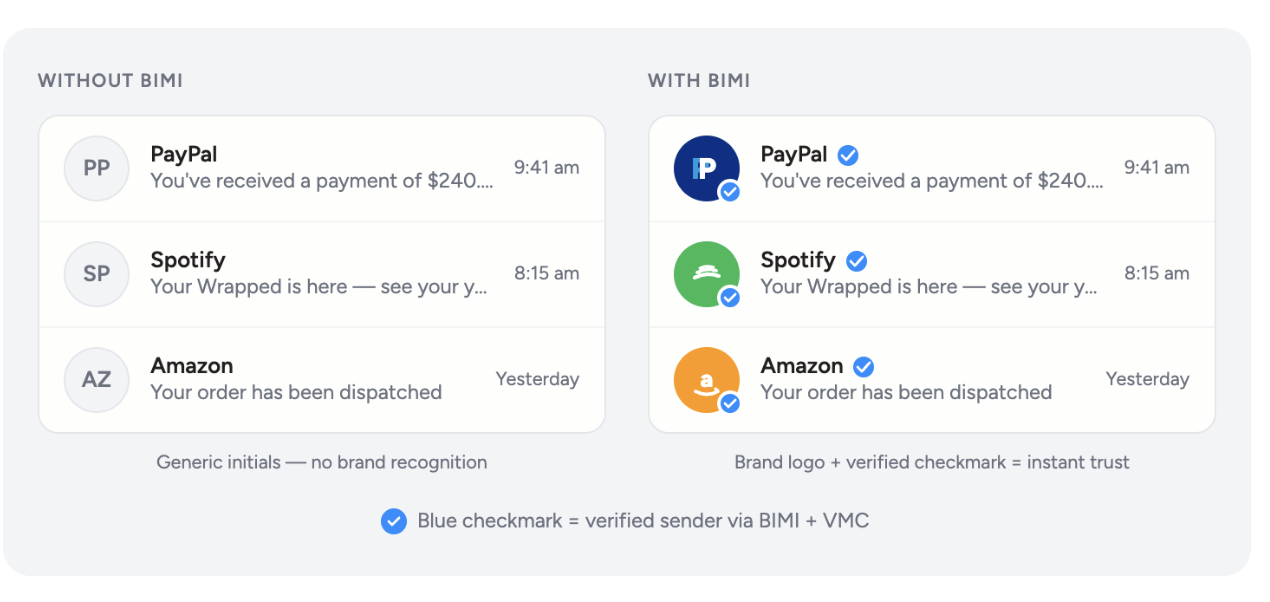
Fast forward to the 2010s, and Domain-based Message Authentication, Reporting, and Conformance (DMARC) emerged, building upon SPF and DKIM. DMARC allowed senders to instruct MBPs on how to handle emails that failed authentication checks, offering enhanced protection against phishing and spoofing. More recently, Brand Indicators for Message Identification (BIMI) has gained traction, allowing verified senders to display their brand logo next to their emails in supported inboxes, further bolstering trust and brand recognition.

The latest wave of stricter enforcement, particularly from early 2024, has seen major MBPs like Google and Yahoo make DMARC (along with SPF and DKIM) mandatory for bulk senders. This marks a definitive shift from “recommended” to “required,” signaling an uncompromising stance on sender identity and email security. For businesses, this evolution underscores that proactive management of email infrastructure is no longer an optional add-on but a fundamental prerequisite for successful email marketing.
Key Pillars for Building Robust Email Infrastructure
Building a resilient email infrastructure involves several critical steps, each contributing to a stronger sender reputation and improved deliverability rates.
1. Strategic Email Service Provider (ESP) Selection
The ESP serves as the operational engine of an organization’s entire email program. The decision to select or switch ESPs is a significant one, with long-term implications for deliverability, scalability, and overall marketing effectiveness. A hasty or ill-informed choice can lead to substantial financial losses and operational headaches.
When evaluating an ESP, organizations must look beyond superficial features and delve into core capabilities. Key questions to consider include:
- Deliverability Expertise and Support: Does the ESP have dedicated deliverability teams and robust tools to help monitor and troubleshoot issues? What are their typical deliverability rates for clients?
- Scalability: Can the platform seamlessly handle fluctuating email volumes, from small targeted campaigns to large-scale promotional blasts, without compromising performance or deliverability?
- Authentication Support: Does the ESP fully support and simplify the implementation of SPF, DKIM, and DMARC? Do they offer guidance on BIMI?
- Segmentation and Personalization: Are there advanced tools for list segmentation, dynamic content, and personalization to ensure emails are relevant to recipients, which in turn boosts engagement and reputation?
- Integration Capabilities: How well does the ESP integrate with existing CRM systems, e-commerce platforms, and other marketing technology stacks?
- Analytics and Reporting: Does the platform provide comprehensive, granular insights into email performance, including open rates, click-through rates, bounce rates, and crucially, deliverability metrics (inbox placement vs. spam folder placement)?
- Compliance: Does the ESP assist with adherence to global data privacy regulations like GDPR, CCPA, and regional anti-spam laws?
- Pricing Structure: Is the pricing transparent and scalable, aligning with the organization’s growth trajectory?
Choosing the right ESP is an investment in long-term email marketing success, providing the technical backbone and strategic support necessary to navigate the complexities of modern email delivery.
2. The Imperative of Dedicated Sending Domains
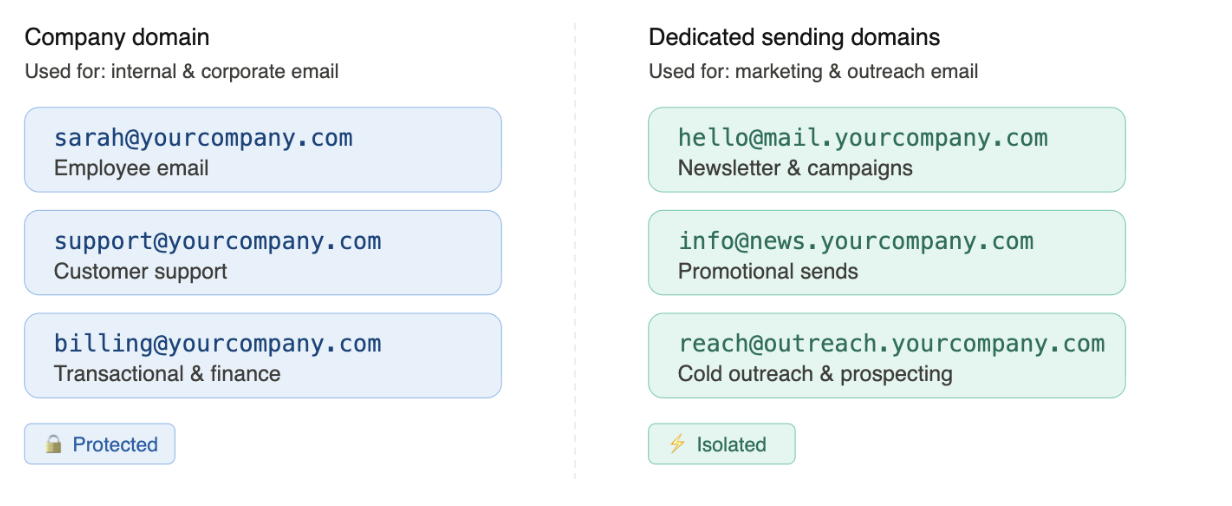
A fundamental principle of sound email infrastructure is the segregation of email traffic through dedicated sending domains or subdomains. Sending marketing communications from the main company domain (e.e.g., yourcompany.com) exposes the core business domain to unnecessary risk. In the event of a deliverability issue—such as a sudden spike in spam complaints, a temporary blocklisting by an MBP, or even a phishing attempt leveraging the domain—the reputation of the main domain could be severely tarnished. This could impact critical business communications, including transactional emails, internal communications, and customer service responses.
To mitigate this risk, it is highly recommended to establish a dedicated domain or subdomain exclusively for marketing outreach. For instance, if the primary corporate domain is yourcompany.com, a business might set up marketing.yourcompany.com, news.yourcompany.com, or even an entirely separate domain like yourcompany-updates.com for its promotional and newsletter sends. This strategy creates an insulated environment, allowing organizations to build and manage a sender reputation specifically for marketing activities without jeopardizing the integrity of their main corporate identity. It provides a controlled space where deliverability issues can be addressed without cascading negative effects across the entire enterprise.
3. Non-Negotiable Authentication Protocols
What was once considered a “best practice” in email marketing has unequivocally become a mandatory requirement: email authentication. The enforcement by major mailbox providers, particularly Google, Yahoo, and Microsoft, has solidified these protocols as essential for any bulk sender. Failure to properly configure authentication will not merely result in diminished performance; it will almost certainly lead to emails being blocked outright or directed straight to spam folders. These protocols serve as digital passports, verifying the sender’s identity and assuring MBPs that the email originates from a legitimate source and has not been tampered with in transit.
The three core authentication protocols that are non-negotiable are:
- Sender Policy Framework (SPF): SPF allows a domain owner to specify which mail servers are authorized to send email on behalf of their domain. It is published as a DNS TXT record. When an email is received, the MBP checks the SPF record of the sending domain to confirm that the IP address of the sending server is listed as an authorized sender. If not, the email may be flagged as suspicious.
- DomainKeys Identified Mail (DKIM): DKIM provides a method for an organization to associate a domain name with an email message by cryptographically signing it. This digital signature, embedded in the email header, allows the receiving server to verify that the email has not been altered since it was signed by the sender and that the sender is indeed authorized to send from that domain. It protects against email spoofing and tampering.
- Domain-based Message Authentication, Reporting, and Conformance (DMARC): DMARC builds upon SPF and DKIM by instructing receiving email servers how to handle emails that fail authentication checks. It also provides reporting capabilities, allowing domain owners to receive feedback on authentication failures, helping them identify and mitigate potential abuse or misconfigurations. DMARC policies can range from monitoring (
p=none) to quarantining (p=quarantine) or outright rejecting (p=reject) non-compliant emails. Its implementation is now crucial for compliance with the latest MBP mandates.
These protocols are typically configured by an organization’s IT team or domain administrator through DNS records. Their proper setup is a technical prerequisite that directly impacts an email’s ability to reach the inbox, acting as a gatekeeper for sender trustworthiness.
4. The Art of Domain Warming: Patience is a Virtue
A newly established sending domain or subdomain begins with a neutral reputation—neither good nor bad—in the eyes of mailbox providers. Launching a large-volume email campaign immediately from such a domain is akin to a brand-new driver attempting to speed on a highway; it quickly triggers red flags and can lead to immediate blacklisting or severe throttling. MBPs view sudden, unverified surges in email volume from new domains with extreme suspicion, often interpreting it as spamming behavior.
Domain warming is the methodical process of gradually building a positive sender reputation with MBPs by incrementally increasing email volume over an extended period. This process signals to MBPs that the sender is legitimate and responsible. A strategic warming approach typically involves:
- Starting Small: Begin with a modest volume, perhaps 500-1,000 emails per day, focusing on the most engaged segments of your audience (e.g., recent purchasers, active subscribers, those who have clicked or opened emails recently). High engagement during the warming phase sends positive signals to MBPs.
- Gradual Increase: Every few days, incrementally increase the sending volume, often by doubling it, provided that key metrics such as bounce rates and spam complaints remain consistently low.
- Monitoring Key Metrics: Closely monitor bounce rates (especially hard bounces), spam complaint rates, and open/click rates. A spike in negative metrics indicates that the warming process is too aggressive and requires a temporary reduction in volume.
- Patience and Persistence: This is a process that can take several weeks, not days. Rushing it can undo all efforts and force a restart. The carefully cultivated sender reputation built through a patient warming process forms the bedrock of all future email marketing endeavors.
5. Vigilant Deliverability Monitoring
A common misconception among senders is that an email reported as “delivered” by their ESP has successfully reached the recipient’s inbox. This is often not the case. Industry reports, such as Validity’s 2026 Email Deliverability Benchmark (or similar recent reports), consistently reveal that a significant percentage—often as high as 1 in 7—of legitimate, permission-based marketing emails never actually land in the primary inbox. Instead, they might be routed to spam folders, promotions tabs, or simply dropped entirely.
This discrepancy highlights the critical importance of active, comprehensive deliverability monitoring. Organizations must look beyond basic ESP reports and employ advanced strategies:
- Spam Complaint Rates: Maintain a spam complaint rate well below 0.3%, with an ideal target of 0.1% or less. High complaint rates are a strong indicator of poor sender reputation and will trigger aggressive filtering.
- Hard Bounce Rates: Regularly monitor and clean lists to remove hard bounces (permanent delivery failures), as these negatively impact sender reputation.
- Blocklisting Status: Proactively check various public and private blocklists to ensure the sending IPs or domains have not been listed.
- Feedback Loops (FBLs): Sign up for free feedback loops offered by major MBPs, including Google Postmaster Tools, Microsoft SNDS (Smart Network Data Services), and Yahoo Sender Hub. These tools provide invaluable insights into how these providers perceive your sending reputation, spam complaint rates from their users, and other deliverability metrics directly from the source. They offer a window into MBP filtering decisions that ESP reports often cannot provide.
- Seed List Testing: Utilize seed list testing services that send emails to a network of inboxes across various MBPs and report on where the emails landed (inbox, spam, promotions, missing). This provides a real-world snapshot of inbox placement.
Proactive and continuous monitoring allows marketers to identify and address deliverability issues before they escalate, safeguarding their sender reputation and maximizing campaign effectiveness.
The Broader Implications of Email Deliverability
The commitment to building and maintaining robust email infrastructure extends far beyond mere technical compliance; it has profound implications across an organization’s operations and strategic objectives.
Economic Impact
Poor deliverability directly translates to lost revenue and wasted marketing expenditure. Every email that fails to reach the inbox represents a missed opportunity for conversion, engagement, and customer retention. If a significant portion of a campaign’s audience never sees the message, the ROI on content creation, design, and platform fees plummets. Industry analysis frequently cites that businesses can lose millions annually due to emails being diverted to spam or blocked. Conversely, optimizing deliverability ensures that marketing spend translates into actual reach and engagement, driving higher conversion rates and improving the overall profitability of email marketing efforts.
Brand Reputation
Consistent inbox placement fosters trust and strengthens brand perception. When emails reliably arrive in the primary inbox, it reinforces the brand’s professionalism and reliability. Conversely, frequent redirection to spam folders or outright blocking can severely damage brand credibility. Recipients may perceive the brand as unprofessional, intrusive, or even malicious, leading to reduced engagement, higher unsubscribe rates, and a general erosion of trust. In today’s hyper-connected world, a tarnished email reputation can quickly spread, impacting overall brand equity.
Regulatory Compliance and Security
Adhering to authentication protocols and maintaining a strong sender reputation is increasingly intertwined with regulatory compliance and cybersecurity. Governments and consumer protection agencies are intensifying efforts to combat phishing, spoofing, and unsolicited commercial communications. Organizations with lax email infrastructure are not only vulnerable to their own emails being flagged but can also inadvertently become vectors for malicious actors attempting to impersonate their brand. Proper authentication (especially DMARC with a reject policy) is a powerful defense against brand impersonation, protecting both the company and its customers from fraud. Compliance with privacy regulations also mandates secure and responsible sending practices.
The Future Landscape of Email Delivery
The trend towards stricter email security and filtering is only expected to accelerate. Mailbox providers are continually refining their algorithms, increasingly leveraging artificial intelligence and machine learning to detect subtle patterns indicative of spam or malicious activity. This means that a static approach to email infrastructure will quickly become obsolete. Senders must anticipate a future where a proactive, adaptive, and highly technical approach to email deliverability is the standard, not the exception. The gap between senders who invest strategically in their infrastructure and those who do not will continue to widen, making it increasingly difficult for the latter to achieve any meaningful reach.
Expert Perspectives and Industry Response
The collective response from major mailbox providers has been a unified push towards a more secure and trustworthy email ecosystem. Google, Yahoo, and Microsoft’s recent mandates for DMARC, SPF, and DKIM authentication for bulk senders are a clear signal of this commitment. Industry experts widely concur that these changes are not merely technical hurdles but a necessary evolution to combat sophisticated cyber threats and improve the overall user experience. Email deliverability consultants and marketing technology vendors are rapidly adapting, offering enhanced tools and services to help businesses navigate these new requirements. The consensus is that while the initial setup and ongoing maintenance require effort, the long-term benefits of a secure and highly deliverable email program far outweigh the investment.
Conclusion
While the technical intricacies of email infrastructure may not ignite the same passion as creative campaign development, its fundamental importance cannot be overstated. It is the silent guardian of every email marketing effort, determining whether a message reaches its audience or is lost in the digital ether. In an era where authentication requirements are tightening, inbox algorithms are becoming more sophisticated, and cyber threats are ever-present, investing in a robust email foundation is no longer optional—it is an absolute necessity. By carefully selecting the right ESP, establishing dedicated sending domains, rigorously configuring authentication protocols, patiently warming up new domains, and diligently monitoring deliverability metrics, organizations can build a resilient infrastructure. This strategic commitment ensures their messages resonate with their intended audience, protect their brand reputation, and ultimately drive sustainable digital marketing success. For those needing expert guidance in this complex domain, specialized professional services are available to audit existing setups, configure protocols, and maintain optimal deliverability, ensuring that every carefully crafted email finds its way home to the inbox.