rifanmuazin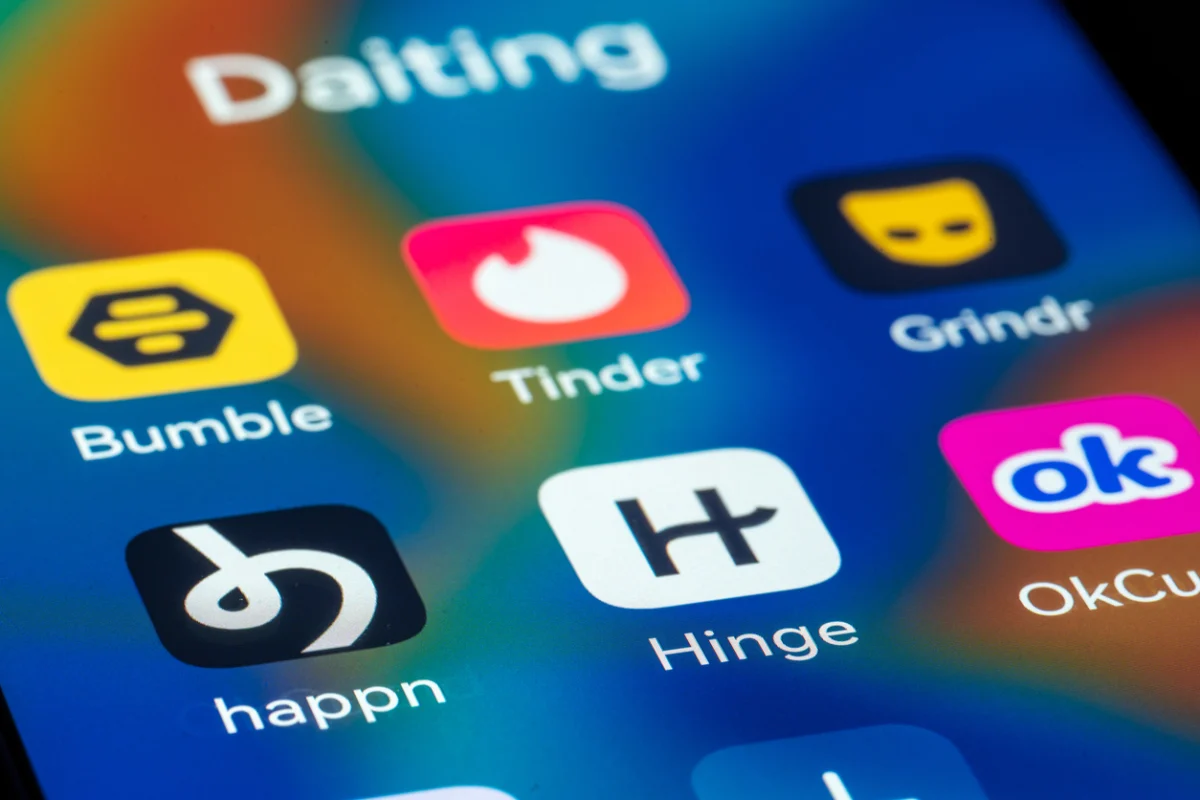
In an era where brand reputation is built across a fragmented landscape of social media, executive thought leadership, and AI-driven search results, the definition of a “good story” has become a point of contention within modern communications departments. As organizations face increasing pressure to produce high volumes of content, internal misalignment regarding storytelling standards is emerging as a significant operational hurdle. Jarryd Boyd, Senior Director of Global Communications at the dating app Hinge, argues that without a unified framework, brands risk diluting their message and undermining their long-term reputation.
The challenge of internal alignment will be a focal point at the upcoming PR Daily Conference in Brooklyn, New York, where Boyd is scheduled to detail how Hinge developed a specialized “story builder” framework to streamline its communication efforts. The necessity for such a tool arises from the fact that communications teams—often comprising social media managers, PR specialists, and internal comms leads—frequently operate under different assumptions about what constitutes a compelling narrative and how success should be measured.
The Problem of Narrative Fragmentation
The modern communications landscape is no longer a linear path of press releases and media pitching. Today, teams are simultaneously managing influencer relationships, rapid-response social media, and complex data-driven reports. Boyd notes that when teams do not agree on the core elements of a story, the resulting content often feels disjointed. This fragmentation is not merely an aesthetic issue; it is an operational one that makes it increasingly difficult to track return on investment (ROI) and maintain a cohesive brand identity.
According to industry data from the 2024 State of Communications Report, nearly 60% of communications professionals cite “internal silos” as a primary barrier to effective storytelling. When different departments interpret the brand’s mission through varying lenses, the audience receives a muddled message. In the context of AI-driven search, where algorithms prioritize consistent and authoritative information, these inconsistencies can lead to a decrease in brand visibility and trust.
Boyd emphasizes that the first step in rectifying this is fostering internal debate. “One of the first things you have to do is build out your storytelling guidelines as a team and have some argument and conversation about what each aspect of your framework means,” Boyd stated. These discussions, while occasionally uncomfortable, are essential for ensuring that every stakeholder is working toward the same objective.
The Hinge Storytelling Framework: Five Essential Questions
To combat narrative drift, Hinge implemented an internal storytelling framework designed to evaluate potential stories before they are greenlit. While many organizations chase virality or immediate engagement, the Hinge “story builder” requires communicators to pause and justify the narrative through a series of rigorous filters.
Based on Boyd’s methodology, communications professionals should ask the following five questions before moving forward with any story:
- Does this story align with our core brand positioning? Every narrative must be a reflection of what the brand stands for. If a story is compelling but does not reinforce the company’s primary mission, it may serve as a distraction rather than an asset.
- What is the “hero stat” or central evidence? In a data-rich environment, teams must identify the single most impactful piece of information that anchors the story. This prevents the narrative from becoming cluttered with secondary data points that dilute the message.
- Who is the specific audience, and why do they care now? Relevance is a moving target. A story must have a clear “why” that connects with the audience’s current needs or the broader cultural conversation.
- Is this a purposeful use of resources, or are we chasing a trend? Not every cultural moment requires a brand response. The framework encourages “strategic restraint,” allowing teams to say no to low-impact trends in favor of high-impact, long-term narratives.
- How does this story bridge to our products or services? Ultimately, corporate storytelling must serve the business. The framework ensures that the narrative leads the audience back to the brand’s value proposition in a way that feels organic.
Data Management and the “Hero Stat”
One of the most significant advantages of a formalized storytelling framework is its ability to help teams navigate vast amounts of data. Hinge, like many modern tech companies, sits on a mountain of proprietary user data. However, data alone is not a story.
Boyd highlights the importance of identifying “hero stats”—the specific data points that serve as the headline and emotional core of a campaign. Without a shared framework, different departments might interpret the same data set in conflicting ways. For instance, a data science team might focus on technical trends, while a marketing team might look for a sensationalist angle. A unified storytelling framework ensures that the communications team identifies the most strategically sound narrative before the data is disseminated across different channels.
This approach also simplifies the measurement of earned media. When a team is aligned on the core message, they can more accurately track whether that message appears in media coverage and whether the audience associates the story with the brand’s specific products.
Chronology of Strategic Storytelling Evolution
The shift toward structured storytelling frameworks reflects a broader evolution in the public relations industry over the last decade:
- 2014–2017: The Era of Content Volume. Brands focused on producing as much content as possible across emerging social platforms. Success was measured by “likes” and “shares,” often regardless of narrative consistency.
- 2018–2021: The Rise of Purpose-Led Branding. Organizations began to realize that volume without values led to brand erosion. Consumers started demanding that brands take stands on social issues, necessitating a more thoughtful approach to storytelling.
- 2022–Present: The Integration of Data and AI. The current era is defined by the need for precision. With AI search engines summarizing brand narratives, consistency is paramount. Frameworks like Hinge’s “story builder” have become necessary tools for maintaining control over a brand’s digital footprint.
Case Studies in Purposeful Storytelling
Boyd points to several organizations that have mastered the art of aligning their stories with their brand identity, even when engaging with unpredictable cultural trends.
The Savannah Bananas, a modern exhibition baseball team, are frequently cited as a gold standard for this approach. By using a strict filter of “fans first” entertainment, they seamlessly incorporate internet trends into their live shows. Because their internal team is perfectly aligned on their “story,” their participation in cultural moments never feels forced or off-brand.
Similarly, the long-running video game franchise The Sims has maintained relevance for over 25 years by leaning into internet subcultures. Whether through a 25-hour livestream featuring contemporary pop stars like Chappell Roan or engaging in social media discourse regarding celebrity breakups, The Sims team uses a consistent filter that prioritizes the game’s history as a platform for self-expression and community.
For Boyd, these examples illustrate that successful storytelling is as much about what a brand chooses not to do as what it chooses to do. “Where can we be practicing a little bit more restraint and get careful with saying yes to certain things, but yes to something else that might put our resources to better usage?” he asked.
Implications for the Future of Communications
The move toward structured storytelling frameworks suggests a professionalization of the “creative” side of communications. As the industry moves away from “gut feel” and toward data-backed, framework-driven decision-making, the role of the communicator is becoming more integrated with business strategy.
The implications of this shift are twofold. First, it requires a new set of skills for communications professionals. The ability to navigate internal politics and drive consensus around a narrative framework is becoming as important as the ability to write a press release. Second, it changes how brands interact with the public. In a world of “infinite scroll,” the brands that stand out will be those that offer a consistent, recognizable, and purposeful narrative.
As the PR Daily Conference approaches, the industry is looking toward leaders like Boyd to provide a roadmap for this new landscape. The message is clear: in the absence of a shared internal framework, even the most creative stories will fail to deliver lasting business impact. By establishing rigorous standards and fostering internal alignment, communications teams can ensure that every story they tell contributes to a stronger, more resilient brand reputation.
The conference, which will take place from June 3 to 5 in Brooklyn, will serve as a critical forum for these discussions, bringing together experts to address the intersection of technology, data, and human-centric storytelling in a rapidly changing media environment. For brands like Hinge, the goal is no longer just to be heard—it is to be understood, remembered, and trusted.