rifanmuazin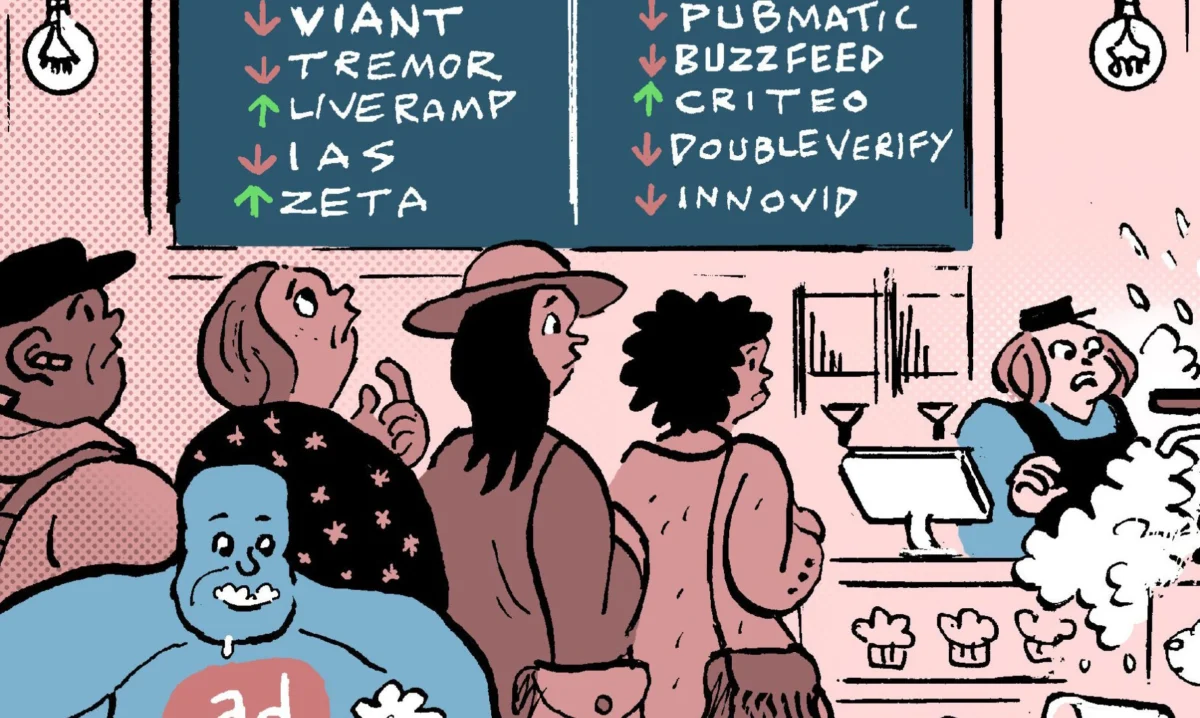
Tuesday, November 18th, 2025 – 1:13 pm
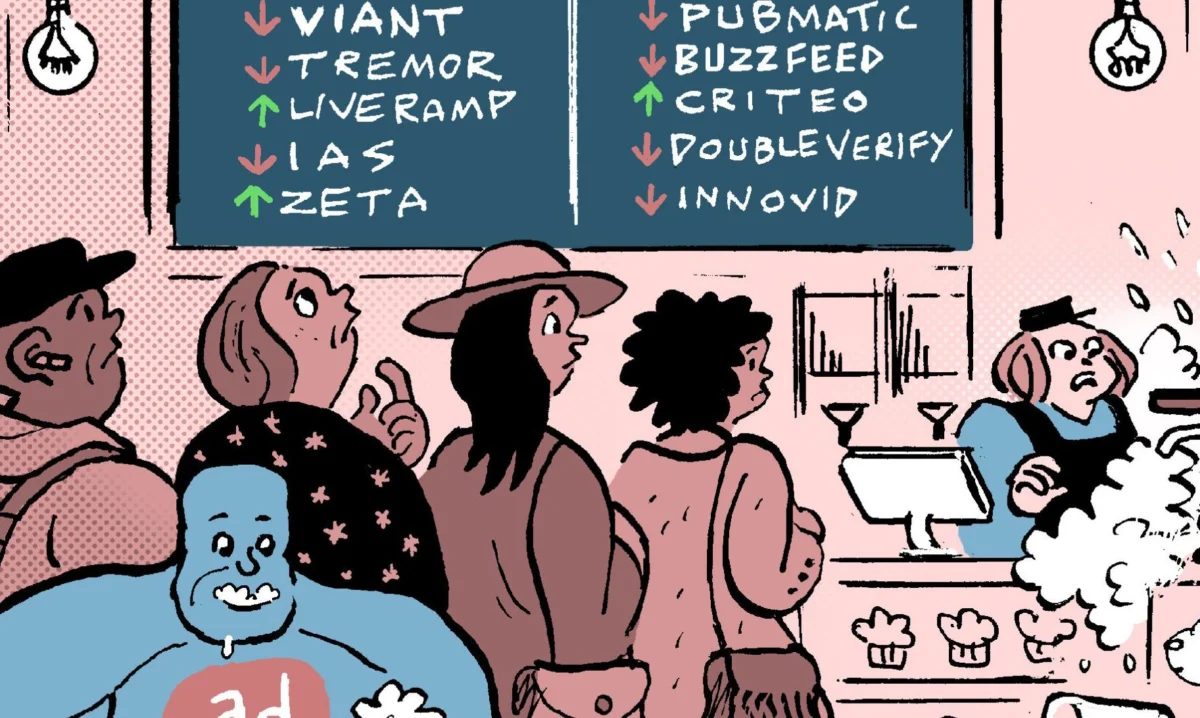
The programmatic advertising technology landscape, long characterized by its intricate ecosystem and constant evolution, is currently experiencing a period of intense friction. Competitive rivalries, strategic maneuvers within the ad tech stack, and a palpable decline in revenue are converging, creating a turbulent environment for major players. This heightened tension, evident throughout the year, has now manifested significantly in the latest round of quarterly earnings reports from publicly traded ad tech companies, signaling a fundamental shift in market dynamics and investor sentiment.
The narrative threads of this discord are complex, weaving together disputes over access to crucial bidstream data, the impact of Google’s Privacy Sandbox initiatives, and aggressive strategic plays by dominant platforms like The Trade Desk. Industry bodies such as Prebid and the IAB Tech Lab, typically arbiters of industry standards, have found themselves embroiled in these debates, adding another layer of complexity to an already intricate sector.
Declining Revenues Fueling Industry Friction
At its core, the escalating animosity within the programmatic space is not merely an ideological debate about data transparency or supply chain roles. Instead, it is deeply rooted in a stark reality: many companies are simply making less money. This financial pressure is forcing stakeholders to re-evaluate their strategies, leading to a more aggressive stance in market negotiations and public pronouncements.
Recent earnings reports from key players like Magnite, PubMatic, and Nexxen have illuminated this trend. All three companies disclosed unexpected and significant decreases in spending from unnamed Demand-Side Platforms (DSPs) during the third quarter of 2025. This sudden retrenchment by major buyers has sent ripples of concern through the industry, raising questions about the stability and predictability of programmatic revenue streams.
PubMatic CEO Rajeev Goel, while addressing the revenue shortfall, offered a subtle but pointed observation regarding The Trade Desk’s new ad-buying platform, Kokai. He noted that Kokai operates “differently from what we have seen,” a sentiment echoed by PubMatic’s leadership in previous investor calls concerning a similar sudden decrease in spend from a particular DSP. This indirect attribution suggests a potential strategic shift by The Trade Desk that is impacting supply-side platforms (SSPs).
Magnite CEO Michael Barrett was more direct in his assessment during his company’s quarterly report. He explicitly stated that The Trade Desk had implemented a change that “prioritized OpenPath as a default path for supply.” This move, according to Barrett, necessitated Magnite to engage directly with major agency buyers to re-establish a “preferred supply path.” Given The Trade Desk’s significant role as a demand aggregator and Magnite’s position as a major source of programmatic supply, this strategic decision undoubtedly had a material impact on Magnite’s revenue.
Nexxen, which operates both a DSP and an SSP, also revised its financial forecast downwards for the remainder of the year. CEO Ofer Druker attributed this to a “programmatic-wide reduction plateau” that failed to exhibit the usual pre-holiday growth surge typically observed in October. Druker clarified that the issue was not isolated to a single DSP but represented a broader market phenomenon, indicating a systemic challenge rather than an isolated incident.
Further compounding the revenue concerns, System1 CEO Michael Blend reported that an unnamed programmatic vendor within its demand channel had exposed the company to “significant invalid or nonhuman” traffic. System1 is actively seeking reimbursements for this fraudulent activity and is considering legal action, highlighting the persistent issue of ad fraud and its financial consequences.
Strategic Maneuvering and Shifting Allegiances
Beyond the immediate financial pressures, the current climate of heightened antagonism is also a reflection of companies vying for strategic positioning and attempting to influence investor and marketer perceptions of how programmatic advertising should function. The days when all third-party programmatic companies were united in their opposition to Google and eager to align with dominant players like The Trade Desk appear to be over.
The Trade Desk CEO Jeff Green, in a recent investor call, articulated his company’s perspective on the competitive landscape, stating, “I don’t think Amazon has a DSP as we define it.” This statement implicitly draws a line in the sand, categorizing competitors and reinforcing The Trade Desk’s self-defined position within the market.
Conversely, Viant, a smaller independent DSP, is actively carving out its own niche. CEO Tim Vanderhook told investors that Viant perceives “less competition when you look at truly objective buy-side-only platforms.” This framing strategically excludes The Trade Desk from Viant’s competitive set, with Vanderhook characterizing TTD as “no longer independent or objective” due to its prioritization of its OpenPath supply integrations.
Nexxen’s Druker echoed the sentiment of evolving market structures, observing that “Big DSPs in the future will have to build their own end-to-end solutions in order to increase their margins.” He noted the trend of DSPs venturing into the supply side, a move exemplified by platforms like The Trade Desk. These divergent viewpoints from independent DSPs highlight a fundamental disagreement on the ideal structure and future of the programmatic ecosystem.
The “Reseller” Designation and Ecosystem Purity
A significant point of contention among SSPs and their investors has been The Trade Desk’s recent designation of certain entities as “resellers.” This label has sparked concern about potential impacts on revenue and market perception.
PubMatic’s CEO Rajeev Goel has firmly asserted that his company is not a reseller and maintains a strong partnership with The Trade Desk. Goel expressed a pragmatic view, stating he is not embittered by the decrease in spend from The Trade Desk or the “noise that’s out there” regarding the reseller designation. He characterized the current ecosystem as “multifaceted, certainly complex.”
Magnite’s CEO Michael Barrett similarly addressed the reseller issue, assuring investors that the designation does not apply to Magnite. He emphasized Magnite’s commitment to “cleaning up the system” by removing duplicate bids and low-quality impressions, positioning his company as a solution provider rather than part of the problem. Barrett clearly stated, “Let’s be clear, we don’t believe Magnite is a reseller. I think the term applies to others.” This indicates a strategic effort by Magnite to differentiate itself from other SSPs that may be subject to this classification.
Background and Chronology of Evolving Tensions
The current friction has been building throughout 2025. Early in the year, discussions around Google’s Privacy Sandbox initiatives dominated industry forums. Many ad tech vendors, including DSPs and SSPs, invested considerable resources in adapting to these changes, only to express frustration over what they perceived as insufficient support or a lack of clarity from Google. This led to a degree of disillusionment and a search for alternative strategies and partnerships.
By mid-year, The Trade Desk began to aggressively push its OpenPath initiative, a direct integration path designed to streamline supply for its buyers and potentially reduce reliance on traditional SSPs. This move was met with apprehension by many SSPs who saw it as an attempt to disintermediate them and capture more of the advertising dollar. The Trade Desk framed OpenPath as a way to improve efficiency and transparency for advertisers, but its impact on the existing supply chain was undeniable.
The Prebid Summit and IAB Tech Lab meetings in the latter half of the year became focal points for these escalating disputes. Discussions around bidstream data access, the definition of roles within the supply chain (e.g., DSP vs. reseller), and the implications of new platform integrations became heated. Reports emerged of significant disagreements and a palpable sense of distrust among some of the leading programmatic technology providers.
Supporting Data and Market Implications
While specific financial figures for the alleged decreases in spending were not always publicly detailed, the collective statements from Magnite, PubMatic, and Nexxen paint a clear picture of a revenue slowdown attributable to changes in buyer behavior and platform strategies. For instance, a hypothetical scenario where a major DSP reduces spending by 10-15% across multiple SSPs could translate into tens of millions of dollars in lost revenue for these companies in a single quarter.
The implications of these shifts are far-reaching:
- Consolidation and Innovation: The pressure on smaller or less differentiated players could accelerate industry consolidation. Companies that can demonstrate clear value, transparency, and efficiency are likely to fare better. This may also spur further innovation in areas like cookieless identity solutions and data privacy-compliant targeting.
- Investor Confidence: Declining revenues and increased uncertainty can erode investor confidence, potentially leading to lower stock valuations and making it harder for ad tech companies to raise capital for future growth. The current market sentiment suggests a growing skepticism towards the traditional programmatic model’s sustainability.
- DSP Strategy Evolution: The trend of DSPs moving towards more integrated, end-to-end solutions, as predicted by Nexxen’s CEO, suggests a future where the lines between demand and supply become increasingly blurred. This could lead to a more concentrated market with fewer, larger players controlling significant portions of the ad spend.
- The Future of Open Standards: The tension between proprietary solutions (like OpenPath) and open-source initiatives (like Prebid) raises questions about the future of industry standards. A fragmented approach could lead to inefficiencies and increased costs for advertisers.
Broader Impact on the Advertising Ecosystem
The current turbulence in programmatic ad tech is not merely an internal industry squabble; it has broader implications for advertisers, publishers, and consumers. For advertisers, increased complexity and potential lack of transparency can lead to reduced ROI and difficulty in measuring campaign effectiveness. Publishers may face declining ad revenues if the efficiency and value of programmatic channels diminish. Consumers, while often shielded from the direct technicalities, are impacted by the quality and relevance of the ads they encounter, which can be affected by the underlying health and integrity of the ad tech ecosystem.
The industry is at a critical juncture. The prevailing narrative of collaboration and shared growth has given way to a more competitive and challenging environment. The ability of these companies to navigate these complex issues, adapt to evolving privacy regulations, and demonstrate clear value to their clients will determine their success in the coming years. The ongoing drama, while intense, is a testament to the dynamic and ever-changing nature of the digital advertising world.