rifanmuazin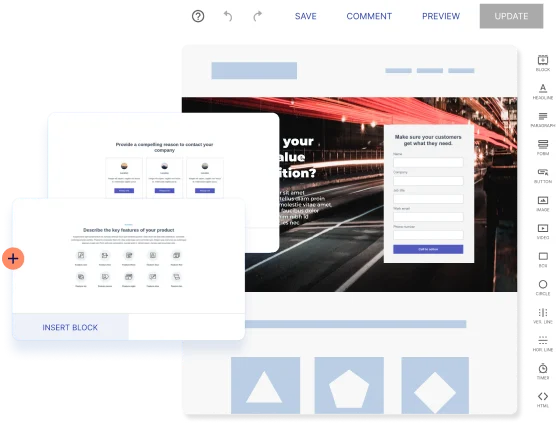
The modern talent acquisition landscape is increasingly defined by a high-stakes digital bidding war, where organizations often pay upwards of $5.00 per click to drive traffic to their job postings. Despite these significant investments in digital advertising, a systemic inefficiency persists: the “click-to-bounce” phenomenon. In many instances, candidates click an advertisement, land on a corporate careers page, and immediately exit without initiating an application. This leakage in the recruitment funnel represents more than just a missed hiring opportunity; it signifies a direct loss of marketing budget and a failure to capitalize on candidate intent. Industry analysis suggests that the primary bottleneck is rarely the quality of the advertisement or the attractiveness of the role itself, but rather the post-click experience.
When companies direct paid traffic to generic, multi-role career sites, they inadvertently introduce friction. These sites often feature complex navigation, dozens of unrelated listings, and no immediate path to the specific role advertised. Overwhelmed by “choice paralysis” and technical hurdles, potential applicants—particularly highly skilled passive candidates—frequently abandon the process. To mitigate this, a growing number of leading enterprises are adopting dedicated recruitment landing pages. These are standalone web entities designed with a singular objective: to convert a visitor into an applicant by removing all extraneous distractions and focusing exclusively on the specific value proposition of a single role or department.
The Evolution of the Digital Recruitment Funnel
The transition toward specialized recruitment landing pages marks a significant shift in the chronology of human resources technology. In the early 2000s, digital recruitment was characterized by static job boards and “Careers” tabs on corporate websites that mirrored printed classified ads. By 2010, the rise of Applicant Tracking Systems (ATS) streamlined the backend but often complicated the frontend, forcing candidates through lengthy, multi-page forms that were not optimized for mobile users.
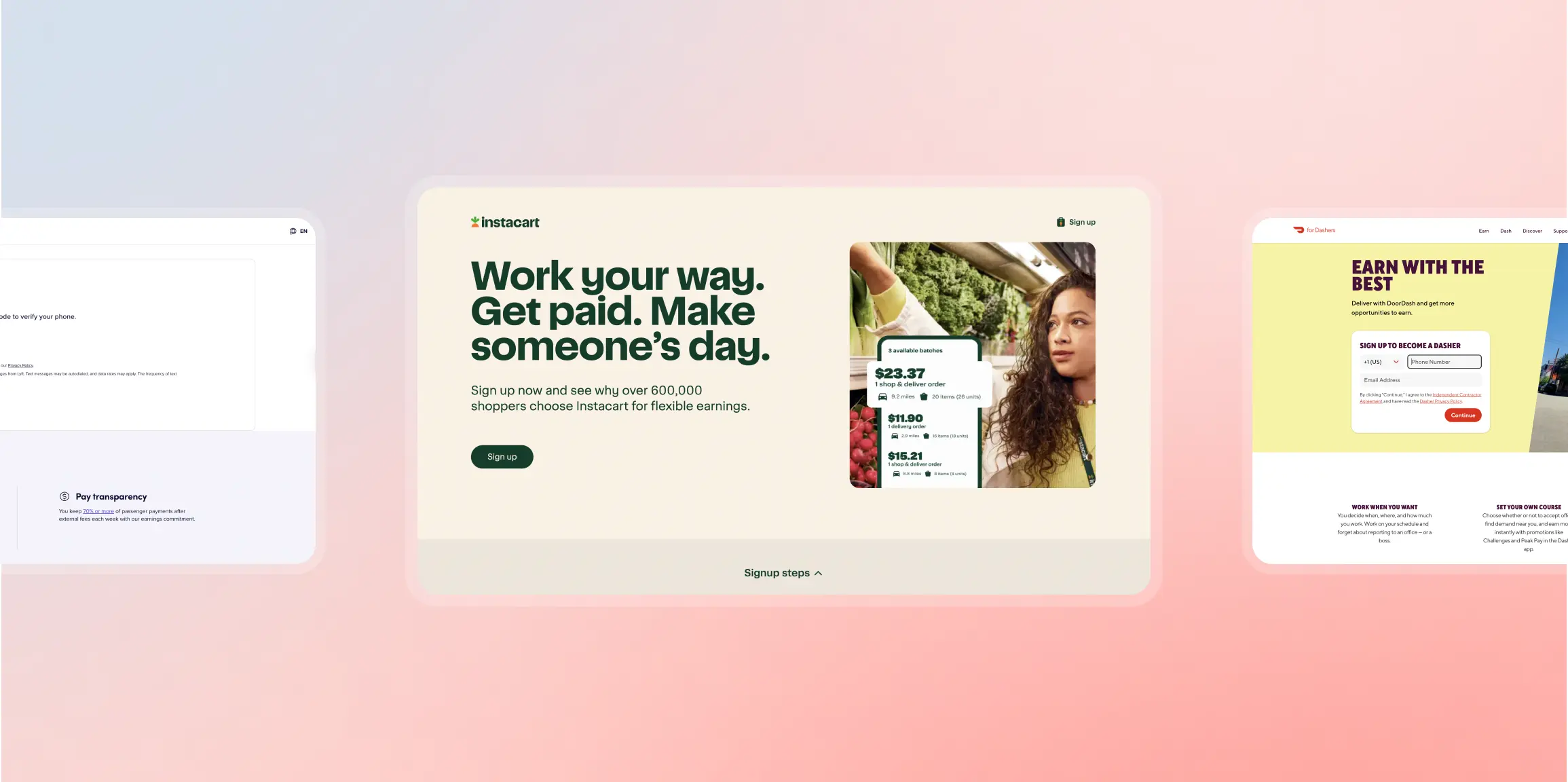
The period between 2015 and the present has seen the emergence of the “Gig Economy,” led by platforms such as Uber, Lyft, and DoorDash. These organizations required a high-volume, low-friction method to onboard thousands of contractors simultaneously. Their success in using streamlined landing pages has since influenced traditional corporate hiring. Today, recruitment is increasingly viewed through the lens of performance marketing, where the candidate is treated as a high-value customer, and the application process is treated as a conversion event.
Strategic Best Practices for High-Conversion Recruitment Pages
To transform a recruitment landing page from a simple information sheet into a high-performance conversion tool, several architectural principles must be applied. These practices are rooted in user experience (UX) design and behavioral psychology.
Ensuring Message Match and Headline Alignment
A fundamental requirement for reducing bounce rates is “message match.” If a digital advertisement promises a “Remote Senior Developer Role with a $150K Salary,” the landing page headline must immediately mirror that promise. Discrepancies between the ad copy and the landing page copy create “cognitive dissonance,” leading the candidate to believe the opportunity is either inaccurate or bait-and-switch. Professional recruiters now advocate for repeating the exact terminology used in the ad to provide a seamless transition for the user.
Optimizing the “Above the Fold” Experience
Data from web analytics suggests that users decide whether to stay on a page within the first three to five seconds. Consequently, the most vital information—the job title, the primary benefits (such as compensation or flexibility), and a clear “Apply Now” button—must be visible “above the fold” (the area of the screen visible without scrolling). Incorporating trust signals, such as company awards or industry rankings, within this initial view can further validate the opportunity.
Minimizing Form Friction
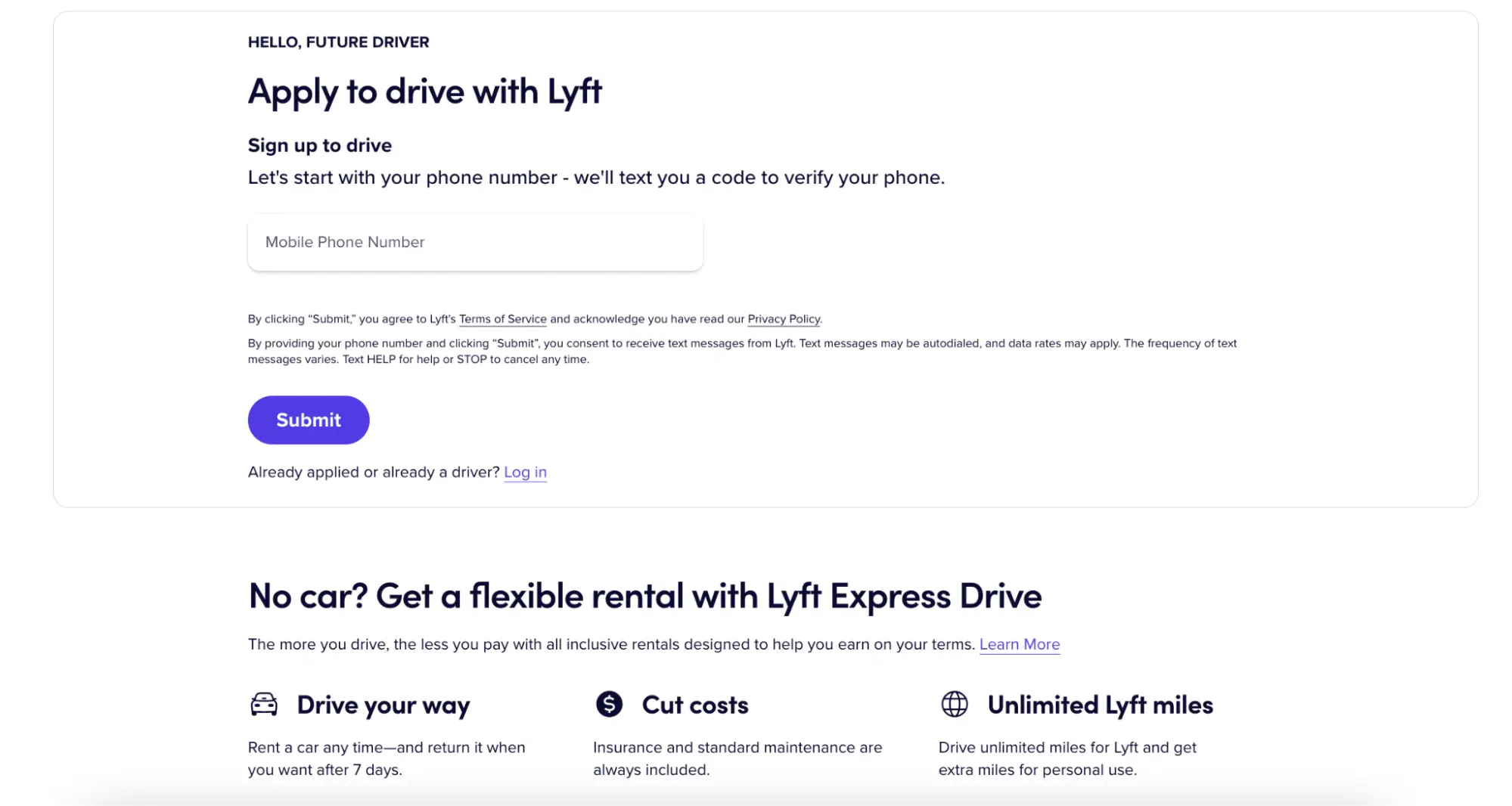
Application abandonment is highly correlated with the number of form fields. Industry benchmarks indicate that every additional field beyond the essentials can reduce conversion rates by 5% to 10%. Leading recruitment pages now limit initial intake to three to five fields: name, email, phone number, and a resume upload. For roles requiring more data, a “two-step” conversion process is often employed, where the candidate’s contact information is captured first, followed by a secondary detailed questionnaire.
The Necessity of Mobile-First Optimization
With over 70% of job searches now occurring on mobile devices, page load speed is a critical factor in candidate retention. A delay of just one second in mobile load time can result in a 20% drop in conversions. High-performing recruitment pages utilize compressed imagery, minimized scripts, and Content Delivery Networks (CDNs) to ensure that the application experience is fluid across all devices.
Case Studies: Industry Leaders in Recruitment Conversion
The effectiveness of these strategies is best demonstrated by organizations that rely on massive, continuous hiring cycles. Analysis of the landing pages for major gig economy and freelance platforms reveals a consistent focus on clarity and speed.
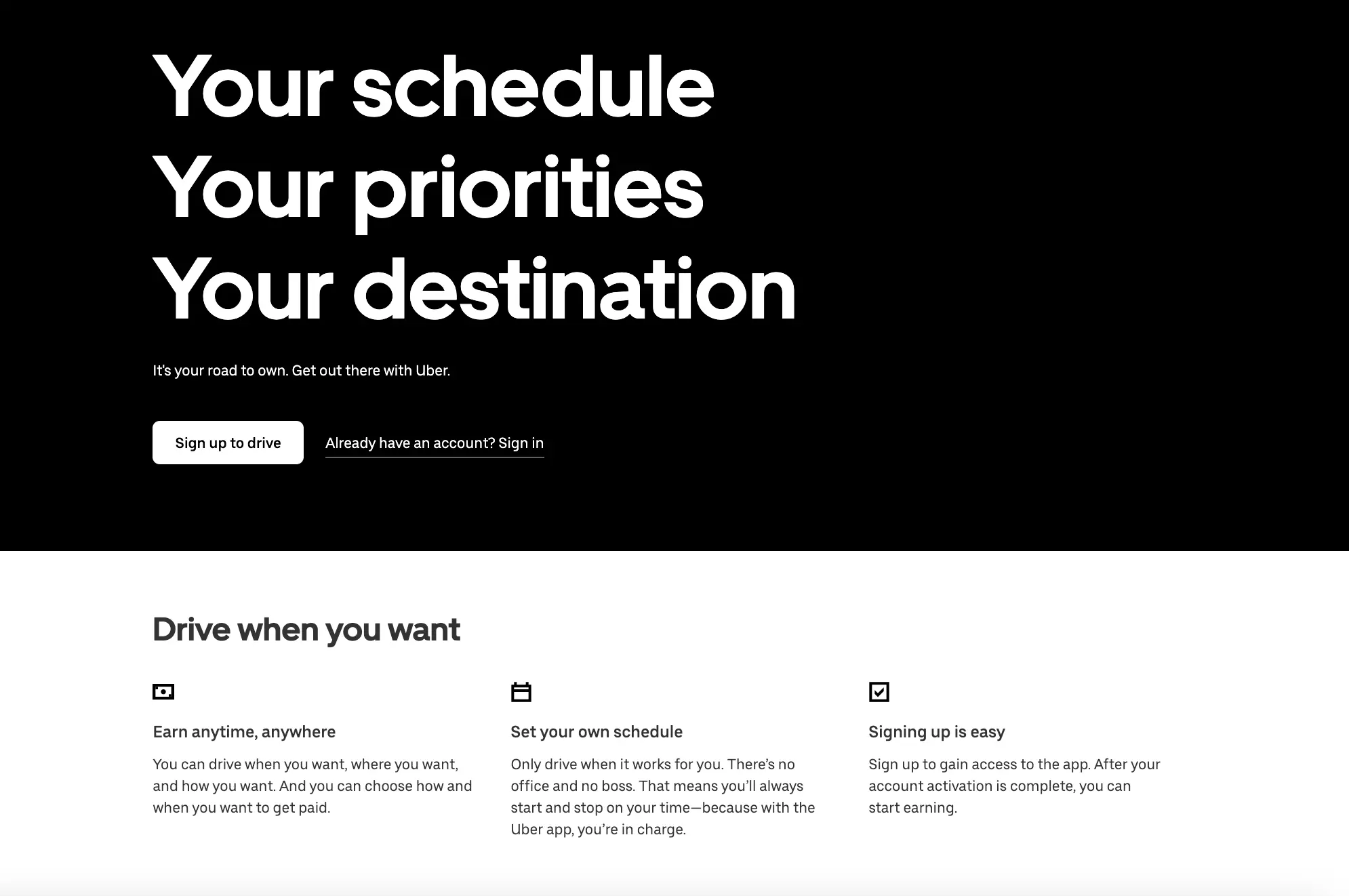
- Uber & Lyft: These rideshare giants focus their recruitment pages on the primary motivator for their demographic: earnings and flexibility. Their pages typically feature an “Earnings Calculator” or a prominent headline regarding sign-up bonuses. By removing the traditional navigation menu, they prevent potential drivers from wandering off to the corporate “About Us” or “Investor Relations” pages.
- DoorDash: The “Dasher” signup page is notable for its use of geographic personalization. By identifying the user’s location, the page can present specific local earning potential, which significantly increases the relevance of the offer.
- Instacart: Instacart utilizes high-quality visual storytelling, showing “shoppers” in action to humanize the brand. This social proof, combined with a simple zip-code entry form, creates a low-barrier entry point for new applicants.
- Writers Work: For freelance marketplaces, the recruitment page often acts as a “qualifier.” By using a “Get Started” or “Check Eligibility” call-to-action rather than a standard “Apply,” they frame the recruitment process as an exclusive opportunity, leveraging the psychological principle of scarcity.
Technical Implementation and A/B Testing Protocols
The implementation of recruitment landing pages is not a “set and forget” strategy. Professional talent acquisition teams utilize A/B testing (split testing) to iteratively improve performance. By creating two versions of a page—for instance, one with a video testimonial and one with a static image—recruiters can gather empirical data on what resonates with their target audience.
According to data from Instapage, a leading landing page platform, even a 1% improvement in conversion rate can lead to a 10% reduction in the overall cost-per-applicant when scaled across thousands of clicks. Key variables currently being tested by top HR tech firms include:
- CTA Button Color and Copy: Testing “Join the Team” vs. “Apply in 60 Seconds.”
- Social Proof Placement: Evaluating the impact of Glassdoor ratings vs. direct employee quotes.
- Hero Imagery: Comparing photos of the actual office environment vs. high-quality stock photography.
Stakeholder Reactions and Market Sentiment
The shift toward dedicated recruitment pages has drawn reactions from various sectors of the HR and marketing industries. Chief Human Resources Officers (CHROs) are increasingly under pressure to demonstrate the ROI of their recruitment marketing spend. Analysts from firms like Gartner and Forrester have noted that the “consumerization of HR” is no longer a trend but a requirement.
“Candidates today expect the same level of digital sophistication from a potential employer that they expect from a consumer brand,” notes one industry analyst. “If the application process is cumbersome, it reflects poorly on the company’s internal culture and technological maturity.”
Conversely, candidates have expressed through various workplace sentiment surveys that “transparency” and “speed” are the two most valued aspects of the hiring process. Recruitment landing pages directly address these desires by providing clear, concise information and a fast-tracked application path.

Broader Implications for the Future of Talent Acquisition
As artificial intelligence (AI) continues to integrate with HR technology, recruitment landing pages are expected to become even more personalized. Future iterations may use predictive analytics to adjust the content of a page in real-time based on the visitor’s previous professional experience or browsing behavior. For example, a candidate coming from a “fintech” background might see different benefits highlighted than a candidate coming from a “creative agency” background, even when applying for the same role.
Furthermore, the removal of “exit links” and navigation menus—a practice known as “conversion ratio optimization”—is becoming a standard in paid recruitment campaigns. By creating a “walled garden” for the applicant, companies can ensure that their ad spend is directed toward a specific result rather than general brand awareness.
In conclusion, the adoption of recruitment landing pages represents a critical maturation of the hiring process. By treating job seekers as high-intent users and optimizing the digital path to application, organizations can significantly reduce their cost-per-hire, improve the quality of their candidate pool, and gain a competitive edge in an increasingly tight global labor market. The transition from generic career sites to focused, high-conversion landing pages is no longer an optional luxury but a strategic necessity for any organization investing in paid talent acquisition.