rifanmuazin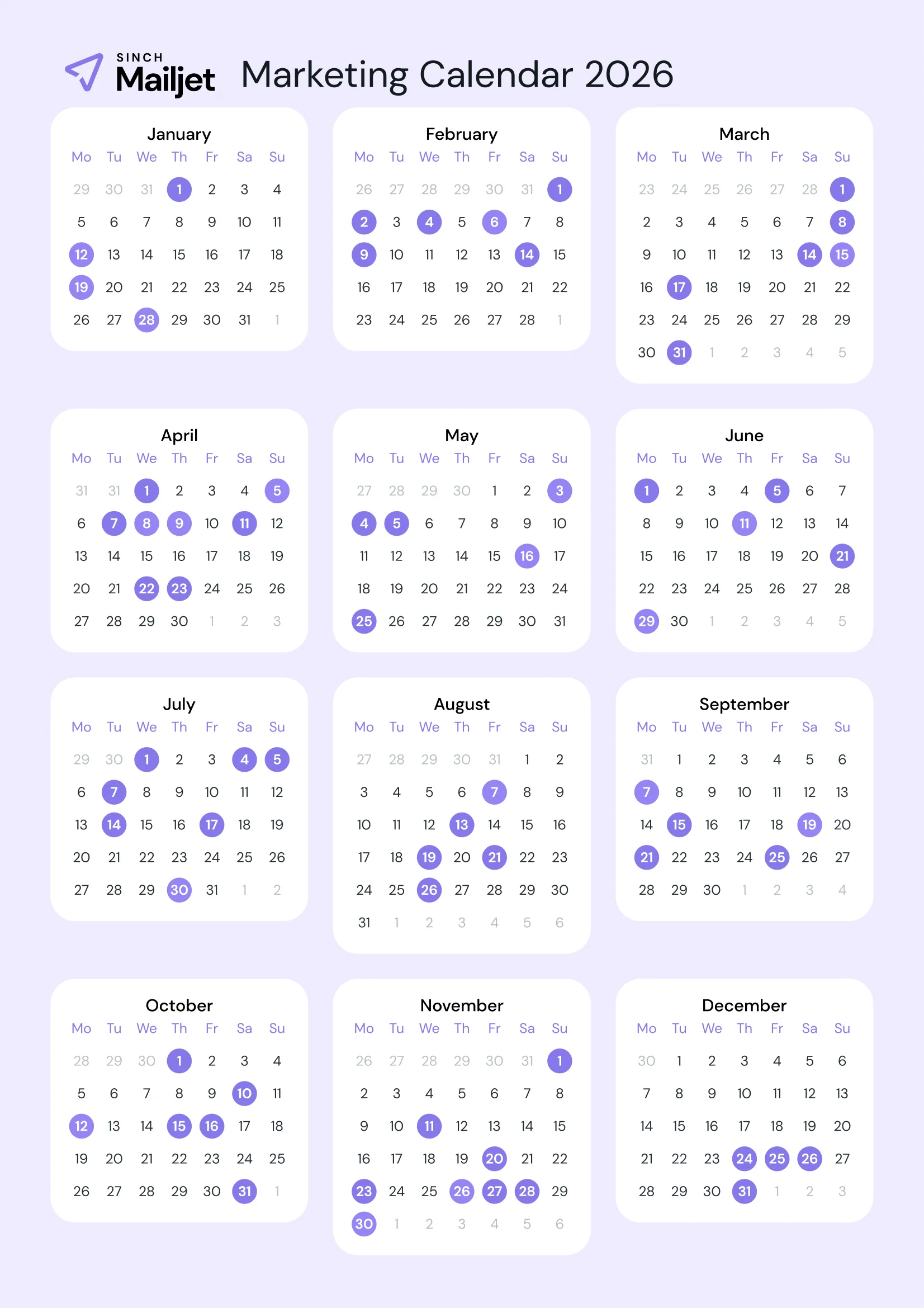
As 2025 draws to a close, marking the culmination of another dynamic year, businesses are already setting their sights on the strategic imperatives of 2026. The onset of Q1 is merely weeks away, signaling the critical period for marketers to finalize their annual resolutions and forge a robust marketing strategy designed for impact and growth. For those seeking to craft a winning marketing blueprint for the upcoming year, the journey begins with meticulous planning and an understanding of the key moments that will shape consumer engagement.
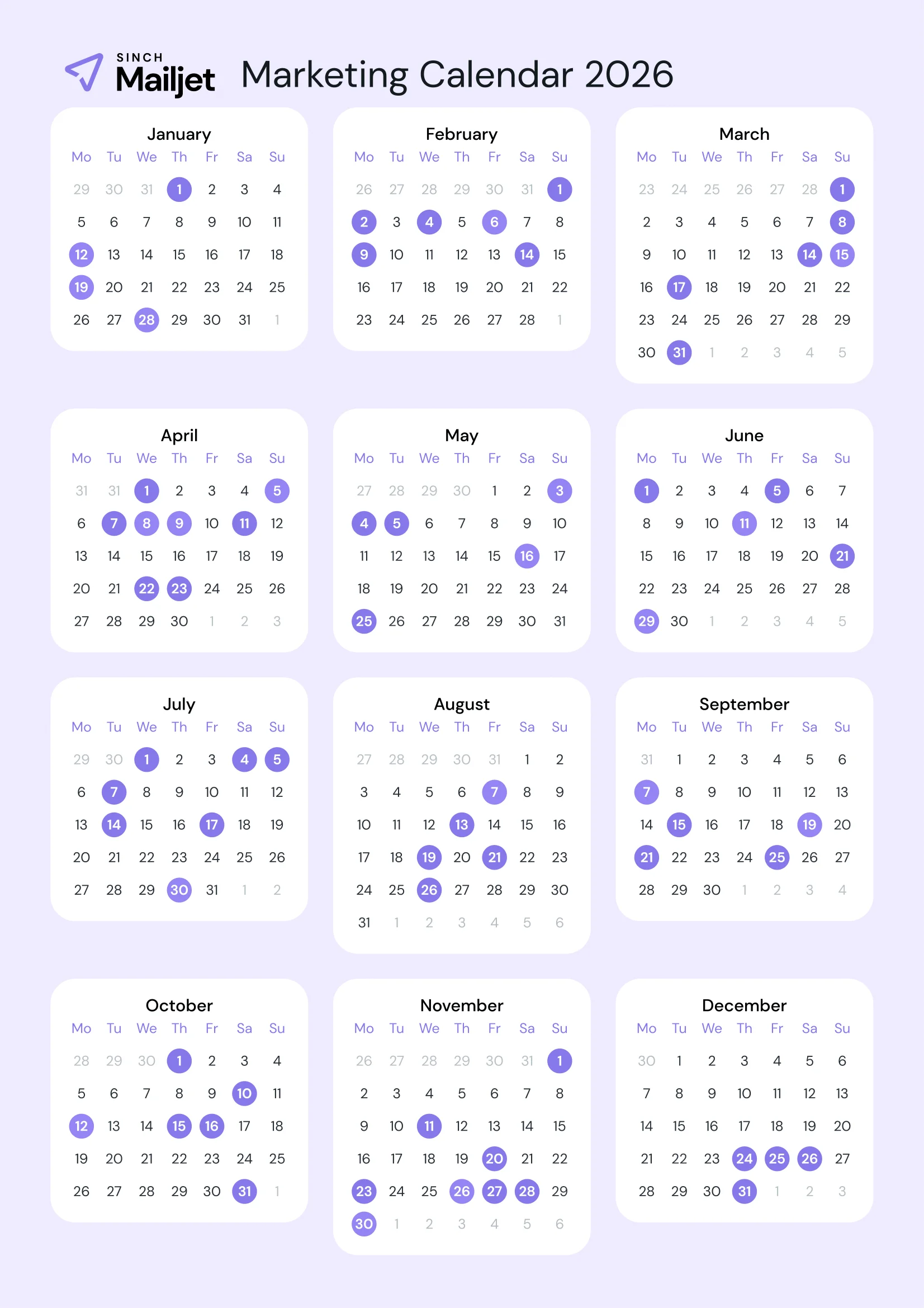
The foundation of any successful marketing endeavor lies in foresight. To empower brands in this crucial preparatory phase, a comprehensive overview of 2026’s most relevant dates has been compiled, offering an invaluable resource for strategic alignment. This guide not only highlights essential dates to integrate into marketing campaigns but also provides access to a free 2026 Marketing Calendar, urging immediate action for diary management and campaign scheduling.
The Strategic Imperative of a 2026 Marketing Calendar
Contrary to popular belief, the actual implementation of a marketing strategy is often one of the least demanding stages of the process. The true heavy lifting occurs much earlier, during the foundational phases of goal setting, priority establishment, and meticulous planning. A proactive approach to outlining every step of the strategy significantly mitigates potential challenges and inefficiencies further down the line.
Industry analysts frequently advise that the agility demonstrated by brands in recent years, particularly in adapting communication strategies to engage target audiences amidst unpredictable circumstances, underscores the enduring value of a well-structured marketing calendar. Such a tool is not merely a schedule; it is a dynamic roadmap that enables brands to maximize their marketing efforts by aligning with cultural moments, consumer trends, and commercial opportunities.
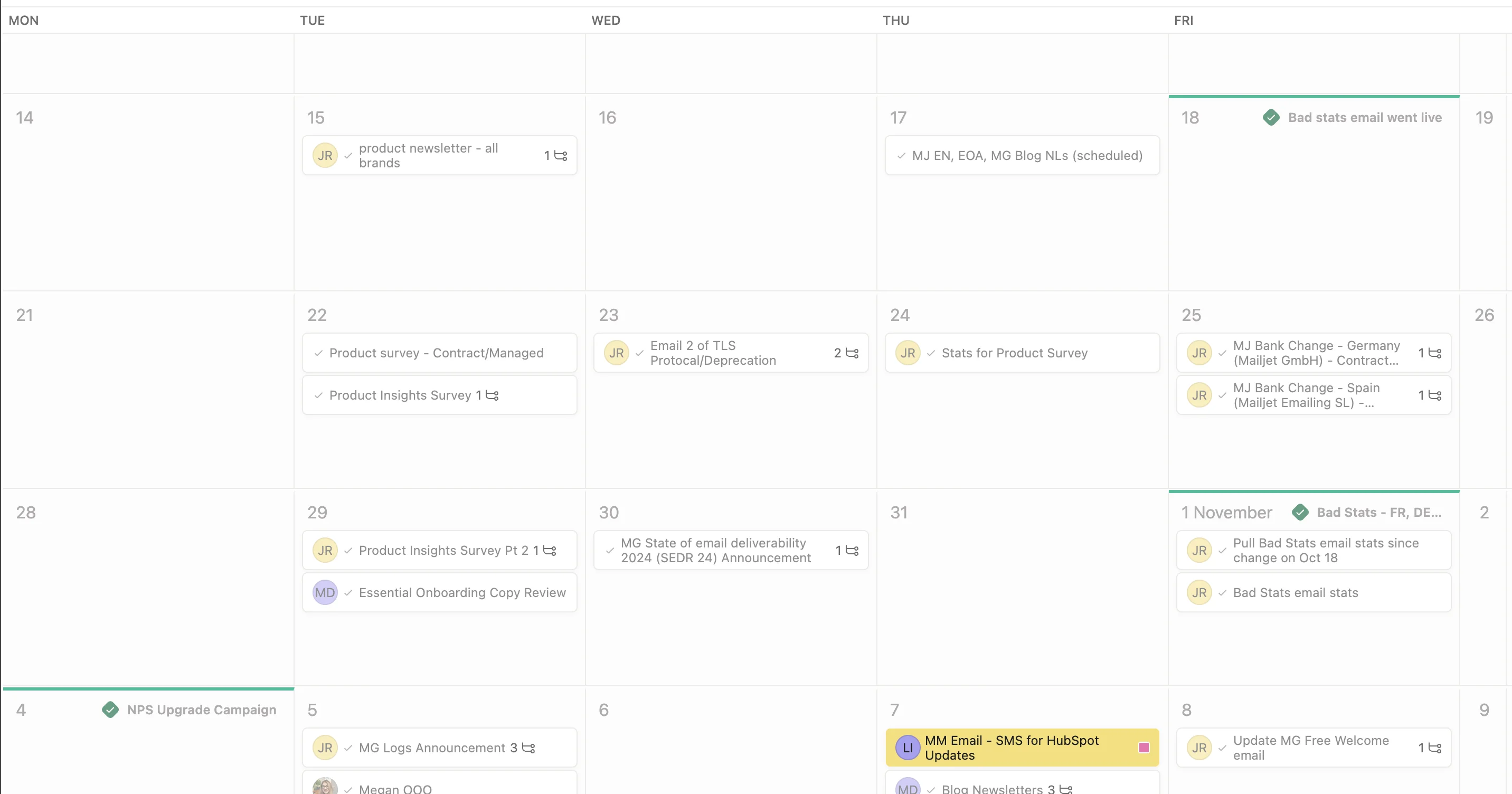
A visual aid, such as the Mailjet 2026 Email Marketing Calendar, serves as a tangible representation of this foresight, detailing key dates and providing a framework for content creation and campaign deployment. This visual tool helps marketers organize their year, ensuring no significant event is overlooked.
Crafting Your Marketing Strategy and Plan for 2026

Before embarking on the tactical execution, marketers must address fundamental questions that define the scope and direction of their efforts. These include: What are the overarching business objectives for 2026? Who is the primary target audience, and what are their evolving needs and preferences? What unique value proposition does the brand offer? And what resources (budget, personnel, technology) are available to support these initiatives?
The annual cycle is replete with special dates, holidays, and peak marketing moments, rendering meticulous planning an indispensable component of both business and personal success. A critical decision involves identifying which promotions—such as special deals, product launches, or seasonal sales—will serve as the anchors for marketing activities. This choice must be directly informed by the strategic goals established at the outset. Misaligning promotional strategies with core objectives can severely impact Key Performance Indicators (KPIs), leading to suboptimal outcomes.
For holiday or special day marketing campaigns, a phased approach to promotion planning is highly recommended:
- Pre-Campaign Buzz: Generate anticipation and awareness leading up to the event.
- Peak Campaign Period: Launch core promotions and engage actively during the event itself.
- Post-Campaign Follow-up: Reinforce messaging, capture lingering interest, and analyze performance.
Identifying the Optimal Marketing Channels
Once the marketing strategy is defined and promotional offerings are finalized, the focus shifts to disseminating these messages effectively to the target audience. For promotions centered around specific dates, particularly those outlined in a comprehensive marketing calendar, an omnichannel approach consistently proves most effective.
Omnichannel marketing campaigns, which seamlessly integrate various touchpoints such as in-store experiences, online platforms, social media engagement, SMS marketing, and email marketing, offer a multifaceted engagement strategy. This holistic approach not only allows for diverse interactions with the audience but also creates numerous opportunities for upselling and cross-selling, enhancing customer lifetime value.
While a vast array of channels exists, judicious selection is paramount. Not every channel is suitable for every business or product. For instance, while TikTok might be a vibrant platform for consumer goods, it may not align with the marketing objectives of a B2B service provider like a dental implant manufacturer. However, certain channels remain universally relevant for most businesses.
Email marketing, for example, consistently delivers an impressive Return on Investment (ROI), often cited between $35 and $40 for every dollar spent by industry bodies such as the DMA. Its enduring appeal stems from its capacity for personalization, precise segmentation, and detailed performance analytics. A significant advantage of email is the persistent nature of messages within contacts’ inboxes, allowing recipients to access promotional codes or store information at their convenience, thus extending the campaign’s shelf life.
Leveraging Tools for Marketing Calendar Organization
The sheer volume of dates and events in a marketing calendar can be daunting for any marketer. To optimize efficiency and free up valuable cognitive space, the adoption of organizational and project management tools is essential. Platforms such as Asana, Trello, Monday.com, and ClickUp offer robust features for task management, deadline tracking, and team collaboration. Additionally, specialized content calendar tools, spreadsheet software (like Google Sheets or Excel), and CRM systems (like HubSpot or Salesforce) can be integrated to streamline campaign planning and execution. These tools facilitate the scheduling of email campaigns, social media posts, content creation, and advertisement launches, ensuring timely and coordinated efforts.
Key Dates in the 2026 Marketing Calendar: A Monthly Breakdown
This section provides a detailed look at the critical dates for 2026, offering context, strategic advice, and relevant resources for planning impactful campaigns.
January: New Beginnings and Resolutions
January traditionally revolves around new beginnings, goal setting, and the lingering spirit of the holiday season. Marketers should leverage the pervasive theme of New Year’s resolutions, offering deals on products or services that support personal growth, health, wellness, or productivity.
- January 1: New Year’s Day.
- Context: Global celebration of the new year.
- Marketing Implications: Send "Happy New Year" messages, promote goal-oriented products (fitness, education, organization).
- Early January: Winter Sales (Europe).
- Context: Post-holiday discount period.
- Marketing Implications: Clear inventory, attract budget-conscious shoppers.
- Third Monday in January: Blue Monday (Often cited as the most depressing day of the year).
- Context: A pseudoscientific concept highlighting post-holiday blues.
- Marketing Implications: Offer uplifting content, mood-boosting products, or special "cheer-up" deals.
- January 20: Martin Luther King, Jr. Day (US).
- Context: Observance of civil rights leader’s birthday.
- Marketing Implications: Engage in socially responsible messaging, highlight diversity and inclusion initiatives.
February: Love, Legacy, and Spectacle
February packs a powerful punch with three major cultural and commercial events: Black History Month, Valentine’s Day, and the Super Bowl.
- February 1 – 28/29: Black History Month (US, Canada, UK).
- Context: Celebration of Black history and achievements.
- Marketing Implications: Share stories of diversity, highlight Black-owned businesses, support relevant causes authentically.
- February 14: Valentine’s Day.
- Context: Celebration of love and affection.
- Marketing Implications: Campaigns for gifts, experiences, and romantic gestures. The National Retail Federation reported US Valentine’s Day gift-givers spent an estimated $27.8 billion in 2025, indicating significant consumer spending potential. Consider optional opt-outs for sensitive audiences.
- Early February (Date Varies): Super Bowl Sunday (US).
- Context: The championship game of the National Football League, a major cultural event.
- Marketing Implications: Food, beverages, apparel, electronics, and party supplies promotions. In 2025, consumers spent around $18.6 billion on Super Bowl-related items, with an average spend of $91.58 per person. This period is also a prime time for high-impact advertising.
- February 20: World Day of Social Justice.
- Context: UN observance promoting social justice.
- Marketing Implications: Align with corporate social responsibility efforts, highlight ethical practices.
March: Empowerment, Faith, and Festivities
March is a month of significant cultural and religious observances, offering diverse marketing opportunities.
- March 1 – 31: Women’s History Month.
- Context: Recognition of women’s contributions to history and society.
- Marketing Implications: Share inspiring stories of women within the company, promote products/services supporting women, highlight gender equality initiatives.
- March 8: International Women’s Day.
- Context: Global day celebrating the social, economic, cultural, and political achievements of women.
- Marketing Implications: Similar to Women’s History Month, but with heightened global attention.
- March (Date Varies): Ramadan begins.
- Context: The holiest month in the Islamic calendar, observed by 1.9 billion Muslims worldwide.
- Marketing Implications: Requires cultural sensitivity and respect. Focus on community, family, reflection, and charitable giving. Avoid overtly commercial or insensitive campaigns.
- March 17: St. Patrick’s Day.
- Context: Celebration of Irish culture.
- Marketing Implications: Themed promotions, green products, cultural celebrations.
- March 31: International Transgender Day of Visibility.
- Context: Raising awareness of transgender people and their contributions.
- Marketing Implications: Support inclusivity, highlight diversity, and engage with LGBTQ+ communities authentically.
April: Renewal, Responsibility, and Revelry
April brings the spring season, often coinciding with Easter, alongside important environmental and light-hearted observances.
- April 1: April Fools’ Day.
- Context: A day for practical jokes and hoaxes.
- Marketing Implications: Brands can engage in playful, humorous campaigns, but caution is advised to maintain brand trust and avoid misinterpretations.
- April (Date Varies): Easter Sunday.
- Context: A major Christian holiday, also celebrated secularly with traditions like egg hunts and chocolate.
- Marketing Implications: Promotions for family gatherings, gifts, candy, and spring-themed products. Creative campaigns, like hiding "Easter eggs" (hidden features or discounts) in digital content, can boost engagement.
- April 22: Earth Day.
- Context: Global day dedicated to environmental protection.
- Marketing Implications: Highlight sustainable practices, eco-friendly products, and corporate environmental initiatives.
- April 25: ANZAC Day (Australia, New Zealand).
- Context: Commemoration of military personnel.
- Marketing Implications: Respectful acknowledgment, often involving local business participation in community events.
May: Appreciation, Pop Culture, and International Festivities
May is characterized by themes of appreciation, significant pop culture events, and international celebrations.
- May 1: May Day (International Workers’ Day).
- Context: Celebration of labor and workers’ rights.
- Marketing Implications: Acknowledge employees, offer labor-themed promotions in some regions.
- May 4: Star Wars Day ("May the 4th Be With You").
- Context: An unofficial holiday celebrated by Star Wars fans.
- Marketing Implications: Leverage pop culture fandom with themed content, merchandise, and social media engagement.
- Second Sunday in May (US, Canada, etc.): Mother’s Day.
- Context: Day to honor mothers and maternal figures.
- Marketing Implications: High-spending period for gifts, flowers, and experiences. Marketers should offer an optional "opt-out" for Mother’s Day communications, acknowledging that this day can be sensitive for many.
- May (Date Varies): Eurovision Song Contest Final.
- Context: A highly popular international music competition.
- Marketing Implications: Leverage social media buzz, create themed content, target European audiences.
June: Summer Solstice, Pride, and Sporting Excitement
June ushers in summer, marked by Pride Month and the beginning of major sporting events. This period can also signify a "summer slump" in sales for some sectors.
- June 1 – 30: Pride Month.
- Context: Celebration of LGBTQ+ rights and culture.
- Marketing Implications: Authentic support for the LGBTQ+ community, inclusive messaging, partnerships with relevant organizations. Avoid "rainbow washing."
- Third Sunday in June (US, UK, etc.): Father’s Day.
- Context: Day to honor fathers and paternal figures.
- Marketing Implications: Promotions for gifts, gadgets, experiences, and tools.
- Late June/Early July: Wimbledon Tennis Championship begins.
- Context: Prestigious international tennis tournament.
- Marketing Implications: Themed promotions, sports-related content, targeting sports enthusiasts.
- June 21: Summer Solstice (Northern Hemisphere).
- Context: The longest day of the year, marking the official start of summer.
- Marketing Implications: Promote summer products, outdoor activities, travel deals.
The summer months often see a decline in traditional sales as consumers prioritize vacations and outdoor activities over online shopping. However, this period presents a unique opportunity for brands to differentiate themselves. Instead of interrupting campaigns, marketers should adjust their strategy to align with summer lifestyles. This might involve focusing on travel essentials, leisure products, or engaging content that aligns with relaxation and enjoyment.
July: Peak Summer, Patriotism, and Digital Fun
July is synonymous with summer holidays, national celebrations, and significant sporting finales.
- July 4: Independence Day (US).
- Context: National holiday celebrating US independence.
- Marketing Implications: Patriotic themes, sales on outdoor goods, travel, and celebratory items.
- July (Dates Varies): Tour de France.
- Context: Iconic international cycling race.
- Marketing Implications: Sports-related promotions, health and fitness themes.
- July (Dates Varies): Wimbledon Final.
- Context: Conclusion of the tennis championship.
- Marketing Implications: Final push for related products, recap content.
- July (Dates Varies): 2025 FIFA Club World Cup Final (If applicable in 2026).
- Context: Major international football tournament.
- Marketing Implications: Global engagement, sports merchandise, viewing party promotions.
- July 17: World Emoji Day.
- Context: Celebration of the universal language of emojis.
- Marketing Implications: Creative, engaging social media and email campaigns utilizing emojis to enhance brand personality.
August: Slowdown, Segmentation, and Back-to-School Anticipation
August typically marks a slower period for many businesses as summer peaks. However, it also signifies the lead-up to the crucial back-to-school season.
- August 1 – 31: "Slow Month" (General).
- Context: Many consumers are on vacation.
- Marketing Implications: Re-target missed opportunities. Utilize email segmentation to re-engage contacts who haven’t opened emails in a while with special summer offers or previews of upcoming collections.
- Late August: Back-to-School/University preparations begin.
- Context: Parents and students start preparing for the academic year.
- Marketing Implications: Early promotions for school supplies, clothing, electronics, and educational resources. Consumer spending on back-to-school items consistently reaches tens of billions of dollars annually in the US alone.
September: The "Second January" and Autumnal Re-engagement
September often feels like a "second January" for many, bringing renewed focus, new goals, and significant marketing opportunities as summer ends and the academic year begins in earnest.
- September (Date Varies): Labor Day (US, Canada).
- Context: Observance of workers’ rights.
- Marketing Implications: End-of-summer sales, often associated with a long weekend.
- September 1 – 30: Back-to-School/University.
- Context: The full swing of the academic year.
- Marketing Implications: Continued campaigns for school supplies, technology, apparel, and student-focused services. Re-engage customers with incentives like special promotions, sweepstakes, and exclusive offers. Target those who abandoned online carts.
- September 22: Autumnal Equinox (Northern Hemisphere).
- Context: Official start of autumn.
- Marketing Implications: Transition to fall-themed products, cozy home goods, seasonal fashion.
October: The Spooky Season and Q4 Kick-off
October ushers in the autumnal vibe and marks the official commencement of Q4, a critical period for holiday season planning and sales.
- October 1 – 31: Cybersecurity Awareness Month.
- Context: Promoting online safety and privacy.
- Marketing Implications: Brands can share security tips, highlight their own data protection measures, and build trust.
- October 31: Halloween.
- Context: A widely celebrated holiday with themes of costumes, candy, and spooky decorations.
- Marketing Implications: Significant spending on costumes, decorations, and treats. Brands can run themed campaigns, contests, and promotions. For marketers, October is the ideal time to finalize holiday strategy and infuse campaigns with festive creativity.
- Early October: World Mental Health Day.
- Context: Raising awareness of mental health issues.
- Marketing Implications: Promote well-being products, share supportive content, demonstrate corporate care.
November: Retail Frenzy and Gratitude
November is unequivocally the strongest month for B2C sales, dominated by Thanksgiving and the subsequent Black Friday and Cyber Monday retail events.

- November (Fourth Thursday): Thanksgiving Day (US).
- Context: National holiday focused on gratitude and family.
- Marketing Implications: Messages of thanks, early holiday promotions.
- November (Day after Thanksgiving): Black Friday.
- Context: The biggest shopping day of the year, known for massive discounts.
- Marketing Implications: Essential to mark this date in red on the marketing calendar. Aggressive promotions and offers are expected. Historically, Black Friday sales consistently break records, with billions in online spending alone.
- November (Saturday after Thanksgiving): Small Business Saturday.
- Context: Encourages consumers to support local, small businesses.
- Marketing Implications: A vital opportunity for small and medium-sized enterprises (SMEs) to compete with larger retailers, often with unique local promotions.
- November (Monday after Thanksgiving): Cyber Monday.
- Context: The online equivalent of Black Friday, focusing on e-commerce deals.
- Marketing Implications: Crucial for online retailers, often extending the Black Friday sales period. Total online spending on Cyber Monday also typically reaches record highs, solidifying its place as a key digital sales event.
- November (Tuesday after Thanksgiving): Giving Tuesday.
- Context: A global day of charitable giving.
- Marketing Implications: Brands can align with social responsibility by promoting charitable causes, offering donation matching, or highlighting their own philanthropic efforts.
This period demands high-gear marketing, with campaigns planned well in advance to capture consumer attention in a highly competitive landscape.
December: Festive Finale and Year-End Reflections
December culminates the year with the festive holiday season, offering a final push for Q4 sales while also providing opportunities for brand building and customer appreciation.
- December 24: Christmas Eve.
- Context: Anticipation of Christmas.
- Marketing Implications: Last-minute gift guides, expedited shipping offers.
- December 25: Christmas Day.
- Context: Major Christian holiday and widely celebrated cultural event.
- Marketing Implications: Final push for holiday sales, gift cards, and post-holiday deals. Focus on festive messages, gratitude, and community.
- December 26: Boxing Day (UK, Canada, Australia).
- Context: Traditional day for shopping sales.
- Marketing Implications: Post-Christmas sales, inventory clearance.
- December 31: New Year’s Eve.
- Context: Global celebration marking the end of the year.
- Marketing Implications: Festive messages, promotions for celebratory items, early bird offers for January.
December is not solely about sales; it’s also a prime time to foster goodwill and thank customers for their loyalty throughout the year. Creative campaigns, such as social media competitions (e.g., best holiday decorations), customer appreciation emails, or even lighthearted team-produced holiday content, can significantly enhance brand affinity.
Developing Your Bespoke Marketing Calendar for 2026
Constructing an effective marketing calendar transcends simply noting dates; it necessitates a thoughtful integration of long-term business objectives, a deep understanding of the target audience, and an awareness of product release cycles. The process, while potentially overwhelming at first glance, can be systematically managed through key steps:
- Review 2025 Performance: Analyze past campaigns, identifying what succeeded, what faltered, and why. This data forms the bedrock for future strategy.
- Define 2026 Business Goals: Clearly articulate overarching objectives (e.g., market share increase, customer acquisition, revenue growth).
- Identify Key Audience Segments: Understand the demographics, psychographics, and behaviors of primary and secondary target audiences.
- Map Out Key Business Events: Include product launches, service updates, and internal company milestones.
- Integrate Major Industry Events: Factor in trade shows, conferences, and industry-specific holidays.
- Incorporate Global and National Holidays: Reference comprehensive lists, such as the provided 2026 Marketing Calendar.
- Consider Cultural and Religious Observances: Ensure sensitivity and relevance for diverse audiences.
- Allocate Resources and Budget: Assign budgets for different campaigns and ensure staffing aligns with expected workload.
- Select Appropriate Channels: Determine the optimal mix of digital and traditional channels for each campaign.
- Outline Campaign Themes and Messaging: Develop consistent themes and messaging that resonate with each event.
- Establish KPIs for Each Campaign: Define measurable metrics to track success (e.g., open rates, conversion rates, sales volume).
- Schedule Content Creation and Distribution: Set deadlines for all content assets (emails, social posts, blog articles) and their release.
- Build in Flexibility: Acknowledge that unforeseen events may occur and plan for adaptive strategies.
- Regularly Review and Optimize: Continuously monitor campaign performance and adjust as needed throughout the year.
Creating a detailed marketing calendar for the new year is a proactive measure that ensures alignment across teams, optimizes resource allocation, and ultimately drives consistent, measurable growth. This strategic artifact transforms aspirational goals into actionable plans, providing clarity and direction for all marketing endeavors in 2026.