rifanmuazin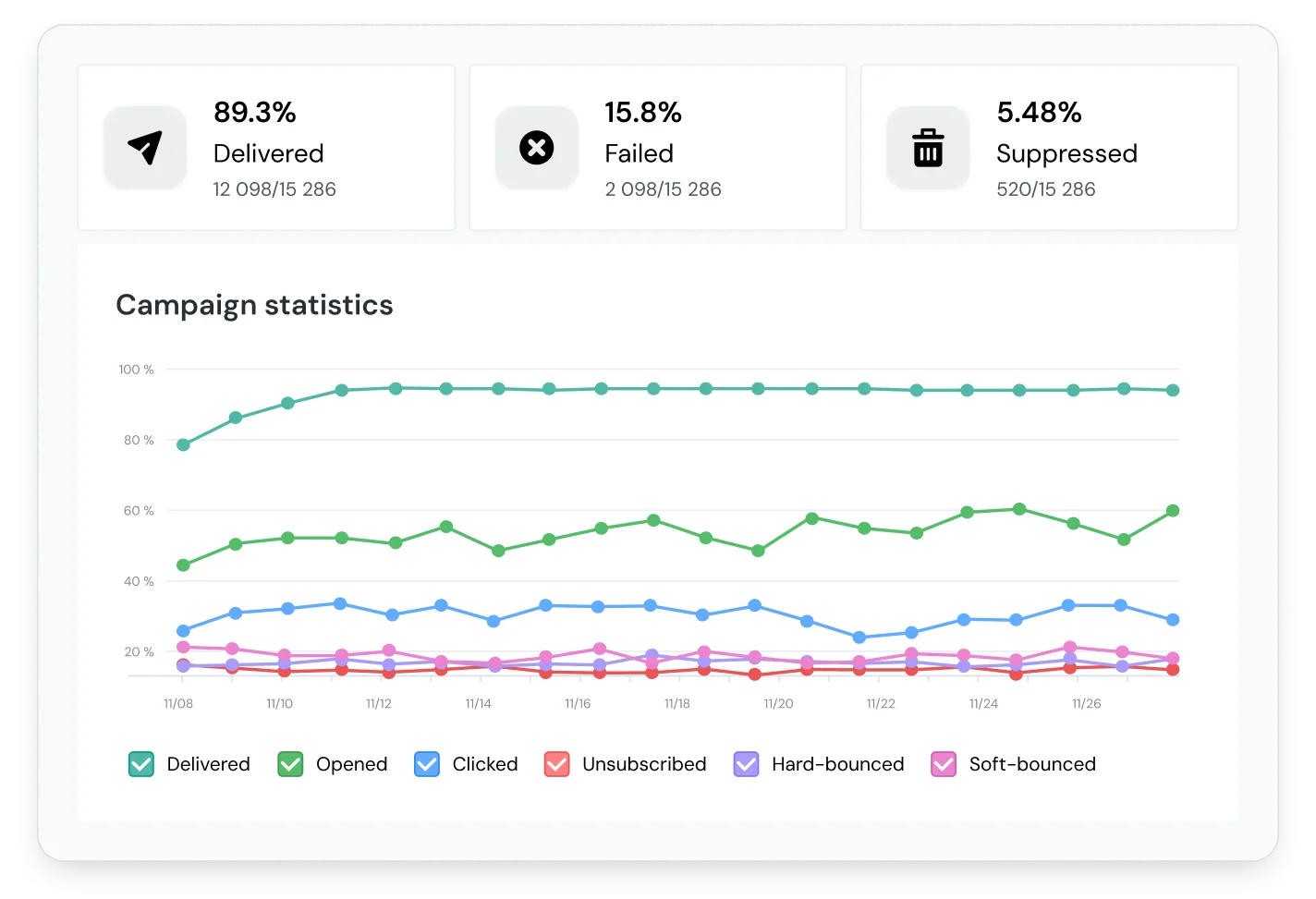
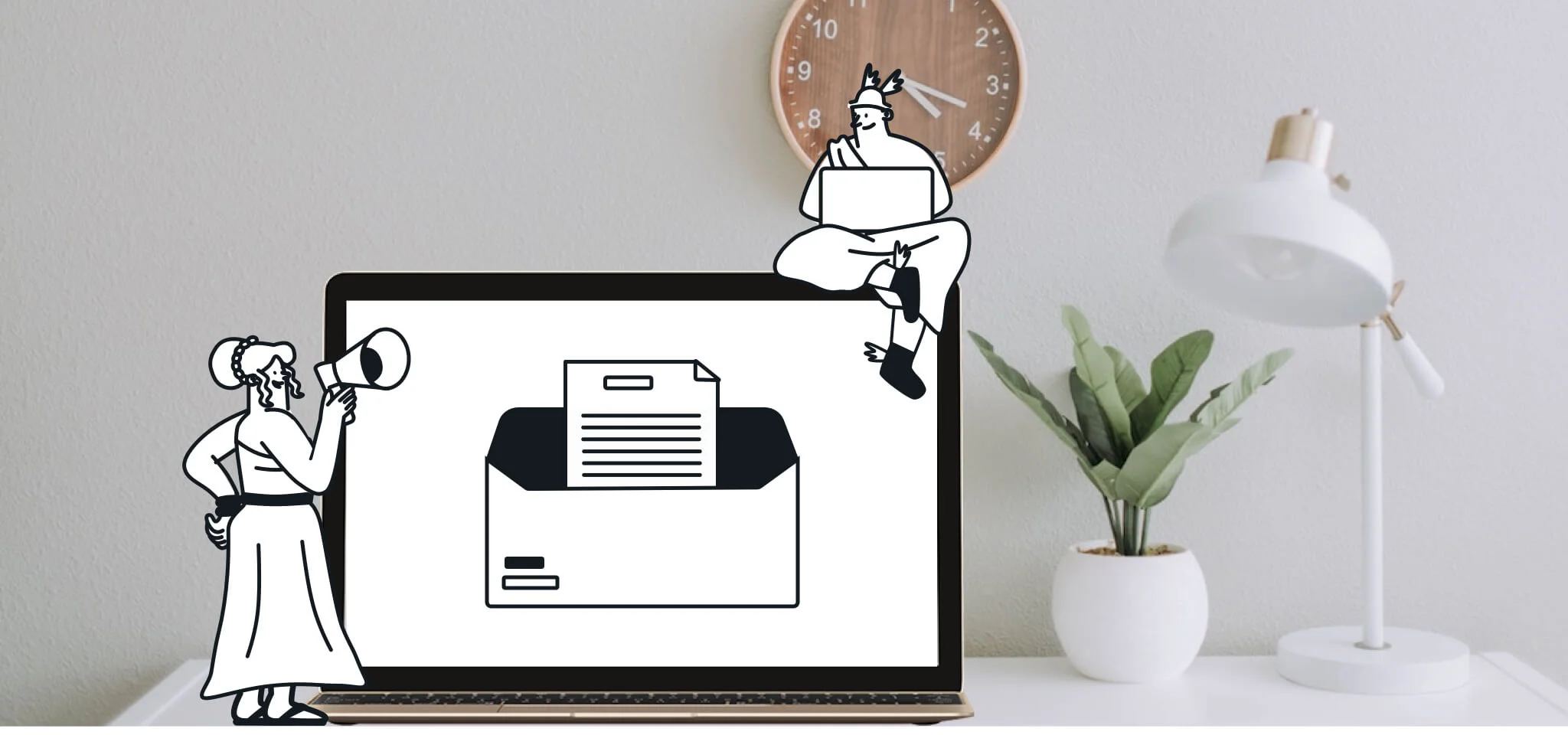
For email marketers navigating the increasingly crowded digital landscape, the perennial question of "What’s the best time to send my newsletter?" remains a pivotal concern. The precise timing of an email campaign is not merely a logistical detail but a critical strategic lever directly influencing key performance indicators such as open rates and click-through rates (CTR). Recent comprehensive studies, including internal analyses by leading email service providers like Sinch Mailgun and Mailjet, are providing clearer, data-backed insights into this complex challenge, moving beyond simplistic generalized advice to offer a more nuanced understanding of recipient behavior.
The Evolving Landscape of Email Engagement
In an era defined by digital overload, consumers and professionals alike are inundated with countless emails daily. This saturation makes standing out in the inbox more challenging than ever. Consequently, the timing of an email’s delivery has escalated in importance, becoming as crucial as compelling content, a strong subject line, and clear calls-to-action. Marketers recognize that even the most perfectly crafted email will fail to achieve its objectives if it arrives at a moment when the recipient is unwilling or unable to engage with it. The goal is not just to deliver an email, but to deliver it when it has the highest probability of being seen, opened, and acted upon. This pursuit of optimal timing is fundamental to maximizing email marketing’s return on investment (ROI) and fostering sustained customer relationships.
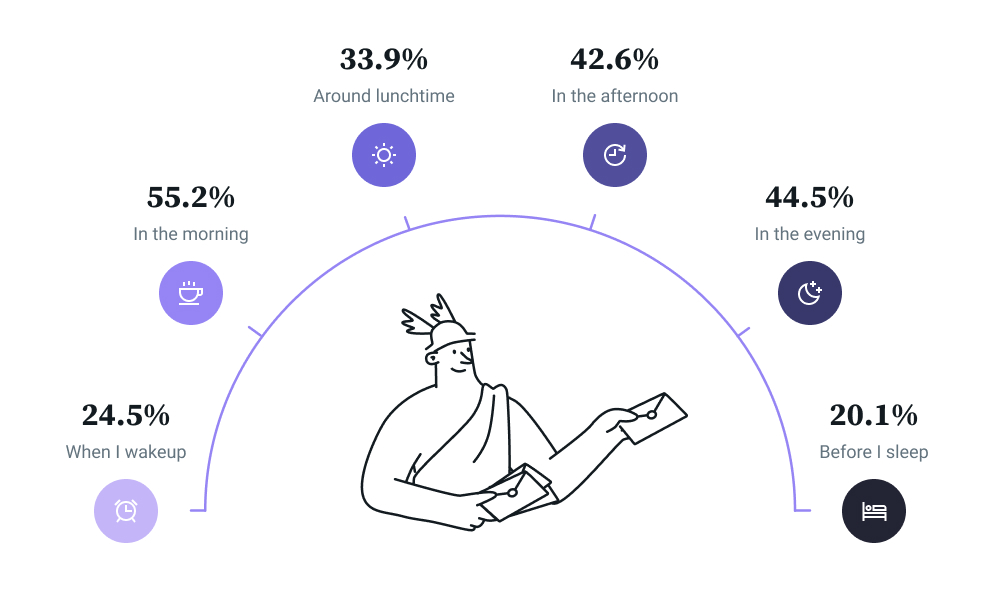
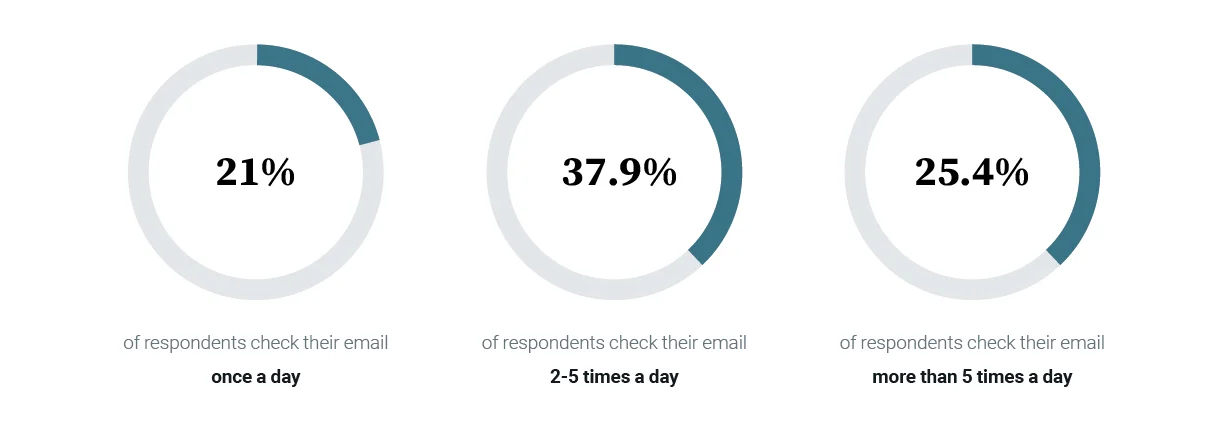
Initially, advice on email send times was often generalized, suggesting broad windows such as "between 9 AM and 12 PM" as universally optimal. While this period frequently correlates with peak business hours and active online engagement, modern research reveals a far more intricate picture. The Mailjet Email Engagement Report highlights that a significant majority of users—63.3%—interact with their personal mailboxes at various points throughout the day. This finding underscores that while email checking is frequent, the capacity to act on an email can be highly time-dependent, making precise timing a critical factor in driving meaningful engagement.
Global Peaks: Unpacking Hourly Engagement Data
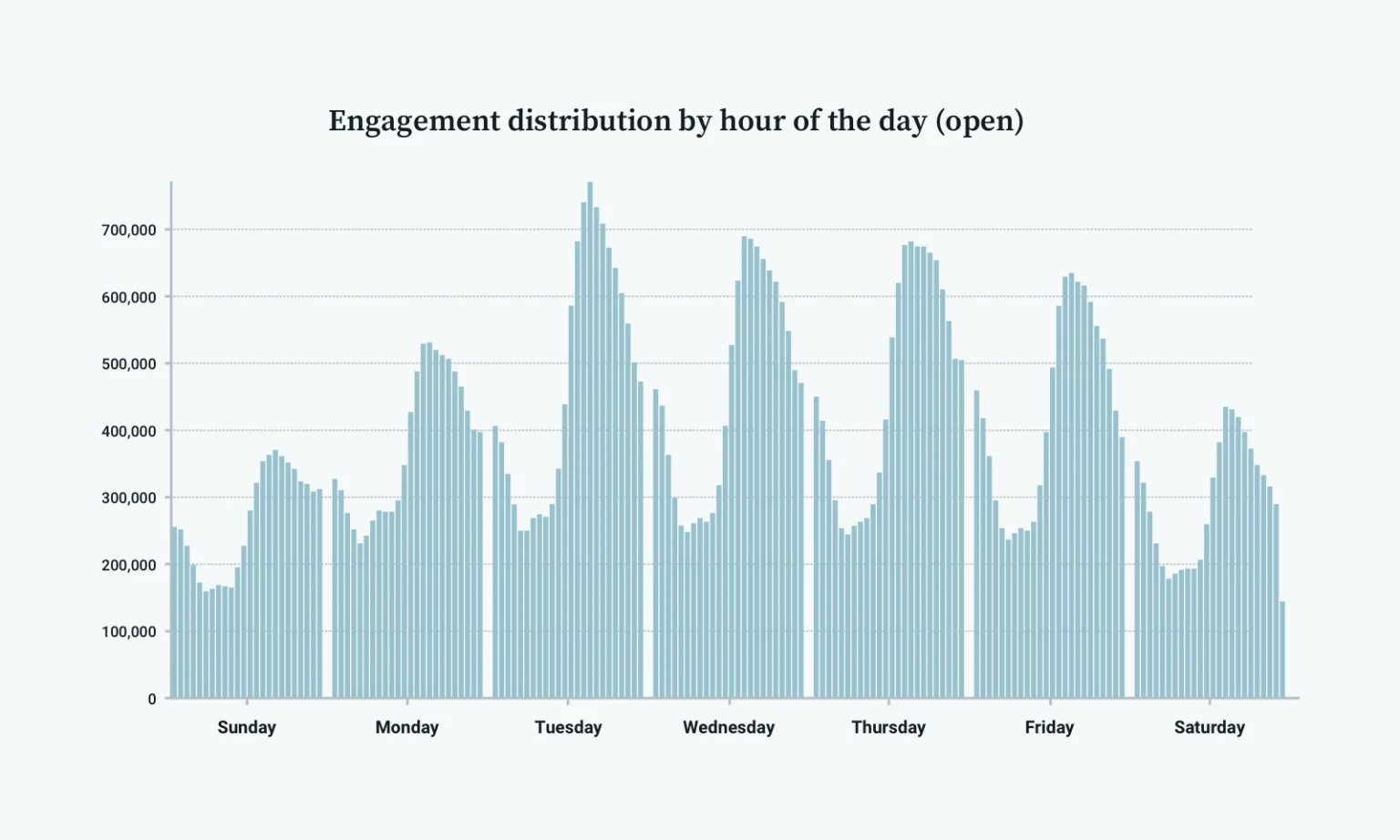
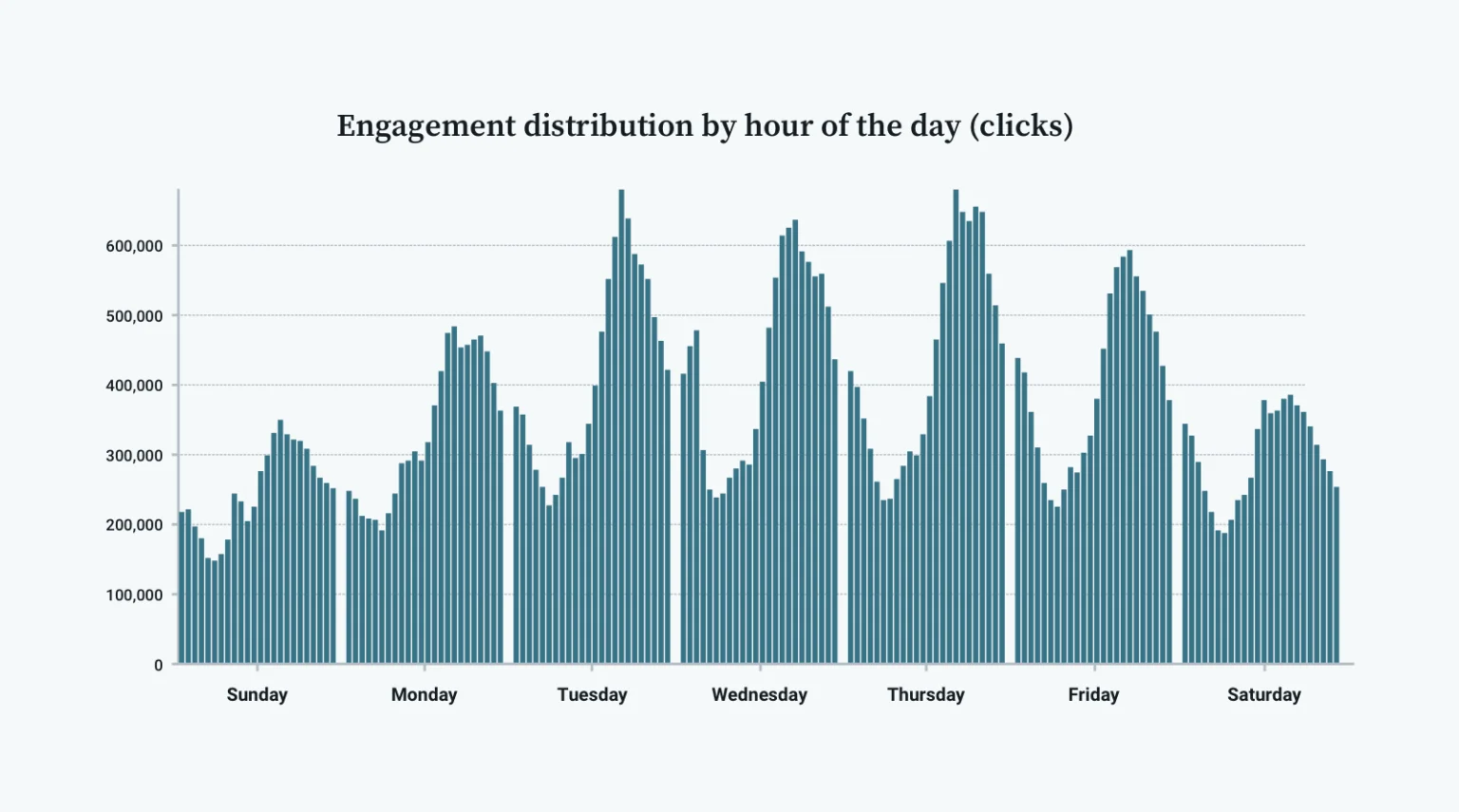
To provide more concrete guidance, extensive research conducted by Sinch Mailgun, analyzing billions of emails sent by its customers, identified specific hourly peaks in engagement. The study revealed that 15:00 Coordinated Universal Time (UTC) consistently demonstrates the highest engagement in click-to-open ratios. This global peak translates to approximately 11 AM Eastern Standard Time during summer months, suggesting a broad window that catches users across major time zones as they settle into their workdays or mid-morning routines.
The data indicates a gradual build-up of open and click rates from early morning hours, peaking around mid-day UTC, and then slowly declining into the evening. This pattern suggests that for a global audience, a centralized mid-day send can often be effective, provided marketers meticulously convert UTC to their target audiences’ local time zones. For instance, an email sent at 15:00 UTC would reach audiences in London during their mid-afternoon, in New York during their late morning, and in Los Angeles in their early morning, hitting a broad sweet spot across various active periods.
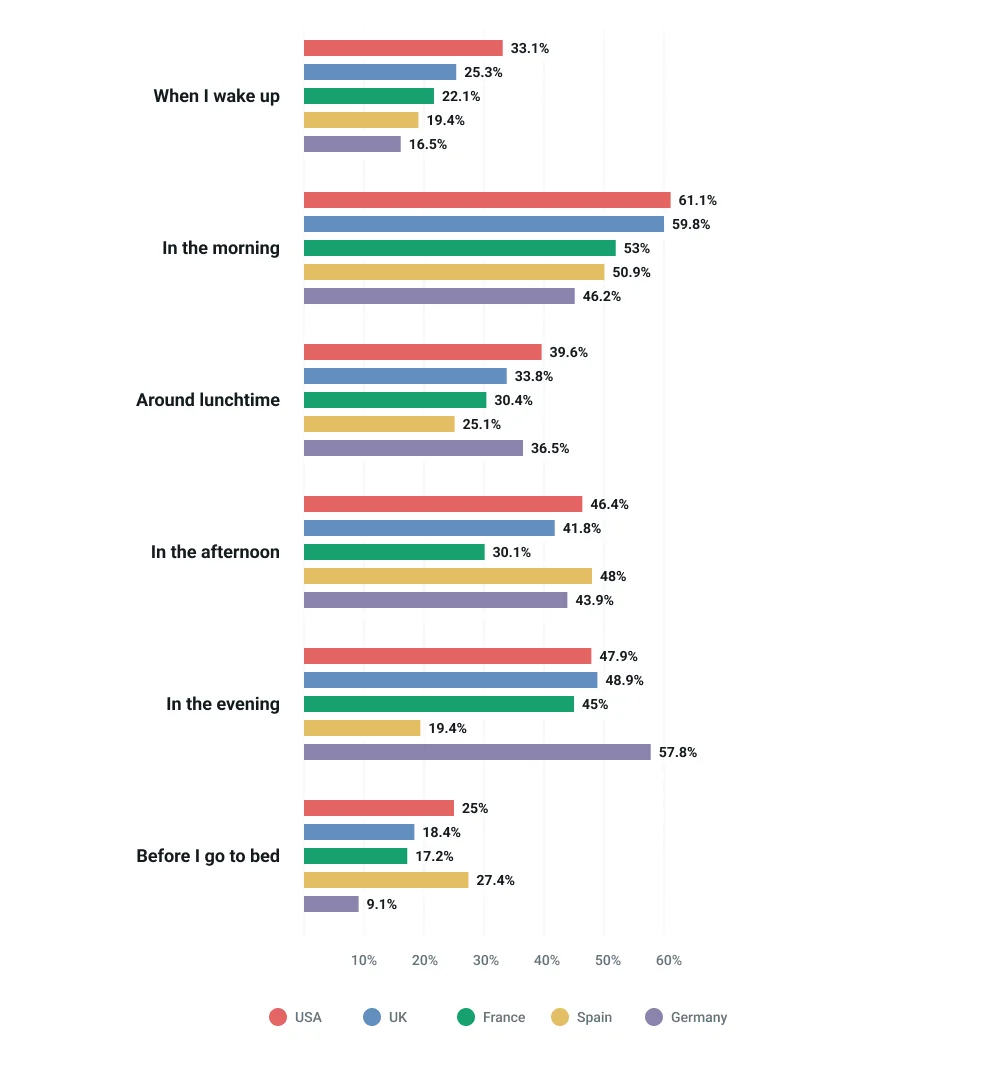
However, a critical caveat to this global data is the profound impact of geographical and cultural differences. The Mailjet Email Engagement Report underscored significant variations in email habits across different countries. For example, German customers showed a strong preference for engaging with emails in the early evening, with 57.8% opening emails during this time. In stark contrast, Spanish participants demonstrated a higher propensity to check emails in the late evening, just before bed, with 27.4% reporting this habit, compared to only 9.1% of Germans. These disparities highlight the inadequacy of a one-size-fits-all approach and strongly advocate for audience segmentation based on geographic location and cultural email consumption patterns. Marketers must invest in understanding the unique rhythms of their international subscribers to tailor send times for localized maximum impact.
The Weekly Pulse: Best Days for Email Campaigns
Beyond the hour of the day, the day of the week plays an equally significant role in determining email campaign success. Industry data consistently points to a clear hierarchy of engagement across the week, heavily influenced by work-life balance and routine.
Optimal Days: Midweek Dominance
The Sinch Mailgun study, corroborated by numerous other industry reports from platforms like HubSpot and Campaign Monitor, identifies Tuesdays through Thursdays as the period with the highest open and click-through rates. Tuesdays often see a surge in productivity and email engagement as individuals settle into the work week after addressing Monday’s backlog. Wednesdays maintain strong engagement, serving as a robust second option. Thursdays continue this trend, offering another prime opportunity before the week winds down.
For marketers considering sending multiple campaigns within a week, strategic scheduling becomes crucial. Sending emails on Tuesday and Thursday is generally recommended over consecutive days like Tuesday and Wednesday, or Wednesday and Thursday. This spacing helps prevent subscriber fatigue and inbox overwhelm, ensuring that each message has a fresh opportunity to capture attention.
Navigating the Extremes: Weekends and Mondays
Conversely, Saturdays and Sundays consistently emerge as the worst days for email engagement. The logic is straightforward: weekends are typically reserved for leisure, family, and personal errands, pushing emails to a low priority. Unless the content is specifically lighthearted, entertainment-focused, or directly related to weekend activities (e.g., event promotions, weekend sales), sending marketing emails on these days is likely to result in diminished returns.
Mondays, while part of the traditional work week, also present unique challenges. They are often characterized by individuals catching up on weekend emails, planning the week ahead, or experiencing a dip in initial productivity. The Mailjet study indicates that Fridays, despite often being perceived as a weaker day, actually outperform Mondays significantly in both open and click-through rates. This suggests that while Fridays might see a slight drop-off in engagement compared to mid-week, they still offer a more receptive audience than the busy, catch-up-focused start of the week. Some marketers even find success on Fridays by tapping into the "end-of-week" mindset, offering content related to weekend plans or limited-time offers to drive immediate action. The overarching principle, however, remains: understanding the recipient’s mindset and schedule on any given day is paramount.
B2B vs. B2C: Differentiated Sending Strategies
A fundamental distinction that must inform any email marketing strategy is whether the target audience is Business-to-Business (B2B) or Business-to-Consumer (B2C). The way individuals interact with professional email accounts differs significantly from how they engage with personal ones.
B2B Email Engagement:
For B2B campaigns, optimal send times generally align with standard business hours. Professionals are typically checking their work emails during the workday, making mid-morning (9 AM – 11 AM) and early afternoon (1 PM – 3 PM) on Tuesdays, Wednesdays, and Thursdays prime windows. Emails sent too early might get lost in the initial morning rush, while those sent too late in the day risk being ignored as recipients prepare to leave work. Weekends and evenings are largely ineffective for B2B, as professional inboxes are often closed or deprioritized. The content of B2B emails is usually informative, problem-solving, or relationship-building, requiring a focused mindset often present during working hours.
B2C Email Engagement:
B2C email behavior is far more varied and dependent on the product or service. While some B2C content might perform well during daytime hours (e.g., e-commerce promotions), leisure-oriented or content-rich newsletters often see higher engagement outside of traditional work hours. Evenings (6 PM – 9 PM) and sometimes weekends can be effective, particularly for content that consumers can enjoy during their free time. The "late evening before bed" trend observed in Spanish users is a prime example of a B2C-specific window. Marketers need to consider the nature of their product—is it a quick purchase decision, or does it require more consideration? This helps determine when a consumer might have the time and inclination to engage. For example, a restaurant offering dinner specials might find success with an early evening email, while a travel agency promoting vacation packages might perform better on a Sunday afternoon when people are planning for the week ahead.
The distinction between B2B and B2C behavior is crucial for effective audience segmentation. Leveraging detailed marketing personas that outline subscriber demographics, online habits, and purchasing behaviors can provide invaluable insights into their preferred email engagement times, ensuring messages resonate when they are most receptive.
The Imperative of Timing: Why Every Minute Counts
The importance of email sending time cannot be overstated. In a digital environment where the average user receives dozens, if not hundreds, of emails daily, an email’s position in the inbox is a major determinant of its fate. Emails at the top of the inbox typically command the best engagement, simply because they are the first to be seen. This explains why strategic timing is not a luxury but a necessity for successful email marketing campaigns.
Sending campaigns at the right time significantly contributes to:
- Increased Open Rates: A well-timed email is more likely to be seen and opened, especially if it arrives when the recipient is actively checking their inbox and has the capacity to engage.
- Higher Click-Through Rates (CTR): Opening an email is just the first step. When an email is opened at an opportune moment, recipients are more likely to be in a receptive frame of mind to click on links and take desired actions.
- Improved Deliverability: High engagement rates signal to email service providers that your emails are valuable, positively impacting your sender reputation and increasing the likelihood of future emails landing in the primary inbox rather than spam folders.
- Enhanced Brand Perception: Consistently sending relevant emails at times convenient for subscribers builds trust and demonstrates an understanding of their needs, reinforcing a positive brand image.
- Optimized Resource Allocation: By focusing efforts on optimal sending windows, marketers can achieve better results with the same content, maximizing the efficiency of their campaigns and improving overall marketing ROI.
A significant factor underpinning these benefits is the recipient’s available time and mental capacity. As highlighted by the Mailjet report, "86.4% of respondents say having time to read an email is an important factor in determining whether to open it." This statistic powerfully illustrates that even the most captivating subject line or compelling offer falls flat if the recipient is simply too busy or distracted to process it. Timing ensures that the message arrives when the recipient is most likely to have the mental bandwidth to engage.
Data-Driven Optimization: Leveraging Analytics and A/B Testing
Given the multifaceted nature of optimal send times, a universal magic hour is elusive. The "best time" is highly specific to a business’s unique audience, industry, and campaign objectives. Therefore, the most effective strategy involves a rigorous, data-driven approach centered on continuous testing and analysis.
Marketers are encouraged to delve into their email service provider’s (ESP) analytics dashboards. Platforms like Mailjet offer comprehensive statistics that break down engagement by day and hour, providing a treasure trove of first-party data. By analyzing past campaign performance, marketers can identify existing patterns of high activity among their specific subscriber base. This historical data forms the foundation for formulating hypotheses about optimal send times.
A/B testing is an indispensable tool in this optimization process. It allows marketers to experiment systematically with different send times and measure their impact on key metrics. For instance, a marketer could test three different send times for their weekly newsletter over three consecutive weeks: 10 AM, 1 PM, and 9 PM. Alternatively, a single campaign could be split-tested, sending to half the list in the morning and the other half in the afternoon, and then comparing the results. This iterative experimentation, akin to a scientific method, gradually reveals the most responsive windows for a particular audience.
Beyond general time testing, marketers should also consider A/B testing:
- Day of the Week Variations: Testing a Tuesday vs. a Thursday send.
- Segment-Specific Timing: Sending to different geographic segments at their respective optimal local times.
- Content-Specific Timing: Testing if a promotional email performs better at a different time than a content-rich newsletter.
Furthermore, leveraging audience segmentation is paramount. Dividing the subscriber list based on demographics, geographic location, past purchasing behavior, or engagement levels allows for hyper-targeted sending strategies. An e-commerce brand, for example, might send promotional offers to night owls in specific time zones during their evening hours, while sending product updates to professionals during their workday.
Advanced email marketing platforms are increasingly integrating predictive sending capabilities, which utilize artificial intelligence and machine learning to analyze individual subscriber behavior and automatically send emails at the predicted optimal time for each unique recipient. While requiring sophisticated infrastructure, this represents the cutting edge of timing optimization, promising highly personalized and effective delivery.
Strategic Considerations and Best Practices
While data provides critical insights, a few overarching best practices can guide any timing strategy:
- Consistency is Key (with exceptions): For regular newsletters or content series, maintaining a consistent send day and time builds anticipation and trust. Subscribers come to expect your content, making them more likely to seek it out. However, flexibility is crucial during holidays or special events when audience routines are disrupted. It’s often better to deviate from the schedule for a higher open rate than to stick rigidly and be ignored.
- Time Zone Awareness: For global audiences, sending emails based on the recipient’s local time zone is non-negotiable. Most modern ESPs offer features to facilitate this, ensuring everyone receives the email during their local peak engagement window.
- Content-Timing Alignment: The nature of your content should influence its send time. Urgent sales, time-sensitive offers, or event reminders might benefit from immediate, high-impact sends. Educational content or newsletters, on the other hand, might be better received during more relaxed reading periods.
- Competitor Analysis: While focusing on your audience is primary, understanding when competitors send their emails can also offer strategic advantages. Sending when competitors are not active might reduce inbox clutter and increase your visibility.
Conclusion: A Dynamic Approach to Email Success
Ultimately, the quest for the "best time to send an email" is not about discovering a single, immutable answer, but rather about cultivating a dynamic, data-informed approach. There is no universal magic bullet; instead, optimal timing is a continuously evolving target shaped by audience behavior, industry trends, and the specific goals of each campaign.
Marketers must move beyond assumptions and embrace a strategy of continuous learning. By meticulously analyzing engagement data from their ESPs, conducting systematic A/B tests, and segmenting their audiences with precision, businesses can progressively refine their sending schedules. Tools offered by platforms like Mailjet—including advanced segmentation, A/B testing, campaign comparison, and granular email statistics—empower marketers to track performance, identify trends, and adapt their strategies effectively.
In an increasingly competitive digital landscape, understanding when to reach your audience is as vital as knowing what to say. By prioritizing data-driven insights and embracing an adaptive mindset, email marketers can ensure their messages cut through the noise, maximize engagement, and drive tangible business results. The journey to perfect timing is ongoing, but with the right tools and analytical rigor, it is a journey that promises significant returns.