rifanmuazin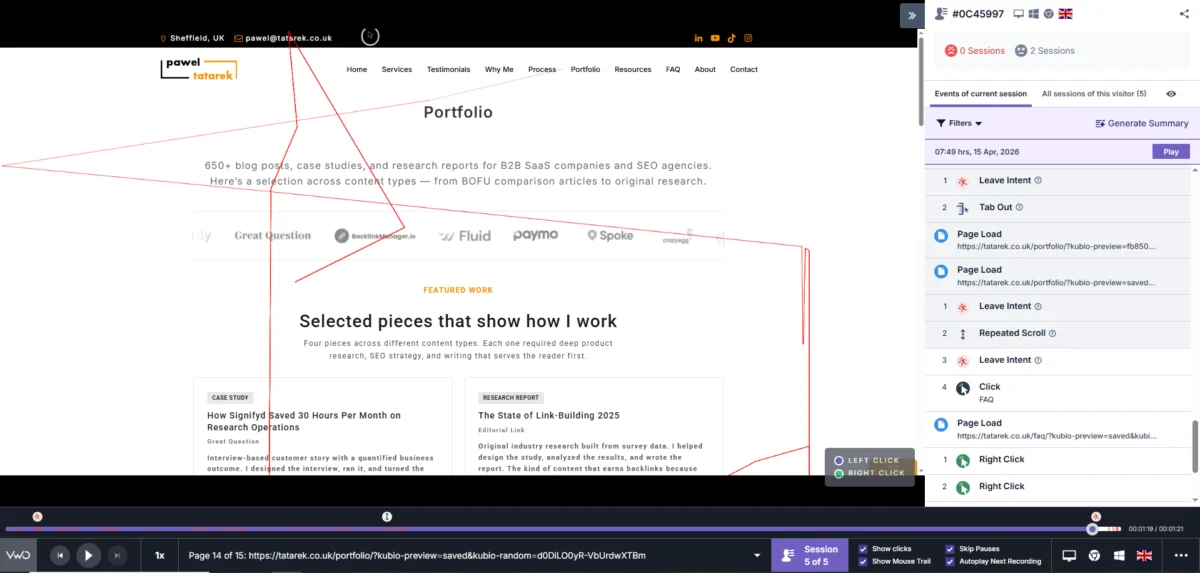
The global market for conversion rate optimization (CRO) software has undergone a significant transformation as digital landscapes move toward privacy-first tracking and more sophisticated user experience (UX) demands. In this evolving environment, two industry stalwarts—Crazy Egg and VWO—remain at the forefront of the conversation for businesses seeking to enhance their digital performance. While both platforms offer a suite of tools designed to understand and influence visitor behavior, they cater to distinct market segments through differing philosophies on feature bundling, technical scalability, and pricing architecture.
As of April 2026, the primary differentiator remains accessibility versus depth. Crazy Egg continues to position itself as the streamlined, all-in-one solution designed for marketing teams and small-to-medium enterprises (SMEs) that require immediate, actionable insights without the friction of complex implementation. Conversely, VWO has doubled down on its reputation as an enterprise-grade experimentation engine, offering deep technical capabilities such as server-side testing and feature management, albeit at a significantly higher price point and a more fragmented product structure.
The Evolution of Behavioral Analytics: A Historical Context
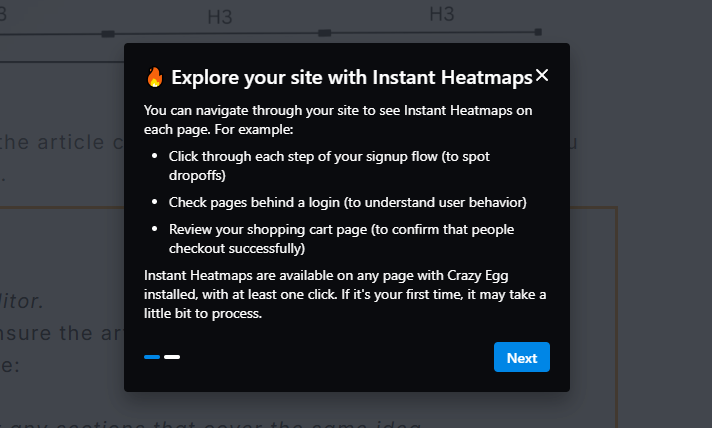
To understand the current rivalry between Crazy Egg and VWO, one must look at the trajectory of the CRO industry. Crazy Egg, co-founded in 2006 by Hiten Shah and Neil Patel, was a pioneer in the visualization of user behavior, effectively introducing the concept of the website "heatmap" to the mainstream. For over two decades, the platform has focused on democratizing data, moving from a single-feature tool to a multi-faceted platform that includes A/B testing and error tracking.
VWO, launched in 2010 by Paras Chopra, entered the market with a focus on the "Visual Website Optimizer" aspect, bringing a user-friendly interface to A/B testing that previously required heavy developer intervention. Over time, VWO shifted its focus toward "Experience Optimization," expanding into a modular ecosystem that includes VWO Insights, VWO Testing, VWO Pulse, and VWO Personalize. This modularity allows for extreme specialization but requires a more complex procurement process for organizations needing a holistic view of their data.
Heatmapping and Visualization: Contrasting Methodologies
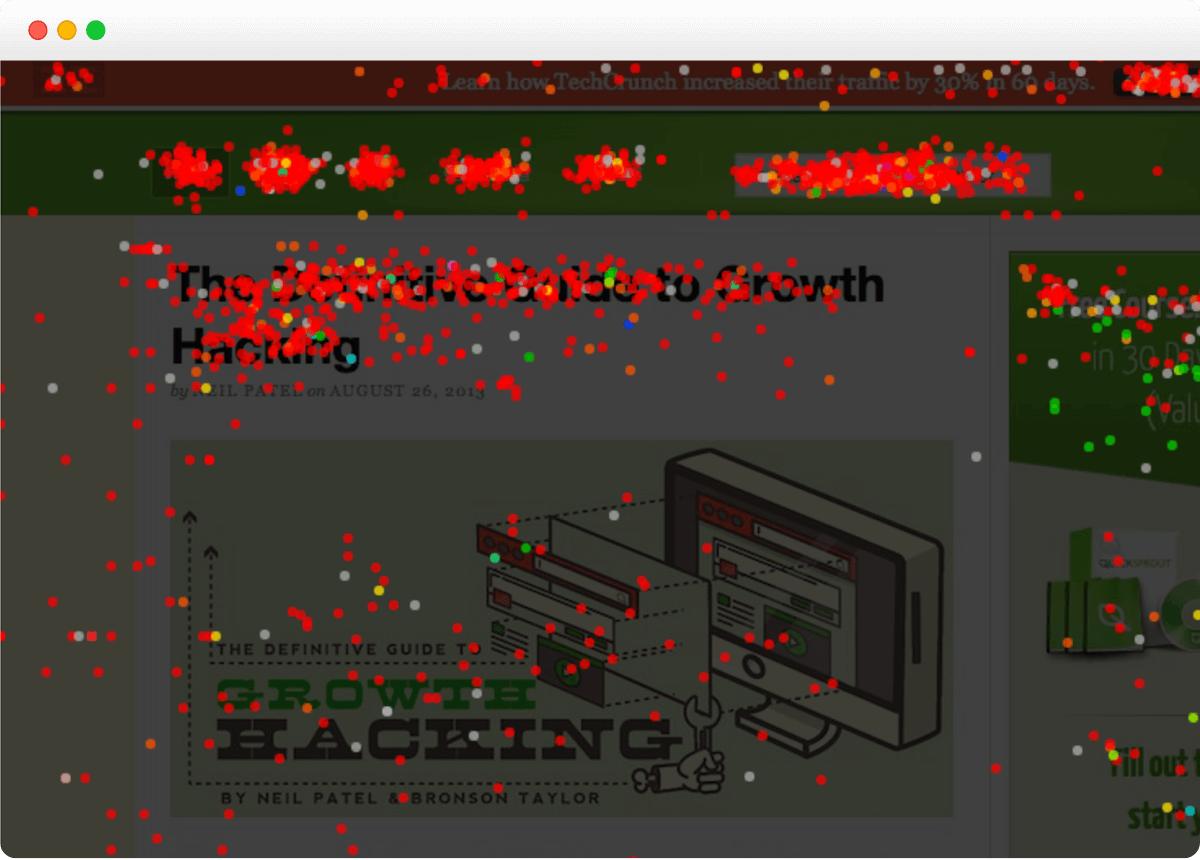
Heatmaps remain the foundational tool for both platforms, yet their technical execution reveals different priorities. Crazy Egg offers five distinct map types: Heatmaps, Scrollmaps, Confetti Maps, Overlay Maps, and List Maps. The "Confetti Map" remains a unique industry feature, allowing users to segment individual clicks by up to 20 filters—such as traffic source, search term, or device—on a single view. This enables marketers to immediately identify which referral sources are driving high-value engagement versus those resulting in high bounce rates.
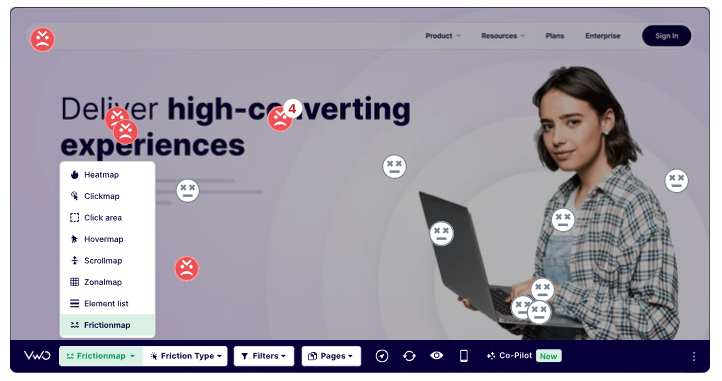
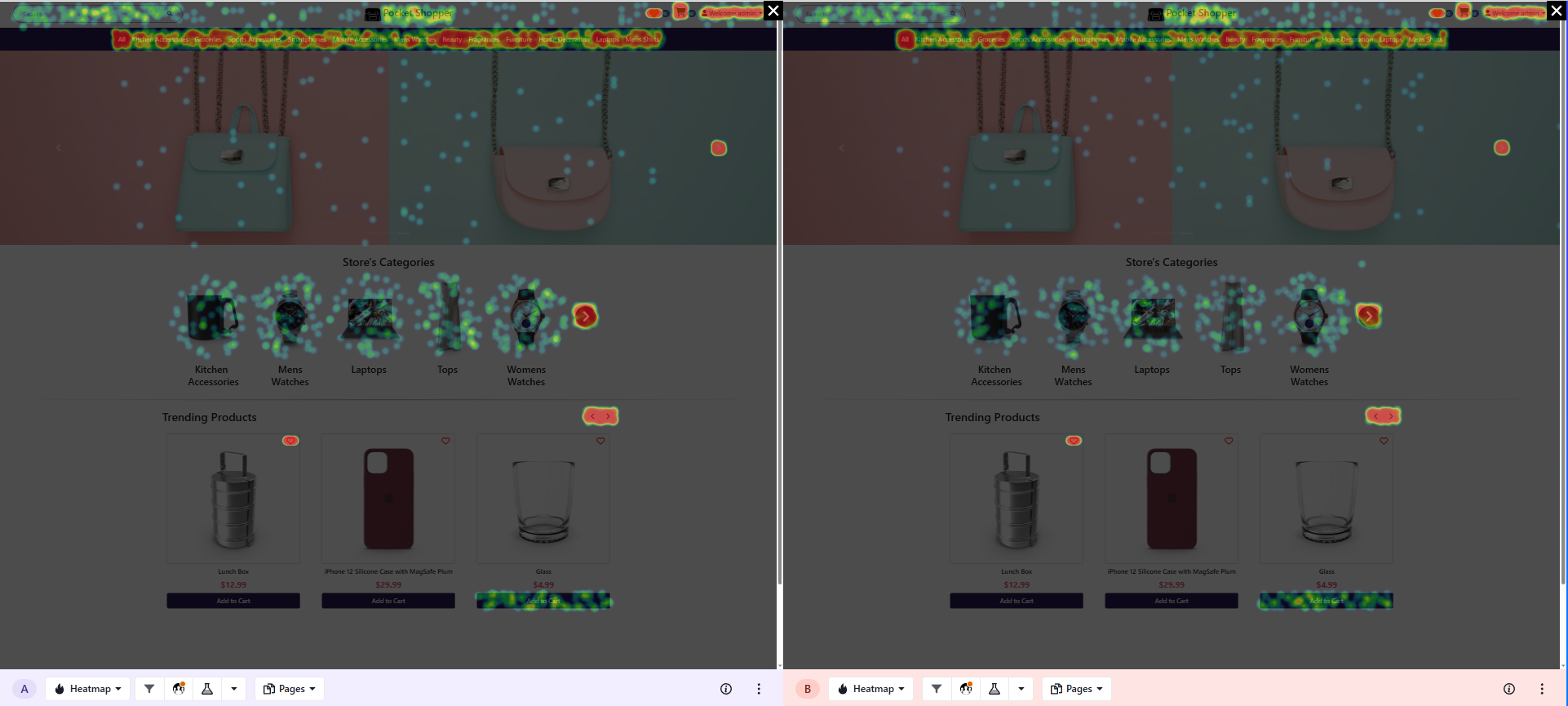
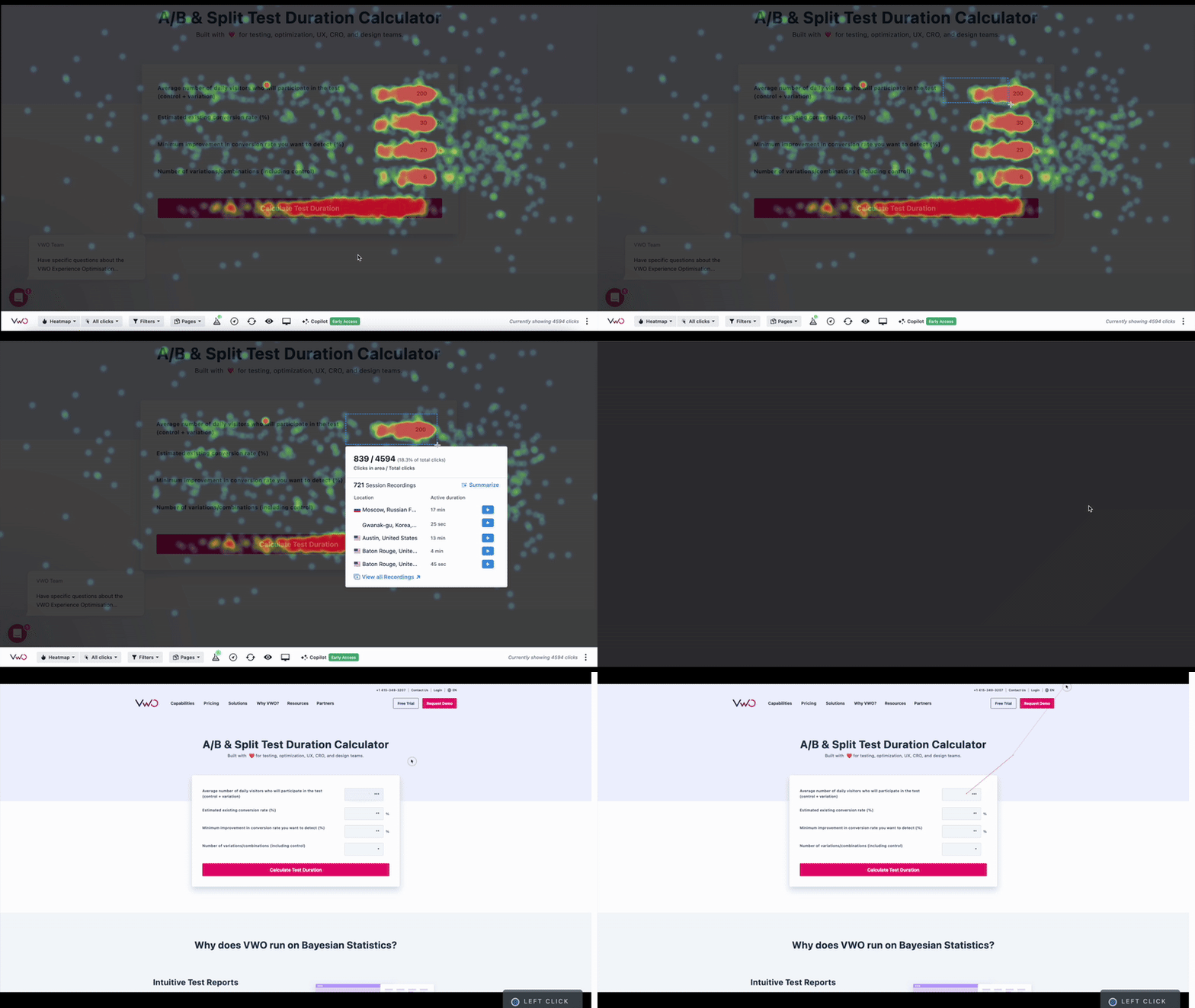
VWO offers seven map types, including specialized views like the "Frictionmap" and "Hovermap." While VWO provides dynamic heatmaps that can track interactions with moving elements like sliders and modal pop-ups, it lacks a direct equivalent to the Confetti Map’s per-click segmentation. In VWO, users must typically rely on side-by-side comparisons of two specific segments. For organizations with highly complex, interactive web applications, VWO’s dynamic tracking offers a technical advantage, whereas Crazy Egg’s Confetti Maps offer superior speed-to-insight for traffic-source analysis.
Session Recordings and Data Retention Strategies
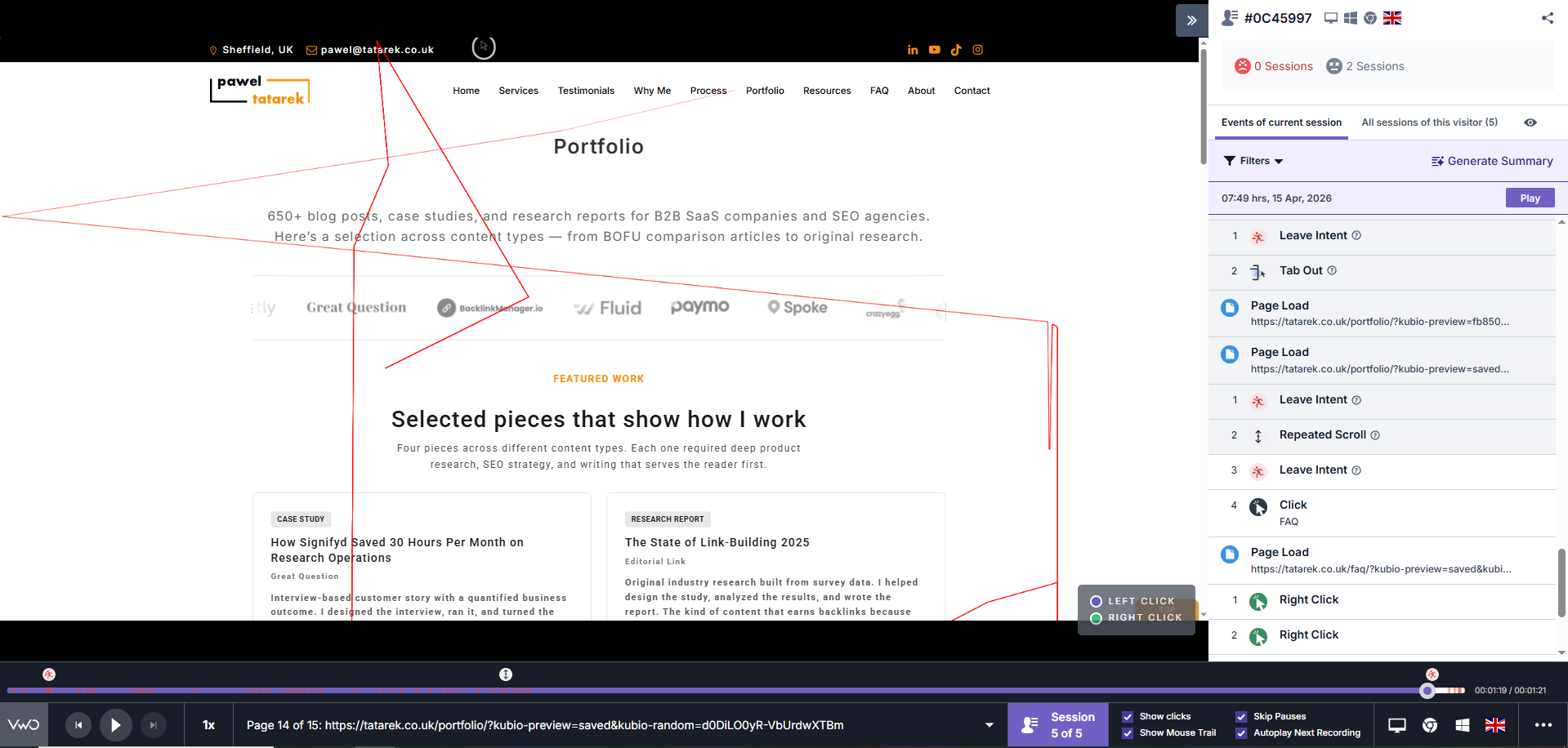
Session recordings have become a critical component of qualitative analysis, allowing teams to "watch" a user’s journey through a site. The two platforms take divergent approaches to how this data is collected and stored.
Crazy Egg utilizes a transparent consumption model where users can set a percentage of traffic to record or target specific high-value pages, such as checkout flows or landing pages. A significant advantage for Crazy Egg in 2026 is its data retention policy, which spans from six months to two years depending on the plan. This allows businesses to conduct year-over-year comparisons of user behavior during major events like Black Friday or seasonal product launches.
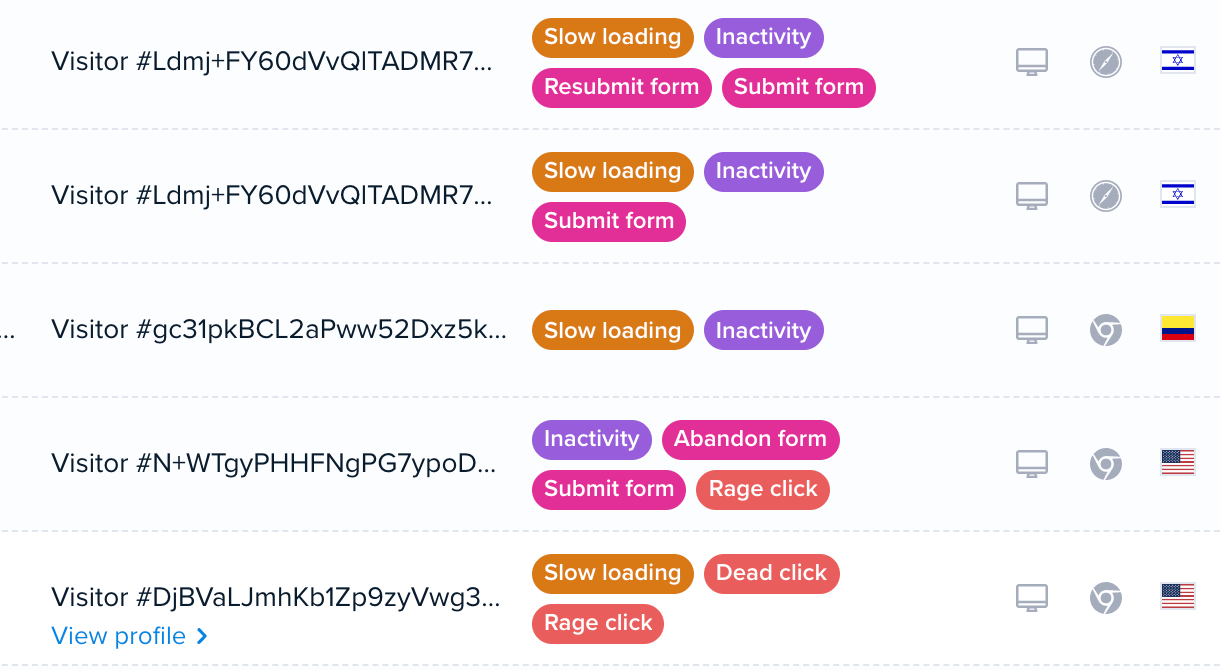
VWO markets its recordings as "unlimited," but this is subject to sampling logic, meaning the platform does not record every visitor but rather a representative subset. Furthermore, VWO’s retention is notably shorter, typically ranging from one to three months. This shorter window may pose challenges for enterprises that require long-term behavioral auditing or those with long sales cycles. However, VWO compensates for this with features like session annotations and the ability to download recordings for offline collaboration, which is a key requirement for large agency-client relationships.
Experimentation and A/B Testing: Marketing vs. Development
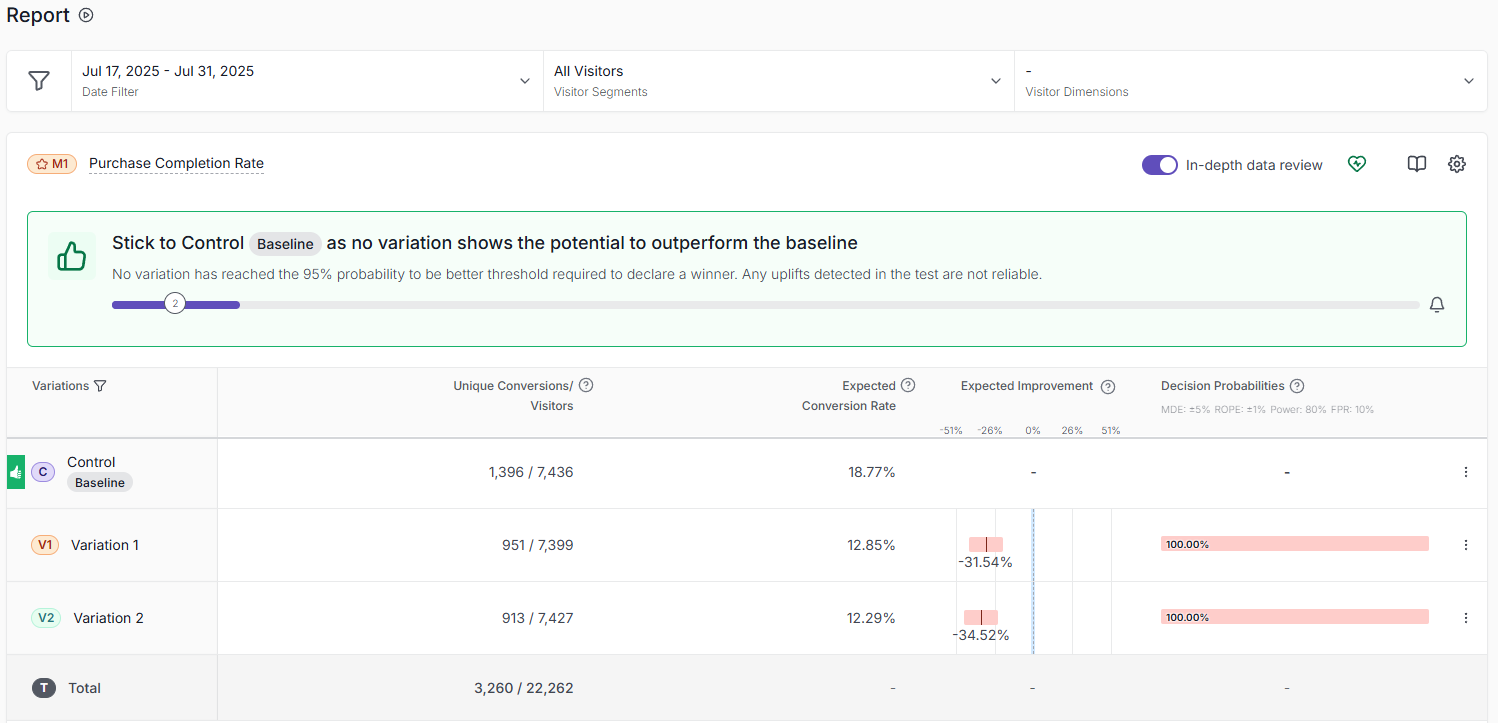
The A/B testing capabilities of both platforms illustrate the divide between marketing-led optimization and developer-led experimentation. Crazy Egg’s testing engine is built for speed and ease of use. It includes a visual editor for no-code changes, split URL testing, and a Multi-Armed Bandit (MAB) approach that automatically shifts traffic toward the winning variant. It also features a deep integration with ad pixels (Google, Meta, TikTok), allowing teams to track the impact of tests directly on their advertising ROI.
VWO Testing is a far more robust engine designed for organizations with dedicated engineering resources. In addition to standard A/B and multivariate testing, VWO offers:
- Server-Side Testing: Allowing for deeper experiments that don’t rely on the browser’s JavaScript.
- Feature Flags: Enabling developers to toggle features on or off for specific user segments without deploying new code.
- Mobile App Testing: Extending optimization to native iOS and Android environments.
- Personalization: Tailoring the entire website experience to specific user profiles.
For a marketing team at a growing e-commerce brand, Crazy Egg provides the necessary tools to increase conversion rates without technical overhead. For a global SaaS enterprise or a high-traffic media house, VWO’s feature management and server-side capabilities are often seen as essential infrastructure.
The AI Frontier: Analysis vs. Creation
Artificial Intelligence has become the primary battleground for CRO platforms in the mid-2020s. Crazy Egg has implemented "Proactive AI," which works autonomously across heatmaps, recordings, and surveys. Instead of waiting for a user to ask a question, the AI scans the data and surfaces "Top Insights," such as identifying a specific form field that is causing 40% of users to drop off. Furthermore, Crazy Egg allows users to export heatmap data directly to external LLMs like ChatGPT or Gemini for custom analysis.
VWO has introduced "VWO Copilot," an AI assistant that focuses on the creation phase of the optimization cycle. Beyond analyzing data, Copilot can generate A/B test ideas, write headlines and CTA copy for variants, and build targeting segments. While this is a powerful tool for high-velocity testing teams, VWO Copilot is currently in an early access phase, with its long-term pricing and "Fair Usage Policy" yet to be fully defined.
Ancillary Tools: Bundling vs. Specialization
A major point of contention in the Crazy Egg vs. VWO debate is the bundling of secondary features. Crazy Egg includes several tools in its standard subscription that VWO either lacks or sells as separate products:

- Error Tracking: Crazy Egg identifies JavaScript errors and links them directly to session recordings, allowing developers to see exactly what a user did before a crash occurred.
- Popup CTAs: A no-code tool for creating banners and sticky bars to capture leads or announce sales.
- Web Analytics: A lightweight alternative to GA4 that tracks pageviews, bounce rates, and traffic sources without the complexity of traditional analytics suites.
VWO offers its own set of specialized features, primarily through its "Insights" and "Pulse" products:
- Experience Score: A proprietary metric that quantifies the "friction" a user feels on a page.
- Form Analytics: Granular data on how users interact with individual form fields.
- Concept Tests: A tool for gathering feedback on designs before they are even coded.
Economic Analysis: Billing Units and Total Cost of Ownership
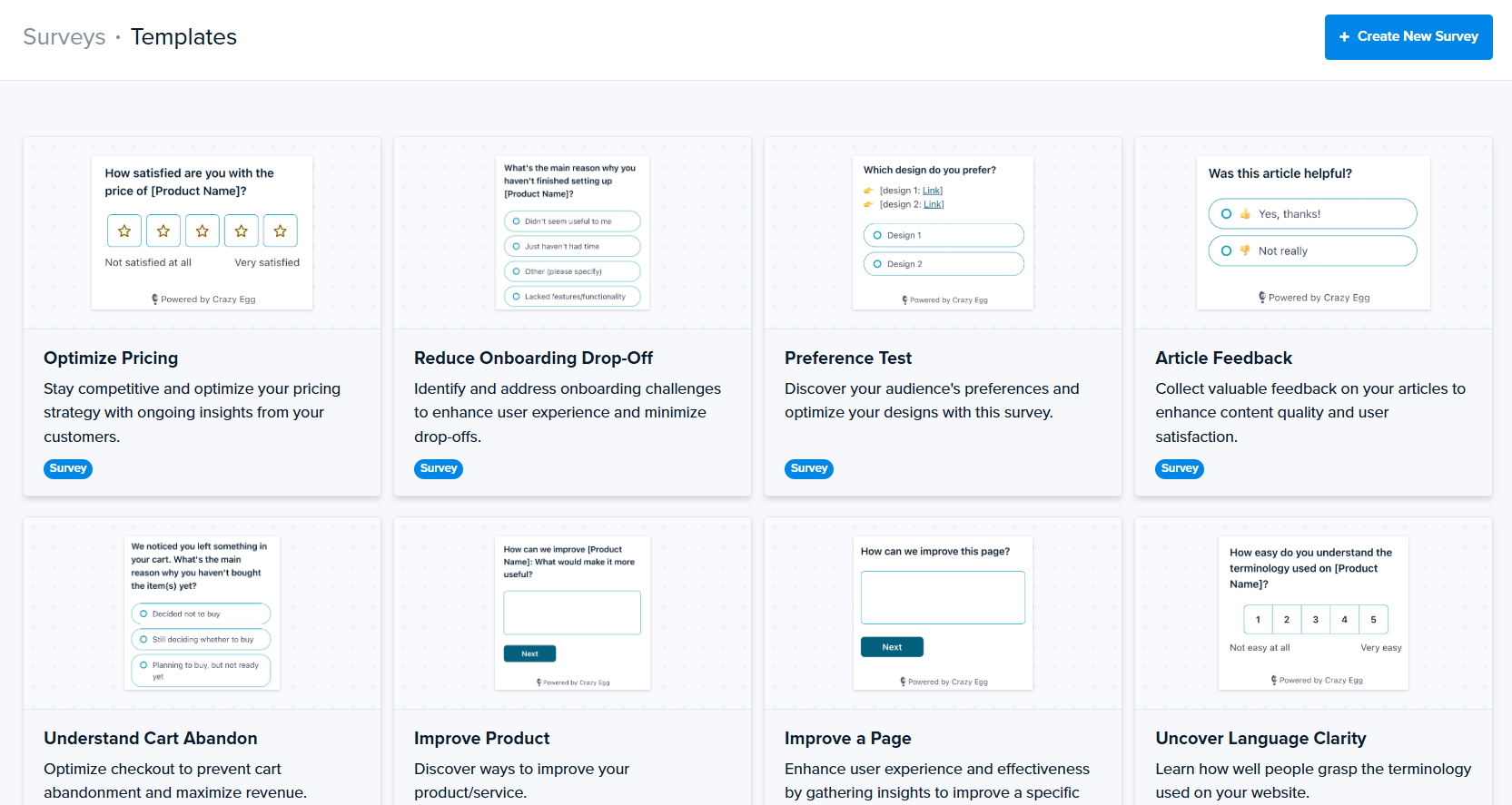
The financial implications of choosing one platform over the other are stark. Crazy Egg operates on a "Tracked Pageviews" model. This means a company is only billed for the specific pages where they have active heatmaps or A/B tests. Surveys and web analytics are provided free of charge and do not count toward the quota.
VWO utilizes a "Monthly Tracked Users" (MTU) model. Under this system, every unique visitor who lands on any page where the VWO SmartCode is installed counts toward the billing limit. For high-traffic websites, this can lead to rapid price escalation.
As of April 2026, the cost disparity is significant. To match the feature set bundled in the $99/month Crazy Egg Plus plan, an organization would need to subscribe to VWO Insights, VWO Testing, and VWO Pulse. At the entry-level tier of 25,000 MTUs, this "Growth Bundle" from VWO totals approximately $1,060 per month. This represents a more than tenfold increase in cost, a factor that often steers SMEs and mid-market companies toward Crazy Egg.
Industry Implications and Final Verdict
The choice between Crazy Egg and VWO ultimately reflects an organization’s maturity and its specific needs.
Crazy Egg is the optimal choice for:
- Marketing teams that need to move fast and don’t have constant access to developers.
- Companies looking for a predictable, transparent pricing model that doesn’t penalize traffic growth.
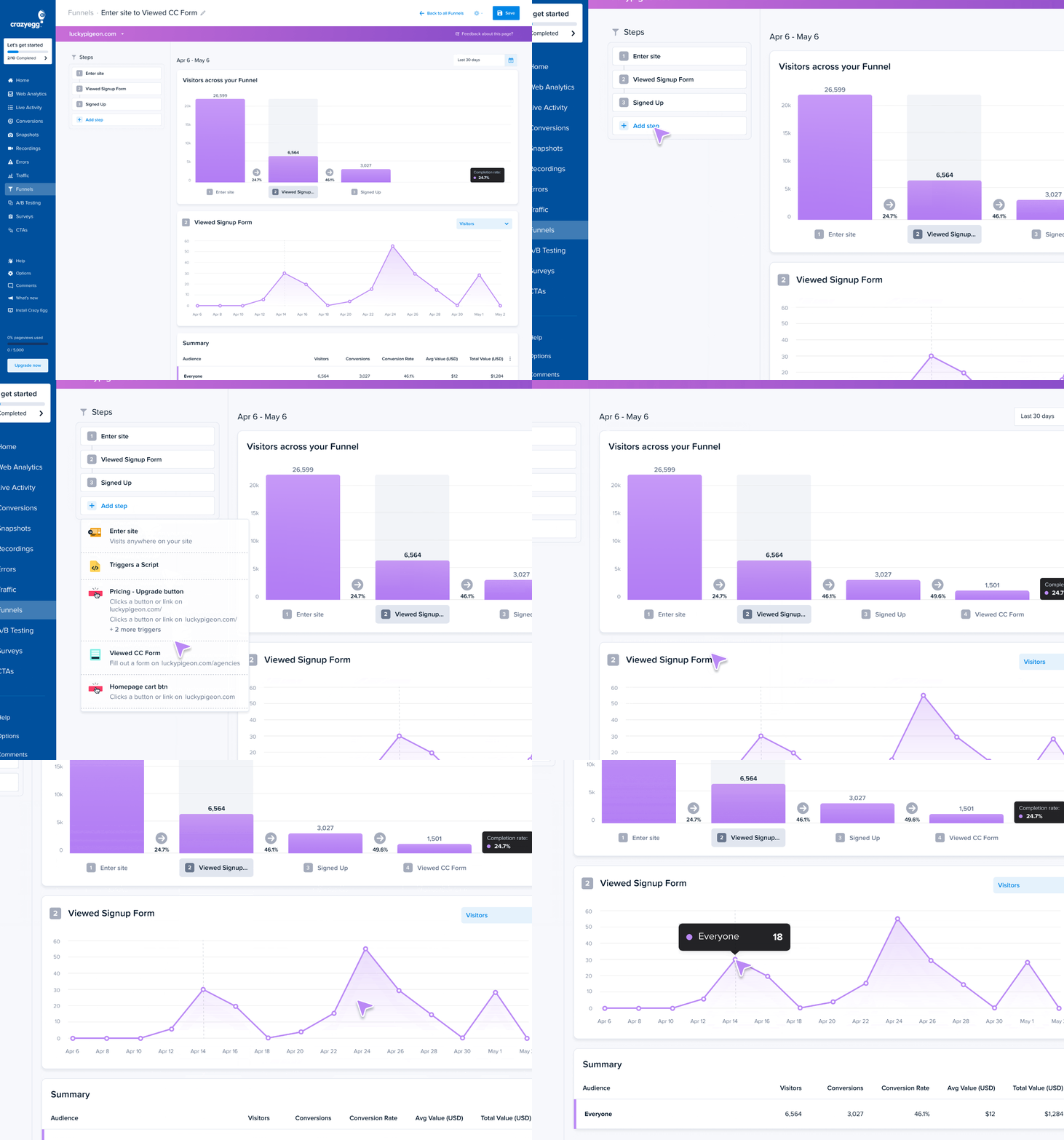
- Businesses that want an integrated suite of tools (heatmaps, testing, surveys, and error tracking) in a single dashboard.
VWO is the optimal choice for:
- Enterprise organizations that require complex experimentation, such as server-side testing and feature flagging.
- Product teams that need to optimize native mobile applications.
- Large-scale agencies that manage dozens of clients and require advanced collaboration and annotation tools.
As the digital economy becomes increasingly competitive, the ability to interpret user intent through data is no longer a luxury but a requirement for survival. Whether through the streamlined, accessible insights of Crazy Egg or the deep, technical experimentation of VWO, businesses must choose the tool that aligns with their operational capacity and their long-term growth strategy. In the current market, Crazy Egg remains the champion of efficiency and value, while VWO holds the crown for technical depth and enterprise scalability.